
This Ohio Roundhouse Feels Like A Cathedral Built For Steam-Era Giants
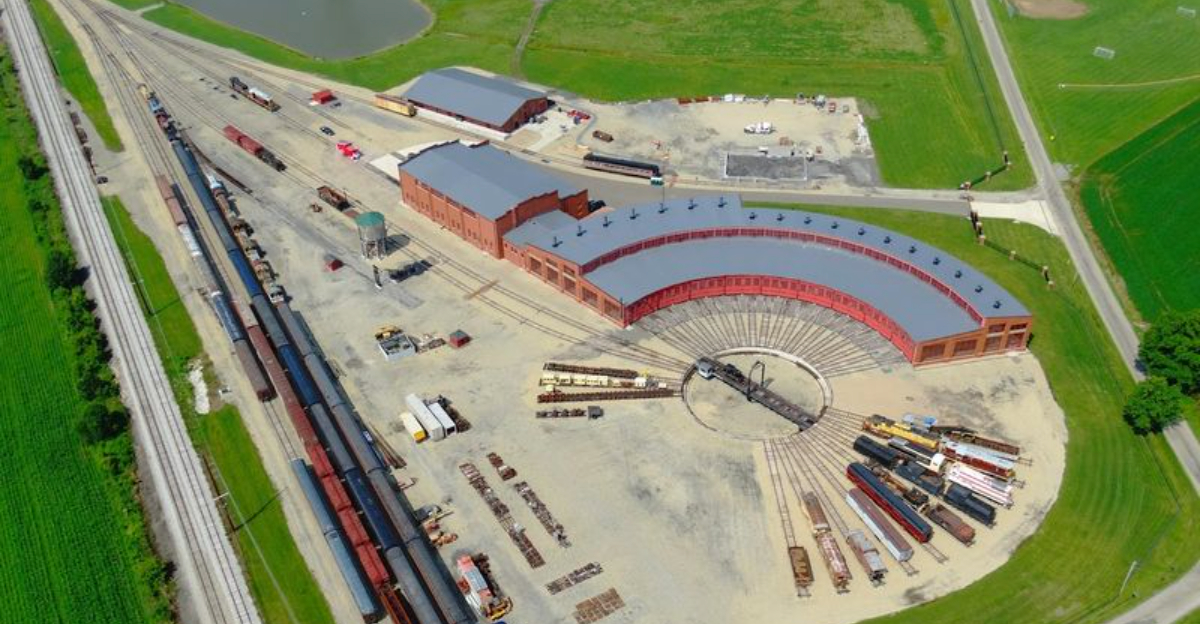
The drive into Ohio’s Amish country already feels like a step outside the usual road-trip rhythm. Then the road bends toward a massive roundhouse, and suddenly the day shifts from peaceful farmland to full steam-era spectacle.
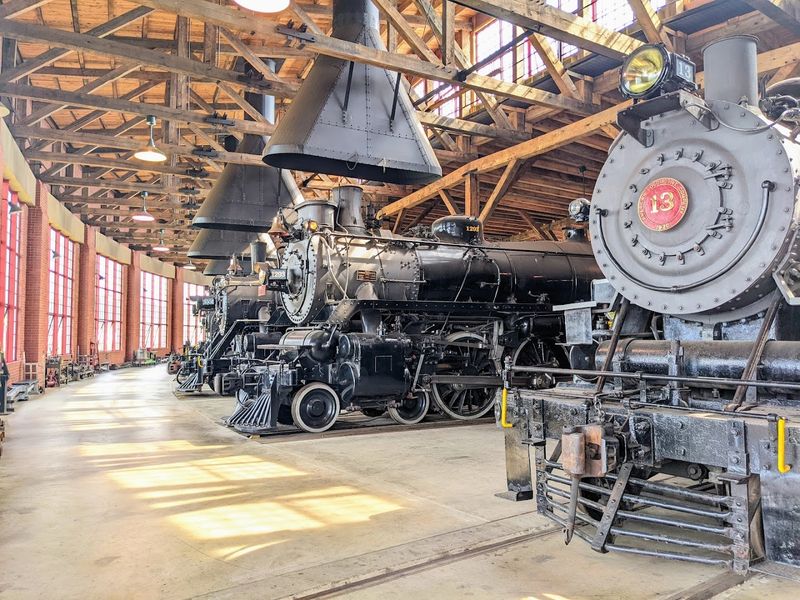
Inside, the scale does the talking first. Towering timber beams rise overhead, restored locomotives line the floor like polished mechanical giants, and the whole space feels built with the same care usually reserved for grand civic landmarks.
You do not have to be a train expert to feel the pull of this place. The guided tour, working turntable, restoration workshop, and rows of historic engines make the past feel loud, heavy, and surprisingly alive, even when the locomotives are standing still.
A First Look at the Roundhouse and Its Location
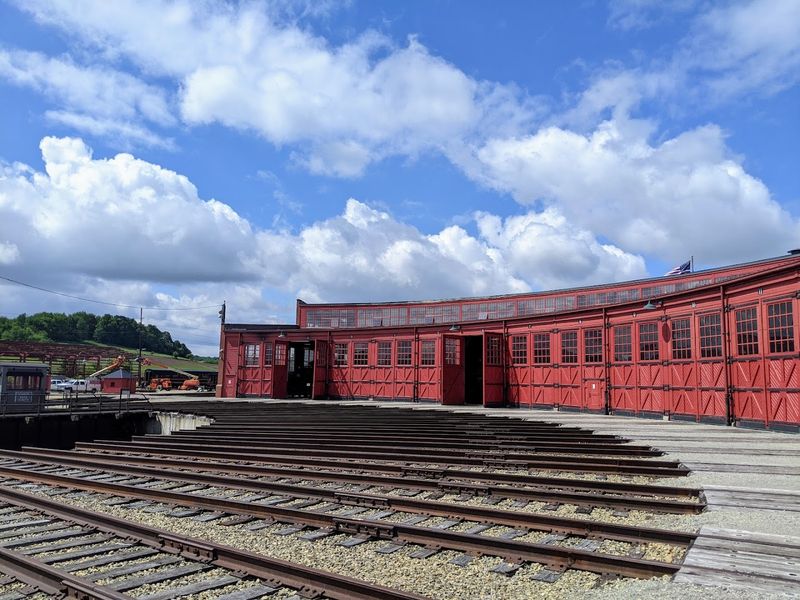
The drive to get here is half the experience. The road winds through quiet farmland and past horse-drawn buggies, and then suddenly a dramatic entrance lane appears, leading you toward a structure that looks almost out of place in the best possible way.
The Age of Steam Roundhouse sits at 213 Smokey Lane Rd SW, Sugarcreek, OH 44681, and the address alone gives you a hint that this is not your average museum stop.
The building is enormous, purpose-built to house full-size steam locomotives under one roof, and the architecture makes an impression before you even step inside.
The wooden pillars inside the roundhouse are structural art on their own. They rise high overhead and give the interior a soaring, cathedral-like quality that you do not expect from an industrial building.
Visitors regularly mention how dramatic the entrance drive feels, and I completely agree. The moment the roundhouse comes into full view, the scale of the whole project clicks into place.
This is not a small hobby collection; it is a serious, lovingly constructed monument to the steam era.
The Story Behind the Collection
Every great collection starts with one person who simply could not stop.
The Age of Steam Roundhouse grew from the passion of Jerry Joe Jacobson, a private collector who spent decades tracking down, acquiring, and restoring steam locomotives from across the country.
His mission was not just to own these machines but to preserve them properly, which is why the roundhouse itself was purpose-built for the collection. The building is heated, dry, and meticulously maintained, and the engines inside are presented with the care you would give fine art.
Learning the backstory of how each locomotive came to be part of this collection is genuinely fascinating.
Some were rescued from long years of outdoor exposure, others came from railroad companies that had long since closed, and each one carries a history that the guides share with real enthusiasm.
The result is one of the most impressive private steam locomotive collections anywhere. That title is not just a marketing claim; seeing the rows of locomotives lined up inside the roundhouse makes it very easy to believe.
The scope of what one person built here is honestly staggering.
Inside the Roundhouse: Scale That Hits Different
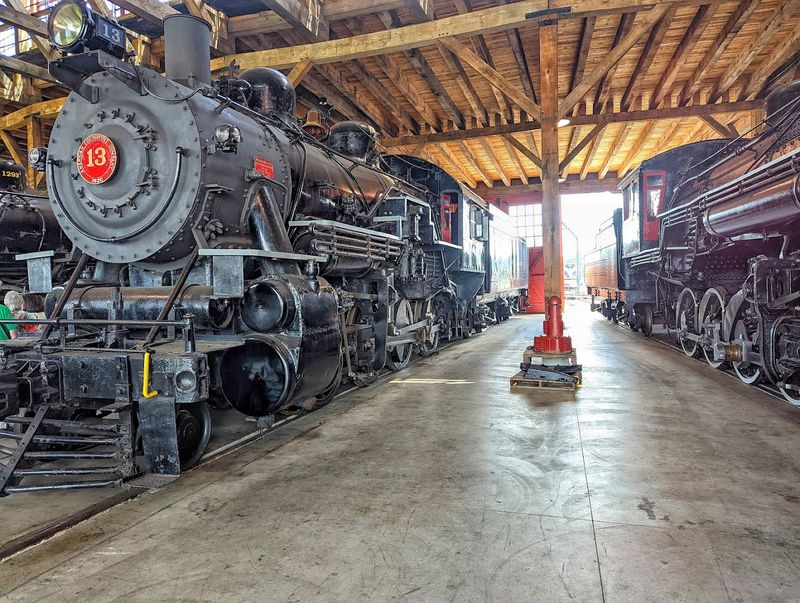
Nothing quite prepares you for the moment you step into the main floor of the roundhouse.
The locomotives are enormous up close in a way that photos simply cannot capture, and having a dozen or more of them lined up in one space creates a visual impact that lands like a punch.
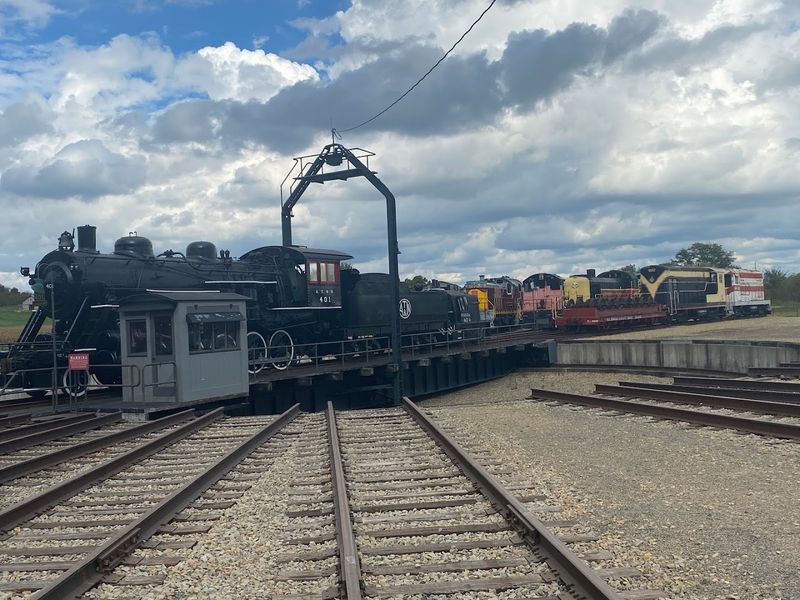
The roundhouse design itself is historically significant. Traditional railroad roundhouses were built in a circular or semi-circular layout around a central turntable, allowing locomotives to be rotated and directed into individual stalls.
This one follows that same principle, which means every engine has its own bay and the overall arrangement feels both organized and theatrical.
The wooden beams overhead are genuinely beautiful. They arch upward in a way that feels intentional and elegant, and the combination of industrial machinery below and warm timber above creates a contrast that is surprisingly pleasing to the eye.
I kept stopping mid-tour just to look up and take it all in. The building does not feel like a warehouse; it feels like a space that was designed to honor its contents.
That attention to setting elevates the whole visit above a standard museum trip.
The Tour Experience and What to Expect
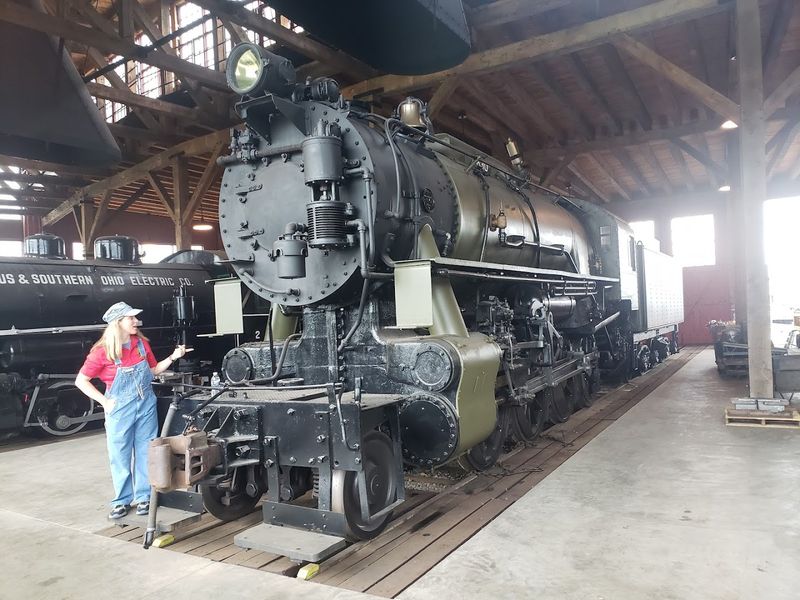
Tours at the Age of Steam Roundhouse are guided, and that structure turns out to be a real asset rather than a limitation.
The guides here are deeply knowledgeable, and they bring the history of each locomotive to life in a way that a self-guided walk never could.
The tour lasts approximately 90 minutes and covers about one-third of a mile, and the time moves faster than you would expect.
Guides cover the technical details of how steam engines work, the history of the railroads these machines served, and the story of how the collection came together over the years.
The tour route is on one level and is accessible with wheelchairs and personal scooters, which is a thoughtful detail for visitors with mobility needs. Comfortable, closed-toe footwear is still strongly recommended, since this is a working railroad museum environment.
Tour groups span a wide range of ages, and the guides adjust their delivery to keep everyone engaged. My guide had a genuine sense of humor and clearly loved what he was talking about, which made the whole experience feel more like a conversation than a lecture.
Buying tickets online ahead of time is the smartest move, since only online purchases are guaranteed for the selected day and time.
The Locomotives Up Close: Favorites from the Collection
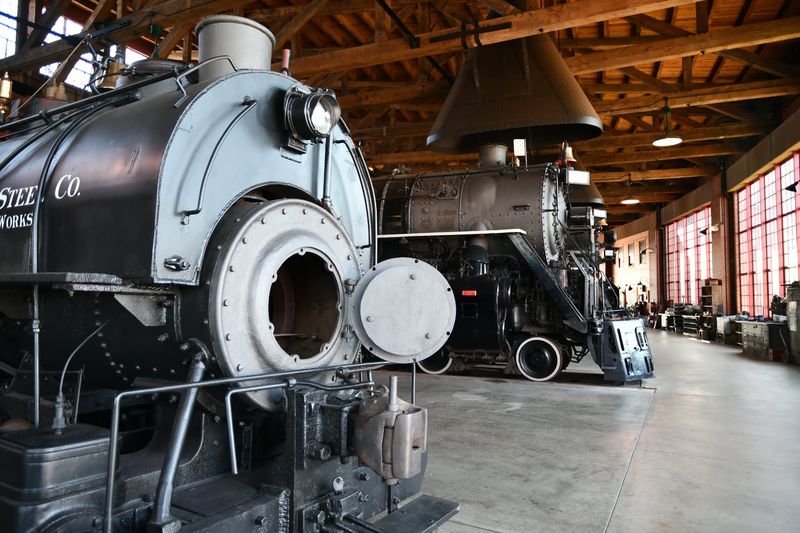
With 25 steam locomotives now represented in the collection, picking a favorite feels almost impossible, but a few locomotives tend to steal the show.
Compressed Air No. 1 is one of the more unusual pieces, and once you see it, the reason is obvious.
It is not a standard steam locomotive at all, which makes it stand out in a collection built around steam-era machinery. That kind of oddball detail reflects the experimental and highly specialized side of railroad and industrial equipment.
The restoration quality across the collection is consistently impressive. Many engines have been brought back to a condition that looks close to how they would have appeared in active service, with polished metal, period-correct paint, and visible mechanical detail that rewards a close look.
Some of the locomotives are still being actively worked on by the museum’s restoration team, which adds a living-workshop energy to the visit. Seeing a machine in mid-restoration next to a fully finished example gives you a real sense of the work involved.
The sheer variety of engine types on display is also worth noting. Different eras, different railroad companies, and different mechanical configurations are all represented, making the collection feel like a genuine survey of steam technology rather than a single-note exhibit.
The Architecture of the Building Itself
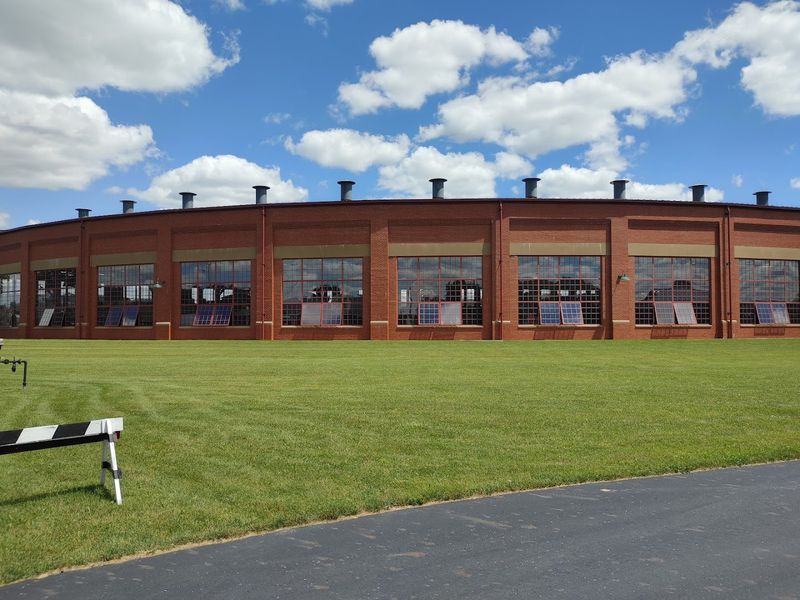
The roundhouse building is worth paying attention to as a structure, not just as a container for trains.
Visitors with a background in architecture or construction tend to spend extra time looking at the wooden pillars and roof system, and the guides are happy to talk about the building’s design when asked.
The timber framing is done on a scale that matches its contents. These are not decorative beams; they are load-bearing elements designed to support a roof over a space large enough to house full-size steam locomotives, and the engineering required to pull that off cleanly is genuinely impressive.
The overall aesthetic sits somewhere between a cathedral and an industrial hall, which is part of what makes the atmosphere inside so distinctive.
The height of the ceiling creates a sense of openness that prevents the space from feeling crowded even when it is full of enormous machines and tour groups.
Natural light plays a role in the experience as well, with the layout allowing good visibility throughout the tour.
The building feels like it was designed by people who understood that the setting shapes how visitors connect with what they are looking at, and that instinct paid off beautifully.
Tips for Planning Your Visit
The Age of Steam Roundhouse offers public tours April through November on Thursday, Friday, and Saturday at 10 AM, noon, and 2 PM.
The Roundhouse and Depot Store are open from 9:30 AM to 3:30 PM on tour days, but this is a working museum that visitors can enter only by joining a guided tour or attending a special event.
Tickets sell out, and that is not just a polite warning. Buying in advance through the museum’s website at ageofsteamroundhouse.org is genuinely the smart move, especially on Saturdays and during special event weekends.
Showing up without an online ticket is a real gamble.
The tour route is on one level and is accessible with wheelchairs and personal scooters, though the museum does not currently offer strollers or wheelchairs. Comfortable, closed-toe footwear is strongly recommended.
The gift shop is well-stocked with train-themed gifts and souvenirs, and the bathrooms are conveniently located near the entrance. You can also reach the museum by phone at 330-852-4676 if you have questions before your visit.
Planning ahead makes the whole trip smoother and more enjoyable.
Special Events and Steam Rides
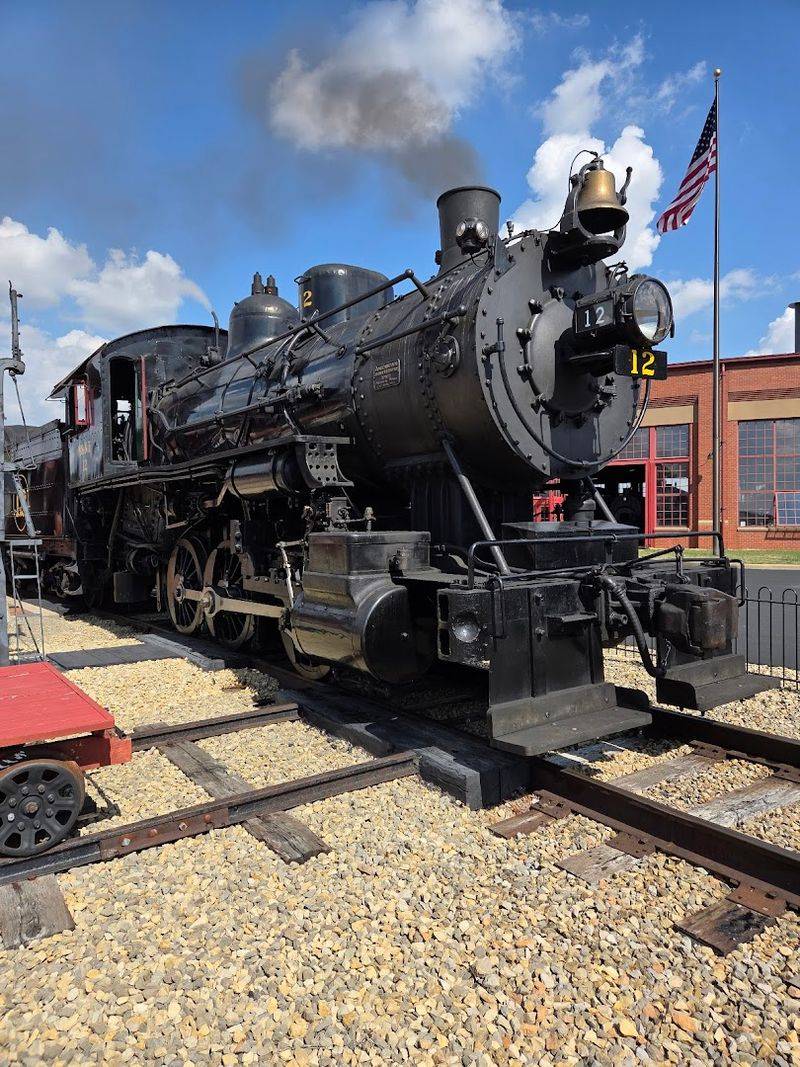
Beyond the standard roundhouse tour, the museum hosts special events throughout the year that add a completely different dimension to the experience.
Train rides are offered only during special events, so checking the calendar before you book is the best way to know what kind of visit you are getting.
Some special events include short train rides on museum grounds, which gives visitors a chance to experience the collection in motion rather than only from the tour route.
The ride stays within the museum setting rather than covering long distances, but that does not diminish the fun of hearing and feeling railroad equipment come to life.
Some events have included military history displays, with exhibits honoring the role of railroads in wartime logistics. That kind of themed programming adds educational depth and gives repeat visitors a reason to come back for a different experience each time.
Speeders, which are small motorized rail cars historically used by track maintenance crews, have also been available to ride during select visit days. That extra layer of hands-on activity is something visitors remember long after the tour ends.
Checking the museum’s event calendar before booking your visit is a good habit to develop.
The Restoration Workshop in Action
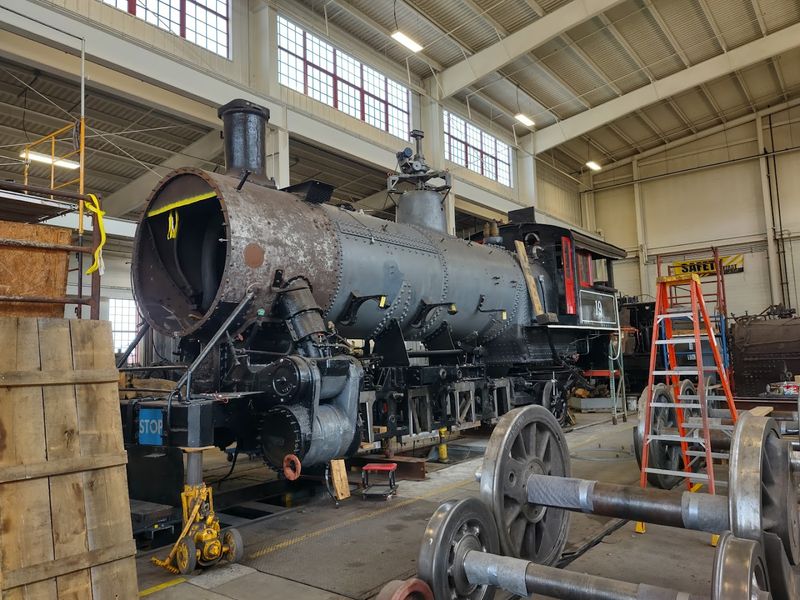
One of the details that sets this museum apart from a purely static collection is that restoration work happens on-site and in view of visitors.
Seeing a locomotive in various stages of disassembly and repair next to finished, gleaming examples gives the whole place an active, working energy.
The museum’s team clearly knows their craft. The restoration of a steam locomotive is a highly specialized skill that involves metalworking, machining, and a deep understanding of how these mechanical systems were originally built and how they age over time.
The Putnam 80-inch wheel lathe mentioned in museum reports is a piece of equipment that commands its own kind of respect. A lathe of that scale is used for work on massive wheel components, and having one on-site reflects the serious, professional approach the museum takes to preservation.
Watching active restoration work also changes how you look at the finished engines. Knowing the labor involved in bringing a weathered locomotive back to display condition makes each polished machine feel like an achievement rather than just an artifact.
The workshop is a quiet reminder that preservation is ongoing, demanding work.
The Surrounding Area: Sugarcreek and Amish Country
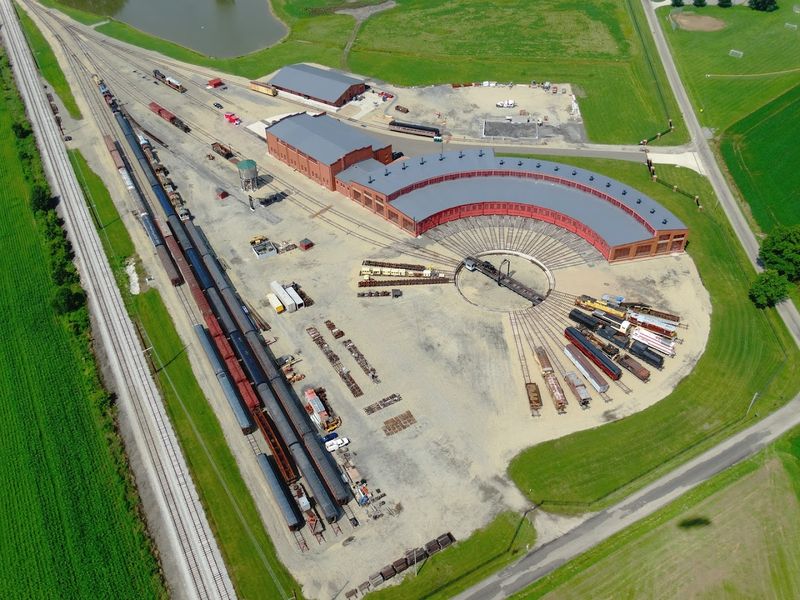
The setting of this museum is part of what makes a visit feel like a full day out rather than a single stop.
Sugarcreek sits in the heart of Ohio’s Amish country, and the drive through the area is genuinely scenic, with rolling hills, tidy farms, and the occasional horse-drawn buggy sharing the road.
The contrast between the quiet, traditional landscape and the industrial grandeur of the roundhouse is part of the appeal. You go from watching a farmer work a field with horses to standing next to a 200-ton steam locomotive within the space of a few minutes, and that shift in scale is oddly wonderful.
The broader Sugarcreek area has plenty to offer beyond the museum. Local shops, bakeries, and restaurants reflect the strong Swiss and Amish heritage of the region, making it easy to build a full itinerary around a visit to the roundhouse.
The scenic drive alone is worth factoring into your travel plans. Coming from the Newark area or other parts of Ohio, the route through Amish country adds a layer of visual interest that turns the journey into part of the experience rather than just a means to an end.
Why This Place Works for Everyone, Not Just Train Fans
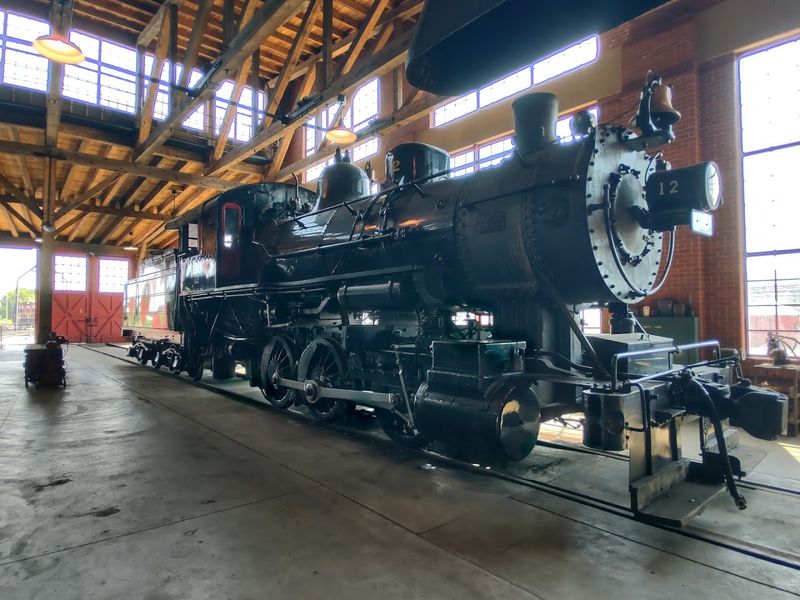
More than a few visitors arrive at the Age of Steam Roundhouse with mild skepticism and leave as converts.
The museum’s appeal extends well beyond the traditional railroad enthusiast crowd, and that is a credit to how the experience is designed and delivered.
The guided tour format means that even someone with zero background in railroad history gets the full story. Guides contextualize each locomotive within the broader sweep of American industrial history, connecting the machines to the economic and social changes they helped drive.
Families with children find that the sheer visual spectacle of the locomotives holds attention in a way that many museums struggle to achieve. The engines are big enough to be genuinely awe-inspiring, and the tour pace allows enough time at each stop for curiosity to develop naturally.
The museum also earns high marks for cleanliness, accessibility, and overall visitor comfort, details that matter when you are spending 90 minutes on your feet. A 4.8-star rating from nearly 700 reviews does not happen by accident; it reflects a place that consistently delivers on its promise.
First-time visitors and repeat visitors both seem to leave wanting to come back.