
This Ohio Science Center Is An Easy 2026 Family Day Trip That Actually Works
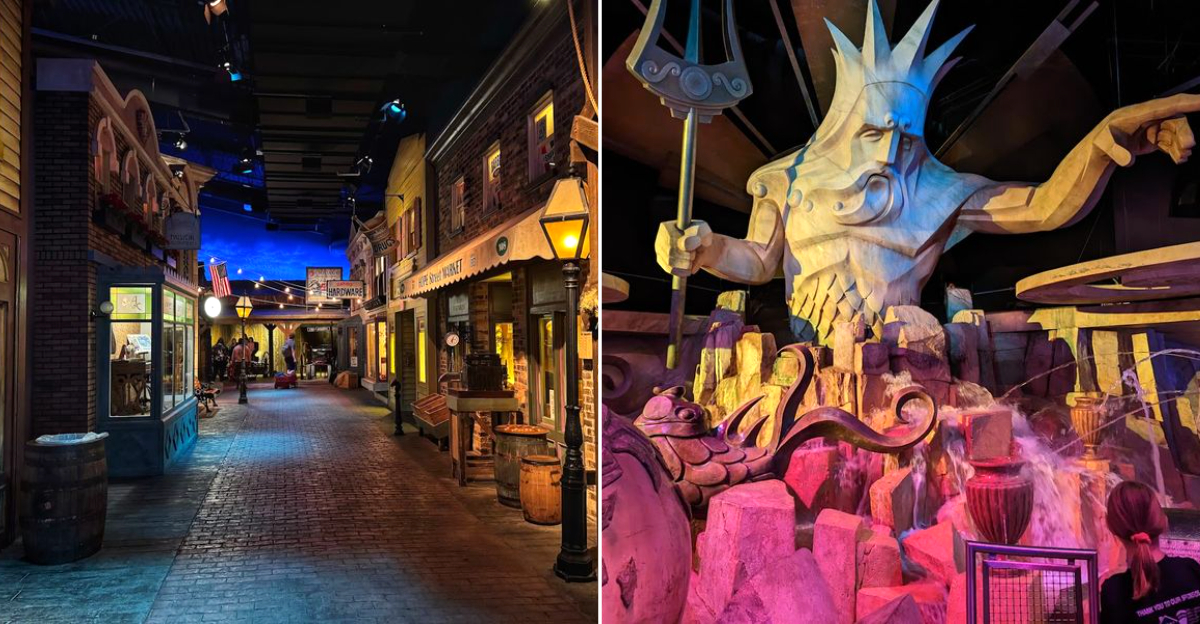
Some family day trips start strong and unravel by lunchtime. This Ohio one somehow keeps everyone curious for hours.
You walk in expecting a few science exhibits and maybe a quick planetarium show. Then one room leads to another, somebody discovers rat basketball, and suddenly five hours have disappeared with suspicious efficiency.
I like places that do not force learning to feel educational, and this one understands the assignment. Kids stay busy, adults keep finding things worth stopping for, and nobody has to pretend they are having fun for the family photo.
For a 2026 Ohio day trip that actually earns a full afternoon, this is a very easy yes.
A Grand Building With A Story To Tell
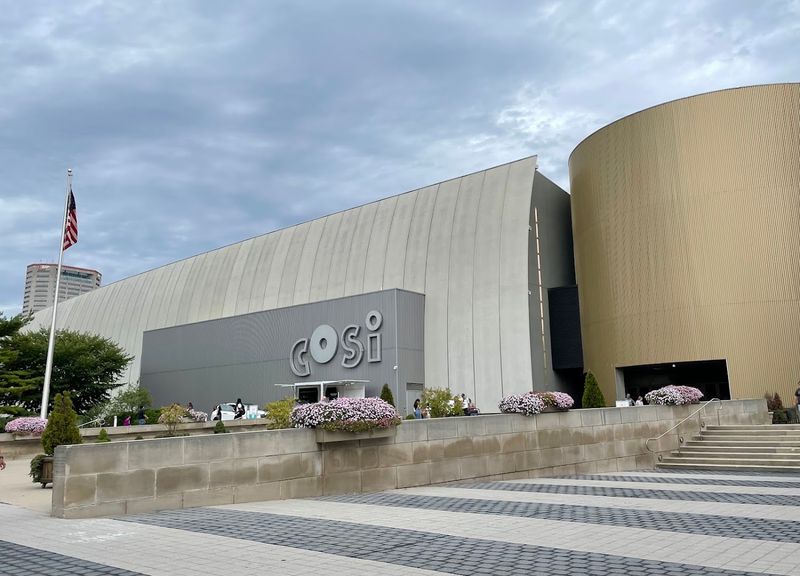
The building itself earns a second look before you even walk through the front doors.
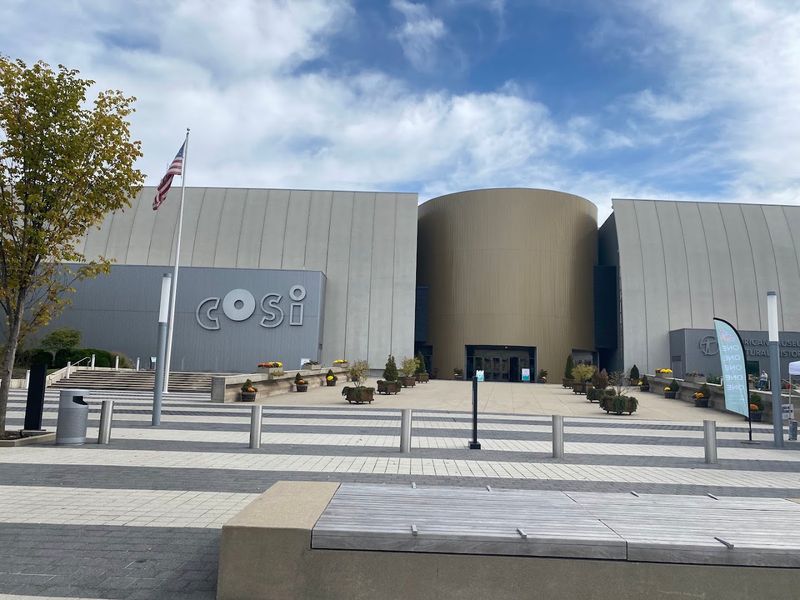
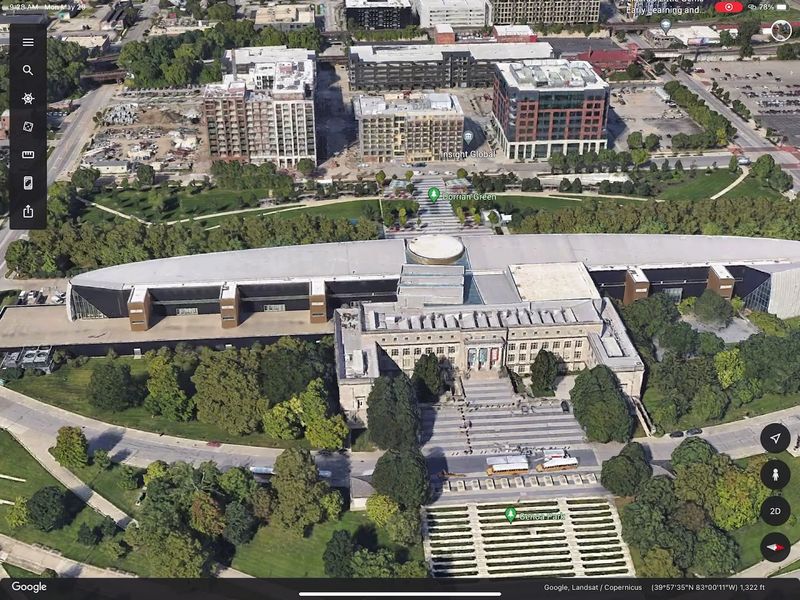
COSI Columbus combines part of the historic former Central High School with modern construction designed by internationally renowned architect Arata Isozaki, giving the whole place a certain quiet dignity that most science centers simply do not have.
The architecture blends old and new in a way that feels intentional rather than accidental. Historic elements from another era sit comfortably alongside modern exhibit installations and bright educational displays.
One visitor who remembered visiting the old East Broad Street location described the new space as absolutely spectacular, and after spending time here myself, I completely understand that reaction. The building adds a layer of context to everything inside it.
Knowing that part of the complex once served generations of Columbus students gives the visit a grounding quality that is hard to put into words.
You can find COSI at 333 W Broad St, Columbus, OH 43215, right in the heart of the city.
What The Progress Exhibit Does Better Than Any Textbook
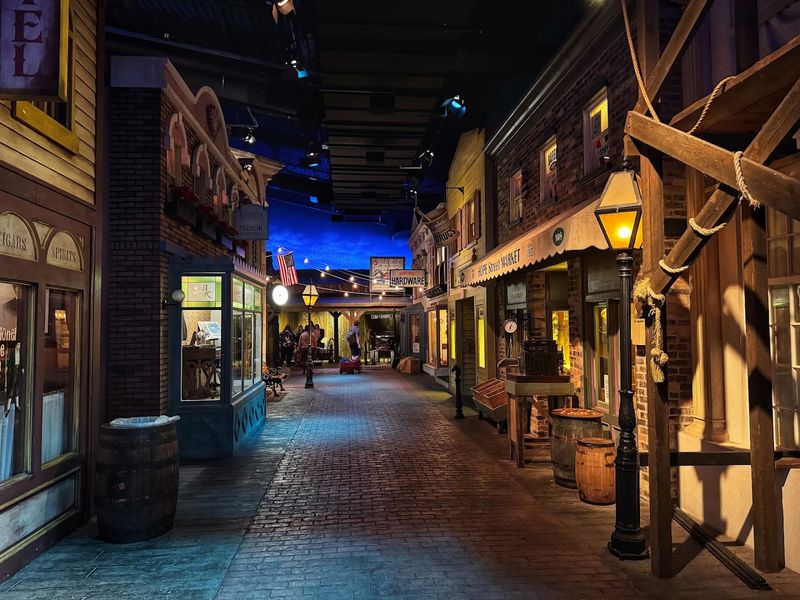
The Progress exhibit is the kind of thing that sounds modest on paper but completely wins you over in person.
You walk through a series of small recreated spaces that represent different eras of American life, moving through the years as if time itself is your tour guide.
Vintage storefronts, old technology, period furniture, and carefully chosen artifacts fill each section, and the cumulative effect is surprisingly moving. It does not feel like a museum display so much as a walk through actual memory.
Several visitors independently called this their favorite part of the museum, and I found myself slowing down here more than anywhere else. There is a lot to read, a lot to notice, and a lot to talk about with whoever you brought along.
For older visitors especially, this exhibit hits differently than the hands-on science stations.
It rewards patience and curiosity in equal measure, and it is one of those rare museum experiences that stays with you well after you have driven home.
The Poseidon Water Area Is Exactly As Fun As It Sounds
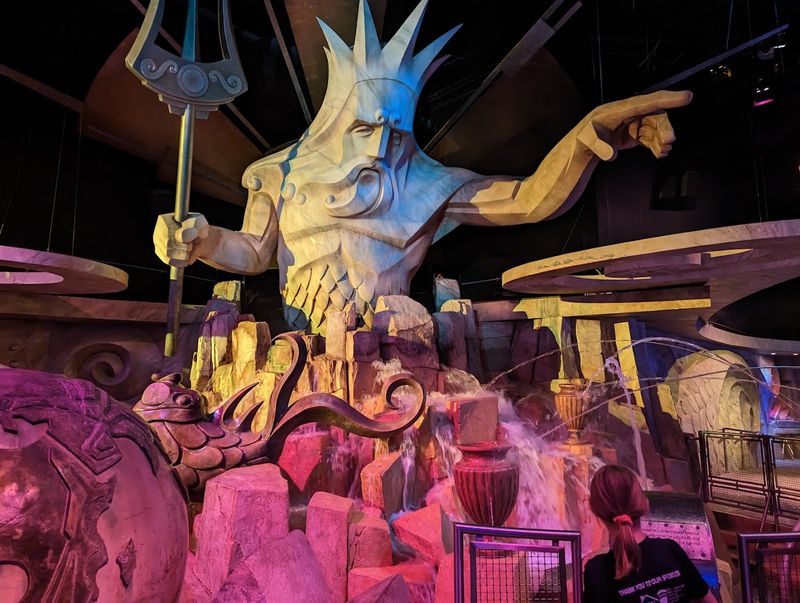
Fair warning: if you are visiting with younger kids, plan for them to get at least a little wet in the Poseidon area.
This water-themed section of the museum is one of the most consistently beloved spots in the entire building, and for good reason.
Kids can manipulate water flow, experiment with pressure, and generally have the kind of unstructured, tactile fun that no screen can replicate. The energy in this part of the museum is cheerful and loud in the best possible way.
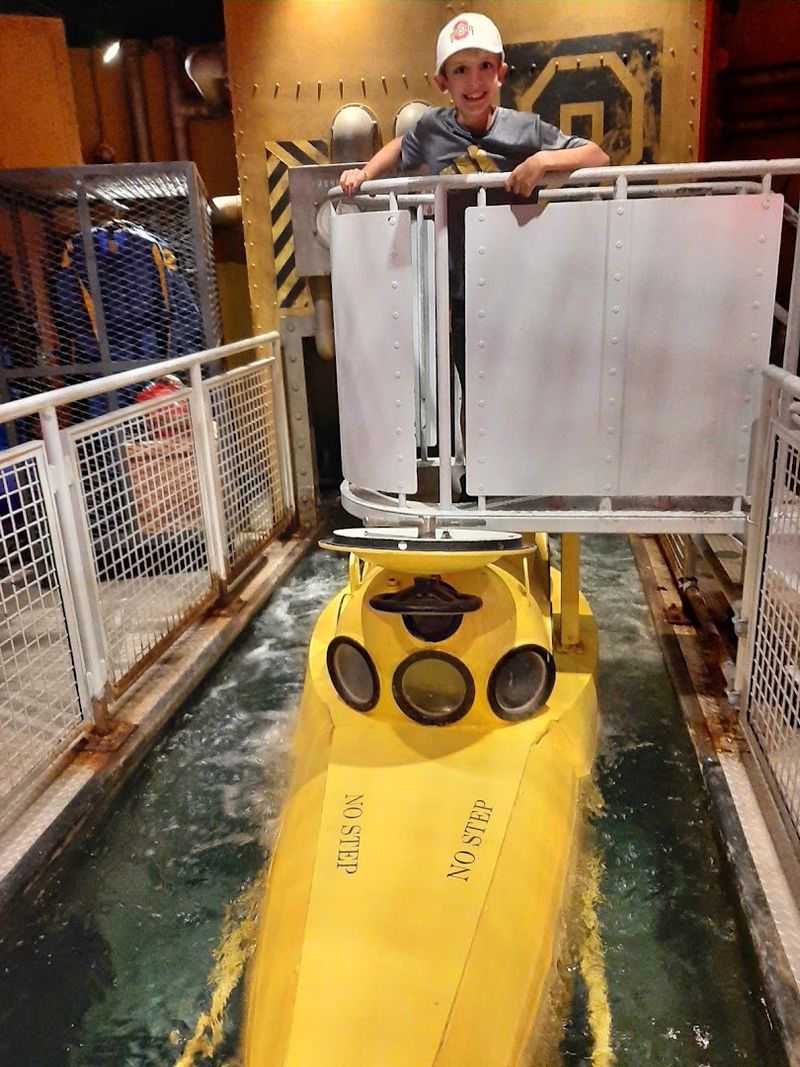
There is also a submarine component nearby that adds a sense of adventure to the whole ocean theme. My favorite detail was watching a group of kids argue enthusiastically about how to redirect a water stream, which felt like the most organic science lesson imaginable.
Families who visit regularly often mention Poseidon as one of the exhibits they return to every single time, and after seeing it for myself, that loyalty makes complete sense.
Bring a change of clothes for the little ones and just commit to the experience.
The Energy Exhibit And Why Teenagers Actually Love It
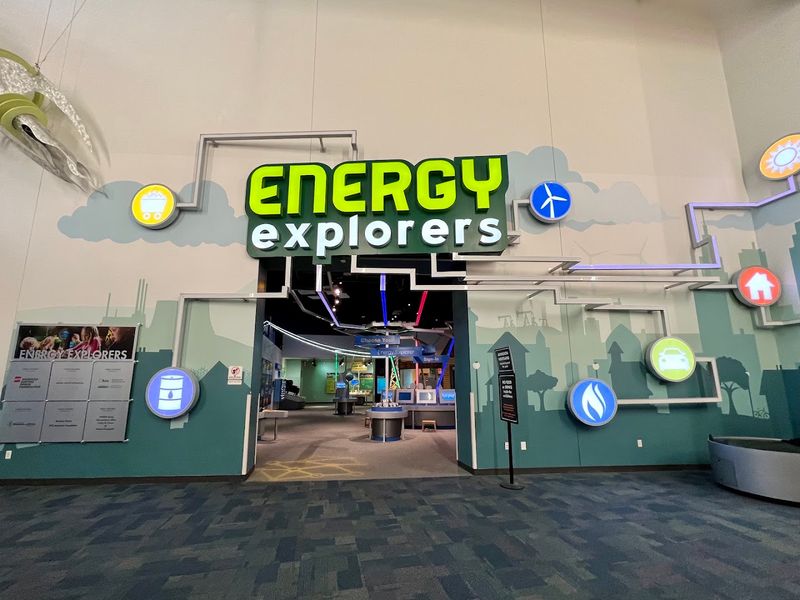
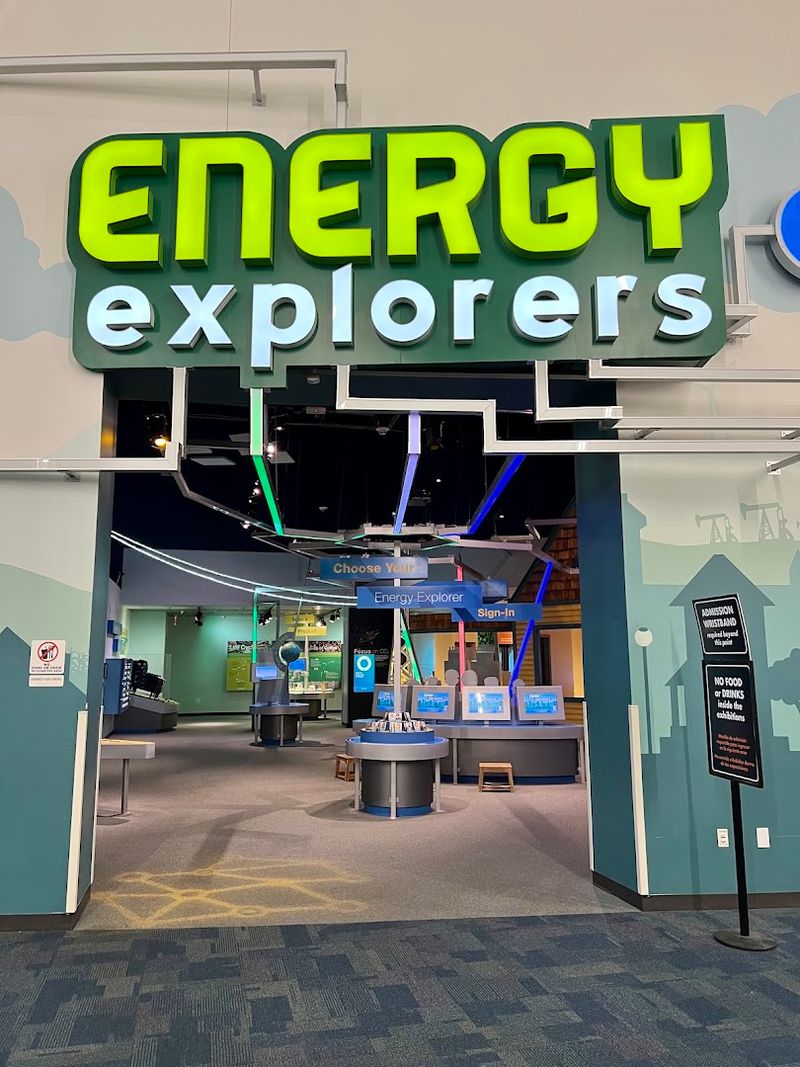
Getting teenagers genuinely excited about a science museum is not always easy, but the energy exhibit at COSI manages it with a certain effortless flair.
Static electricity stations let visitors shock each other in a completely safe and completely hilarious way, and that is apparently all the invitation most teens need.
One review I came across described older kids thoroughly enjoying shocking each other in the energy section, and that tracks perfectly with what I observed during my visit. The laughter in this part of the building is consistently the loudest in the museum.
Beyond the shock-your-sibling entertainment value, the exhibit does a solid job of illustrating actual energy concepts in ways that stick. The physical sensation of electricity makes the lesson land in a way that a diagram simply cannot.
It is worth noting that COSI does a genuinely good job of designing for multiple age groups throughout the building, and the energy section is one of the clearest examples of that philosophy in action.
Teenagers leave this room smiling, which is an achievement worth celebrating.
The Planetarium Experience Inside The Museum
The planetarium at COSI is one of those features that can easily get overshadowed by the louder, more kinetic exhibits on the main floors, but it absolutely deserves your time.
Settled into a reclined seat under a domed ceiling full of projected stars, it is a genuinely different kind of experience from the rest of the museum.
Shows rotate on a schedule, so checking the COSI website before your visit is a smart move if you have a strong preference for a particular topic.
Missing the show you wanted and catching one about coral reefs instead can feel like a missed opportunity, especially if you only have one day.
The dome itself is impressive, and the quality of the projection makes for an immersive experience that works well for both younger kids and adults. It is a calmer, quieter interlude in an otherwise high-energy building.
My advice is to build the planetarium into your itinerary deliberately rather than treating it as an afterthought.
It rewards a bit of planning and provides a welcome change of pace right in the middle of a busy visit.
The Outdoor Science Area Worth Stepping Outside For
Just outside the main building, there is a small outdoor area that several visitors have described as one of their favorite surprises of the entire trip. The centerpiece is a massive granite sphere resting on a thin film of water, which allows visitors to rotate it with surprisingly little effort despite its enormous weight.
There is also a 2,437-pound car that visitors can lift using a giant lever, letting you physically experience how a simple machine can make moving an extremely heavy object possible. Both installations are simple in concept but genuinely satisfying to interact with, and they tend to attract curious adults just as much as kids.
The outdoor space provides a natural breather between the busier interior exhibits, and on a pleasant day, it is a lovely spot to pause, think, and let younger children burn off some energy. The contrast between the open air and the dense, stimulating interior feels like good design rather than an accident.
Do not rush past this area on your way in or out. It is one of those spots that quietly earns its place in the memory of a visit.
Practical Tips That Will Save Your Day
A little planning goes a long way at COSI, and the difference between a smooth visit and a frustrating one often comes down to a few small decisions made before you arrive.
Weekday visits are often a smart choice if your schedule allows flexibility, especially when you want more time to move through popular exhibits at your own pace.
Large lockers are available for one dollar per use, which makes carrying coats and bags around all day completely unnecessary.
Bring quarters for the locker, and pack your own snacks if budget is a concern, as the on-site food options are convenient but priced accordingly.
Parking is available in underground and above-ground garages west of COSI, which are among the easiest options for most visitors. Street meters, surface lots, and other parking choices are also available within a short walk of the building.
Plan for at least four to five hours if you want to do the museum justice. Most families report leaving with a list of things they still wanted to see, which says something genuinely good about the depth of what is on offer here.
Memberships, Pricing, And How To Make It Work On A Budget
Online ticket prices at COSI currently run thirty dollars for adults ages thirteen and older and twenty-five dollars for children ages two through twelve, while tickets purchased in person cost more.
The Planetarium is included with general admission, though special traveling exhibitions and certain other experiences can increase the total cost fairly quickly.
That is a real consideration for families, and it is worth thinking through before you arrive.
A family membership can pay for itself relatively quickly for frequent visitors and also opens the door to discounts and free or reduced admission benefits at hundreds of participating science centers and children’s museums through reciprocal programs.
COSI also offers several discount programs for qualifying visitors. Museums for All provides five-dollar tickets for eligible guests, while Columbus Member Advantage offers discounted admission to members of participating local institutions.
The Science Behind Pixar costs extra and is currently scheduled to remain at COSI through September 7, 2026. General-admission visitors currently pay fifteen dollars for the exhibition, while most COSI members pay ten dollars.
Know your group before you commit to the extras.
Why COSI Keeps People Coming Back Year After Year
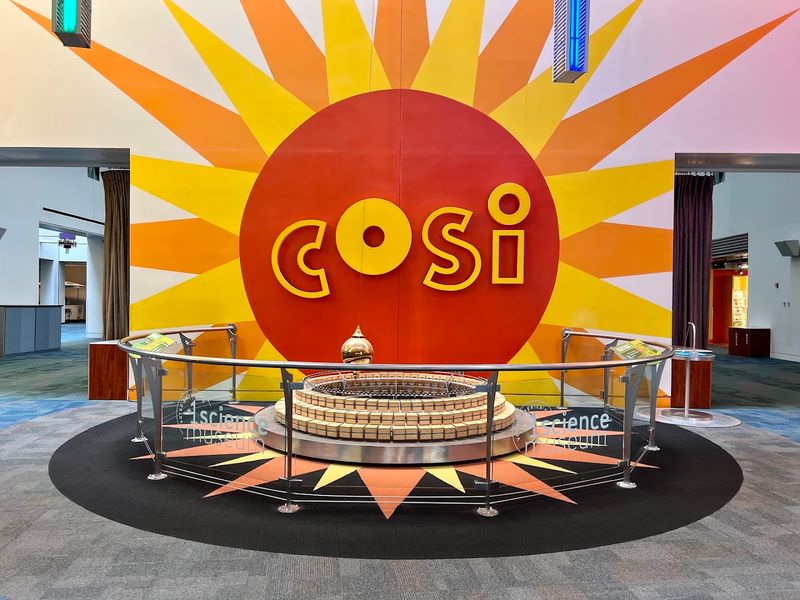
There is a particular kind of place that earns genuine loyalty rather than just a one-time visit, and COSI in Ohio is firmly in that category.
Families who came as children now bring their own kids, and the museum has evolved enough over the years to feel fresh rather than frozen in time.
Rotating traveling exhibits mean that even frequent visitors have something new to discover, and the permanent collection is deep enough that most people admit to missing something on every trip.
That combination of consistency and novelty is genuinely hard to pull off, and COSI manages it well.
The staff earns consistent praise across reviews for being friendly, helpful, and genuinely engaged with visitors of all ages.
That human element matters more than people often give it credit for, especially when you are trying to keep a group of excited kids moving in the same direction.
COSI’s July 2026 calendar lists regular hours of ten in the morning until five in the evening on most days, though special closures and schedule changes can occur. Checking the official calendar before your trip is the safest move.
Once you visit, the only real question is how soon you can come back.