
This Ohio Train Museum Makes Railroad History Feel Wonderfully Alive
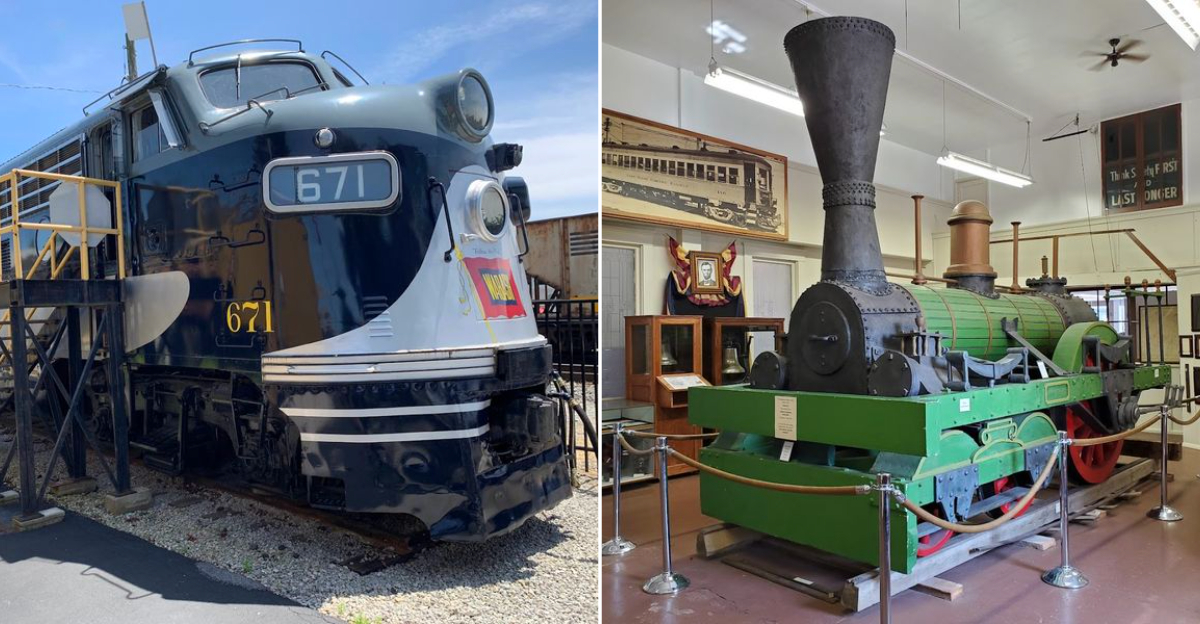
Some museums whisper. This northern Ohio railroad stop rumbles.
Locomotives sit outside like retired giants, steel sides warming in the sun, ladders ready, cabs open, and old gauges waiting to make kids and grown-ups ask the same excited questions.
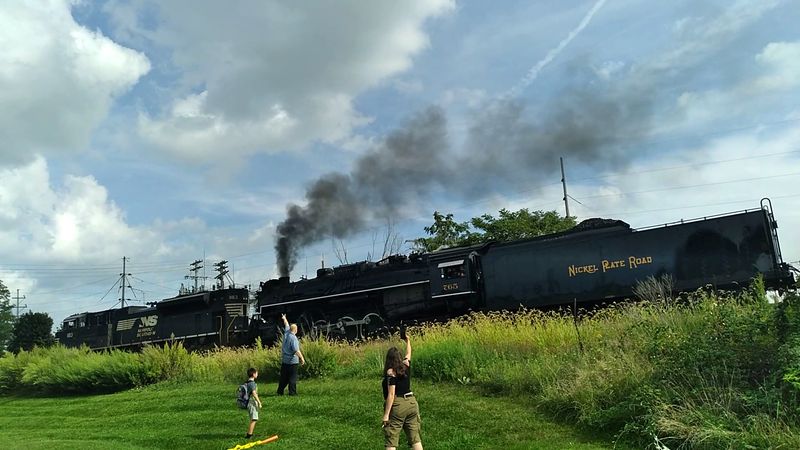
The charm is not just the size of the collection. Volunteers know the stories, artifacts fill in the details, and real freight trains still roll past nearby, letting the past and present trade places right in front of you.
It is the rare history stop that does not feel trapped behind glass. Here, the rails still have a pulse, the machines still have presence, and a simple Ohio visit can leave with its own soundtrack.
A Museum Built on Real Railroad Passion
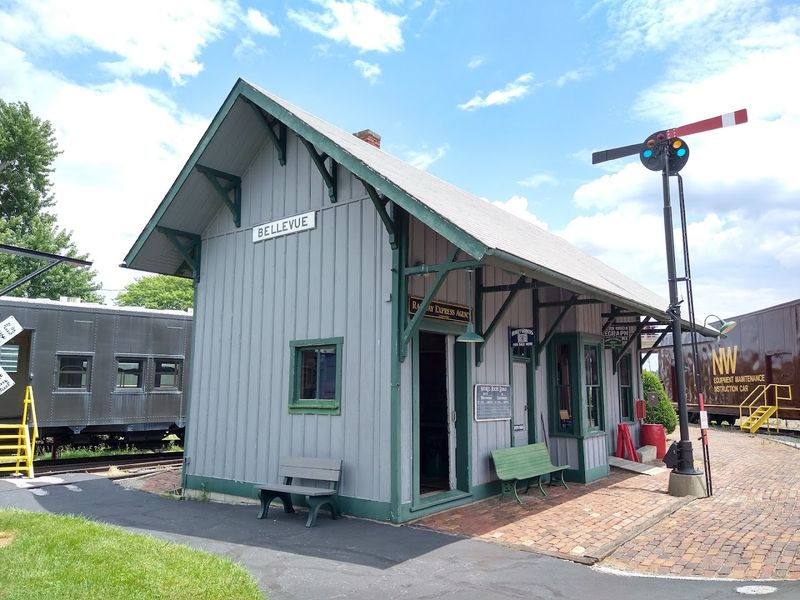
Some museums feel like they were built by committees. This one feels like it was built by people who genuinely love trains more than almost anything else.
The Mad River and NKP Railroad Museum in Bellevue, Ohio, is run almost entirely by volunteers, and that fact shapes everything about the experience. You can feel the dedication the moment you walk onto the grounds.
The museum preserves the history of the Nickel Plate Road railroad, officially known as the New York, Chicago and St. Louis Railroad, which was a major line that operated across the Midwest for decades.
The collection has grown steadily over the years into one of the largest and most diverse historic railroad collections in Ohio.
There are locomotives, passenger cars, freight cars, and an enormous collection of artifacts gathered from across the railroad world.
Admission for adults is fifteen dollars, and active duty service members may receive free admission during the Blue Star Museums season.
The museum is located at 253 Southwest St, Bellevue, OH 44811, and is open Friday, Saturday, Sunday, and Monday during its main summer season.
The Grounds and What You See First
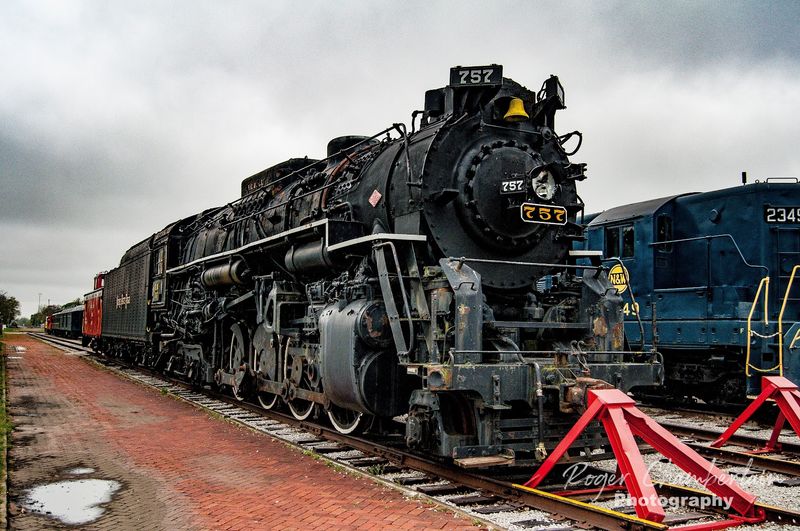
My first impression of the grounds was simply the sheer size of everything. Full-scale locomotives are enormous up close, and seeing several lined up together creates a powerful visual that photos cannot fully capture.
The outdoor area holds a large number of engines and cars on tracks that wind through the property. Some equipment has been carefully restored to near-original condition, while other pieces remain in their weathered, working state.
I actually appreciated both approaches equally. The restored pieces show you what these machines looked like in their prime, while the unrestored ones let you smell the old metal and oil and feel the texture of decades of hard use.
There is a real sense of scale here that you simply cannot get from a book or a documentary. Standing beside a full-size steam locomotive puts the ambition of early American industry into sharp perspective.
The layout of the grounds makes it easy to move between exhibits at your own pace, which I found refreshing compared to museums that push you through a single prescribed route.
Climbing Inside the Locomotives and Cars
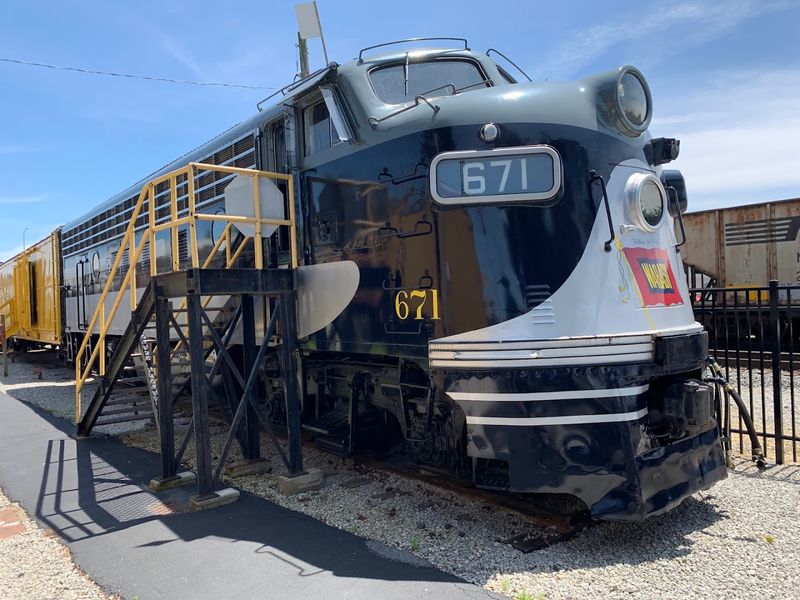
Here is the part that genuinely surprised me: you can actually climb inside locomotive cabs, cabooses, and several train cars on display.
That is not something every railroad museum allows, and it changes the entire experience.
Sitting in the cab of the General Motors Diesel F7A diesel electric locomotive was a highlight I did not expect. The controls, gauges, and levers are all still there, and you get a very real sense of how much skill and focus it took to operate one of these machines.
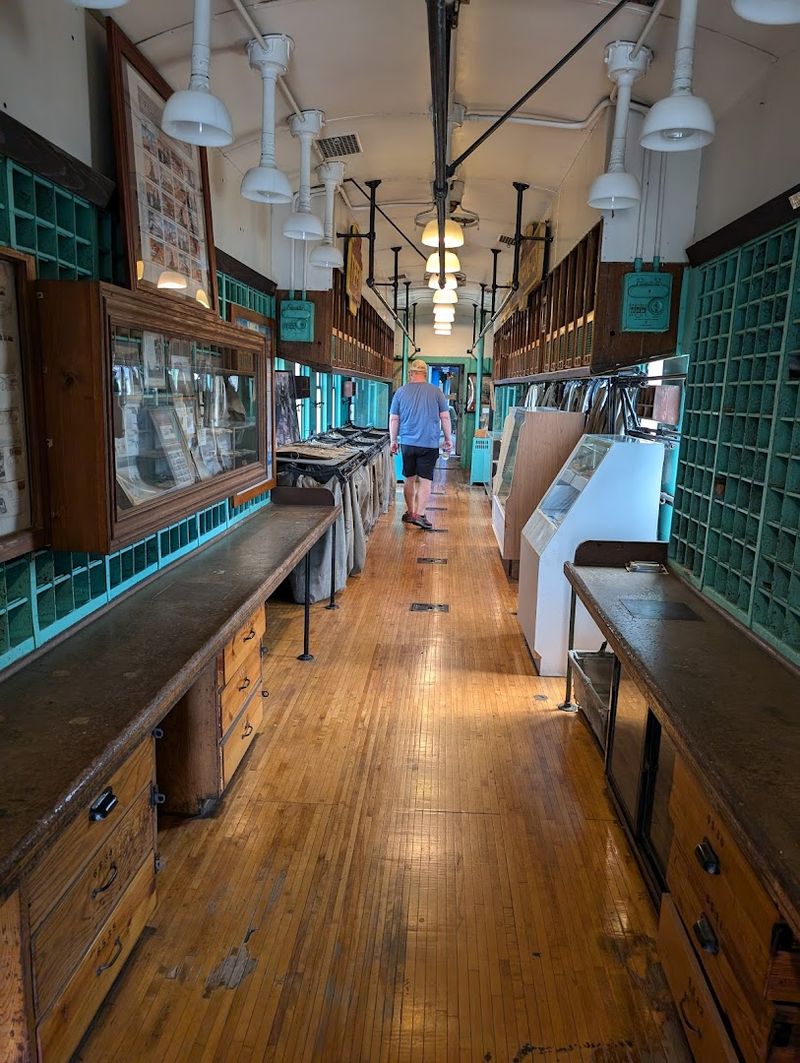
The passenger cars are equally impressive from the inside. Some have been set up with period furnishings and informational displays that explain what daily life on the rails looked like for both passengers and crew.
There is something almost meditative about sitting in an old rail car and imagining the journeys it made across the country. I found myself staying longer in each car than I originally planned.
For families with kids, this hands-on access is genuinely exciting. Children can explore designated equipment, sit in the seats, and ask questions without the whole visit feeling trapped behind ropes.
The Indoor Exhibits and Artifact Collection
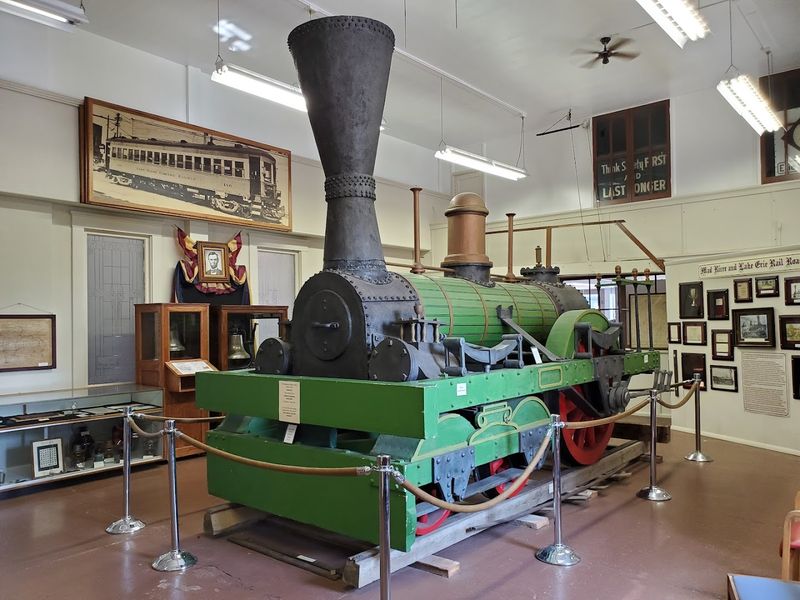
Beyond the outdoor equipment, the museum has a substantial indoor collection that covers railroad history from multiple angles. The artifacts range from everyday working tools to rare and one-of-a-kind items.
One of the most talked-about pieces is the Bell of the Nashville, the locomotive that led President Abraham Lincoln’s funeral train. That single artifact carries an enormous amount of history in a relatively small package, and seeing it in person is genuinely moving.
The displays are carefully organized and labeled, which made it easy for me to follow the story of how railroading developed and changed over time.
You can tell that the volunteers who set up these exhibits thought hard about how to make the information accessible and engaging.
Photographs, uniforms, timetables, lanterns, and equipment are grouped together in ways that tell coherent stories rather than just presenting random objects.
That curatorial thoughtfulness makes the indoor section feel like a real museum rather than a storage room.
My one honest note is that after a while, some artifact categories do start to feel familiar, but the overall depth of the collection keeps things interesting for longer than you might expect.
The Active Norfolk Southern Rail Line Right Next Door
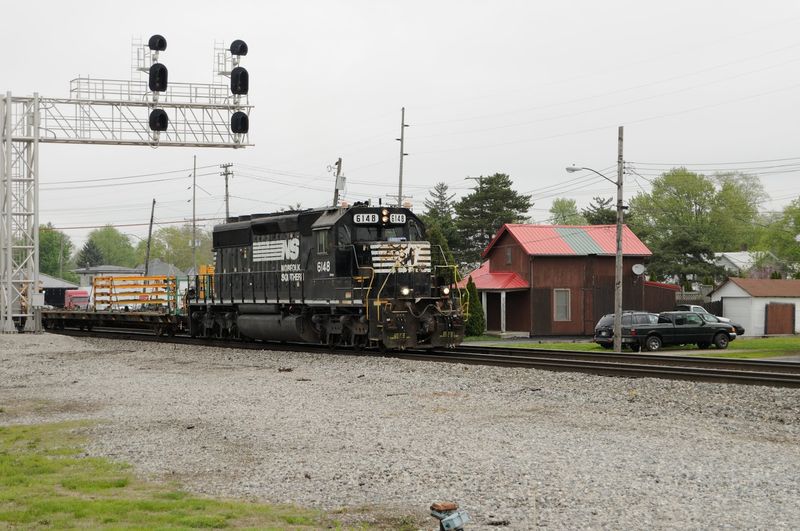
Near the museum property, Kemper Rail Park gives visitors a dedicated place to watch active rail traffic. That detail alone sets this place apart from most railroad museums I have visited.
Norfolk Southern rail traffic in this area is extremely busy, with occasional Wheeling and Lake Erie trains passing through as well.
There is a raised viewing platform with a canopy and picnic-style seating at 325 Monroe St in Bellevue. I spent a solid chunk of time there just watching freight trains move through, which sounds simple but is genuinely satisfying.
There is something special about standing near a static collection of historic equipment and then watching a modern freight train rumble past at full speed. It creates a natural conversation between past and present that no exhibit planner could have scripted better.
The platform is a comfortable spot with enough shade to make a longer visit pleasant even on warm days. Serious rail fans will want to budget extra time here because the traffic in this area is steady and varied.
Seeing a working railroad operating at full scale near a museum collection made the whole visit feel more alive and connected to the real world of railroading.
The Volunteers Who Make It All Work
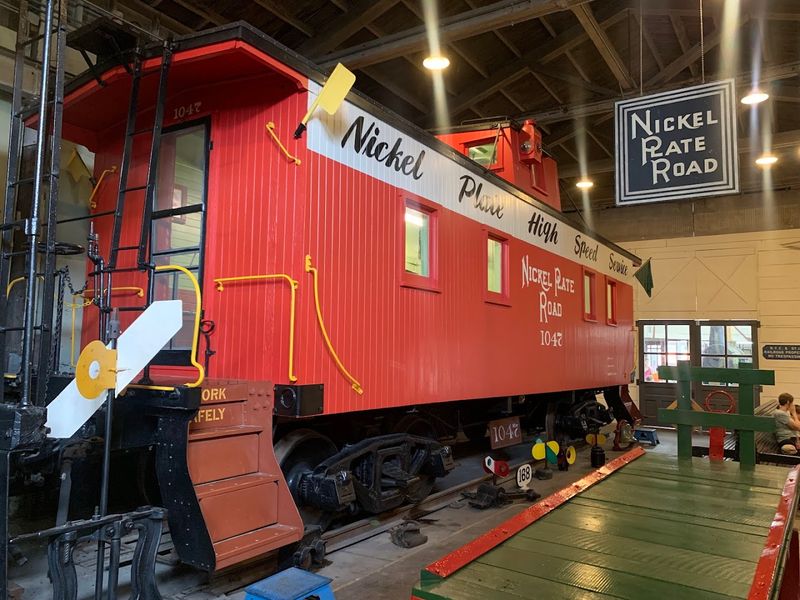
Every person I spoke with at this museum was a volunteer, and every single one of them knew their subject deeply.
That combination of generosity and expertise creates a visitor experience that paid staff often struggle to match.
The volunteers ranged from retired railroad workers who had personal experience on the lines to enthusiasts who have spent years studying railroad history as a passion project. Both types brought something valuable to the conversations I had.
I asked one volunteer about the history of the Nickel Plate Road and ended up in a thirty-minute conversation that covered labor history, engineering challenges, and the economics of mid-century American freight. It was the best kind of unexpected education.
The staff in the gift shop were equally friendly and knowledgeable, which made browsing for souvenirs feel more like chatting with friends than a commercial transaction.
They could answer questions about specific items and explain the significance of various memorabilia.
Museums run by passionate volunteers carry a specific kind of energy that is hard to manufacture. The people here clearly care about preserving this history, and that care comes through in every interaction.
The Gift Shop and Souvenirs
The gift shop at this museum is genuinely well-stocked. I say that as someone who usually walks through museum shops in about three minutes without buying anything.
Here, I spent real time browsing.
The selection covers a wide range of railroad-themed merchandise, from books and prints to model trains, apparel, and collectibles. Whether you are shopping for a serious rail historian or just looking for a fun souvenir, the variety is impressive.
There are items at multiple price points, which I appreciated. You can pick up a small keepsake for a few dollars or invest in something more substantial if the visit has inspired a deeper interest in railroad history.
The staff in the shop are happy to help you find something specific or make recommendations based on who you are shopping for. That personal touch makes a real difference when you are trying to find the right gift for someone with specific interests.
I ended up leaving with a couple of books about Nickel Plate Road history that I have genuinely been reading since my visit, which is the best possible endorsement for a museum gift shop.
Perfect for Families and All Ages
One of the things I noticed during my visit was how well this museum works for visitors of completely different ages and interest levels.
I watched grandparents, parents, and young children all having a genuinely good time, and not in a forced, we-are-making-memories kind of way.
Young children are drawn immediately to the sheer size of the locomotives and the novelty of being allowed to climb inside designated equipment. That hands-on freedom keeps kids engaged in a way that traditional behind-the-rope exhibits rarely do.
Older visitors and serious enthusiasts have plenty of depth to explore, from the detailed artifact collections to the historical documentation and the conversations with knowledgeable volunteers.
The admission price still makes it an approachable choice for families watching their budget. At fifteen dollars per adult, with reduced rates for children and other eligible visitors, a family visit can stay reasonable compared to many entertainment options.
Some visitor areas and restrooms support accessibility, though historic rail equipment and older structures may involve steps or uneven surfaces.
A visit here works well as a standalone day trip or as part of a broader itinerary that includes other nearby attractions in the Bellevue area.
Planning Your Visit and What to Expect
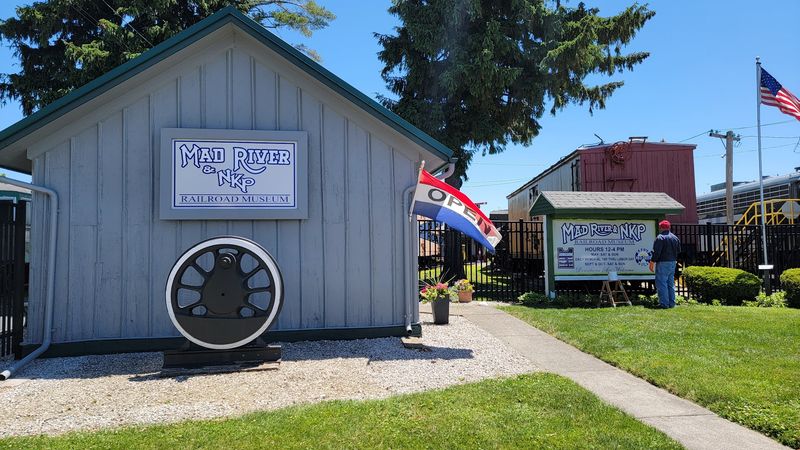
Getting the most out of a visit here starts with knowing the schedule. The museum is open Friday, Saturday, Sunday, and Monday from 11 AM to 4 PM, and is closed on Tuesday, Wednesday, and Thursday.
Most visitors I spoke with spent between two and two and a half hours on the grounds, though serious rail fans and families with curious kids often stretched that to longer. There is genuinely enough to see to fill a full afternoon without rushing.
Comfortable walking shoes are a practical necessity since much of the experience involves moving between outdoor exhibits on uneven ground. Bringing water on warm days is also a smart move, especially if you plan to spend time at the outdoor observation pavilion.
The museum can be reached by phone at 419-483-2222, and the website at madrivermuseum.org has current information on special events and seasonal programming.
The annual car show held during Labor Day weekend draws a particularly large crowd and adds a fun extra dimension to the visit.
This is the kind of place that rewards curiosity, and the more questions you bring with you, the more satisfying the whole experience becomes.