
This Ohio Waterfall Trail Turns A Spring Drive Into A Scenic Little Escape
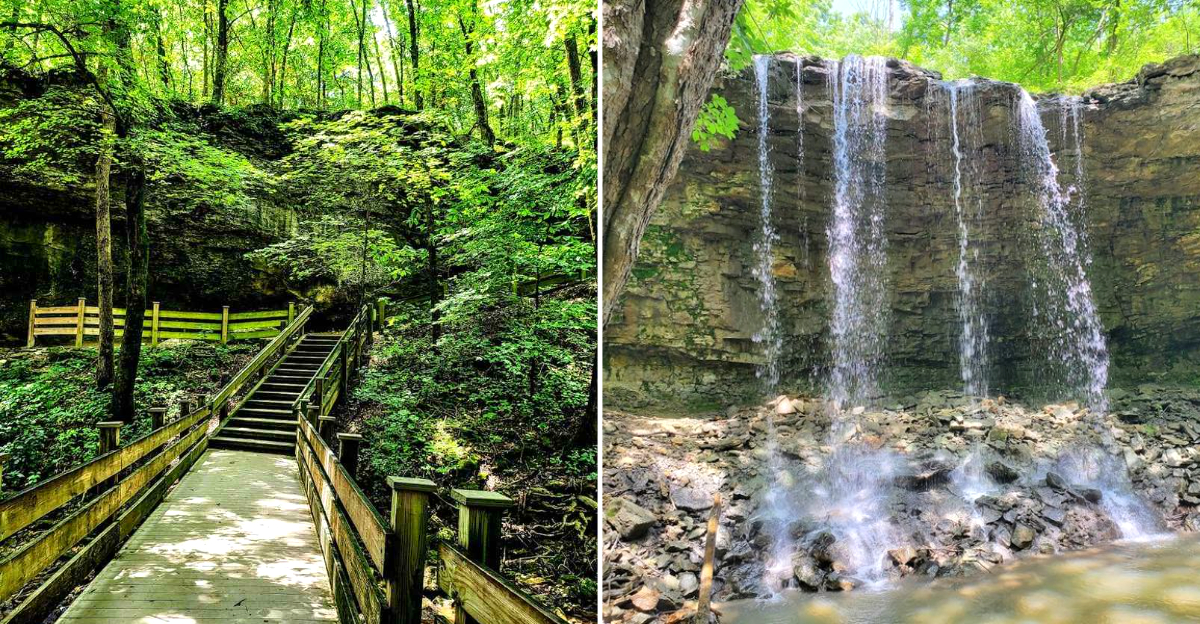
A spring drive in Ohio feels a lot more rewarding when it ends with a forest trail, limestone cliffs, and a real waterfall waiting at the turn.
This Miami Valley preserve keeps the outing easy without making it boring, with wide gravel paths, shaded woods, rocky sections, wildlife, and a falls overlook that makes the walk feel like it saved its best trick for last. This is fresh-air therapy with a scenic little payoff.
The trail works well for casual hikers, families, dog walkers, and anyone who wants a nature break that does not require a full expedition plan. Spring gives the waterfall extra energy, the woods extra color, and the whole place that “good decision” feeling before you even reach the viewing platform.
Set aside a little time, wear shoes with decent grip, and let the path do the convincing. A short Ohio road trip can feel surprisingly refreshing when the reward is moving water, quiet woods, and a view that makes the drive feel entirely worth it.
First Impressions at the Trailhead
The parking lot at this preserve does not try to impress you. There are no flashy entrance gates, no gift shop, and no ticket booth because the entire place is free and open to the public.
A simple restroom building sits near the lot, and it is cleaner than you would expect from a free park. The trail signage is clear from the very start, so you will not spend five minutes squinting at a map before you even take your first step.
What struck me first was the quiet. Even on a weekend, the noise of the road fades quickly once you move past the first few trees.
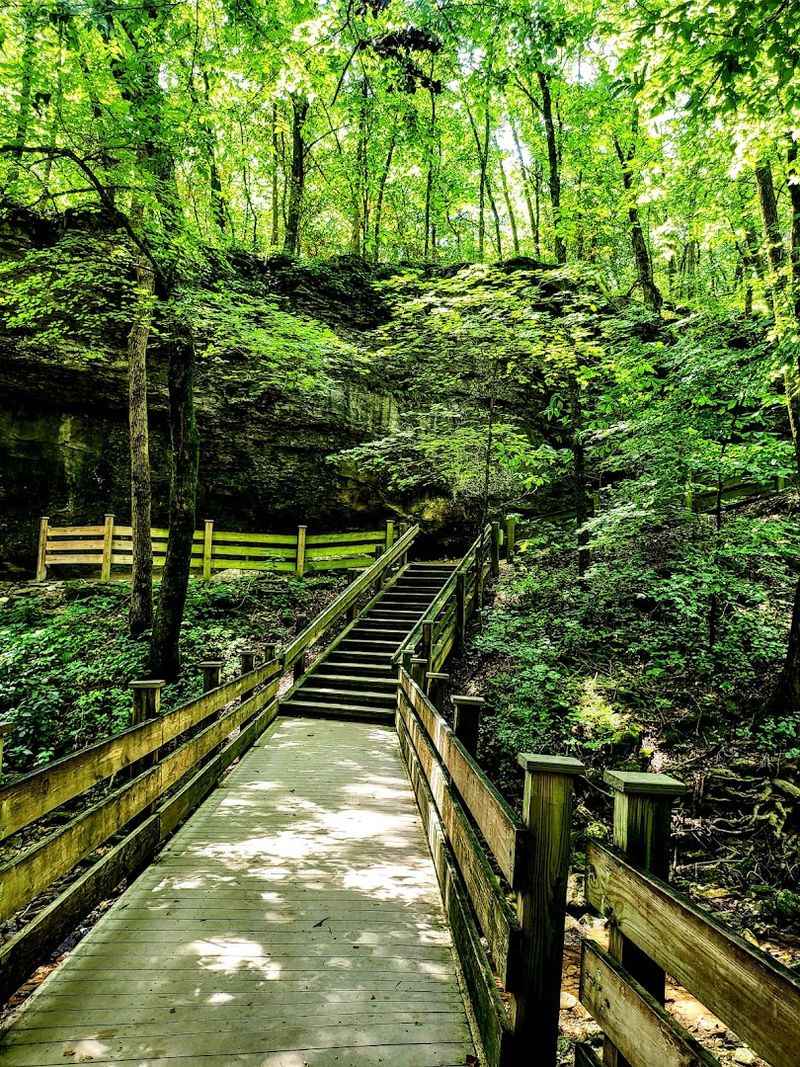
The gravel path begins wide and flat, which gives you a comfortable warm-up before the terrain shifts later on.
The whole setup feels unpretentious and welcoming, like a place that knows it has something worth showing you but does not feel the need to shout about it. Charleston Falls Preserve is located at 2535 Ross Road, Tipp City, OH 45371, tucked into a corner of Miami County that rewards the curious traveler.
The Waterfall That Makes the Hike Worth Every Step
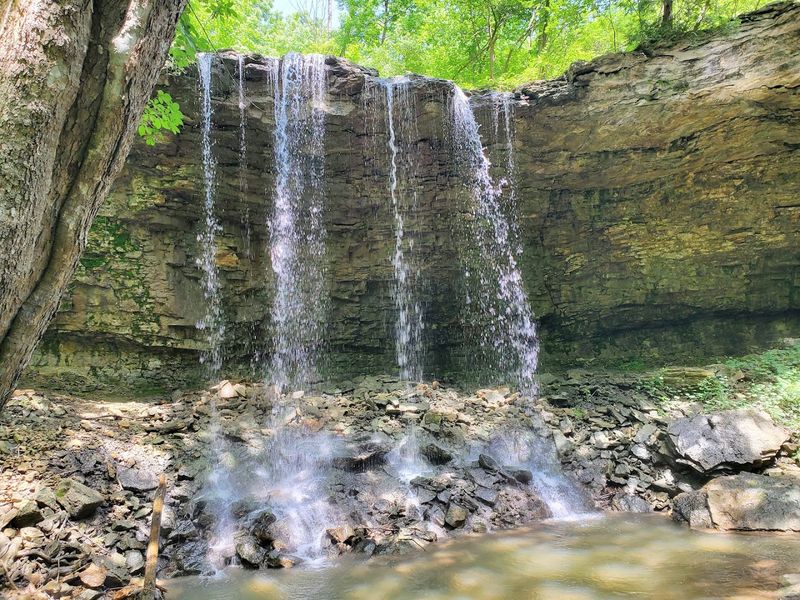
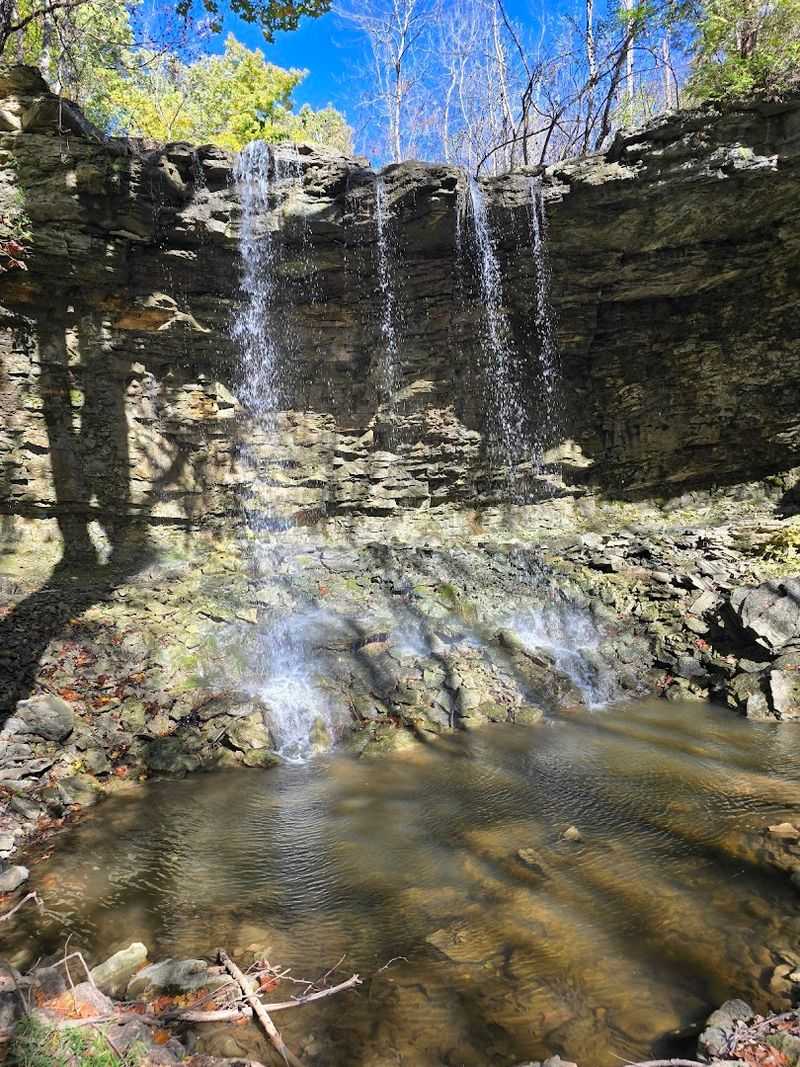
Nothing on the trail fully prepares you for the moment the waterfall comes into view. The drop is around 37 feet, which is not Niagara-scale, but the way the water spreads across the wide limestone shelf gives it a dramatic presence that photographs cannot quite capture.
The falls flow best after a good rain, so spring and early summer visits tend to offer the most impressive display. I timed my visit after a rainy week, and the water was roaring in the most satisfying way.
A viewing platform sits directly in front of the falls, giving you a clear sightline without requiring any dangerous scrambling. The mist that drifts off the water on a warm day is genuinely refreshing, and the sound alone is worth the walk down.
Even during drier stretches, the rock formation and the carved-out gorge remain beautiful. The falls are the centerpiece of the whole preserve, and the trail is designed so that reaching them feels like a reward rather than an afterthought.
You earn the view, and the view delivers.
Understanding the Trail Layout Before You Go
The main loop at this preserve runs about two to three miles, which is manageable for most fitness levels. The outer trail is mostly flat and graveled, making it a reliable option for casual walkers who want distance without drama.
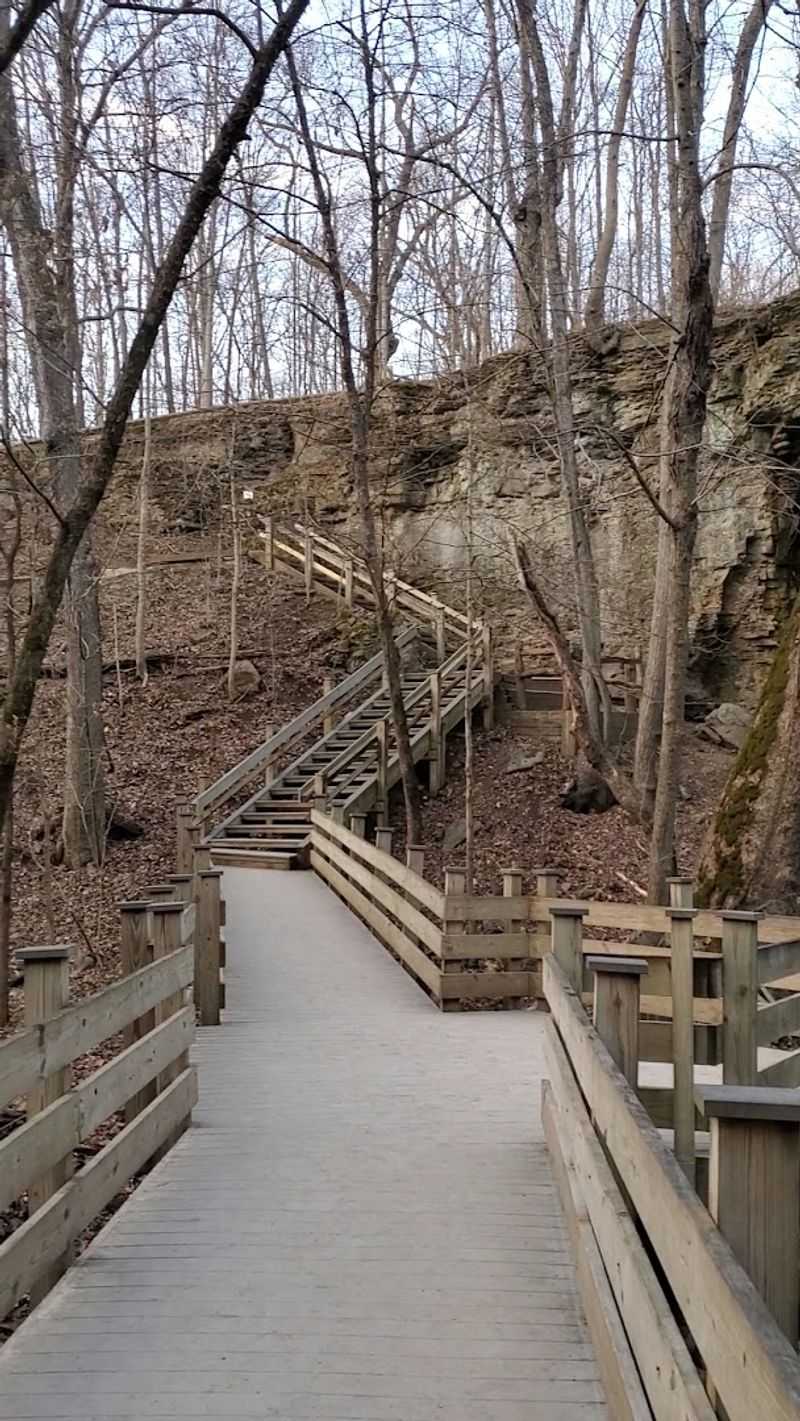
The inner section that leads down to the falls is a different story. There are stairways, rocky stretches, and a few short but steep descents that ask a little more from your legs.
The trail is well-marked throughout, so you are unlikely to lose your way even if you wander off the main path.
One visitorwho has been visiting for nearly 50 years mentioned that the park district actively clears the trails after heavy snowfall, which speaks to how well the preserve is managed. Gravel surfaces hold up remarkably well even after heavy rain, keeping the mud factor low compared to many other Ohio hiking spots.
Ramps are installed at sections that tend to get wet, which is a thoughtful touch. The variety of difficulty levels means the trail genuinely works for a wide range of visitors, from beginners to those craving a bit of a challenge.
Spring Is the Season That Shows Off Best
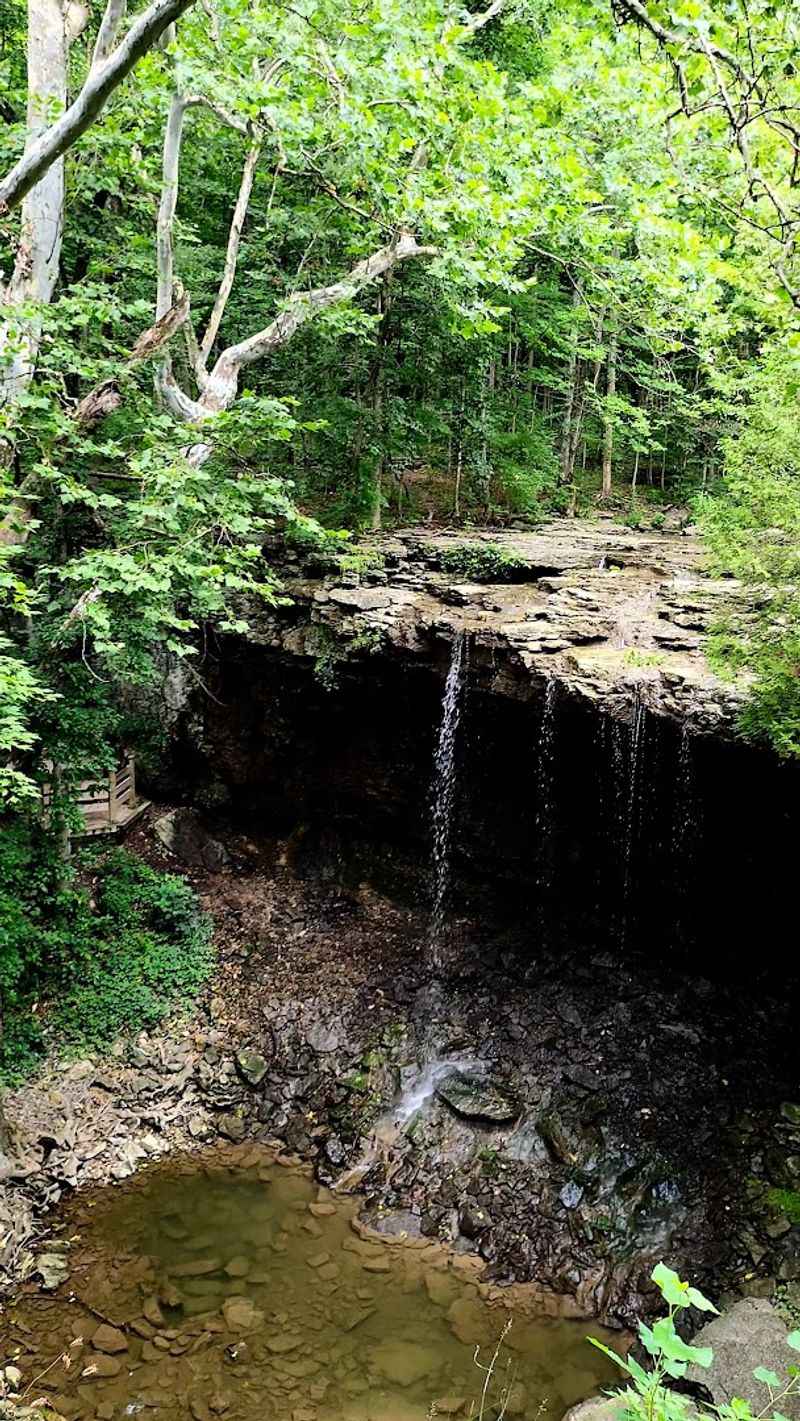
Spring transforms this preserve into something that feels almost theatrical. The trees leaf out quickly in April and May, turning the canopy into a thick green ceiling that filters the light in the most flattering way.
Wildflowers appear along the trail edges, and the forest floor takes on that vivid, saturated color that only happens for a few weeks each year. The waterfall is almost always running well during spring because of seasonal rainfall, which makes this the most reliable time to visit if a strong flow is your goal.
The air carries that clean, earthy smell that you only get in a forest after rain, and the birdsong in spring is genuinely impressive. I spotted several species without even trying, which made the walk feel more like a gentle adventure than a simple exercise routine.
Temperatures in spring are comfortable for hiking, usually cool enough to keep you from overheating on the steeper sections. Ohio in spring can be unpredictable, so a light rain jacket is worth tossing in your bag just in case the sky decides to contribute to the waterfall situation.
Wildlife and Nature Encounters Along the Way
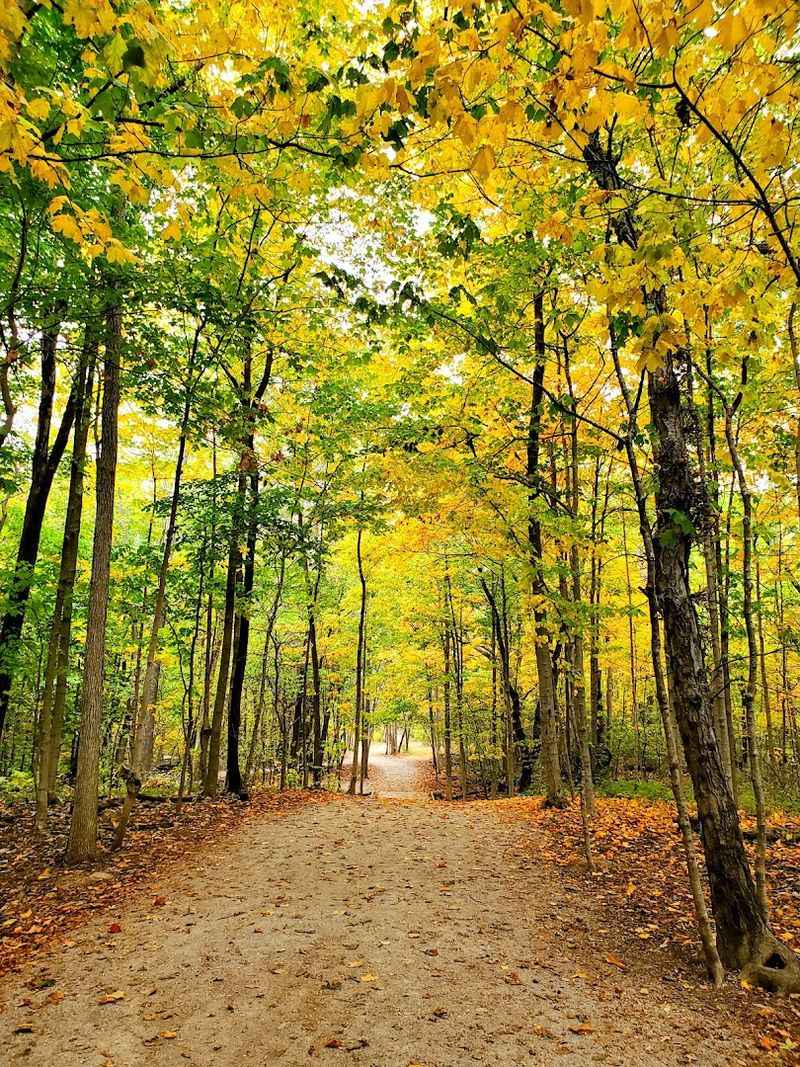
The wildlife at this preserve is one of those quiet bonuses that you do not expect until it is right in front of you. On any given visit, you might cross paths with rabbits darting through the underbrush, birds calling from the treetops, or a box turtle making its unhurried way across the path.
Snakes are also part of the ecosystem here, particularly near the cliff base where they emerge from rock crevices. Most are harmless, and they tend to move away from foot traffic quickly, but keeping an eye on the ground near rocky sections is smart practice.
The pond and prairie sections of the preserve add even more habitat variety, attracting different species than the forested gorge area. Dragonflies hover over the water in summer, and the prairie grasses host their own community of insects and small mammals that make a slow, observant walk genuinely rewarding.
Spiders set up elaborate webs in the rock formations, which either delights or unsettles you depending on your personal relationship with arachnids. Either way, the biodiversity here is a reminder that Ohio’s natural spaces have more going on than most people realize.
The Limestone Cliffs and Cave Worth Exploring
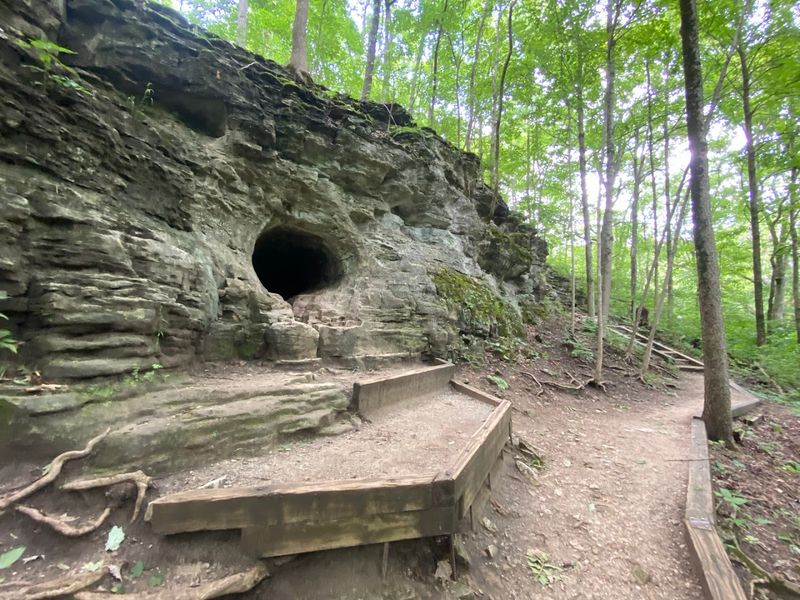
The geological story of this preserve is written in its rock walls. The limestone cliffs that frame the gorge were carved over thousands of years by water moving through the landscape, and the result is a series of dramatic formations that make the trail feel genuinely ancient.
There is one cave along the route that is not blocked off, and curious visitors can actually crawl inside. It is not a deep cave system, but there is a small dome interior that makes the experience feel surprisingly immersive for a short detour.
The cliff base is worth slowing down for even if you skip the cave. Textures in the rock, patches of moss, and the way water seeps through the stone in wet conditions all tell a story about how this landscape was shaped.
It is the kind of detail that rewards the visitors who are not in a hurry.
The grassy grotto section near the cliffs offers a change of mood, shifting from the dense forest atmosphere to something more open and meadow-like. That contrast in scenery is one of the things that keeps the trail interesting from start to finish.
Bringing the Family Without the Stress
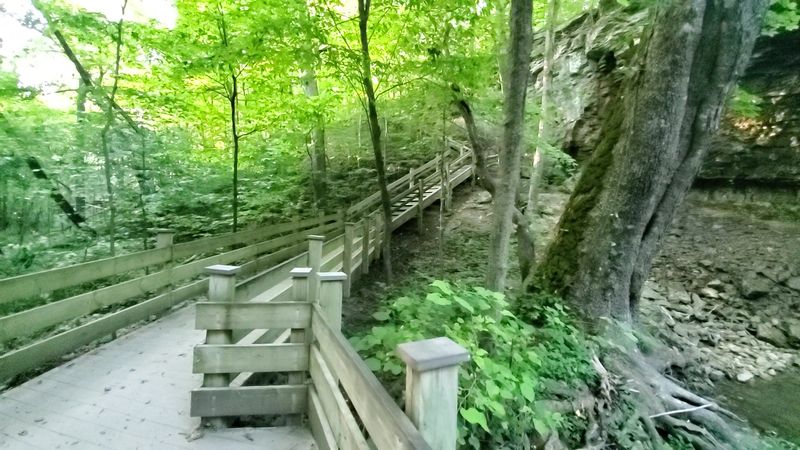
Families with kids of various ages visit this preserve regularly, and the trail accommodates a surprising range of energy levels and abilities. The outer loop is wide and mostly flat, which works well for younger children who are still building their hiking stamina.
The section leading down to the falls involves stairs and some rocky terrain, so toddlers and strollers require extra attention there. A viewing platform at the upper level offers a sight line to the falls without requiring the full descent, which is a genuinely useful option when you have little ones who cannot manage the steeper parts.
Picnic benches are available near the trailhead area, making it easy to pack lunch and turn the outing into a full half-day activity. Clean restrooms near the parking lot are a detail that parents especially appreciate, and they are maintained well enough to not be a source of dread.
The trail has enough variety to keep older kids engaged, from the cave to the creek crossings to the waterfall itself. With clear signage, restroom facilities, picnic areas, and well-used trails, the preserve feels approachable for families heading out for the first time.
Winter Visits and the Frozen Falls Experience
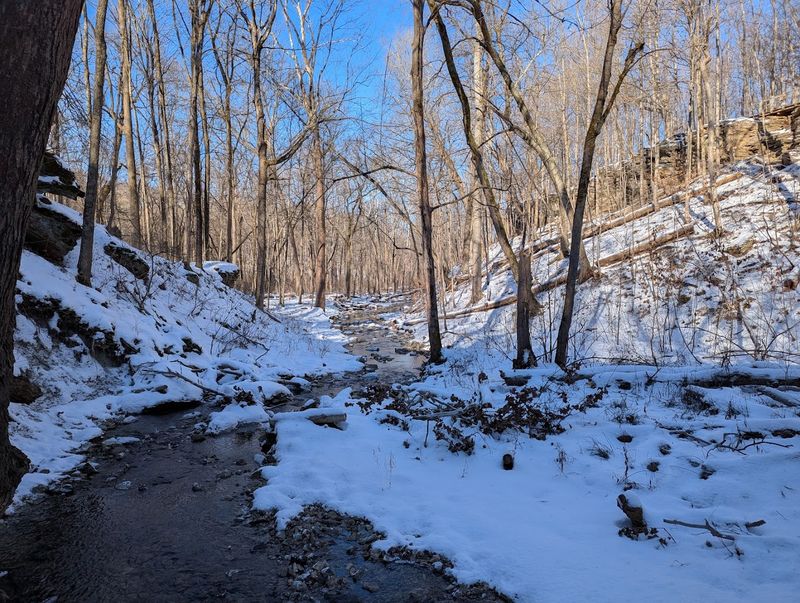
Most people assume that a waterfall trail is strictly a warm-weather experience, but the winter version of this preserve tells a completely different and equally compelling story. When temperatures drop far enough, the falls freeze into a sculptural wall of ice that is genuinely arresting to look at.
The trails are maintained even after significant snowfall, with the park district clearing paths to keep them accessible. One long-time visitor noted that after a ten to twelve inch snowfall, the trail was cleared and the frozen falls were still beautiful enough to make the cold worthwhile.
The bare winter trees open up sightlines through the forest that you simply cannot get in summer, giving the landscape a spare, architectural quality. The quiet in winter is even deeper than in other seasons, and the crunch of gravel under boots is often the loudest sound you will hear.
Dress in layers and wear footwear with solid traction because icy patches can appear near the falls and on the steeper sections of the trail. Ohio winters can be unpredictable, but the preserve handles the season with grace, and the frozen falls are a reward that most visitors never think to seek out.
Practical Tips for a Smooth Visit

A few small preparations can make the difference between a great visit and a frustrating one. Wear comfortable walking shoes with decent grip because the rocky sections near the falls and the stairs can be slippery, especially after rain.
The trail is free and open to the public, so there are no admission fees or reservations required. That also means the preserve can get busy on weekends, particularly in spring and fall when the scenery is at its best.
Going on a weekday morning is the easiest way to have the trail largely to yourself.
The preserve is dog-friendly, which is always good news for anyone who hikes with a canine companion. Keep dogs on a leash because the wildlife in the area is active and the cliff sections require careful footing for both humans and animals.
Bring water, especially in warmer months, because the trail offers no vending options. A small backpack with snacks, a water bottle, and a light layer is all you really need.
The park phone number is available at 937-335-6273 if you want to check conditions before heading out, and more details are at miamicountyparks.com.
Why This Spot Keeps Drawing People Back
Strong visitor enthusiasm is not something that happens by accident. The preserve earns that praise through consistency, and every visit I have heard about or experienced myself confirms that the quality holds up across seasons and weather conditions.
The combination of a real waterfall, accessible trails, public access, clean facilities, and diverse scenery creates a package that is genuinely hard to beat in the region. There are plenty of Ohio parks worth visiting, but few manage to pack this much variety into a main loop that stays manageable for most casual hikers.
Regular visitors return because the place changes with the seasons in ways that keep it fresh. The frozen falls in January look nothing like the roaring cascade in April, and the summer prairie has its own completely different personality from the autumn gorge draped in orange and gold.
There is also something quietly meaningful about a place that has been welcoming families for generations.
The trails are well-loved and well-maintained, and the natural setting does exactly what a good preserve should do: it reminds you that stepping outside and paying attention to the world around you is never a wasted afternoon.