
This Ohio Wetland Refuge Becomes A Late-Summer Haven For Migrating Birds
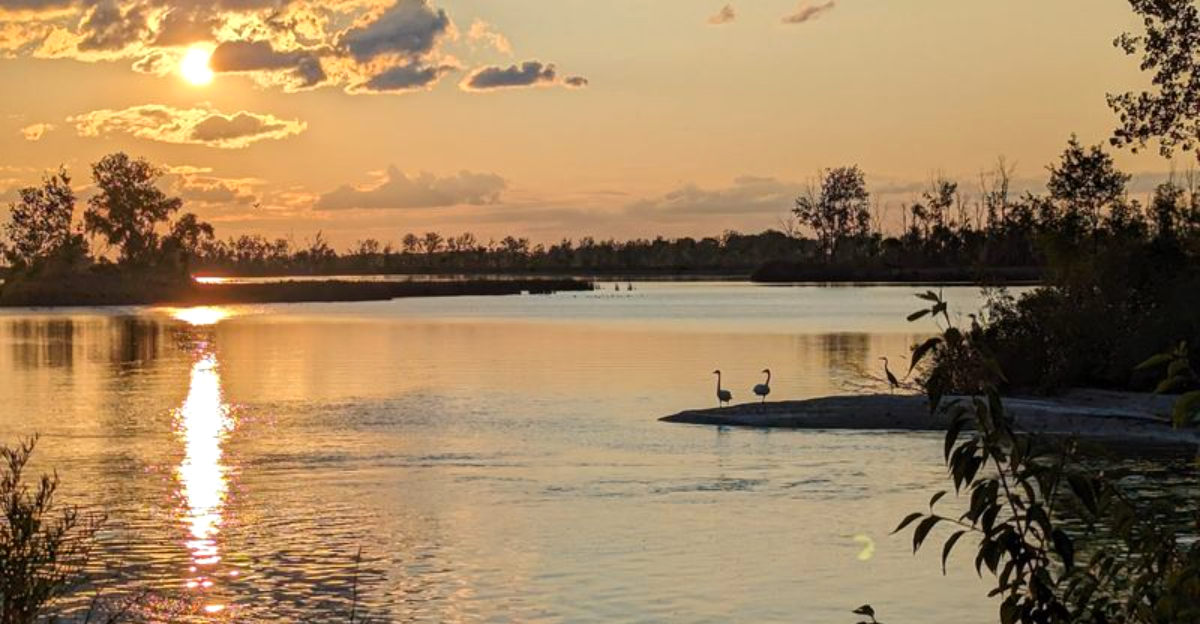
Late summer on Lake Erie belongs to the birds, and this Ohio wetland knows exactly how to host them.
August brings migrating sandpipers, plovers, godwits, and other shorebirds to exposed mudflats, while egrets, herons, swans, eagles, and other wildlife keep the marshes busy.
You can stroll an easy boardwalk, scan wetlands from the Wildlife Drive, or stop by the visitor center before heading out with binoculars ready.
With August bringing some of the year’s best shorebird diversity, this peaceful Ohio refuge makes late summer an especially rewarding time to watch the migration unfold.
Where To Find This Feathered Wonderland
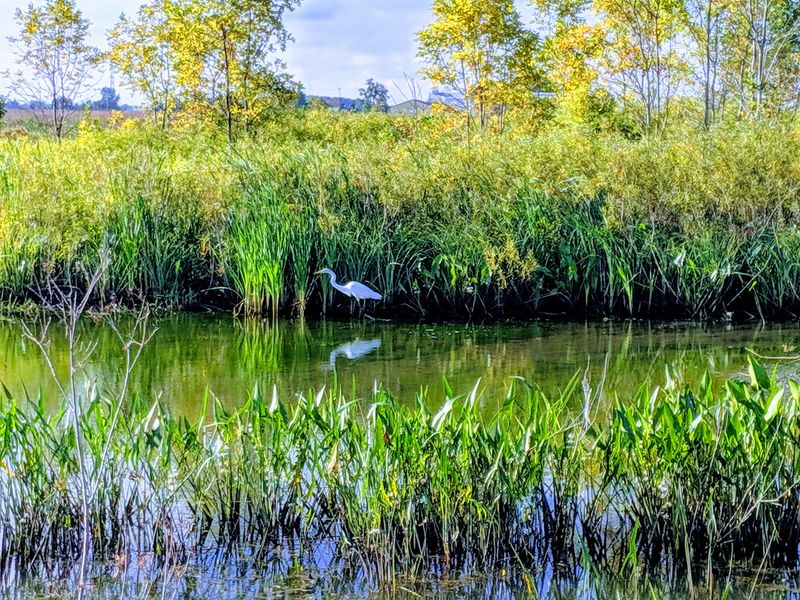
My road trip took me to a place that sits right where the land meets the marshes of Lake Erie. The moment I arrived, I understood why birds adore it.
The refuge stretches across thousands of acres of wetlands, woods, and open water. Cattails sway in the breeze, and the air hums with insects that birds love to snack on.
I parked in a big, free lot that even has charging stations for electric cars. The visitor center greeted me first, but the real show waited just beyond it.
Staff at the front desk handed me a map and pointed out which trails and marshes were most active that week. Their tips saved me a ton of guesswork.
The setting feels wild and calm at the same time, which is a rare treat this close to town. You can hear frogs, wind, and birdsong instead of traffic.
If you plan your own visit, the address is 14000 State Rte 2, Oak Harbor, OH 43449, tucked into the northern edge of Ohio near the lakeshore.
The Boardwalk That Floats Over The Marsh
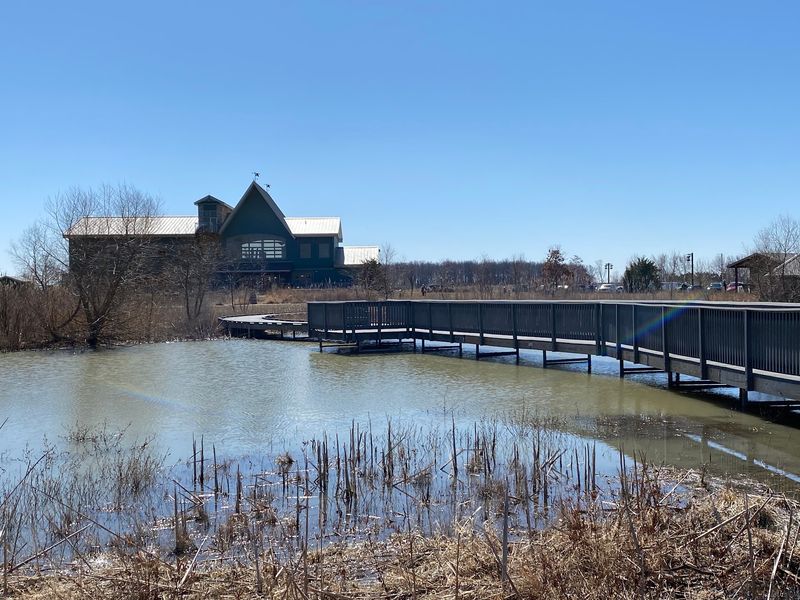
Just behind the visitor center, a short boardwalk trail lured me into the woods and out over the wetland. It felt like walking straight into the heart of the marsh without getting my shoes muddy.
The wooden planks are well cared for and easy to stroll, with a few benches where I could sit and simply watch. Bird houses dot the route, and many of them had busy little tenants.
I spotted a great egret standing perfectly still in the shallow water, hunting for its next meal. Getting that close to such a graceful bird made my whole afternoon.
Dragonflies zipped past, and turtles sunned themselves on half-sunken logs. There was always something happening if I slowed down and kept my eyes open.
The boardwalk is a great choice if you have young kids or want an easy warm-up before longer trails. It packs a lot of wildlife into a short, comfortable loop.
Bring your camera, because the views over the reeds are the kind that beg to be photographed again and again.
Cruising The Scenic Wildlife Drive
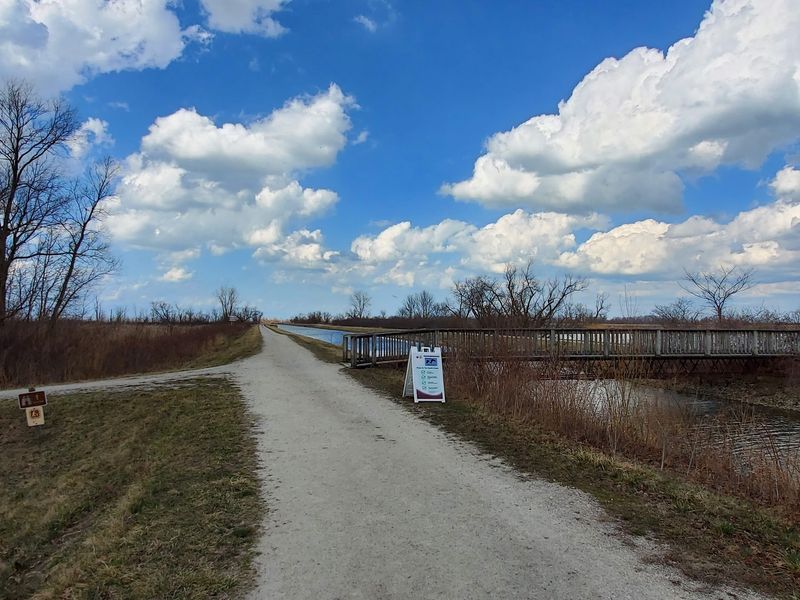
One of the biggest thrills here is the seven-mile Wildlife Drive that winds through refuge areas visitors normally cannot reach by car.
The one-way gravel route begins near the visitor center and opens up views across wetlands, pools, grasslands, and other bird habitat.
I took my time, scanning the water and sky for movement. Swans, wading birds, shorebirds, and bald eagles are among the wildlife you might encounter as the route moves deeper into the refuge.
The pace is meant to be unhurried, but visitors should follow the posted rules and use designated pull-offs when stopping to watch or photograph wildlife.
The drive is not open every day. During June, July, and August 2026, it operates every Saturday and Sunday when weather and road conditions allow.
Gates open at sunrise, with the entrance closing one hour before sunset. September has a smaller group of scheduled dates, so checking the current refuge calendar before making a special drive is important.
Bring binoculars or a spotting scope if you have one. Late-summer shorebirds often feed at a distance, and a little extra magnification can completely change what you see.
A Visitor Center Worth Slowing Down For
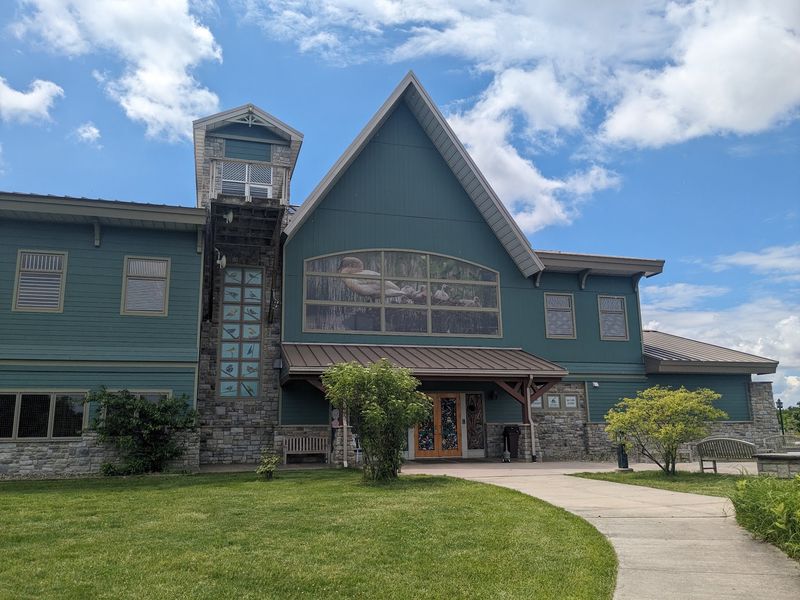
Plenty of nature spots skip the indoor experience, but this one surprised me with a visitor center bigger than I expected. It has three floors, and each one gave me a reason to linger.
Half the building holds offices and meeting rooms, while the other half is filled with exhibits about the local wildlife. Right by the main doors, an aquarium with a chunky sunfish stopped me in my tracks.
A small theater plays a short film, which is a nice way to learn the story of the marshes before you explore them. The staff inside were warm, patient, and full of helpful advice.
The second floor opens onto a balcony with windows that look out over the refuge. When it is open, the third-floor observation deck offers even wider views, plus binoculars you can borrow for free.
Clean restrooms are available inside, and there is a separate building near the parking lot for when the center is closed. That kind of thoughtful touch makes a big difference on a long visit.
Give yourself extra time here, because it is easy to lose an hour.
The Birds That Steal The Show
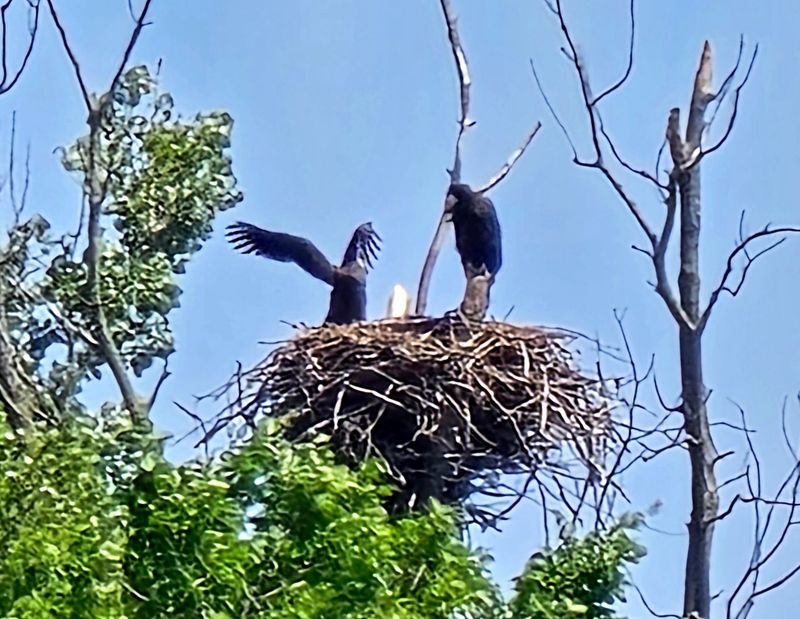
Birds are the true stars here, and August gives the refuge a particularly good reason to keep binoculars close.
Shorebird migration can reach peak diversity during the month, with mudflats attracting sandpipers, plovers, godwits, and other species moving south from northern breeding grounds.
Adults often begin their southbound journeys before juveniles, so the lineup continues changing as late summer progresses. A spotting scope can be especially useful because many of these birds feed well beyond easy naked-eye range.
Great egrets and great blue herons add much larger silhouettes to the shallows, while trumpeter swans remain one of the refuge’s most recognizable wetland residents.
Bald eagles are also a regular part of the landscape, and swallows, songbirds, cormorants, waterfowl, and marsh birds can add even more variety depending on the week.
More than 300 bird species have been recorded at Ottawa National Wildlife Refuge, so even experienced birders have reasons to keep checking the water, trees, and sky.
The exact cast changes constantly. That unpredictability is part of what makes an August visit so much fun.
Miles Of Trails For Every Kind Of Hiker
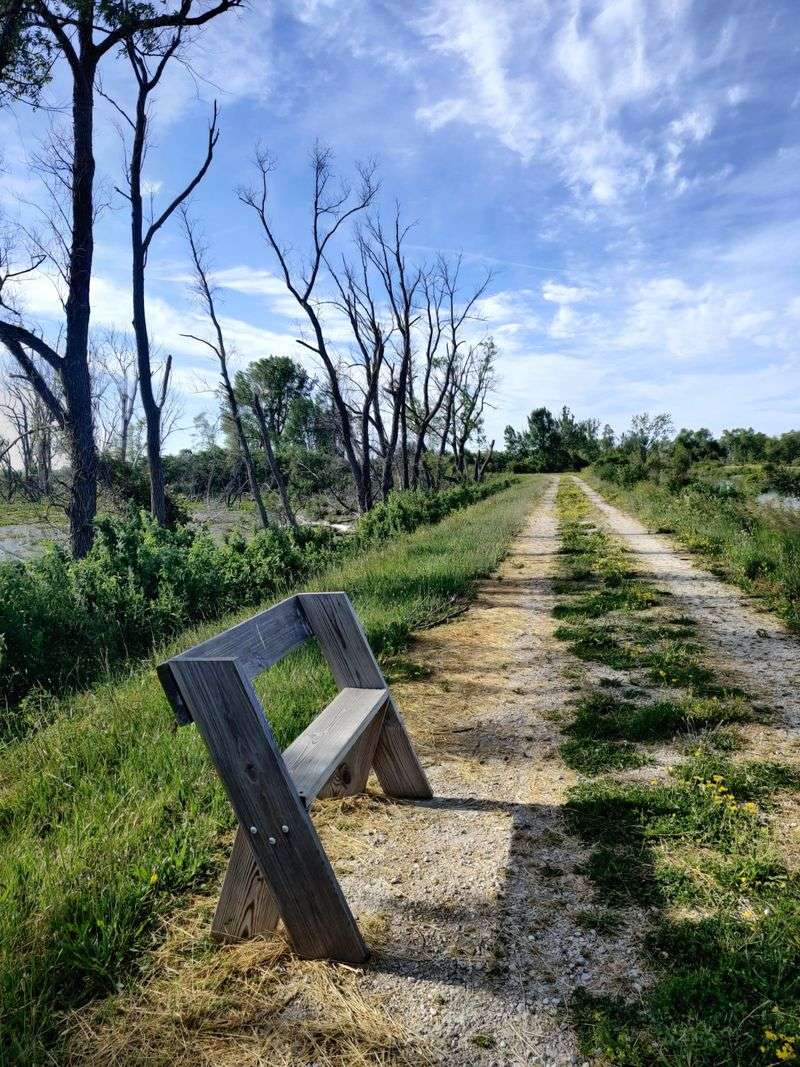
Beyond the short boardwalk, the refuge unrolls miles of walking paths through woods and around the water basins. I could have spent an entire day just wandering from one loop to the next.
Some trails cut through shady woodland, while others follow the edges of open ponds where wildlife gathers. The variety keeps things interesting mile after mile.
Most paths are well maintained and easy to walk, with occasional benches for a breather. A word of warning, though: once you leave the woods, the gravel gets rougher underfoot, so wear sturdy shoes.
I visited on a hot day and quickly learned that shade is precious out on the open stretches. Packing plenty of water made a huge difference in how much I could enjoy.
The quiet is part of the charm. Walk softly and slowly, and you will spot far more butterflies, turtles, and birds than if you march along at full speed.
Whether you want a quick stroll or a long ramble, there is a route that fits. Just study the map first so you know which marsh you are aiming for.
Bringing Your Camera Along
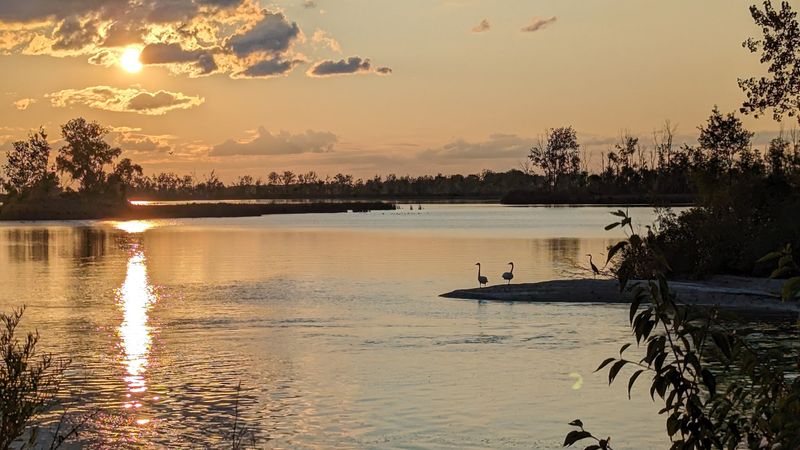
Photographers, this place will keep your shutter finger very busy. I met several folks with tripods and long lenses staked out along the drive, all of them grinning.
The refuge serves up postcard scenes at every turn, from misty ponds at sunrise to golden light spilling over the reeds at sunset. Those quiet edges of the day are prime time for both wildlife and beautiful light.
A long lens really pays off here, since many birds keep their distance. Even a modest zoom will help you fill the frame with egrets, eagles, and swans.
I found the wildlife drive perfect for photography, because my car doubled as a rolling blind. Animals often ignored the vehicle and let me snap away.
Patience is the secret ingredient. The best shots came when I parked, stayed still, and waited for the action to unfold.
Turtles, dragonflies, and blooming wildflowers give you plenty to shoot even during slow bird moments. There is never really a dull view.
Pack extra memory cards and a spare battery, because you will use them both before you know it.
The Gift Shop And Quirky Souvenirs
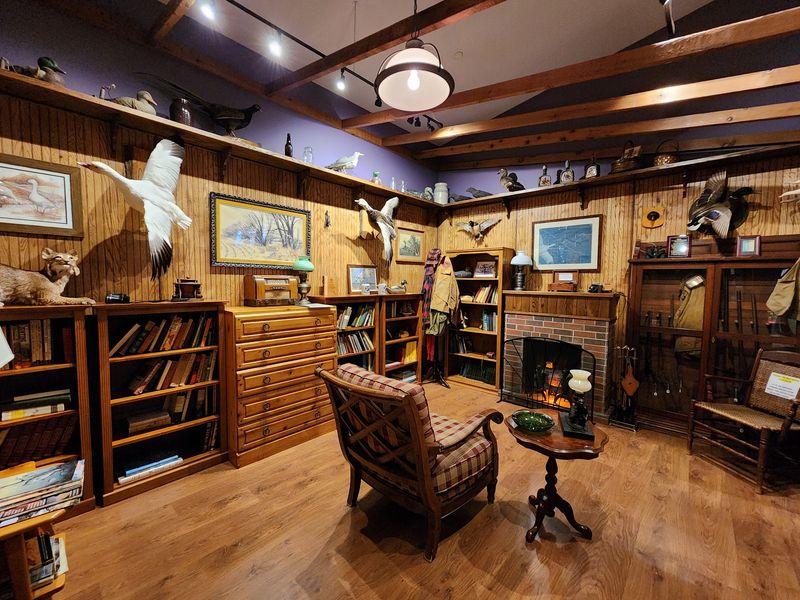
Before heading back outside, save a few minutes for the Rookery Nature Store inside the visitor center.
The shop carries educational materials, field guides, binoculars, Ottawa Refuge apparel, books, souvenirs, and other nature-themed gifts connected to the wetlands and wildlife outside.
Families can also find smaller items such as puzzles, children’s books, plush animals, and other affordable keepsakes.
The selection changes, so part of the fun is seeing what happens to be on the shelves during your visit rather than counting on one particular souvenir.
Purchases have an added purpose too. The store is operated by Friends of Ottawa National Wildlife Refuge, and its proceeds help support conservation and visitor programs at the refuge.
It is a small stop compared with the marshes outside, but a field guide or bird-themed keepsake makes a fitting way to remember the day.
Planning Your Visit The Smart Way
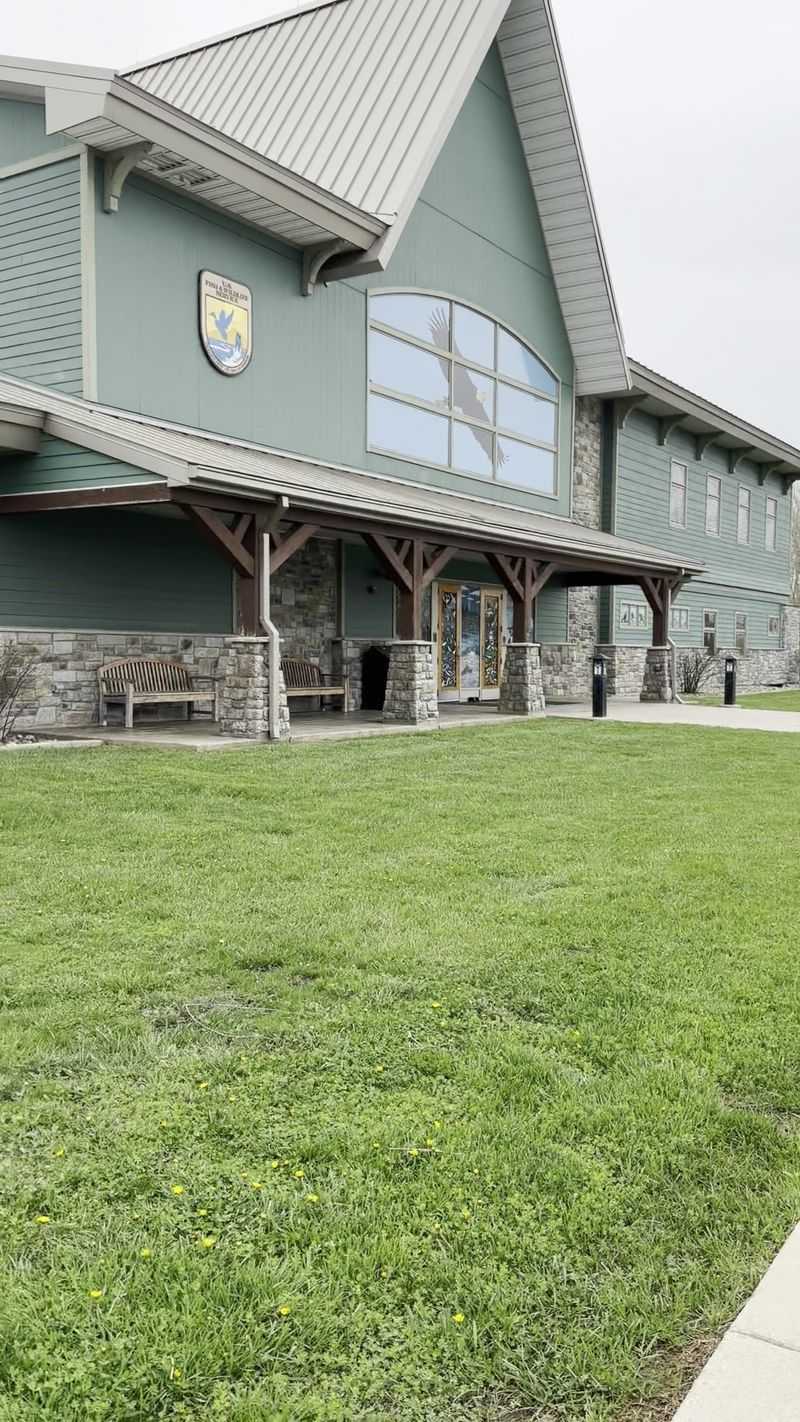
A little planning goes a long way at this refuge, especially because the visitor center and Wildlife Drive follow different schedules.
The visitor center is currently open Thursday through Sunday from 10 AM to 4 PM and closed Monday through Wednesday and on federal holidays.
Parking areas and hiking trails remain open daily from dawn to dusk. Indoor restrooms are available while the visitor center is open, while outdoor restrooms remain available daily during refuge hours.
During August 2026, the seven-mile Wildlife Drive is scheduled to open every Saturday and Sunday when weather and road conditions allow. September access becomes more limited, with scheduled dates including September 5 through 7 and September 12 through 13.
The refuge does not charge admission, and an EV charging station is available in the visitor-center parking area.
Pack water, sunscreen, a hat, insect repellent, and sturdy shoes. July and August can be particularly buggy in the wooded sections, while open wetland trails offer relatively little shade.
If the Wildlife Drive is an important part of your trip, check current conditions online or call the visitor information desk at 419-313-3236 before driving a long distance.
Pairing Your Trip With Nearby Magee Marsh
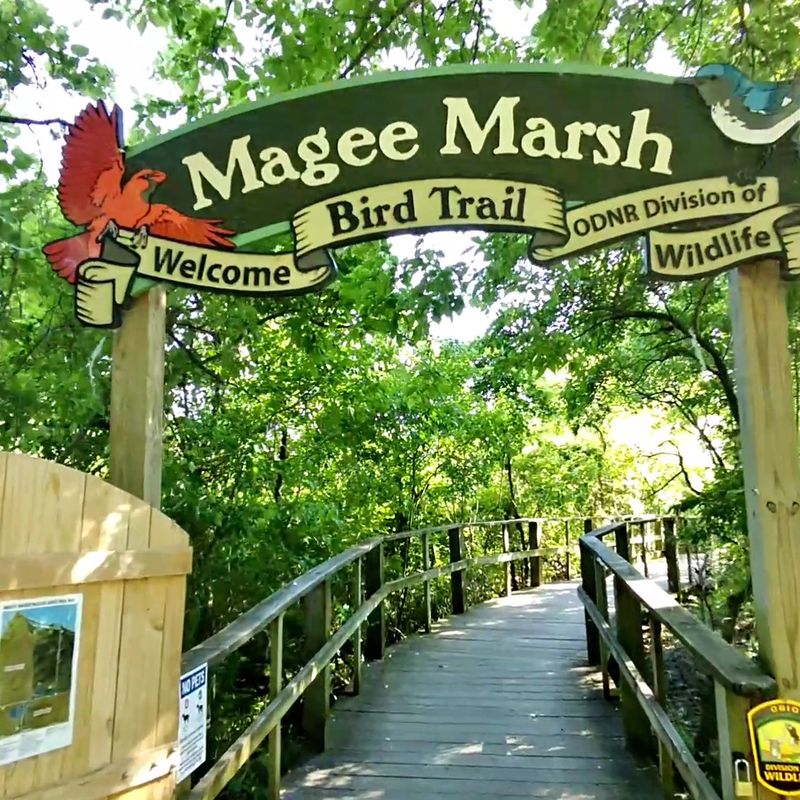
A short drive brings you to another of northwest Ohio’s great birding destinations, Magee Marsh Wildlife Area.
Magee’s famous 0.7-mile boardwalk winds through lakeshore woodland and wetland habitat, giving visitors another easy place to watch birds close to Lake Erie.
The huge warbler gatherings that made Magee famous are primarily a spring phenomenon, especially from late April through mid-May. Late summer brings a different experience, with herons, egrets, other wetland birds, and early fall migrants becoming part of the mix.
That makes Ottawa and Magee complementary rather than identical stops. Ottawa’s August mudflats can be particularly productive for migrating shorebirds, while Magee adds woodland, marsh, and lakefront habitat nearby.
Both reward slow exploring, so binoculars, water, comfortable shoes, and plenty of time are worth bringing.
Combining the national wildlife refuge with the neighboring state wildlife area gives birders an unusually varied look at the habitats that make western Lake Erie such an important migration corridor.