
This Old Maine Church Has A Strange History That Most Visitors Never Discover
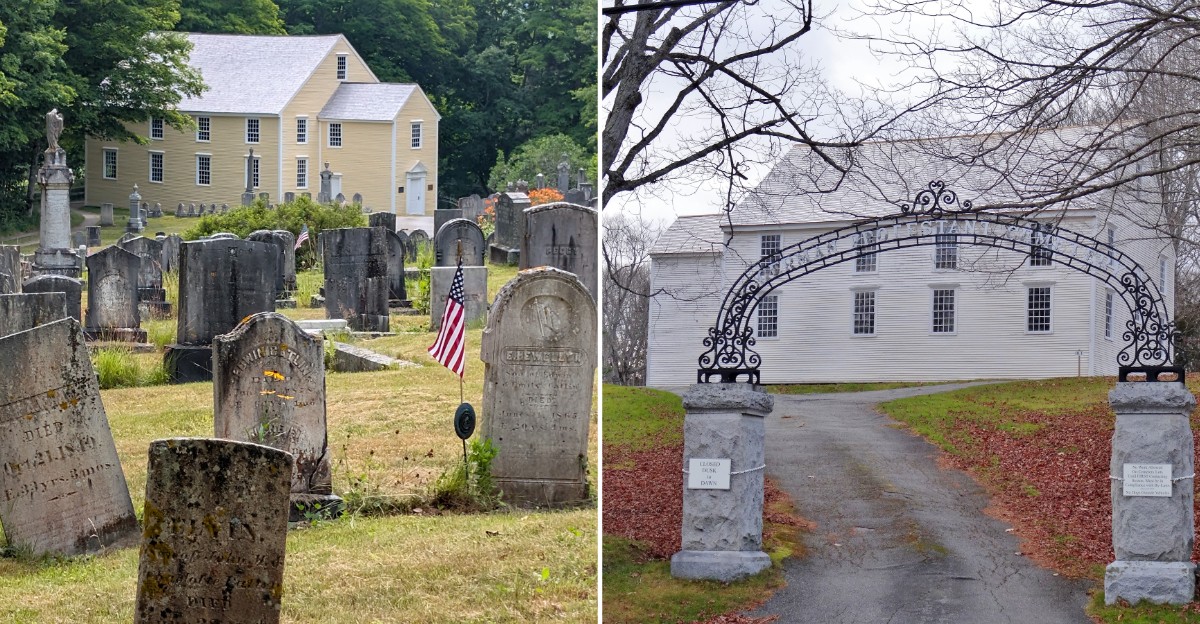
Back in the winter of 1794, a whole church was taken apart and dragged across a frozen river on sleds. Then the builders put it back together on a hill. I still can’t get over that.
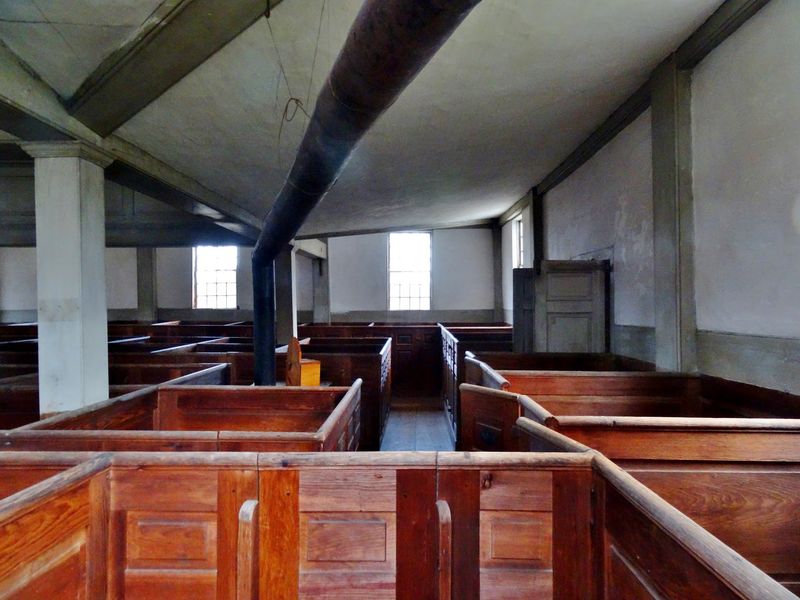
The building has never had electricity. A single wood stove still handles the heat, and the windows supply all the light.
I like how stubbornly old-fashioned that feels in a world full of chargers and outlets.
The pews have little swinging doors. The pulpit sits high above the room, and the upstairs benches carry carvings left by bored worshippers long ago.
Signatures from the 1800s still mark the stairwell walls. I believe this quiet yellow building in Maine holds more surprises per square foot than most museums.
The Church That Rode Across A Frozen River
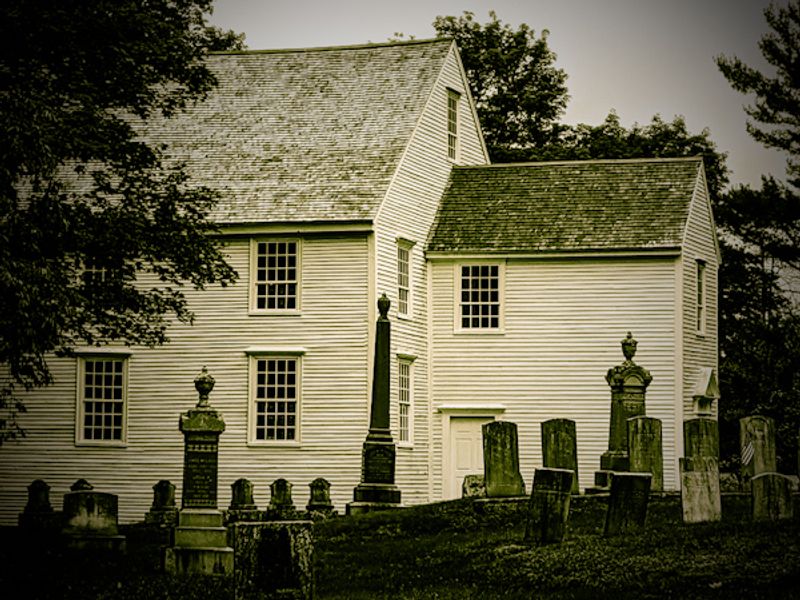
Most churches stay put once they’re built. The Old German Meeting House in Waldoboro had other plans.
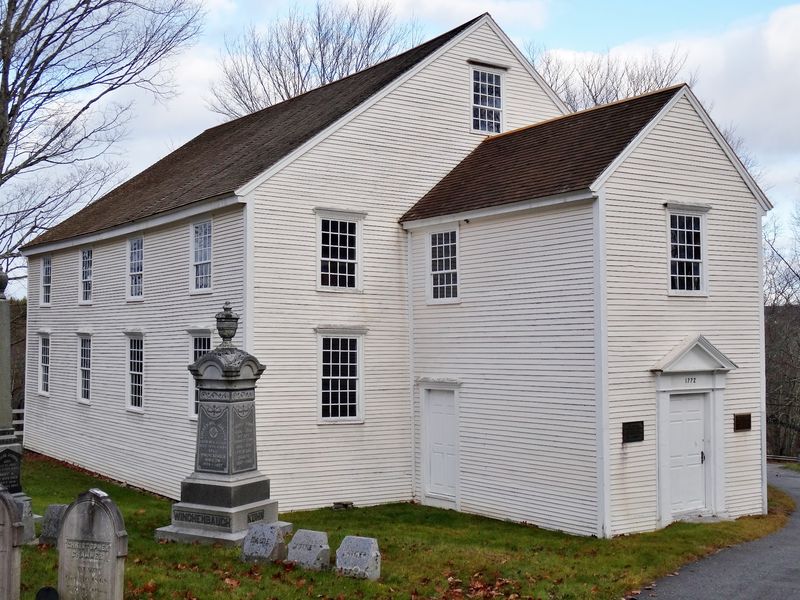
German Lutheran immigrants first raised the building in 1772 on the eastern bank of the Medomak River. That framed house replaced an earlier log cabin built back in 1763.
Then came the winter of 1794 into 1795. The congregation took the entire church apart, piece by piece.
They loaded the parts onto sleds and hauled them across the frozen river.
On the west side, they rebuilt it on the hillside where it stands today. Think about that the next time moving a couch feels like a big project.
Why go through all that? Land ownership disputes played a part.
The German community also worried about growing English influence in town.
Moving their meeting house was a bold way to protect their identity. It also tells you how much this building meant to them.
Today, that wild relocation story is the first thing worth knowing before you visit. Stand on the hill and look toward the river.
Somehow the whole place feels more impressive once you picture those sleds sliding across the ice.
No Outlets, No Switches, No Problem
Here’s a fun challenge for your phone. Try finding a place to charge it inside this church.
You won’t succeed, because the building has never had electric service. Not once since 1772.
A wood stove remains its only source of heat.
That stove arrived around 1804 as part of a big interior upgrade. Before then, worshippers simply bundled up and toughed out Maine winters.
Light comes from the many windows lining the walls. On a bright summer afternoon, sunshine fills the plain, plastered room.
Exposed beams stretch overhead, showing off the bones of the building.
The design is simple and unadorned. You won’t find fancy stained glass or gold trim here.
The early German settlers clearly cared more about function than flash.
That plainness is part of the charm. Without humming lights or buzzing vents, the room feels calm in a way modern spaces rarely manage.
So silence your phone and let your eyes adjust. Notice how the daylight shifts across the walls and pews.
It’s a rare chance to experience a building exactly as people did more than two centuries ago.
Box Pews With Tiny Doors And A Pulpit Up High
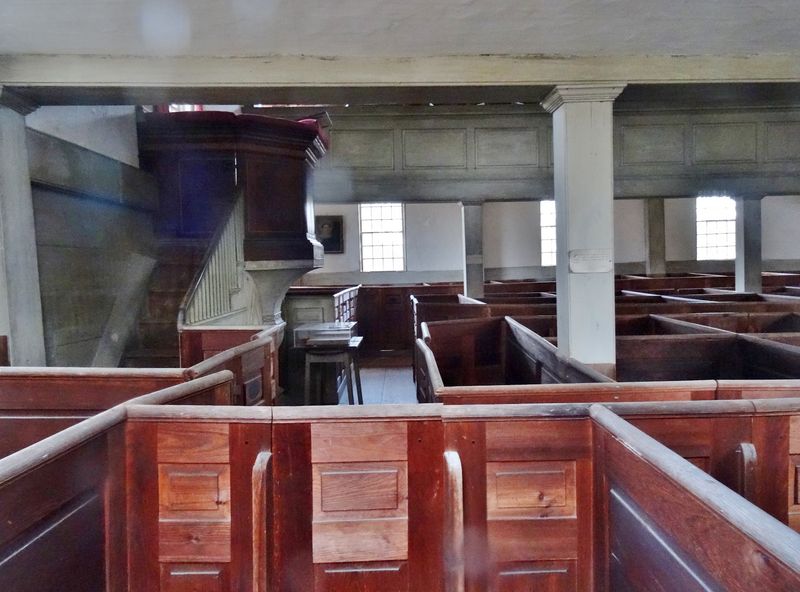
Sitting in church used to come with its own private door. Inside this Maine landmark, three rows of square box pews still have little swinging doors.
These pine pews replaced the original rough benches around 1804. Early records describe that first seating as rude benches, which sounds about as comfy as it was.
Families would step into their box and latch the door behind them. It created a cozy, enclosed space during long services.
Pretty clever in a building heated by one stove.
Now look up. The raised pulpit is often described as wine-glass shaped, perched well above the congregation.
A preacher standing there could see every single face below.
An organ also sits in the room. It was added during the same round of improvements that brought plastered walls painted a light grey.
Together, these pieces show a congregation proud of finally finishing its meeting house. They had moved it across a river, after all.
Making it beautiful inside was the next step.
Climb Upstairs For The Old Graffiti
Kids doodling during sermons is nothing new. The upstairs benches here prove it.
A gallery wraps around three sides of the second floor. Carved into the backs of those benches are inscriptions and drawings left by people from long ago.
Some marks are simple initials. Others are little sketches that someone clearly spent time on while the preacher kept talking.
It’s like finding a note passed in class, only centuries old.
The stairwell holds another treat. Signatures dating back to the 1800s still mark the walls as you climb.
Those names belong to real people who once walked these same steps. Reading them turns history from a textbook topic into something personal.
Please look but don’t add your own. These marks are now protected pieces of the past, and the building depends on careful visitors.
Bring a flashlight or use your phone light for the stairwell. With no electricity, some corners can be dim even on a sunny day.
Honestly, this might be the most human part of the whole building. Grand history is great, but bored teenagers carving benches feels wonderfully familiar.
A Barrel With A Big Claim
One object inside gets a lot of attention for a very bold reason. It’s a barrel said to have crossed the ocean on the Mayflower.
Yes, that Mayflower. The ship that carried the Pilgrims in 1620.
Now, it’s fair to call this a claim rather than a proven fact. Still, it’s part of the building’s story, and it makes a great conversation starter.
The German settlers who built this church arrived much later than the Pilgrims. So how a Mayflower barrel ended up here is a puzzle all its own.
That mystery is half the fun. Old buildings collect objects and legends over time, and this one has gathered a doozy.
When you spot it, take a closer look at the wood and hoops. Ask yourself what stories it could tell if barrels could talk.
Kids especially love this kind of detail. A plain barrel becomes an adventure once you attach a famous ship to it.
Whether or not it really sailed in 1620, the barrel reminds you that history often blends fact and family storytelling. Both are worth hearing.
Stones From The 1700s Fill The Hillside
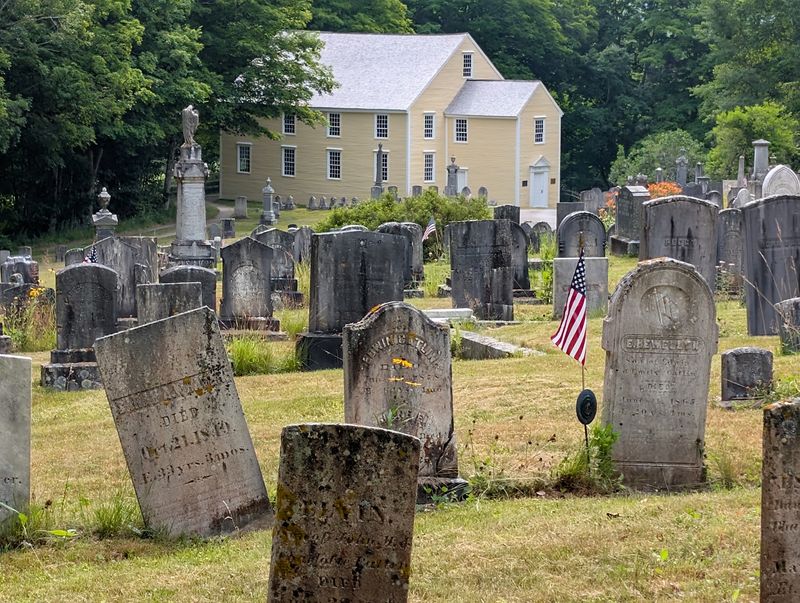
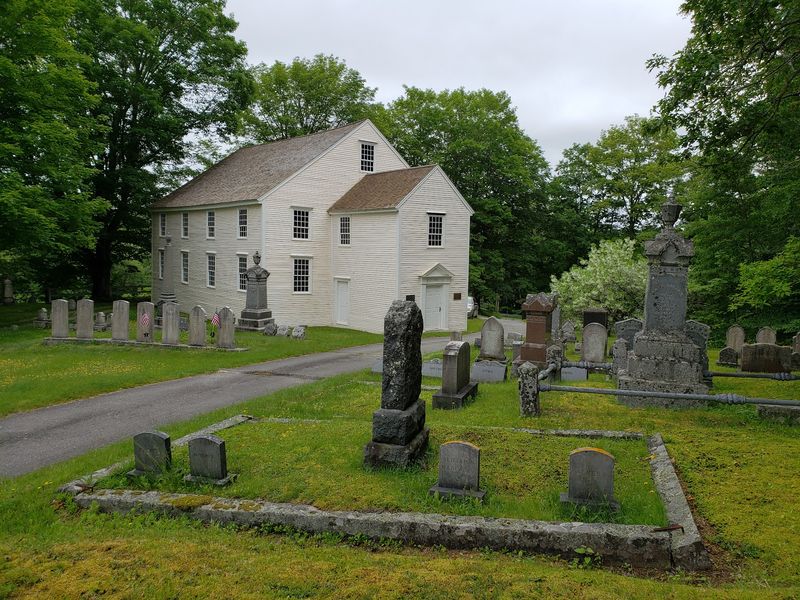
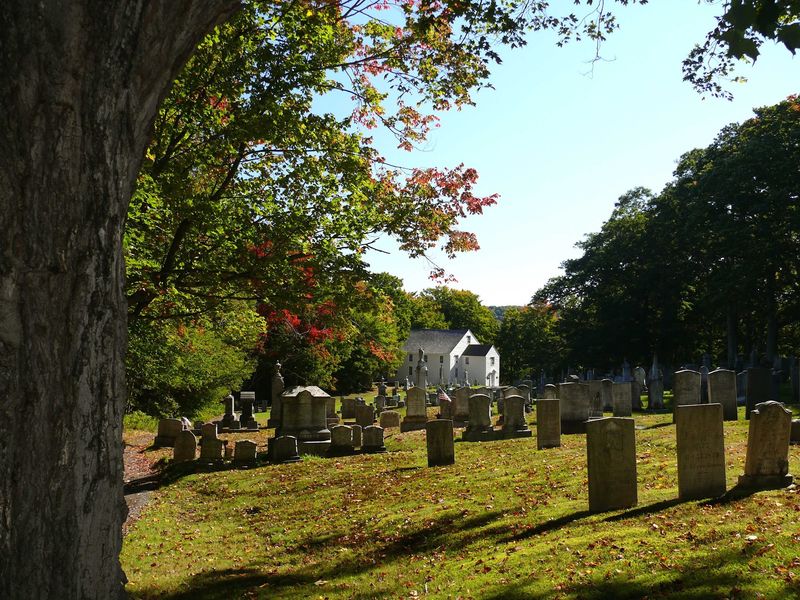
Gravestones dating back to the 1700s surround the church on its hillside. The cemetery covers a sprawling 24 acres.
The oldest marked stone belongs to Fannie Miller, dated 1797. Older unmarked graves also rest here, so the true story goes back even further.
Walking the rows feels like reading a town’s family album. Many names reflect the German roots of the early settlers.
Genealogy fans, take note. If your family tree has branches in Waldoboro, this could be a fantastic stop for research.
Bring a notebook or camera to record names and dates. Soft paper and patience help when old carvings are faded.
Please be gentle with the stones. Many are fragile after centuries of Maine weather, and they deserve careful respect.
The hillside setting also gives you a lovely look back at the church. Its yellow wooden walls stand out against the grass and trees.
Wear good shoes since the ground can be uneven. Also, drivers with low cars should take it slow on the way in.
A little caution keeps the visit pleasant for everyone.
The Man Behind One Of America’s Oldest Photographs
Conrad Heyer lived a life that sounds made up. He rests in this cemetery, and his story is a showstopper.
Heyer was a Revolutionary veteran who lived to around 106. He is believed to be the earliest-born American ever photographed.
Let that sink in for a second. A man born in 1749 sat for a camera portrait in his later years.
That picture links the era of George Washington to the age of photography.
His grave makes this Maine cemetery a quiet stop for history buffs. Plenty of people travel here specifically to see it.
Finding his marker adds a fun scavenger-hunt feel to your visit. Take your time scanning the stones as you walk.
Before you go, look up his famous photo online. Seeing his face first makes standing near his resting place feel even more meaningful.
It’s amazing how one small-town cemetery holds such a national connection. The Old German Meeting House keeps surprising you, even outdoors.
Heyer’s long life also mirrors the church itself. Both have outlasted generations and still have stories to share.
Plan Around The Flag And The August Service
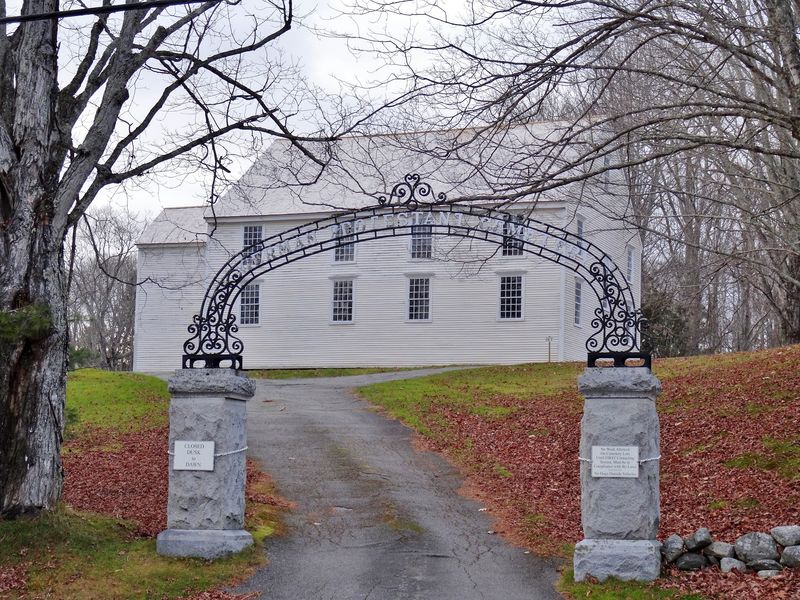
Timing matters with this visit. The official schedule lists selected weekdays, not a regular schedule.
Look for an OPEN flag by the main entrance. If it’s flying, you’re in luck and can head inside.
You’ll find the Old German Meeting House at 235 Bremen Road, Waldoboro, ME 04572. That road is also Maine State Route 32, which makes it easy to locate.
Want something extra special? An annual service happens on the first Sunday in August at 3 in the afternoon.
That service is held in both German and English. It’s a beautiful nod to the language that shaped this congregation.
The building is also available for weddings and other events. Exchanging vows in a 1772 church with no electricity sounds pretty unforgettable.
The German Protestant Society, organized in 1800, maintains the church and grounds. Donations help with upkeep, so consider leaving a little something.
Arrive early in the open window to give yourself time. Between the pews, gallery, and cemetery, you’ll want more than a quick peek.
A Language Tug-Of-War Changed Everything
Language once caused real tension inside these walls. Older members wanted services in German, while younger folks preferred English.
Many historians point to that split as one reason the congregation slowly declined. It’s a family argument plenty of immigrant communities would recognize.
Reverend Johannes Wilhelm Starman served here from 1812 to 1854. That’s more than four decades in one pulpit.
He found a smart compromise by adding English sermons. Eventually, three out of four services were delivered in English.
The building also mattered beyond worship. Waldoboro held its very first town meeting here in 1773, making it a true community center.
In 1970, the Old German Meeting House joined the National Register of Historic Places. It’s considered one of the oldest churches in Maine.
Today it serves as a memorial to the town’s early German settlers. The annual bilingual service keeps their voices part of the story.
Standing inside, you can almost hear both languages echoing off the plaster. A river crossing, a language debate, and a wood stove later, this church still has the last word.