
This Old New York Mill Town Is So Charming, Locals Say It Deserves A Second Life
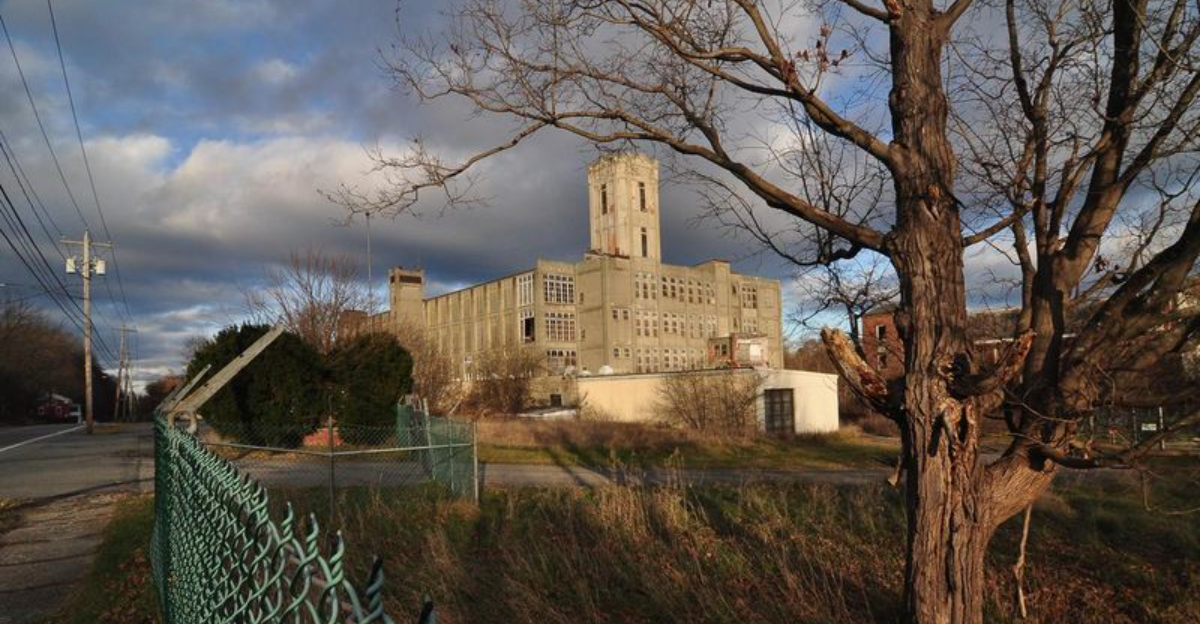
Step back in time to the enchanting town of Victory Mills, where history whispers through the cobblestone streets and faded facades of a bygone era.
This once-thriving mill town holds secrets of a forgotten past, begging to be rediscovered and revitalized for a new generation. Tucked away in upstate New York, Victory Mills beckons with promises of a second chance, drawing in locals and visitors alike with its undeniable charm and allure.
As the sun sets on this picturesque town, the echoes of its former glory resound, calling for a revival that could rewrite its destiny.
From Industrial Giant To Silent Sentinel
Victory Mills roared to life in 1846 when entrepreneurs harnessed the power of Fish Creek to fuel textile production. The facility underwent major expansions around 1918, transforming into a five-story industrial powerhouse that dominated the village skyline.
For generations, the mill served as both economic backbone and social hub. Families built their lives around shift changes and factory whistles. The payroll once listed hundreds of workers who produced everything from cotton textiles to packaging materials.
Operations finally ceased in 2000, ending more than 150 years of continuous industrial activity and leaving the massive structure vacant. But still commanding respect on the landscape.
Devastating Fire Rewrites Future Plans
Flames tore through the historic mill structure in late May 2025, drawing firefighters from multiple departments who battled to save the landmark. Despite their heroic efforts, the blaze gutted the building’s interior, leaving only a hollow shell of brick and charred timber.
Local officials later announced that two juveniles faced charges of arson and trespassing in connection with the incident. The community gathered in shock as demolition crews began dismantling unstable sections of the once-proud structure.
Residents lined surrounding streets, many with tears in their eyes, watching as each brick fell and a piece of their heritage disappeared forever.
Community Nostalgia Fuels Preservation Dreams
Long before the fire, Victory Mills residents fought passionately to preserve their industrial landmark. “That building isn’t just brick and mortar-it’s where our grandparents met, where our parents earned their living,” explains Martha Townsend, whose family worked at the mill for three generations.
Community meetings regularly overflowed with supporters proposing various reuse scenarios. Most plans centered around mixed-use development that would honor the building’s heritage while bringing new economic activity.
Residents envisioned housing, retail spaces, and even a museum celebrating the region’s industrial past, all connected to village trails and parks along Fish Creek.
Ambitious Redevelopment Plans Cut Short
Before the devastating fire, Victory Mills had secured Brownfield Opportunity Area designation, opening doors to substantial redevelopment funding. Riverview Realty LLC had presented promising plans to transform the site into residential lofts, commercial spaces, and senior housing.
Architectural renderings showed how original brick walls would frame modern apartments with soaring windows. The plans carefully preserved the building’s industrial character while adapting spaces for contemporary use.
Pandemic delays and funding challenges had already slowed progress. But developers remained committed to the project until the fire dramatically altered the timeline and feasibility of preservation-focused redevelopment.
Environmental Challenges Complicate Recovery
The mill’s industrial past left behind more than memories-it also created environmental complications that any redevelopment must address. Decades of manufacturing operations introduced contaminants to the soil and groundwater, earning the site brownfield designation from New York’s Department of Environmental Conservation.
Cleanup plans had been incorporated into redevelopment proposals, with remediation timelines carefully scheduled to align with construction phases. The fire and subsequent demolition have now disrupted these plans.
DEC officials must reassess contamination risks as demolition exposes areas previously contained within the structure, potentially requiring new remediation strategies before any future development can proceed.
National Register Status Adds Complexity
Victory Mills’ listing on the National Register of Historic Places had been both blessing and challenge. The designation brought prestige and access to preservation tax credits that made redevelopment financially viable, but also imposed strict guidelines on modifications.
I remember walking through the building with a preservation specialist who pointed out original wooden beams that had to be maintained and windows that needed exact replacements. Each feature told part of America’s industrial story.
Now officials must determine if the fire-damaged structure retains enough historic fabric to maintain its NRHP status. Or if the site’s heritage must be honored through documentation and interpretive displays rather than physical preservation.
Locals Keep Mill Memory Alive Through Stories
Despite physical changes to the building, Victory Mills residents maintain their connection to the site through rich oral histories. Former workers gather at the local diner each morning, sharing tales of machinery mishaps, production milestones, and workplace friendships.
Village historians have recorded dozens of interviews capturing details of daily life in a company town. Children learn about their community’s industrial roots through school projects that incorporate these recordings alongside archival photographs.
“Even if we lose every brick, we’ll never lose the stories,” says Mayor Corey Helwig, who has championed efforts to create a digital archive preserving memories of mill operations for future generations.
Future Vision Adapts To New Reality
Village officials and planners have pivoted quickly to reimagine Victory Mills’ future after the fire. New concepts focus on creating a memorial park incorporating salvaged architectural elements from the mill alongside interpretive displays explaining its significance.
The 6.6-acre site’s location along Fish Creek still offers tremendous potential for recreation and economic development. Updated plans maintain connections to village trails while creating waterfront access previously blocked by the structure.
“This isn’t the end of our story,” one planning board member noted at a recent meeting. “It’s just a different chapter than we expected to write.” The community now faces tough decisions about honoring the past while building a sustainable future.