
This Old Railway In Florida Lets You Discover The Shoreline One Pedal At A Time
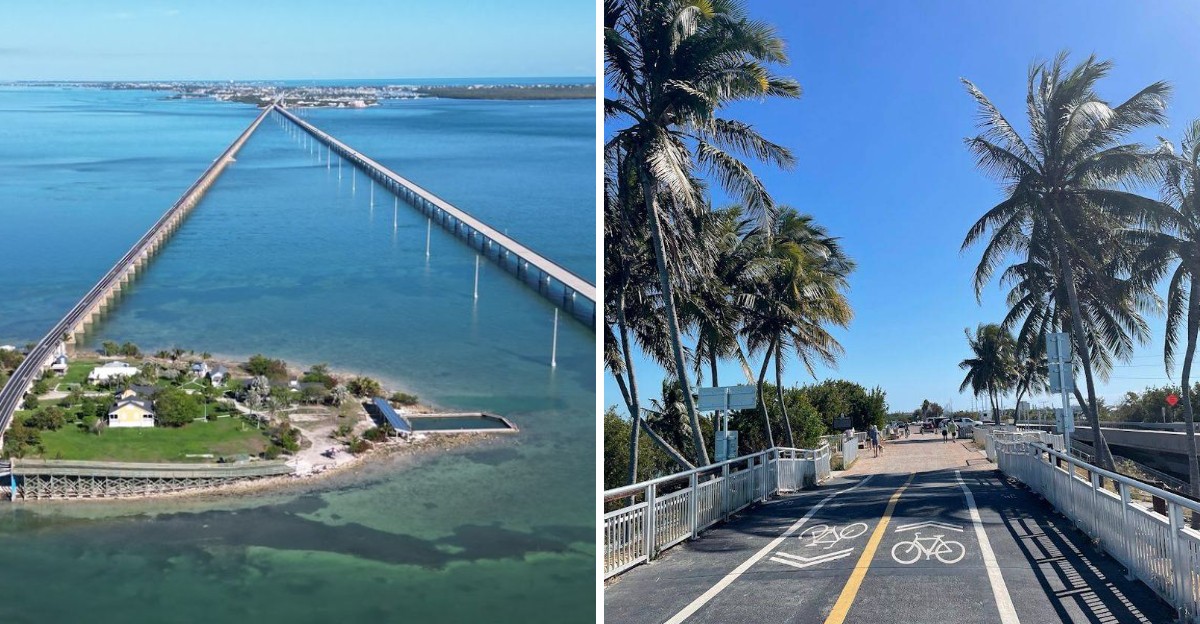
There’s a version of Florida you can only experience at the pace of a bike.
The kind where ocean water stretches out on both sides, the breeze never really stops, and every mile feels more like a view than a workout.
Few rides in Florida feel as unforgettable as this one stretching across the Keys.
What used to be a historic railroad has turned into a long, scenic path that carries you across bridges, past open water, and through some of the most beautiful coastal stretches in the state.
Nothing feels rushed out here.
You move slower, stop often, and take in views that somehow look better in person than they ever do in photos.
One moment you are pedaling beside turquoise water, the next you are crossing a bridge with nothing but sky and ocean around you.
It is peaceful, a little surreal, and just adventurous enough to make every mile feel worth it.
And by the time the ride ends, it never really feels like you went far enough.
The Trail Follows A Historic Railroad Route
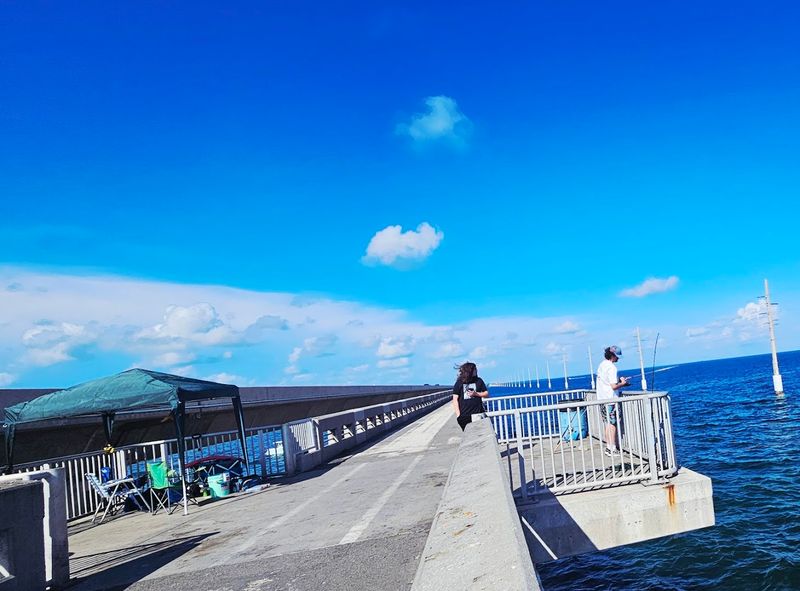
Back in the early 1900s, Henry Flagler had a bold idea: connect the Florida mainland to Key West by railroad, cutting through open ocean and tiny coral islands.
That engineering marvel, known as the Overseas Railroad, was completed in 1912 and earned the nickname “the Eighth Wonder of the World” from admirers who could barely believe it existed.
After a powerful hurricane severely damaged the railroad in 1935, the tracks were never fully restored for train travel.
Instead, the old rail corridor was converted into the Overseas Highway, and eventually the state of Florida developed the adjacent path into what is now the Florida Keys Overseas Heritage Trail.
Riding along this route means every pedal stroke carries a small piece of that bold, ambitious history beneath your wheels.
The ghost of Flagler’s railroad quietly shapes every mile of this remarkable coastal journey.
The Trail Runs 106 Miles From Key Largo To Key West
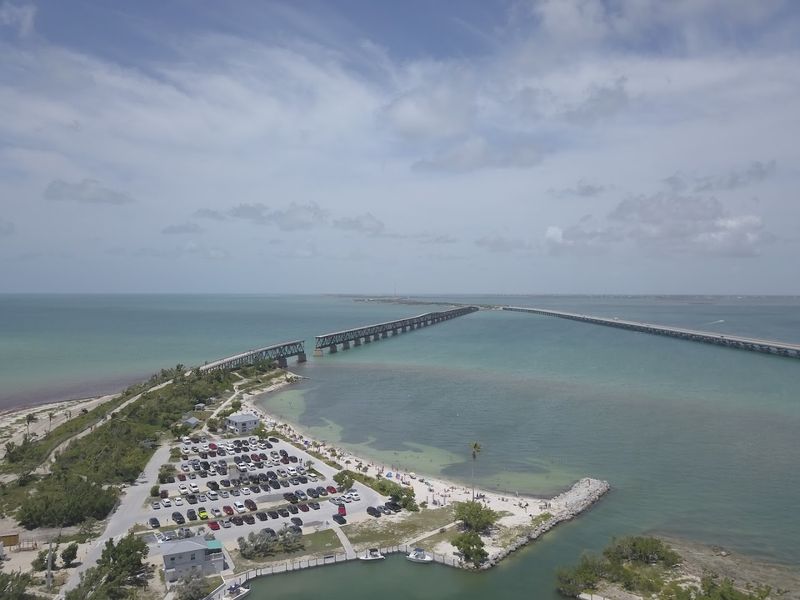
Few trails in the United States can claim a route quite like this one, beginning in Key Largo, FL 33037, and winding all the way down to the southernmost city in the continental United States.
The total distance of approximately 106 miles makes it a serious undertaking for dedicated cyclists, but casual riders can easily pick any segment and enjoy a shorter, equally rewarding experience.
The path passes through or near every major island in the Keys chain, including Islamorada, Marathon, and Big Pine Key, each offering its own personality and scenery.
Trailheads and access points are scattered generously along the route, so there is no pressure to tackle the whole thing in one go.
Many visitors break the journey into two or three days, stopping at local inns and enjoying fresh seafood along the way.
The trail rewards patience just as much as it rewards endurance.
Old Bridges Are Among The Trail’s Most Dramatic Highlights
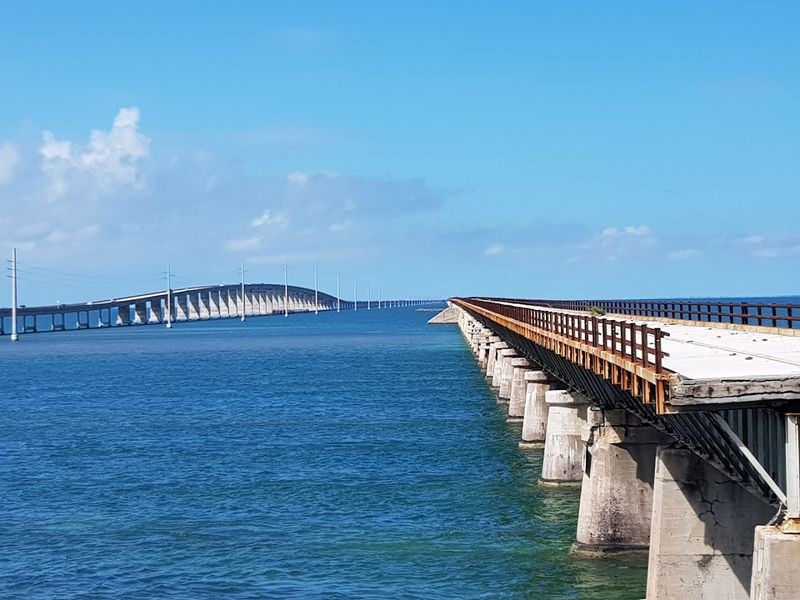
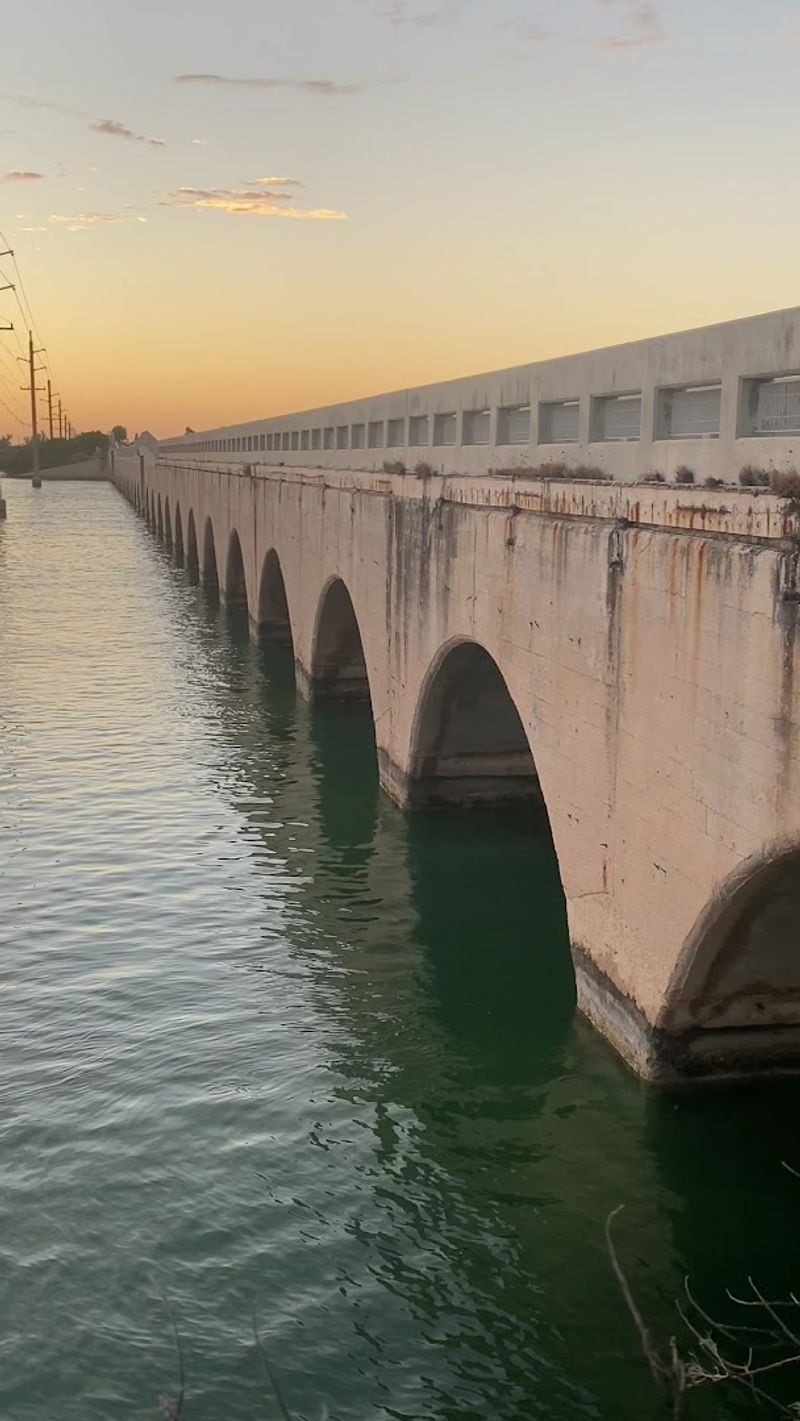
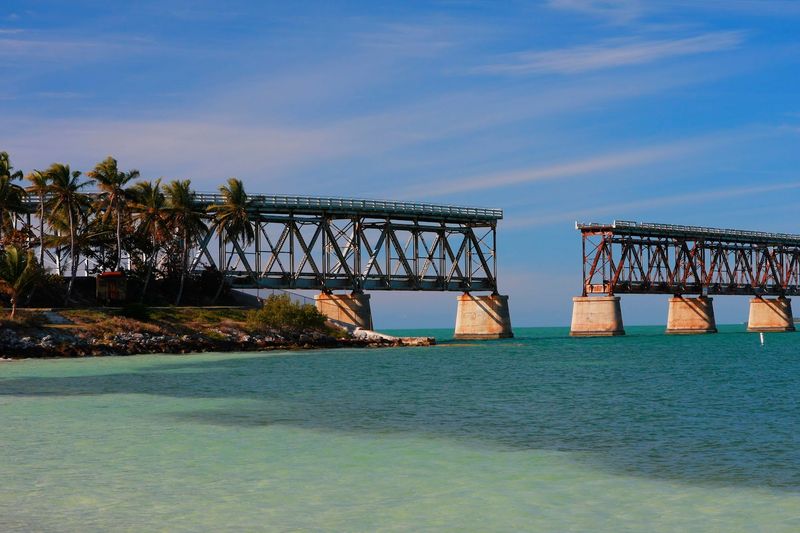
Some of the most jaw-dropping moments on this trail happen not on land but on the old bridges that once carried Flagler’s trains across open water.
The most famous of these is the Old Seven Mile Bridge, a retired section of roadway that now serves exclusively as a pedestrian and cycling path stretching over the dazzling waters near Marathon.
Standing on that bridge with nothing but ocean in every direction is the kind of sensory moment that photographs struggle to capture honestly.
Several other historic bridges along the trail have been preserved and repurposed similarly, giving riders a rotating series of dramatic elevated perspectives over the Keys’ signature turquoise shallows.
Wildlife sightings from these bridges are common, including pelicans, tarpon, and the occasional bottlenose dolphin cutting through the water below.
Each bridge crossing feels less like a transition and more like its own small destination worth lingering on.
Wildlife Encounters Are Practically Guaranteed
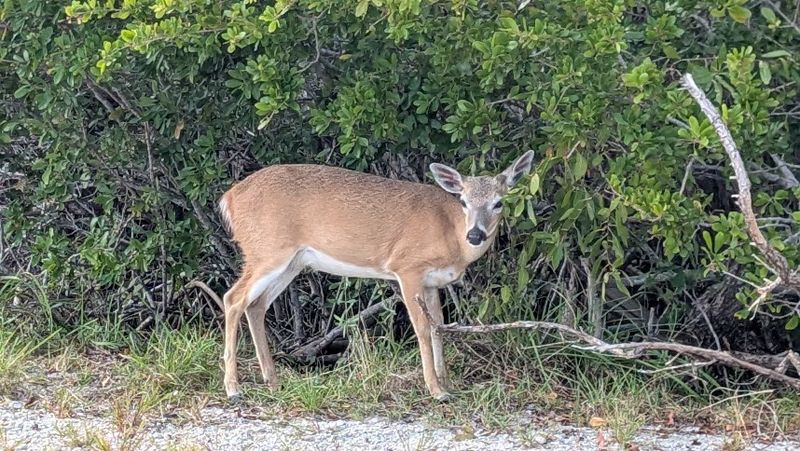
Riding this trail means sharing the road with some genuinely fascinating creatures, and the wildlife here does not disappoint even on the most ordinary of days.
Big Pine Key is home to the endangered Key deer, a miniature subspecies of white-tailed deer that stands only about two feet tall and has no fear of trail users whatsoever.
Spotting one of these tiny deer grazing near the path is one of those travel moments that makes you stop your bike and just stand quietly in appreciation.
Great blue herons, roseate spoonbills, ospreys, and magnificent frigatebirds are regular sightings throughout the trail’s length, particularly near mangrove edges and tidal flats.
In the water below the bridges, it is not unusual to spot nurse sharks resting on sandy bottoms or stingrays gliding through the shallows.
Nature here is not a backdrop but an active, ongoing performance happening all around you.
The Trail Is Open To Cyclists, Hikers, And Inline Skaters
One of the most welcoming things about the Florida Keys Overseas Heritage Trail is that it was designed for everyone, not just serious cyclists in spandex.
The trail officially accommodates bicyclists, pedestrians, joggers, and inline skaters, making it one of the most inclusive outdoor recreation corridors in the entire state of Florida.
Families with young children often walk shorter segments together, while fitness enthusiasts use the flat terrain for long training rides or early morning runs with unbeatable ocean scenery as their reward.
Inline skating has its own small but devoted following on the smoother paved sections, especially in areas where the path runs parallel to the Overseas Highway with minimal traffic interference.
The trail surface varies between paved asphalt and packed gravel depending on the segment, so checking conditions before a visit helps set the right expectations.
Every type of visitor seems to find a comfortable rhythm here, moving at their own pace through this spectacular corridor.
Access To Nature Parks Adds Layers To The Experience
The trail does not just pass through the Keys, it connects riders and walkers to some of the most celebrated natural areas in the entire Florida state park system.
Bahia Honda State Park, widely regarded as one of the finest beaches in Florida, sits directly along the trail route and offers swimming, snorkeling, and camping for those who want to extend their adventure beyond the saddle.
John Pennekamp Coral Reef State Park near Key Largo provides access to the only living coral reef system in the continental United States, reachable for trail users who want to pair cycling with underwater exploration.
Curry Hammock State Park near Marathon offers kayaking through pristine mangrove channels that feel worlds away from any road or trail.
These parks transform a simple bike ride into a multi-day nature itinerary with real depth and variety.
The trail functions as a spine connecting an entire ecosystem of outdoor experiences.
The Florida Keys’ Tropical Climate Shapes Every Ride
Riding in the Florida Keys means accepting a climate that is warm, humid, and occasionally dramatic, and learning to work with it rather than against it.
Winter months from November through April are widely considered the best time to visit, offering lower humidity, cooler temperatures in the low-to-mid 70s Fahrenheit, and far fewer mosquitoes than the summer season brings.
Summer rides are absolutely possible but require early starts, serious sun protection, and plenty of water, since the midday heat and humidity can be genuinely intense on exposed sections of the trail.
Afternoon thunderstorms roll through the Keys regularly during summer, often building quickly and passing just as fast, so checking the weather before setting out is a smart habit.
The ocean breeze that follows you on bridge crossings and exposed coastal sections provides natural relief that makes warm-weather riding surprisingly manageable.
Every season here has its own distinct personality and its own rewards for those willing to adapt.
The Trail Is Still A Work In Progress
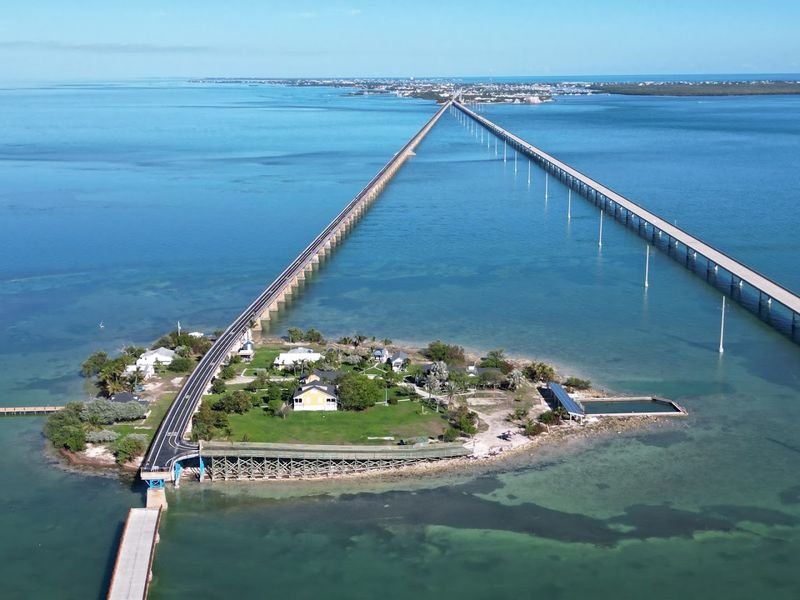
Honesty matters when planning a trip, and the truth about the Florida Keys Overseas Heritage Trail is that it is not yet a fully continuous, gap-free path from start to finish.
As of recent years, the trail is approximately 70 to 90 percent complete, with most gaps occurring in urban areas or on sections where infrastructure development is still catching up with the trail’s ambitious vision.
Some segments require riders to briefly share the shoulder of the Overseas Highway, which is manageable but does require alertness and appropriate cycling experience.
The Florida Department of Environmental Protection continues to develop and improve the trail, filling in gaps and upgrading surfaces as funding and land access allow.
Checking the most current trail maps before your trip helps identify which sections are paved, which are gravel, and which still require road-sharing.
The unfinished nature of the trail is a minor inconvenience wrapped inside a truly major adventure.
Key West Is The Ultimate Finish Line
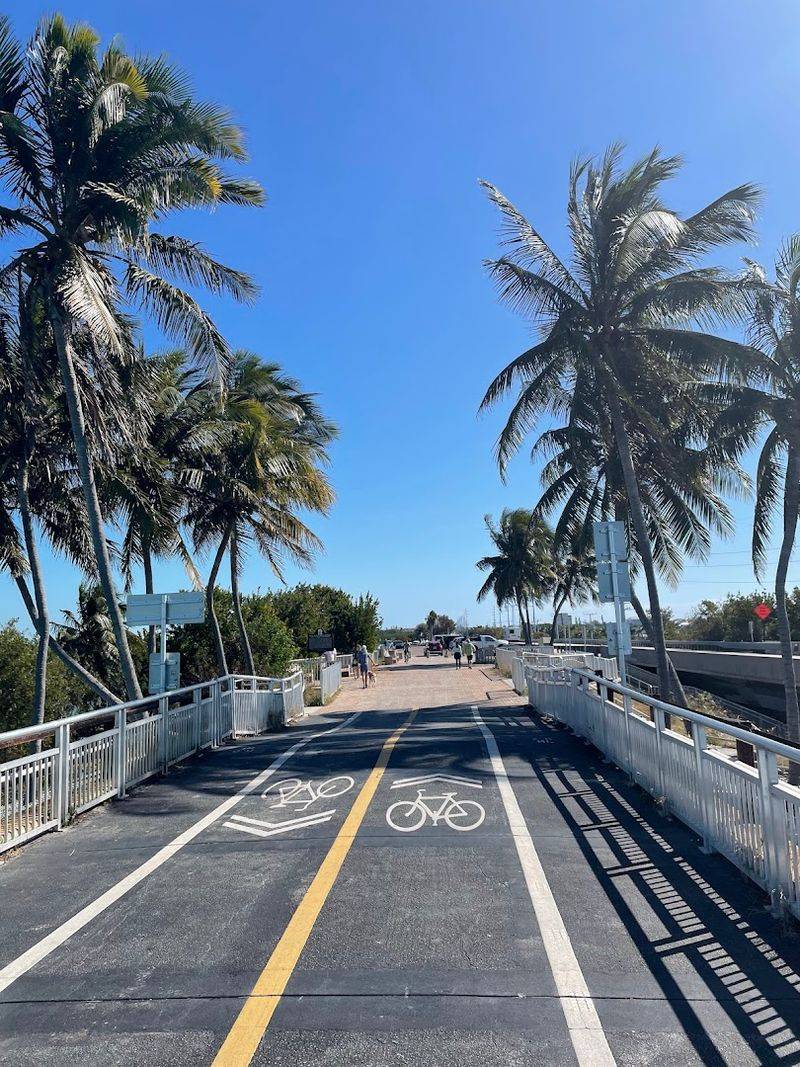
Crossing the finish line of this trail in Key West is the kind of moment that earns a long, satisfied pause and maybe a quiet fist pump when nobody is watching.
Key West, the southernmost city in the continental United States, is a destination packed with character, color, and a relaxed energy that feels like the perfect reward after days of pedaling through open ocean and tropical scenery.
The historic Old Town district, with its pastel-painted Conch houses and bougainvillea-draped fences, sits just a short roll from where the trail deposits you near the island’s northern shore.
Mallory Square, famous for its nightly sunset celebration, is an easy walk from the trail’s end and delivers a festive, communal energy that caps the journey beautifully.
Duval Street, the city’s main corridor, offers food, coffee, and local culture in abundance for trail-weary travelers ready to rest their legs.
Key West does not just end the trail, it rewards it.
Practical Tips Make The Ride Far More Enjoyable

A little preparation goes a long way on a trail that stretches across open ocean and remote island terrain with limited services in certain stretches.
Bringing more water than you think you need is the single most repeated piece of advice from experienced trail users, since heat and exposure can accelerate dehydration faster than expected on longer bridge crossings.
Renting a bike in Key Largo or Marathon is a practical option for visitors who did not bring their own, with several local outfitters offering hybrid and comfort bikes well-suited to the trail’s mostly flat terrain.
Sunscreen, a lightweight helmet, and a basic repair kit with tire patches round out the essentials that experienced riders consistently recommend.
Parking at trailheads is available at multiple points along the route, making it easy to drive to a section, ride out and back, and avoid the complexity of a one-way shuttle arrangement.
Smart planning turns a good ride into a genuinely great one.