
This Old-School Florida Buffet Keeps The Same All-You-Can-Eat Menu Generations Have Grown Up On
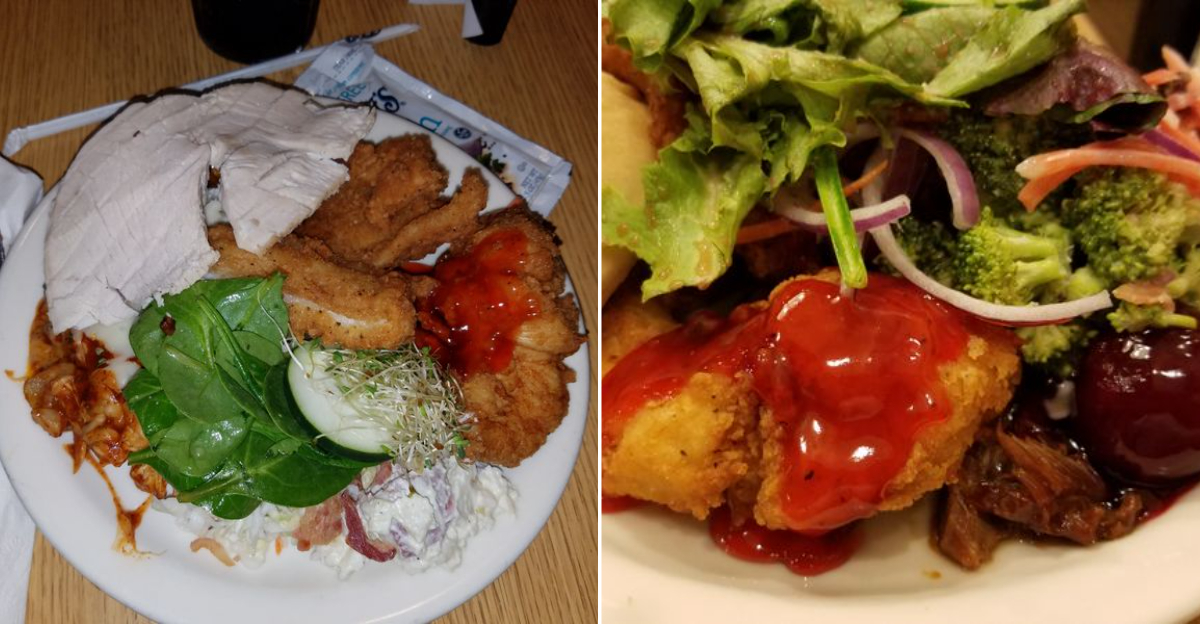
Step inside Duff’s Original Buffet in Bradenton and the room immediately settles into a familiar, almost comforting rhythm, the kind that feels less like a restaurant and more like a weekly gathering place where families, retirees, and longtime regulars instinctively know which steam table to approach first and how long to linger before circling back.
The price stays gentle in a way that feels increasingly rare, the buffet line stays busy without ever tipping into chaos, and the staff moves with practiced calm, refilling trays and greeting guests as if this were simply how things have always been done here.
You taste continuity in recipes that have clearly survived decades of trends without blinking, from fried chicken with a crust that snaps softly under your fork to mashed potatoes that lean unapologetically buttery, paired with yeast rolls so warm and yielding they almost demand an extra swipe of spread.
What makes the experience stick is not just the food itself, but the atmosphere of ease that comes from a place knowing exactly what it is and refusing to pretend otherwise, where conversations overlap, plates get stacked high without judgment, and nobody rushes you out once you have found your seat.
Duff’s is not chasing novelty or spectacle, it is offering reassurance, a steady hand, and the simple pleasure of knowing what is coming next and wanting it anyway.
If you enjoy dependable flavors, lively chatter, and the quiet satisfaction of a well-run buffet that values consistency over flash, a little attention to timing, pacing, and favorite dishes will help you get the most from this beloved Florida staple.
Arrive Between Lunch And Dinner For The Calm Sweet Spot
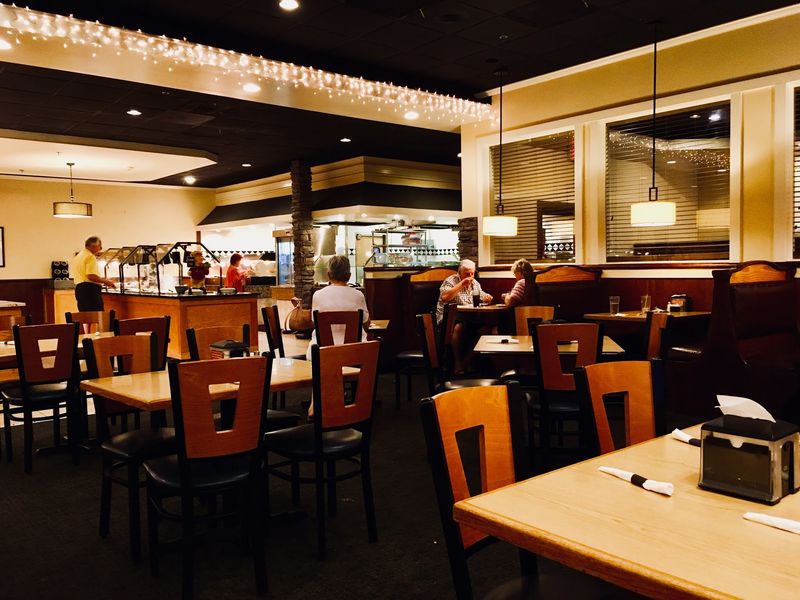
Between the lunch rush and the early dinner crowd, the dining room settles into a softer rhythm where conversations lower, footsteps slow, and the buffet line moves with a calm predictability that invites observation instead of urgency.
During this window, fresh pans arrive steadily without the pressure of crowds, allowing you to notice which dishes are turning over cleanly and which ones benefit from a brief wait before serving.
The quieter pace reveals how the operation actually functions, with staff focused on consistency rather than speed, quietly announcing refills and maintaining temperatures without drawing attention to themselves.
Lighting feels gentler at this hour, making it easier to read color, texture, and doneness across the hot bar before committing to a full plate.
This timing also reduces the subtle stress that can push people toward overloading their plates too quickly.
Regulars favor this stretch because it rewards patience and familiarity rather than competition.
If you want to understand why this buffet has remained dependable across generations, this calm interval shows it at its most honest.
Anchor Your First Plate With Fried Chicken And A Simple Side
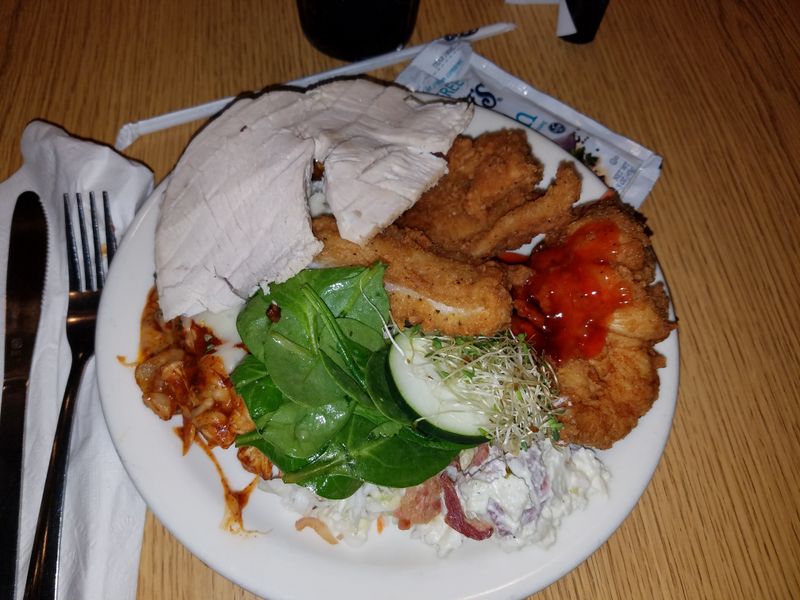
The fried chicken announces itself immediately with a dry, audible crackle that promises structure and freshness before you even take a bite, setting a clear baseline for the rest of the meal.
Seasoning stays restrained and balanced, allowing the crust to lead while the meat remains juicy, a combination that holds up whether you eat quickly or take your time.
Pairing it with a straightforward side like green beans or coleslaw keeps flavors clean and prevents early palate fatigue.
This first plate establishes rhythm and restraint, reminding you that the buffet rewards pacing more than abundance.
Duff’s has kept this chicken largely unchanged for years, and that consistency explains why so many diners quietly measure everything else against it.
Sauces can wait, because the chicken deserves to be understood on its own terms first.
Once this foundation is set, every following choice becomes easier to judge.
Watch The Hot Bar Cadence Before You Commit
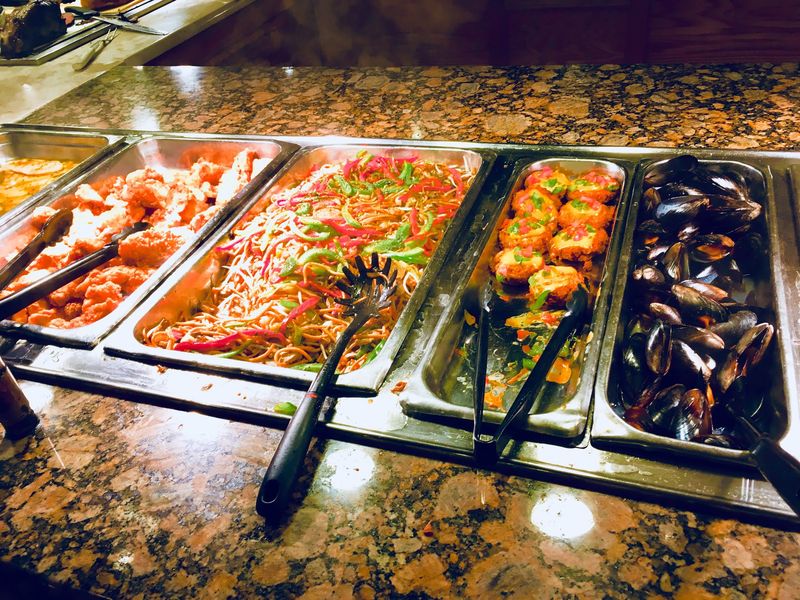
Pausing for a minute near the hot bar reveals a rhythm that many first-time visitors miss, as staff rotate pans with practiced timing that signals both popularity and freshness.
Steam rising in short, regular bursts usually means a dish is turning over quickly, which is the most reliable indicator of peak texture on any buffet.
Observing where gloves snap on and lids lift tells you more than labels or signs ever could.
This brief pause shifts you from reacting to the buffet to reading it.
Regulars use this moment to position themselves near favored stations just before refills land.
It also prevents piling food onto the plate simply because it is visible.
Once you tune into the cadence, the buffet stops feeling overwhelming and starts feeling legible.
Build A Sauce Map That Fits The Classics
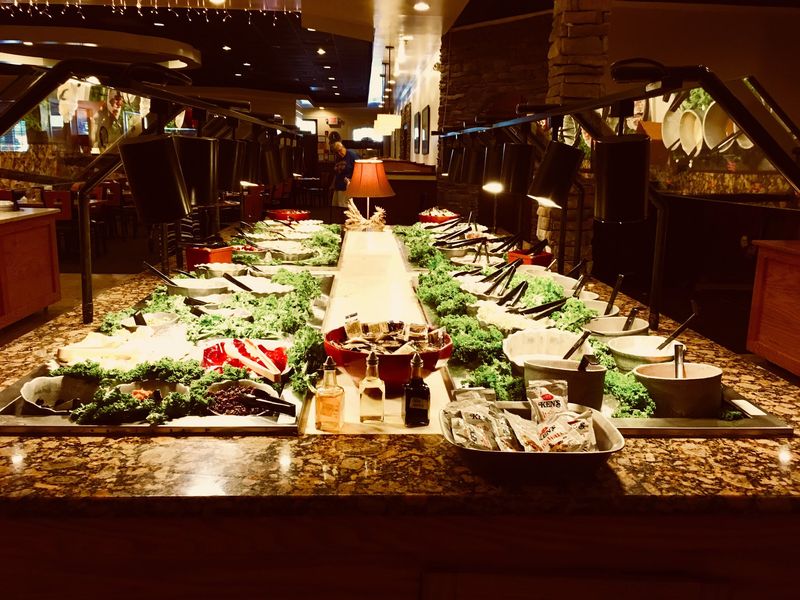
Gravy here is designed to settle into food rather than announce itself, spreading smoothly across mashed potatoes and sliced roast beef in a way that feels steady and familiar, as if it has always been meant to taste exactly like this.
Approaching sauces cautiously on the first pass allows you to understand salt levels and richness before committing, which matters more on a buffet where flavors stack quickly and excess can dull everything else.
The condiments station reflects long-standing priorities, offering the sauces people actually reach for again and again rather than novelty options that would slow the line or distract from the food.
Honey belongs naturally with the yeast rolls, hot sauce wakes up the fried chicken, and ranch earns its place only when something cold needs balance.
Nothing here is meant to dominate the plate, only to support dishes that already know their role in the larger rhythm of the meal.
Experienced visitors often build small, portable sauce setups before returning to the line, allowing them to move efficiently without backtracking or blocking others.
Once you begin treating sauces as tools rather than toppings, the buffet becomes easier to navigate and far more satisfying.
Respect The Yeast Rolls And The Butter Equation
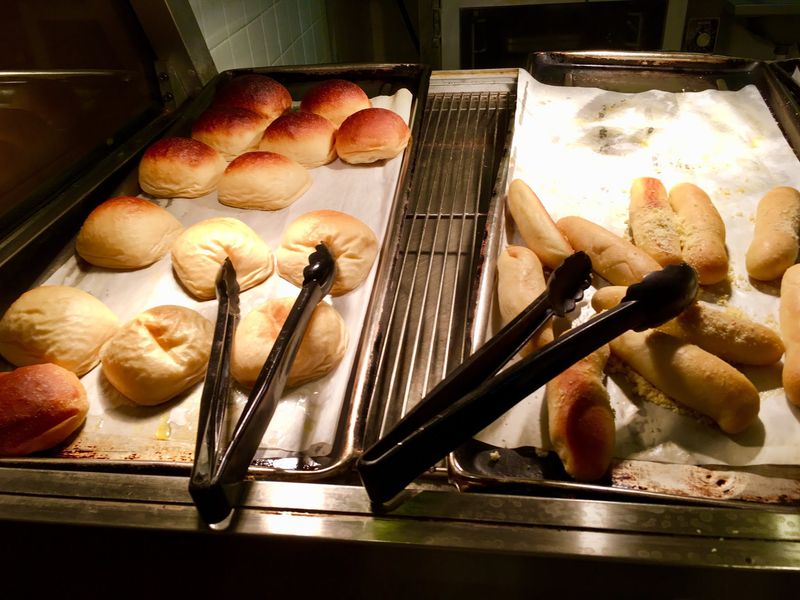
The yeast rolls arrive warm and softly sweet, pulling apart with a gentle resistance that signals freshness long before butter ever enters the picture.
Splitting one open releases a small cloud of steam, and the first swipe of butter melts instantly into the crumb, creating a sheen that feels both nostalgic and quietly indulgent.
These rolls function as a kind of anchor throughout the meal, grounding heavier flavors and offering a pause between richer bites.
They have remained essentially unchanged for years, which explains why so many diners treat them with a familiarity usually reserved for family recipes.
Butter here is not an accent but a balancing agent, calming salt and fat across the plate when things start to feel heavy.
Seasoned regulars often take a roll early and save it, using it later as a reset between rounds.
Handled this way, the rolls extend the meal instead of shortening it.
Balance Comfort Vegetables With One Crisp Element
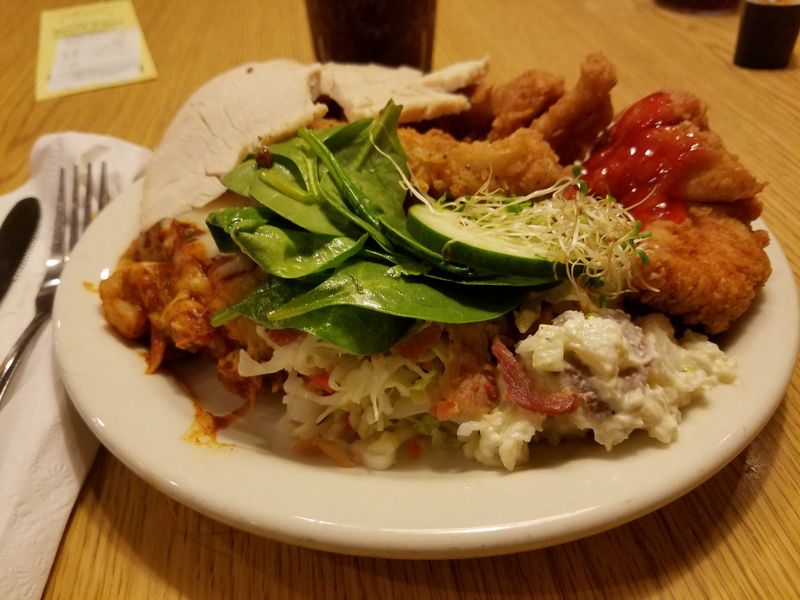
Creamed corn, macaroni and cheese, and baked beans deliver the cozy weight people expect from a buffet like this, but without contrast they can blur together into a single, tiring note.
Introducing one crisp element, such as coleslaw or raw vegetables from the salad bar, restores definition by adding temperature and texture variation.
This contrast becomes especially important as plates grow heavier and flavors start to overlap.
Regulars instinctively layer crunch between warm sides, a habit learned through repetition rather than instruction.
Even a small scoop of something cold can sharpen everything else on the plate.
You will often see pickles or chilled vegetables tucked beside richer dishes, quietly doing important work.
Once you notice how contrast keeps flavors distinct, the buffet opens up in a more controlled and enjoyable way.
Pace Dessert By Scouting Cobbler Turnover
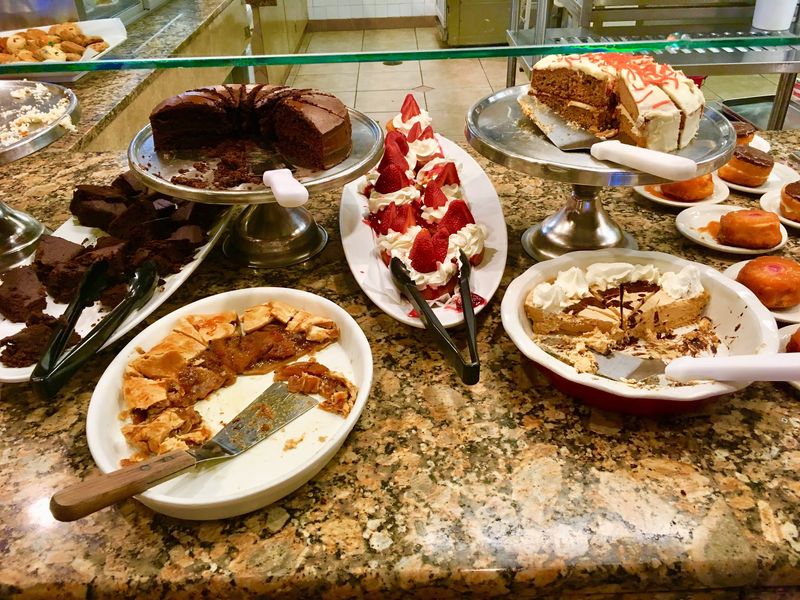
The cobbler pan tells its own quiet story if you take a moment to watch it, because bubbling edges and a gently shifting surface usually mean fruit is still lively underneath and a fresh replacement is likely coming soon.
Waiting briefly after a swap allows the topping to settle just enough for clean scoops, which preserves structure while keeping the interior warm and syrupy instead of collapsed or gummy.
Dessert here leans unapologetically classic, with cobblers, puddings, soft-serve, and sheet cakes that reflect decades of unchanged preference rather than rotating trends.
People tend to circle the dessert area casually, observing rather than rushing, then move in once steam or staff movement signals the right moment.
Taking a smaller portion first prevents the heavy sweetness from overwhelming a meal already rich with comfort food.
Pairing warm cobbler with a restrained swirl of vanilla soft-serve creates a temperature contrast that feels intentional instead of excessive.
Handled with this patience, dessert becomes a satisfying conclusion rather than a rushed afterthought.
Mind The Tray Logistics And Traffic Lanes
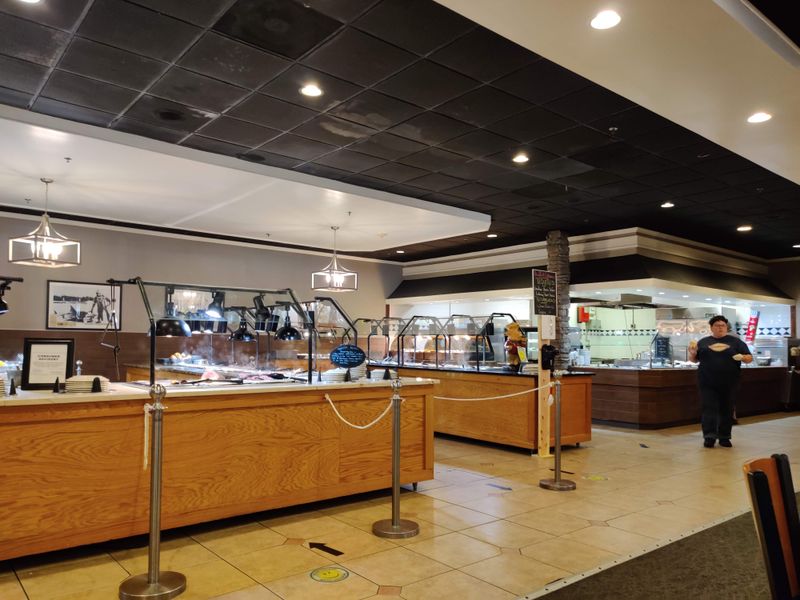
Lines form from the right side near the chicken and flow toward the carving area, so hugging the rail keeps things smooth. Trays are sturdy but can crowd plates if you pile too high too fast. Keep napkins accessible and park your drink before you serve.
Years of service have shaped a courteous dance in this room, helped by friendly staff. It is a small detail, yet it preserves the relaxed mood. Tip: when a cart rolls out with refills, step aside, then reenter where you paused to avoid losing your place.
Check The Carving Station Second, Not First
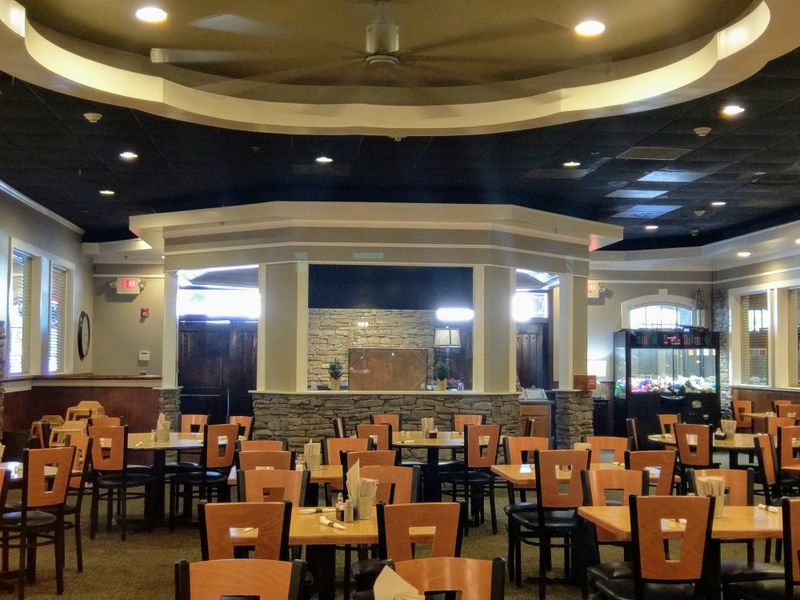
Roast beef and similar items benefit from a short, intentional delay, because grabbing them too early often means they cool while you gather sides and settle your plate.
Approaching the carving station after vegetables and rolls allows heat retention to work in your favor rather than against it.
This habit grows naturally from repeat visits, where small timing adjustments noticeably improve texture and flavor.
Carvers here work efficiently and with familiarity, keeping portions consistent and the line moving without tension.
Requesting slices with a bit of edge crust adds depth without increasing heaviness.
Placing a roll lightly over sliced meat on the plate can help trap warmth during the walk back to the table.
By sequencing your stops intentionally, you preserve the integrity of each item instead of letting it fade before the first bite.
Say Thank You And Linger Just Long Enough
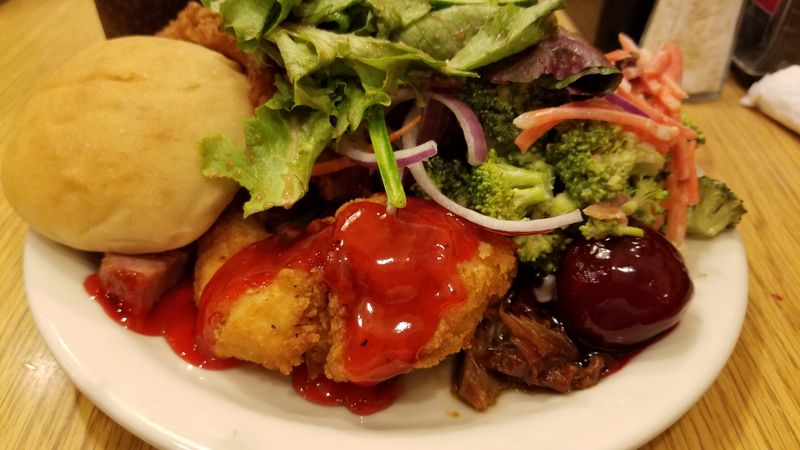
Staff move through the room with a practiced ease that comes from repetition rather than performance, clearing plates, resetting tables, and checking the line in a way that keeps everything flowing without ever making guests feel managed or hurried.
A simple thank you lands meaningfully here, not as a formality but as recognition of work done steadily and often invisibly, and it is usually met with a brief smile or nod that reinforces the room’s relaxed tone.
Lingering for a few extra minutes lets the meal settle, giving you time to notice the low hum of conversation, the clink of trays, and the small rituals families repeat visit after visit.
Staying too long, however, breaks the gentle rhythm, as this is a place built on shared use and unspoken courtesy rather than lingering as an end in itself.
Regulars seem to sense this balance intuitively, finishing dessert, sipping a final drink, and rising without rush or apology.
That timing leaves space for the next group to step into the same familiar routine without friction.
When you exit at just the right moment, you carry the feeling of being part of something ongoing rather than something you briefly consumed.