
This Old-School Illinois Polish Spot Serves Bigos Bursting With Flavor
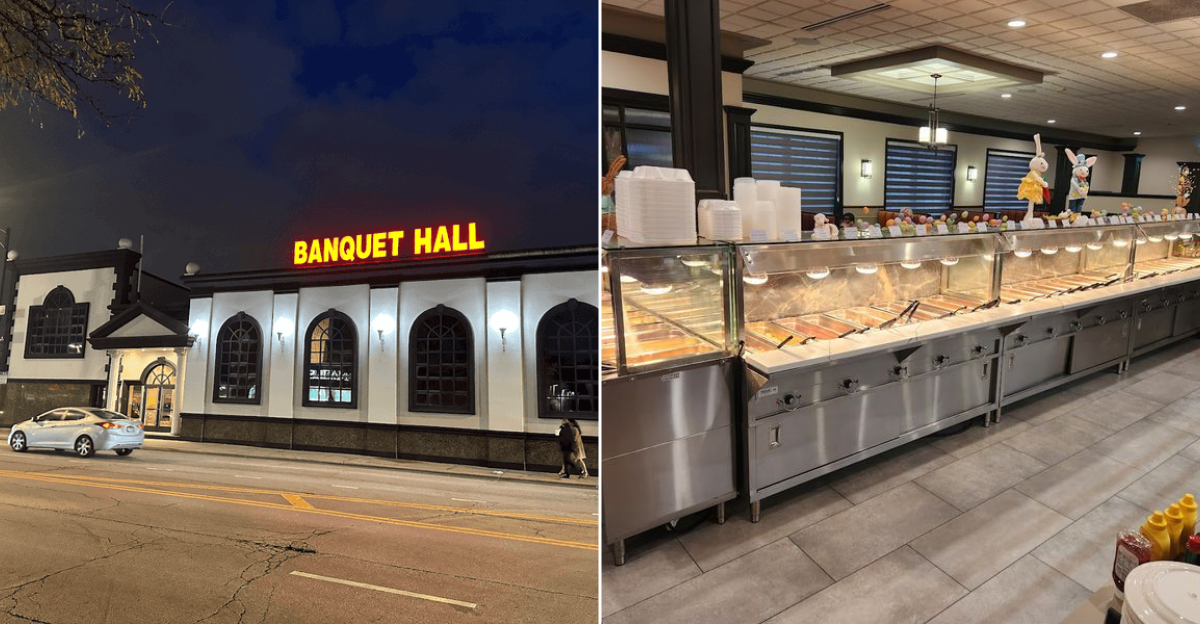
I stumble into this little Polish gem in Illinois, and immediately, my nose does a happy dance. The bigos hits the table like it owns the place.
Steaming, rich, and packed with flavor that punches way above its weight. One bite and I get it: this isn’t just food, it’s history on a plate. Tangy, hearty, unapologetically bold, basically a warm hug that insists on seconds.
Trendy spots? Forget them. Tradition wins here, and I’m all in, fork first.
The Bigos That Started It All
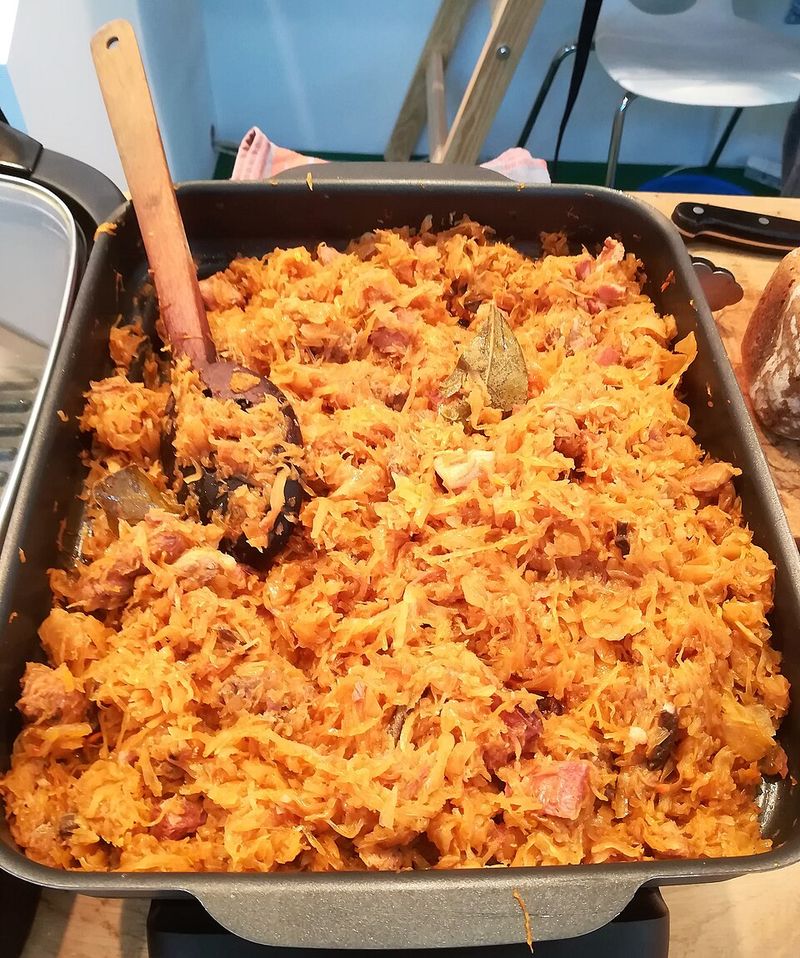
My first spoonful of bigos at Jolly Inn genuinely stopped me mid-conversation. I had been talking about something completely unimportant, and then the flavor hit, and suddenly nothing else mattered.
The stew arrived in a deep bowl, steaming and dark, with chunks of meat nestled into layers of tender sauerkraut and soft cabbage.
Bigos is one of those dishes that rewards patience. The longer it cooks, the deeper the flavor gets.
Traditional Polish recipes often call for the stew to be reheated over several days, each round intensifying the taste.
You could tell this version had been given exactly that kind of love and time.
The balance of sour from the sauerkraut against the richness of the meat was extraordinary. Nothing felt out of place.
Every bite had a slightly different combination, and yet the whole thing tasted completely unified. It was the kind of cooking that comes from years of practice, not a recipe card.
I mopped up every last bit with a thick slice of rye bread and sat back feeling like I had just been let in on a very good secret.
Bigos this well-executed is not something you stumble upon every day in Chicago, and finding it felt like winning a small, delicious lottery.
Finding Jolly Inn On Irving Park Road
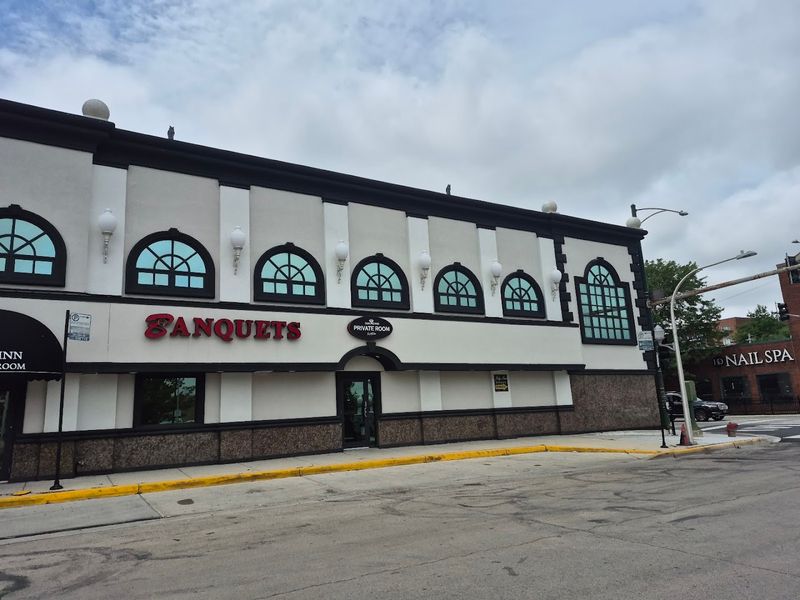
Jolly Inn sits at 6501 W Irving Park Rd, Chicago, IL 60634, tucked into a stretch of the Northwest Side that has always had strong Polish roots. The neighborhood itself carries that old Chicago energy, where family-run spots outlast trends simply by being genuinely good at what they do.
Jolly Inn fits right into that tradition.
I almost drove past it the first time. The exterior is understated, the kind of place that does not need a flashy sign because the regulars already know exactly where it is.
Walking up to the door felt like approaching something that had been earned rather than advertised. That feeling only got stronger once I stepped inside.
The interior matched the neighborhood perfectly. It was warm, lived-in, and completely unpretentious.
There were no chalkboard specials written in trendy fonts or Edison bulbs hanging from the ceiling.
Just honest Polish food served in a setting that reminded me why old-school spots still matter in a city full of rotating pop-ups.
Irving Park Road has a long history of feeding Chicago’s Polish community, and Jolly Inn feels like a genuine piece of that story.
Sitting there, I could sense the decades of meals served in that room. Some restaurants feel like they are performing authenticity.
Jolly Inn simply is authentic, and the difference is unmistakable the moment you settle into your seat.
The Meat Situation Inside The Stew
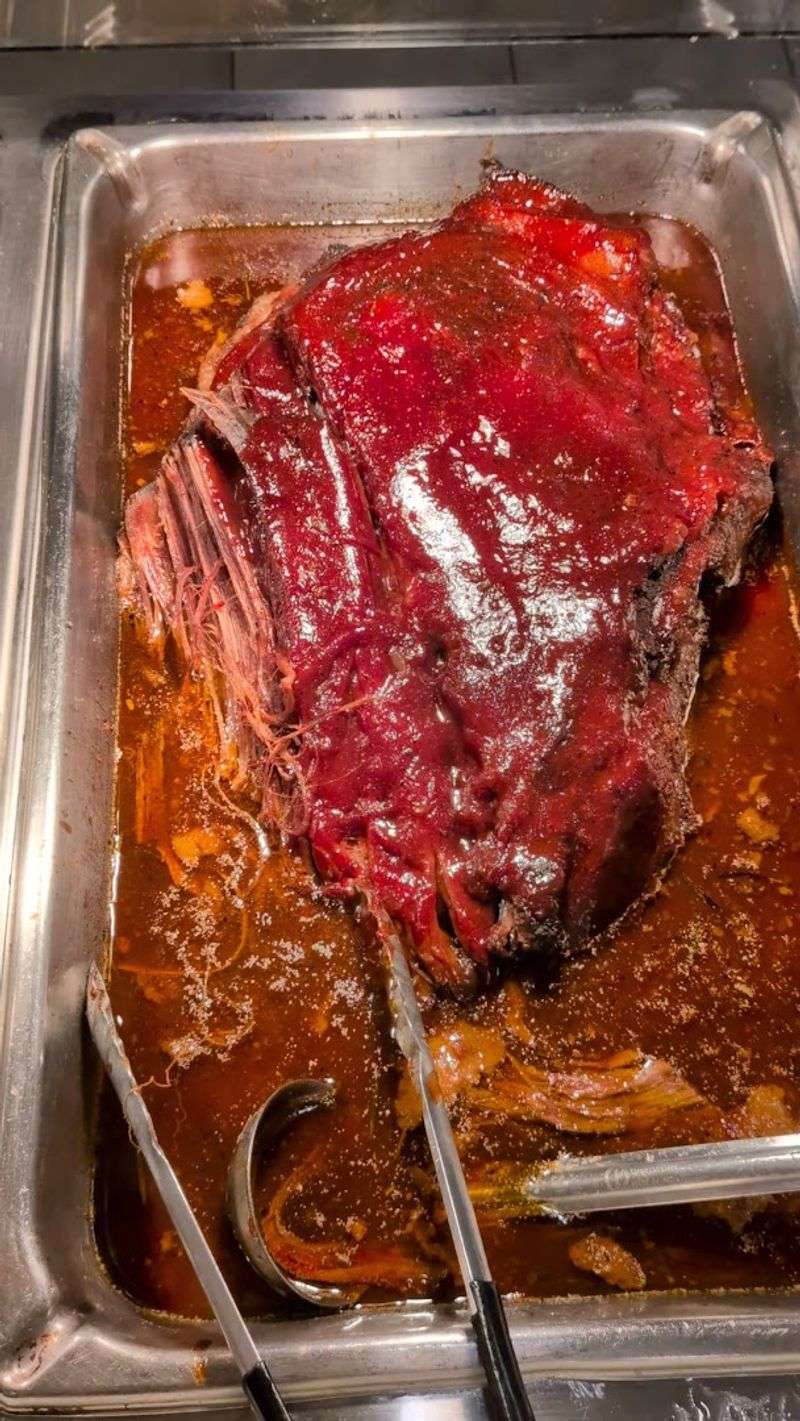
One of the things that separates a great bigos from a forgettable one is the meat selection. A properly built bigos does not rely on just one protein.
It layers different cuts and types together, letting each one contribute something unique to the final flavor.
The version at Jolly Inn took this seriously.
I could pick out kielbasa right away. The smoky, garlicky slices added a bold backbone to the stew that anchored everything else.
Alongside the kielbasa were tender chunks of pork that had cooked down to a point where they practically melted when pressed against the roof of my mouth.
There was also a deeper, more mysterious smokiness running through the whole thing that I suspected came from some kind of smoked meat or bacon worked into the base.
What impressed me most was how the meats had fully surrendered to the stew. They were not just floating in liquid.
They had become part of the flavor fabric of the dish, inseparable from the sauerkraut and cabbage surrounding them.
That kind of integration takes real cooking time and genuine intention.
Traditional Polish bigos recipes often call for leftover meats from previous meals, which gives every version a slightly different personality.
The Jolly Inn take felt carefully constructed, not accidental. Whoever put this recipe together understood exactly what they were building, and they built it right.
The Unsung Heroes
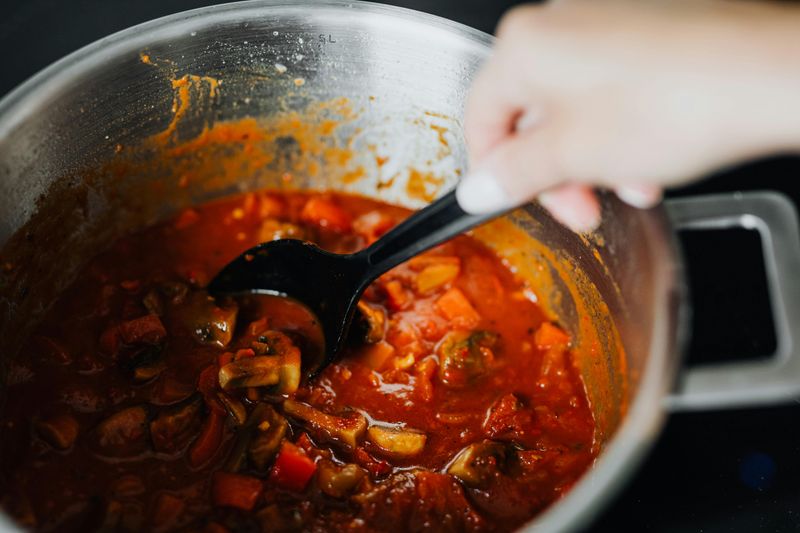
People tend to focus on the meat when they talk about bigos, but the real soul of the dish lives in the sauerkraut and fresh cabbage.
These two ingredients do all the heavy lifting in terms of flavor complexity. The sauerkraut brings a bright, tangy sourness that cuts through the richness of the meat.
The fresh cabbage adds body and a subtle sweetness that keeps everything balanced.
At Jolly Inn, the cabbage component was handled with real care. The sauerkraut had a clean, sharp flavor that told me it was quality stuff, not the bland, watery variety that can ruin an otherwise decent stew.
It held its texture even after long cooking, which is harder to achieve than it sounds.
The fresh cabbage had softened completely into the stew without turning mushy. It added a gentle sweetness that played beautifully against the sour notes of the sauerkraut.
Together, they created this layered tartness that made every bite feel alive and interesting rather than heavy and one-dimensional.
Bigos has been described as a dish that tastes better the next day, and even better the day after that. The sauerkraut is the main reason for that phenomenon.
Its acidity continues to work on the other ingredients over time, deepening and brightening the flavor simultaneously.
Experiencing that in a restaurant setting, where the stew has clearly been given time to develop, is genuinely special.
An Obvious But Necessary Move
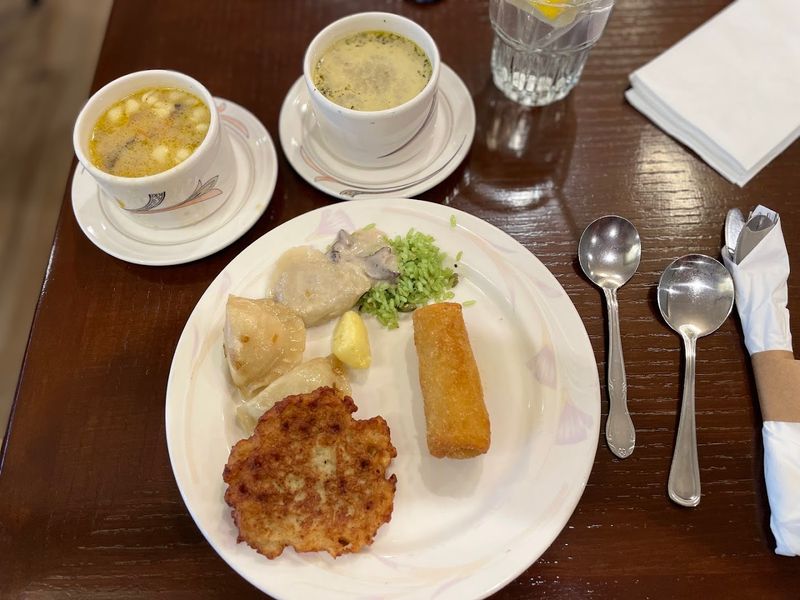
I told myself I was just getting the bigos. That lasted about four minutes after I sat down.
The pierogi were listed right there on the menu, and ignoring them felt almost disrespectful.
So I ordered a plate, and I have zero apologies about that decision whatsoever.
Polish pierogi are one of those foods that exist on a completely different level from their dumpling cousins around the world. The dough at Jolly Inn was soft but had just enough structure to hold together through the pan-frying process.
The outside had a light golden crust that gave a gentle resistance before giving way to the filling inside.
The potato and cheese filling was smooth, rich, and deeply savory. It was the kind of filling that tastes like someone actually seasoned it at every stage of preparation, not just at the end.
Topped with caramelized onions that had been cooked down to a jammy sweetness, the whole thing was almost unfairly good alongside the bigos.
Eating pierogi and bigos together is a very Polish way to do lunch, and I fully understood why after experiencing both in the same sitting. The richness of the pierogi complemented the tangy complexity of the stew in a way that made the meal feel complete rather than overwhelming.
I left the table feeling genuinely satisfied, not stuffed, which is the mark of food that was made with real skill and proportion in mind.
Why Old-School Polish Restaurants Still Matter In Chicago
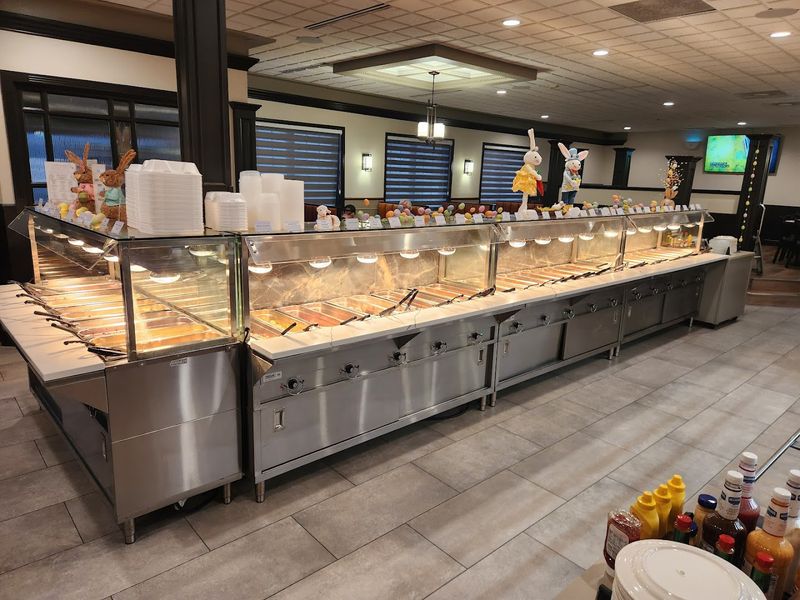
Chicago’s Polish community has deep roots on the Northwest Side, and restaurants like Jolly Inn are living proof of that heritage. Polish immigration to Chicago peaked in the early twentieth century, and the food culture that came with it never really left.
It just got quieter as the decades passed and newer food trends moved in around it.
What strikes me about places like this is how they maintain their identity without trying to modernize or rebrand. There is no fusion twist on the bigos.
There is no deconstructed pierogi.
The food is exactly what it has always been, and that commitment to tradition is both rare and genuinely valuable in a city that loves novelty.
Old-school Polish restaurants serve as a kind of cultural anchor for neighborhoods that have changed significantly over the years.
Even as the demographics around Irving Park Road have shifted, spots like Jolly Inn continue to represent a specific chapter of Chicago’s story. Eating there felt like participating in something larger than just lunch.
There is also something deeply reassuring about a restaurant that has been doing the same thing well for a long time.
It tells you the food is not a gimmick. It tells you people keep coming back because the quality holds.
In a restaurant landscape full of places that open big and close quietly, that kind of longevity deserves real recognition and honest appreciation from anyone who cares about food culture.
What Keeps Me Coming Back To Jolly Inn
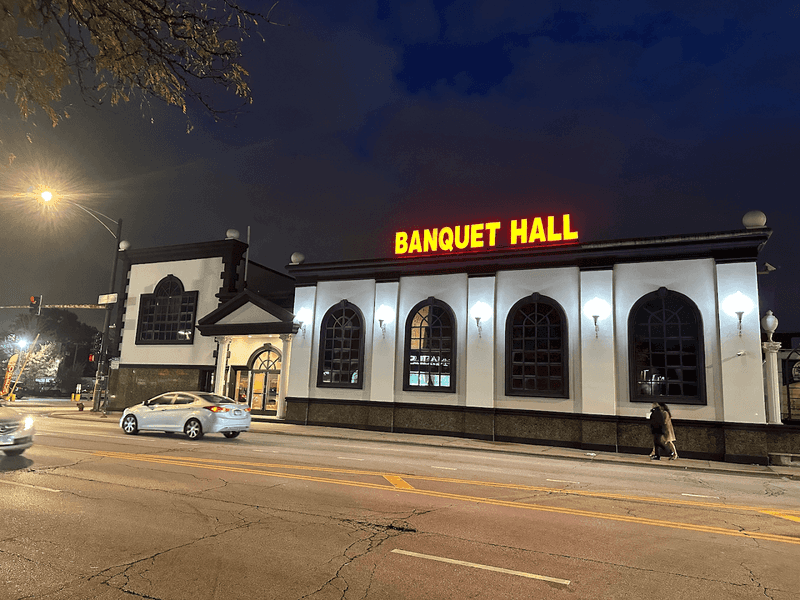
Three visits in one month probably tells you everything you need to know about how I felt about Jolly Inn. The first trip was curiosity.
The second was confirmation. The third was just me being honest with myself about what I actually wanted for lunch on a cold Chicago Tuesday afternoon.
Every time I went back, the bigos was consistent. That matters more than people realize.
A dish this complex, with so many variables in the cooking process, could easily drift from visit to visit.
But the flavor profile stayed true each time, which told me this was not a lucky batch. It was a recipe with real discipline behind it.
I also noticed small things on each return visit. The bread was always fresh.
The temperature of the stew was always exactly right.
The portions were generous without being absurd. These details add up to a dining experience that respects the person sitting at the table, even when nothing is said out loud about it.
Jolly Inn is the kind of place that does not ask for your attention. It simply earns it, one bowl at a time, one visit at a time, one very cold Chicago winter at a time.
If you have ever wondered where to find bigos that actually tastes like something your Polish grandmother would approve of, the answer is sitting right there on Irving Park Road. Have you been yet?