
This Old-School Maine Park Gives Serious Real-Life Castle Vibes

On a rugged stretch of the Maine coast, one place delivers a rare mix of experiences in a single visit. A historic lighthouse stands watch over crashing waves, the remains of a coastal fort invite exploration, and a roofless stone mansion adds an unexpected, almost cinematic atmosphere.
It feels like stepping through different eras within a few hours. Cliffside paths reveal sweeping ocean views, while quiet corners hint at stories layered into the landscape.
The setting blends natural beauty with deep history in a way that keeps curiosity pulling you forward. Every turn offers something new, making it difficult to walk away.
This coastal destination proves that Maine’s shoreline holds more than scenery, it holds an experience that stays with you long after you leave.
Maine’s Most Photographed Lighthouse
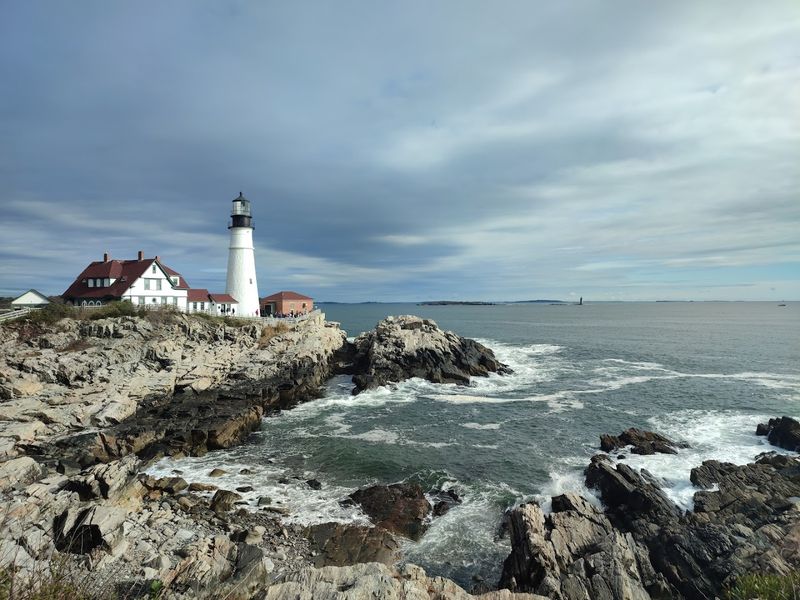
Built in 1791 under orders from President George Washington himself, Portland Head Light holds the title of the oldest lighthouse in Maine and one of the most recognized in the entire country.
Standing at the edge of the park’s dramatic rocky headland, the white tower rises 80 feet above the churning Atlantic, and the view from the surrounding grounds is the kind of scene that makes even the most casual smartphone photographer feel like a professional.
The lighthouse is not open for tower tours, but that barely matters when the exterior is this striking. A small museum located in the former keeper’s quarters tells the full story of the light’s history, and admission is just two dollars for adults and one dollar for children.
A gift shop sits nearby in a compact building that is always busy but worth a look. Morning light hits the tower at a particularly flattering angle, making an early arrival a smart move for anyone who wants photos without harsh midday shadows.
The Haunting Goddard Ruins

Few things spark the imagination quite like a roofless stone mansion slowly being reclaimed by the forest around it.
The Goddard Mansion at Fort Williams Park is exactly that kind of place, and it delivers an atmosphere that feels genuinely cinematic without trying at all. Originally built in the late 1850s as a private residence, the structure was later incorporated into the military fort complex before being left to the elements.
Walking up to the mansion from the trail that connects it to the old bunker area feels like a scene change in a good adventure story.
Sunlight cuts through the open roof and plays across the stone walls in a way that makes every photo look intentional and dramatic. The interior is fenced off for safety, but you can walk the perimeter and peer through the archways.
Most visitors focus on the lighthouse and miss this spot entirely, which means the mansion often has a peaceful, uncrowded energy that makes the exploration feel personal and unhurried.
Exploring The Hidden Bunkers
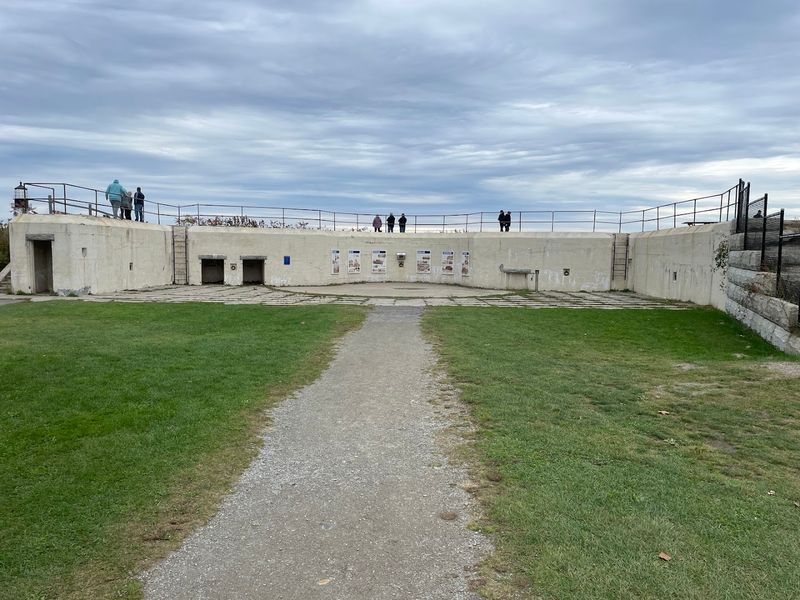
Concrete, history, and a slightly spooky tunnel are a combination that works on pretty much every age group.
The abandoned military bunkers and batteries scattered across Fort Williams Park were built and expanded between the late 1800s and World War II as part of a coastal defense system designed to protect Portland Harbor.
Today they sit quietly in the landscape, looking like something from a post-apocalyptic video game and drawing curious visitors from every direction.
The main bunker near the cliff walk is the most accessible and the most popular. You can climb up the exterior for a solid elevated view of the coastline, and brave visitors can duck into the dark tunnel underneath, though a flashlight or phone light is genuinely helpful in there.
The kids in visiting groups consistently seem to rank this stop as a highlight of the whole park. Small interpretive signs point out the structures along the trails, but they are easy to miss if you are moving fast, so slowing down and looking around pays off in a big way here.
Cliff Walk, Big Views
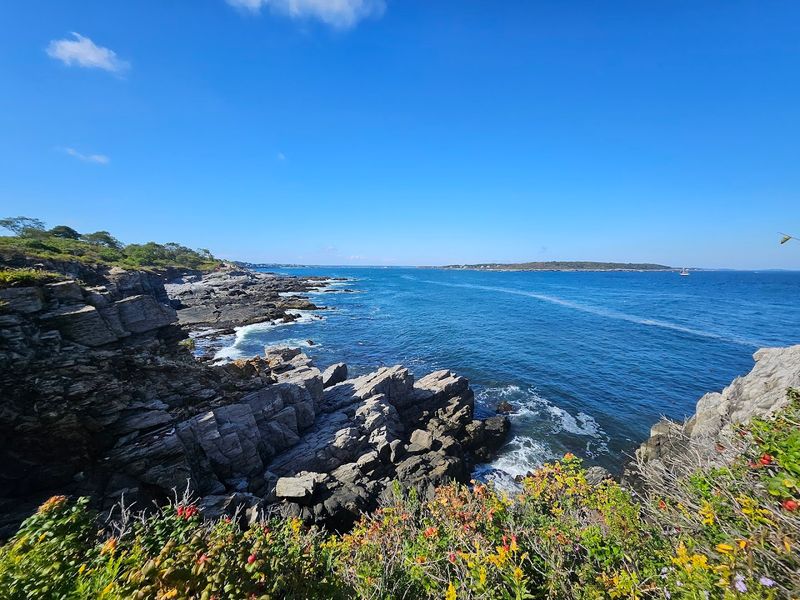
The cliff walk at Fort Williams Park is the kind of trail that quietly becomes the best part of a visit without announcing itself.
Running along the northern section of the park, the path hugs the edge of the rocky coastline and delivers a series of unobstructed ocean views that shift and change with every few steps forward. On a clear day, the combination of blue water, dark granite, and open sky feels almost unreal.
The trail is not technically demanding, but the terrain does involve some uneven ground and gentle elevation changes, so comfortable walking shoes are a genuinely smart choice.
Multiple stopping points along the route offer natural photo opportunities, including several spots where you can turn back south and frame Portland Head Light perfectly in the distance.
Midday sun can make the lighting a little harsh for photography, so earlier morning or late afternoon visits tend to produce the most satisfying results. The walk itself takes roughly 30 to 45 minutes at a relaxed pace.
Layers Of Coastal History
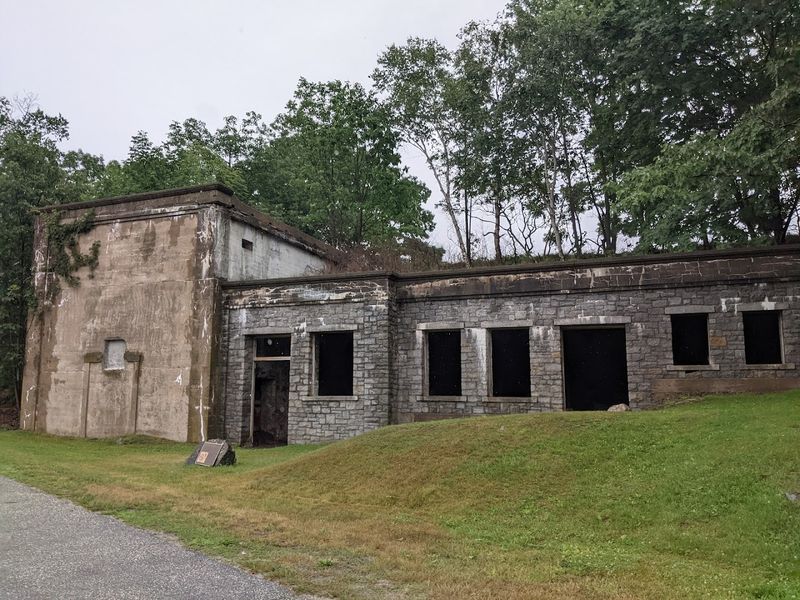
Fort Williams has a layered military history that stretches back much further than the World War II bunkers suggest.
Defensive use of the land began in the 1870s, and it became a formal military reservation in 1891 before the fort was officially established in 1899 and named after Brevet Major General Seth Williams, a Civil War officer.
At its peak, the installation included artillery batteries, barracks, and a full support infrastructure spread across the coastal headland.
The fort remained active through both World Wars before being decommissioned and transferred to the town of Cape Elizabeth in 1964.
That transfer turned a closed military base into one of the most interesting public parks in New England, preserving the structures that now make the place feel so layered and rich with stories.
Interpretive plaques positioned throughout the park connect the physical remains to the historical timeline, and spending a few minutes reading them adds real depth to what you are seeing. The history here is not just background noise but the actual reason the landscape looks the way it does.
Room To Relax And Roam
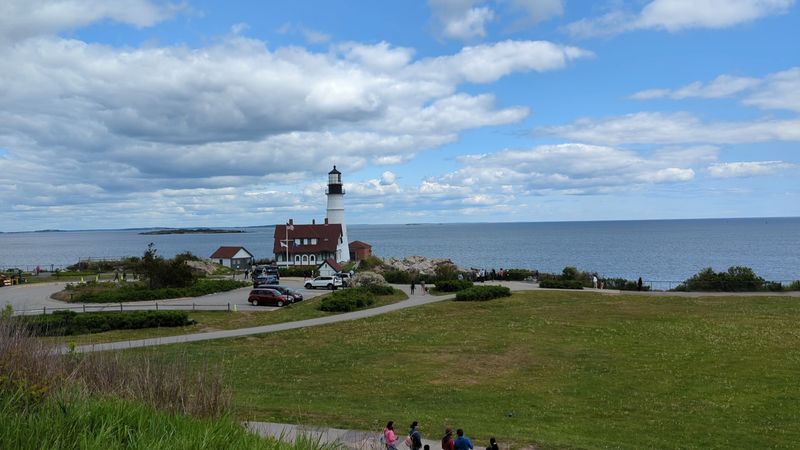
Not every great park moment involves a trail or a historic structure. Sometimes the best part is simply spreading out a blanket on a wide, well-maintained field and watching the afternoon go by.
Fort Williams Park has generous open green spaces, including the Fort Williams Parade Grounds, that work beautifully for picnics, lawn games, and the kind of relaxed outdoor time that recharges everyone in the group.
Picnic tables are positioned near the water in several spots throughout the park, and the pavilion near the upper parking area offers a shaded gathering spot that is especially useful on warmer days.
The fields are large enough that even on busy weekends there tends to be space to settle in comfortably without feeling crowded by neighboring groups.
Families with younger children particularly appreciate this aspect of the park because it provides a natural pressure valve between the more structured exploring and hiking. The combination of open space and ocean backdrop makes even a simple lunch feel like a proper occasion.
A Park Dogs Love
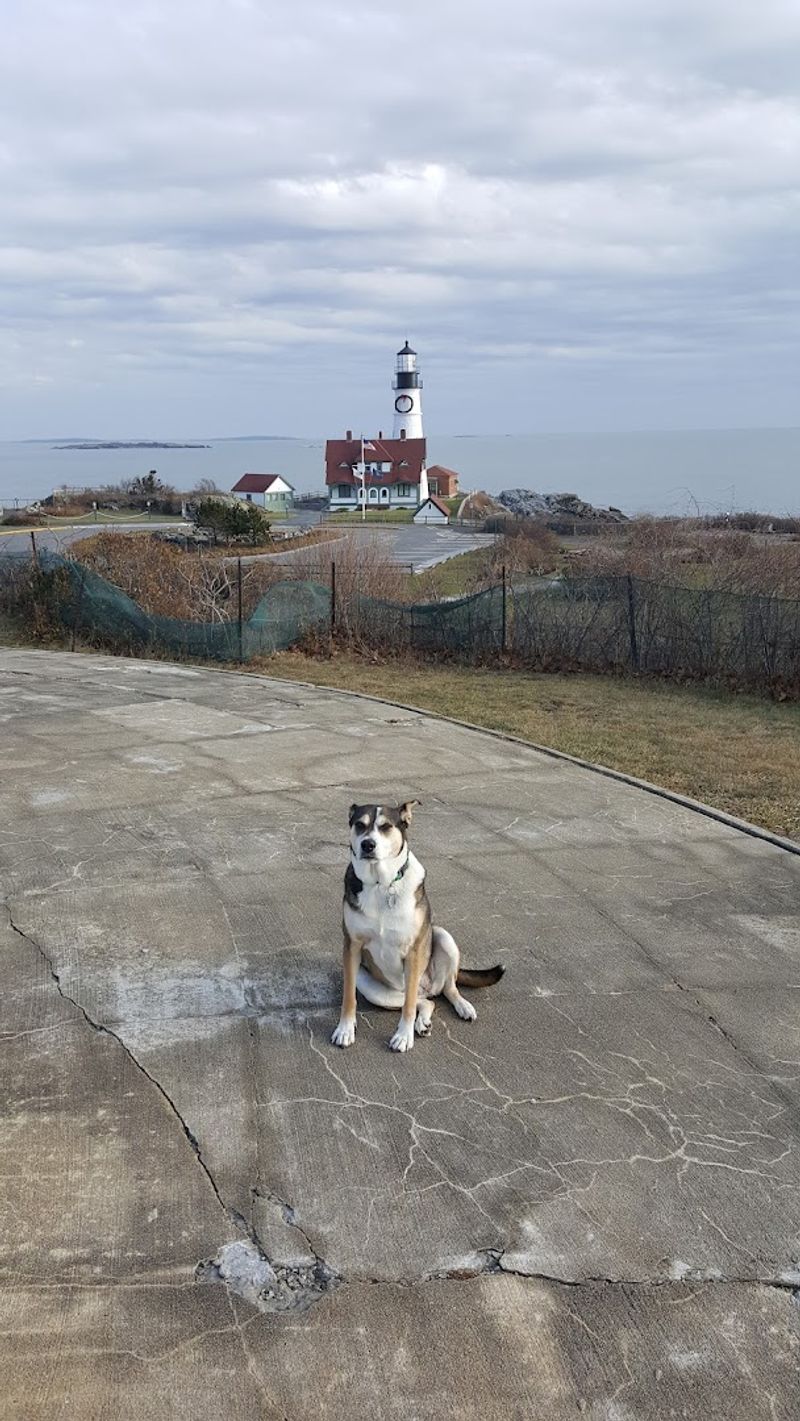
Traveling with a dog and finding a destination that genuinely welcomes four-legged company is always a pleasant surprise.
Fort Williams Park leans into its dog-friendly reputation in a real way, with trails that welcome leashed dogs throughout the grounds and a dedicated off-leash area where dogs can run freely and burn off energy after a long car ride up the Maine coast.
The off-leash zone is a particular draw for visitors who have reactive or energetic dogs, since the park’s overall size means there is usually enough space to manage distance from other animals even outside the designated area.
Bringing water for dogs is important, especially during warmer months, because the park does not have water stations set up specifically for pets.
The rocky shoreline sections of the park add an extra layer of sensory excitement for dogs who love to sniff around interesting terrain. Many visitors specifically plan their Fort Williams trips around bringing their pets, treating it as a shared adventure rather than a solo sightseeing stop.
Longfellow’s Coastal Escape
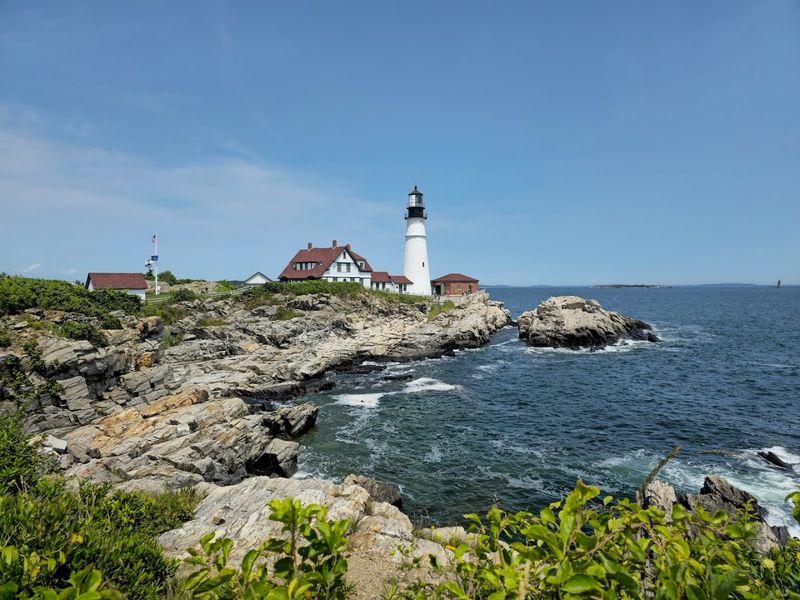
Portland Head Light and the surrounding coastline held a special place in the life of Henry Wadsworth Longfellow, one of America’s most celebrated 19th-century poets.
Longfellow, who was born in Portland, reportedly loved visiting this stretch of coast and drew inspiration from the dramatic scenery that still draws visitors today. Knowing that connection adds a quietly poetic layer to every walk along the headland.
Longfellow’s poem “The Lighthouse” is widely associated with Portland Head Light, and standing at the edge of the rocks with the ocean moving below and the tower rising above, it is easy to understand why a writer would keep coming back to this exact spot. The imagery practically writes itself.
For visitors who enjoy literary history alongside natural beauty, this detail transforms the lighthouse from a pretty landmark into a place with genuine creative significance.
It is the kind of context that makes a good trip feel a little more meaningful and gives the scenery an extra dimension beyond just the visual.
Plan Your Visit Smartly
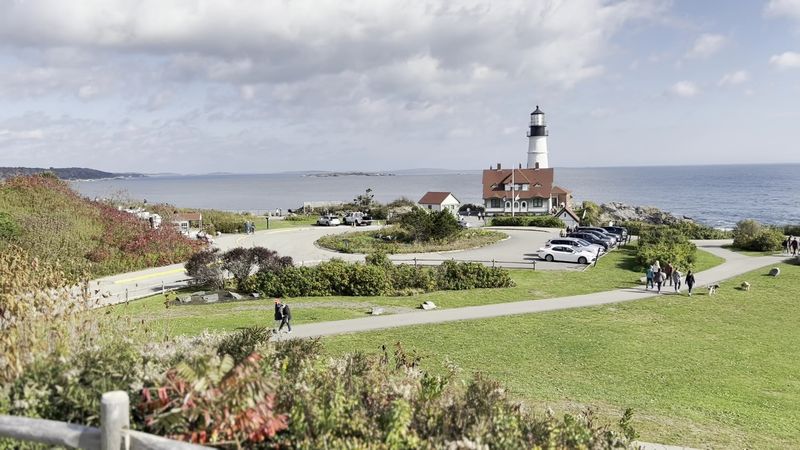
Getting the logistics right at Fort Williams Park makes a noticeable difference in how much you enjoy the visit.
Parking is available in several lots throughout the park, and a fee is collected at kiosks, typically running around six dollars for a minimum of two hours, which is genuinely reasonable compared to downtown Portland options.
On busy summer weekends and popular fall weekends, parking spots fill up fast, and some visitors end up circling lots for 20 minutes or more.
Arriving earlier in the morning on weekend visits is the most reliable way to secure a good spot and enjoy the park before the crowds build up.
Weekday visits tend to be noticeably calmer. The park closes at sunset, and rangers do enforce closing time, so planning your arrival with enough daylight hours to explore comfortably is worth doing.
Restroom facilities are porta-potties positioned at a few locations around the park. Wearing comfortable walking shoes is genuinely important here because the terrain includes hills, uneven paths, and rocky sections near the shoreline.
Easy Eats By The Water
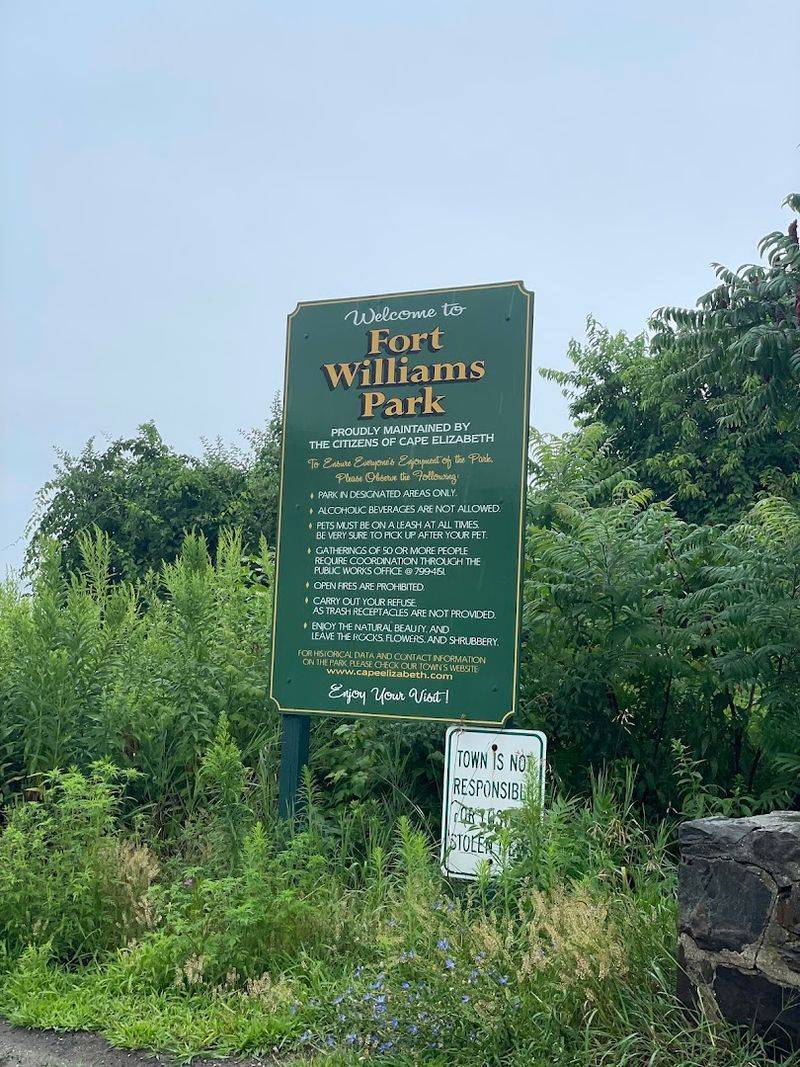
Spending a full afternoon at Fort Williams Park works up a real appetite, and the good news is that you do not have to leave the grounds to find something satisfying to eat.
The Bite Into Maine food cart operates inside the park near the lighthouse area and has built a solid reputation for its creative lobster roll options and Maine-themed drinks like Maine blueberry soda. It is the kind of casual, outdoor food experience that fits the vibe of the park perfectly.
The cart is seasonal, so visiting outside of the summer months may mean it is not operating. An ice cream stand also exists within the park but similarly tends to close during colder weather.
Checking ahead before your visit is a smart move if food access is important to your plans.
Bringing a packed lunch or snacks is always a reliable backup strategy, especially for families with young children or visitors planning a longer stay. The picnic areas and open fields make eating outside a genuinely pleasant part of the whole experience.