
This 2,000-Year-Old Wonder In Heath Is One Of The Most Remarkable Sites (Something Like Ohio’s Stonehenge)
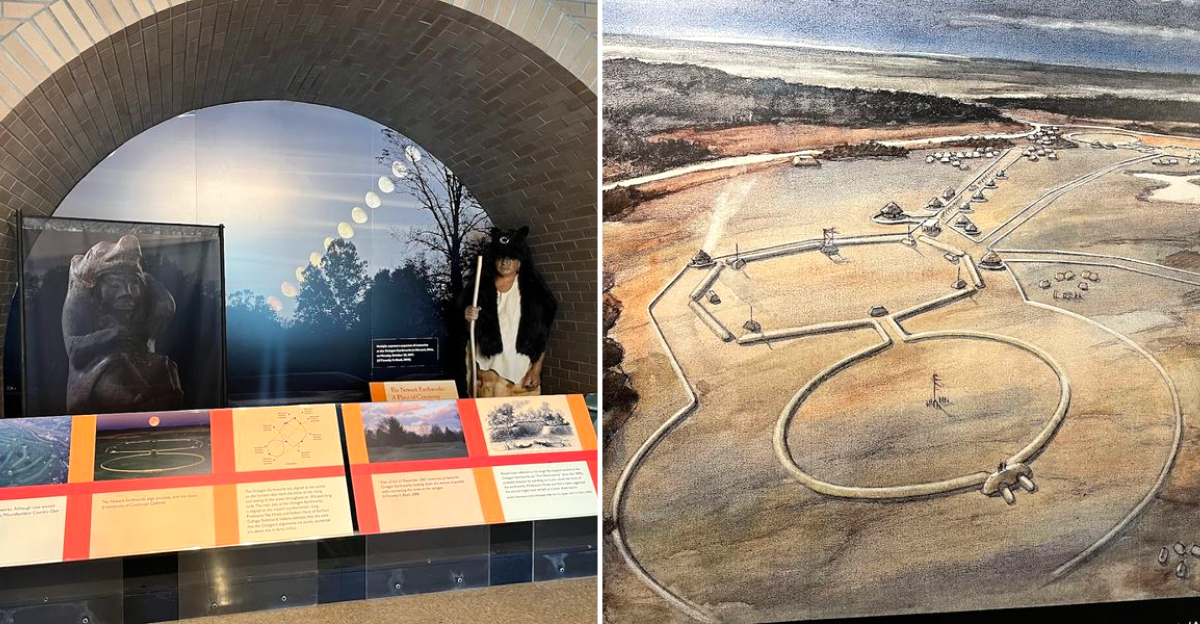
There is a place in Ohio that makes you stop, look around, and quietly wonder how on earth people built something this precise without modern tools. Ancient earthen walls stretch across the landscape in perfect geometric shapes, aligned to the moon with an accuracy that still puzzles researchers today.
I had heard comparisons to Stonehenge before visiting, and honestly, those comparisons do not feel like an exaggeration once you are standing there.
This site in Heath, Ohio carries the kind of quiet, powerful energy that you simply cannot get from a textbook, and every section of this article will show you exactly why it deserves a spot on your must-visit list.
A Site Built by the Ancient Hopewell People
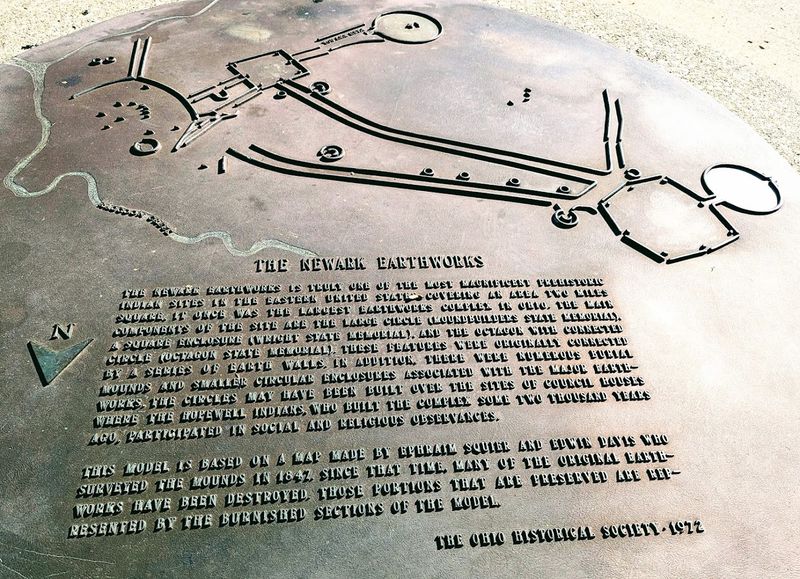
Long before European settlers arrived at this place, a remarkable group of people known as the Hopewell culture were engineering something extraordinary in what is now Licking County.
The Newark Earthworks were constructed roughly between 100 BC and 400 AD, making them about 2,000 years old.
The Hopewell people were not a single tribe but rather a broad cultural network spread across eastern North America.
They gathered at Newark from hundreds of miles away, which tells you just how significant this place was to them.
The earthworks served purposes tied to ceremony, community gathering, and possibly spiritual renewal.
What makes this place feel so alive today is knowing that real families, real communities, and real lives were centered around these very walls.
The scale of the construction suggests an organized society with deep knowledge of the land, the sky, and the geometry hidden in both.
You can find this magnificent place at 455 Hebron Rd, Heath, OH 43056.
The Jaw-Dropping Scale of the Earthworks
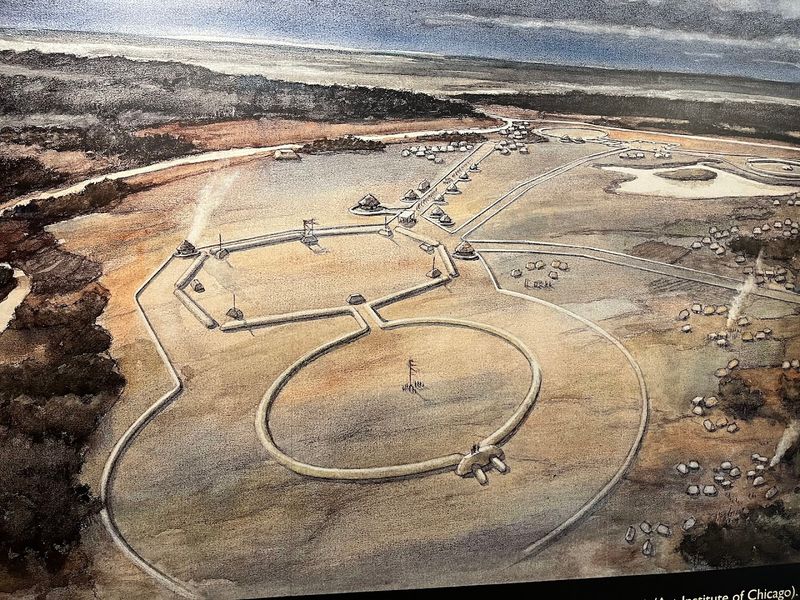
Nothing quite prepares you for the sheer size of this place until you are actually standing inside one of the enclosures.
The original Newark Earthworks complex once covered about four square miles, making it the largest set of geometric earthen enclosures ever built anywhere in the world.
That is a staggering fact to sit with for a moment.
Today, three main sections survive: the Great Circle Earthworks, the Octagon Earthworks, and the Wright Earthworks.
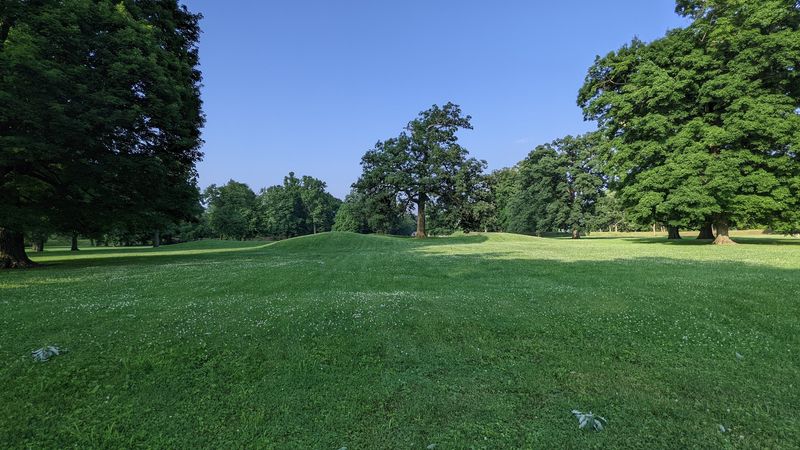
Each section preserves walls that rise several feet above the surrounding ground, and walking alongside them gives you an immediate sense of the labor and intention behind every shovelful of earth.
I kept trying to take photos that captured the full scope, but the footprint is simply too large for a single frame.
That inability to capture it all in one shot is, in a strange way, the most honest reminder of how genuinely massive this ancient achievement really is.
Lunar Alignment That Will Genuinely Surprise You
Here is something that stopped me cold when I first read about it: the Octagon Earthworks are precisely aligned to track the complete 18.6-year lunar cycle.
The ancient Hopewell builders oriented the octagon so that the moon rises and sets through specific gateways at key points in that cycle.
Archaeoastronomers have confirmed this alignment is not accidental.
Think about what that means. These people, working without telescopes or written records, tracked the moon across nearly two decades and encoded that knowledge into the earth itself.
The geometry of the octagon and its connected circle is also mathematically precise in ways that continue to puzzle researchers who study ancient construction methods.
Brad Lepper, an archaeologist who has studied this site for decades, has described the Newark Earthworks as a kind of lunar observatory built on a monumental scale.
Standing inside the octagon at the right time of year, watching the moon rise exactly where the builders predicted, is an experience that genuinely rewires how you think about ancient people.
The Great Circle and Its Peaceful Interior
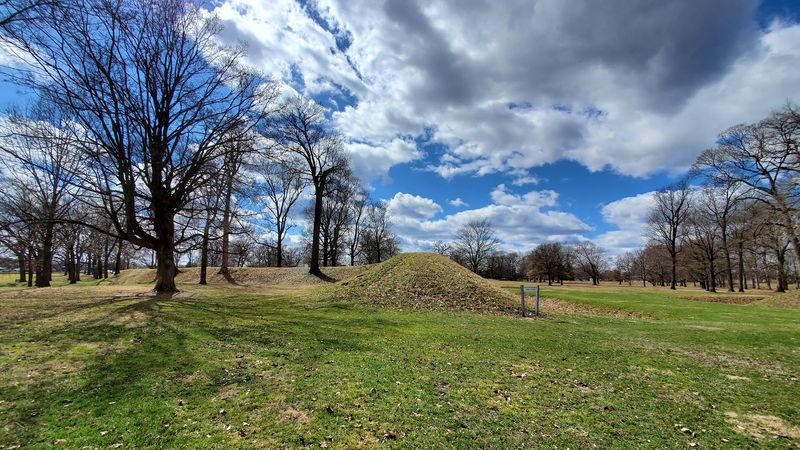
My favorite part of the entire visit was walking inside the Great Circle, and I did not expect to feel as calm as I did in there.
The Great Circle measures about 1,200 feet in diameter, and its earthen walls rise up to 14 feet in some places.
Once you step inside, the outside world seems to fade a little.
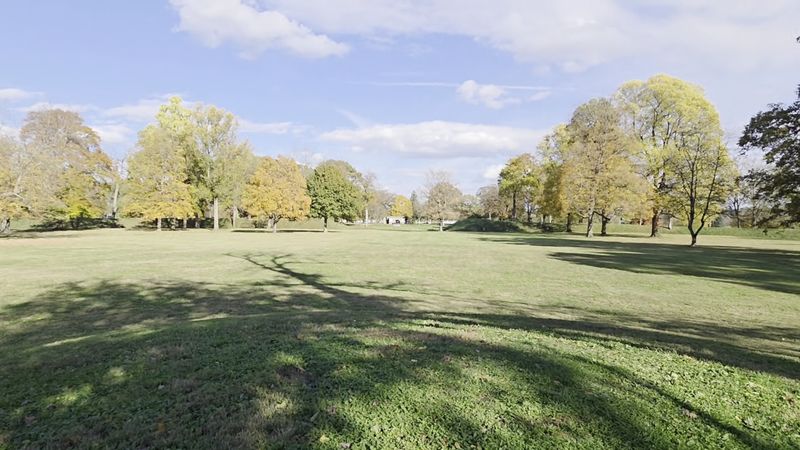
Tall, old trees line the interior walls, and the open green space at the center has a stillness that feels almost deliberate.
A small earthen mound called the Eagle Mound sits near the center of the circle, adding to the sense that this space was designed with careful intention.
Families were having picnics, kids were running around, and dogs were trotting happily along the paths when I visited.
The Great Circle manages to be both a serious archaeological site and a genuinely lovely place to spend a quiet afternoon, which is a balance not many ancient monuments manage to pull off.
The UNESCO World Heritage Status
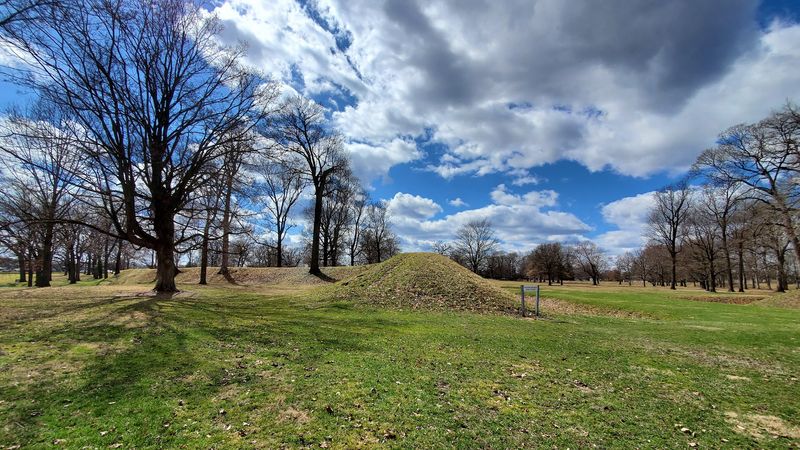
In 2023, the Hopewell Ceremonial Earthworks across Ohio were inscribed as a UNESCO World Heritage Site, and the Newark Earthworks are the crown jewel of that designation.
Ohio now holds the distinction of having the only UNESCO World Heritage Site in the entire state, and it is right here in Licking County.
That recognition places Newark alongside places like Machu Picchu, the Great Wall of China, and the Egyptian pyramids in terms of global cultural significance.
The inscription was a long time coming, and for the people who have spent years advocating for proper recognition of Hopewell culture, it was a meaningful moment.
What the UNESCO status really does is remind the rest of the world that North America has ancient wonders that rival anything found elsewhere on the planet.
For visitors, the designation adds a layer of meaning to every step you take along those earthen walls, knowing that the entire international community has agreed this place matters.
The Welcome Center and Museum Experience
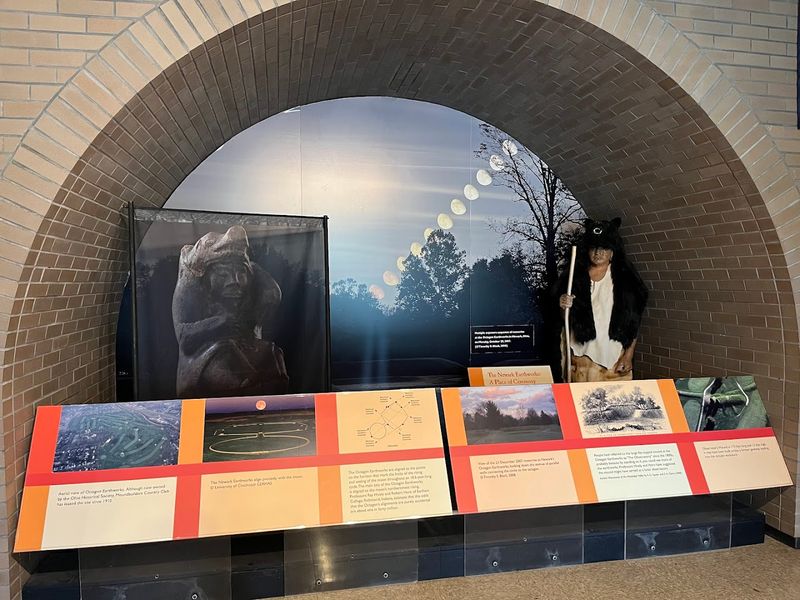
Before heading out to walk the grounds, spending time in the welcome center is genuinely worth it, and I say that as someone who usually skips visitor centers.
The museum inside the Great Circle features interactive exhibits that explain the Hopewell culture with clarity and depth.
Staff members at the site are notably passionate about what they share with visitors.
During my visit, a staff member named Chris gave a thorough and engaging overview of the earthworks that reframed how I looked at every wall and gateway I encountered afterward.
The exhibits cover topics like the geometry of the enclosures, the trade networks of the Hopewell people, and the spiritual significance of the site.
Kids can also get their Ohio History book stamped here, which is a small but charming detail that makes the visit feel rewarding for younger visitors.
Even when the center is closed, informational signs posted around the grounds ensure you never feel like you are wandering without context.
Guided Tours and Expert Knowledge on Site
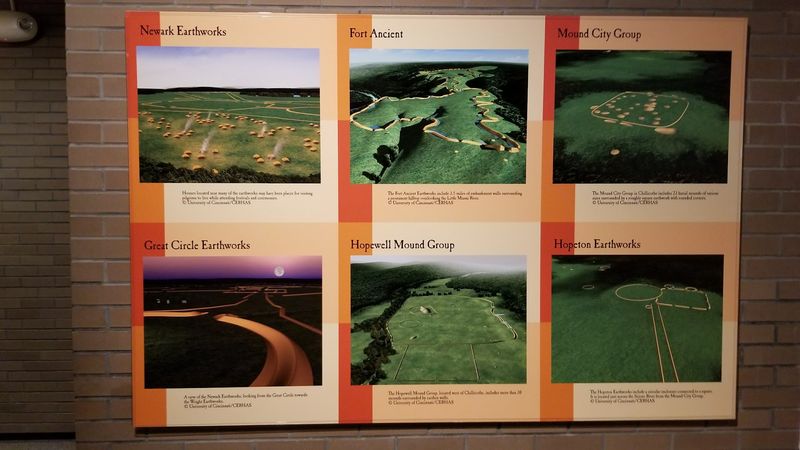
If your schedule allows, timing your visit to catch a guided tour transforms the entire experience from interesting to unforgettable.
Archaeologist Brad Lepper has led tours at the site and is widely described by visitors as a fountain of knowledge, someone who can make 2,000-year-old history feel immediate and personal.
Free tours are offered periodically, so checking the Ohio History Connection website before your visit is a smart move.
The tours typically cover both the Great Circle and the Octagon Earthworks, giving you a complete picture of how the two sections relate to each other geometrically and ceremonially.
Even without a formal tour, the on-site historians are approachable and clearly enjoy talking with visitors about the finer details of Hopewell culture.
I asked what felt like a dozen questions during my visit and never once felt rushed or brushed off.
That kind of genuine enthusiasm from the staff is something you notice, and it sticks with you long after you have driven home.
The Octagon Earthworks and the Golf Course Situation

One of the more complicated aspects of the Newark Earthworks story used to be the fact that the Octagon Earthworks were partially occupied by a private golf course called Moundbuilders Country Club.
The golf course had operated inside the earthworks for more than a century, a situation that many historians, archaeologists, and Indigenous community members found deeply troubling.
After years of legal efforts, the Ohio History Connection reached a settlement with the club, and on January 1, 2025, the lease was bought out and the Octagon Earthworks opened for full public access as a park.
Today, the Octagon grounds are open to visitors during daylight hours, with guided tours and special events replacing the former restrictions tied to tee times and golf schedules.
The Ohio History Connection manages the site and continues to interpret both the ancient significance of the earthworks and the long fight to restore public access.
When you walk inside the octagon now, the scale of the enclosure is breathtaking, and knowing the history of its contested use adds a complicated but important layer to the visit.
The tension between preservation and past land use is part of the honest story of this site, and understanding it still makes you a more informed visitor.
Practical Tips for Planning Your Visit
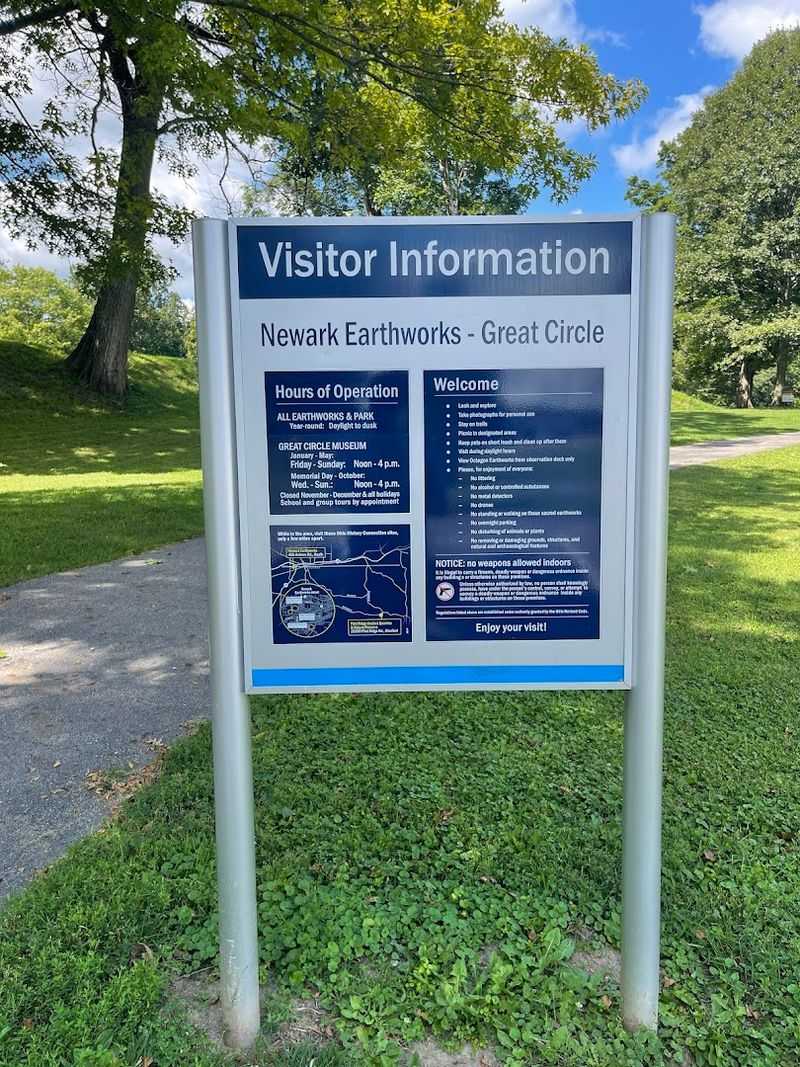
A few practical notes will help you get the most out of your trip to the Newark Earthworks.
The site is technically listed as open 24 hours on some platforms, but the park actually closes at dark, and visitors who stay past dusk can receive a citation.
Plan to arrive after 8:00 a.m. and give yourself enough time to leave well before sunset.
Parking is plentiful at both the Great Circle and the Octagon sections, and there are RV-friendly spots available as well.
Wear comfortable walking shoes because the grounds cover a lot of territory, and the earthen walls involve some gentle elevation changes.
Bringing water and a snack is a good idea, especially if you plan to spend a few hours exploring.
The site is free to visit, which makes it an excellent option for families, solo travelers, and anyone passing through the Newark, Ohio area who wants a meaningful and low-cost outing.
Why This Ancient Wonder Deserves Your Time
There are plenty of places in Ohio worth visiting, but very few of them ask you to fundamentally reconsider what you think you know about the ancient world.
The Newark Earthworks does exactly that.
Every time I have visited a site like this, I leave feeling like I understood something new about human history, and this place is no different.
The geometry is precise. The lunar alignment is real.
The community effort behind the construction was staggering.
And yet, because the Hopewell people left no written records, there is still so much mystery layered into these walls, which makes the site endlessly fascinating rather than fully explained.
Whether you come for the history, the peaceful walk, the museum, or just the chance to stand somewhere genuinely ancient, the Newark Earthworks rewards every type of visitor.
It is the kind of place that stays with you, quietly expanding your sense of what people are capable of when they build something together with purpose and care.