
This Old Working Illinois Grist Mill Still Welcomes Visitors Beside A Creek With 4 Miles Of Trails
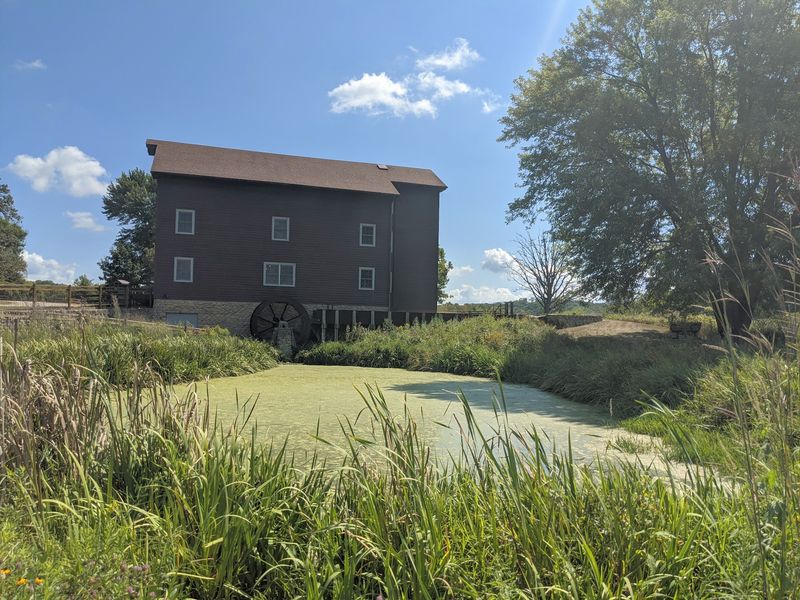
Corn still gets ground by water power at one quiet creekside spot in northern Illinois, and you can watch it happen for a small donation. The four-story timber mill looks like it stepped out of the 1800s, because in a way it did.
Outside, more than four miles of trails wind past springs, prairie, and a clear, chattering stream. It is the kind of cheap, easy family outing that kids remember long after the car ride home.
A Water-Powered Mill In Lee County
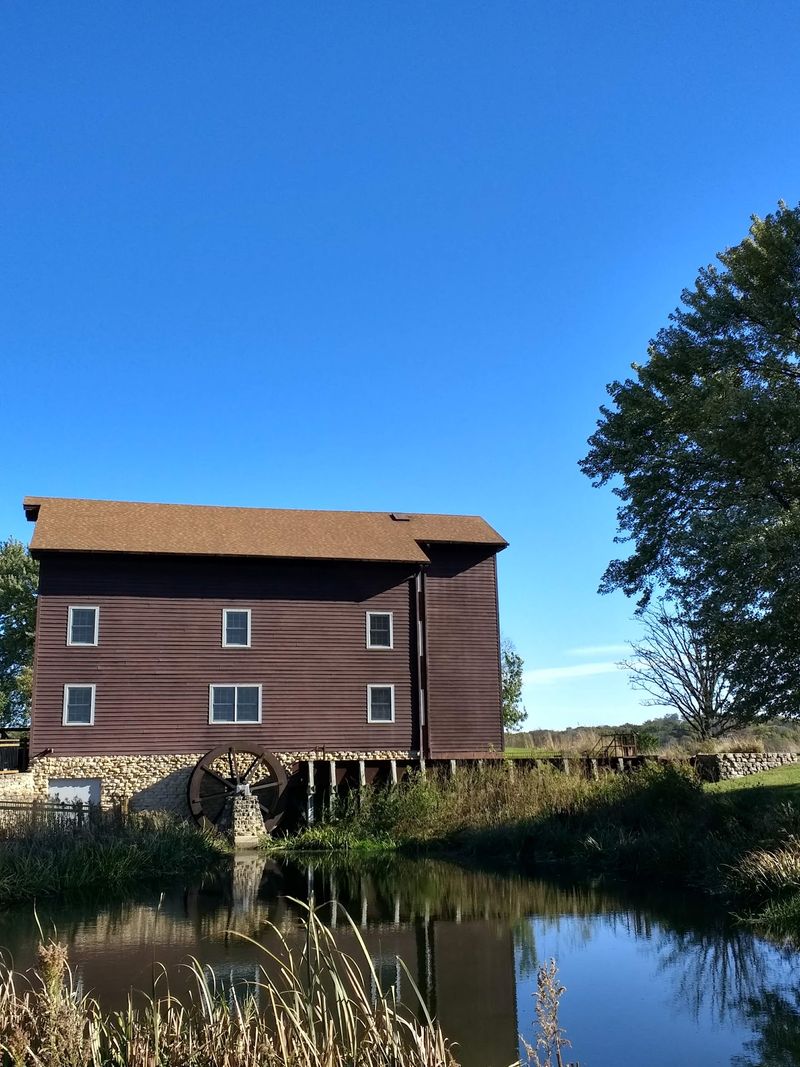
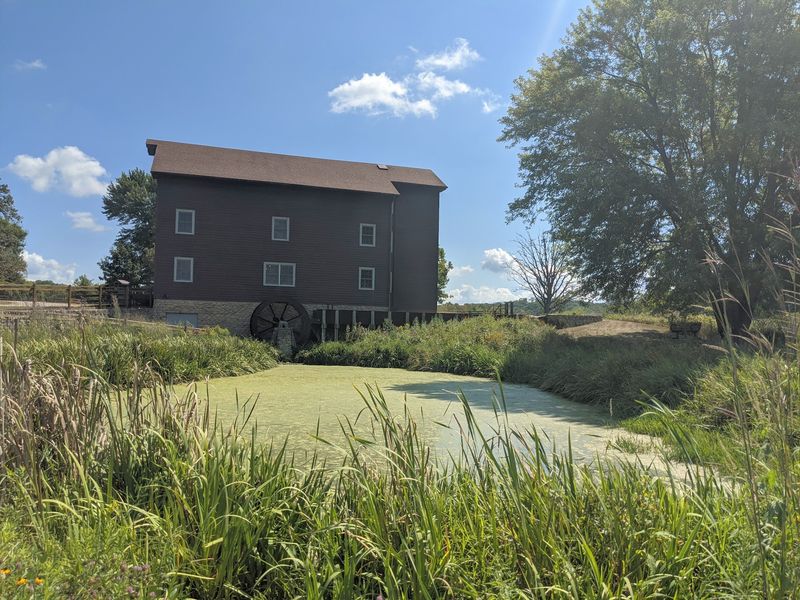
Out on Twist Road near Franklin Grove, a big wooden building sits beside a creek and does something almost nothing else in Illinois does anymore. Franklin Creek Grist Mill turns water into ground corn, the same way farmers relied on more than a century and a half ago.
The mill is widely considered the only truly water-powered operating grist mill in the state. It stands inside a state natural area in Lee County, roughly between Dixon and Rochelle, which makes it an easy drive for families across northern Illinois.
The Franklin Creek Conservation Association looks after the mill and helps welcome guests through the warmer months.
What makes it special is that nothing here feels flashy. You will not find a ticket booth with long lines or a giant parking garage.
Instead, you get a humble timber building, friendly volunteers, a creek you can hear from the doorway, and trails that roll off into the woods and prairie.
Many visitors stop for a quick half hour and end up staying the whole afternoon. Between the working machinery, the wildlife displays, and the paths outside, there is plenty to fill a day without spending much at all.
Rebuilt From An 1847 Original
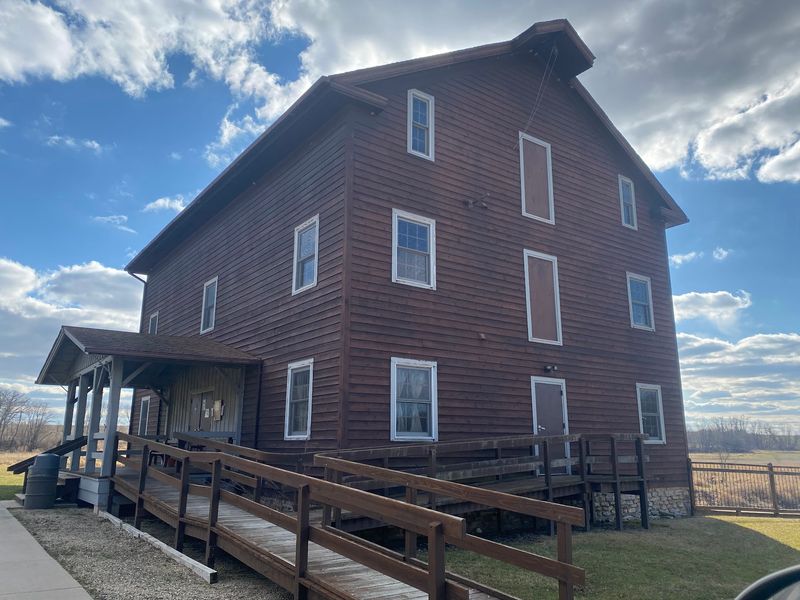
Back in 1847, a mill on this very site was the largest and most complete grist mill in all of Lee County. Local farmers hauled grain here to be turned into meal and flour, and the spot became an important stop in pioneer life.
That original building eventually disappeared, but the story did not end there. Volunteers rebuilt the mill as a four-story timber-frame replica, standing where the old one once stood.
Their hard work brought the waterwheel and the milling gear back to life, so today’s families can see history moving instead of just reading about it.
Look closely at the stone walls and you may spot fossils tucked right into the rock. Kids love turning it into a scavenger hunt, and grown-ups tend to get just as curious.
The building itself becomes part of the lesson.
Grandparents often find the place brings back stories from their own childhoods, while younger visitors are surprised that people once depended on a creek to make breakfast. Plenty of guests say the history surrounding the old mill is the best part.
It is a rare chance to share a slice of Illinois heritage across generations, all under one wooden roof.
Gears, Grinding, And Hands-On Fun
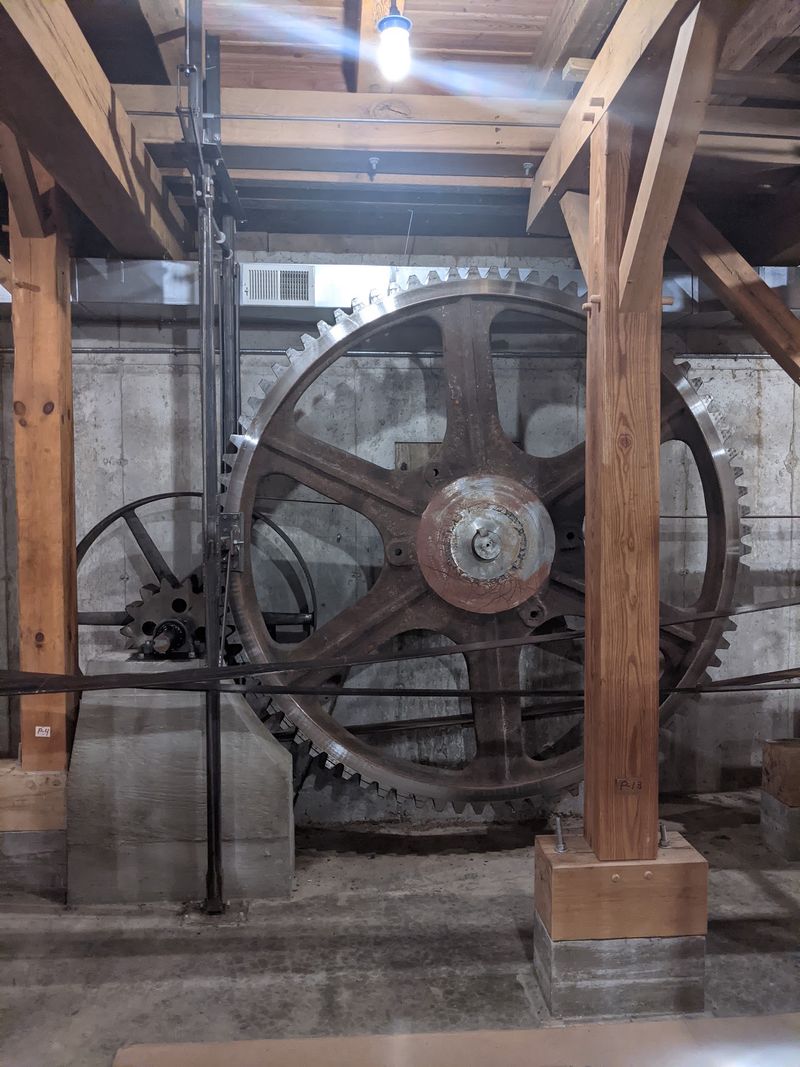
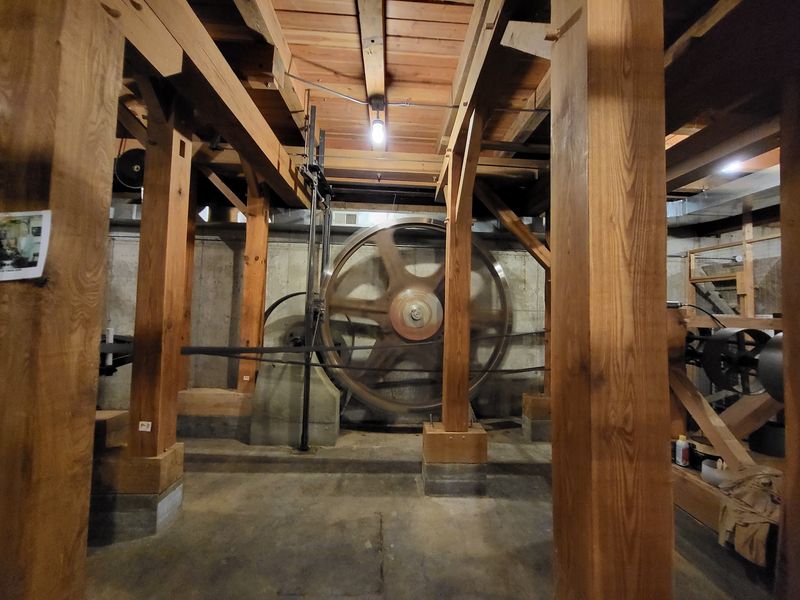
Gears rumble, wood creaks, and suddenly the whole building feels alive. When volunteers fire up the mill, guests can watch water spin the wheel and power the machinery that grinds corn into meal.
The basement is a favorite stop. Much of the mill’s original-style equipment lives down there, and when everything runs, you can see the big gears turning right in front of you.
It is loud, fascinating, and far more memorable than any textbook diagram.
Staff are known for going the extra mile. They often run demonstrations on request, explain how the water travels through the wheel, and answer every question kids can think up.
Some lucky young visitors have even been invited to help shut the mill down for the day, which felt like a very big deal to them.
Upstairs, the displays continue with machine parts, exhibits on how the mill operated, and its long history. All four levels are wheelchair accessible, so everyone in the family can explore together.
For parents trying to explain how food got made before supermarkets, this is a hands-on answer. One spin of that wheel says more than an hour of lecturing ever could.
Tree Panels, Fossils, And A Wildlife Exhibit
Forty-three wooden panels line the interior, and each one comes from a different native Illinois tree. Running your hand across them is like taking a walk through a whole forest without leaving the building.
Different woods were also used on each floor during construction, so the mill doubles as a giant sample board of local timber. Woodworkers and curious kids alike tend to linger here, comparing colors and grain patterns.
Throw in the fossils hiding in the stone walls, and the building turns into a little natural history museum.
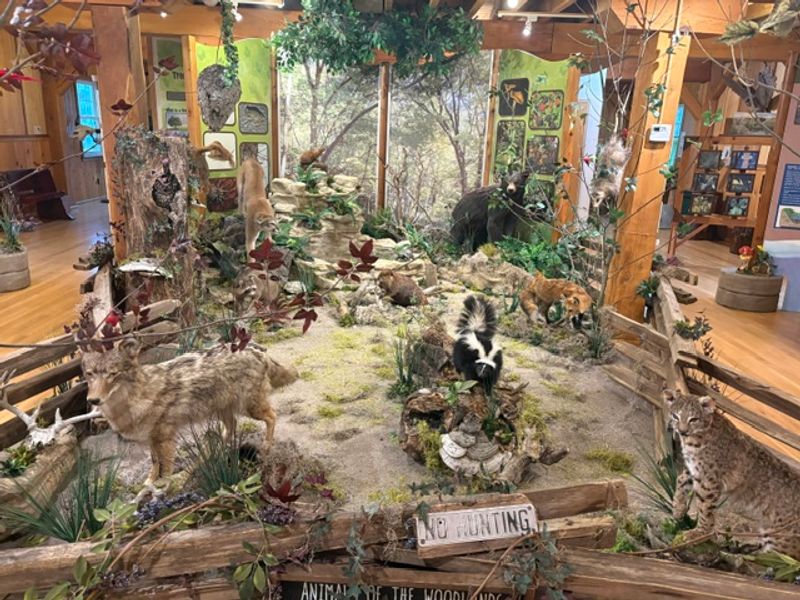
Head upstairs and the learning keeps going. The second floor holds presentations on the area’s wildlife and ecosystem, and a newer wildlife exhibit has become a real highlight for returning guests.
The displays are clean, thoughtfully arranged, and easy for young readers to follow.
Families who have visited before often come back just to see what is new. The exhibits connect the mill to the land outside, explaining which animals and plants share the creek valley.
By the time you step back outdoors, you will probably look at the trees and stream a little differently. That quiet shift is part of what makes a visit here feel so worthwhile.
Four And A Half Miles Of Creekside Trails
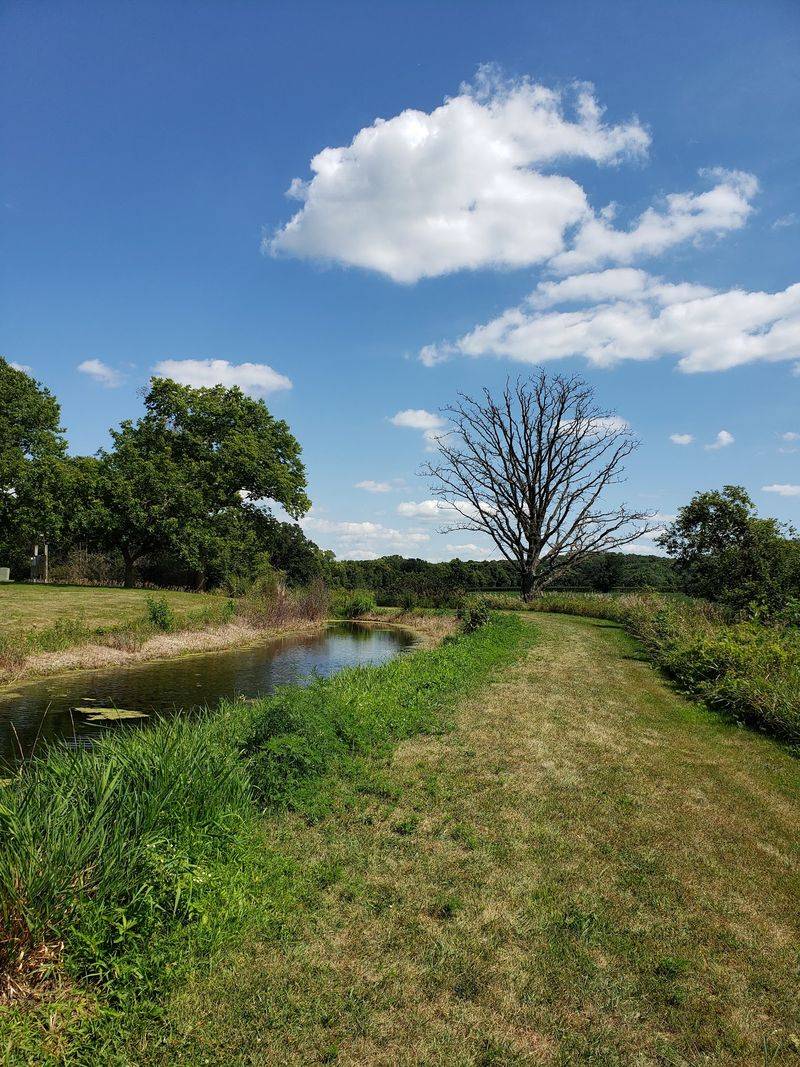
Lace up your sneakers, because the mill is only half the adventure. The surrounding natural area offers about four and a half miles of marked and maintained hiking trails, which is a generous amount for this part of Illinois.
The Mill Springs Trail is a concrete-surfaced, easy path that works well for strollers, wheelchairs, and little legs. It leads to Mill Spring, where cold water bubbles up from the ground.
Staff often encourage guests to make the short trip and see where the mill’s water begins.
Right behind the mill, the Seasons of Change Trail makes a one-mile loop through prairie and along the creek. Signs explain how each season changes the habitats, so the walk feels a bit like an outdoor classroom.
For a deeper taste of the park’s beauty, Pioneer Pass comes highly recommended.
Curious explorers sometimes go looking for Whipple Cave, a small cave hiding somewhere in the area. Springs pour icy water into the stream, and the clear creek keeps kids peering in for fish.
Spring and summer are lovely, while fall brings changing colors. Any season, the trails reward a slow, unhurried wander.
Cornmeal, Cornbread, And Little Gifts
Bringing home something you watched being made is a special kind of souvenir. At Franklin Creek, freshly ground cornmeal from the mill is available to buy, and it has been known to come from corn grown right on site.
Cornbread made with the mill’s own meal is also sold, so you can taste the results before heading home. Home cooks enjoy baking with the meal afterward, and more than one family has turned it into a fun kitchen project with an old-fashioned recipe.
A small gift shop rounds things out. Regular visitors say they almost always find a gift or two to pick up, which makes the stop handy for birthdays or holiday stockings.
Simple snack items are also offered, perfect after a walk on the trails.
Prices stay friendly for families watching their budgets. Grabbing a bag of cornmeal costs a lot less than most theme park treats, and it lasts much longer than a ride.
Back home, mixing up a batch of cornbread becomes a sweet way to retell the day’s adventure. Kids can explain exactly how the corn got ground, and suddenly dinner turns into a history lesson nobody minds.
A Peaceful Escape For Every Generation
Quiet is the first thing many people notice. Away from traffic and town noise, the creek valley offers a calm that locals treasure as their personal getaway.
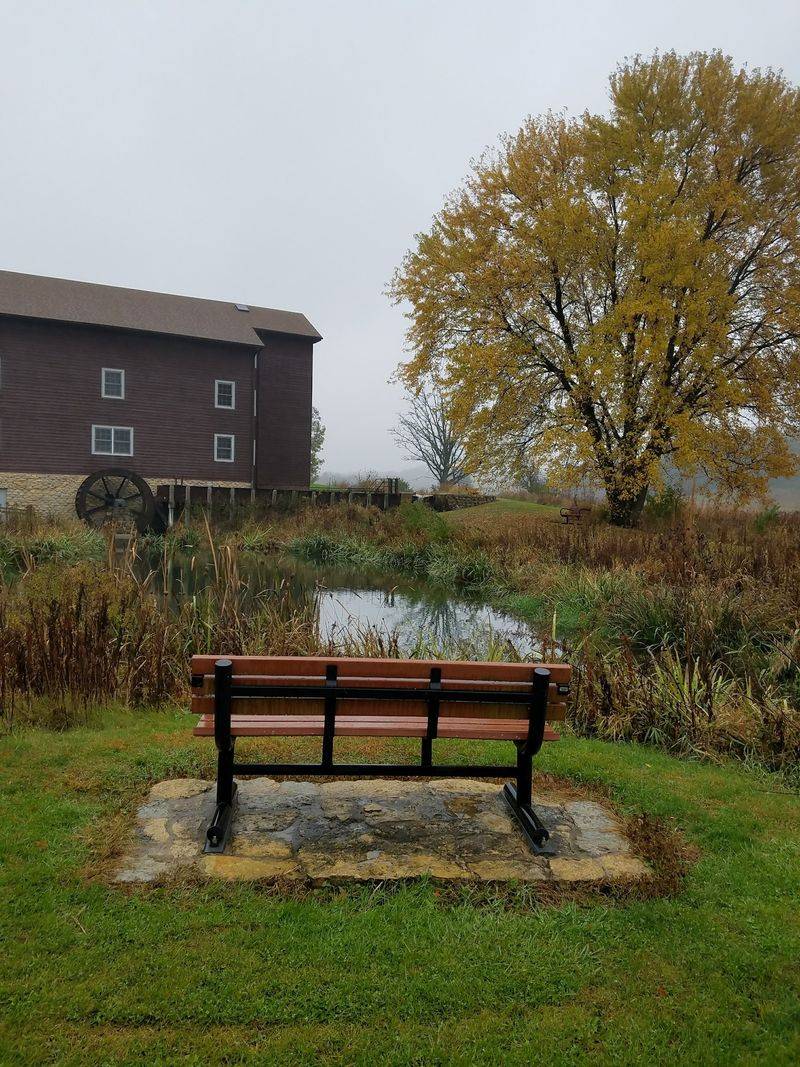
Families with young children find plenty to love, from short nature hikes to watching fish in the clear pond behind the mill. Anglers have long praised that pond, since the water is so clear you can actually see the fish take the bait.
Photographers also enjoy the setting, as the mill, bridges, and stream make lovely backdrops.
The volunteers deserve real credit for the friendly mood. They are kind, knowledgeable, and happy to give private-feeling tours, and some have stayed a little late for families arriving near closing.
That warmth turns a quick stop into a memory.
History fans, nature lovers, and anyone who simply wants fresh air will feel at home. The grounds have even hosted outdoor events, and the association plans seasonal activities, especially in fall.
Nearby, Nachusa Grasslands gives visitors a chance to spot American bison, which pairs nicely with a mill visit for a full day out. Together, the two stops make a classic northern Illinois adventure without any big-city stress.
Hours, Donations, And A Gentle Verdict
Planning ahead pays off, since the mill keeps seasonal hours. It typically welcomes guests from April 1 through October 31, sometimes stretching to November 1.
Published schedules list weekend afternoons, roughly noon to 4 p.m. on Saturdays and Sundays, with added Friday hours in summer. Other current listings show Friday through Sunday, 10 a.m. to 3 p.m., so checking before you go is a smart move.
Trails remain a lovely option even when the mill doors are closed.
Entry runs on a suggested donation of just $5, which makes this one of the most budget-friendly outings around. Add a bag of cornmeal and you can still spend well under $30 for a family.
The address is 1893 Twist Road in Franklin Grove, a short country drive from Dixon.
So is it worth the trip? For families craving an unhurried day of history, fresh air, and hands-on discovery, the answer leans strongly toward yes.
The mill feels humble rather than polished, and that is exactly its charm.
Bring comfortable shoes, a curious spirit, and maybe a fishing pole. Chances are good you will be planning a return visit before the waterwheel stops turning.