
This Once-A-Year Maine Festival Celebrates Over 200 Historic Apple Varieties
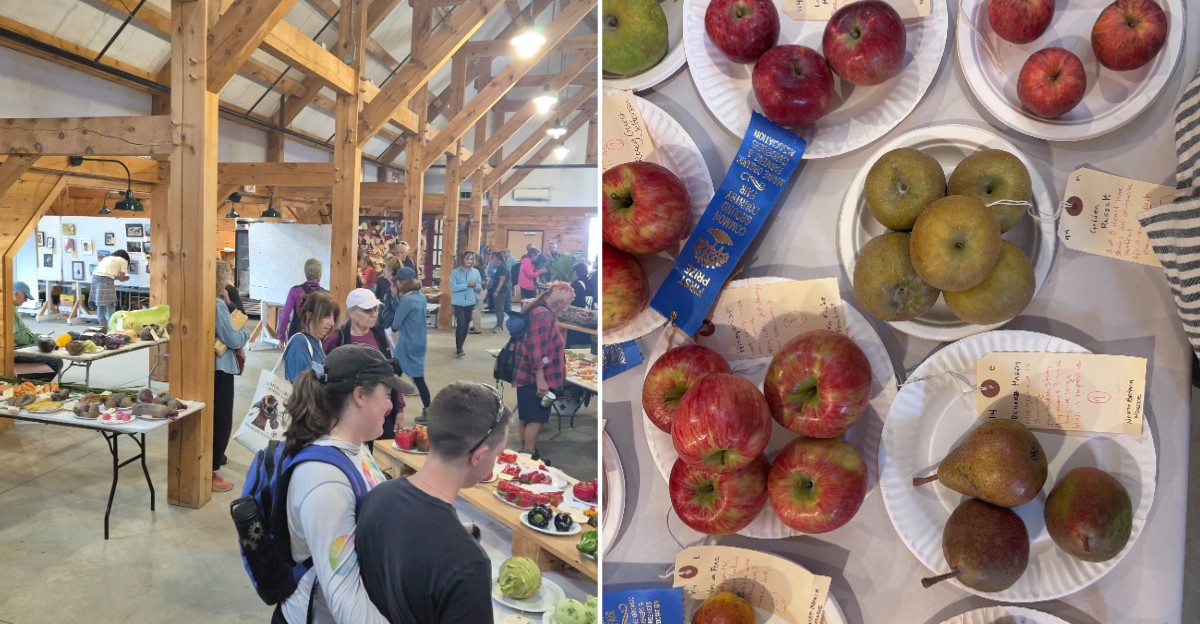
More than 200 kinds of old apples sit on display for one afternoon each fall. Most of them will never show up at your grocery store.
You can taste plenty of them for free. You can also bring a mystery apple from your backyard tree, and experts will try to name it. I have so many questions about the gnarly tree behind my old school.
The day mixes cider pressing, apple printing, butter churning, and orchard tours. There’s even a workshop on something called pretzel pruning. That’s my kind of thinking.
All of this happens in the Maine countryside, and it runs on donations. It feels part county fair, part treasure hunt, and part history lesson.
So which forgotten apple will become your new favorite?
Hundreds Of Forgotten Apples Get Their Moment In The Spotlight
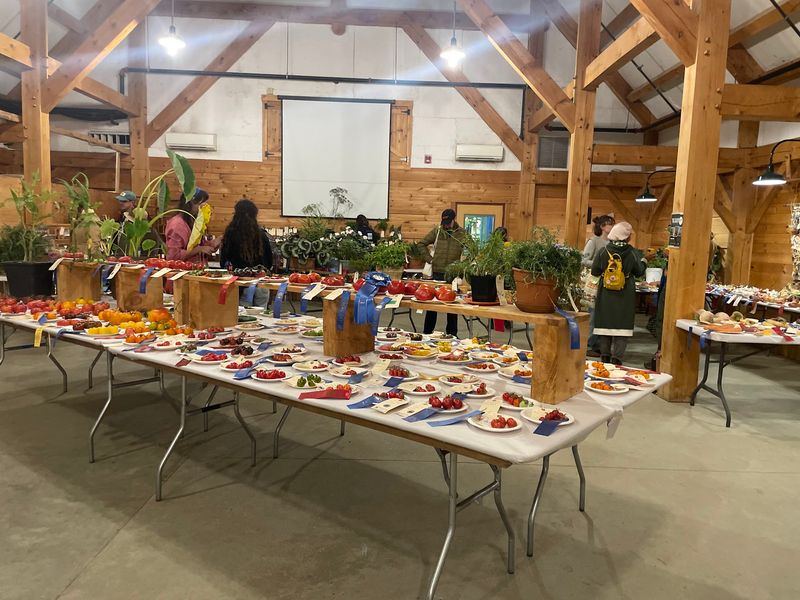
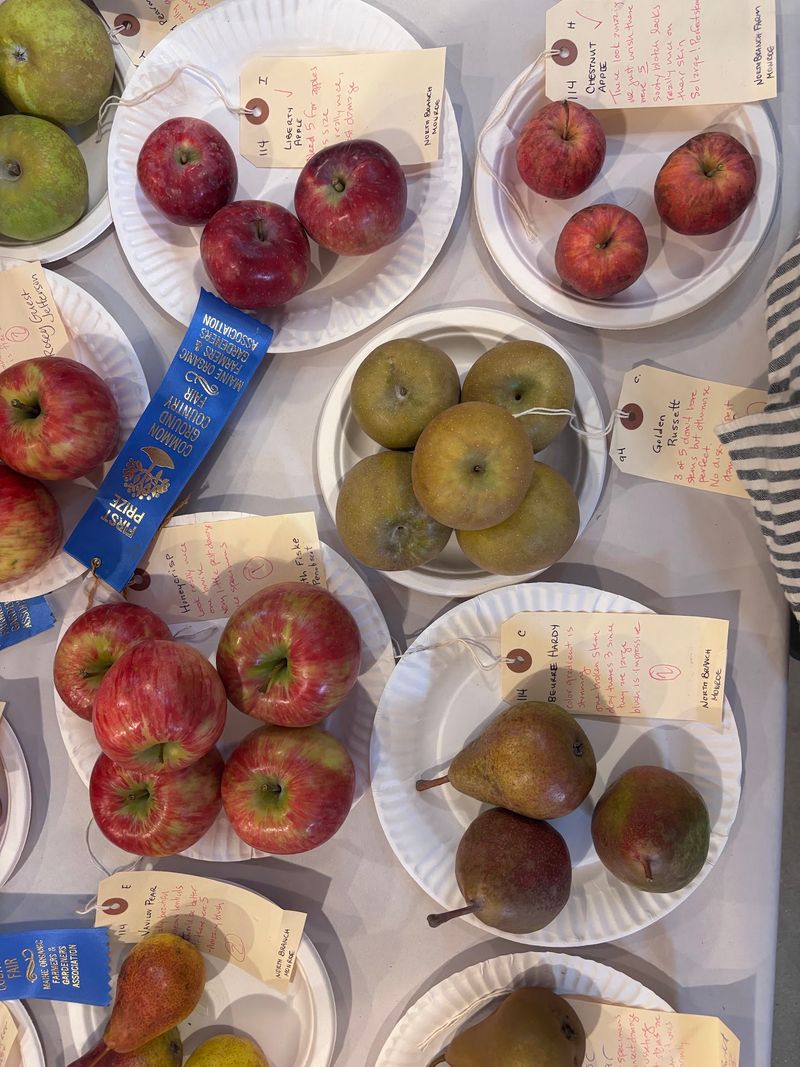
Great Maine Apple Day is the big fall gathering hosted by the Maine Organic Farmers and Gardeners Association. Its star attraction is a display of over 200 historic and heritage apple varieties.
That number is hard to picture until you think about a typical store. Most shoppers see maybe a dozen kinds on a good day.
Here, the tables hold apples with long family stories behind them. Some come from old farms and roadside trees that nearly slipped out of memory.
Each one is a small piece of history you can actually hold.
Maine’s apple story stretches back to the early 1600s. That gives these fruits a lot of time to pick up odd shapes, colors, and names.
Plenty of them look nothing like the shiny apples in a lunchbox.
The display is the perfect place to start your visit. Walk slowly and read the labels as you go.
You might spot a name that sounds like a person, a town, or a cartoon character.
Bring a notebook or snap photos of the ones you like. Trust me, you won’t remember all of them later.
Nobody remembers 200 apple names on the first try.
Your Taste Buds Are About To Get Very Busy
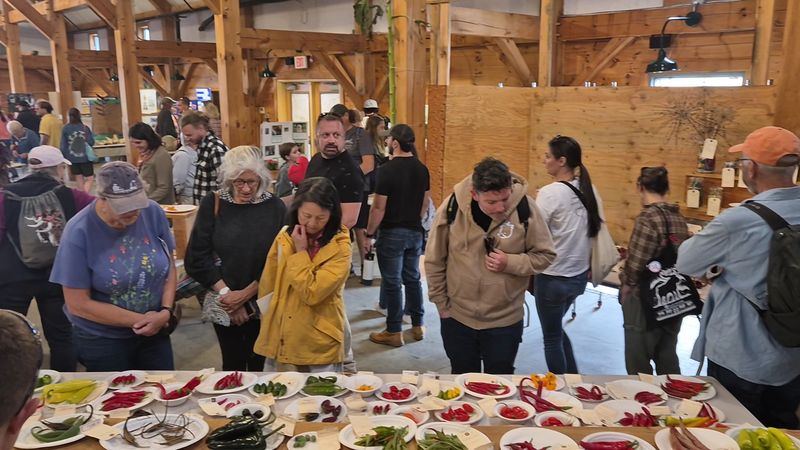
Free samples are always a good sign. At this festival, the samples are heritage apples you probably can’t buy anywhere nearby.
Tastings are a core part of the day. They give you a chance to compare flavors side by side, which is how true apple fans are born.
Some old varieties lean sweet, while others bring a sharp, tangy bite. Many were grown for specific jobs, like baking, storing, or pressing.
Tasting a few back to back shows how different apples really can be.
Try a simple game while you sample. Rate each apple from one to five and write down your top picks.
Kids especially love being official judges for the afternoon.
A sip of water between bites helps keep flavors clear. So does pacing yourself, since there’s a lot more to do after tasting.
Your favorites can guide you later in the day. Vendors sell fruit and even apple tree saplings, so a new crush could follow you home.
Picking a favorite apple sounds easy. Then you taste five more and change your mind again.
That indecision is half the fun, honestly.
Got A Mystery Tree? The Apple Detectives Are Waiting
Lots of families have that one old tree out back. Nobody knows what it is, and the apples just keep coming every fall.
At Great Maine Apple Day, a team of apple experts helps identify mystery fruit. Visitors are encouraged to bring samples from their own trees.
Think of it as a detective show with fruit. The experts look at shape, color, skin, and other clues to find a match.
With so many varieties grown in Maine over the centuries, the puzzle can get tricky.
Bringing several apples gives the team more to work with. A few leaves and notes about the tree’s age or location may help too.
Pack them carefully so they don’t bruise on the drive.
Even if no match turns up, you’ll learn plenty about your tree. Sometimes an unknown apple is a rare find worth saving.
That’s part of why the Maine Organic Farmers and Gardeners Association cares so much. The group has worked for more than five decades to keep the state’s apple varieties alive.
Your backyard mystery might just be a missing piece of that big puzzle. No pressure, little tree.
Ten Acres Of Living History Grow Right Next Door
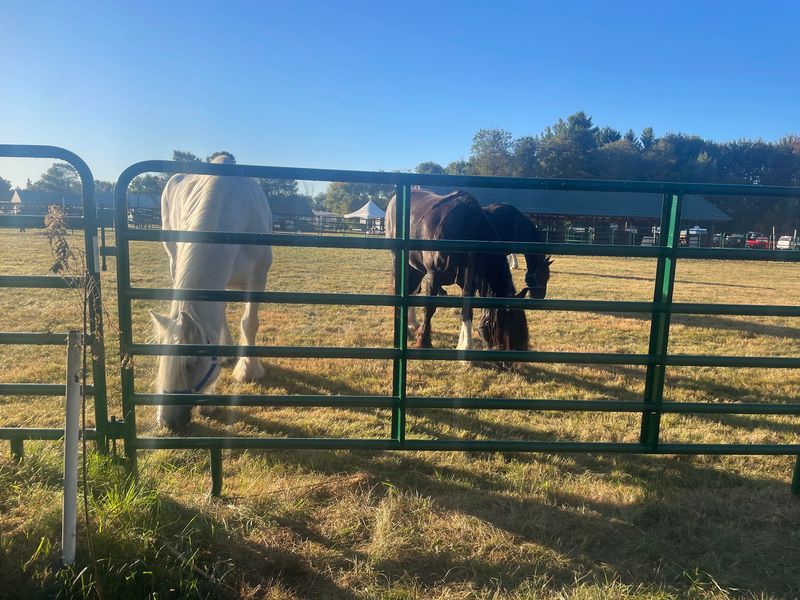
Over 360 heirloom varieties of apples and pears grow in one orchard here. It’s called the Maine Heritage Orchard, and it covers about 10 acres.
Guided tours of the orchard are offered during the festival. They’re a chance to see where much of the preservation work actually happens.
The orchard serves two big goals at once. It protects old varieties from vanishing, and it teaches people about growing fruit.
In other words, it’s a library where the books grow on branches.
Wear sturdy shoes, since the tour happens outdoors. Mid-October weather in Maine can swing from sunny to chilly, so layers make sense.
A hat and gloves never hurt either.
Bring questions for your guide. Ask how a variety gets chosen or why some trees need special care.
Guides at events like this usually love curious visitors.
Seeing the trees in person makes the apple display feel even richer. You’ll connect the fruit on the table to the branches it came from.
Walking between rows of rare trees is a calm, simple joy. It also beats any fruit aisle by a very wide margin.
Pretzel Pruning Is Real, And You Can Learn It
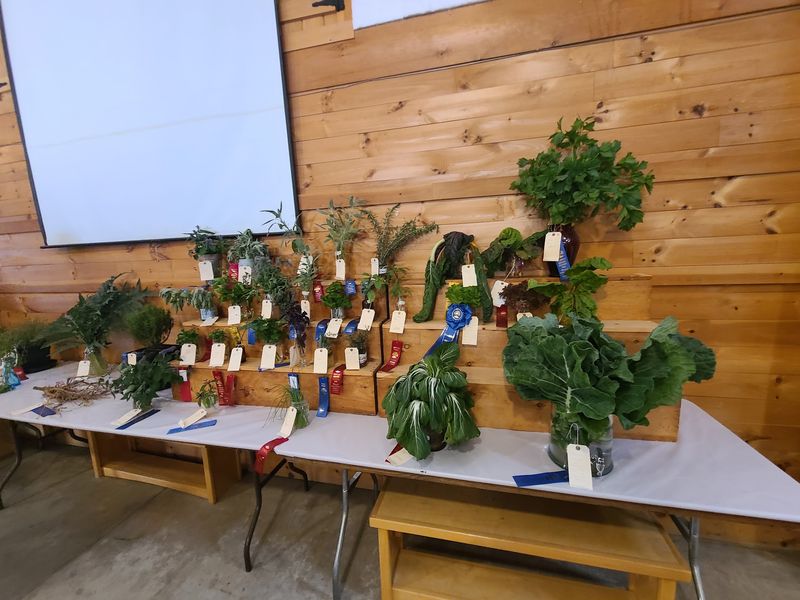
No, pretzel pruning isn’t a snack-making class. It’s one of the fruit tree topics featured in past workshops at this event.
The workshops and presentations cover practical skills for growers of every level. Topics have included fall fruit tree maintenance, historic apple preservation, fruit production, and assessing fertility.
There’s also fruit exploring, which sounds like an adventure because it kind of is. It’s all about seeking out old or unusual trees in the wild and around towns.
Every abandoned farm road suddenly looks more interesting.
These sessions suit anyone with a few trees at home. They also help people who dream of planting an orchard someday.
Beginners shouldn’t feel shy, since everyone starts somewhere.
Plan your day around one or two workshops you really want. The festival runs four hours, and there’s lots competing for your attention.
Bring a pen and a small notebook. Tips about pruning and soil are easy to forget by the time you get home.
The Maine Organic Farmers and Gardeners Association has long focused on education, and this day shows it. You’ll leave with real skills, not just a full stomach.
Your trees will thank you next spring.
Fresh Cider, Churned Butter, And A Very Busy Kitchen
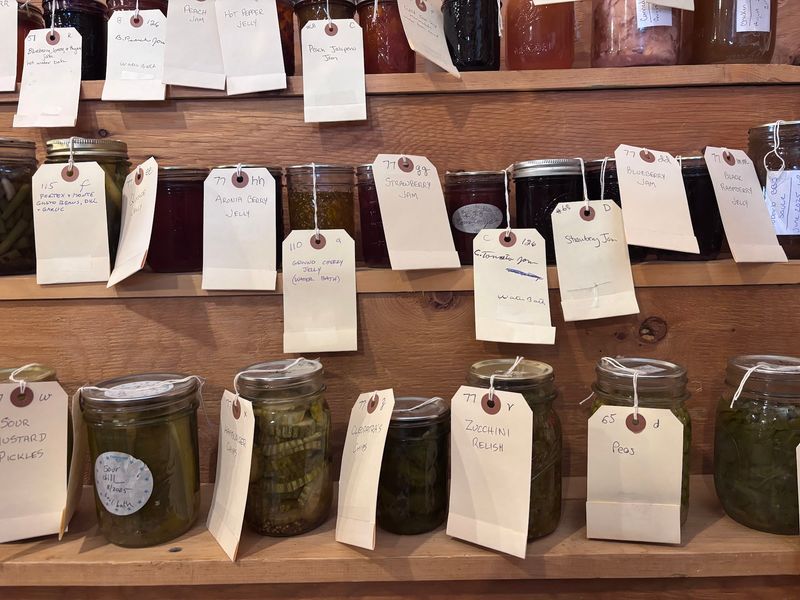
Few sounds say fall like a cider press crunching through apples. Cider pressing demonstrations are part of the fun, often with fresh cider to drink.
Watching whole apples turn into juice is weirdly satisfying. Kids love seeing how much work goes into one cup.
The old-time kitchen skills keep coming. Butter churning and apple pie baking also show up on the activity list.
It’s a hands-on peek at how farm families once made their own food.
These activities make history feel real instead of dusty. Reading about churning is one thing.
Seeing butter actually form is something else entirely.
Encourage kids to ask questions at each station. How many apples make a jug of cider?
Why does cream turn into butter? Those questions often lead to great conversations on the ride home.
Bring a reusable water bottle or cup if you like. It’s always handy at outdoor events.
Honestly, this part of the day might be the most memorable. The smells, the motion, and the taste all come together nicely.
Good luck walking past the cider press without stopping. Most people don’t even try.
Little Artists Can Stamp Their Way Through Apple Season
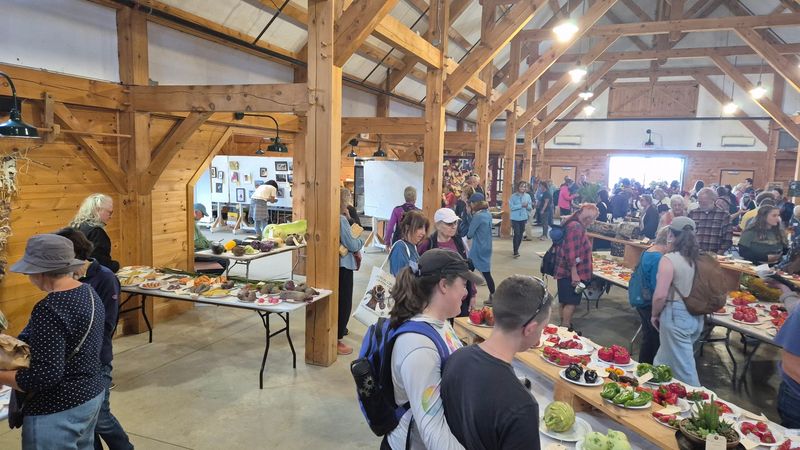
Cut an apple in half, dip it in paint, and press. Suddenly a fruit becomes an art tool, complete with a tiny star in the middle.
Apple printing and apple art-making are part of the festival activities. The printing has often been offered in partnership with groups like Waterville Creates.
Crafts give younger visitors a break from walking and listening. They also let kids take home something they made themselves.
That beats a plastic souvenir any day.
Fun fact: slicing an apple across its middle reveals a star shape. The seeds sit inside little pockets arranged in a five-point pattern.
Kids are usually amazed the first time they notice it.
Paint can get messy, so dress little ones in clothes that can handle it. A bag for wet artwork is smart too.
Grown-ups shouldn’t skip the art table either. Making apple prints is relaxing, and nobody grades your work.
It’s a nice pause between workshops and orchard tours.
The event is billed as family friendly, and this corner proves it. Art and apples turn out to be a surprisingly good team.
Who knew lunch could double as a paintbrush?
Save Room For Cheese, Hot Dogs, And A Tree To Take Home
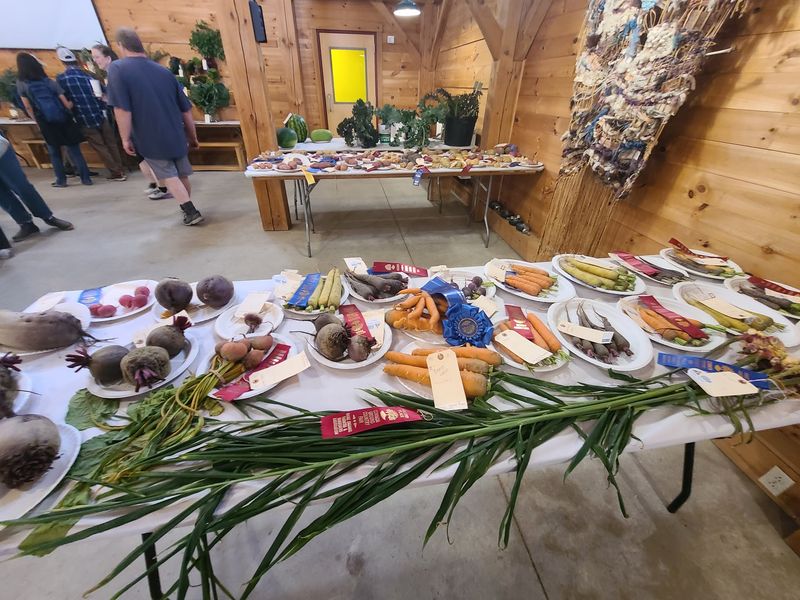
Cheese and apples share a plate beautifully. Balfour Farm has offered organic cheeses and salamis, with cheese and apple pairings, at the festival.
Local vendors fill out the day with snacks and finds. Past lineups have included 5 Star Orchard, B+T Baked Goods, Pressed for Cider, and The Moody Dog.
That means apple-themed baked goods, hot and bottled non-alcoholic cider, and hot dogs. A full afternoon of apples deserves some real food.
Your stomach will appreciate the variety.
Gardeners have plenty to browse too. Radical Roots Nursery has brought apple tree saplings, and Maine Native Plant Cooperative has offered native plants.
Luna Moth Herbs and the Maine Tree Crop Alliance have also taken part.
Vendor lineups can change from year to year. Still, the mix tends to reflect local farms and growers.
Bring a sturdy bag or a box for the car. Apples bruise easily, and saplings need careful handling.
Buying a young tree is a fun way to remember the day. Plant it, wait a few years, and enjoy your own harvest.
That’s a souvenir that keeps on giving, one crisp bite at a time.
Mark Your Calendar Now, Because It Only Happens Once
Sunday, October 25, 2026, is the date to circle. Great Maine Apple Day runs from noon to 4 p.m. that afternoon.
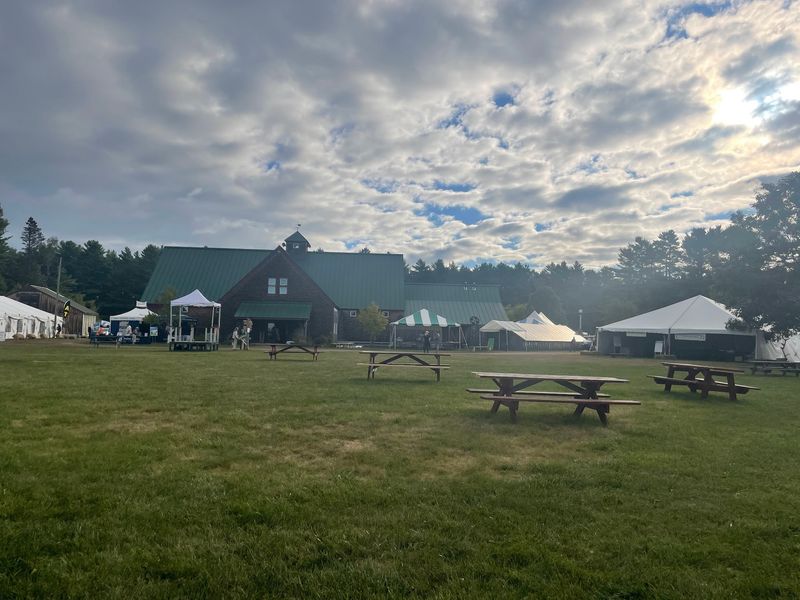
The event takes place at the Common Ground Education Center. You’ll find it at 294 Crosby Brook Rd, Unity, ME 04988, home base for the Maine Organic Farmers and Gardeners Association.
Admission works by donation, so families can give what fits their budget. The festival is free to attend, which makes it easy to bring the whole crew.
Every bit of support helps the preservation work continue.
Activities are a mix of indoor and outdoor. Dress for the weather and wear shoes that can handle grass.
Central Maine in mid-October can feel crisp, especially later in the day.
Four hours goes by fast with this much happening. Arriving early gives you more time for tastings, tours, and workshops.
Don’t forget your mystery apples if you have them. Pack them the night before so they’re ready to go.
One afternoon, hundreds of historic apples, and a whole lot of cider. It’s hard to find a sweeter way to spend a fall Sunday in Maine.
Just maybe skip lunch beforehand.