
This Once-Laid-Back Pennsylvania Lake Town Is Buckling Under Its Summer Crowds
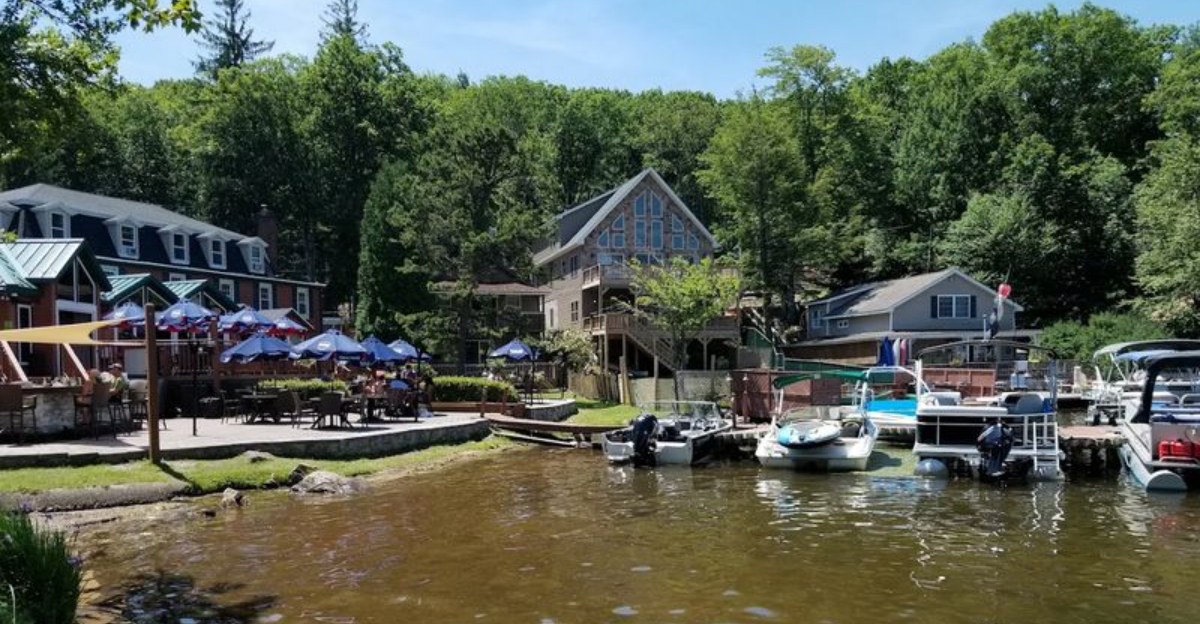
The secret is not exactly a secret anymore.
This once-laid-back Pennsylvania lake town has become the kind of summer spot where quiet mornings can turn busy fast, and locals can feel the change before visitors even unpack the cooler.
That is what makes the story so interesting. A place built for easy lake days is now dealing with the weight of its own popularity.
More cars, longer waits, and crowded shorelines can shift the whole mood of a getaway that used to feel effortless.
Still, the appeal is easy to understand. When a town has that classic lake-season pull, people want in. The tricky part is what happens after everyone discovers it at once.
I have seen favorite places change like this before, and it always makes me wonder whether loving a spot too much is exactly how we start losing what made it special.
How Short-Term Rentals Transformed The Neighborhood
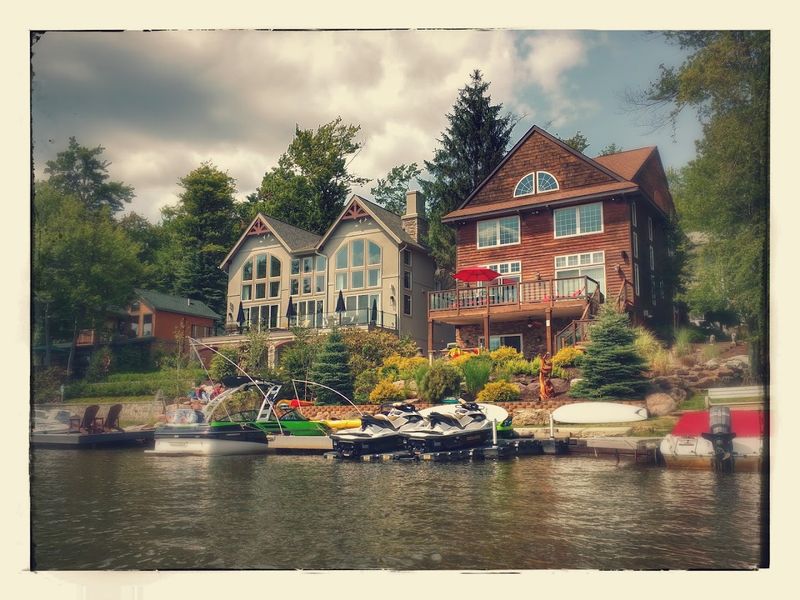
Platforms like Airbnb and Vrbo have changed how visitors use Lake Harmony, even if the community was already built around seasonal homes and resort travel.
Properties that sit between full-time residents can function as weekend rentals, bringing new groups with different expectations about noise, parking, and neighborhood routines.
Local coverage from 2021 captured the shift in small but telling ways: residents described extra cars, fireworks, trash, trespassing, and other issues connected to short-term rental stays.
Kidder Township responded by adopting a short-term rental ordinance in 2021, and the municipal building at 10 Lake Harmony Road remains the contact point for permit questions and community concerns.
The challenge is real because rental income has also brought economic benefit to local property owners.
Balancing those competing interests is something Pennsylvania lake communities across the Poconos are all wrestling with right now, especially during peak travel seasons.
The Population Pressure That Caught Everyone Off Guard
The pressure did not arrive as a single headline. Lake Harmony, Pennsylvania sits in a Pocono Mountains resort area where vacation homes, ski weekends, lake access, and rental demand all overlap.
Kidder Township, which includes Lake Harmony, describes itself as a community made up largely of vacation and seasonal homes, and current rental-market data shows hundreds of active short-term listings tied to Lake Harmony.
The result is a place where the number of people using local roads, services, restaurants, and lake-area amenities can feel far larger than the year-round population, especially during summer weekends and winter ski periods in a community built for seasonal rhythms.
Before Kidder Township adopted its short-term rental ordinance in 2021, local coverage reported resident complaints involving noise, parking, trespass, fireworks, and trash.
The issue was not imaginary; the pressure had simply become visible enough for formal rules and enforcement.
The Roads Were Never Built For This Traffic
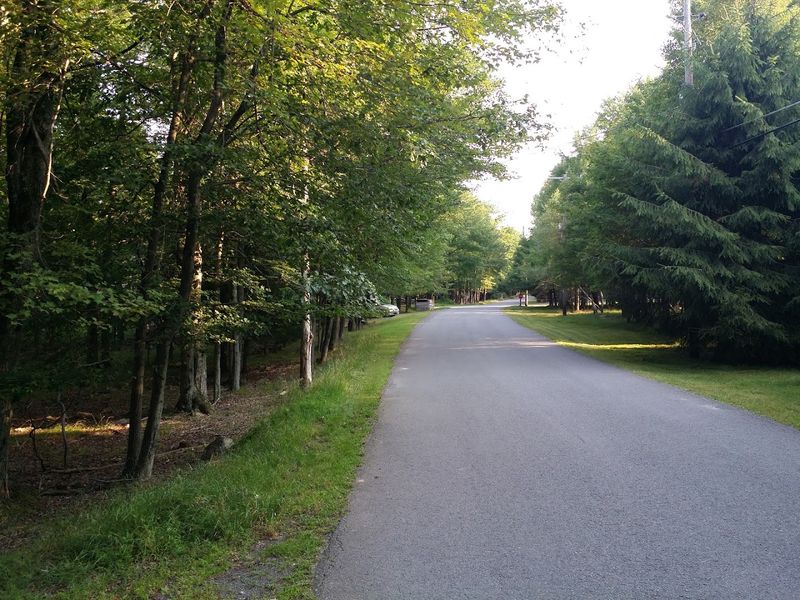
Lake Harmony Road and the surrounding network of two-lane streets were built for a mountain resort community, not an endless stream of vacation traffic.
On peak weekends, the extra cars tied to rentals, restaurants, resorts, and lake activity can make simple trips feel slower than expected.
Local officials and emergency responders have discussed traffic-related safety concerns, including equipment meant to help fire apparatus move through township intersections.
That is different from proving constant gridlock, and the article should be careful not to overstate it.
The verified issue is seasonal pressure on roads that were never designed like big-city corridors, plus the practical challenge of managing parking, signs, and safety with a small municipal operation.
The irony is not lost on anyone: the very charm of a winding, forested Pennsylvania lake road is part of what draws visitors, and fixing traffic pressure without changing the place is the hard part too.
Parking Has Become A Community Flashpoint
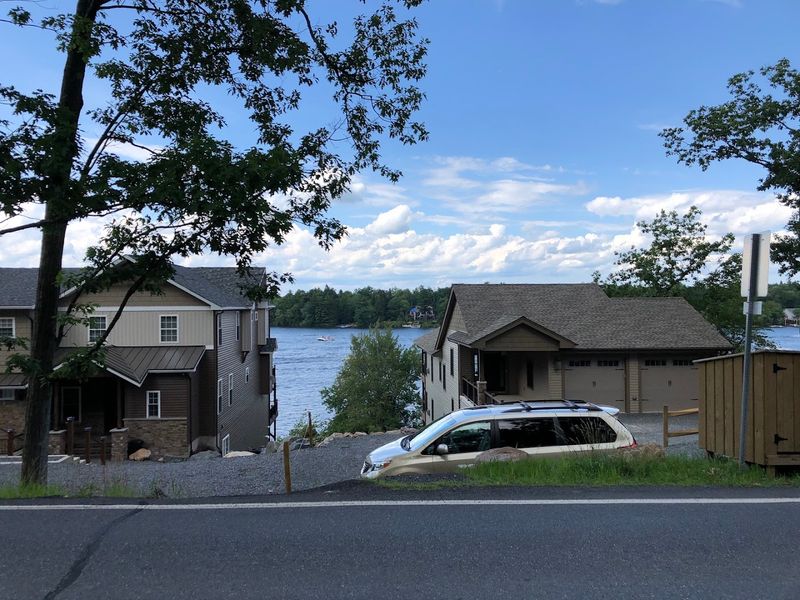
Ask any year-round resident of Lake Harmony what frustrates them most about summer, and parking will probably enter the conversation quickly.
The lake is privately owned, with access tied to lakefront accommodations, associations, resorts, and permitted users, so the issue is not simple public beach parking.
The situation still creates tension between people arriving for a short stay and residents who simply need to get in and out of their driveways.
Kidder Township’s short-term rental rules require owners to provide site plans showing on-site parking, and violations can include having too many vehicles for a property.
Lake Harmony Group also posts separate lake-access parking rules for permitted users.
Pennsylvania state law and private association rules both shape what can happen around roads and access points.
It is a small-town problem with no clean small-town solution, and the summer clock resets it every single year when lake demand peaks again hard.
Water Quality And The Pressure On Lake Harmony Itself
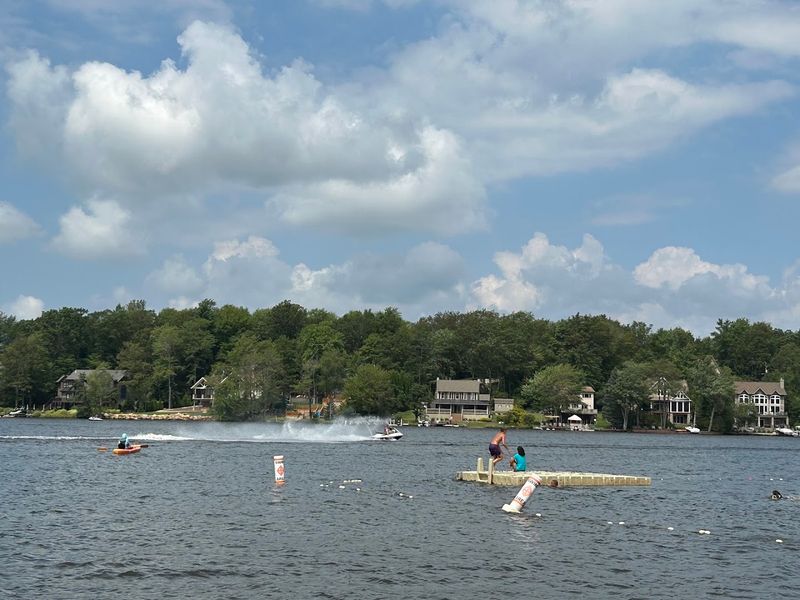
The lake is the reason many people come, which makes protecting it both urgent and complicated.
Lake Harmony is privately owned, and the Lake Harmony Group is responsible for lake rules, stormwater management, lake maintenance, water quality, buoys, and slips.
The better-supported concern is not a vague fear of popularity alone, but stormwater and watershed pressure.
The Lake Harmony Watershed Preservation Group cites runoff from homes, lawns, roads, fertilizers, pesticides, animal waste, and eroded soils as threats.
Residents and lake organizations pay close attention because too many nutrients can support excessive algae and aquatic plant growth.
Lake Harmony also uses a Clean-Flo aeration system intended to remove organic matter and improve water quality.
A degraded lake would hurt everyone, which is exactly why the current pressure on it matters so much.
Protecting the water is not just an environmental goal; it is the community’s central shared responsibility every single season.
The Noise Problem That Never Fully Goes Away
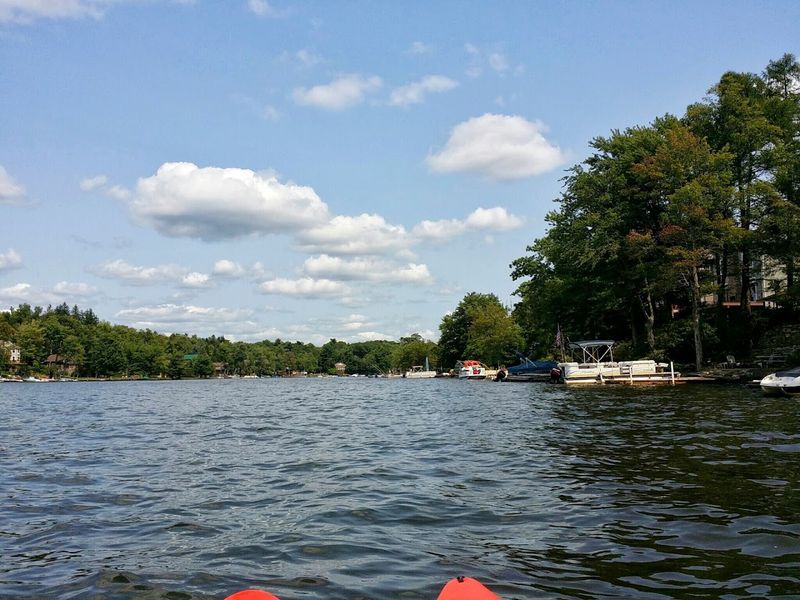
Sound travels differently over water.
A jet ski engine a quarter-mile away can feel like it is right outside your window, and in a community where permanent residents live alongside vacation rentals, noise has become one of the most contentious quality-of-life issues in Lake Harmony.
Weekend evenings bring a mix of outdoor gatherings, watercraft activity, and the general hum of a place operating at full capacity.
For families with young children or older residents who have lived here for decades, the seasonal noise can feel genuinely exhausting.
Kidder Township does have a noise ordinance on the books, including limits on loud radios and shouting during overnight hours.
Posted rental guidance directs violations to emergency dispatch or Kidder Township Police, not simply the front office.
The noise issue is not unique to Lake Harmony, but it is one of the clearest signals that this community is being stretched during peak rental seasons again and again every summer.
What the Kidder Township Office Actually Does
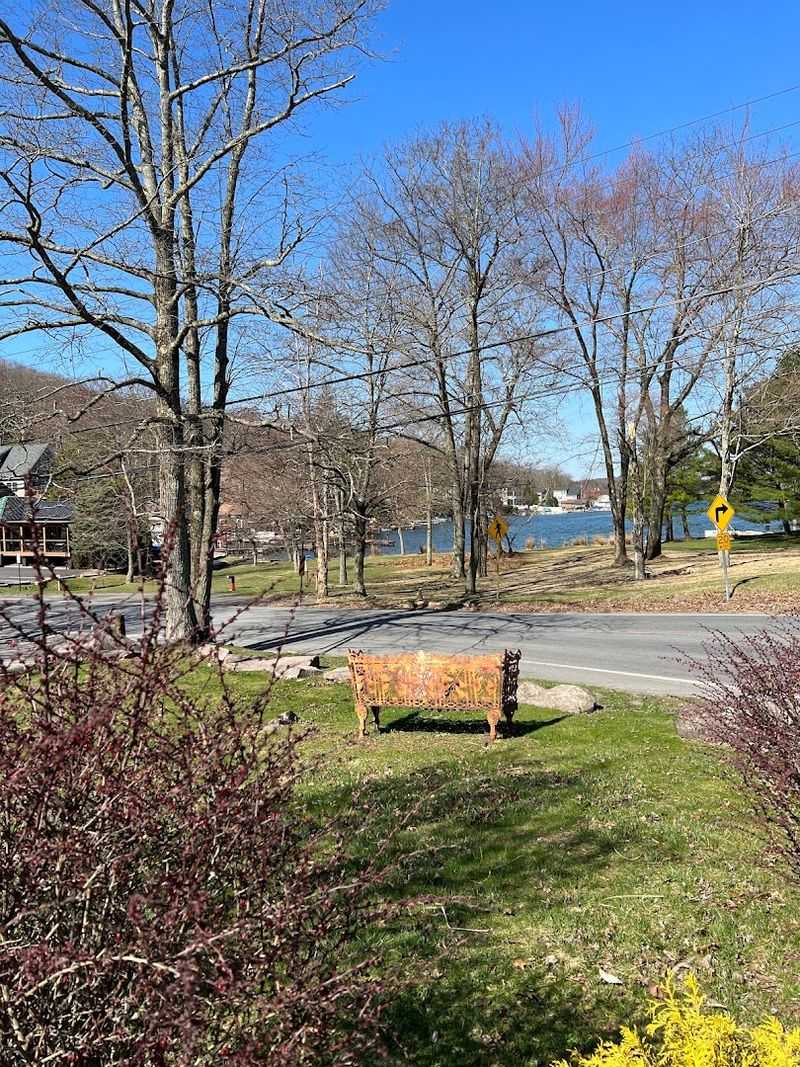
The Kidder Township Office at 10 Lake Harmony Road, Lake Harmony, PA 18624 is not a glamorous place, but it is an essential one.
This is where permits get issued, zoning questions get answered, and community meetings happen that actually shape what Lake Harmony looks like year after year.
The office handles everything from tree removal permits to short-term rental registrations, and the staff there have earned a reputation for being organized and genuinely helpful.
For a small municipal operation, that matters enormously.
Township meetings are open to the public, and they are where residents bring their concerns about traffic, noise, and development directly to elected officials.
For anyone who cares about what happens to this Pennsylvania lake community, staying connected to what the township is doing is one of the most practical steps available.
The Economic Upside That Makes This Complicated
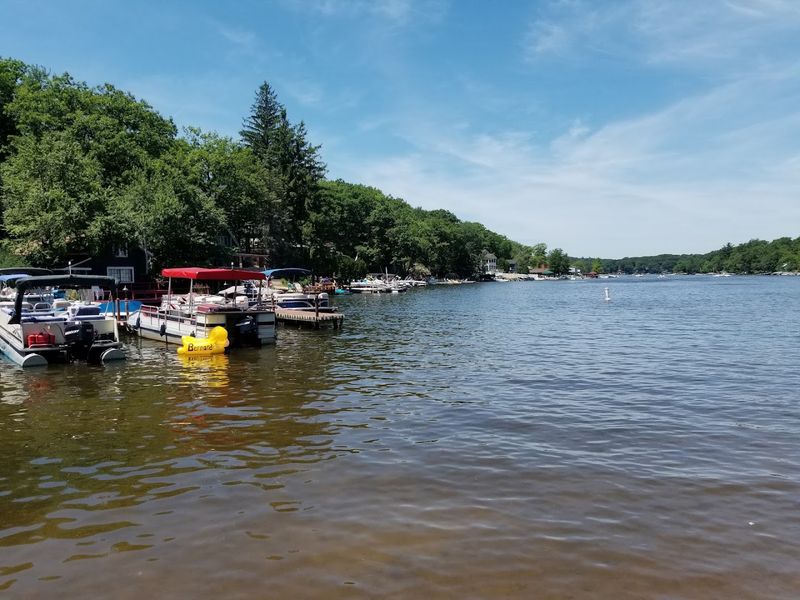
Here is the part that makes the overcrowding conversation genuinely complicated: the summer crowds bring real money into a region that has historically needed it.
Small businesses around Lake Harmony, from boat rentals to restaurants to local contractors, depend on peak season revenue to sustain year-round operations.
Property tax revenue from vacation homes and short-term rentals funds township services, including the very office that fields complaints about those same rentals.
That financial reality makes it difficult for elected officials to take aggressive action to limit visitor numbers.
Pennsylvania’s Pocono Mountains region has long relied on tourism as an economic engine, and Lake Harmony sits squarely in that tradition.
The challenge is finding a version of that economic relationship that does not gradually degrade the natural and community assets that attract visitors in the first place.
Getting that balance right is the defining challenge for this part of Pennsylvania right now.
How Year-Round Residents Are Coping
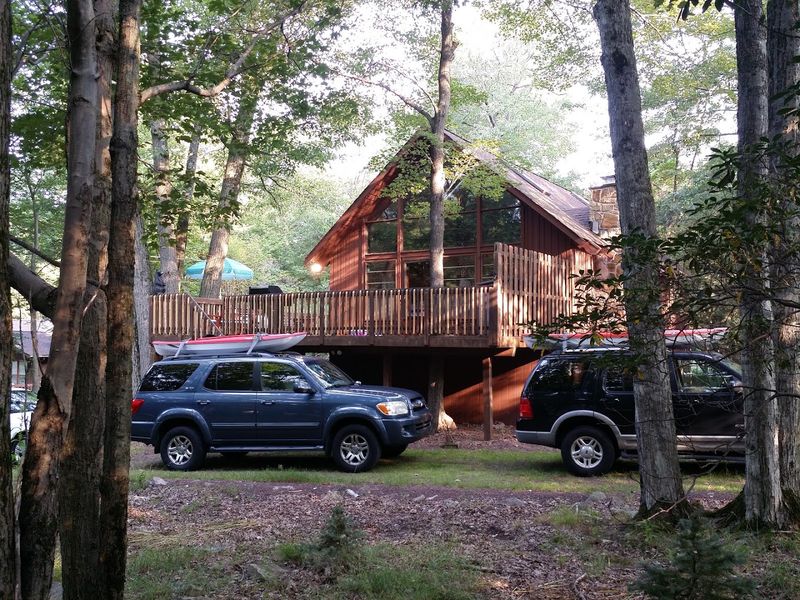
The people who live in Lake Harmony through January snowstorms and mud-season April can have a complicated relationship with summer.
Some chose this corner of Pennsylvania for its quieter setting, and peak visitor seasons can change the feel of a neighborhood quickly.
Coping strategies vary. Some residents avoid the busiest lake-area stretches on weekends, choosing back roads, home projects, or nearby parks until the crowds thin out after Labor Day.
Others have become more active in township governance, attending Kidder Township meetings and advocating for policies that protect residential quality of life.
Other property owners participate in the rental economy, working within township permit rules and association requirements.
There is no single community consensus about what Lake Harmony should become, and that tension plays out in township meeting rooms and neighborhood conversations every single season.
The community is figuring it out in real time as each busy season arrives again here.
What The Future Of Lake Harmony Might Look Like
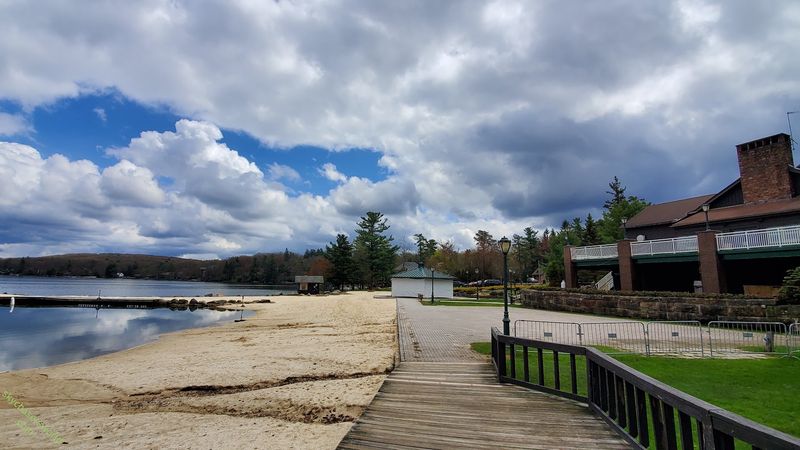
There are real examples from other Pennsylvania lake communities and small resort towns across the country that Lake Harmony can learn from.
But the local facts should stay clear: Kidder Township already regulates short-term rentals through permits, inspections, occupancy rules, parking plans, local contacts, and violation fines.
The township is a small operation, but it is not the only organization involved.
The Lake Harmony Group and Lake Harmony Watershed Preservation Group also play major roles in lake access, boating rules, stormwater work, water quality, and long-term preservation.
The honest truth is that Lake Harmony faces the same balancing act many beloved small Pennsylvania destinations have faced before. Some handled it well and preserved what made them special.
Others did not, and the thing that made them worth visiting slowly disappeared under the weight of its own popularity.
Which path Lake Harmony takes will depend on choices made by township officials, lake groups, homeowners, renters, businesses, and visitors themselves over the next several seasons ahead together.