
This Once-Laid-Back South Carolina Lake Town Is Buckling Under Its Summer Crowds
Some South Carolina towns grow slowly.
Others seem to change almost overnight.
Chapin is one of them.
For years, life here moved at an easy pace.
The roads stayed quiet.
The lake set the schedule.
That is no longer the whole story.
South Carolina has no shortage of charming small towns, but few have attracted as much attention in recent years as Chapin. More visitors are arriving.
More homes are being built. The summer crowds grow a little bigger each season, changing the rhythm of a town that once felt tucked away from it all.
That is what makes Chapin so fascinating.
It is still the South Carolina town people remember, but it is also becoming something new. The question is not whether it is changing.
It is how much longer it can hold onto the character that made people fall in love with it in the first place.
Lake Murray Is The Main Magnet Drawing Everyone In
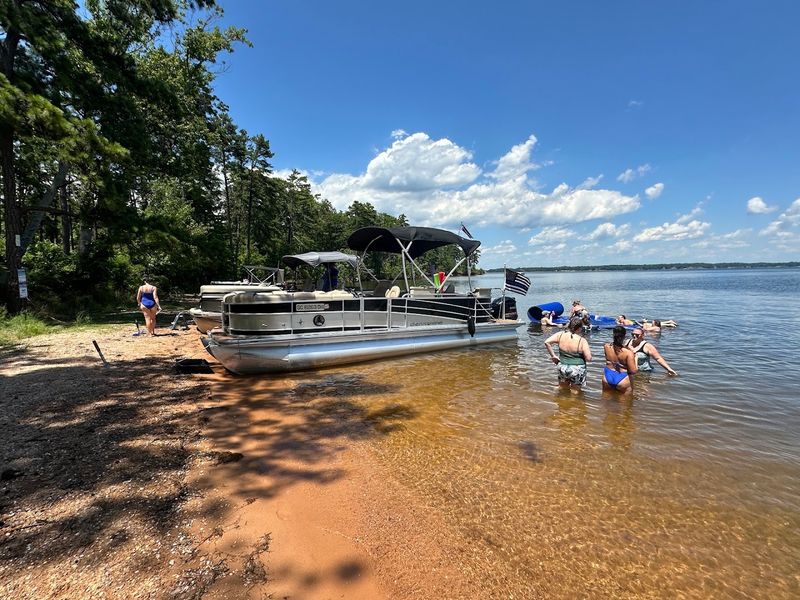
Stretching across more than 50,000 acres, Lake Murray is the centerpiece of everything happening in and around Chapin, South Carolina.
Built in the 1930s by damming the Saluda River, the reservoir was originally created to generate hydroelectric power, but it quickly became a playground for boaters, anglers, and swimmers across the region.
Today, the lake draws visitors from Columbia, Augusta, and beyond, especially when summer temperatures climb into the upper 90s and everyone suddenly needs a place to cool off.
The sheer size of Lake Murray means there is technically room for everyone, but the boat ramps, marinas, and shoreline access points near Chapin get overwhelmed on holiday weekends.
Parking lots fill up before 9 a.m., and frustrated visitors circle for spots that simply do not exist.
What was once a peaceful morning paddle for locals has turned into a crowded water highway of jet skis, pontoons, and fishing boats all competing for the same stretch of open water.
Population Numbers Tell A Surprising Story
At the 2020 census, Chapin recorded an official population of just 1,809 people, making it a genuinely small town by any measure.
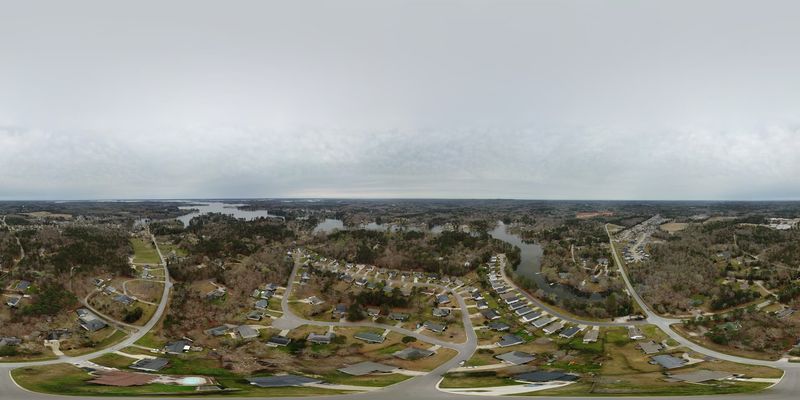
That number, however, tells only part of the story because the surrounding unincorporated areas of Lexington County have grown dramatically, pushing the real community footprint well beyond those census boundaries.
New subdivisions have sprouted along the roads leading into town, bringing thousands of additional residents who shop, eat, and recreate in Chapin even though they technically live outside it.
During summer weekends, the functional population of the Chapin area can feel ten times larger than that official count, straining roads, restaurants, and public facilities that were never designed for this kind of demand.
Local officials have struggled to keep infrastructure investment pace with this rapid growth, leaving longtime residents frustrated by traffic that now rivals what you might find in a mid-sized city.
For a town of fewer than 2,000 people, the pressure is genuinely remarkable.
Summer Holiday Weekends Have Become Almost Unrecognizable
Memorial Day, Fourth of July, and Labor Day used to mean quiet cookouts and lazy afternoons on the water for Chapin residents.
These days, those same weekends bring gridlock traffic on Highway 76, lines stretching out the doors of every restaurant in town, and boat ramps backed up for hours as visitors pour in from across South Carolina and neighboring states.
I arrived on a Saturday morning in July expecting a relaxed lakeside experience and instead found myself sitting in a line of SUVs and truck-and-trailer combos that stretched nearly a mile from the nearest public boat ramp.
Local business owners openly admit they love the revenue but quietly confess that the chaos has changed the character of their community in ways they did not fully anticipate.
Emergency services have also felt the strain, with response times on busy weekends sometimes stretching longer than usual because roads are simply too congested to navigate quickly.
The laid-back summer that old-timers remember now belongs mostly to memory.
Real Estate Prices Have Climbed Sharply Along The Shoreline

Owning a lakefront property on Lake Murray near Chapin once meant finding a reasonable deal on a modest cabin that a middle-class family could actually afford.
That era has largely passed.
Waterfront home prices in the Chapin area have surged over the past decade, with many lakefront properties now listing well above the million-dollar mark as buyers from larger cities seek out the lake lifestyle without relocating to a major metro area.
The influx of remote workers following 2020 accelerated this trend significantly, as professionals discovered they could trade a cramped city apartment for a lake house and still log on to their jobs every morning.
For longtime Chapin families who rent rather than own, the ripple effects have been painful, with rental rates climbing steadily and affordable housing options becoming increasingly scarce.
The town that once welcomed working families to the water has quietly become a place where the waterfront belongs to a much wealthier crowd than it once did.
Local Roads Were Simply Not Built For This Much Traffic
The road network around Chapin was designed for a quiet rural community, not for the volume of traffic that now rolls through every summer weekend.
Highway 76, which serves as the main artery connecting Chapin to the lake access points and the broader Lexington County road system, regularly turns into a slow-moving parade of vehicles on busy days.
Boat trailers are particularly problematic because they take up extra space, make turning difficult, and slow overall traffic flow to a crawl at intersections that were never engineered with them in mind.
Residents who simply need to run errands on a Saturday morning now plan their trips strategically, leaving early or waiting until evening to avoid the worst congestion.
South Carolina Department of Transportation has studied improvements to the corridor, but construction timelines and funding gaps mean meaningful relief is likely years away.
In the meantime, locals have learned to navigate their own town with the patience usually reserved for rush-hour commuters in a major city.
Restaurants And Shops Are Feeling Every Bit Of The Pressure
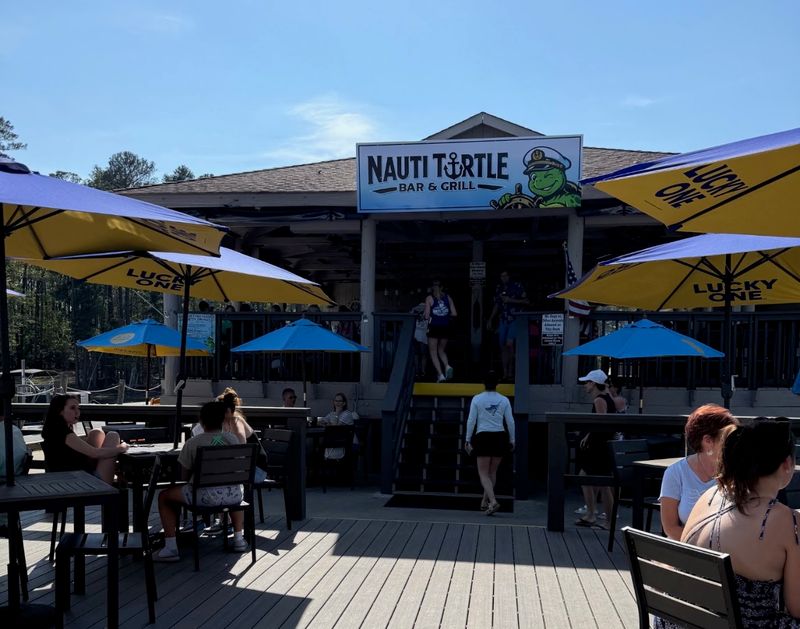
Ask any restaurant owner in Chapin about summer weekends and you will get a complicated answer that mixes gratitude with exhaustion.
The surge in visitors has been a financial boost for local businesses, with lakeside eateries reporting their strongest sales figures in years during the peak summer months.
At the same time, staffing those busy shifts has become a serious challenge, as the local labor pool is too small to meet the sudden spike in demand and workers from surrounding areas are not always willing to navigate the same traffic that frustrates everyone else.
Wait times at popular spots can stretch to an hour or more on busy weekends, and some restaurants have quietly started limiting their hours or closing certain days just to give their teams a chance to recover.
Small retail shops have seen a similar pattern, with strong summer sales followed by a sharp drop-off once the visitors disappear in the fall.
Building a sustainable business model around that kind of seasonal whiplash is genuinely difficult.
The Town’s Quiet Charm Is What Originally Put It On The Map
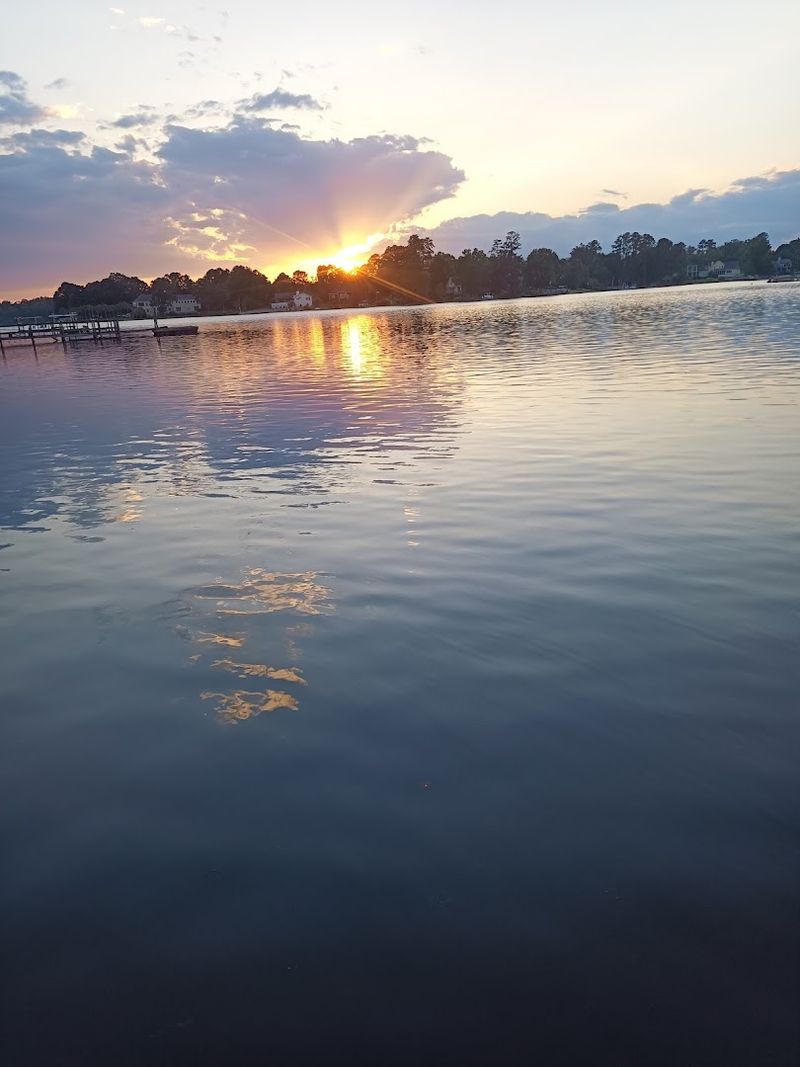
Before the crowds discovered it, Chapin had a reputation as one of those rare places where small-town life still felt genuinely unhurried.
People knew their neighbors, kids rode bikes without much supervision, and the pace of daily life moved at a rhythm that felt almost intentionally slow compared to nearby Columbia.
That reputation is exactly what made Chapin attractive to the first wave of newcomers, who arrived seeking precisely the calm that their own presence would eventually disrupt.
There is a certain irony in the fact that the town’s greatest asset, its relaxed and welcoming character, became the very thing that drew enough attention to put it under strain.
Long-term residents describe a subtle but real shift in the social fabric, noting that the sense of everyone knowing everyone has become harder to maintain as the community grows and new faces arrive faster than relationships can form.
Charm, it turns out, is a resource that can be stretched thin just like any other.
Osprey And Wildlife Are Competing With Jet Skis For Space
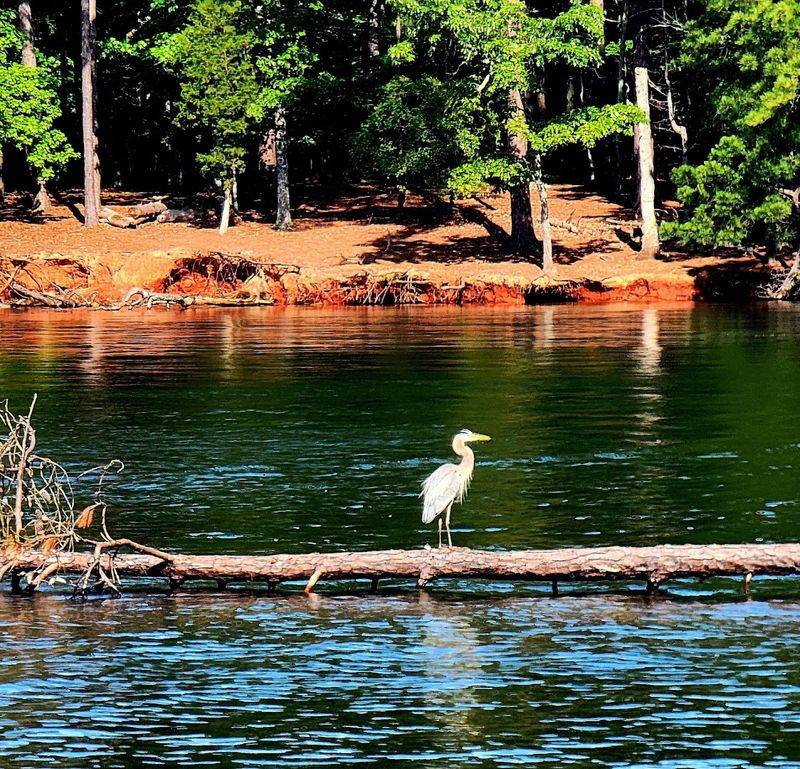
Lake Murray has long been celebrated as a remarkable habitat for birds and wildlife, including one of the largest populations of nesting ospreys on the East Coast.
The lake and its surrounding shores also support herons, eagles, and a wide variety of fish species that have made the reservoir a favorite among anglers for generations.
As boat traffic has intensified during summer months, conservationists and wildlife observers have raised concerns about the impact of noise, wake disturbance, and human activity on nesting birds and fish behavior near the shoreline.
Osprey nests built on channel markers and navigation buoys are particularly vulnerable during peak boating season, when constant traffic near the structures can stress nesting pairs and reduce breeding success.
South Carolina Department of Natural Resources manages the lake and has established some no-wake zones near sensitive areas, but enforcement across a 50,000-acre reservoir is a genuine challenge.
The wildlife that made the lake special is now quietly sharing space with a crowd that grows larger every year.
Nearby Columbia Keeps Sending Its Weekenders This Way
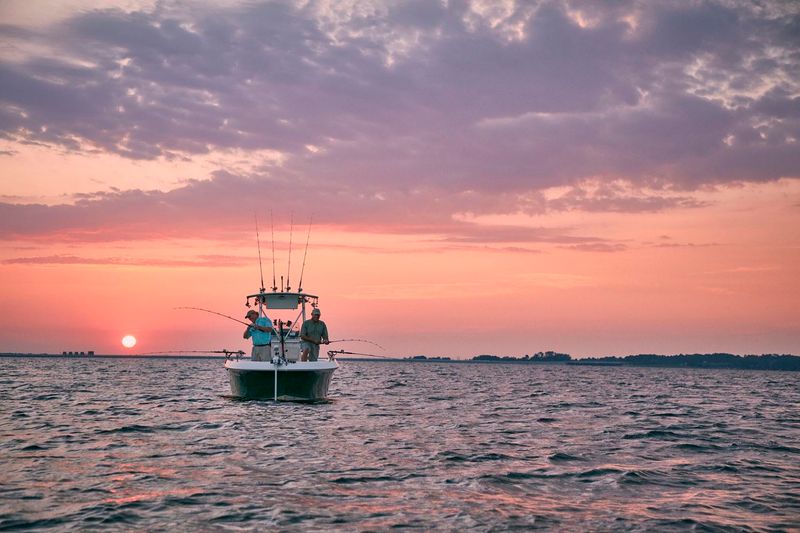
Sitting just 24 miles northwest of Columbia, Chapin is close enough to South Carolina’s capital city to make it an effortless day trip for anyone craving water and open space.
That proximity has always been part of its appeal, but the relationship between Columbia and Chapin has shifted as the capital city has grown and its residents have increasingly looked outward for weekend relief.
The Columbia metro area now holds well over 800,000 people, and a meaningful portion of them have discovered that Lake Murray and the Chapin area offer the closest thing to a lakeside retreat without a long drive.
On Friday afternoons in summer, the westbound traffic on Interstate 26 and connecting roads toward Chapin swells noticeably as city dwellers load up coolers, kayaks, and lawn chairs and head for the water.
What this means for Chapin is a reliable weekly influx of visitors who arrive energized and leave the town scrambling to absorb the impact.
The capital’s growth has become Chapin’s most persistent seasonal challenge.
Long-Time Locals Are Navigating A Town They Barely Recognize
Spend any time talking to people who have lived in Chapin for twenty or thirty years and a consistent theme emerges: the place they fell in love with is harder to find than it used to be.
They are not hostile to newcomers or visitors, and most are genuinely glad to see their community thriving economically.
What they mourn is something more subtle, the easy familiarity of a place where the grocery store line was short, the lake felt like a shared backyard, and summer weekends were something to look forward to rather than endure.
Several longtime residents have quietly relocated further out into Lexington County, trading proximity for the peace they remember, while others have simply adjusted their routines to avoid the busiest times and places.
Community meetings in Chapin have become livelier affairs in recent years, with debates over development, infrastructure, and growth management drawing bigger crowds than local officials are accustomed to handling.
The town is searching, in real time, for a version of itself that can hold onto what made it special while making room for everyone who wants a piece of it.