
This Once-Quiet Arkansas Lake Town Is Buckling Under Its Summer Crowds
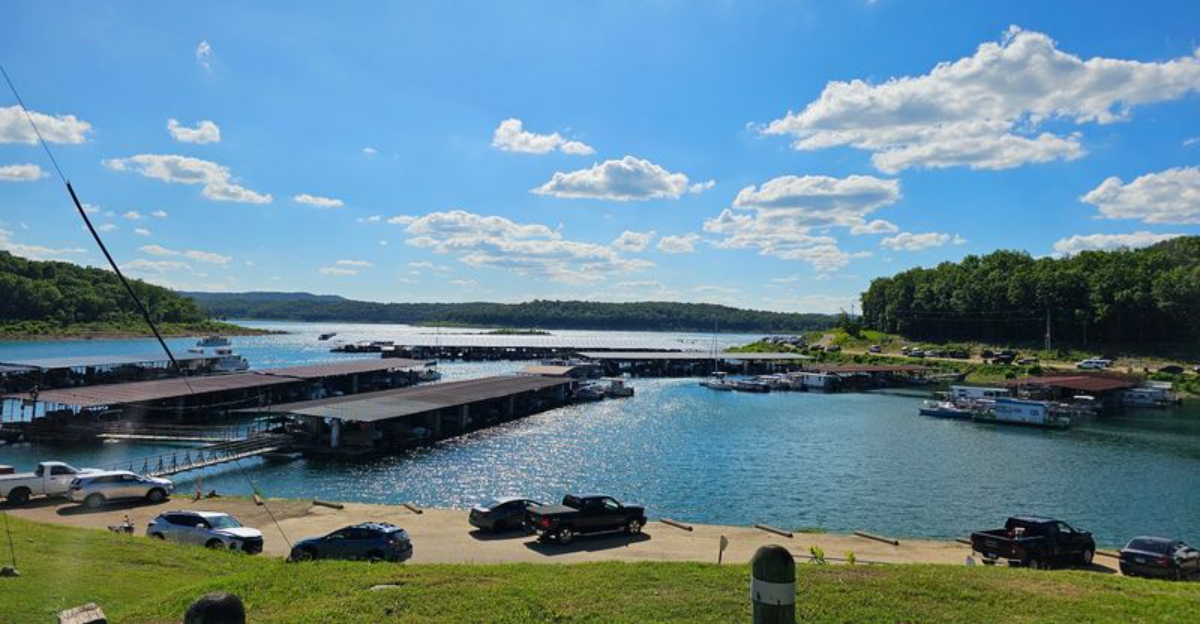
Summer used to arrive quietly here. Anglers launched early, neighbors moved at an easy pace, and the lake rarely felt crowded.
That rhythm has changed. Warm weekends now bring packed boat ramps, busy docks, and a steady stream of visitors chasing clear water beneath the Ozark hills.
The town still looks peaceful at first glance, but the growing buzz is hard to miss once the day gets moving. Cars begin arriving before breakfast.
Boats spread across the water by midday. Familiar shoreline spots suddenly feel far less private than they did a few years ago.
This corner of Arkansas has become one of those places people hear about once, save immediately, and visit as soon as summer opens up. Locals may miss the quieter days, yet the appeal is obvious.
The scenery feels expansive, the water invites long afternoons, and every overlook makes the trip seem completely worthwhile this season.
Summer Energy Reaches The Lakefront
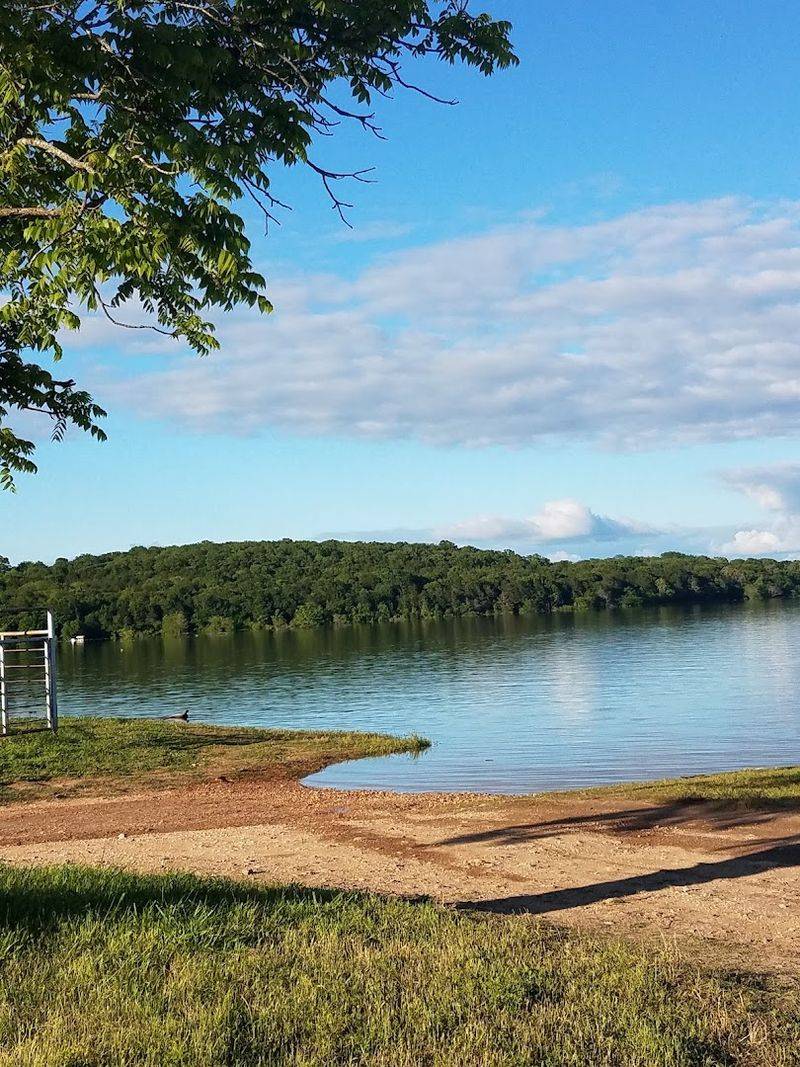
Bull Shoals Lake did not use to feel like a headline.
For years, it attracted a loyal crowd of anglers and retirees who liked the quiet, but summer has changed the math considerably.
Boating, waterskiing, wakeboarding, kayaking, canoeing, and even scuba diving have all become regular sights on the water, turning a once-sleepy shoreline into a buzzing outdoor playground.
The lake sits in the heart of the Ozark Mountains, and that scenic backdrop gives every activity an almost unfair advantage over flatwater alternatives.
Weekends in July can feel like a different town entirely, with parking lots filling early and boat launches moving at a steady clip from sunrise onward.
Families with kids, couples on long weekends, and solo adventurers with kayak racks all seem to be pointing their GPS toward the same zip code.
The lakefront energy is now one of the first things visitors notice when they arrive in Bull Shoals, Arkansas.
A Small Town Built Around The Water
Most towns grow toward water over time, but Bull Shoals was essentially born from it.
Real estate developers C. S.
Woods and C. S.
Woods Jr. laid out the town in 1954, timed almost exactly with the completion of the nearby dam that created the lake itself.
The geography here is genuinely unusual: the town is bordered on three sides by clear, deep, man-made Bull Shoals Lake, which means you are never far from a waterfront view no matter where you stand.
With a 2020 census population of 1,952, this is not a place that mistakes itself for a city.
It functions primarily as a retirement and vacation hub, drawing people who want access to outdoor recreation without the noise and pace of a larger community.
Small-town charm is not a marketing phrase here; it is a practical description of how the streets, shops, and neighbors actually operate.
The town feels purpose-built for a slower kind of living, and that original intention still shapes every corner of Bull Shoals, Arkansas 72619.
The Dam Creates A Striking First Impression
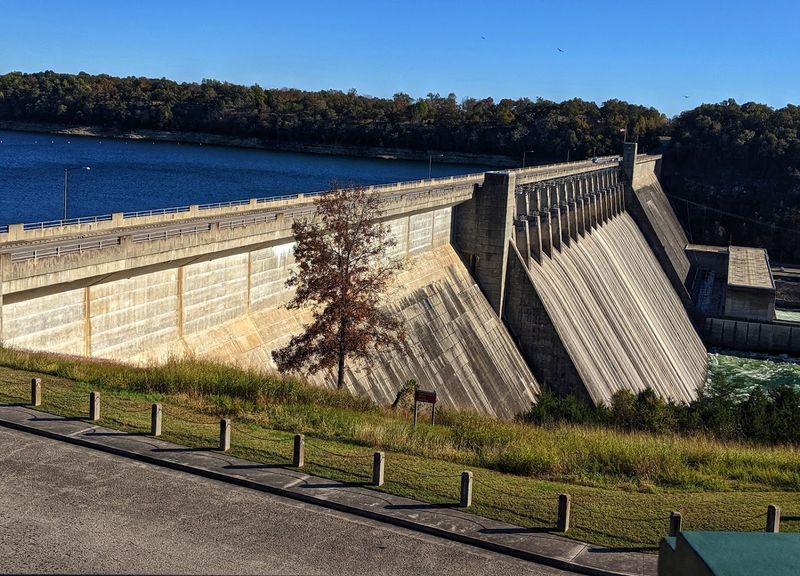
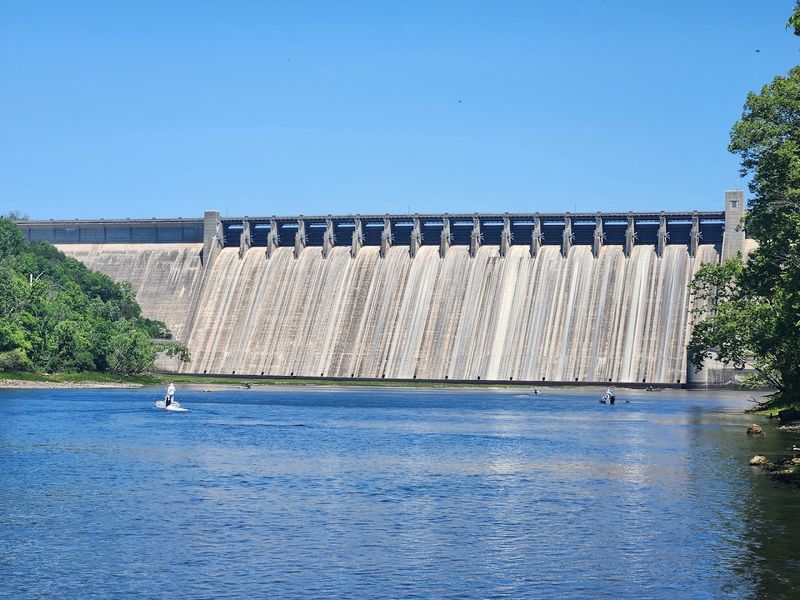
The scale of the Bull Shoals Dam becomes clear the first time you see it up close.
Standing 256 feet tall and stretching 2,256 feet across the White River, it ranked among the largest concrete structures in the world when construction wrapped up in 1951.
Work began in 1947, and the project represented a serious federal investment in both flood control and hydroelectric power generation for the region.
The dam sits approximately ten miles west of Mountain Home, Arkansas, and it draws curious visitors who might not have come specifically to see it but end up staying longer than planned.
The James A. Gaston Visitor Center sits above the dam and offers an observation deck with broad views of the structure, lake, and White River below.
The engineering ambition behind this structure is still easy to read in every massive concrete face and carefully engineered channel.
Most people expect a lake view when they visit; the dam gives them something much more dramatic to talk about on the drive home.
Clear Water Opens Toward The Ozark Hills
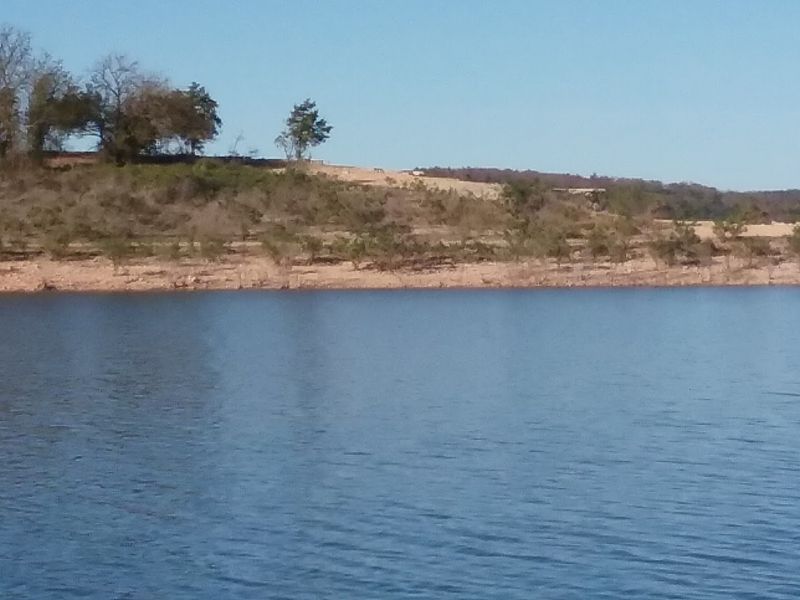
The nickname “Caribbean of the Midwest” sounds like tourism-brochure optimism until you actually look down into Bull Shoals Lake.
Underwater visibility regularly reaches 20 to 30 feet, a clarity level that most inland lakes simply cannot match.
The lake covers roughly 45,000 acres and sits cradled within the Ozark Mountains, so the views in every direction feel layered and generous.
Rolling forested hills reflect off the surface, and the shoreline stays largely undeveloped thanks to a buffer zone managed by the Army Corps of Engineers.
That protected undeveloped edge is part of why the water stays so clean and why the landscape still looks the way it does rather than being lined with commercial development.
Snorkeling and scuba diving here attract people who do not expect that kind of experience in a landlocked state, and first-timers tend to come out of the water with wide eyes and a long list of questions about visibility conditions.
The combination of clean water, mountain scenery, and forested shores makes this lake feel genuinely set apart from the typical Midwest reservoir experience.
Boat Docks Fill The Quiet Shoreline
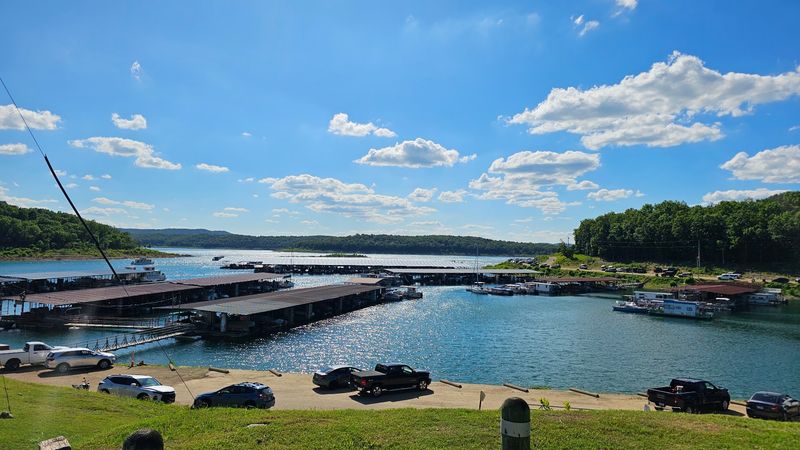
Over 1,000 miles of shoreline sounds almost impossible until you study a map of Bull Shoals Lake and trace every cove, inlet, and arm branching off the main body.
At full flood control pool, that number stretches to 1,050 miles, giving the lake more navigable edge than most visitors ever fully explore.
Marinas are spread across this shoreline in a way that makes access practical from multiple directions, with options like Pontiac Cove Marina, Sugarloaf Harbor Marina, Lakeview Cove Marina, Highway 125 Marina, and Buck Creek Marina all offering boat and slip rentals.
Most of these facilities stock fuel, bait, and tackle, so you do not need to haul everything from home to get out on the water properly equipped.
Summer weekends push these docks to capacity, with pontoon boats, ski boats, and fishing rigs all jostling for position at launch ramps by early morning.
The marina culture here is friendly but busy, with regulars claiming their favorite spots while newcomers figure out which cove best matches their plans for the day.
Every dock tells a small story about how seriously this town takes its relationship with the water surrounding it.
High Overlooks Reveal The Full Landscape
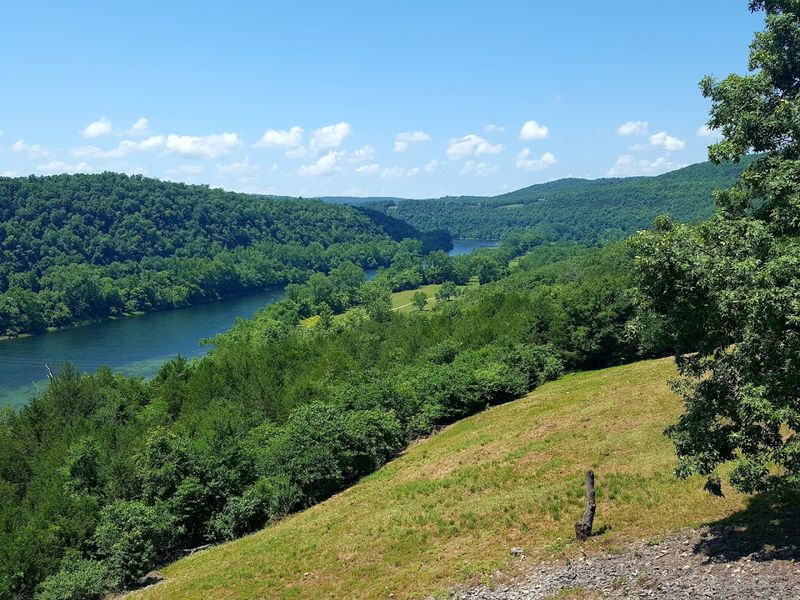
A higher vantage point changes everything about how you understand Bull Shoals Lake.
The James A. Gaston Visitor Center at Bull Shoals-White River State Park sits on an elevated point directly above the dam, with sweeping views of the White River, the dam structure, and the lake stretching into the Ozark hills beyond.
State park hiking trails lead to additional overlooks where you can take in the landscape at your own pace.
For a wider view, the visitor center’s observation tower and deck reveal much of the surrounding lake, river, and Ozark terrain.
That kind of elevation puts the full scale of the lake and surrounding landscape into perspective in a way that no map or photograph fully captures.
I found myself standing at one of these overlooks longer than I planned, just slowly piecing together the geography I had been moving through at water level all morning.
From up here, the lake looks less like a destination and more like an entire world laid out below you, patient and impossibly blue.
The River Below Feels Like Another World
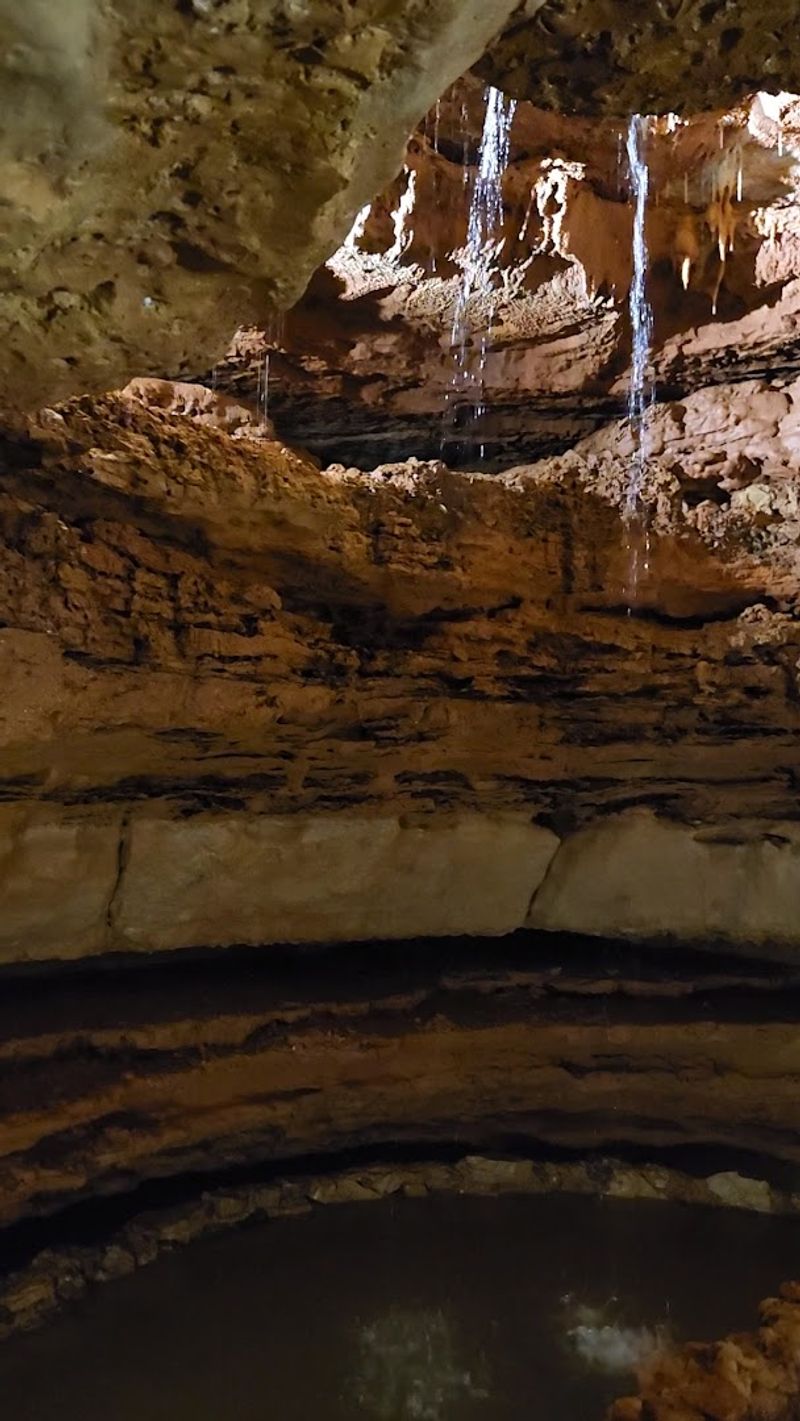
Step down from the lake and cross to the downstream side of the dam, and the atmosphere shifts in a way that feels almost theatrical.
The White River below Bull Shoals Dam runs cold year-round at a consistent temperature near 50 degrees Fahrenheit, fed by deep reservoir water released through the dam’s eight generators.
That controlled chill creates a tailwater fishery that supports rainbow, brown, cutthroat, brook, and tiger trout, making this one of the most respected trophy brown trout destinations on the planet.
Water levels fluctuate based on generator releases, so fishing conditions can change from one hour to the next, which keeps anglers attentive and guides busy explaining the rhythm of the river.
Much of the best water requires a boat, and specialized White River Jon Boats along with drift boats have become part of the local identity down here.
Some stretches allow wading during low flows, but the river rewards those who take the time to learn its patterns rather than just showing up and hoping for the best.
Few rivers in Arkansas carry this kind of international reputation packed into such a short stretch of cold, clear water.
Local Streets Still Hold Their Laid-Back Character

Away from the docks and the overlooks, Bull Shoals moves at its own pace and does not apologize for it.
The streets stay quiet in a way that feels intentional, like the town made a collective decision long ago to resist the kind of frantic development that swallows other popular lake destinations.
Essential services are all here: grocery stores, banks, a pharmacy, churches, local retail shops, and dining options that keep residents comfortable without requiring a long drive into Mountain Home for basics.
The median age of the population sits at 50.2 years as of a 2026 estimate, which tells you something about the pace and priorities of daily life in this community.
What stands out more than any single business or landmark is the fact that Bull Shoals has been recognized as an Arkansas Volunteer Community of the Year on multiple occasions, which points to a genuinely engaged and connected local population.
Summer crowds test that laid-back character every year, but the town keeps its footing with a kind of quiet stubbornness that longtime residents seem to wear with pride.
By September, when the visitors thin out, the streets return to their natural rhythm, and Bull Shoals remembers exactly who it is.