
This Oregon Town’s Famous Cinematic Legacy Adds To Its Natural Charm And Adventure
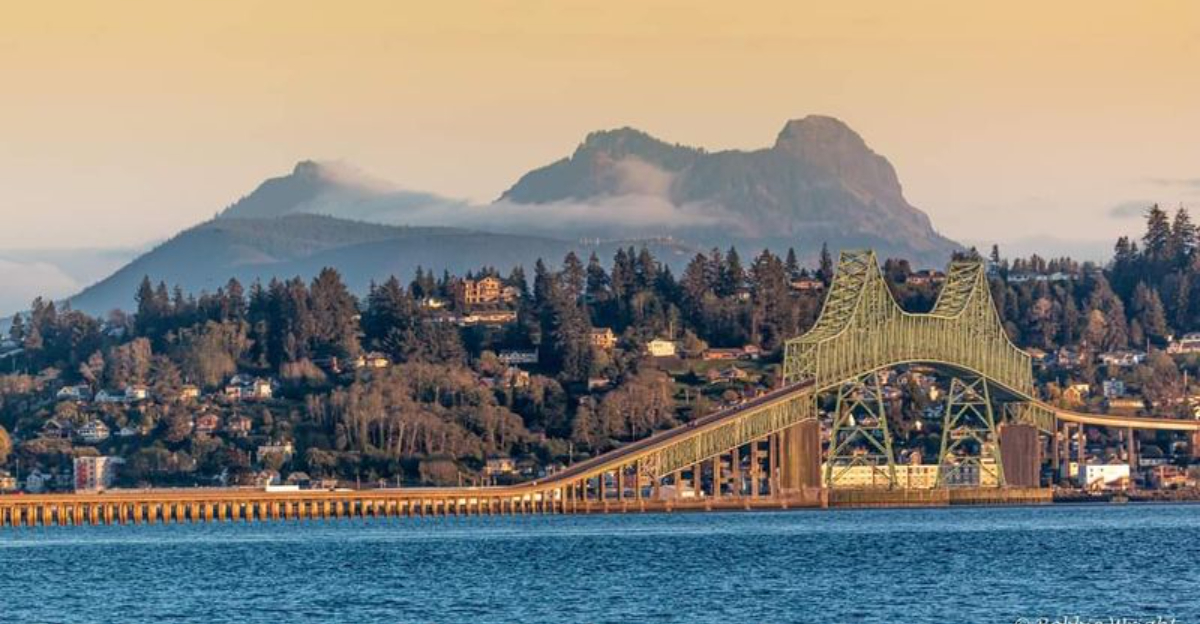
There’s a place on the Oregon coast where colorful Victorian houses cling to steep hills, fishing boats drift along a massive river, and the salty Pacific air makes every walk feel like the opening scene of an adventure movie. Literally.
One very famous 80s treasure-hunting film was shot here, and honestly, the town still carries that same scrappy, storybook energy today.
It’s the kind of place where mist rolls over the water in the morning, sea lions bark somewhere in the distance, and every corner looks like it belongs on a postcard. Small-town charm? Absolutely.
But there’s also something a little wilder here. Windswept coastlines, towering bridges, historic streets, and endless ways to explore.
In other words, it’s not just pretty. It’s alive.
And once you spend a little time wandering its streets and waterfront, it becomes very clear why this coastal gem is the perfect blend of nature, charm, and adventure.
Views That Make Your Jaw Drop
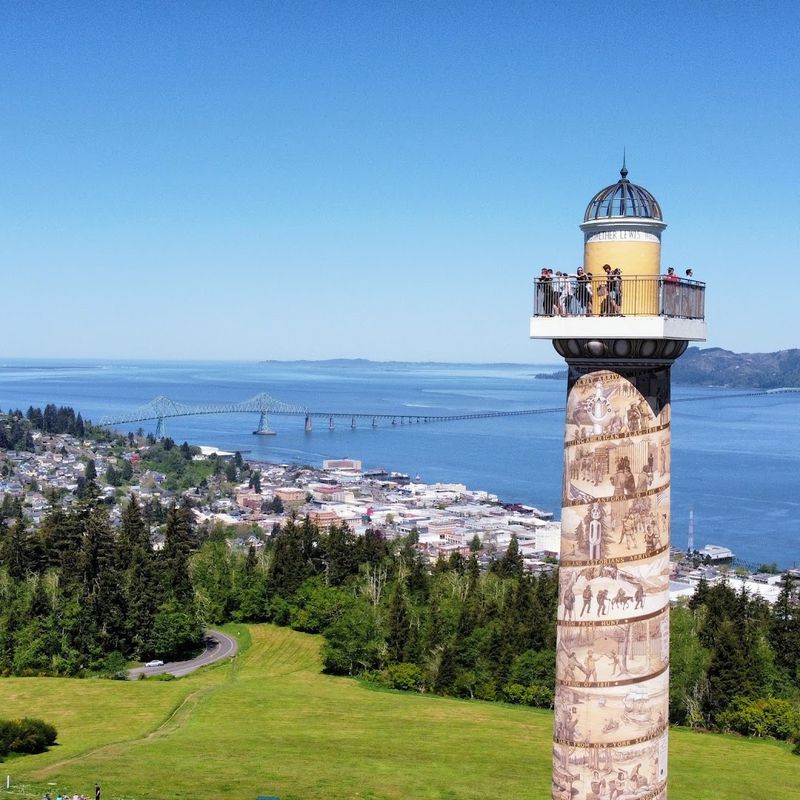
Standing at the top of Coxcomb Hill and looking out over the Columbia River felt like standing at the edge of the whole world. The Astoria Column rises 125 feet into the Oregon sky, covered in a stunning spiral frieze that tells the story of westward exploration from the days of the Lewis and Clark Expedition all the way through early settlement.
I circled that artwork slowly before even thinking about climbing, because the detail is genuinely breathtaking up close.
The 164 steps inside are a bit of a workout, but every single one is worth it. When I pushed open the door at the top, the wind hit me first, and then the view swallowed me whole.
Rolling green hills, the wide silver ribbon of the Columbia River, the faint outline of Washington State across the water, and the Pacific Ocean shimmering in the distance, all of it spread out like a living map beneath my feet.
For a small fee, you can buy a balsa wood glider at the base and launch it from the top, which I absolutely did, and it was one of the most joyful things I’ve done as an adult.
The Column was built in 1926 as a joint project between the Great Northern Railway and the city, and it still feels like a proud landmark worth every step of the climb. Astoria’s best view is waiting for you right here.
Where Lewis And Clark Wintered In The Wild
History has a way of hitting differently when you’re actually standing in the place where it happened.
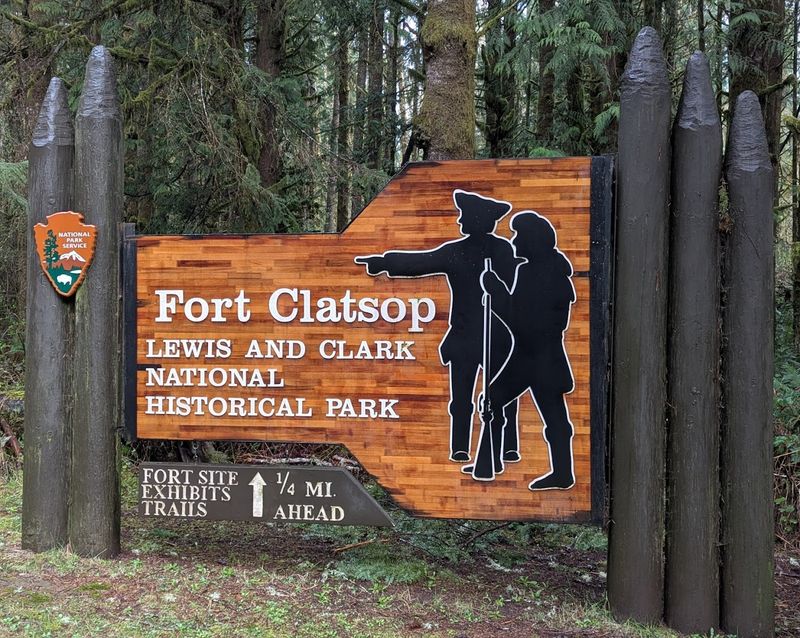
Fort Clatsop is part of the Lewis and Clark National Historical Park, and it marks the spot where the Corps of Discovery spent the winter of 1805 to 1806 after completing their legendary cross-country expedition.
Walking through the reconstructed wooden fort, I kept thinking about how extraordinary it must have been to survive that journey and land here, at the edge of the continent.
The park rangers had the whole site set up in a way that made the history feel alive rather than dusty. The log structures are faithful recreations of the original fort, and stepping inside the small, dim rooms gave me a genuine sense of what that winter must have felt like.
Wet, cold, and full of purpose. The surrounding forest is thick and green and ancient-feeling, which adds to the atmosphere in a big way.
There are several trails winding through the park, including a path down to the canoe landing on the Lewis and Clark River, which I highly recommend taking.
The whole experience is surprisingly moving, and not just in a textbook kind of way. It reminded me that real adventure has always involved discomfort, determination, and a whole lot of hope.
Fort Clatsop earns its place as one of the most meaningful stops in the entire Pacific Northwest, full stop.
A Waterfront Stroll With Real Personality
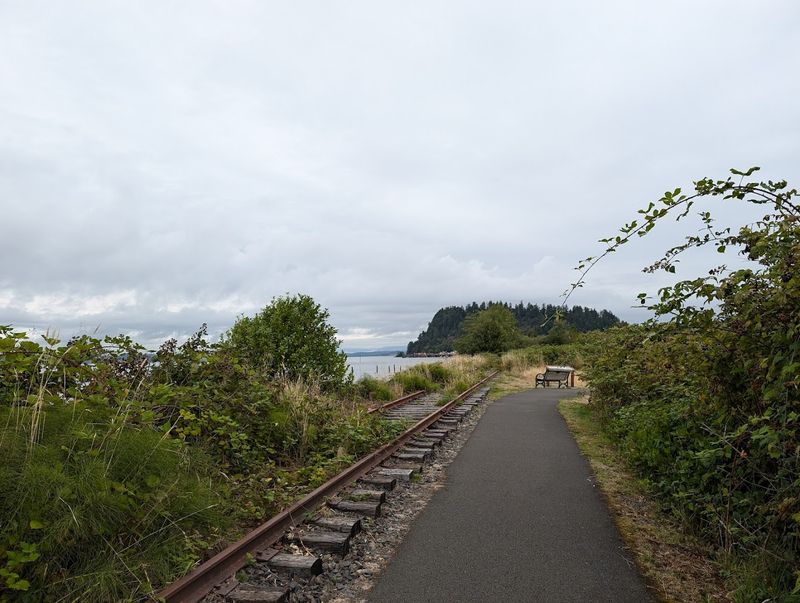
Some waterfront promenades feel like they were designed by a committee trying to please everyone. The Astoria Riverwalk felt like it was designed by someone who actually loved this town and wanted visitors to feel that love too.
Stretching about six miles along the Columbia River, the Riverwalk connects the historic downtown area with the working waterfront, and every section of it has its own distinct vibe.
I rented a bike and cruised the whole length on a foggy morning, which turned out to be the perfect weather for it.
The mist rolling off the river gave everything a moody, cinematic quality, like I had wandered onto the set of a really atmospheric film. Old cannery buildings, fishing boats, sea lions barking on the docks, and the occasional vintage trolley rumbling past, this place does not lack for character.
The sea lions are a genuine highlight and a bit of a local institution.
They lounge on the old Pier 39 docks with absolutely zero concern for anyone watching them, which I found deeply relatable. There are also several great spots along the walk to grab food and sit by the water, making it easy to turn a quick stroll into a full half-day adventure.
The Riverwalk reminded me that a town’s personality lives in its everyday places, and Astoria’s personality is warm, salty, and completely original. I walked it twice just to make sure.
The Kind Of Beautiful That Stops You Cold
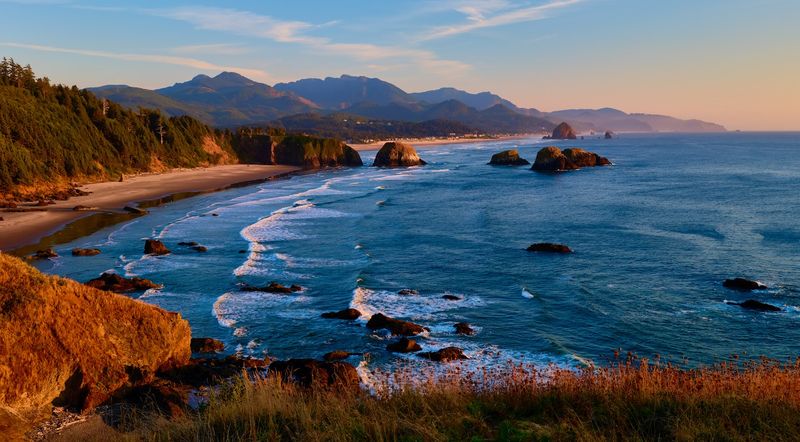
There are places in the world that make you forget what you were thinking about before you arrived, and Ecola State Park is one of them. Located just south of Astoria near the town of Cannon Beach, this park is the kind of coastal scenery that people fly across the world to see, and it’s right here in Oregon being quietly magnificent.
I pulled into the parking area, walked about three minutes down the trail, and genuinely stopped in my tracks.
The views from Ecola Point are absolutely staggering. Forested headlands drop sharply into the Pacific, waves crash against sea stacks, and on a clear day you can see Tillamook Rock Lighthouse sitting alone out in the water like a stubborn little island fortress.
The park has multiple trails ranging from easy walks to more challenging hikes, and I spent most of a morning exploring the Indian Beach area, which felt almost impossibly lush and green.
Fun fact that made me love this place even more: Ecola State Park appeared in The Goonies, which was filmed in the Astoria area, and also in Twilight, making it something of a movie star in its own right.
But no film has ever fully captured how it feels to stand there with the wind in your face and the ocean spread out before you. Ecola is the kind of place that resets something inside you, and I left feeling lighter than I arrived.
Victorian Grandeur With A River View
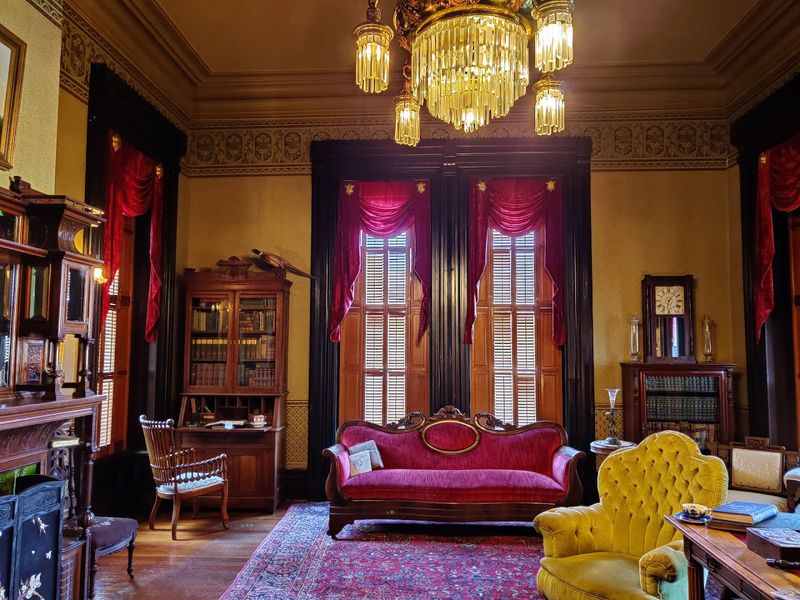
Captain George Flavel was clearly not a man who did anything halfway. The Flavel House Museum is one of the finest examples of Queen Anne Victorian architecture in the Pacific Northwest, and the moment I turned the corner and saw it rising above the street, I understood why it’s become one of Astoria’s most beloved landmarks.
Built in 1885 for the Columbia River’s first licensed bar pilot, the house is a full-on architectural statement wrapped in painted wood and elaborate trim.
Touring the interior felt like stepping into a time capsule that someone had lovingly maintained for over a century.
The rooms are filled with period furnishings, personal artifacts, and enough ornate detail to keep your eyes busy for a long time. The woodwork alone is worth the price of admission, and the carriage house out back adds another layer of historical texture to the whole experience.
What struck me most was the location. The house sits at a point in Astoria where you can actually see the Columbia River from the upper floors, which must have been an extraordinary thing to look out at during the height of the river’s commercial activity in the late 1800s.
The Clatsop County Historical Society does a wonderful job of keeping the history alive and accessible here. If you have any appreciation for architecture, local history, or just genuinely beautiful old buildings, the Flavel House will absolutely deliver.
History Meets Coastal Adventure
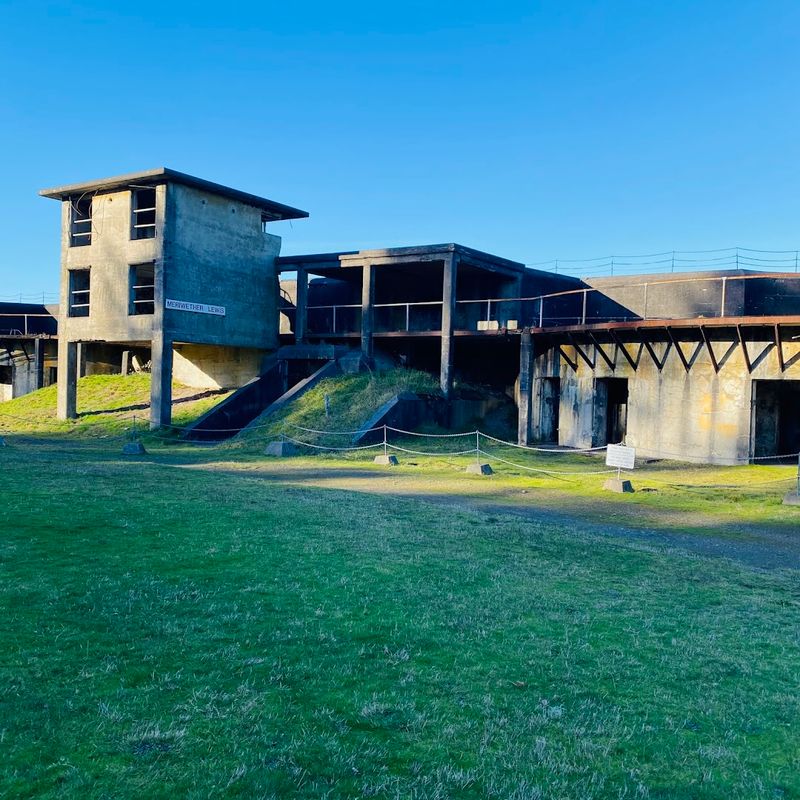
Fort Stevens is the kind of place where you can explore a Civil War-era military fort in the morning and walk on a dramatic ocean beach by afternoon, which is a combination I did not know I needed until I experienced it.
Located at the very tip of Oregon’s northwest corner, Fort Stevens State Park covers more than 4,000 acres and packs in more variety than most parks three times its size. I arrived with no real plan and ended up spending almost an entire day there.
Walking through the concrete bunkers and gun batteries, I kept imagining what it must have been like to be stationed at the edge of the continent during wartime. The ruins have a haunting, dramatic quality that photographs really do not capture.
The wreck of the Peter Iredale is one of the park’s most photographed attractions, and for good reason. The rusted skeleton of this 1906 shipwreck juts out of the sand at the beach like something from a dream, surrounded by open sky and crashing surf.
I sat beside it for a long time, watching the waves come in, and thought about how many stories this coastline holds. Fort Stevens earns every bit of its reputation as one of Oregon’s great parks.
Unexpectedly Delicious At Every Turn
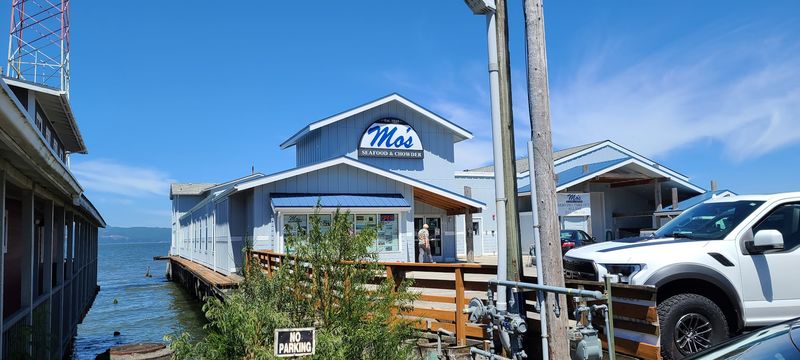
Nobody warned me that Astoria would be a serious food town, and I think that’s part of what made it so exciting to discover. Walking downtown for the first time, I expected a few decent options and maybe a solid fish and chips spot.
What I found instead was a genuinely vibrant food scene with creative restaurants, great coffee, and some of the freshest seafood I’ve eaten anywhere on the West Coast. Astoria, you sneaky overachiever.
The Columbia River and Pacific Ocean location means the seafood here is as local and fresh as it gets. I had Dungeness crab that tasted like it had been pulled from the water that morning, because it probably had been.
Smoked salmon showed up in multiple forms across multiple meals, and I had zero complaints about any of it. The town’s food culture has a Pacific Northwest sensibility, meaning quality ingredients treated with real care and creativity.
Beyond seafood, Astoria’s coffee culture is worth calling out specifically.
The town has a handful of independent coffee shops that take their craft seriously, and starting a morning with a well-made pour-over while watching the river fog burn off the water is one of those simple pleasures that somehow feels profound.
The food scene here is a reflection of the town itself: unpretentious, creative, rooted in its environment, and full of genuine character. Astoria fed me well in every sense of the word, and I’m still thinking about that crab.
A Pilgrimage For Movie Lovers
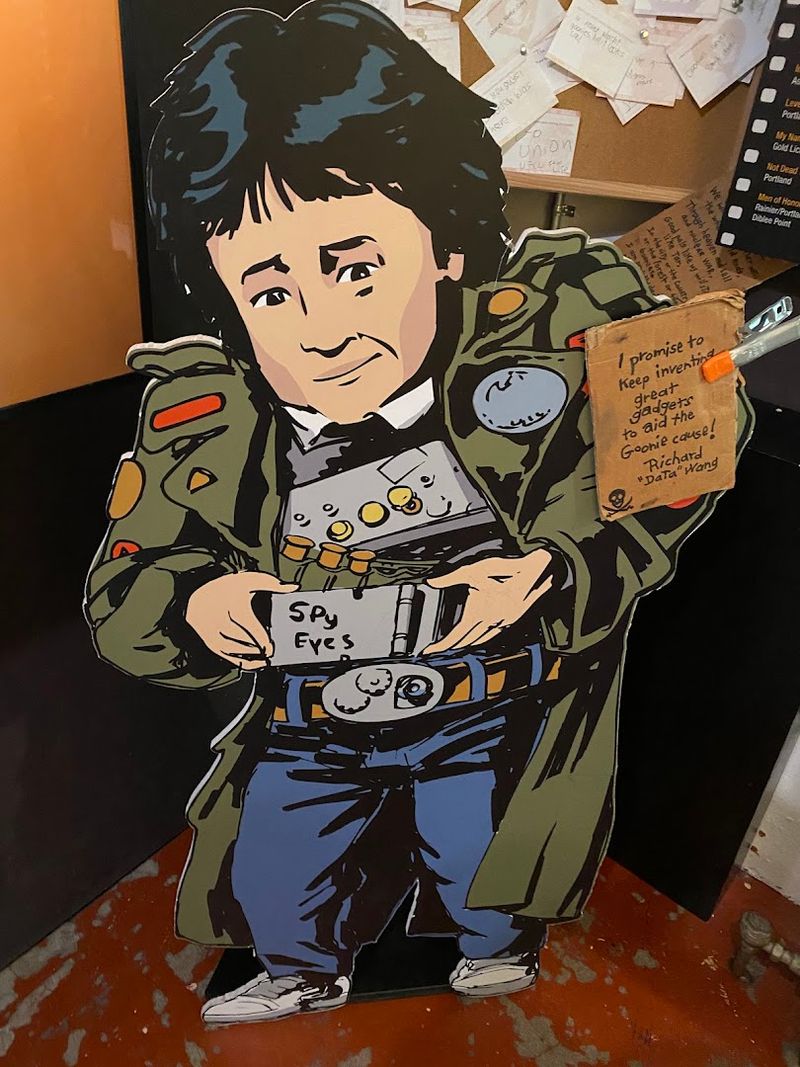
Okay, I’ll admit it: visiting the Goonies House was on my list before I even knew much else about Astoria. The 1985 film is one of those movies that lives rent-free in the heads of an entire generation, and the house where Mikey and Brand Walsh lived is a real, actual, standing structure on a hillside in Astoria.
I drove up, parked the car, and sat there for a moment feeling a very specific kind of happy that only certain childhood memories can produce.
The house itself is a beautiful Victorian-style home perched on 38th Street with a sweeping view of the Columbia River below.
The current owners have embraced the home’s fame with warmth, and there’s a small display of Goonies memorabilia visible from the outside. You’re not able to go inside, and honestly, standing in front of it is enough.
The view from that hill is spectacular on its own, and the surrounding neighborhood has a genuine storybook quality that makes perfect sense for a film about buried treasure and unlikely heroes.
What made the visit feel extra special was the way Astoria as a whole leans into its Goonies legacy without being cheesy about it.
There are other filming locations scattered around town, and picking them out while exploring became a fun little game throughout my stay.
The Goonies House is a love letter to cinematic nostalgia, and standing in front of it felt like finishing a sentence I started watching that film as a kid. Hey, you guys.
Astoria’s Historic Downtown
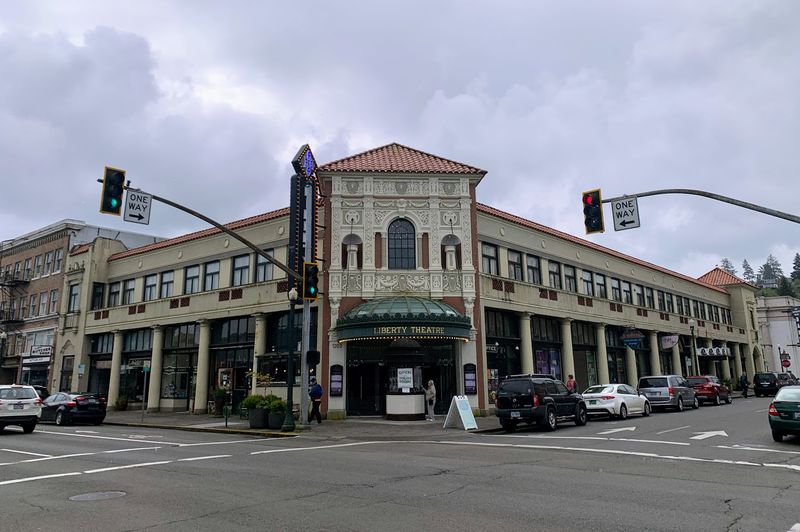
There’s a particular feeling that comes from walking through a downtown that hasn’t been polished into a theme park version of itself, and Astoria’s historic core has that feeling in abundance.
The streets are lined with well-preserved Victorian and early 20th-century buildings, shops, galleries, and cafes that belong to this specific place and not to any generic main street formula. I spent a full morning just wandering with no destination in mind, which turned out to be the best decision I made all trip.
The architecture alone is worth slowing down for. Ornate facades, original signage, and the occasional beautifully restored building front give downtown Astoria a visual richness that rewards attention.
The town sits on a series of steep hills, so walking even a few blocks in certain directions involves a climb, which means the views keep changing and surprising you as you move through the streets.
Local shops here carry things you won’t find anywhere else: handmade goods, regional art, books about Pacific Northwest history, and an assortment of Goonies merchandise that ranges from tasteful to gloriously over-the-top.
The whole downtown area has an energy that feels both lived-in and alive, like a community that genuinely enjoys its own existence. Astoria’s downtown reminded me why small towns with strong identities are some of the most rewarding places to explore.
Have you ever walked through a place and thought, I could actually live here? That’s what Astoria in Oregon did to me, and I wasn’t even looking for a new hometown.