
This Peaceful Arizona Town Offers Big Skies, Trout Fishing, And A Touch Of Frontier Charm
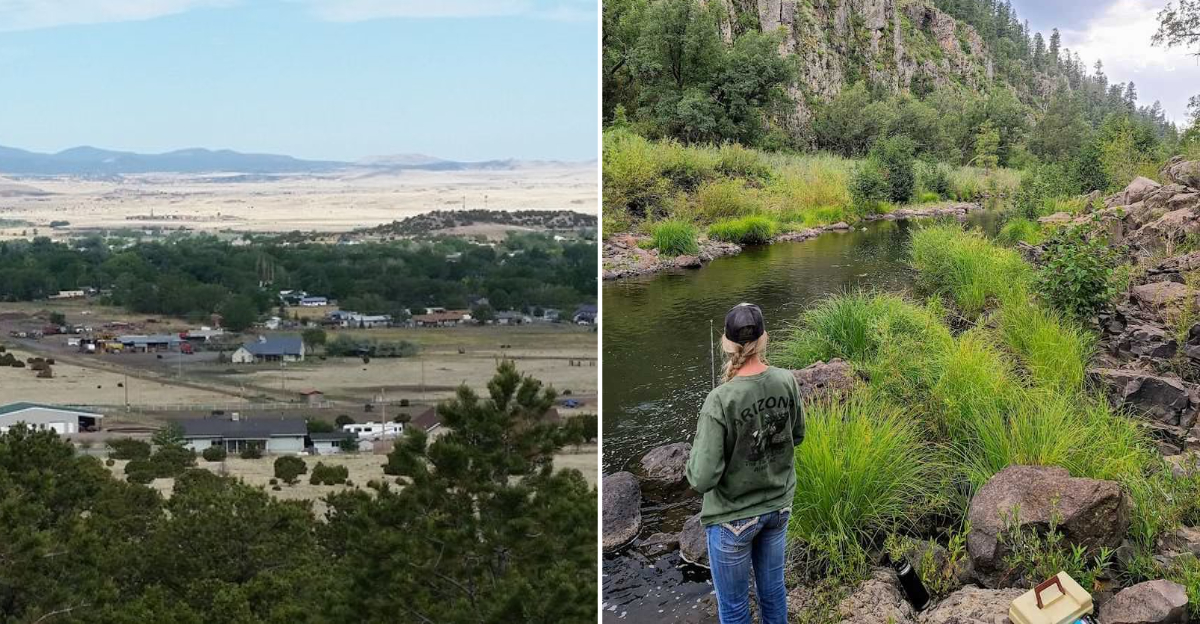
Coffee tastes better when the only schedule you’re keeping is the one dictated by the sunrise. Escaping to this corner of Arizona feels like hitting the pause button on the chaos of modern life.
Between the sky that stretches out wide enough to swallow your worries and the trout lurking in the nearby waters, it’s remarkably easy to forget how to use a smartphone.
Some might call it a quiet getaway, but honestly, it’s more like a masterclass in doing absolutely nothing while looking busy with a fishing rod. This peaceful Arizona town offers big skies, trout fishing, and a touch of frontier charm, providing the perfect backdrop for anyone whose primary goal is to avoid answering emails for at least forty-eight consecutive hours.
I visited expecting a quiet stopover and ended up staying three extra days because the fishing was too good and the scenery too honest to leave behind.
The Story Behind The Town’s Name
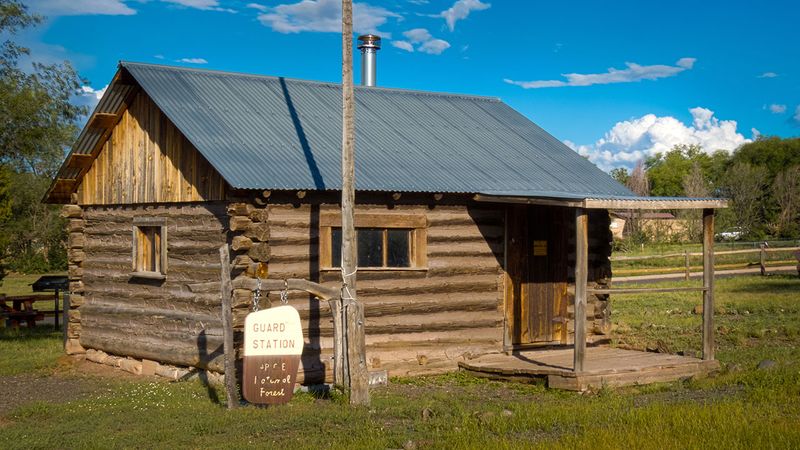
Back in 1888, a handful of small settlements in Round Valley decided to stop competing and start cooperating, so they merged under the name Union. That lasted about four years before the community decided to honor the brothers who had done so much to build it up.
John, Joel, and William Eagar homesteaded here in the 1880s, and in 1892 the town was officially renamed Eagar in their memory. It is one of those naming stories that actually makes sense, because the Eagar brothers were genuine pioneers who dug irrigation ditches from the Little Colorado River and planted orchards that fed their neighbors.
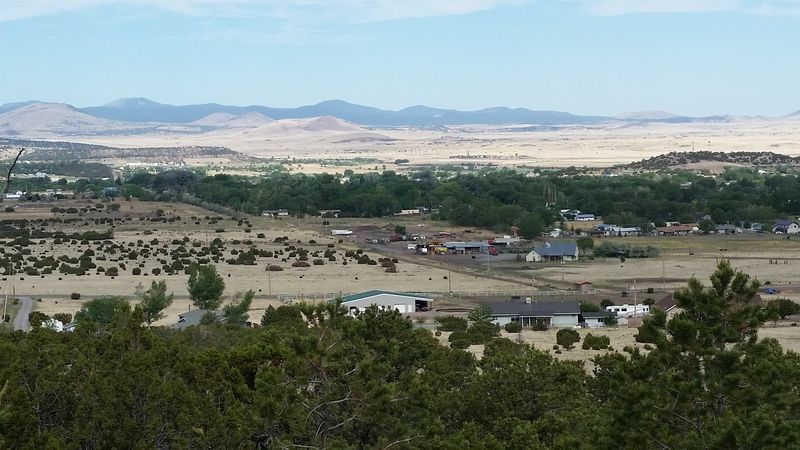
Eagar was incorporated on February 2, 1948, and by the 2020 census it had grown to a population of 4,395 residents. Along with its neighbor Springerville, the town forms what locals call Round Valley, a wide, grassy basin surrounded by mountains that gives the whole area its distinctive open feeling.
The Eagar Townsite Historic District
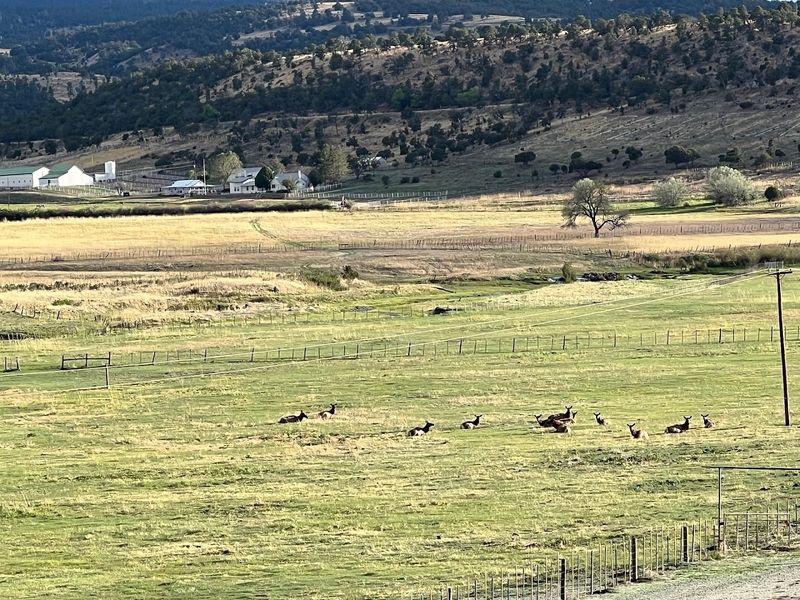
Walking through Eagar’s downtown, you get the sense that the past is not behind a glass case here. It is right there on the sidewalk with you. The Eagar Townsite Historic District covers approximately 54 acres and was placed on the National Register of Historic Places in 1993.
The designation recognizes 21 historically significant structures built between 1886 and 1942, and several of them still serve practical purposes today rather than sitting empty as monuments.
Pioneer irrigation systems, family orchards, and the kind of sturdy construction that was meant to outlast a generation all show up in this compact neighborhood.
One detail that stopped me cold was learning that the legendary actor John Wayne once owned the 26 Bar Ranch right here in Eagar, and it still operates as a working ranch today. That single fact sums up the place perfectly, history layered on top of history, all of it still breathing and functioning rather than frozen in amber.
Big Skies Over The White Mountains
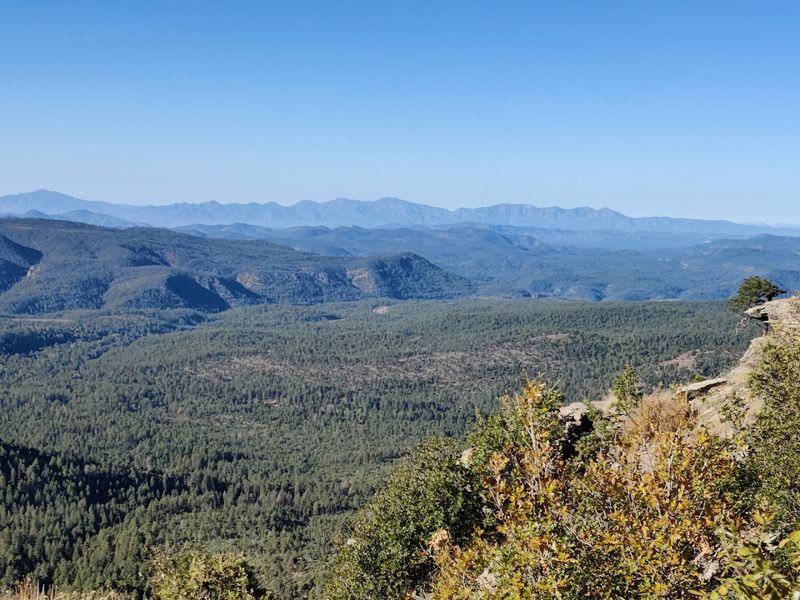
Standing in the middle of Round Valley on a clear morning, you understand immediately why the sky gets its own mention when people talk about Eagar. At 7,000 feet above sea level, the atmosphere feels thinner and the colors feel sharper, and the clouds seem close enough to rearrange by hand.
The town borders the Apache-Sitgreaves National Forest, which holds the largest contiguous ponderosa pine forest in North America. That green wall of trees framing the valley on every side makes the open sky above feel even more dramatic by contrast, like the landscape is showing off on purpose.
Morning light here has a particular quality that photographers chase specifically in the White Mountains region. The high elevation keeps temperatures cooler than the desert floor, so even summer mornings carry a clean chill that makes every breath feel like a small reward.
Watching the stars from Eagar on a cloudless night is an experience that earns its own quiet category.
Trout Fishing In The Apache-Sitgreaves National Forest
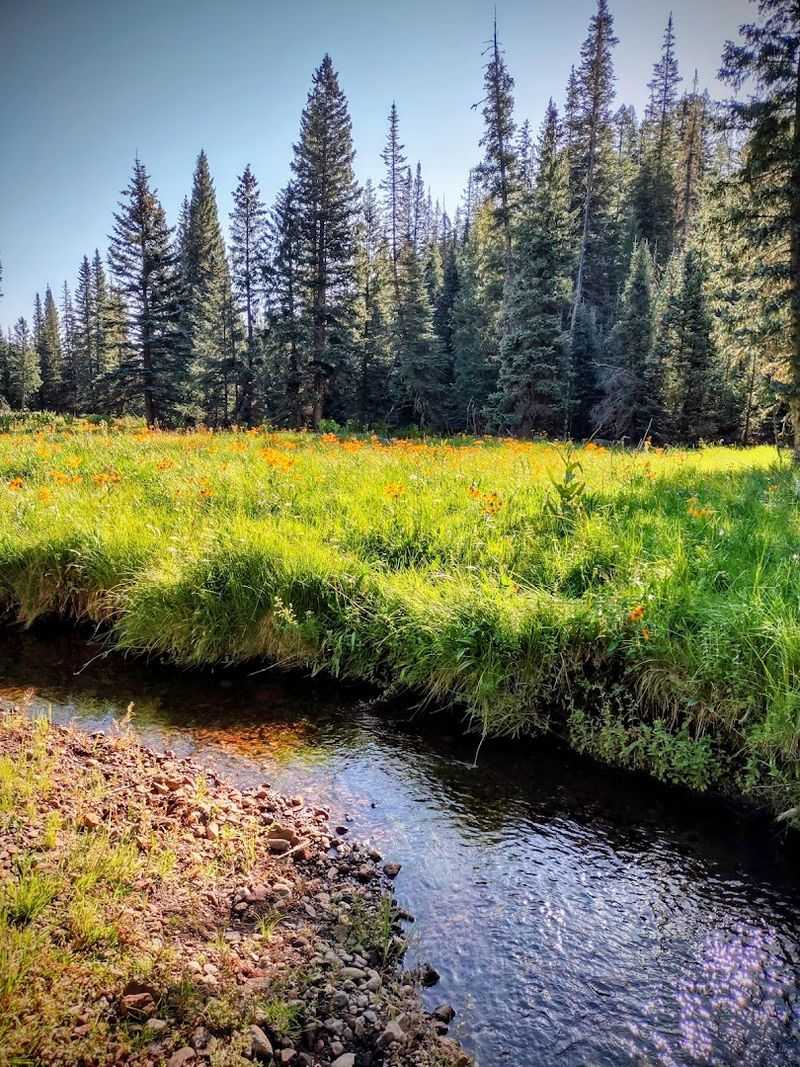
The Apache-Sitgreaves National Forest surrounding Eagar contains 35 lakes and reservoirs along with 680 miles of trout streams, which is the kind of statistic that makes serious anglers sit down and recalculate their vacation plans.
I spent two mornings on Silver Creek and came away with a healthy respect for how cold and clear that water runs. Rainbow, brook, cutthroat, tiger, Apache, and brown trout all live in these waters, giving anglers a variety that most mountain regions cannot match.
Silver Creek is particularly well regarded for fly fishing, with a seasonal catch-and-release section that keeps the trophy fish population strong year after year.
Becker Lake near Springerville is managed as a catch-and-release trophy trout lake, and the fish there are noticeably larger than what you find in stocked waters elsewhere. Eagar sits right in the middle of all this access, making it the most practical base camp for anyone who wants to fish multiple spots across several days without long drives between them.
Big Lake At 9,000 Feet
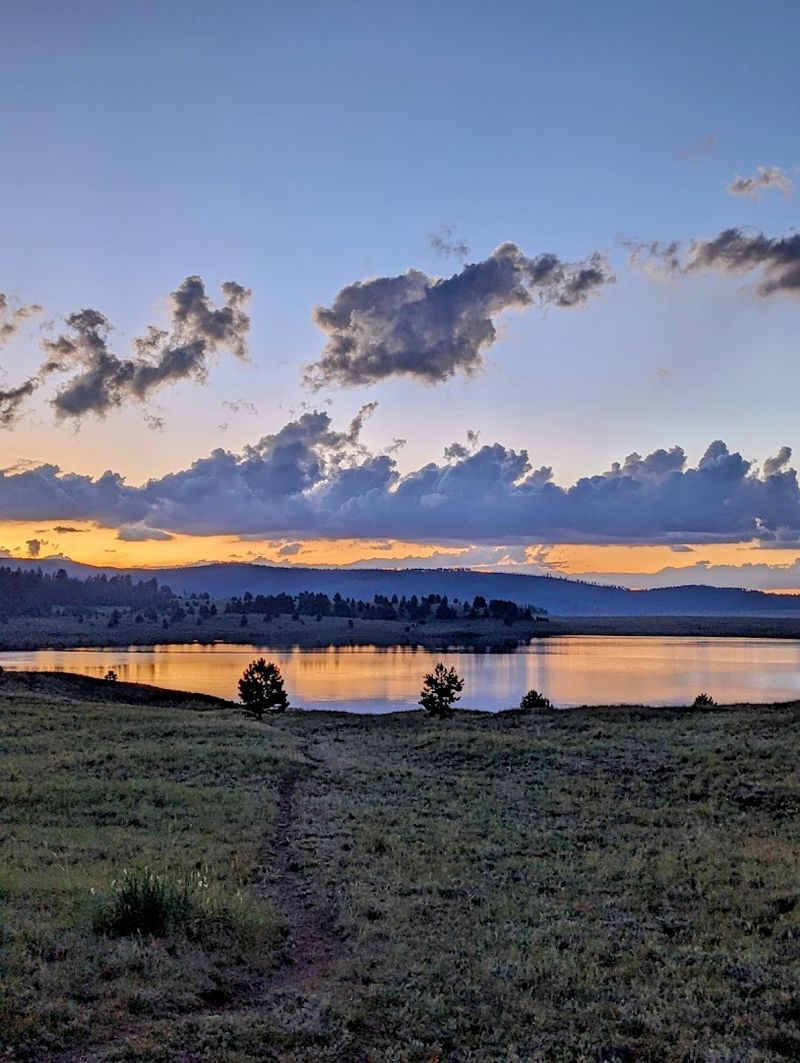
Big Lake sits at 9,000 feet and earns its reputation as one of the most popular fishing destinations in the entire White Mountains region. The drive up from Eagar climbs steadily through ponderosa pines that gradually give way to spruce and fir, and by the time you arrive the air has that particular high-altitude sharpness that wakes you up better than coffee.
Rainbow, brook, and cutthroat trout are the main draws here, and the lake is stocked regularly through the season to keep the fishing productive.
Campgrounds around the lake fill up on summer weekends, so arriving on a weekday or booking in advance is genuinely good advice rather than just a polite suggestion.
The scenery at Big Lake stands on its own even if you never drop a line in the water.
The surrounding forest and the wide, still surface of the lake at sunrise create a visual calm that feels almost formal in its perfection, like nature arranged the whole thing with a specific mood in mind.
The Black River And Its Native Apache Trout
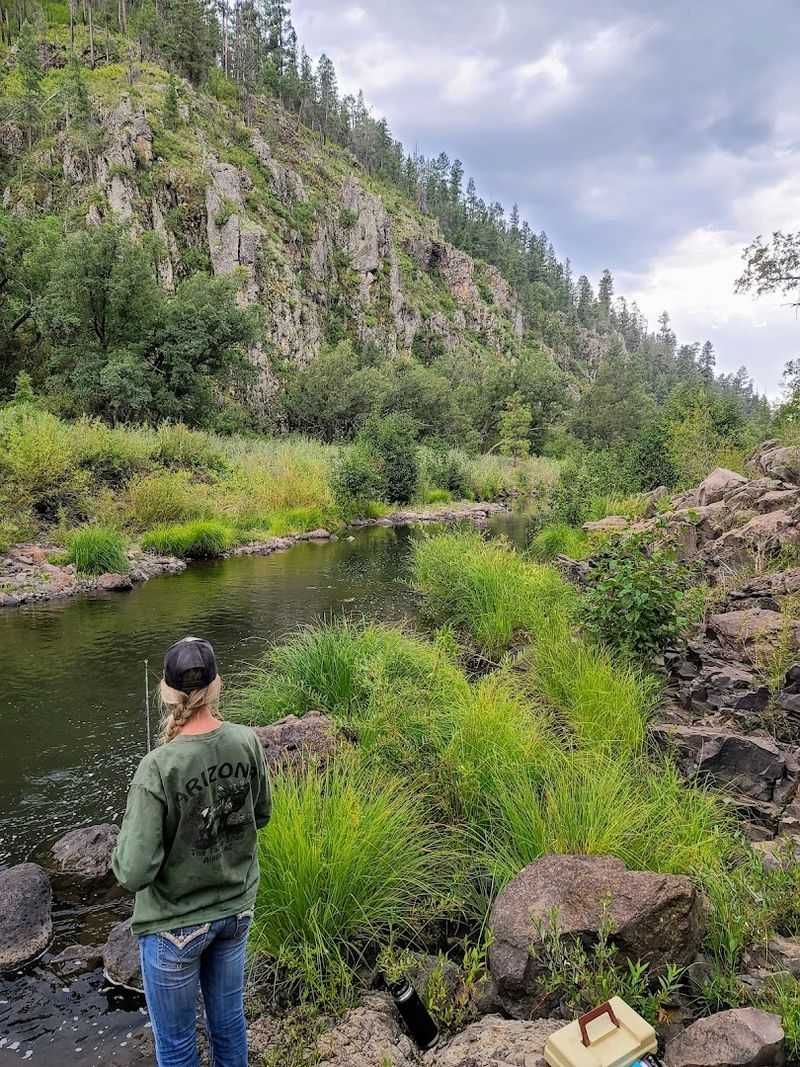
If solitude is what you are after, the Black River delivers it without negotiation. The East and West Forks of the Black River run through remote sections of the Apache-Sitgreaves National Forest, and reaching the best stretches requires either a longer drive on dirt roads or a hike through pine forest that earns every cast you make afterward.
Native Apache trout live here alongside rainbow and brown trout, and the Apache trout in particular carries a conservation significance that gives catching one a different kind of weight.
This species was once endangered and is now recovering, partly because sections of these rivers have been carefully managed for decades.
The Black River is the kind of place that rewards patience and punishes impatience in equal measure. The fish are selective, the current reads differently in every pool, and the forest around you is so quiet that you can hear the line settle on the water.
Anglers who appreciate the process as much as the catch tend to return here every season.
Rodeos And The Living Frontier Tradition
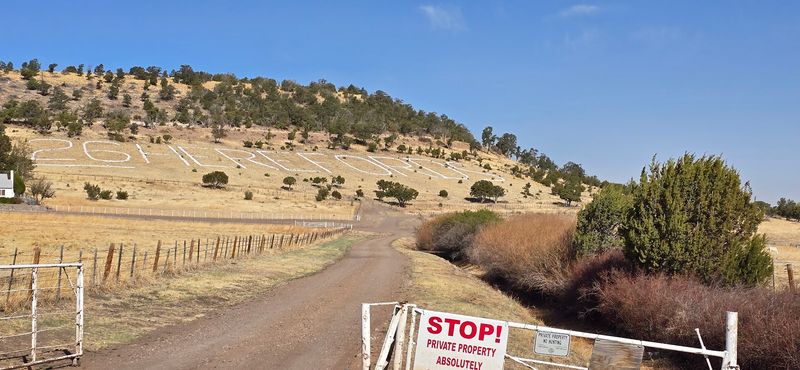
Eagar’s frontier identity is not a costume it puts on for tourists. Summer weekend rodeos run through the warm months, and the 4th of July parade and rodeo has been held for over a century, which means great-grandparents and great-grandchildren have watched the same event in the same town across generations.
Watching a local rodeo in Eagar feels genuinely different from the polished arena events in bigger cities. The riders are often from ranching families in the area, the crowd knows the competitors by name, and the atmosphere carries the relaxed confidence of a community that does not need to explain itself to anyone.
The pioneer spirit that shaped this town in the 1880s shows up clearly in how Eagar celebrates itself today. Irrigation traditions, family orchards, and working ranches like the historic 26 Bar Ranch all connect the present community to its founding generation in ways that feel lived-in rather than curated.
Eagar wears its history the way a good hat should, comfortably and without self-consciousness.
The Little Colorado River And Its Mountain Origins
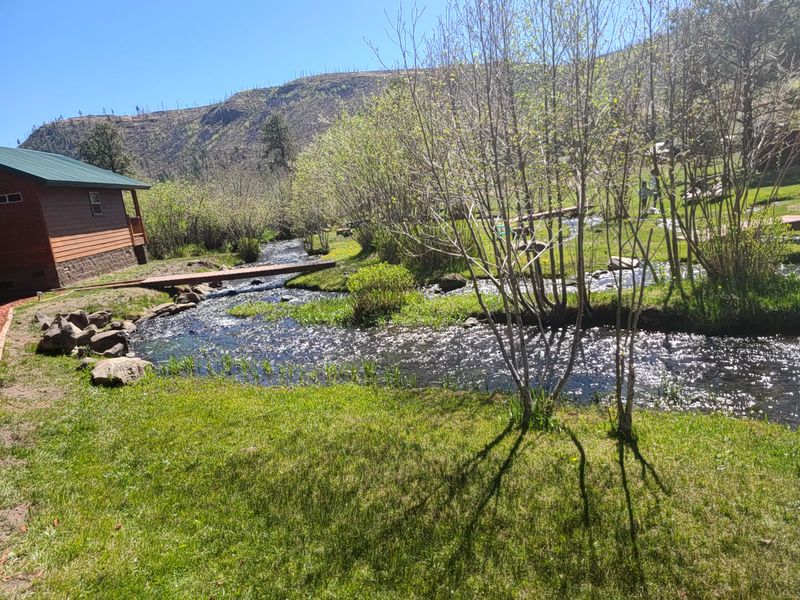
The Little Colorado River begins its long journey right here in the White Mountains, and the stretch near Eagar is about as different from the muddy lower canyon sections as you can imagine. Up here the water runs clear and cold over rocky beds, moving through meadows and stands of cottonwood that turn gold in the fall.
Apache, rainbow, and brown trout all use this stretch of river, and the access points near Eagar make it an easy morning trip without needing a serious backcountry commitment.
The pioneer families who settled Round Valley understood immediately that this river was the reason the valley could support agriculture, and the irrigation systems they built in the 1880s were direct descendants of that understanding.
Sitting beside the Little Colorado on a quiet weekday morning, watching the current move around a bend in the meadow, gives you a clear picture of why people chose to stay here permanently rather than pass through.
Some rivers just have a particular gravity that makes leaving feel like bad judgment.
Planning Your Visit To Eagar
Eagar experiences all four seasons at its 7,000-foot elevation, which means your timing matters more here than at lower-elevation Arizona destinations.
Summer runs from June through September and is the most popular season, bringing cooler temperatures than the desert floor and the full fishing season on mountain lakes and streams.
Fall brings aspen color to the higher elevations around Eagar, and the crowds thin out noticeably after Labor Day, making September and October genuinely excellent months for anyone who prefers having a campsite or a stream pool to themselves.
Winter brings snow and cold, and while some services reduce hours, the quiet season has its own appeal for visitors who enjoy a slower pace.
The town sits along US Highway 60, making it accessible from Show Low to the west and from the New Mexico border to the east. Springerville sits just a few miles away and shares services and attractions with Eagar, so the two towns together offer more dining, lodging, and supply options than either one would alone.
Pack layers regardless of the season.