
This Peaceful Colorado Town Has Zero Crowds And Peak Mountain Vibes
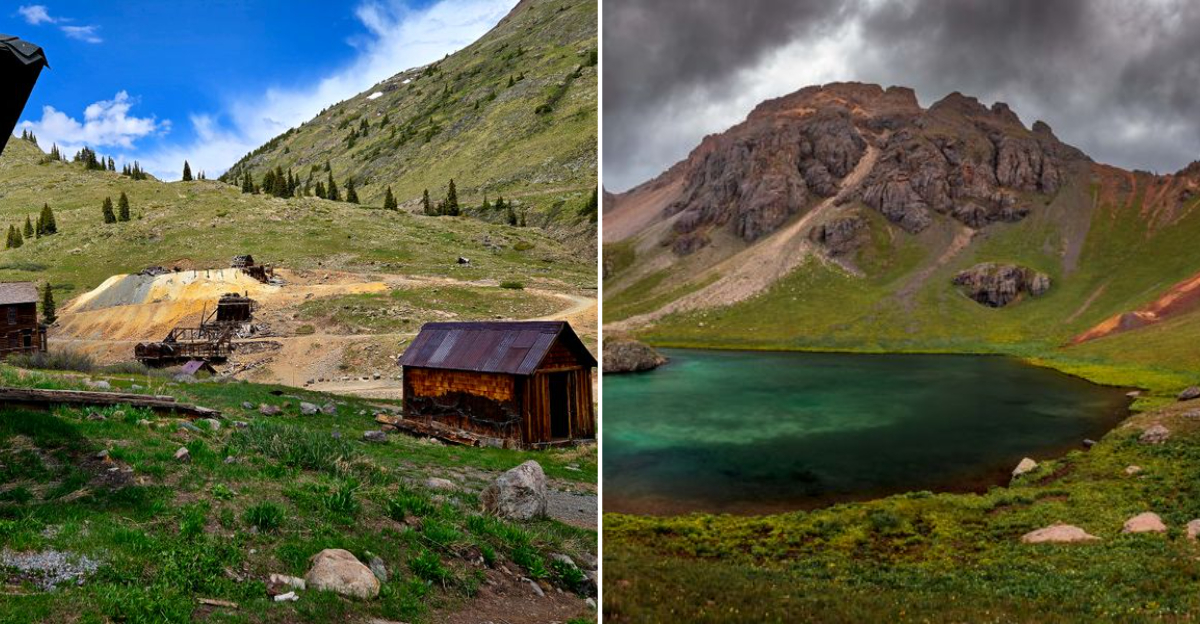
I rolled into Silverton, Colorado, expecting another mountain town full of boutique coffee shops and selfie seeking tourists, but what I found instead was a place that felt tucked away and forgotten by the modern world in the best possible way.
Silverton sits at 9,318 feet in the San Juan Mountains, and the moment you arrive, the thin air and towering peaks make you slow down whether you want to or not.
This is not just another stop on a crowded Colorado itinerary. The town has fewer than 700 residents, no chain stores, and a main street that looks like it was lifted straight from an old Western film set.
Weathered brick buildings, historic saloons, and the sound of distant trains give the place a stubborn sense of identity.
Locals greet you like they have time, because they do.
If you are searching for a place where you can actually hear yourself think and let the mountains do the talking, Silverton delivers without even trying.
A Town Frozen in Time
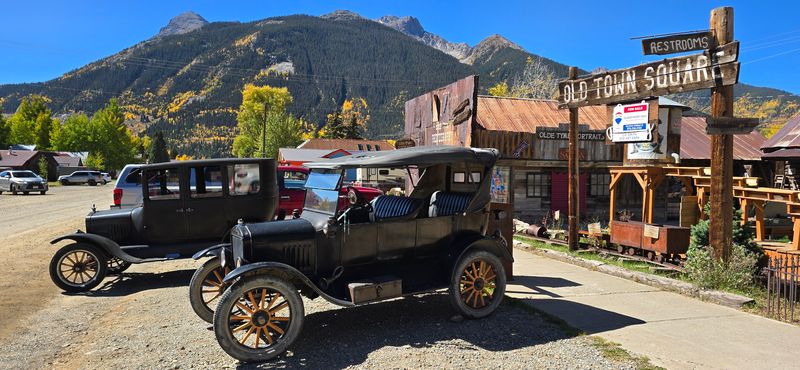
Walking down Greene Street in Silverton feels like stepping onto a movie set where someone forgot to yell cut.
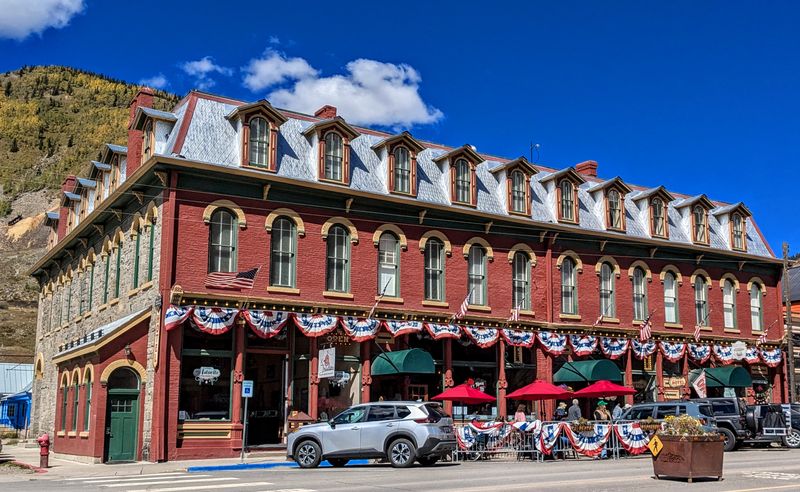
The buildings still wear their original Victorian paint jobs, and the wooden sidewalks creak under your boots in a way that makes you check twice to see if you’ve accidentally time-traveled. Silverton, Colorado 81433, sits tucked into the San Juan Mountains, and its isolation has kept it remarkably preserved since its mining boom days in the 1870s.
I spent an afternoon wandering past the Grand Imperial Hotel and the old saloons, half expecting a tumbleweed to roll by.
The town doesn’t try to modernize itself for tourists, and that’s exactly what makes it so refreshing. You won’t find a Starbucks or a Target here, just locally owned shops selling mining memorabilia, handmade goods, and the kind of practical gear you actually need at high altitude.
One shopkeeper told me she’s been in the same building for thirty years, and she has no plans to leave.
The lack of commercialization means you can actually focus on the architecture, the history, and the mountains that rise up on all sides like natural skyscrapers. I found myself slowing down, reading plaques, and chatting with locals who seemed genuinely happy to share stories about the town’s past.
Silverton doesn’t rush you, and after a few hours, I realized I didn’t want to rush either.
Altitude That Takes Your Breath Away
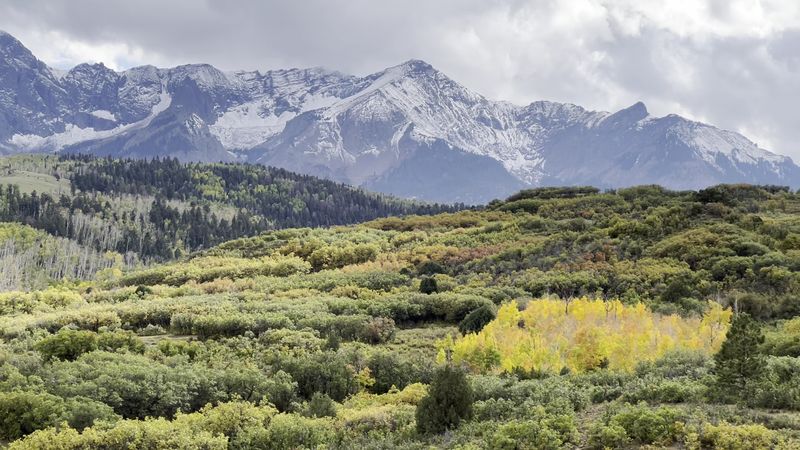
Silverton sits at 9,318 feet above sea level, and trust me, your lungs will remind you of that fact within the first ten minutes.
I’m used to hiking in Colorado, but even I felt the thin air hit me when I climbed a flight of stairs to check out a second-floor gallery. The altitude isn’t just a fun fact here; it shapes everything about the town, from the way you move to the way you sleep.
Most visitors arrive during the summer months when the snow melts enough to open the mountain passes, but even in July, you’ll want to pack layers because temperatures can drop fast once the sun dips behind the peaks.
The surrounding San Juan Mountains create a natural amphitheater around Silverton, and the views are so dramatic that I spent half my time just staring upward. Peaks like Sultan Mountain and Kendall Mountain loom over the town, their rocky faces still streaked with snow even in late summer.
I hiked a short trail just outside town and found myself breathing hard but grinning wide as the landscape opened up into alpine meadows dotted with wildflowers.
The altitude also means fewer bugs, clearer skies, and sunsets that paint the mountains in shades of pink and gold. If you’re planning to visit, give yourself a day to acclimate before tackling any serious hikes.
Your body will thank you, and you’ll enjoy the experience a whole lot more.
The Durango and Silverton Narrow Gauge Railroad
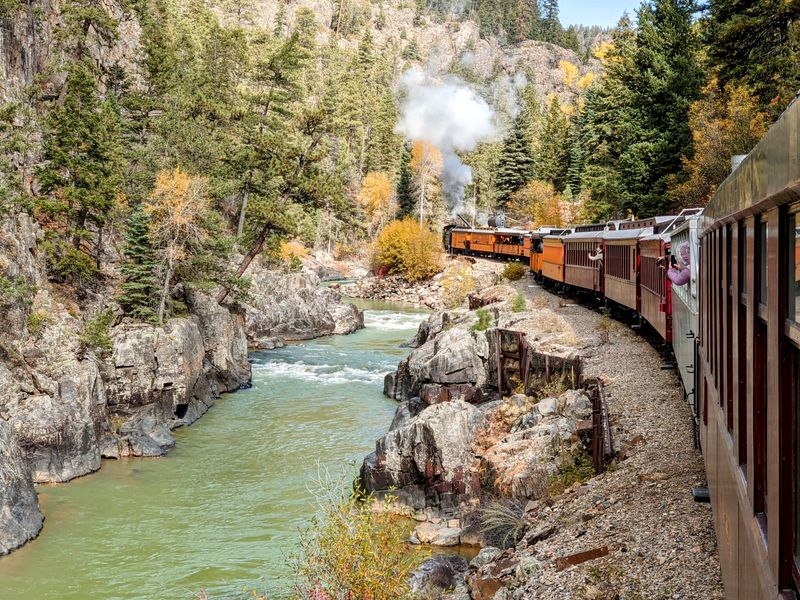
Riding the Durango and Silverton Narrow Gauge Railroad into town is like stepping into a history book that still smells like coal smoke and adventure.
The train has been running since 1882, originally built to haul silver and gold ore out of the San Juan Mountains, and now it hauls tourists who want to experience one of the most scenic rail journeys in the country. I boarded in Durango and spent the next three and a half hours clinging to the window as the train chugged along the Animas River, through narrow canyons, and past cliffs that dropped straight down into the water.
The vintage cars rattle and sway, and the open-air gondola cars let you feel the wind and hear the train whistle echo off the canyon walls.
When the train finally pulled into Silverton, I felt like I’d arrived somewhere truly remote, even though I’d only traveled forty-five miles. The station sits right on the edge of town, and you have about two hours to explore before the train heads back to Durango.
I used every minute, grabbing lunch, poking into shops, and soaking up the atmosphere.
The train ride itself is worth the trip, but arriving in Silverton this way adds a layer of authenticity that you just can’t get by driving. It’s slower, louder, and way more fun than any highway.
If you’re a rail enthusiast or just someone who appreciates a good old-fashioned journey, this train ride needs to be on your list.
Ghost Towns and Mining History
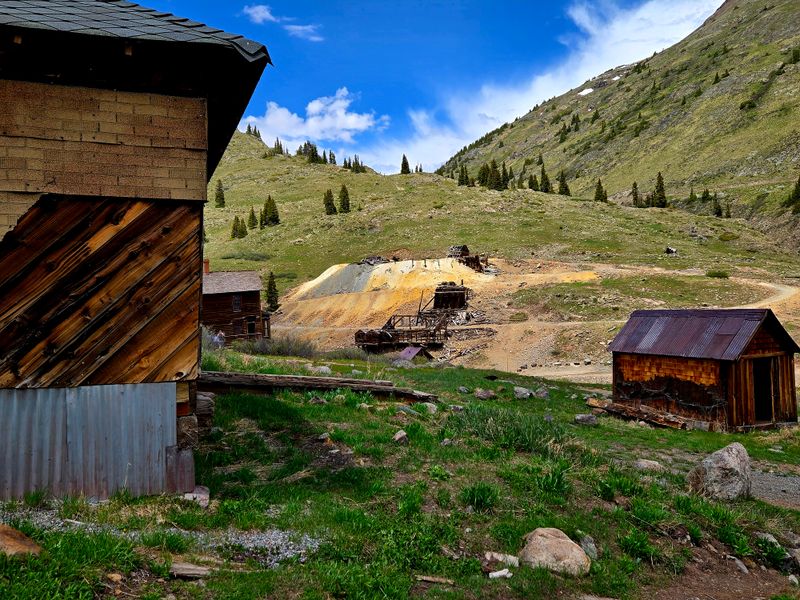
Silverton’s mining history isn’t just something you read about on a plaque; it’s scattered across the mountains in the form of ghost towns, rusted equipment, and mine shafts that still dot the landscape.
I drove up to the old mining site of Animas Forks, about twelve miles northeast of Silverton, and found myself standing in the middle of a town that once housed hundreds of miners and their families. The wooden buildings lean at odd angles, their windows long gone, and the silence is so complete that it feels almost eerie.
You can walk right up to these structures, peek inside, and imagine what life must have been like at 11,200 feet during the harsh winters.
Silverton itself was born from the mining boom, and at its peak, the area produced millions of dollars worth of silver and gold. The San Juan County Historical Society Museum in town does a great job of preserving that history, with exhibits on mining techniques, daily life, and the people who risked everything to strike it rich.
I spent an hour there and left with a much deeper appreciation for how tough these early settlers really were.
Exploring the ghost towns around Silverton is like stepping into the past without a time machine.
Just remember to bring a good map, a full tank of gas, and a sense of adventure, because some of these sites are only accessible by rough dirt roads that require a high-clearance vehicle.
Hiking Trails for Every Skill Level
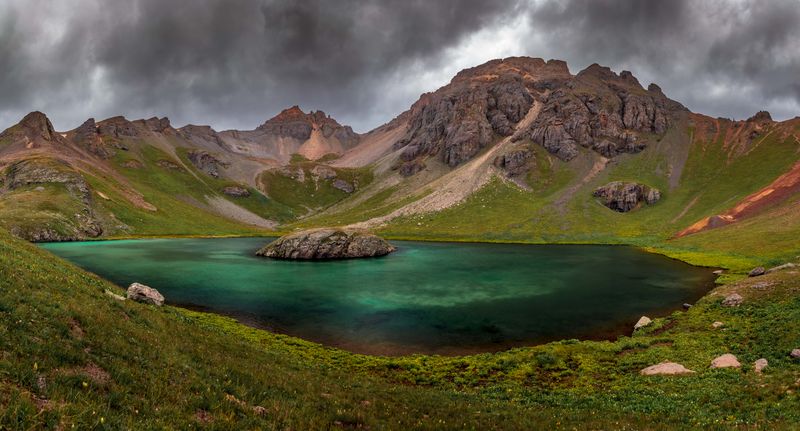
Silverton is surrounded by some of the most stunning hiking terrain in Colorado, and the best part is that you don’t have to be a professional mountaineer to enjoy it.
I started with the Ice Lakes Trail, one of the most popular hikes in the area, and even though it’s rated as moderate to difficult, the payoff is worth every step. The trail climbs about 2,800 feet over seven miles, leading you through aspen groves, wildflower meadows, and eventually to a pair of alpine lakes so blue they look like they’ve been photoshopped.
I arrived at the lakes around midday, found a flat rock, and just sat there for a solid twenty minutes, too mesmerized to move.
If you’re looking for something less strenuous, the Little Molas Lake Trail offers a shorter, easier option with views that still punch above their weight. The trail is only about three miles round trip, and it’s perfect for families or anyone who wants to stretch their legs without committing to an all-day adventure.
I also hiked a section of the Colorado Trail, which passes near Silverton, and the solitude out there was almost surreal.
I didn’t see another person for hours, just marmots, pikas, and the occasional soaring hawk. The high elevation means the hiking season is short, usually from late June through September, so plan accordingly.
And always, always bring extra layers, water, and snacks, because the weather can change in minutes.
A Community That Keeps It Real
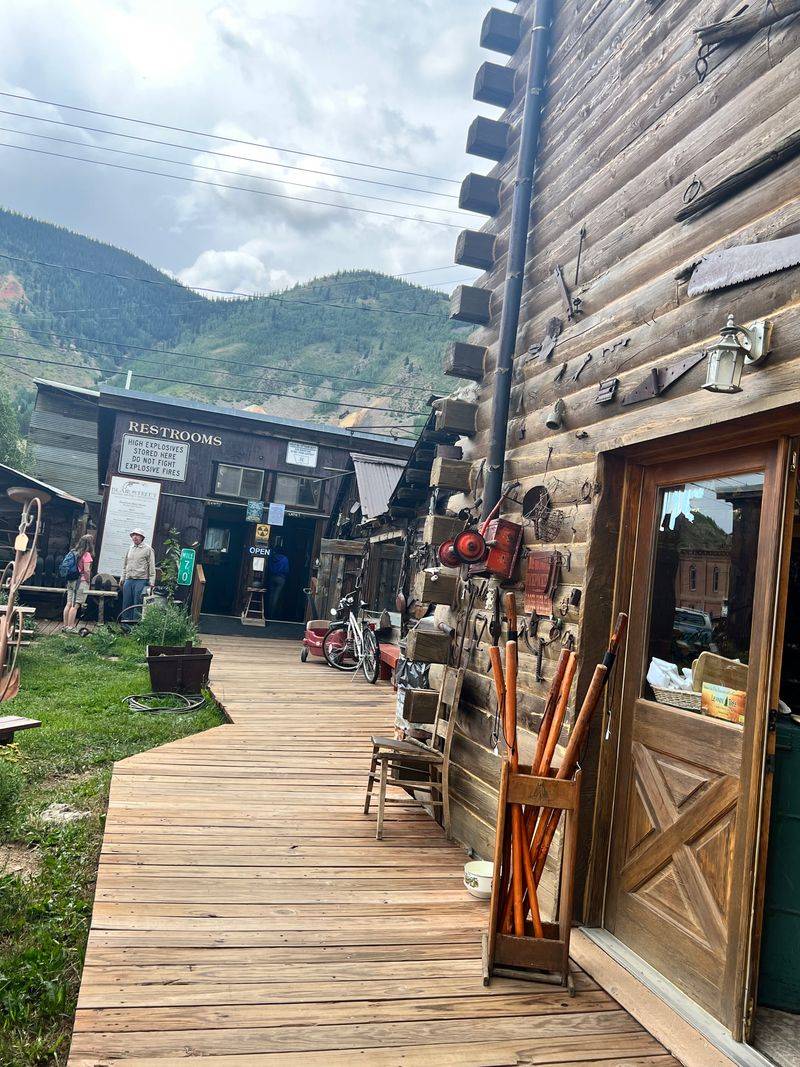
One of the things that struck me most about Silverton wasn’t the scenery or the history, but the people who actually live there year-round.
This is a town of fewer than 700 residents, and the winters are brutal, with snow measured in feet rather than inches and temperatures that regularly drop below zero. The people who stay here aren’t doing it for the Instagram likes; they’re here because they genuinely love the place and the lifestyle it offers.
I chatted with a woman who runs a small bookstore on Greene Street, and she told me she moved to Silverton fifteen years ago to escape the chaos of city life.
She hasn’t regretted it once, even during the winters when the town is cut off from the outside world for days at a time. The sense of community here is strong, and it’s not uncommon for neighbors to help each other shovel out driveways or share firewood when supplies run low.
I also noticed that locals are quick to strike up conversations with visitors, offering recommendations, directions, and stories without any expectation of a tip or a sale.
It’s refreshing to visit a place where people aren’t trying to sell you something every five minutes. Silverton feels like a town where people still know each other’s names, and where the pace of life is dictated by the seasons rather than the stock market.
That kind of authenticity is rare these days, and it’s one of the main reasons I keep coming back.
Practical Tips for Visiting Silverton
Planning a trip to Silverton requires a bit more thought than your average Colorado getaway, mostly because of its remote location and high elevation.
The town is accessible year-round, but winter travel can be tricky since the mountain passes sometimes close due to snow and avalanche danger. I’ve visited in both summer and early fall, and I’d recommend late June through September for the best weather and access to hiking trails.
If you’re driving from Durango, take U.S. Route 550, also known as the Million Dollar Highway, which is one of the most scenic and nerve-wracking drives you’ll ever experience.
The road hugs the mountainside with steep drop-offs and hairpin turns, so take your time and enjoy the views. Silverton has a handful of lodging options, including historic hotels, bed and breakfasts, and a few vacation rentals, but they fill up fast during peak season, so book ahead.
I stayed at a small inn on Blair Street and loved the cozy, no-frills vibe.
The town has a few restaurants and cafes, but don’t expect fine dining; the food is hearty, affordable, and designed to fuel your adventures. Cell service can be spotty, so download maps and any information you need before you arrive.
And seriously, bring layers, sunscreen, and plenty of water, because the sun is intense at this elevation, and the weather can shift from sunny to snowy in the blink of an eye.
Silverton rewards visitors who come prepared and ready to embrace its rugged, unpolished charm.