
This Peaceful Florida State Park Offers Stunning Views Far From The Crowds
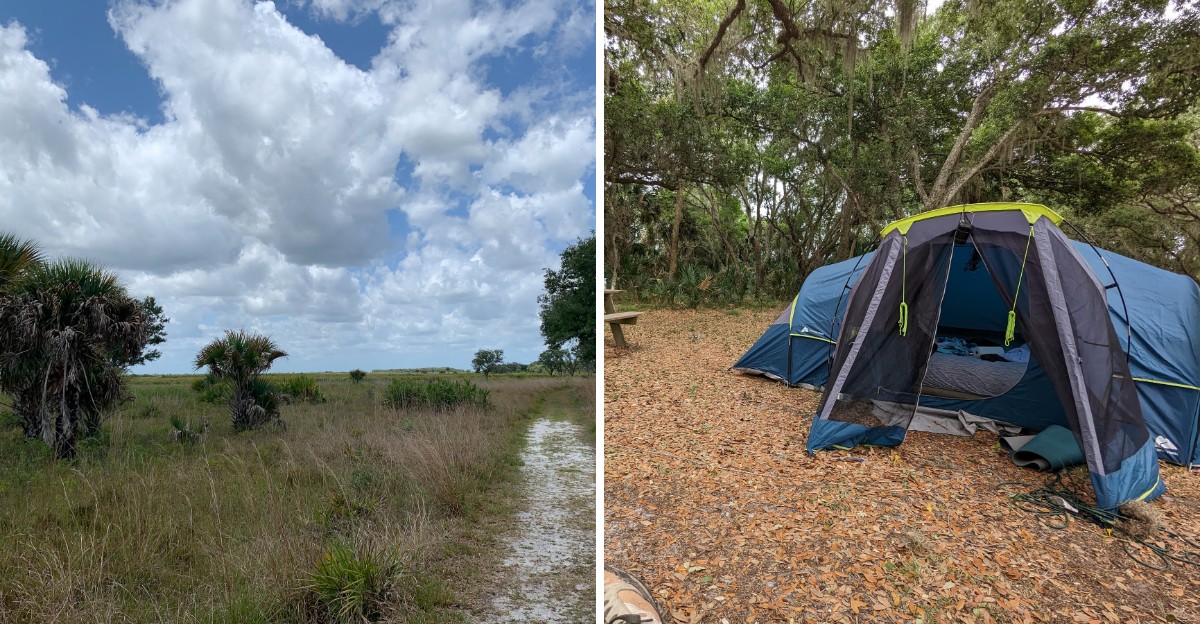
Florida has a park so dark at night that it became the state’s first International Dark Sky Park. The Milky Way shows up here, bright and clear, in a state famous for neon and theme parks.
Daytime is just as wild. Grasslands roll out so far that people compare them to the Great Plains.
Rare birds hunt over the prairie, and deer wander past the campground like they pay rent.
I like how this place asks you to slow down before you even arrive. The drive in alone covers miles of dirt road.
Cell service gets spotty, and the nearest store sits well outside the gates.
I can’t imagine a better cure for crowded beaches and packed boardwalks. Out here, the biggest traffic jam might be a flock of wild turkeys.
So how quiet can Florida really get?
Florida Has A Prairie, And It Looks Like Kansas Took A Vacation
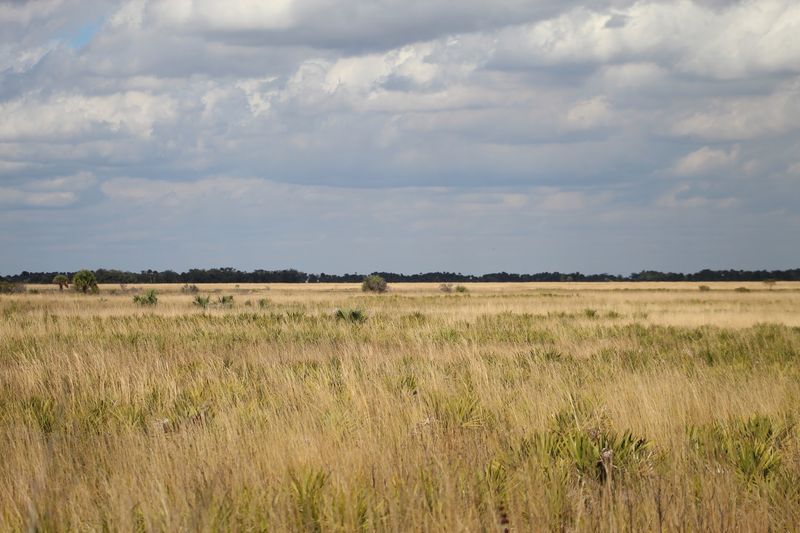
Most folks think of Florida as beaches, swamps, and roller coasters. Kissimmee Prairie Preserve State Park throws a curveball by protecting the largest remaining tract of Florida dry prairie left anywhere.
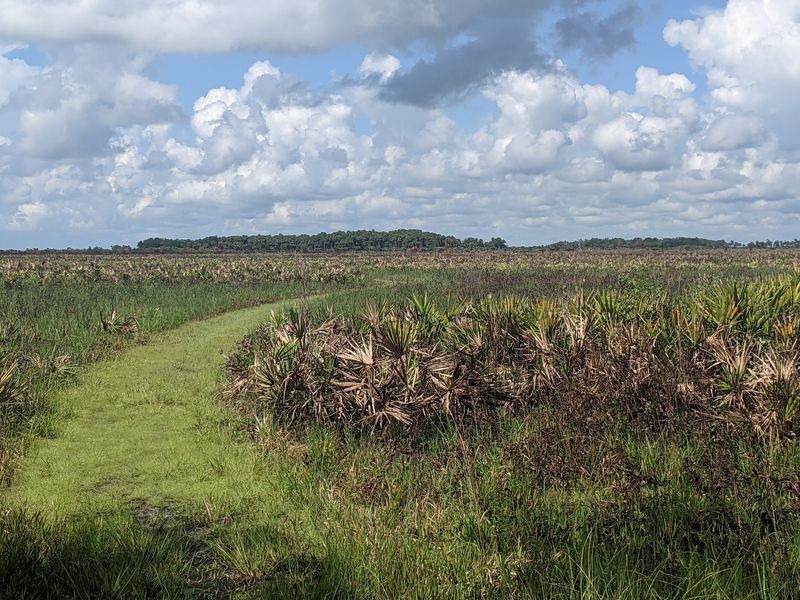
The land stretches out flat and wide in every direction. Grasses and low palmettos roll toward the horizon, broken up by islands of trees called hammocks.
That view gets compared to the Great Plains of the Midwest a lot. Once you see the sky take up most of your windshield, the comparison makes sense.
Fire and water shape this whole place. Natural cycles of flooding and burning keep the prairie healthy and stop shrubs from taking over.
So if you spot blackened patches, nothing has gone wrong. The prairie is basically getting a fresh haircut, and new green shoots usually follow.
The preserve also sits within the Everglades headwaters watershed. Water moving across these grasslands eventually plays a part in the famous River of Grass farther south.
I believe that connection makes every squishy wet trail feel a little more important. You’re standing near the very top of one of Florida’s biggest natural stories.
The Night Sky Here Will Ruin City Stars For You
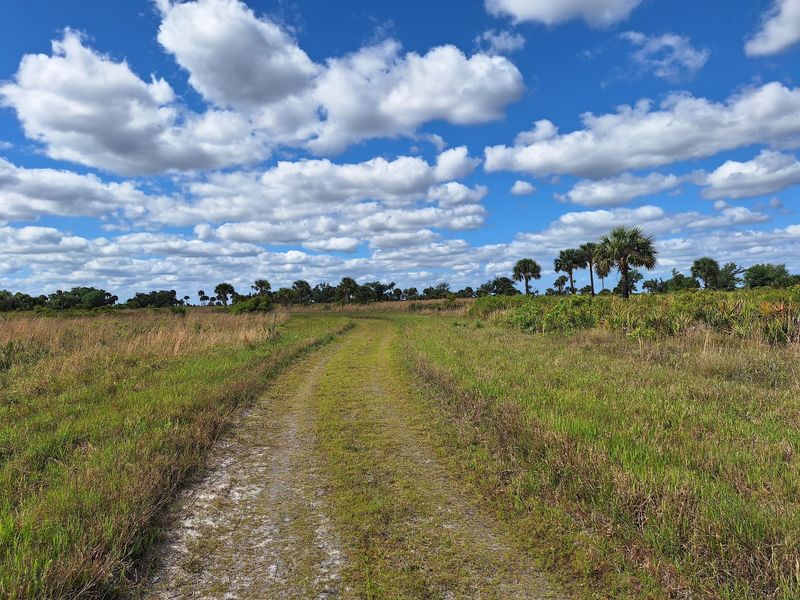
Back in 2016, DarkSky International named this preserve Florida’s first International Dark Sky Park. That’s a big deal in a state that glows from coast to coast after sunset.
The secret is distance. The park sits far from city lights, so the sky stays inky and deep.
Astronomers rate the darkness here as Bortle 3. In plain English, that means one of the darkest skies you’ll find anywhere in Florida.
On a clear night, the Milky Way can stretch across the sky like spilled sugar. People with telescopes also hunt down Messier objects, which are famous star clusters, nebulas, and galaxies.
There’s one important detail to know before planning a nighttime visit. After-hours access beyond the designated entrance viewing area is reserved for registered campers or visitors with an approved after-hours permit.
Other visitors can enjoy the stars from the entrance viewing area, so there’s no need to miss the show.
Clouds can spoil the show, so check the forecast before you go. Moon phases matter too, since a bright full moon washes out fainter stars.
A new moon night gives you the best odds. Pack a blanket, a red flashlight, and plenty of patience, because the longer you look, the more stars appear.
Telescope People Get Their Own Special Campsites
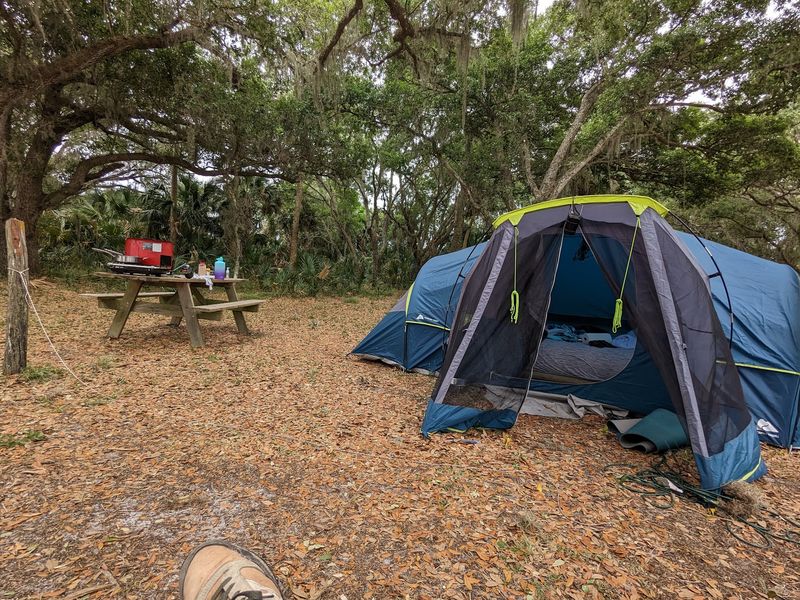
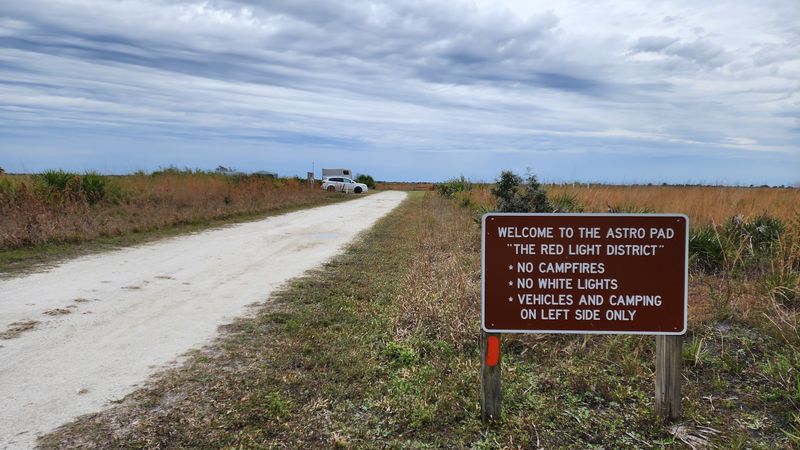
Serious stargazers get VIP treatment at Kissimmee Prairie Preserve State Park. The park offers astronomy pad sites with platforms built for setting up telescopes.
These spots come with a few rules, and they all make sense. Campfires aren’t allowed, since smoke and flames would mess with the view.
Lighting gets strict after dark too. Only red-spectrum lights are allowed, which keeps everyone’s night vision sharp.
White light can undo twenty minutes of eye adjustment in a single second. So that friend who flips on a bright headlamp might suddenly become very unpopular.
A red flashlight is cheap and easy to find. You can also cover a regular flashlight with red cellophane in a pinch.
You don’t have to own a telescope to appreciate the park’s incredible night skies. Just remember that astronomy camping areas require appropriate camping access, while other nighttime visitors must follow the park’s designated viewing and permit rules.
Plan ahead if you want one of these sites. Bring warm layers for cooler months, bug spray for warmer ones, and snacks that don’t need cooking, since no fire means no roasted marshmallows.
Bring Binoculars, Because The Rare Birds Show Up Here
Birders, get your notebooks ready. This prairie is home to the Florida grasshopper sparrow, one of the most critically endangered birds in North America.
That tiny sparrow needs exactly this kind of open dry prairie to survive. Losing habitat elsewhere has made places like this preserve incredibly important.
Audubon’s crested caracara also hunts across the grasslands. With its bold black cap and bright orange face, it looks like a hawk that dressed up for a party.
Keep an eye on the ground too. Florida burrowing owls live in this area, and they’re famous for standing outside their holes looking slightly grumpy.
Early morning is usually the best time to watch. Birds stay active while it’s cooler, and the soft light makes spotting easier.
Please give wildlife plenty of space. Many species here are rare, threatened, or endangered, so staying on trails and keeping your distance really helps.
A good pair of binoculars turns a nice walk into a treasure hunt. Even if you can’t name a single sparrow, you’ll still feel lucky seeing something this special.
Turkeys, Tortoises, And Deer Act Like They Own The Place
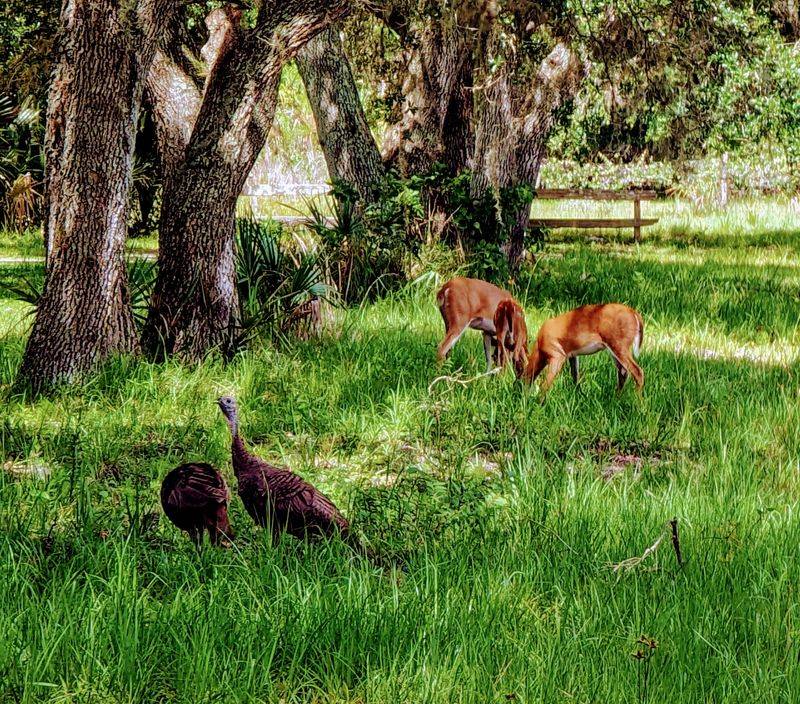
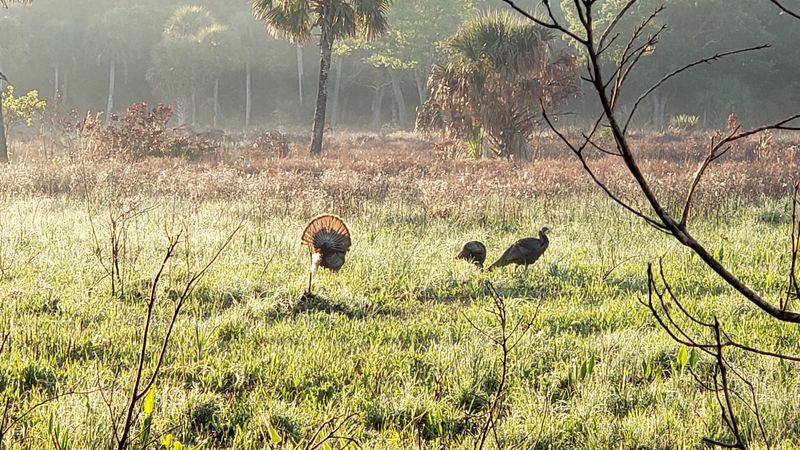
Wild turkeys strut around here like they’ve got somewhere important to be. They’re among the most common sights, along with white-tailed deer browsing near the hammocks.
Gopher tortoises dig burrows in the sandy soil. Those burrows matter a lot, since hundreds of other critters use them for shelter.
Alligators live in the wetter areas, so stay alert near water. Treat every log with suspicion, just in case it blinks.
Lucky visitors sometimes spot bobcats or even Florida black bears. Those sightings are occasional, so count yourself fortunate if one crosses your path.
Dawn and dusk tend to bring the most movement. Quiet footsteps and patient eyes will reward you far more than rushing down the trail.
Never feed the animals, no matter how cute the turkey looks. Wild food keeps wild animals healthy and safe.
Kids especially love keeping a sighting list. Turn it into a game and see who spots the first deer, tortoise, or turkey parade of the day.
More Than 100 Miles Of Trails Means You’ll Never Bump Elbows
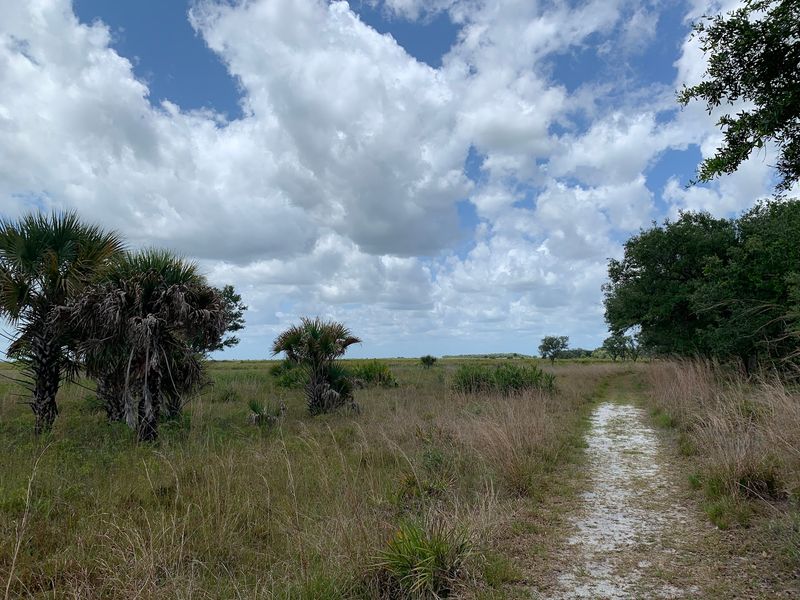
Over 100 miles of dirt roads and trails wind through Kissimmee Prairie Preserve State Park. That’s enough to keep your boots busy for a very long time.
The paths cross prairies, wetlands, and shady hammocks. Hikers, bicyclists, and horseback riders all share these routes.
Shade can be scarce out on the open prairie. Bring way more water than you think you need, plus sunscreen and a hat.
Summer heat is no joke here. Starting early in the morning gives you cooler air and better wildlife viewing.
Trails can get wet after heavy rains too. Waterproof shoes or a spare pair of socks can save your mood.
Pets are welcome on multi-use service roads with a 6-foot handheld leash. They aren’t allowed on Hammock Trail, so plan your route with your pup in mind.
Grab a map before heading out, since cell service can be spotty. With this much space, getting turned around is easier than you’d think, and nobody wants to be the person asking a turkey for directions.
Ride Deep Into The Wild On A Ranger-Led Buggy Tour
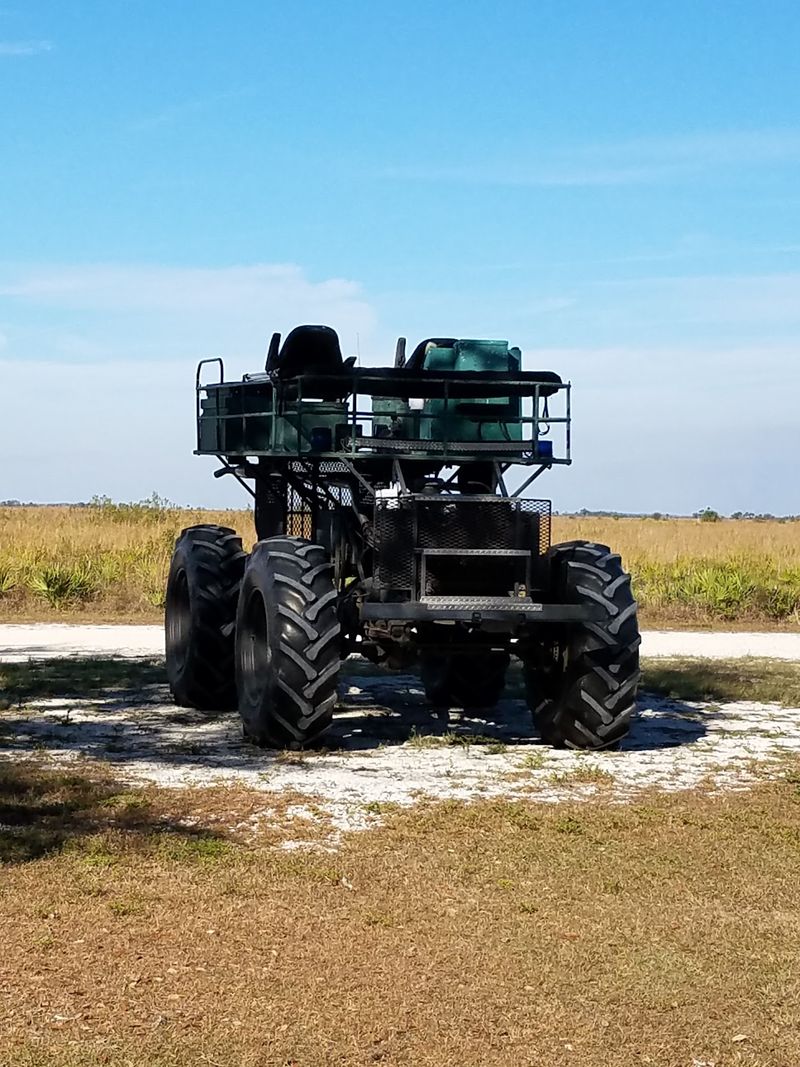
Some corners of the preserve are tough to reach on foot. Ranger-led buggy tours solve that problem by hauling you right into the remote backcountry.
These tours run from November through March. They happen on weekends and state holidays, when the weather tends to be friendliest.
Cooler months mean fewer bugs and more comfortable rides. That alone makes winter a smart time to visit Florida’s interior.
Rangers know this land well. They can point out plants, animals, and prairie features you might easily miss on your own.
Reservations are strongly recommended. You can book up to 30 days in advance, so mark your calendar if you have a date in mind.
Bring binoculars and a camera with a strong zoom. Open views mean wildlife might appear far off across the grass.
Dress in layers for chilly mornings that warm up fast. A hat helps too, since an open buggy doesn’t come with much shade, and you’ll want your eyes on the horizon instead of squinting.
Camp Your Way, From Horse Paddocks To Air-Conditioned Safari Tents
Sleeping options here cover a surprising range. Kilpatrick Hammock Campground offers shaded family sites with power, water, picnic tables, and fire rings.
An accessible bathhouse serves the family campground. It includes flush toilets, hot showers, and laundry, plus there’s a central dump station for RVs.
Horse owners get their own setup. The park offers 13 equestrian campsites, with electrical and water hookups.
Paddocks are limited and assigned upon arrival, so having an individual paddock isn’t guaranteed.
Craving real solitude? Three primitive backcountry sites sit 2.5 miles from the park office, reachable only by foot or bicycle.
Those sites include a picnic table and fire ring. You’ll need to pack in your own water and carry out every bit of trash.
Prefer a comfy bed? Climate-controlled safari-style glamping tents include coffee makers, mini-fridges, and private fire pits.
Air conditioning in a Florida tent feels like cheating in the best way. Book early, since these spots fill up, and the park welcomes leashed pets in campgrounds but not at the primitive sites.
Pack Everything Before That Long Dirt Road Swallows You Up
Getting here is part of the adventure. Kissimmee Prairie Preserve State Park sits at 33104 NW 192nd Avenue, Okeechobee, FL 34972, about 25 miles north of Okeechobee.
After the entrance, a five-mile unpaved road leads to the visitor center and campground. Drive slowly, since conditions can change.
That main drive has history too. It follows the route of the old Peavine Railroad, built in the early 1900s during a central Florida land boom.
Cattle have grazed this land since Spanish explorers brought them in the 1500s. Florida bought the property in 1997, and the park opened in 2004.
The visitor center offers clean restrooms, exhibits, and maps. A picnic area with rocking chairs makes a lovely spot to rest.
Fill your gas tank and grab groceries before you arrive. Stores and stations are far away.
The park opens daily at 8 a.m., and admission is charged per vehicle. Bring snacks, water, bug spray, and a little patience, and Florida’s quietest view is all yours.