
This Peaceful Maine Town Is The Perfect Escape From Modern-Day Rush
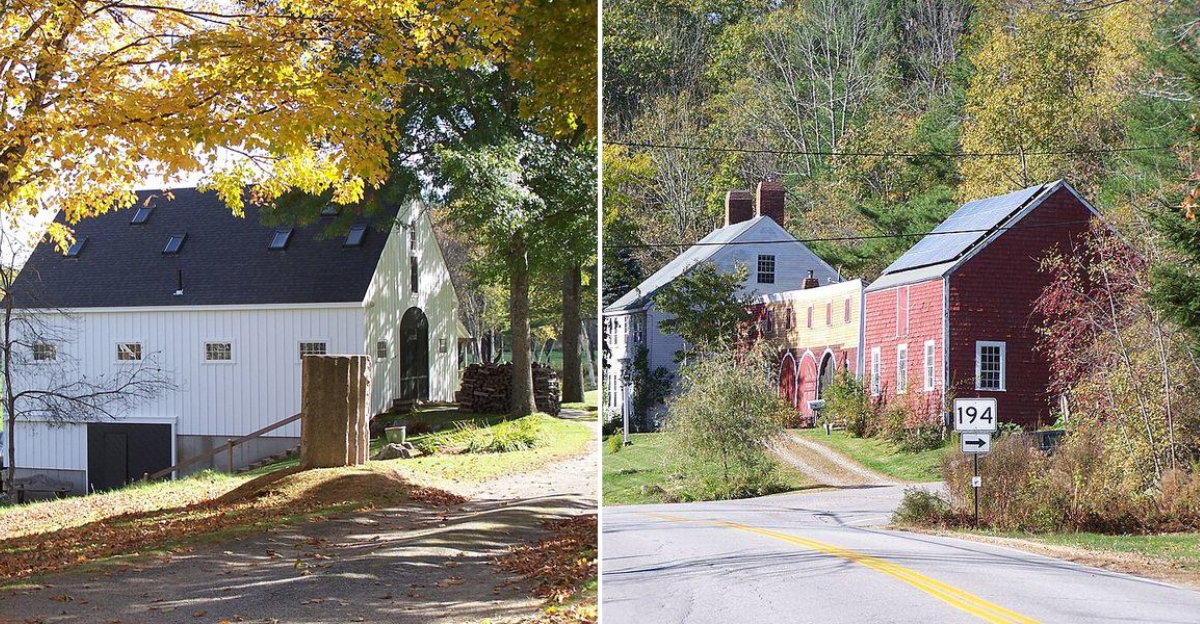
A river, a steam whistle, and a restaurant praised by national critics all hide in one of Maine’s quietest corners. A small town in Lincoln County sits beside the Sheepscot River, with alder trees leaning toward the water and old timber-framed buildings holding their ground under wide coastal sky.
There are no traffic jams, crowded sidewalks, or glowing signs begging for attention. Life moves at a pace that feels almost forgotten.
I arrived one autumn expecting a sleepy rural stop and found a place with surprising depth. With about 710 residents, this tiny Maine town proves that quiet does not mean empty.
A historic railway, preserved village corners, river scenery, woodland trails, and standout food give it more charm than its size suggests. By the end, you may start craving a slower road too.
Quiet Is the Point
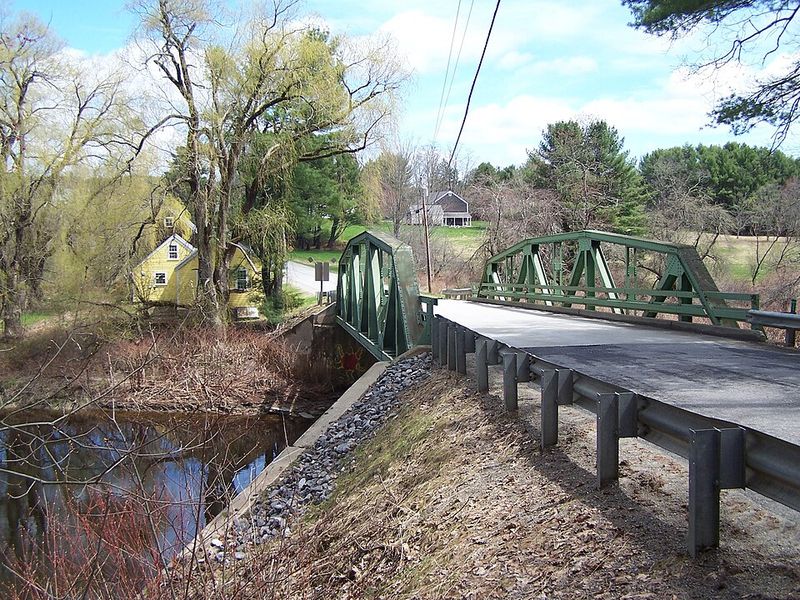
Most towns with fewer than 750 residents do not make it onto many travel radar screens, but Alna, Maine, is quietly changing that. Sitting in Lincoln County in the midcoast region of Maine, this town carries a relaxed, almost meditative energy that you feel the moment you arrive.
The population hovers around 710, according to the 2020 census, which means everyone tends to know their neighbors.
That closeness creates a community atmosphere that feels warm without being intrusive. There are no chain stores, no fast-food signs, and no traffic lights fighting for your attention.
Instead, you get winding country roads, old stone walls edging farmland, and the kind of silence that actually lets you think.
Alna draws people who are tired of the relentless pace of modern life. Retirees settle here for its calm beauty, and younger people arrive looking for something more grounded.
It is one of those rare places that quietly delivers exactly what it promises.
The Sheepscot River
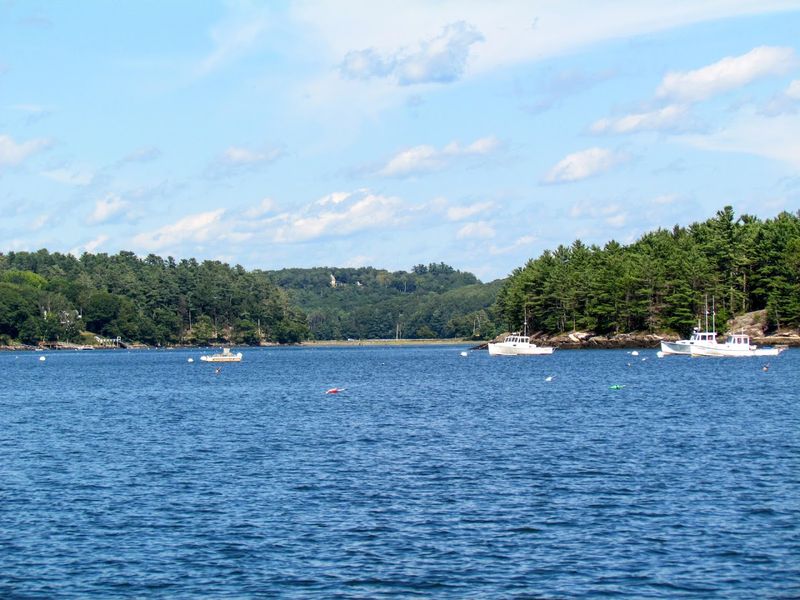
Water has a way of setting the mood of a place, and the Sheepscot River does that beautifully for Alna. It winds through the town like a steady, unhurried companion, shaping the landscape and giving the whole area its distinctive character.
On warm mornings, the river catches the light in a way that makes everything around it look like a painting. Kayakers and canoeists come here to paddle through calm stretches surrounded by forested banks.
Anglers find the river productive, particularly for trout and bass during the warmer months. You do not need to be an outdoor expert to enjoy it.
Even sitting on the bank and watching the current move is its own kind of therapy.
The river also explains the town’s name. Alna comes from the Latin word “alnus,” meaning alder, a reference to the alder trees lining the Sheepscot’s banks.
It is a small detail, but it shows how deeply connected this town is to its natural surroundings.
The WW&F Railway Museum
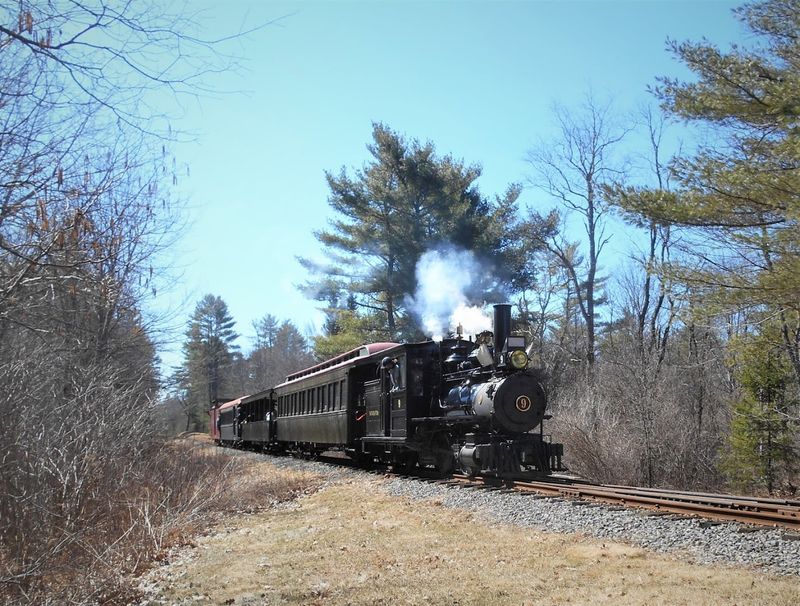
There is something almost magical about watching a real steam locomotive come to life, hissing and chugging with purpose through a river valley.
The Wiscasset, Waterville and Farmington Railway Museum, based right in Alna, makes that experience possible for visitors of all ages. It is a living history museum, which means it is not just a collection of old equipment sitting behind glass.
The WW&F Railway operates a restored two-foot narrow-gauge railway, one of the few of its kind still running in the United States.
Volunteers and staff have spent decades rebuilding locomotives, cars, and infrastructure to authentically represent the original railway that once served this region in the late 1800s and early 1900s.
Ride days offer steam train excursions through the Sheepscot Valley scenery, and the experience feels genuinely transportive. Whether you are a railway enthusiast or simply someone who appreciates old craftsmanship and outdoor beauty, this museum delivers something you will not easily forget.
A Mill Village Frozen in Time
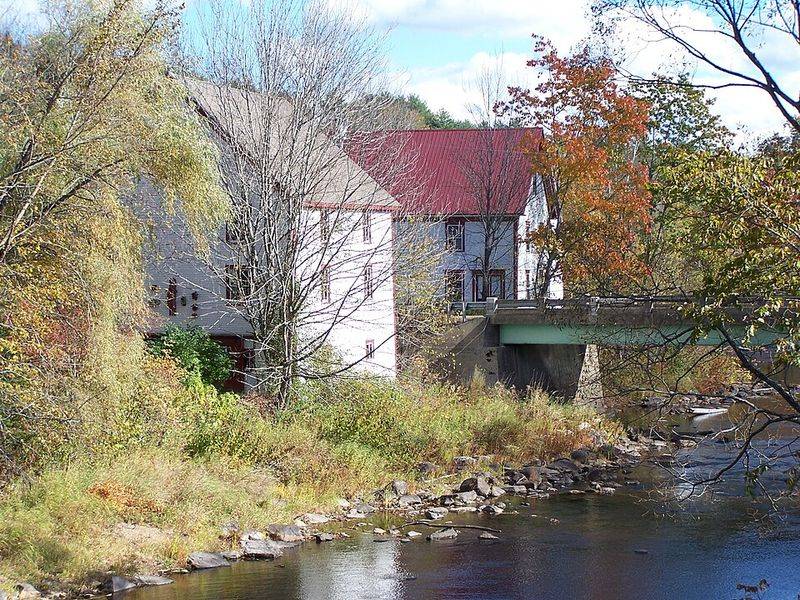
Head Tide is the kind of place that stops you mid-step. This small historic village within Alna feels like it has been carefully preserved by time itself, with its cluster of early New England buildings still standing in remarkable condition.
The Head Tide Historic District is listed on the National Register of Historic Places, and that recognition is well deserved.
Once a working mill town, Head Tide thrived in the 18th and 19th centuries thanks to the power of the Sheepscot River.
The old dam is still visible, and the remaining structures tell the story of a community that once buzzed with industrial activity. Walking through it today, you can almost hear the echo of that earlier era.
I found myself standing at the dam for a long time, just absorbing the scene. The water still tumbles over the rocks with the same energy it had centuries ago.
Head Tide is a lived-in historic district rather than a ticketed museum, so visitors should enjoy it respectfully from public roads and designated public areas. It is simply there, open and honest, waiting for anyone curious enough to look closely.
The Alna Meeting House
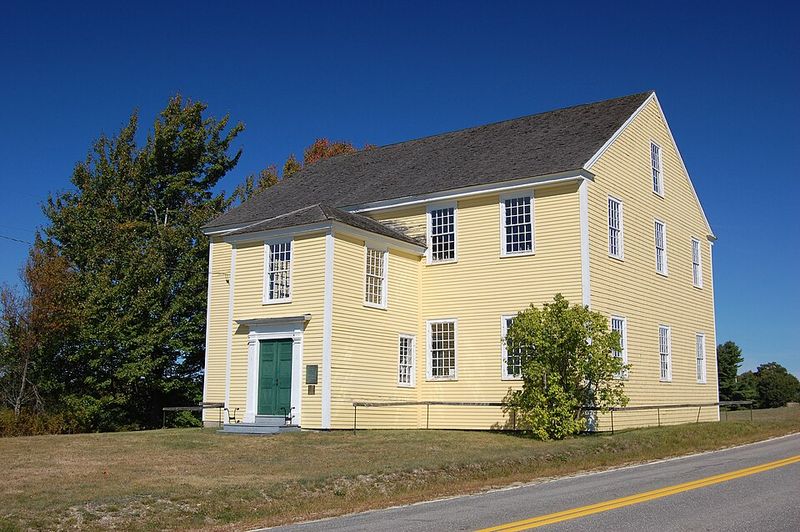
Built in 1789, the Alna Meeting House is one of the oldest churches in Maine and one of the most visually striking buildings in the entire region.
Its clean white exterior and simple colonial lines reflect the no-nonsense aesthetic of early New England, where function and faith shaped every design decision.
Standing in front of it, you feel the weight of more than two centuries of community life. The building has been carefully maintained, and its interior retains much of its original character, including the high box pews and plain wooden finishes typical of the period.
It is the kind of historic space that does not need elaborate staging to impress. The authenticity does all the work.
The meeting house still hosts occasional community events, which means it remains a living part of Alna rather than just a relic.
For anyone interested in early American history or colonial-era architecture, this building is an absolute must-see. Few places in Maine offer this level of preserved history in such an accessible setting.
Trails Without Hurry
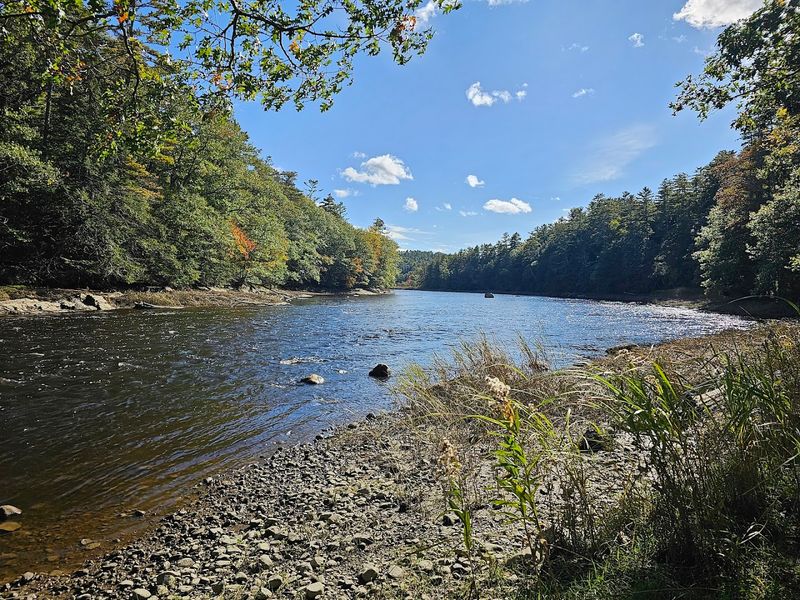
Hiking in Alna is not about conquering peaks or clocking miles. It is about paying attention, noticing the way light filters through a canopy of maples, or the sound of a brook running just out of sight.
The town has access to preserved natural areas like Bass Falls and Trout Brook, where trails wind through quiet woodland along the river corridor.
These are not heavily trafficked routes. On the day I visited Bass Falls, I counted exactly two other people on the trail, and we each gave each other a polite nod before disappearing back into the trees.
That kind of solitude is genuinely rare, and it is one of Alna’s greatest offerings for outdoor lovers.
The terrain is manageable for most fitness levels, making these trails ideal for families, casual walkers, and anyone who simply wants to spend time outdoors without the pressure of a grueling route.
Spring and fall are particularly spectacular, when wildflowers or foliage add vivid color to every step of the walk.
The Alna Store
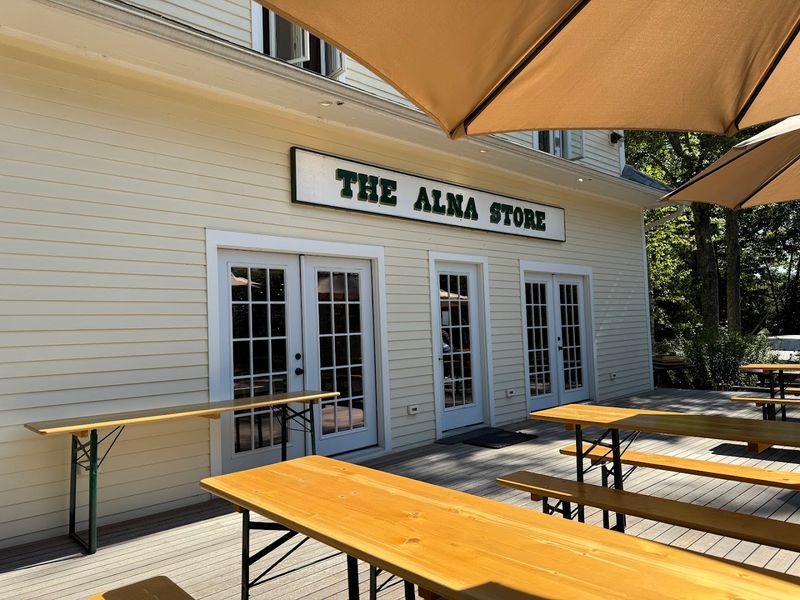
Not many restaurants in a town of 710 people end up being named one of America’s Best Restaurants by The New York Times, but the Alna Store pulled off exactly that in 2024.
Located on Dock Road, this unassuming spot looks more like a classic New England country store than a destination dining experience, and that contrast is a big part of its appeal.
The food is thoughtful, seasonal, and prepared with genuine care. The menu leans into local ingredients and changes with what is available, which means every visit feels slightly different.
The setting is casual and unpretentious, which makes the quality of the cooking feel even more surprising and delightful.
I had a meal there that I am still thinking about. The combination of high-caliber cooking in a deeply rural, unhurried atmosphere is something you simply do not find in cities.
The Alna Store proves that extraordinary food does not need a backdrop of neon lights or urban bustle to feel special. Sometimes a quiet country road is the perfect address.
The Name Behind The Town
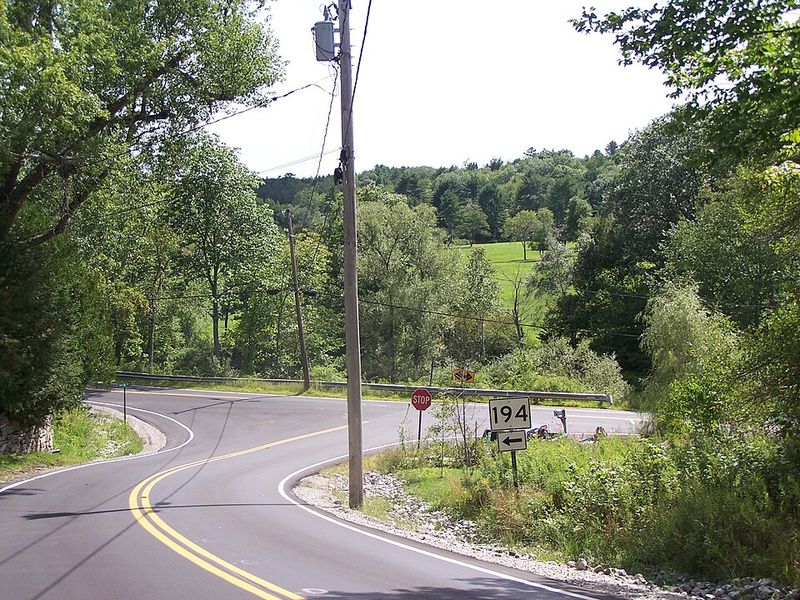
Most town names in Maine trace back to Native American languages or English place names carried over by early settlers. Alna takes a different path entirely.
The name comes from “alnus,” the Latin word for alder, and it was chosen as a direct reference to the alder trees growing thickly along the banks of the Sheepscot River.
It is a small linguistic detail, but it reveals something meaningful about how the town’s early residents related to their environment.
They looked at the trees lining their river and decided that was what their home should be called. There is a kind of poetry in that decision that feels very much in keeping with Alna’s overall character.
Alder trees are still very much present along the Sheepscot today, their roots dipping into the water and their branches arching over the current.
Every time you see them, you are essentially reading the town’s name written in nature. That connection between landscape and identity is one of the things that makes Alna genuinely distinctive among Maine’s many small towns.
Why People Linger
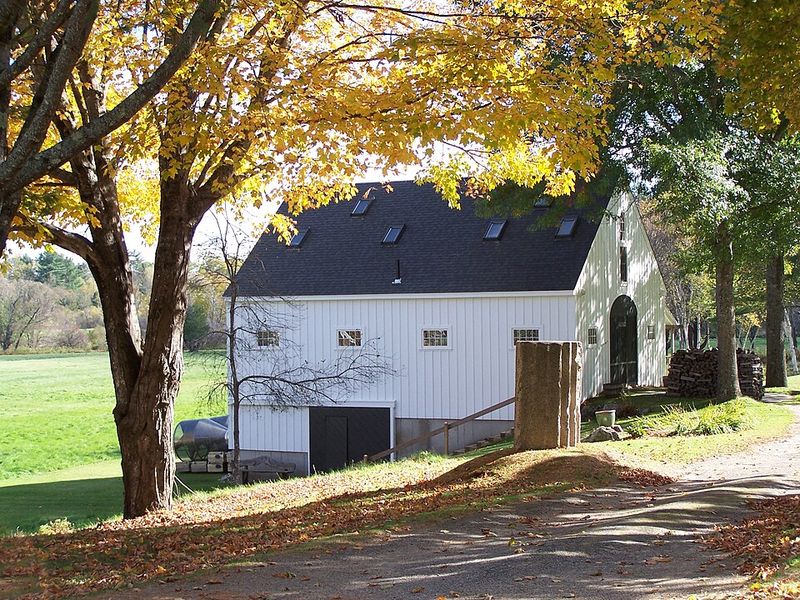
Alna attracts a particular kind of person: someone who has decided that the relentless pace of modern life is not the only option.
Retirees arrive looking for peace, clean air, and a community where people still wave from their porches. Some visitors and residents are drawn by Alna’s rural setting, quiet roads, and close connection to land and seasons.
What is interesting is that both groups seem to find what they are looking for. The town has a quiet but real sense of community, built around shared values of simplicity, stewardship, and neighborly respect.
There are no big events designed to pull crowds. The appeal is more subtle than that.
Spending time in Alna, I noticed how unhurried every interaction felt. At the store, on the trail, by the river, people seemed genuinely present in what they were doing.
That quality is harder to find than most people realize, and it might be the most compelling reason to make the drive to Lincoln County and see this town for yourself.
Planning Your Visit
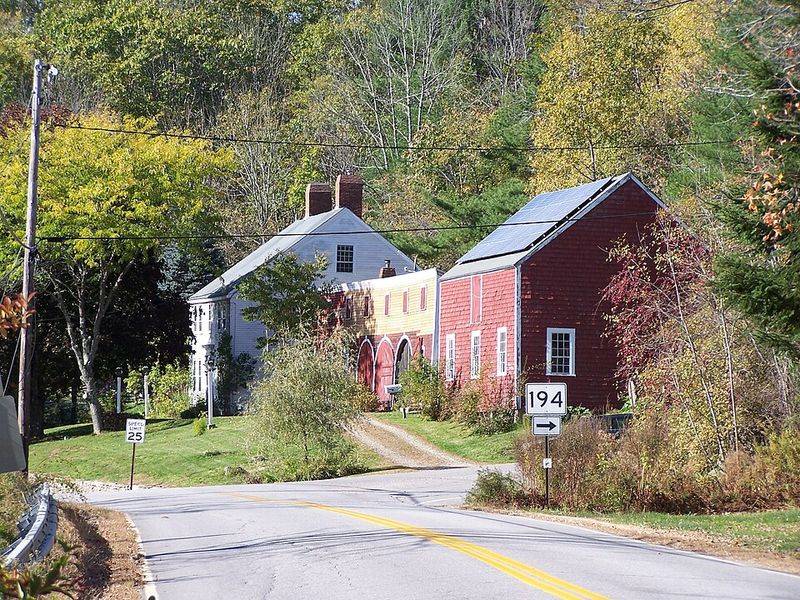
Alna is located in Lincoln County, Maine, roughly between Wiscasset and Whitefield. It is easily accessible by car, and the drive itself through midcoast Maine is a pleasure, especially in fall when the foliage turns the roadsides into a corridor of red and gold.
Alna is best visited by car, since regional public transportation in Lincoln County is limited and not convenient for most travelers.
The best times to visit are late spring through early fall for outdoor activities like kayaking, hiking, and visiting the WW&F Railway on operating days. Autumn is spectacular for foliage and quieter trails.
Winter brings a stripped-down beauty to the landscape, though some attractions operate on reduced schedules.
Accommodation options are limited within Alna itself, so most visitors stay in nearby Wiscasset or the Boothbay Harbor area and make day trips into town.
Book the Alna Store well in advance, as it fills up quickly given its growing reputation. Come with no agenda, a full tank of fuel, and a willingness to move at the town’s own unhurried speed.