
This Peaceful Pennsylvania Park Has A Lake As Expansive As A Freshwater Ocean
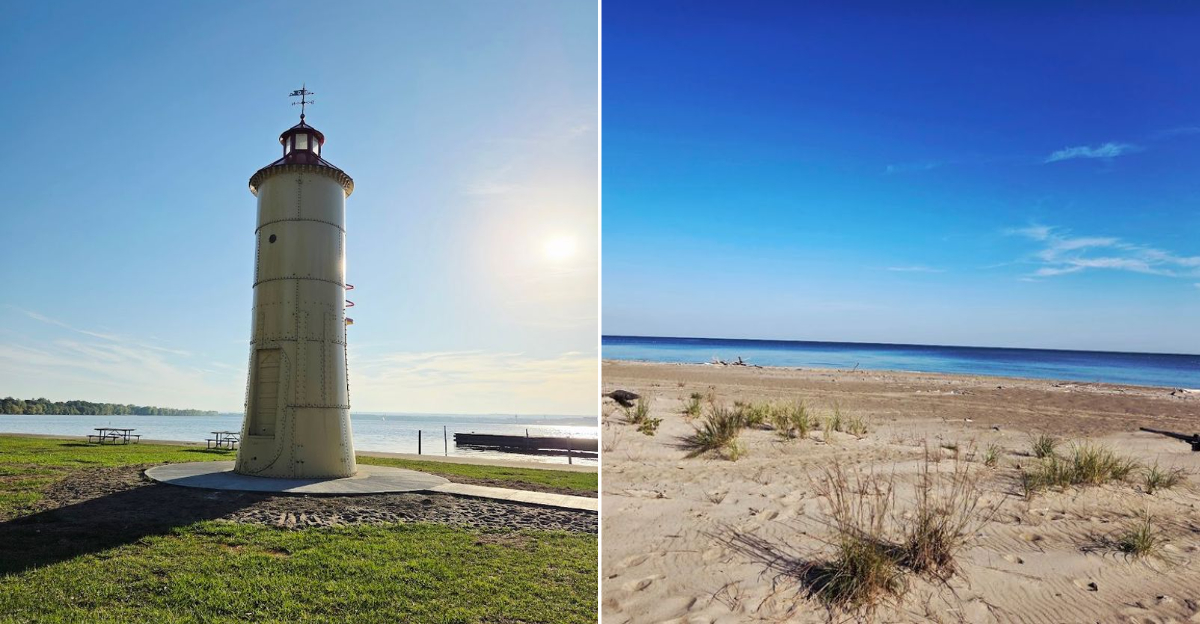
Some landscapes do not whisper for your attention. They open up in front of you and make you stop mid-step.
A park like this has that kind of presence, where the water stretches so wide it starts to feel less like a lake and more like a freshwater ocean, complete with big skies, restless waves, and the sort of horizon that makes everyday worries seem very small.
In Pennsylvania, finding a view this vast feels like stumbling onto a secret the scenery has been keeping for itself.
That is what makes a place like this so special. It is calm without feeling dull, dramatic without trying too hard, and perfect for anyone craving open space and a mental reset.
The shoreline, the breeze, the endless blue, all of it creates the kind of setting that invites you to slow down, breathe deeper, and stay longer than planned. It is nature at full volume in the gentlest way possible, a peaceful escape with serious wow factor.
I know I would be completely hooked here because the second I saw water stretching that far, I would start wandering quietly, taking in the view, and feeling like my whole brain had finally unclenched.
Lake Erie Is Genuinely Enormous
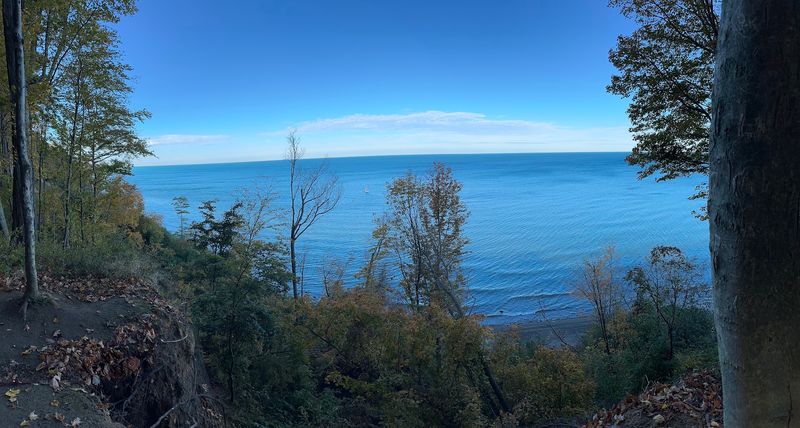
Most people picture a lake as something you can see across on a clear day. Lake Erie laughs at that idea.
Spanning roughly 9,910 square miles, it is the fourth largest of the five Great Lakes and sits on the border between the United States and Canada, touching the shores of Pennsylvania, Ohio, New York, Michigan, and Ontario.
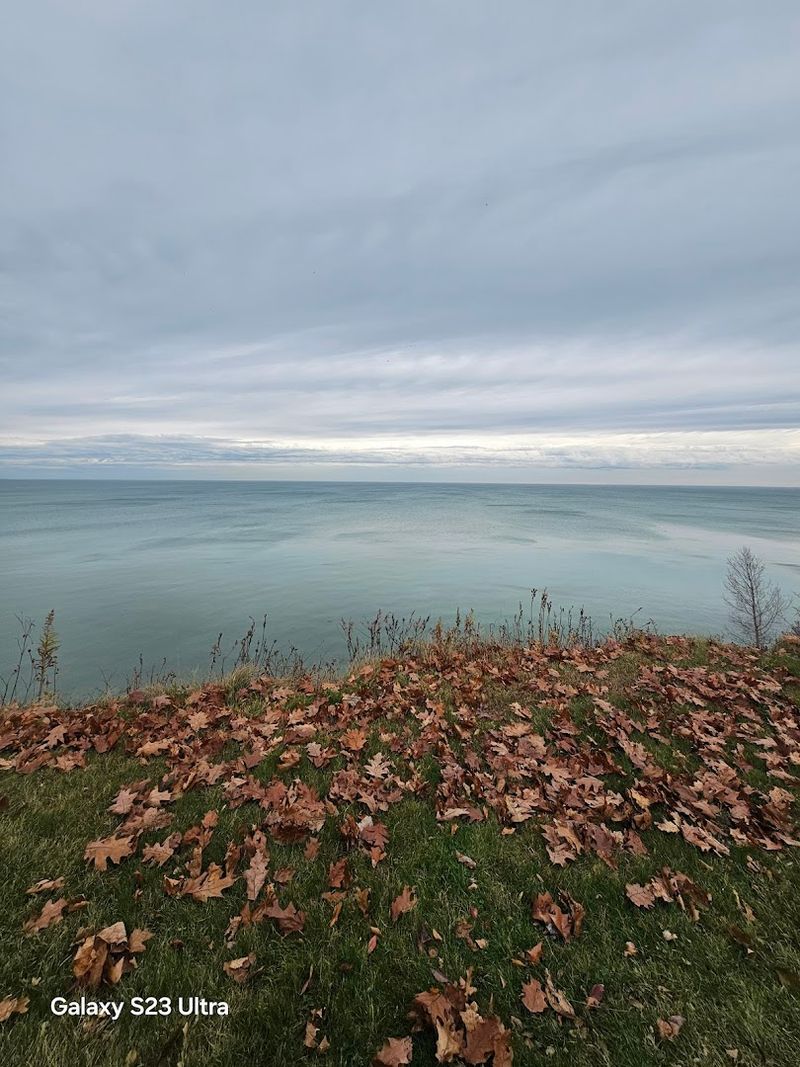
From the bluffs at Erie Bluffs State Park, the water stretches so far toward the horizon that your brain genuinely starts filing it under “ocean” rather than “lake.” Ontario sits directly across the water to the north, but you will never see it from the shore.
The lake reaches a maximum depth of about 210 feet, which is shallow compared to its Great Lake siblings, but still enough to produce powerful waves that crash dramatically against the rocky Pennsylvania shoreline below the park’s bluffs.
The Bluffs Themselves Are A Geological Story
Long before hiking boots ever touched this land, glaciers were busy sculpting it.
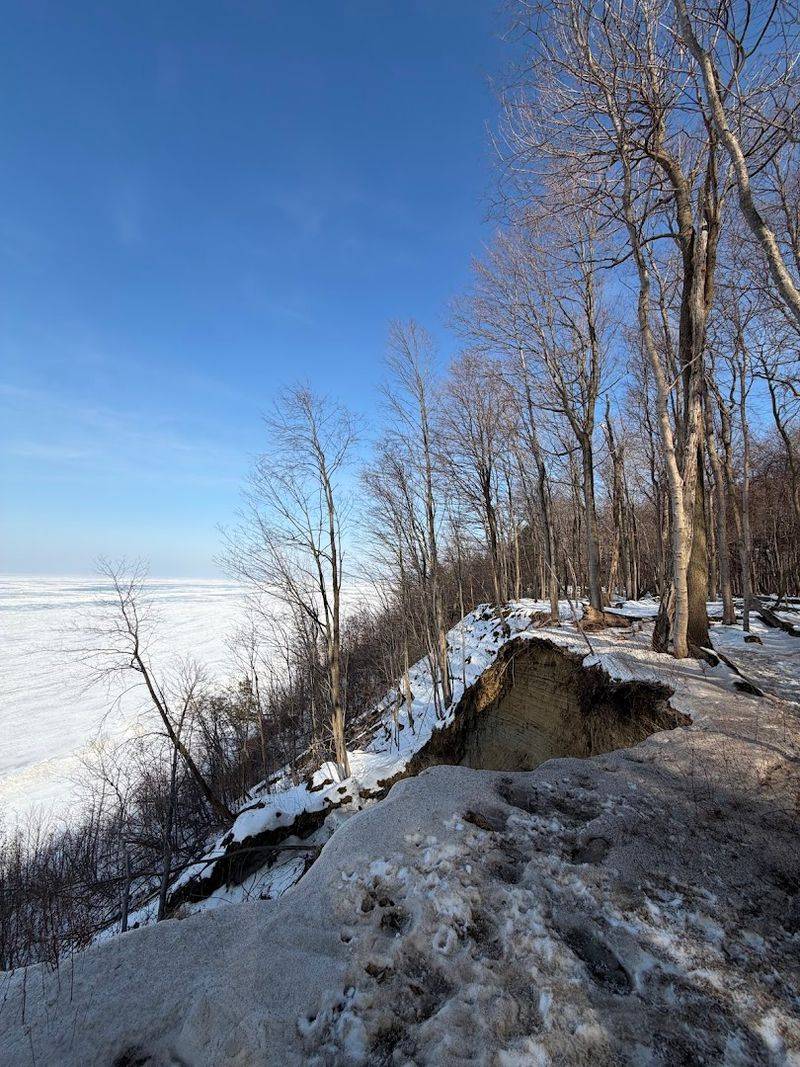
The bluffs at Erie Bluffs State Park are made primarily of clay, shale, and glacial till, deposited over thousands of years as massive ice sheets advanced and retreated across this part of North America.
These bluffs rise sharply above the Lake Erie shoreline, creating dramatic vertical faces that you can admire from both above and below.
The layers of sediment visible in the bluff walls read like pages in a very old geology textbook, each one telling a chapter of the region’s ancient past.
Ohio and the rest of the lake’s basin share this same glacial origin story, which makes the whole region feel connected in a deep, slow, prehistoric way.
Standing at the edge of these bluffs, it is hard not to feel very small and very lucky at the same time.
The Park Is One Of Pennsylvania’s Newer State Parks
Erie Bluffs State Park is not an old institution with decades of visitor infrastructure built up around it.
It is one of the newer additions to Pennsylvania’s impressive state park system, officially established on June 4, 2004, which helps explain why it still has the raw, undeveloped quality outdoor enthusiasts tend to love deeply.
There are no visitor centers, no concession stands, and no playgrounds waiting for you at the trailhead.
What you get instead is a parking area, trail signs, some picnic spots at Elk Creek Access, and a whole lot of honest nature doing its thing without much human interference.
That simplicity is part of the park’s appeal. Erie Bluffs is designated as a day-use park, with the exception of fishing and boating, and swimming is prohibited.
Trail Options Range From Easy Strolls to Challenging Descents
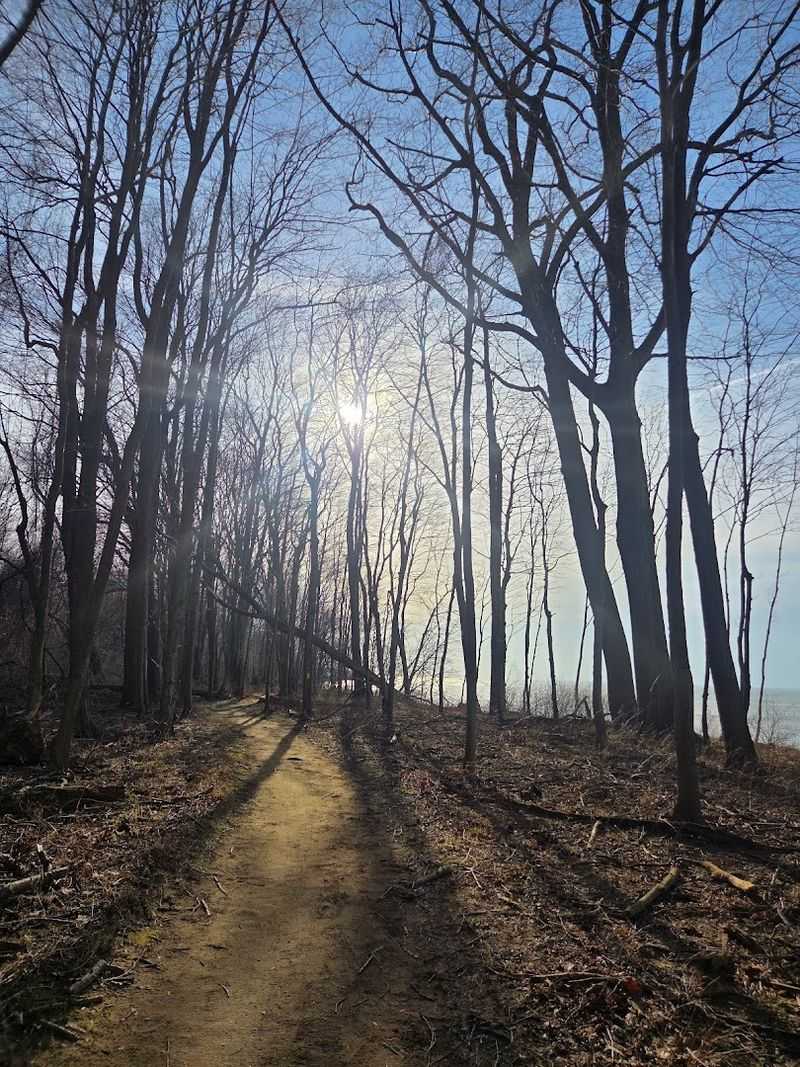
The trail network at Erie Bluffs State Park covers a satisfying variety of terrain, which means you do not have to be an experienced hiker to enjoy a visit, but you will still find something to challenge you if you want it.
Former farming roads circle open fields and savannas before wooded paths lead toward bluff-edge views of Lake Erie.
From there, certain routes descend more steeply toward the shoreline, rewarding the effort with crashing waves, driftwood, and a sense of total escape from everyday life.
The Fisherman’s Foot Path is one of the better-known routes down toward the water and creek mouth area.
Mountain bikers also use several trails here, and DCNR notes that all trails except Fisherman’s Foot Path are open to biking.
Ticks are present in the area, so bringing insect repellent is a practical and important habit before hitting any trail.
With 5.16 miles of trails overall, Erie Bluffs gives visitors real variety without requiring an all-day backcountry commitment.
The Bluff-Top Views Are The Park’s Signature Reward
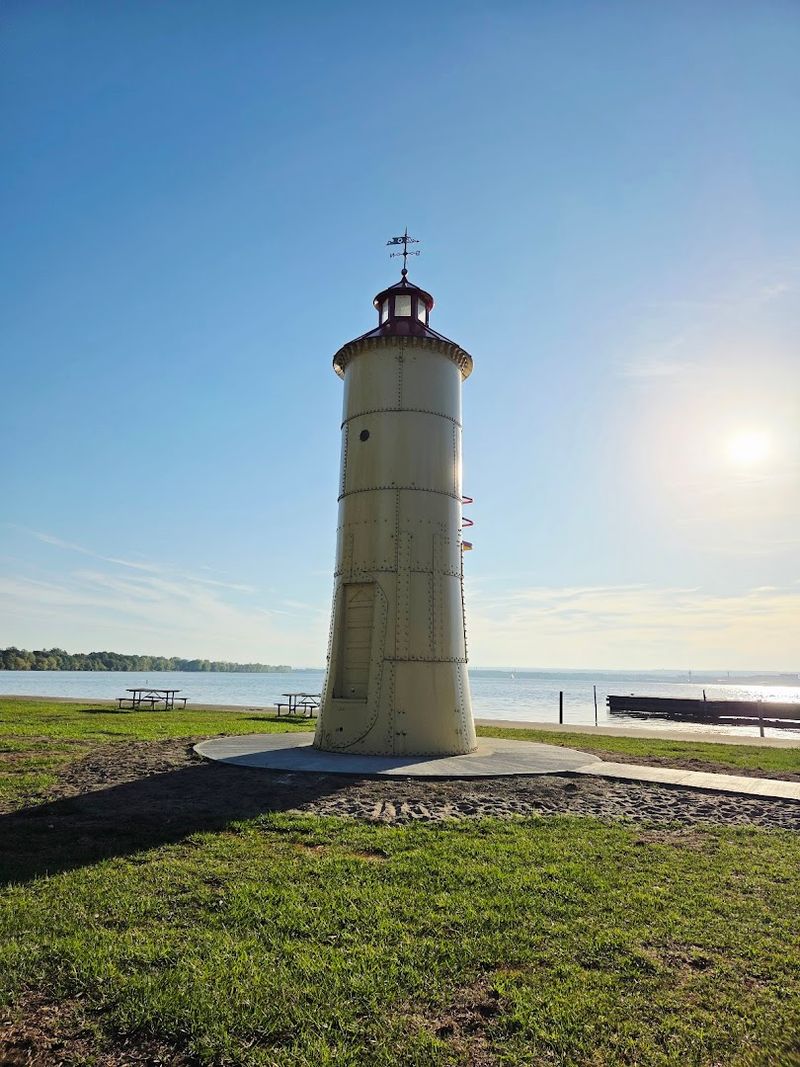
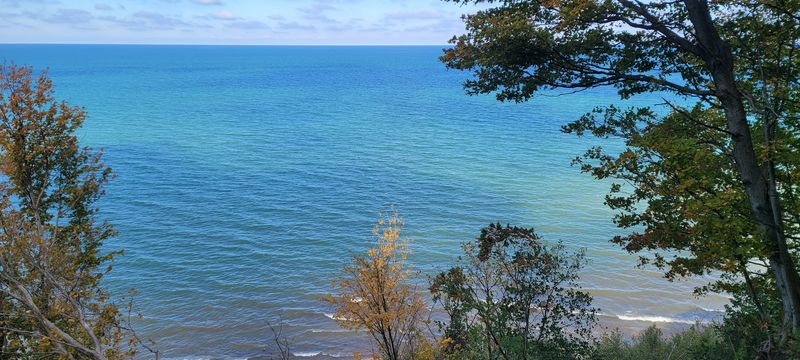
After a walk through tall grass and quiet forest, the moment the trees part and Lake Erie opens up in front of you is genuinely breathtaking.
The bluff-top overlooks at Erie Bluffs State Park offer some of the most dramatic lake views available anywhere along Pennsylvania’s short but striking stretch of Lake Erie coastline.
Ohio sits somewhere beyond that shimmering horizon, but all you see is water, sky, and the occasional passing ship.
The wind picks up considerably at the overlooks, and the sound of waves breaking far below adds a rhythmic soundtrack that makes it very easy to stand there far longer than planned.
A few benches are positioned at key viewpoints, giving visitors a place to sit and absorb the scenery at a slower pace.
Visiting during golden hour, when the late afternoon light turns the lake into something resembling hammered copper, is an experience that is very hard to put into words.
Elk Creek Adds A Whole Second Dimension To The Park
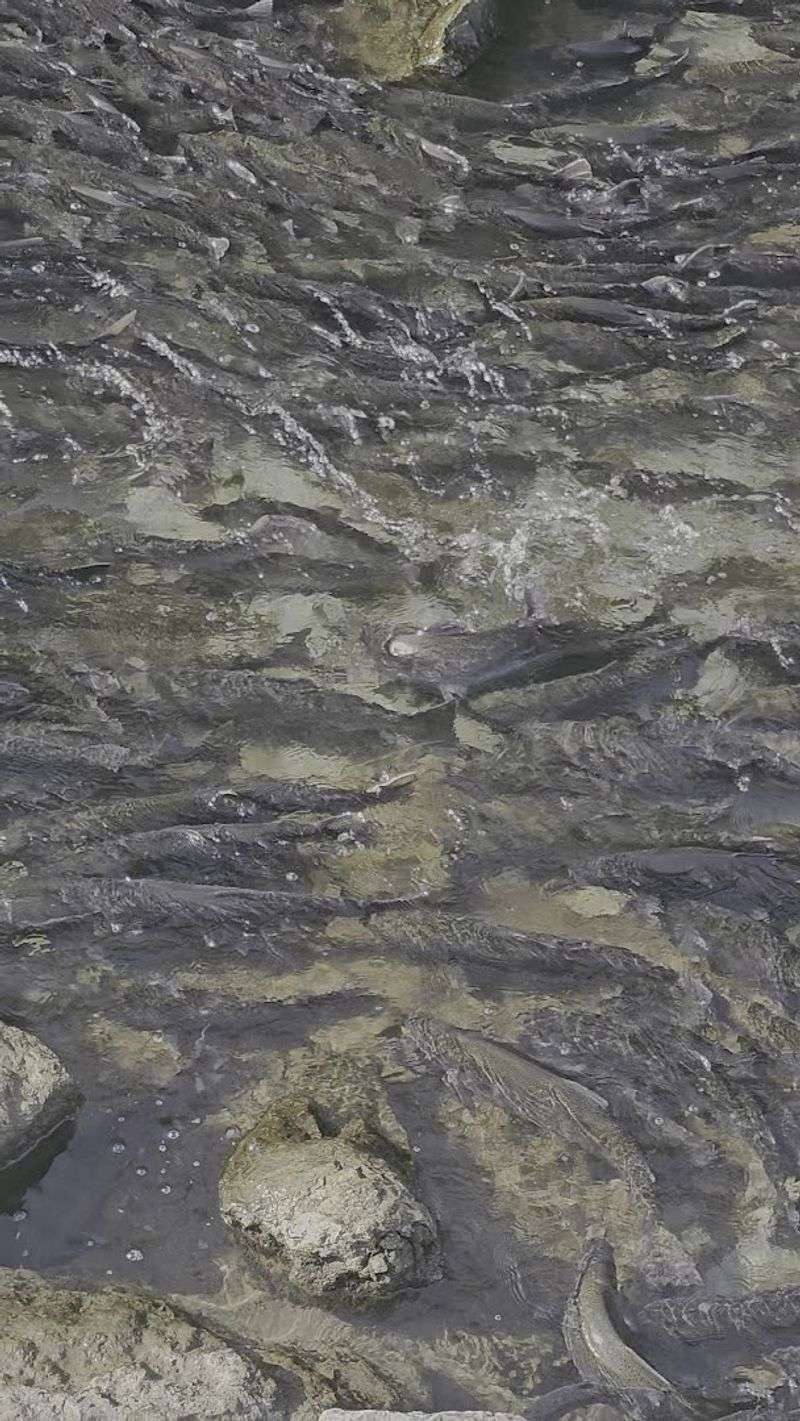
Most visitors come for the lake views, but Elk Creek quietly steals the show for anyone who wanders far enough to find it.
This shallow steelhead stream runs through the park and empties directly into Lake Erie, creating a meeting point of flowing freshwater and vast open lake that feels almost theatrical in its drama.
The area around the creek mouth is loaded with driftwood, smooth stones, and the kind of natural debris that makes for excellent beachcombing.
Steelhead fishing in Elk Creek has a loyal following, with anglers making the trip specifically to try their luck in these productive waters during the right season.
The Elk Creek Access also offers a 24-hour launch suitable for kayaks, canoes, and small motorized watercraft, adding a water-based dimension to the park experience. Anglers can use the access area around the clock.
Ohio anglers sometimes make the drive east specifically to fish this stretch of Pennsylvania shoreline during steelhead runs.
Rockhounding And Beach Glass Make For Unexpected Treasures
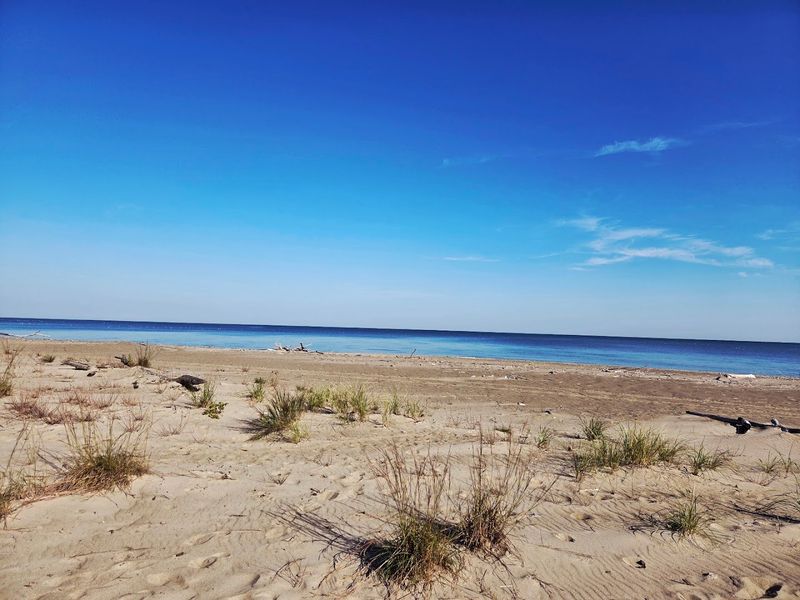
Not everyone who visits Erie Bluffs State Park comes purely for the views and the hiking. The park’s rocky-cobble shore and naturally varied Lake Erie edge give shoreline walkers plenty to look at.
Smooth stones, driftwood, and the occasional bit of weathered beach glass can turn up along the waterline, which adds a treasure-hunt quality to a visit and makes the whole outing feel like a small adventure.
The shoreline itself is part of the appeal. Erie Bluffs protects a rocky-cobble shore, tranquil creek corridors, and rare natural communities, so even a slow walk near the water can feel surprisingly rewarding.
Bringing a small bag and a sense of curiosity is all the equipment you really need for this particular activity.
Wildlife And Wildflowers Bring The Park To Life
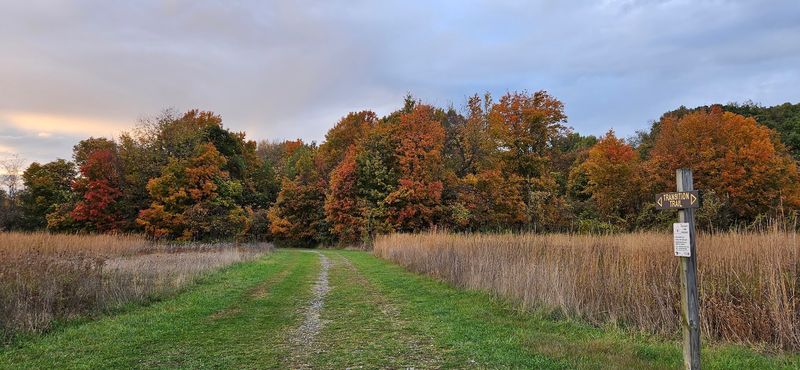
The open grasslands, wooded sections, and shoreline habitat at Erie Bluffs State Park create a patchwork of ecosystems that supports a surprisingly rich variety of wildlife.
Birdsong fills the trails from spring through fall, and the park sits along migration corridors that bring a rotating cast of species through at different times of year.
Wildflowers bloom across the meadow sections of the trail network during warmer months, turning what might otherwise be a simple walk into something that feels genuinely colorful and alive.
The combination of tall grass, forest edge, and lake proximity creates ideal conditions for songbirds, raptors, and waterfowl alike.
Ohio shares the same Lake Erie flyway, making the entire southern shore of the lake a significant zone for bird migration in North America.
Bringing binoculars to Erie Bluffs is a small decision that can pay off in a big way, especially during spring and fall when migration activity peaks along this stretch of coastline.
The Park Is A Surprisingly Easy Day Trip
Distance sometimes makes a destination feel out of reach, but Erie Bluffs State Park sits within a very manageable drive from several major population centers.
Pittsburgh is roughly two hours away, making it a perfectly reasonable Saturday outing for anyone willing to swap city sidewalks for bluff-top trails and lake breezes.
The drive from Cleveland, Ohio, runs even shorter, placing this peaceful Pennsylvania park within easy reach of millions of Ohio residents looking for a natural escape that does not require a full weekend commitment.
The park’s location just west of the city of Erie also makes it a natural add-on to any trip already planned for that area.
Packing a simple lunch, downloading a trail map from the Pennsylvania DCNR website before you leave, and arriving early in the morning will set you up for a day that feels far longer and richer than the actual drive time would suggest.
Every Season Offers A Completely Different Experience
One of the quieter superpowers of Erie Bluffs State Park is how thoroughly it reinvents itself across the four seasons.
Spring brings wildflowers, migrating birds, and the first fresh green on the trails after a long winter. Summer fills the meadows with tall grass and delivers long golden evenings at the bluff overlooks.
Autumn may be the most visually spectacular season of all, when the surrounding forest shifts into warm shades of orange, red, and yellow, and the lake takes on a deeper, more dramatic color under overcast skies.
Late October visits have drawn particular praise from hikers who caught the full fall color display in progress.
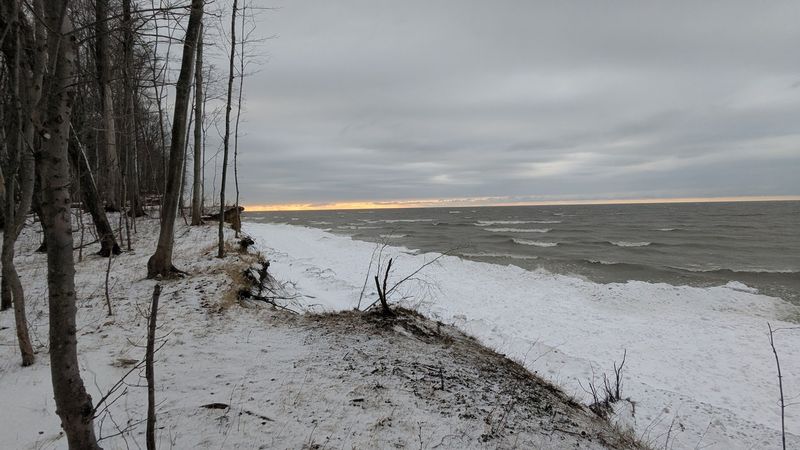
Winter brings a different kind of quiet entirely, and the lake can produce dramatic ice formations along the shoreline during cold snaps.
Ohio and Pennsylvania both experience Lake Erie’s famous lake-effect weather, which means even a winter visit to the park can turn into something genuinely memorable and visually striking.