
This Peaceful Washington Sanctuary Is Where The State’s Most Vulnerable Wildlife Get A Second Chance
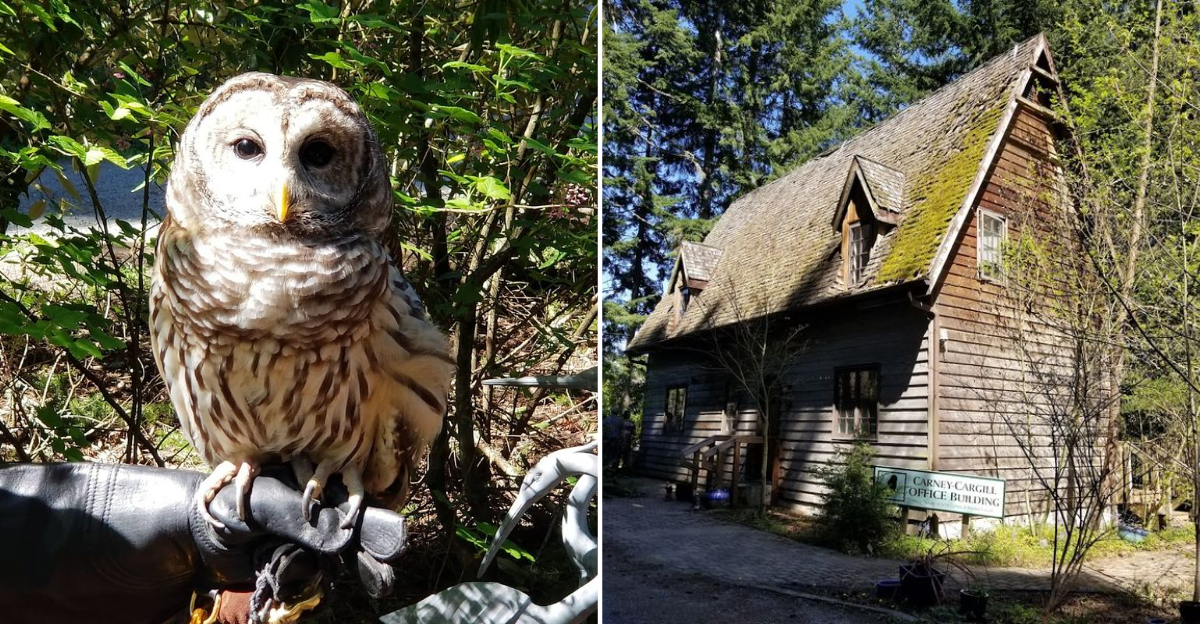
One of the Pacific Northwest’s most quietly remarkable places. I visited on a crisp autumn morning, and honestly, I was not prepared for how moving it would be to stand a few feet from a recovering barred owl or watch a young raccoon take its first confident steps toward the woods.
This non-profit organization treats over 1,500 wildlife patients every year, and its team of licensed rehabilitators, an in-house veterinarian, and more than 70 volunteers work tirelessly to give injured, orphaned, and sick animals a real shot at returning to the wild.
If you care about Washington’s native wildlife and want to understand what genuine conservation looks like up close, keep reading because this place will absolutely change how you see the natural world around you.
The Story Behind The Shelter
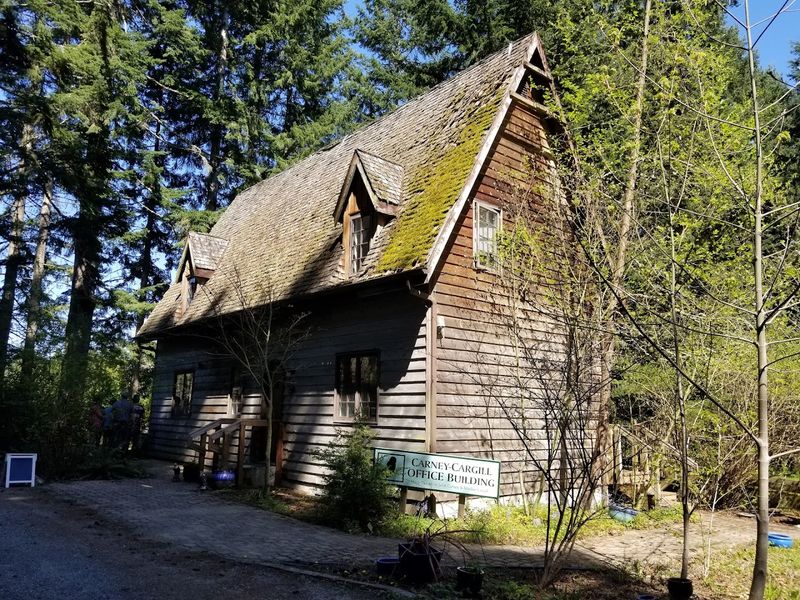
Not every conservation story starts with a grand plan. The West Sound Wildlife Shelter grew from a deep community need on Bainbridge Island, Washington, where local residents kept encountering injured and orphaned animals with nowhere to turn for help.
Over time, that grassroots concern evolved into a fully licensed, non-profit 501(c)(3) organization operating under permits from both the Washington Department of Fish and Wildlife and the U.S. Fish and Wildlife Service. Those credentials are not just paperwork.
They represent a serious commitment to doing things right. What strikes me most about the shelter’s origin is how personal it feels.
This was not a government project or a corporate initiative. It was neighbors deciding that the creatures sharing their island deserved real care.
Today, the shelter serves Kitsap County and reaches into King, Mason, and Snohomish counties across the western Puget Sound region, making it a cornerstone of wildlife rehabilitation for a large and ecologically rich part of Washington State.
The Four-Acre Campus On Bainbridge Island
Walking the grounds at West Sound Wildlife Shelter feels a little like stepping into a working hospital that happens to be surrounded by Douglas firs and birdsong. The four-acre campus is thoughtfully designed to serve animals at every stage of recovery.
There is an X-ray room for diagnosing injuries, large cages for mammals and birds that need space to rebuild their strength, a dedicated aviary, and duck ponds that give waterfowl a chance to practice the skills they will need back in the wild.
Every feature on this campus has a clear purpose tied directly to an animal’s eventual release. I kept noticing how quiet and calm the whole property felt, which makes sense since minimizing stress for recovering wildlife is a core part of good rehabilitation practice.
The shelter is not typically open for drop-in public visits, so tours are by appointment only. That policy keeps the environment peaceful for the animals, which is exactly how it should be.
Over 1,500 Patients Treated Every Year
The numbers alone tell a compelling story. West Sound Wildlife Shelter treats more than 1,500 wildlife patients annually, and in 2019 alone, the team cared for over 91 different species. That kind of variety keeps every single day unpredictable in the best possible way.
The shelter functions as a true wild animal medical center, capable of rescuing animals, running diagnostics, providing treatment, and managing the full rehabilitation process through to release.
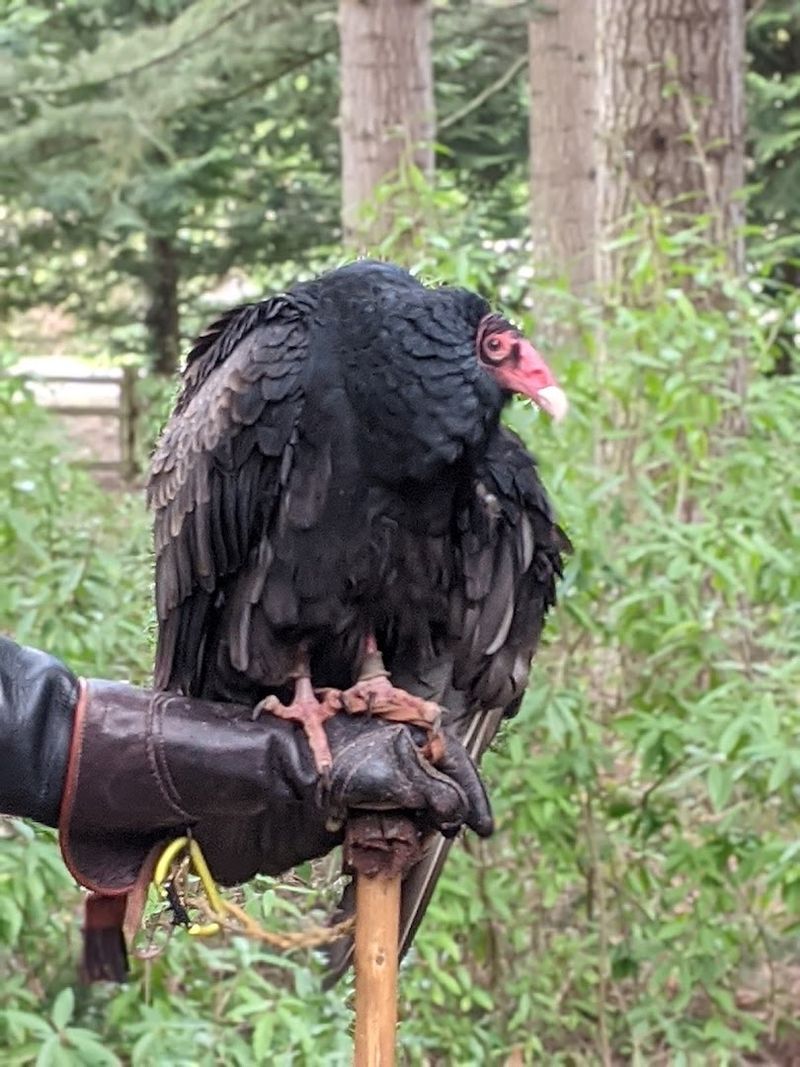
Patients range from tiny chipmunks and eastern cottontails to fox cubs, young raccoons, Virginia opossums, and a wide range of bird species including raptors, seabirds, corvids, passerines, and waterfowl.
What the team does not accept is equally important to understand. Sea mammals, adult deer, elk, bear, cougars, and adult coyotes fall outside the shelter’s capacity, which reflects responsible boundary-setting rather than indifference.
Knowing your limits is part of doing good work, and this organization clearly understands that truth with quiet confidence.
An Impressive Release Rate That Speaks For Itself
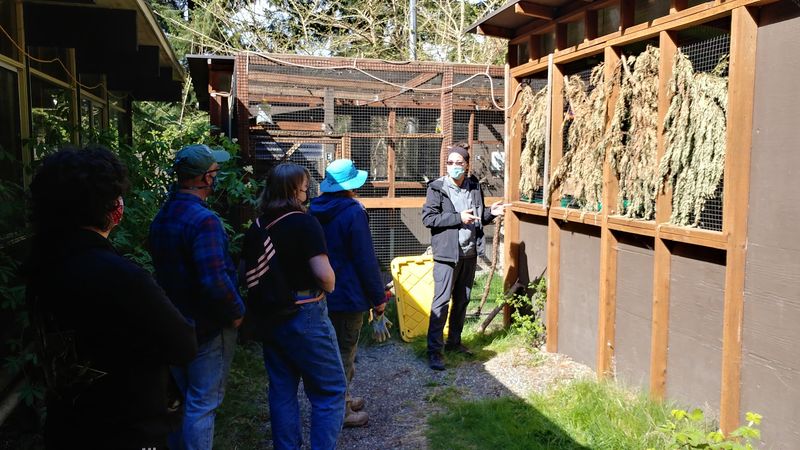
Here is a number worth pausing on: approximately 80 to 85 percent of the animals that arrive at West Sound Wildlife Shelter are successfully released back into the wild. For a wildlife rehabilitation facility, that is a genuinely outstanding outcome.
Achieving that kind of release rate requires far more than simply treating an injury and opening a cage door. Before any animal leaves the shelter’s care, the team makes sure it can protect itself, hunt or forage effectively, and move without impairment. Animals that cannot meet those benchmarks are not released, because sending a vulnerable creature back into the wild unprepared would do more harm than good.
Watching a rehabilitated animal walk, fly, or swim back into its natural habitat is reportedly one of the most rewarding moments the staff and volunteers experience. I believe it.
There is something quietly powerful about knowing that every released animal represents months of careful, skilled, and deeply compassionate work by an entire team.
Wildlife Ambassadors And Education Programs
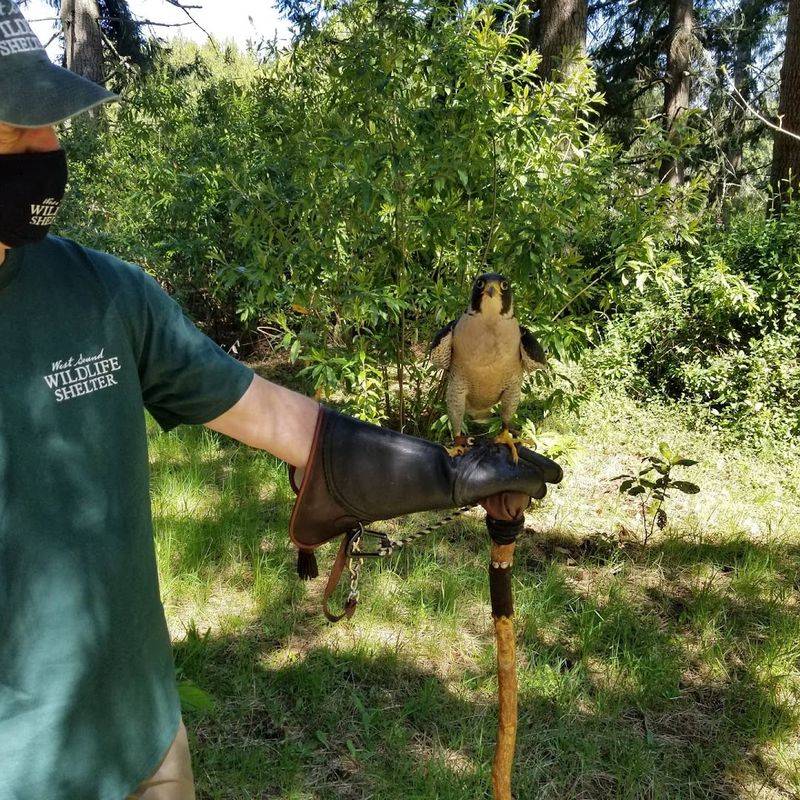
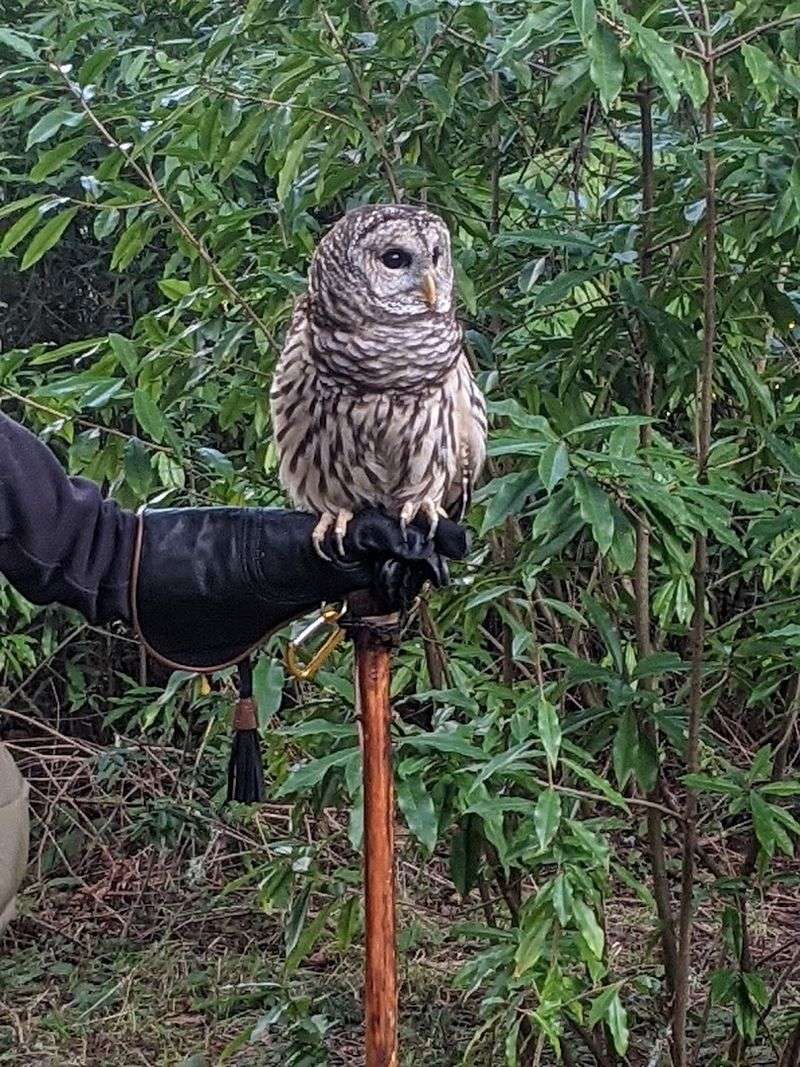
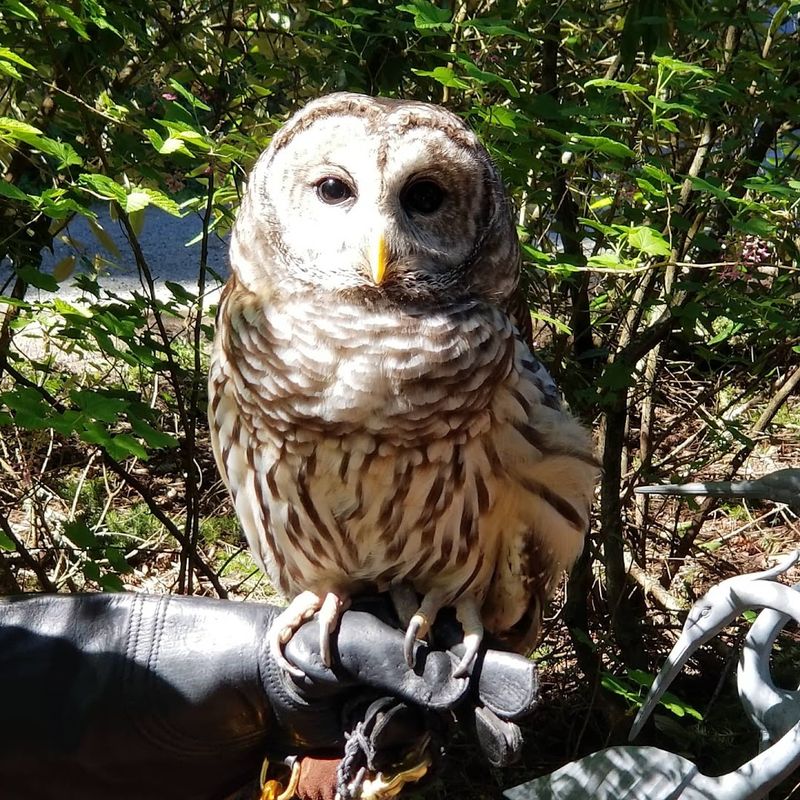
Meet Lilith. She is a barred owl and one of the shelter’s most beloved wildlife ambassadors, an animal that cannot be safely returned to the wild but serves an equally important role by helping people connect with nature in a meaningful way.
The shelter’s education programs are aligned with state and national science standards and are brought to schools, community groups, and public events throughout the region. These are not generic presentations.
They are carefully crafted experiences designed to spark genuine curiosity and respect for Washington’s native wildlife.
Beyond classroom visits, the shelter also offers practical, non-lethal advice for residents dealing with nuisance wildlife, which is an incredibly useful service for anyone living near forests, wetlands, or shorelines in the Pacific Northwest.
The combination of hands-on rehabilitation work and community education is what makes West Sound Wildlife Shelter more than just a treatment facility. It is a living bridge between people and the natural world they share.
The Volunteers And Staff Who Make It All Possible
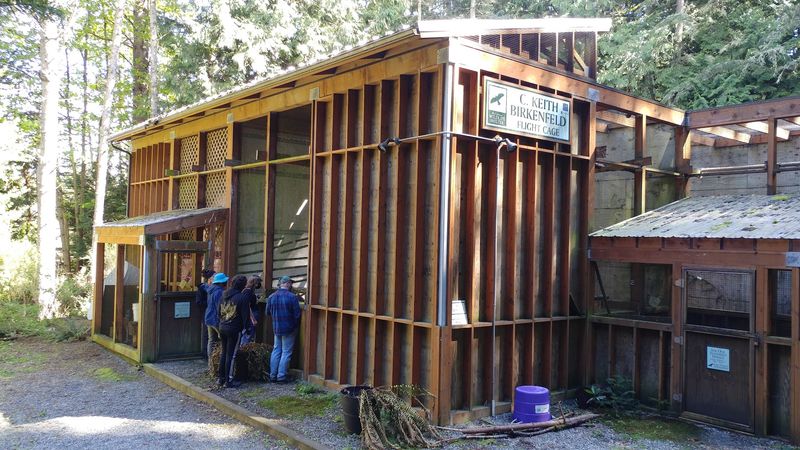
More than 70 volunteers show up regularly to support the work at West Sound Wildlife Shelter, and without them, the scale of care the organization provides simply would not be possible.
These are people who clean enclosures, prepare food, assist with animal transport, and handle the hundred small tasks that keep a busy rehabilitation facility running smoothly every single day.
Alongside the volunteers, the shelter employs licensed wildlife rehabilitators and an in-house veterinarian who together form the medical backbone of the operation. That combination of professional expertise and community dedication is genuinely rare, and it shows in the quality of care the animals receive.
I find something deeply encouraging about a place that runs on that kind of shared commitment.
In a world where it is easy to feel disconnected from the environment, these volunteers and staff members are proof that local action, taken consistently and seriously, can make a measurable difference for hundreds of living creatures every single year.
The Future: A New 13-Acre Campus In Port Gamble
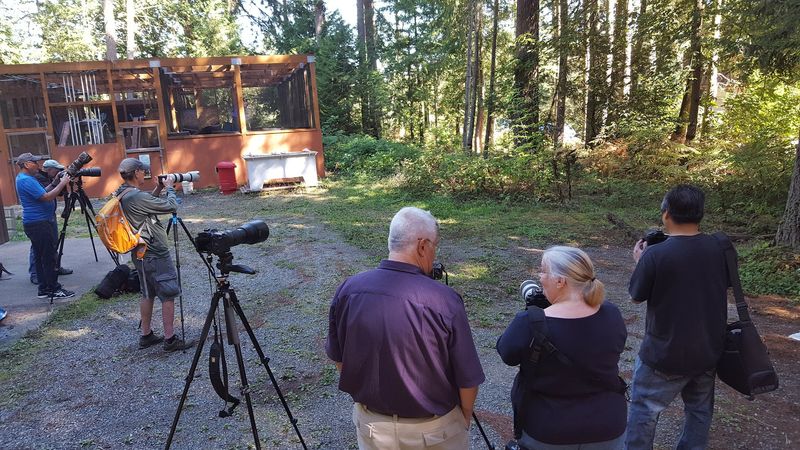
The West Sound Wildlife Shelter is not standing still. Plans are already in motion for a new 13-acre campus in Port Gamble, Washington, and the vision for that space is genuinely exciting for anyone who cares about wildlife conservation and public education.
The expanded facility is being designed to include space for public tours, school field trips, and day camps, which would open up the shelter’s work to a much wider audience than is currently possible.
Right now, visits to the Bainbridge Island campus are by appointment only, so a dedicated public-facing campus would be a meaningful shift in how the organization connects with its community.
More space also means more capacity to treat animals, run programs, and train the next generation of wildlife rehabilitators across the Puget Sound region.
If the current campus is a quiet, focused sanctuary, the Port Gamble site promises to become something bigger: a true hub where Washington residents can learn, engage, and invest in the future of their state’s wild neighbors.
What It Takes To Rehabilitate A Wild Animal
Rehabilitating a wild animal is nothing like caring for a pet. Every patient at West Sound Wildlife Shelter arrives scared, stressed, and often in serious pain. The team must balance hands-on medical treatment with careful distance, because too much human contact can make an animal unfit for life in the wild.
Birds need to relearn flight. Baby mammals must be weaned on species-appropriate diets. Raptors practice hunting before they are ever released.
Each step is deliberate, patient, and guided by years of hard-earned expertise. The goal is never to tame these animals, but to fully restore their wildness. That makes the work both tender and incredibly disciplined.
A successful recovery is not measured by how comfortable an animal becomes around people, but by how ready it is to leave them behind. Behind the scenes, staff and volunteers handle feeding schedules, medical checks, enclosure cleaning, and constant observation with quiet precision.
When a recovered animal finally returns to its habitat, every careful step along the way suddenly feels worth it.