
This Peaceful Washington Sanctuary Lets You Meet Rescued Farm Animals Living Out Their Days In Comfort
Frilly the Highland cow loves nothing more than a good back scratch, and yes, you can be the one to give it to her. Just a short drive from Seattle in Washington, there’s a working sanctuary where rescued goats, alpacas, donkeys, and pigs get to live their whole lives being loved.
Entry is free, the animals all have names and stories, and the whole place feels a world away from the city. It might just become your family’s favorite weekend tradition.
A Country Refuge in May Valley
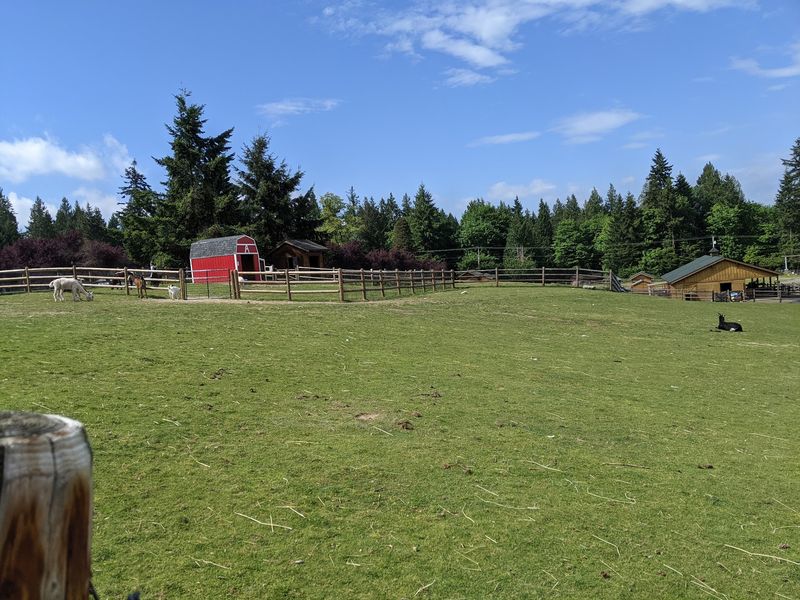
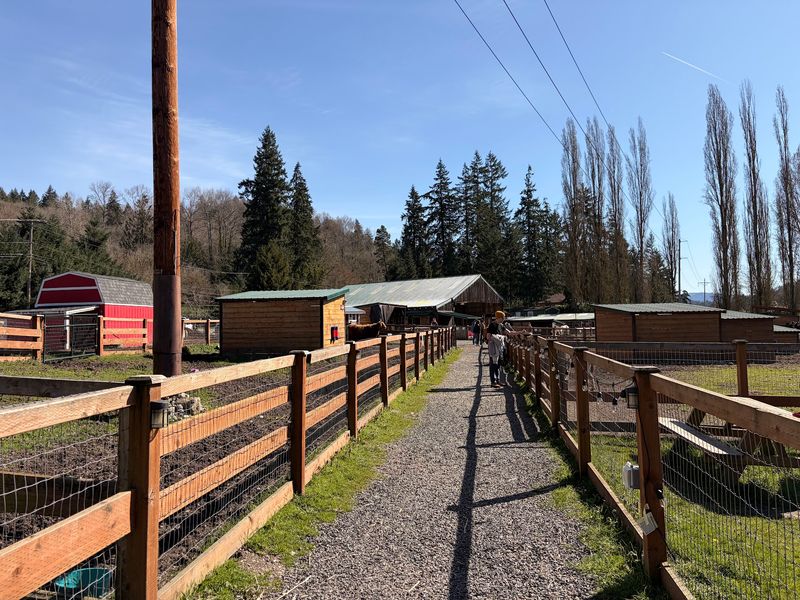
Sitting along SE May Valley Road in Renton, this sanctuary feels far more rural than its address suggests. Green pastures roll out beneath the surrounding foothills, and the barns and pens are arranged so visitors can wander at an easy pace.
What makes the spot special is its purpose. Every creature here is a rescue, given a permanent home rather than being passed along.
It functions as a nonprofit, running almost entirely on donations and the muscle of dedicated volunteers.
You will not find a flashy roadside attraction with blaring signs. Instead, the setting stays calm and clean, with careful pathways guiding you from one animal group to the next.
The whole layout puts the well-being of the residents first while still letting people get close.
Close to the Puget Sound cities yet tucked into quiet farmland, it strikes a lovely balance. Regulars mention how it does not feel like you are minutes from a freeway.
That country hush is part of the charm, and it sets the tone for everything else you will experience here.
Rescued Residents With Names and Stories
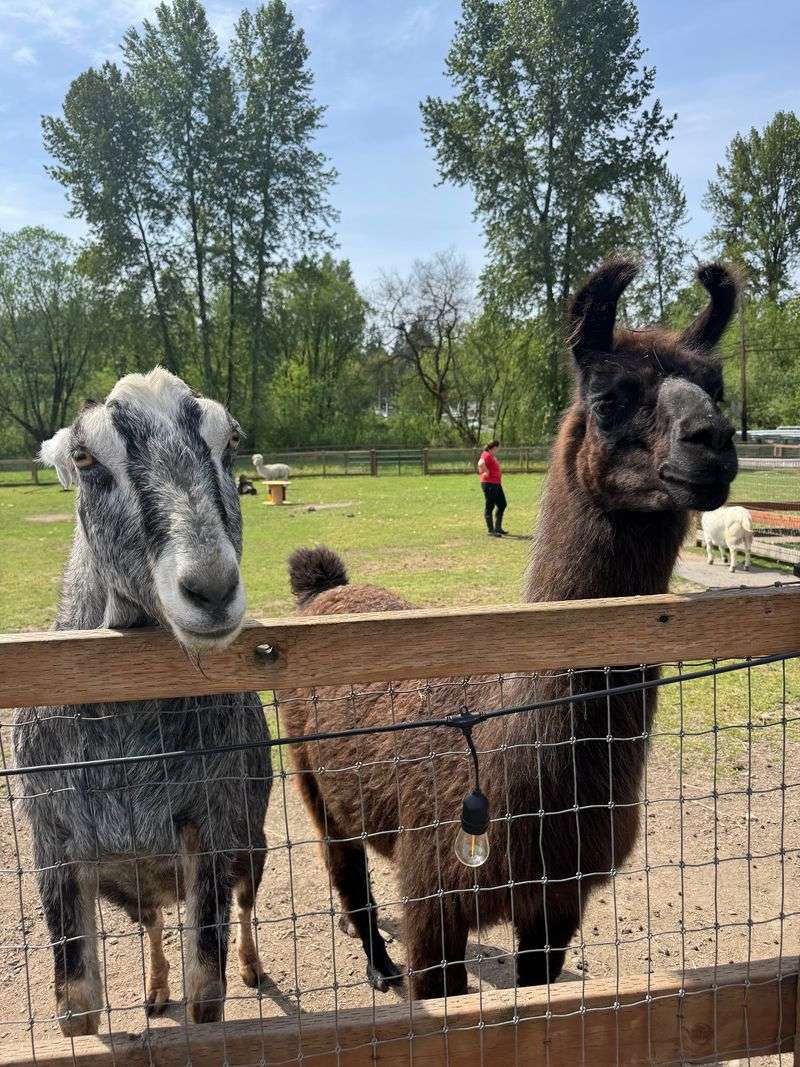
Every animal you meet here comes with a written backstory posted nearby, so you learn exactly why each one needed a soft place to land. That small touch turns a simple visit into something closer to a meaningful introduction.
Because the residents are rescues rather than exhibits, the tone stays respectful. This is a sanctuary, not a petting zoo, and the difference shows in how the staff talk about their charges.
Visitors often say the personal histories stick with them long after they leave.
You might read about a shy alpaca, a spirited goat, or an older animal like Hamilton, who moves slowly these days but is clearly watched over with care. Knowing the names makes the whole experience feel personal.
Kids especially seem to soak up the lessons woven into each story. Learning why an animal ended up here can spark real compassion in a way that a textbook never could.
The map itself is designed with children in mind, right down to playful touches that keep young visitors curious as they explore each corner of the grounds.
Frilly the Highland Cow Steals the Show
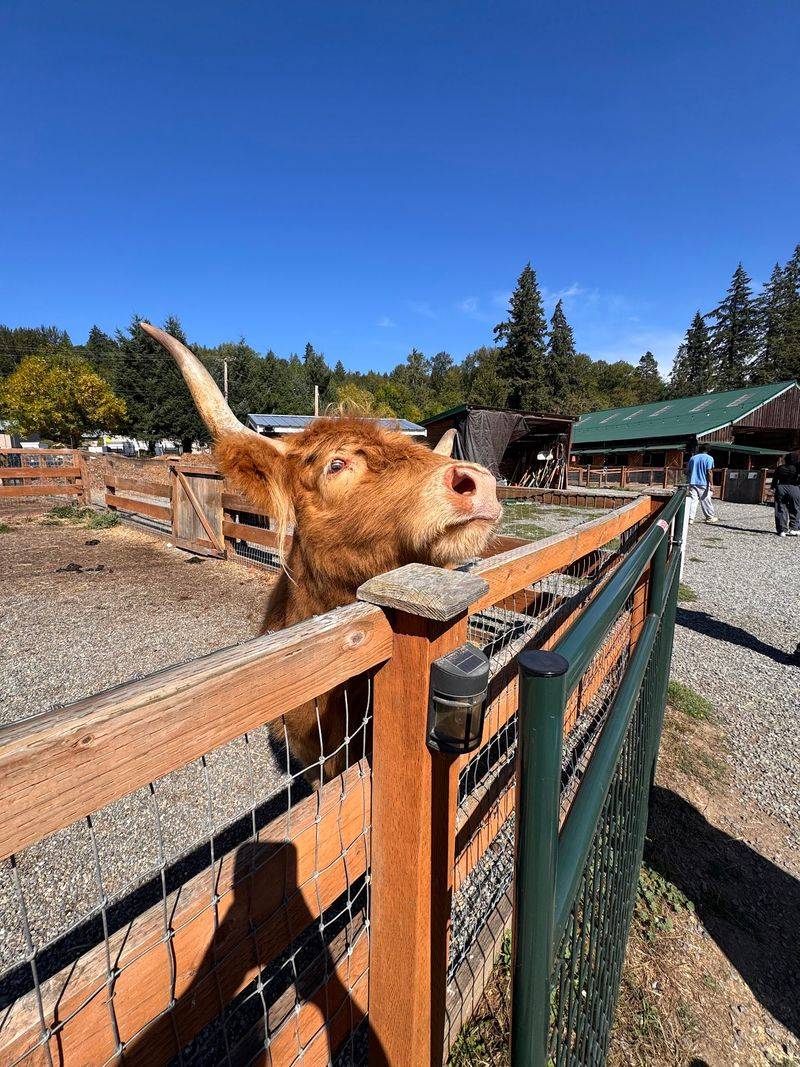
Meet the unofficial celebrity of the grounds: a shaggy Scottish Highland cow named Frilly, whose long coat and gentle eyes make her impossible to walk past. She adores a good back scratch, and if you offer one, she will happily lean in for more.
Guests light up talking about her. Feeding her hay cubes and giving her scratches ranks near the top of nearly everyone’s favorite moments, adults included.
There is something disarming about a big animal that just wants attention and treats.
Her fluffy fringe and calm demeanor make her a natural favorite for photos, so keep your camera ready. She tends to greet new friends with the same easy patience every time.
Frilly represents what the whole place stands for. Once in need of a home, she now spends her days basking in affection from a steady stream of admirers.
If you visit only for one animal, she is the one people mention again and again, and she rarely disappoints the folks who came hoping to meet her.
Stepping Inside the Goat and Alpaca Pens
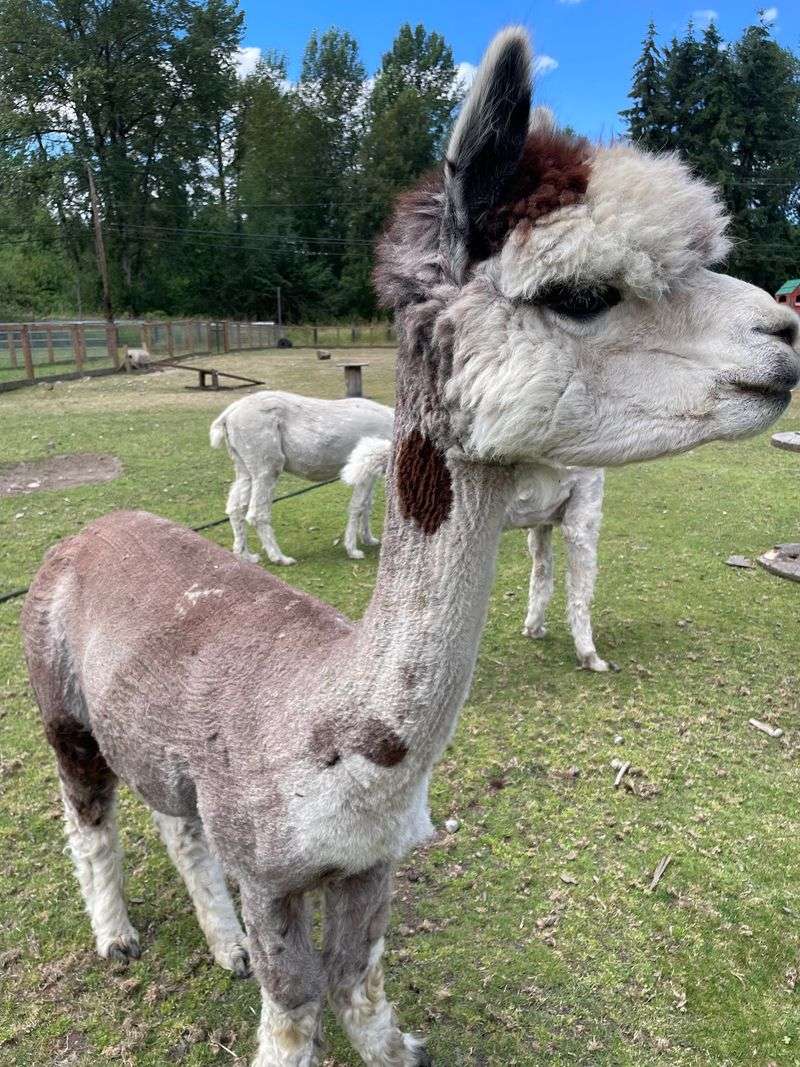
Here is the surprise that catches most first-timers off guard: you can actually walk right into certain pens and hang out with the animals. Two interactive areas let you step in among the goats and get up close with the alpacas.
The goats are the comedians of the bunch, described by many as hilarious and endlessly friendly. They crowd around for treats, nibble hay cubes from your hand, and generally make everyone laugh.
Alpacas play it a little cooler. You can feed them, but they prefer not to be petted, and the staff gently explain that boundary so visitors learn to respect it.
Kids seem to grasp the lesson quickly, which makes the whole thing a small exercise in kindness.
Being inside the enclosure, rather than watching from behind a rail, changes everything. You are on their turf, moving at their pace, which feels far more personal than a typical animal outing.
That level of access is a big reason people keep coming back, often bringing new friends and family along the next time.
Donkeys, Minis, and the Gentle Crowd
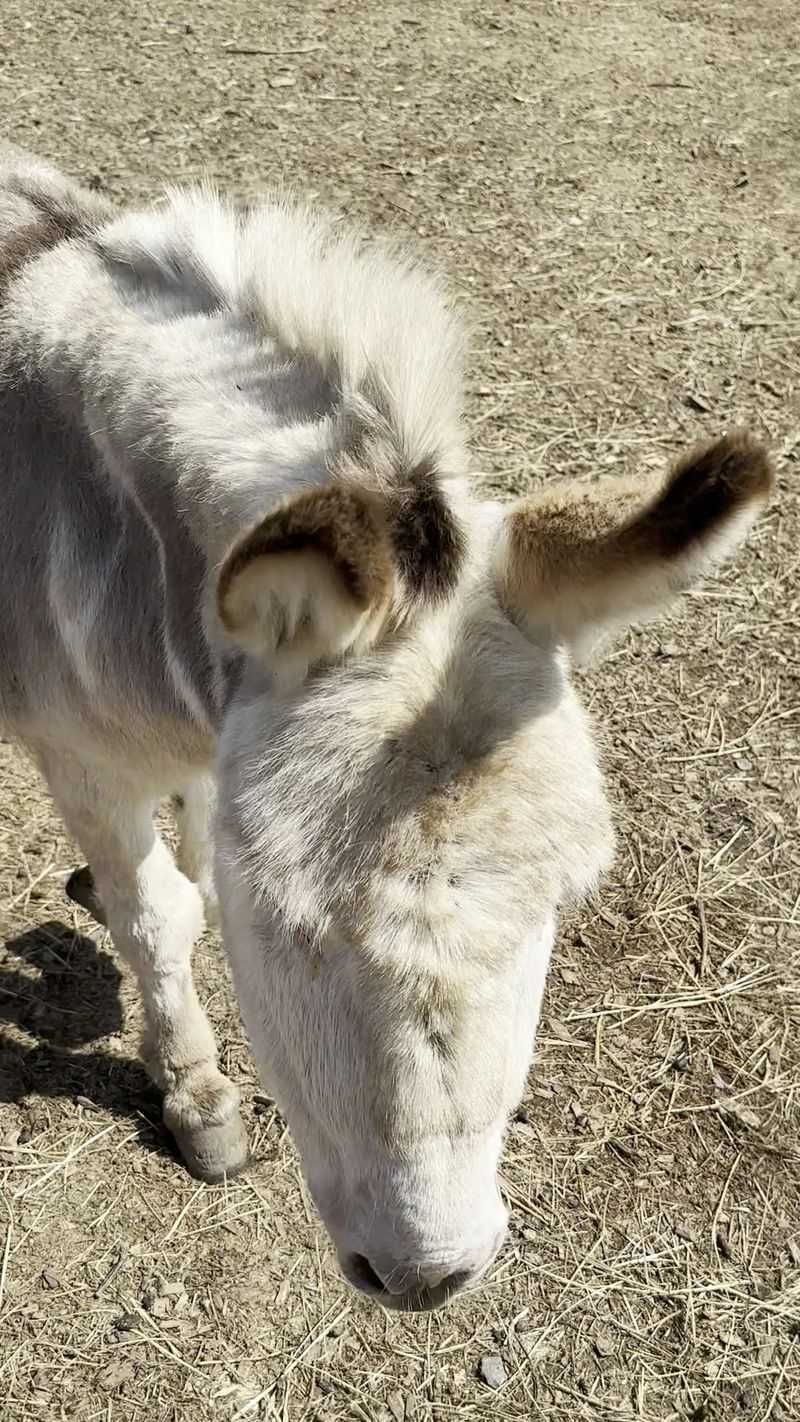
Prepare to have your heart melted by the smallest hooves on the property. The mini donkeys and miniature horses win over just about everyone, with visitors calling them as adorable as they are sweet.
You will spot names like Sweet Pea, Sweet Heart, and Sweet Dream among the little ones, and the mini horses are known for being a genuine hoot. Their pint-sized size makes them a favorite for younger guests standing eye to eye with them.
A quick heads-up on the rules here: the horses and minis are look-but-don’t-feed residents. Staff ask that you avoid feeding or petting them, and following that keeps everyone comfortable and safe.
Donkeys, meanwhile, often come trotting over for attention, adding to the parade of friendly faces. Watching the smaller animals go about their day has a soothing quality that grown-ups appreciate just as much as the kids do.
Between the donkeys and the minis, this corner of the sanctuary tends to slow everyone down. It is easy to lose track of time simply admiring how content these little characters seem in their forever home.
Feed Buckets That Fuel a Good Cause
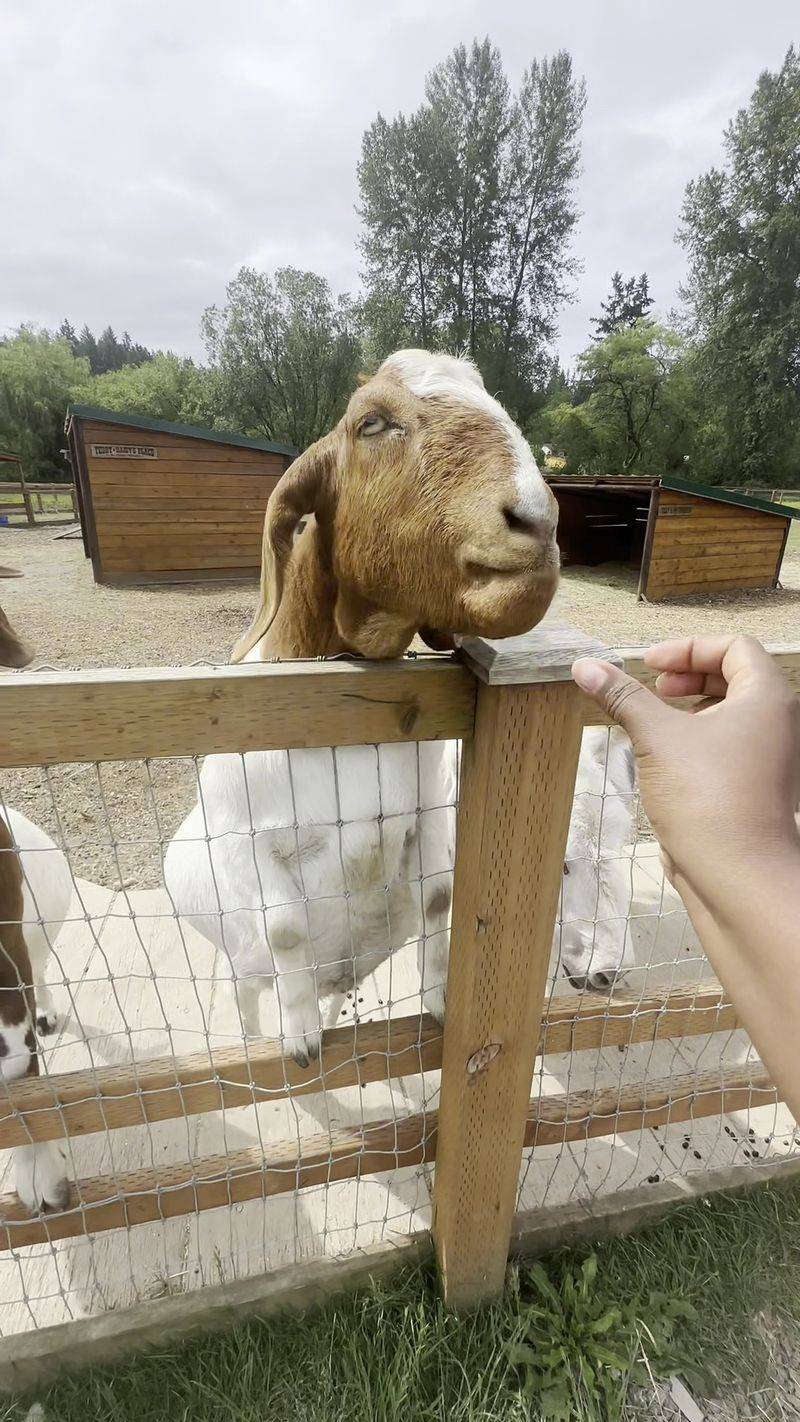
For a five dollar donation, you can grab a little bucket of feed at the front, and honestly, that small cup of hay cubes might be the best five dollars you spend all weekend. Feeding the animals ranks as the highlight for most visitors.
Outside food is not allowed, which keeps the animals healthy and their diets consistent. The buckets sold on-site are made just for the residents, so you never have to guess what is safe to offer.
Every dollar from those buckets loops right back into caring for the animals. Since the sanctuary runs on donations, that simple purchase directly supports feed, shelter, and vet care for the rescues you are meeting.
Watching a goat eagerly munch from your palm, or coaxing an alpaca closer with a treat, delivers a payoff far bigger than the modest cost. Families often buy a few buckets so everyone gets a turn.
It is a wallet-friendly way to make your visit hands-on while doing something genuinely good. Few outings let you help so directly for so little.
Play Areas for the Younger Crowd
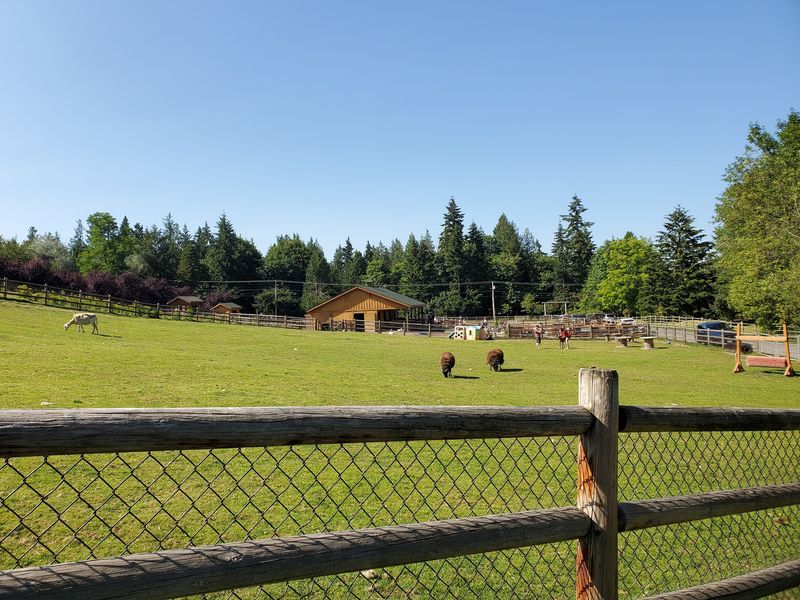
Not every toddler is here for the alpacas, and the sanctuary planned for exactly that. Two play areas give kids room to burn energy, including one with baby goats and another that stays animal-free.
Some little ones end up more fascinated by the farm machinery on display than the four-legged residents, and that is perfectly fine. The mix means restless kids always have somewhere to roam while the grown-ups linger over the animals.
Picnic tables are scattered throughout, so you can pack a light lunch and settle in when small legs need a break. Turning a quick stop into a leisurely afternoon becomes easy with those seating spots around.
Parents appreciate how thoughtfully the whole space is laid out, with clear signage guiding families and keeping everyone safe. The design genuinely puts children first, from the play zones to the maps.
Because the animals still steal the show for most, the playgrounds work as a bonus rather than the main event. Together they make the sanctuary a place where kids of every temperament find something to love.
Volunteers Who Clearly Love the Work
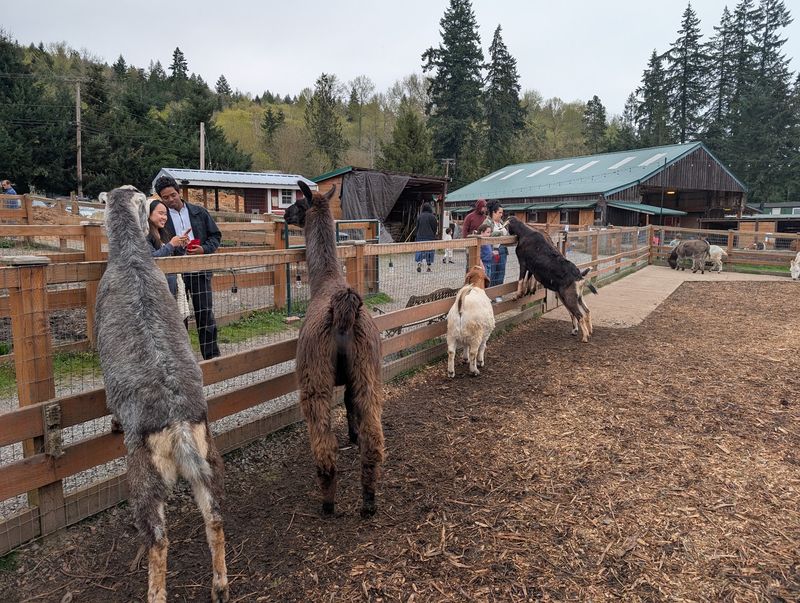
You can feel it the moment you arrive: the people here genuinely adore what they do. The majority of the team are volunteers, and their devotion to the animals shines through in every interaction.
Guests consistently describe the front staff as warm, welcoming, and never pushy. For folks who feel anxious in crowds, that relaxed approach lets you explore at your own pace without pressure.
Beyond friendliness, the volunteers know each animal’s personality inside and out, always putting well-being first. They happily share fun facts and teach visitors, especially children, how to interact respectfully.
One group that brought at-risk youth on a field trip walked away praising how welcoming and helpful the whole crew was from start to finish. That kind of hospitality leaves a lasting impression.
Because the sanctuary leans so heavily on these caring hands, the animals stay healthy, clean, and clearly content. Visitors often remark that the residents look happy, and that glow traces straight back to the dedicated people tending them day after day, rain or shine.
A Quiet Dose of Everyday Therapy
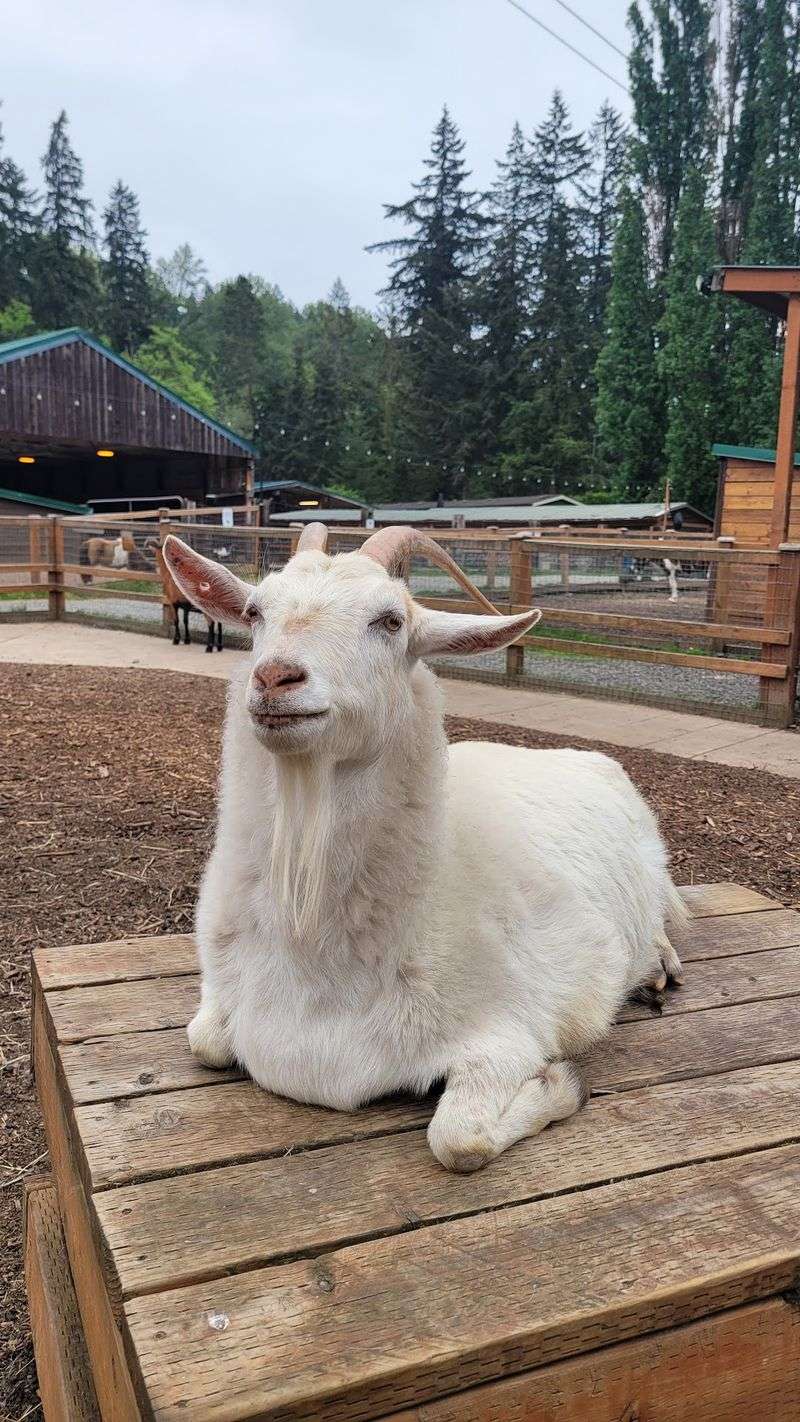
Some visitors come for the goats, but they leave with something quieter and harder to name. More than a few describe the sanctuary as their personal therapy, a place that steadies the mind and lifts the mood.
Seeing animals cared for so tenderly has a calming effect that lingers. The unhurried pace, the gentle nuzzles, and the soft country quiet combine into an afternoon that feels genuinely restorative.
Because staff let you move at your own rhythm, there is no rushing from pen to pen. You can simply stand beside a friendly goat, scratch Frilly’s back, and let the stress of the week slip away.
People who struggle with anxiety often mention how comfortable they feel here, thanks to the patient, low-key welcome. Nobody hovers or hurries you along.
That combination of purpose and peace is exactly what keeps folks returning again and again. Whether you arrive curious or simply worn out, an hour among these contented rescues tends to send you home a little lighter than you came.
Booking Your Visit and What It Costs
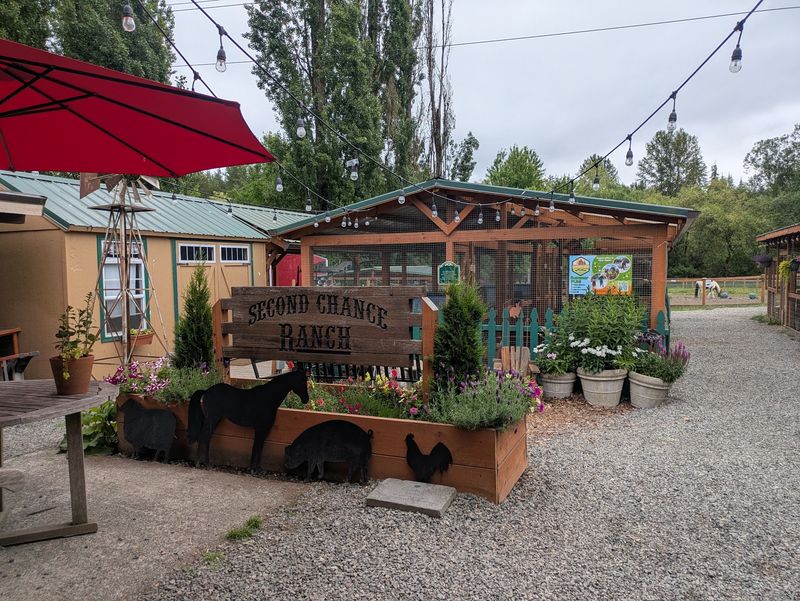
Here is the one rule you cannot skip: reservations are required, and they are done online before you arrive. The sanctuary runs by appointment only, so booking a time slot guarantees your spot.
The best part for budget-minded families is the price of admission, which is free. The sanctuary simply suggests a donation, with amounts around ten dollars mentioned as a helpful gesture toward the nonprofit’s care costs.
Add the optional five dollar feed bucket if you want the hands-on fun, and you have a full outing for very little money. That affordability makes it easy to bring the whole crew.
Because entry runs on appointments, parking rarely becomes a headache even though space is limited. The scheduled slots keep crowds manageable and give everyone room to breathe.
Should you turn up a touch early or make an honest mix-up, regulars note the staff tend to be accommodating. Still, following the reservation directions and respecting the donation-based model keeps things running smoothly for the animals and every guest who follows you through the gate.
Hours, Directions, and Handy Tips
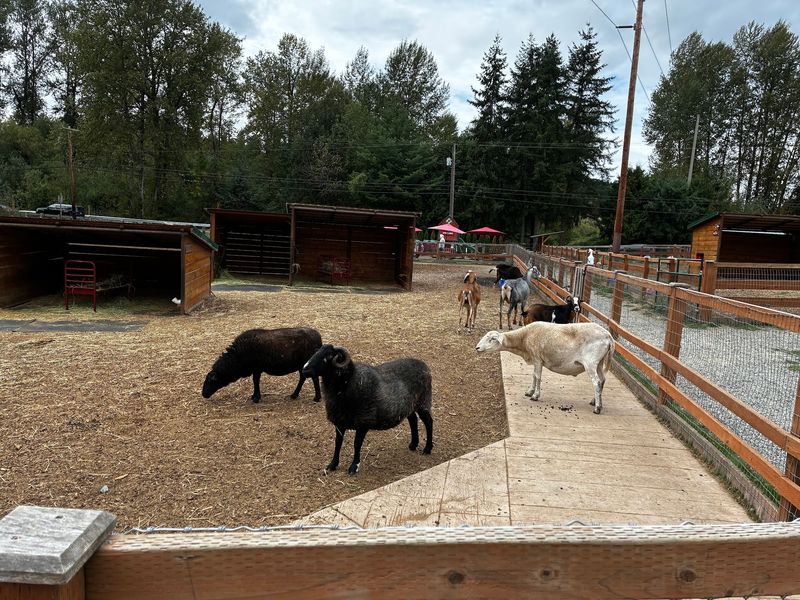
Plan your trip around the schedule: the sanctuary welcomes visitors Tuesday through Sunday from 9 AM to 4:30 PM, and it stays closed on Mondays. Arriving earlier on hot days keeps both you and the animals comfortable.
You will find it at 16515 SE May Valley Road in Renton, an easy hop from the Seattle area yet worlds away in feel. The country setting is part of what makes the drive worthwhile.
A word to the wise on footwear: wear farm shoes or boots you do not mind hosing down, because things can get muddy. Nobody has ever regretted skipping their nicest sneakers here.
Clean portable toilets and a stocked handwashing station are on-site, so you are covered on the practical front. Packing a light picnic lets you settle at the tables for a longer stay.
Bring cash or a card for that feed bucket and donation, dress for the weather, and you are set. A little preparation turns a good visit into a smooth, memorable one for everyone in your group.
Why This Little Refuge Wins Hearts
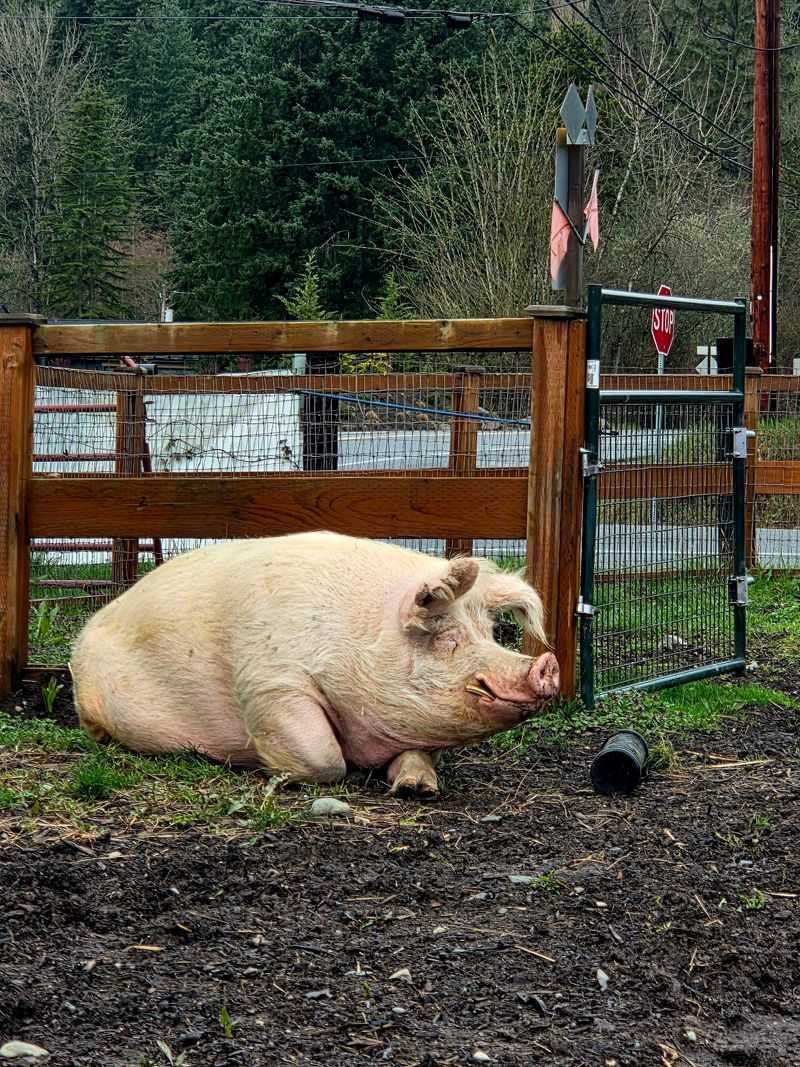
By the time you head back to your car, hay cubes gone and boots a little muddy, it is easy to see why so many people plan return trips. Few outings pack this much warmth into such an affordable, easygoing afternoon.
What stays with visitors is not just the animals, though Frilly and the goats certainly earn their fame. It is the sense that every creature here is safe, loved, and given a real forever home.
Families walk away with kids who learned something about compassion. Retirees and solo visitors leave feeling lighter, having spent an hour surrounded by contented, well-tended animals.
Between the free admission, the gentle pace, and the friendly volunteers, it hits that sweet spot of a memory-rich outing that barely dents your wallet. You could easily do it this weekend.
If you have been searching for a low-key Washington day trip that leaves everyone smiling, this quiet refuge near Renton belongs near the top of your list. Book a slot, bring your kindness, and let the rescues do the rest.