
This Pennsylvania Air Museum Brings You Back To The Era When Flying Was A Bold Adventure
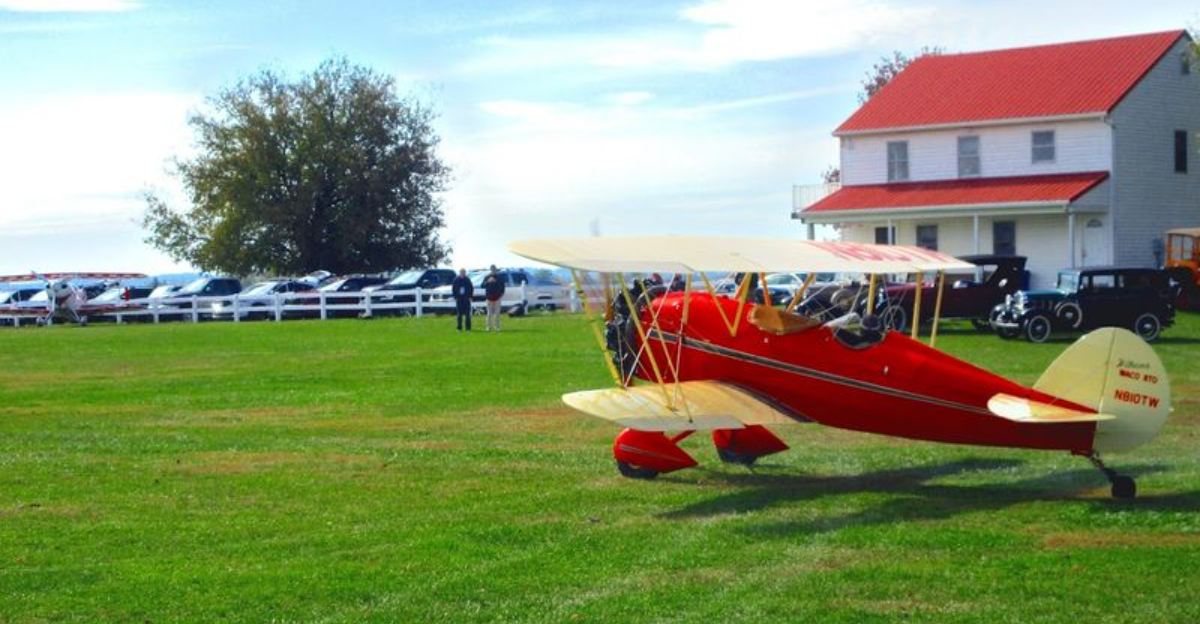
Long before air travel became routine, flying carried the thrill of pure possibility.
Daring, glamorous, and a little unpredictable, that spirit still lingers, as one remarkable museum brings the romance of early aviation back into focus in Pennsylvania.
Step inside and the past feels close enough to touch.
Polished propellers, beautifully restored planes, and details from another era create a scene that feels worlds away from modern airports and boarding lines.
This is the age of goggles, open cockpits, and bold takeoffs, when every flight felt like a headline waiting to happen.
For history lovers, dreamers, and anyone who still gets a little thrill at the sight of a vintage aircraft, it is the kind of place that sparks instant fascination.
I remember standing beneath one of those classic planes and staring up far longer than I expected.
For a second, I stopped thinking like a visitor and started imagining what it must have felt like to climb in, grip the controls, and chase the horizon.
The Museum Is Run Entirely by Dedicated Volunteers
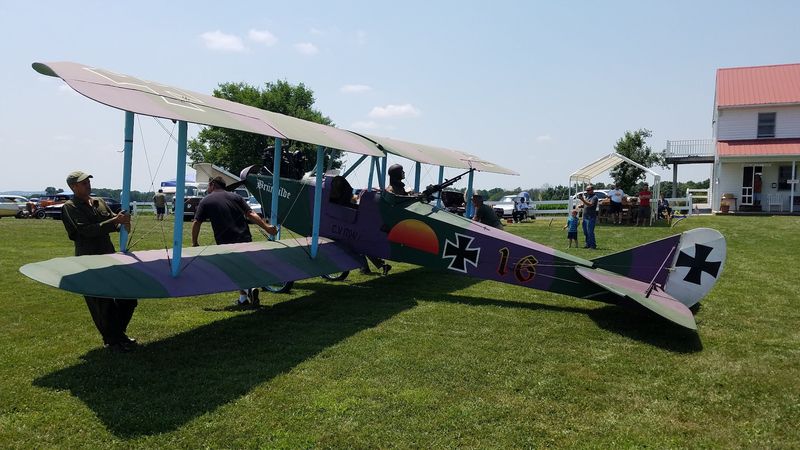
Passion, not paychecks, keeps this place running. Every aircraft you see at Golden Age Air Museum has been built, restored, or maintained by a team of unpaid volunteers who show up because they genuinely love the history of early aviation.
That dedication is visible in every rivet and wire-braced wing.
The volunteers are also remarkably knowledgeable, and many guests have noted that a conversation with one of them teaches more about aviation history than any textbook could.
This community-driven spirit gives the museum a warmth that larger, more corporate institutions often lack. You are not just walking past exhibits.
You are meeting the people who built what you are looking at.
The fact that this level of craftsmanship and historical accuracy is achieved without a paid staff makes Golden Age Air Museum one of the most impressive volunteer-run organizations in Pennsylvania, or really anywhere in Ohio and beyond.
Every Aircraft on Display Is Kept in Flying Condition
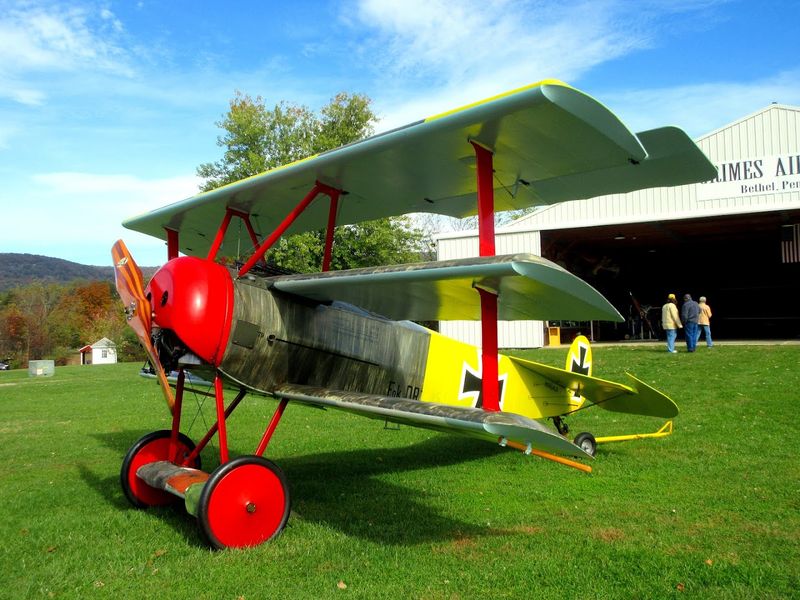
Most aviation museums let you look but not listen. At Golden Age Air Museum, some engines actually roar.
Not every aircraft in the collection is maintained in flying condition, but a notable portion is airworthy, which means on open weekends you can watch selected historic designs lift off from the grass strip right in front of you.
Seeing a Fokker Dr.I triplane or another flying vintage aircraft climb into the sky is a completely different experience from reading about it.
The sound, the smell of the engine, and the slow graceful arc of the climb all combine into something genuinely moving.
This commitment to keeping many aircraft airworthy rather than just display-ready sets the museum apart from similar institutions in Pennsylvania and neighboring states. It requires enormous effort and expense, which makes the volunteers’ dedication even more remarkable.
Watching a flying replica from 1917 bank overhead is the kind of moment you do not forget quickly for a while.
The Aircraft Are Built from Plans Over 100 Years Old
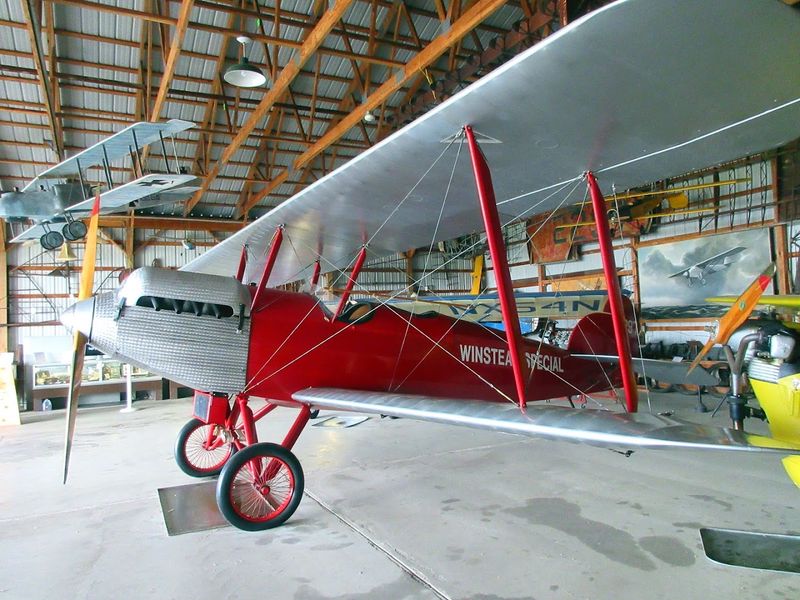
Here is a detail that stops most visitors in their tracks: the replica aircraft at Golden Age Air Museum are not guesses or approximations.
They are built from original construction plans that date back more than a century, sourced and studied with the same care a historian brings to a rare manuscript.
That means the proportions, materials, and structural choices reflect exactly what engineers and pilots worked with during the earliest years of military aviation.
Nothing is modernized for convenience unless safety absolutely requires it. Building from those original documents is a painstaking process, and the results are strikingly accurate.
Aviation enthusiasts who travel from states like Ohio specifically to compare these builds with historical records consistently come away impressed by the fidelity.
Golden Age Air Museum treats these aircraft as living history rather than decorative props, and that philosophy comes through clearly in every panel, strut, and engine cowling on the floor.
Four Hangars Full of Vintage Aircraft and Memorabilia
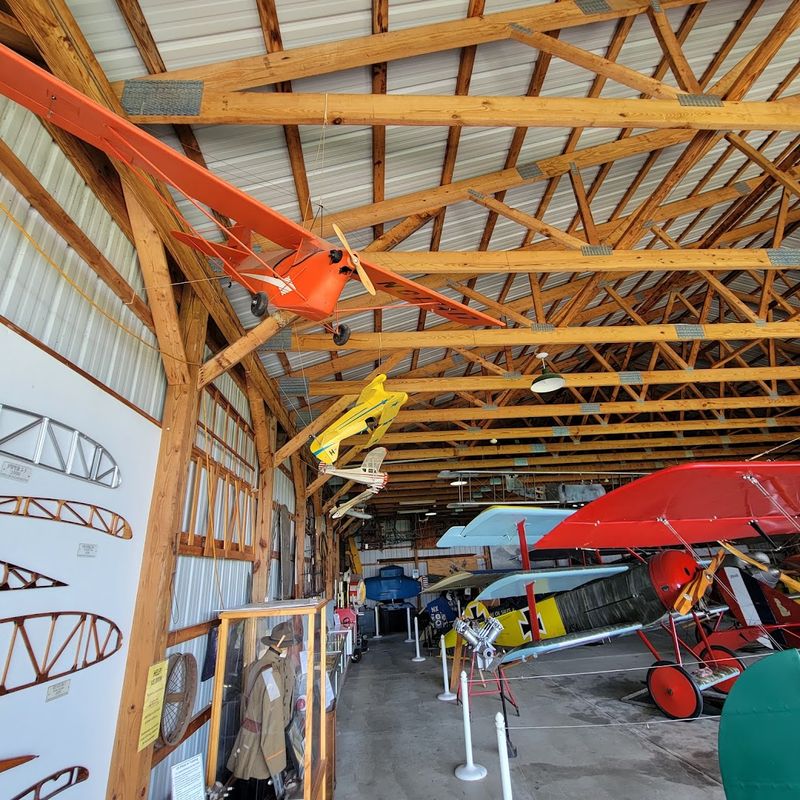
Space is not something Golden Age Air Museum is short on. The collection is spread across four separate hangars, each offering a different mix of aircraft, engines, and aviation artifacts that reward slow, careful exploration.
Display cases throughout the hangars hold everything from period instruments and uniforms to photographs and technical diagrams.
The layout makes it easy to move between aircraft and context, so you understand not just what a plane looked like but what it was designed to do and who flew it.
One hangar doubles as a workshop, where ongoing restoration projects give visitors a behind-the-scenes look at the craftsmanship involved.
Guests traveling from Ohio and other nearby states have described this workshop access as one of the most unexpectedly educational parts of the visit.
The farmhouse on the property functions as both a gift shop and a small museum, rounding out a visit that covers far more ground than the modest entrance fee suggests.
Biplane Rides Are Available for an Additional Fee
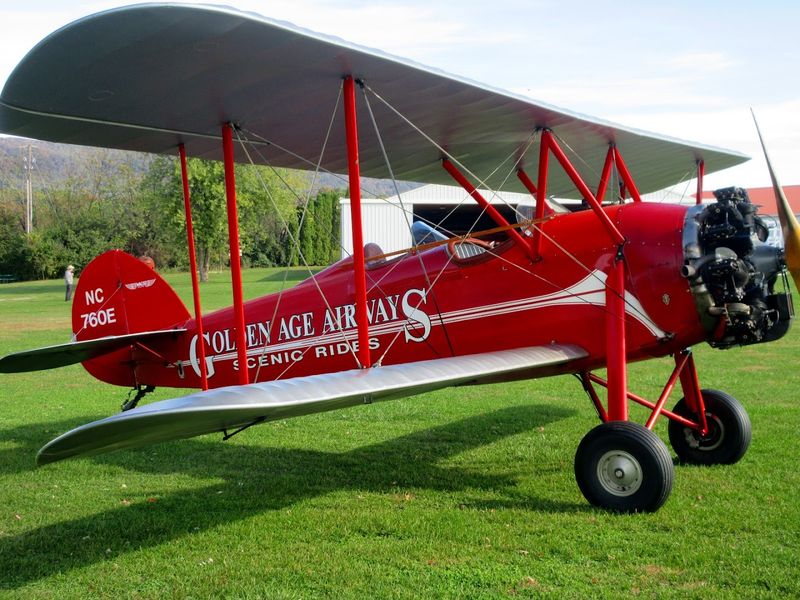
Reading about early aviation is one thing. Climbing into an open cockpit biplane and feeling the wind hit your face at altitude is something else entirely.
Golden Age Air Museum offers rides in their biplanes for an additional admission fee, and by all accounts, it is the highlight of many visitors’ trips.
The experience puts you physically inside the world the museum is trying to preserve.
The open cockpit, the roar of the engine, the grass strip dropping away beneath you, all of it adds up to a sensory memory that photographs simply cannot replicate.
Visitors who have made the trip from as far as Ohio specifically for the ride experience report that it exceeded every expectation.
The pilots are skilled and safety-conscious, making the adventure feel thrilling without ever feeling reckless.
For anyone on the fence about paying the extra cost, most people who have done it say without hesitation that it was worth every penny spent.
Special Events Include the Famous Great Pumpkin Drop
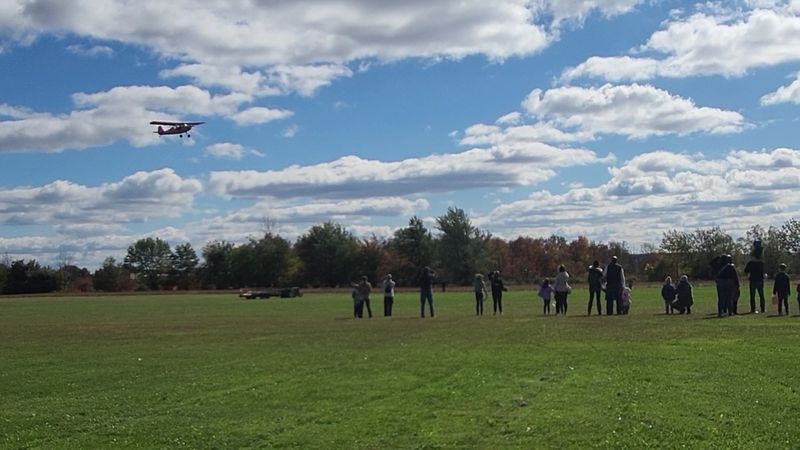
Few autumn traditions in Pennsylvania are as delightfully unusual as the Great Pumpkin Drop at Golden Age Air Museum.
During this seasonal event, visitors can purchase a pumpkin through donation and then board one of the aircraft to attempt dropping it into a barrel on the ground below.
The event also features what the museum calls Candy Bombers, aircraft that fly over a designated area and drop candy for children to collect from the ground.
It sounds wonderfully chaotic, and by all visitor accounts, it absolutely is.
Living history reenactors, music performances, and car shows often accompany these special weekends, turning the airfield into a full-day family destination.
People drive from Ohio and across the Mid-Atlantic region to attend, which speaks to how well the museum has built its event calendar.
Golden Age Air Museum clearly understands that aviation history is best experienced with a little spectacle mixed in, and the Pumpkin Drop delivers that in abundance every fall.
Wings and Wheels Events Combine Aircraft with Antique Cars
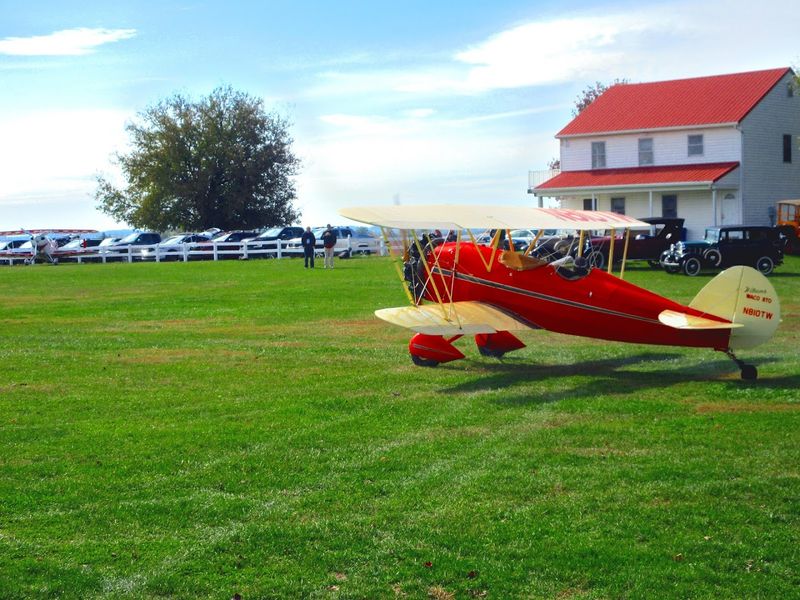
Not everyone in the family gets equally excited about aviation history, and the museum seems to know this.
The Wings and Wheels events bring together two beloved categories of vintage machinery: early aircraft and classic automobiles, filling the airfield with an impressive variety of both.
Antique car clubs and road rally groups regularly use the museum as a gathering point, and on event weekends the combination of roaring engines in the air and gleaming chrome on the ground creates an atmosphere that appeals to a wide range of interests.
Car enthusiasts who might not have sought out an aviation museum on their own often leave as converts, discovering that the stories behind the planes are just as compelling as those behind the automobiles.
Visitors from Ohio and surrounding states have specifically praised these combined events for making Golden Age Air Museum feel like a complete day out rather than a single-focus stop on a longer road trip.
The Museum Sits on an Active Grass Airstrip
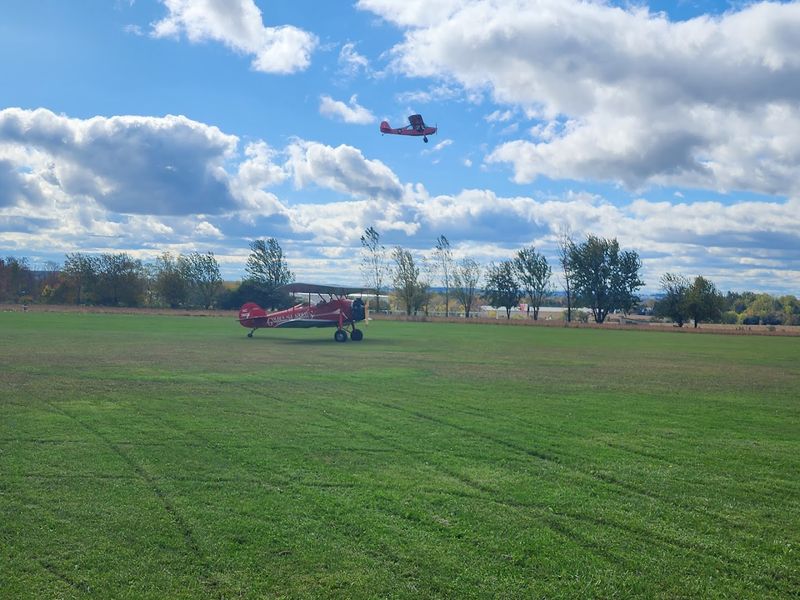
One of the more surprising aspects of Golden Age Air Museum is that it operates on a functioning public airport.
The grass runway is not a prop or a period detail added for atmosphere. Pilots with their own aircraft can actually fly in to attend events, landing on the same strip that the museum’s biplanes use.
Watching a modern light aircraft land on grass beside a WWI-era replica creates a strange and wonderful collision of aviation eras.
The airfield setting also means that the museum has a genuinely operational feel rather than the static quality of a traditional exhibit space.
The grass strip itself is part of what makes the experience feel authentic.
Early aviation happened in fields just like this one, and that physical connection to the origins of flight is something no indoor museum can fully replicate.
Ohio has its own aviation history, but few places capture the raw, open-field spirit of those early years the way this Pennsylvania airfield does.
The Museum Is Open Only on Weekends from Spring Through Fall
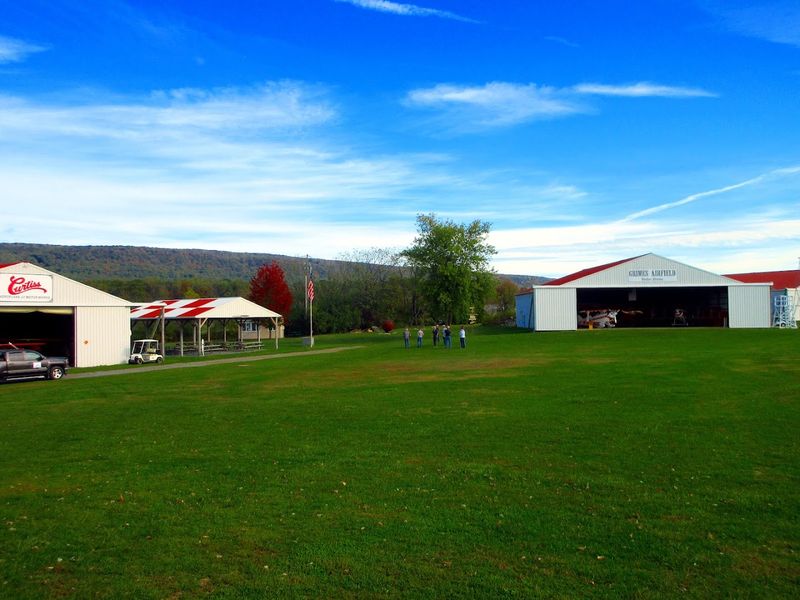
Timing matters when planning a visit to Golden Age Air Museum.
The museum operates on Saturdays from 10 AM to 4 PM and Sundays from 11 AM to 4 PM during its regular public season, which runs from May through October each year rather than year-round for general visitors and weekend tourists.
That seasonal, weekend-only schedule gives the museum an intimate quality that larger institutions cannot offer.
Crowds are manageable, staff and volunteers have time to talk with visitors, and the overall pace is relaxed rather than rushed.
Checking the museum’s event calendar before visiting is genuinely worth the extra minute, since certain weekends feature air shows, car rallies, or themed historical events that significantly expand what you will see and do.
Visitors traveling from nearby states and other neighboring areas often plan their trips around specific event weekends to maximize the experience.
Golden Age Air Museum rewards that kind of planning with an afternoon that feels both educational and genuinely entertaining from start to finish for most visitors.
The Admission Price Remains Refreshingly Affordable
In an era when family outings can drain a budget before noon, Golden Age Air Museum still stands out for keeping costs accessible.
Current self-guided admission is ten dollars for adults and five dollars for children ages six through twelve, while guided tours cost twenty-one dollars for adults and five dollars for children.
The guided tour option is particularly worth considering. Knowledgeable volunteers walk you through the collection and share details about each aircraft that would be easy to miss on your own, including the engineering decisions, the historical context, and the stories of the pilots who flew the originals.
Biplane rides carry an additional fee, but even with that added on, the total cost can still compare favorably with many family attractions in Pennsylvania.
Golden Age Air Museum has built its reputation on substance rather than marketing, and the pricing reflects that ethos.
What you spend here feels invested rather than spent, and many visitors leave wishing they had budgeted more time rather than more money for themselves.