
This Pennsylvania Forest Walk Reveals A Surprising Outdoor Art Display Along The Way
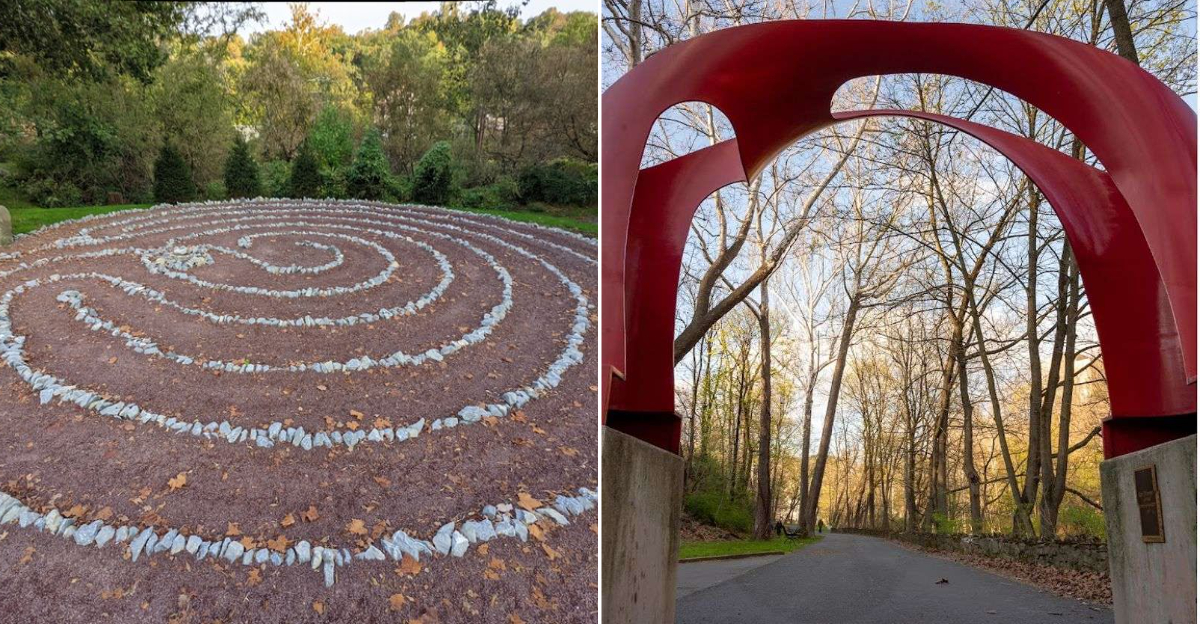
A forest walk already feels like a good idea, but add unexpected art along the way and the whole outing gets a clever little twist.
This Pennsylvania trail turns a simple stroll into something more curious, where the next bend might bring trees, quiet paths, or a sculpture that makes you stop and look twice.
That is the fun of mixing nature with creativity. The walk does not have to shout for attention; it lets the surprises appear naturally, which makes the experience feel more personal.
It is part fresh air, part outdoor gallery, and part reminder that art feels different when you find it under open sky.
I like trails that keep me guessing, because the best walks are the ones where I start for the scenery and end up discovering something I did not know I needed.
A Trail Born From Community Vision
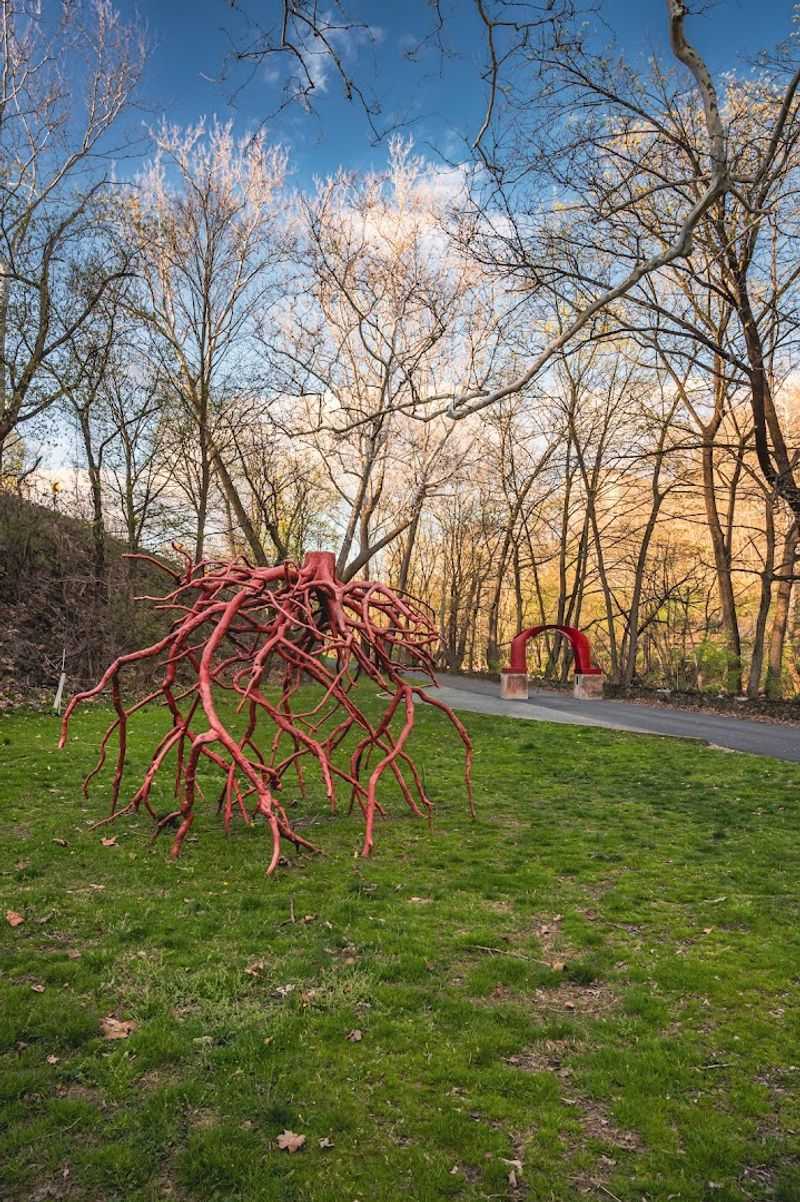
Not every great trail starts as a finished vision. The Karl Stirner Arts Trail grew from a city, Lafayette College, and citizen effort to improve neglected land along Bushkill Creek into something meaningful.
Named after Karl Stirner, a beloved Easton sculptor and advocate who championed the arts in the Lehigh Valley for decades, the trail reflects his belief that creativity belongs outside gallery walls.
The trail design was finalized in 2011, and the Karl Stirner Arts Trail opened to the public that fall, with artwork and improvements added over time.
What makes this origin story special is that real community investment actually shaped the final result.
Volunteers, local artists, civic leaders, and neighborhood organizations all had a hand in building it. That sense of shared ownership gives the trail a warmth and authenticity you can actually feel while walking it.
Two Miles Of Pure Outdoor Artistry
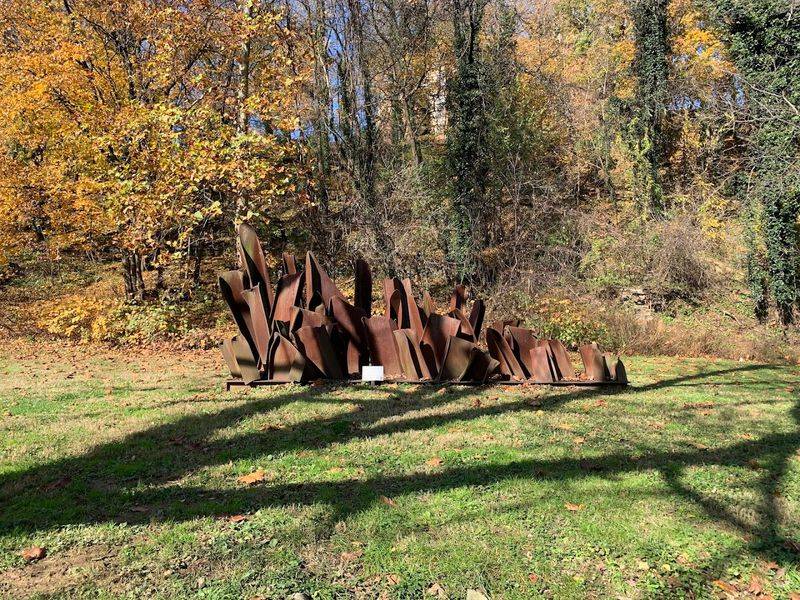
Covering about 1.75 miles in total length, the Karl Stirner Arts Trail is long enough to give you a real sense of adventure without wearing out your knees before lunch.
The path runs along Bushkill Creek from the old Simon Silk Mill toward Third Street near Lafayette College.
Along the way, more than 15 permanent and changing artworks are placed throughout the landscape.
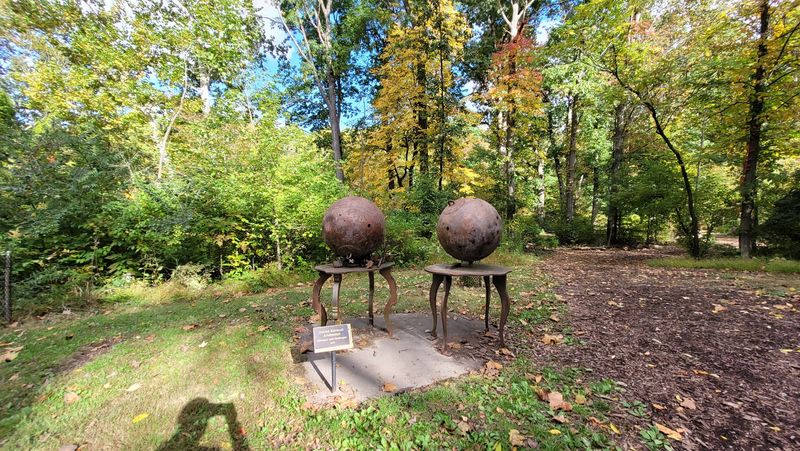
Some are large-scale metal sculptures, others involve poetry, horticulture, stone, or community-made pieces, and a few are cleverly integrated into the natural surroundings that you might almost walk past them without noticing.
That element of discovery is part of what makes the experience engaging. Every visit can feel slightly different depending on the season or how carefully you look around.
Families, solo walkers, and serious art enthusiasts all find something to appreciate here, making it one of the most democratically enjoyable spots in the region.
The Bushkill Creek Backdrop Makes Everything Better
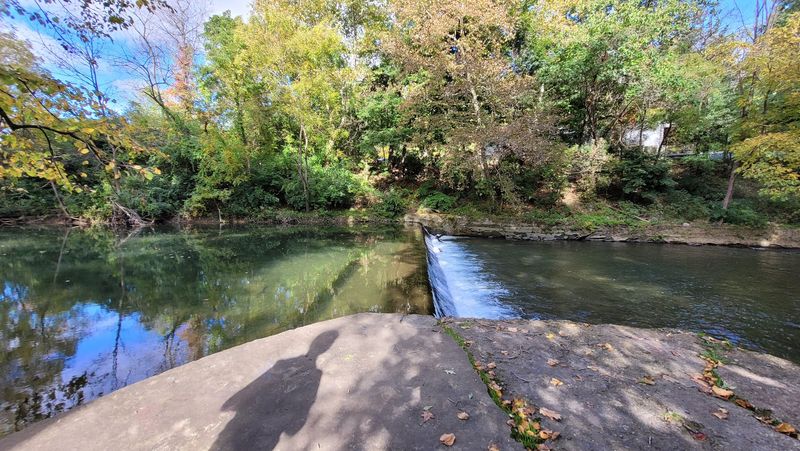
Running parallel to the trail for much of its length, Bushkill Creek provides a soundtrack that no streaming playlist can compete with.
The gentle rush of moving water over rocks creates a calming backdrop that makes the art feel even more contemplative.
The creek itself is a healthy ecosystem, home to various bird species and aquatic life, which adds a layer of natural wonder to the already art-rich experience.
Herons, kingfishers, and the occasional turtle have all been spotted by observant trail visitors. In spring, the water runs fast and vivid green reflections from the surrounding trees shimmer on the surface.
By late autumn, the bare branches frame the creek in a more dramatic, almost cinematic way.
The interplay between the natural waterway and the human-made sculptures creates a dialogue between art and environment that feels genuinely thoughtful rather than accidental.
It is one of the trail’s most quietly powerful qualities.
Sculptures That Stop You In Your Tracks
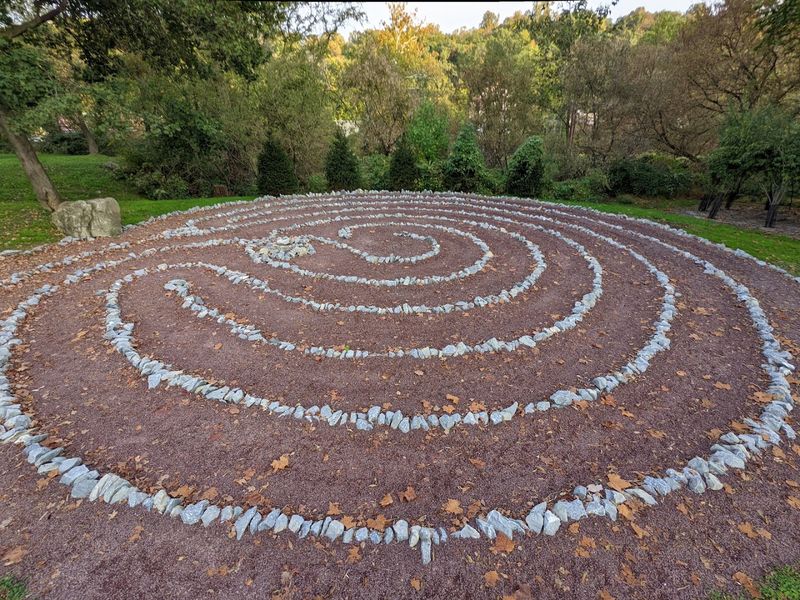
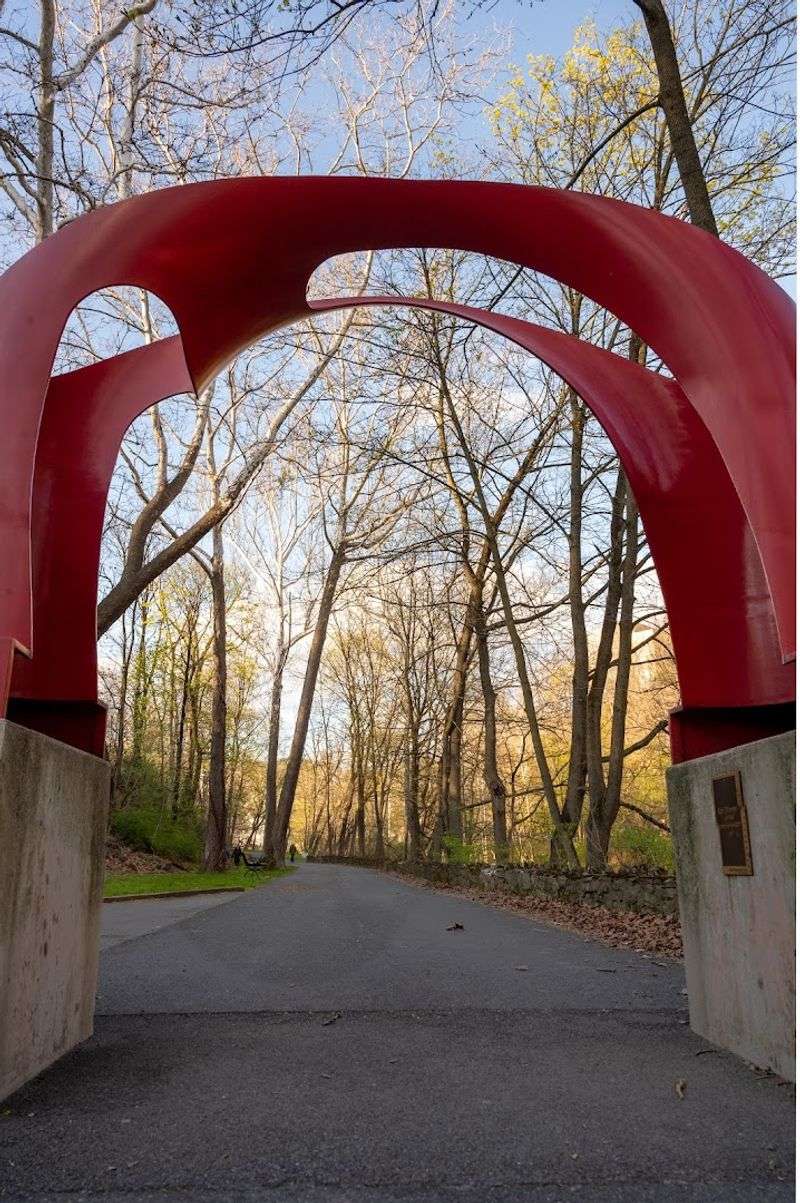
There is a particular kind of surprise that comes from rounding a bend on a forest path and suddenly finding yourself face to face with a towering abstract sculpture.
That happens repeatedly on the Karl Stirner Arts Trail, and it never really gets old.
The artworks span a wide range of styles and materials. Some pieces are made from weathered steel that has taken on rich amber and rust tones over time.
Others use stone, wood, ceramic, or reclaimed materials in ways that feel inventive and fresh. Local and regional artists contribute the majority of the works, giving the collection a strong sense of place.
A few internationally recognized artists have also contributed pieces, raising the artistic profile of the trail significantly.
What stands out most is how well each sculpture fits its specific location along the path, as if the artists walked the trail first and then made their work respond to exactly that spot.
A Free And Accessible Experience For Everyone
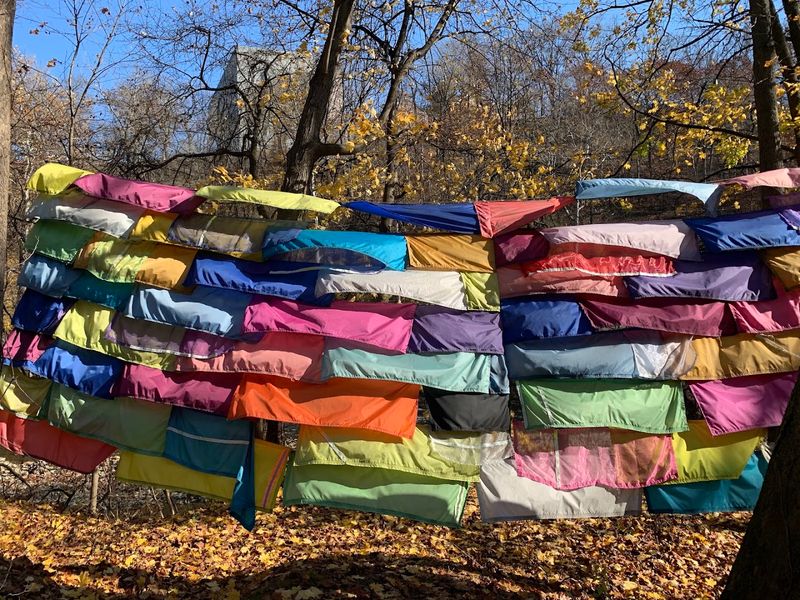
One of the most refreshing things about the Karl Stirner Arts Trail is that it costs absolutely nothing to enjoy. There are no entry fees, no timed tickets, and no membership requirements.
The trail is open to the public every single day from dawn to dusk. Accessibility is taken seriously here as well.
Much of the path is paved or compacted gravel, making it manageable for strollers, wheelchairs, and visitors who prefer a smoother surface underfoot.
That level of thoughtfulness in design signals a genuine commitment to welcoming everyone.
Parking is available at several access points along the trail, and the location within Easton means it is reachable on foot from several nearby neighborhoods.
The city of Easton sits in the Lehigh Valley region of Pennsylvania, not far from the New Jersey border.
Free public art in a beautiful natural setting is a rare combination, and the trail delivers it without any fine print attached.
Seasonal Changes Transform The Whole Mood
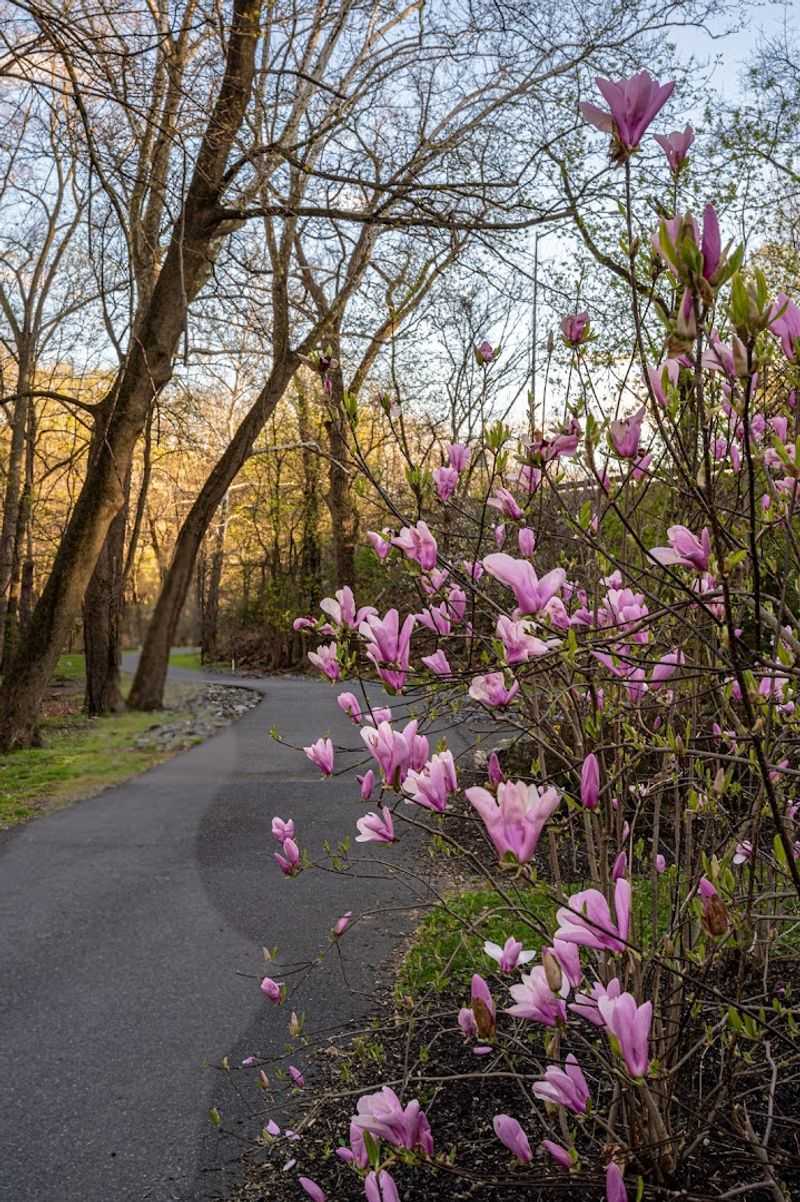
Visiting the Karl Stirner Arts Trail in different seasons is almost like visiting four entirely different places.
Spring brings explosive greenery and wildflowers that weave around the base of sculptures in ways that look almost intentionally designed.
Summer turns the trail into a shaded green corridor where the dense canopy filters sunlight into soft, shifting patterns on the path below.
The creek runs cool and the whole atmosphere feels refreshingly lush even on hot Pennsylvania days. Autumn is arguably the most spectacular season here.
The hillside above Bushkill Creek blazes with orange, red, and gold, and the sculptures take on an entirely different emotional quality when surrounded by that kind of color.
Winter offers a quieter, more meditative experience where bare trees reveal views of the creek and surrounding landscape that summer foliage normally hides.
Each season gives the trail a personality shift that rewards repeat visitors generously.
The Karl Stirner Legacy And Why It Matters
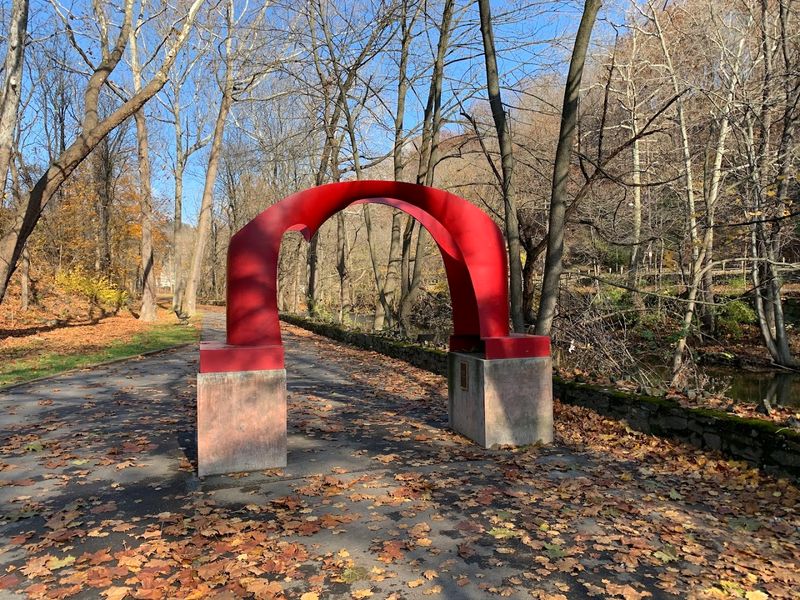
Karl Stirner was not just a name chosen for a trail. He was a real person who spent much of his life making Easton a more creative and culturally alive city.
As a painter, teacher, and arts advocate, Stirner believed deeply that art should be woven into everyday life rather than locked away in formal institutions.
Naming the trail after him was a way of honoring that philosophy in the most fitting way imaginable: by creating a public space where art literally lives outdoors and anyone can encounter it for free.
His influence on the Lehigh Valley arts community stretched across generations, and many of the artists who have contributed works to the trail were directly inspired by his teaching or mentorship.
Understanding his story adds a layer of meaning to every piece on the trail.
The sculptures and installations are not just decorations; they are a living extension of one man’s enduring belief in the power of creativity.
Comparing Trail Culture: Ohio Has Nothing Quite Like This
Trail culture in the northeastern United States is strong, and Pennsylvania punches well above its weight in this category.
Ohio has a genuinely impressive network of nature trails, greenways, and public art spaces, but the Karl Stirner Arts Trail combines sculpture, poetry, and a creekside urban walk in its own distinctive way.
Ohio has excellent metropolitan park systems and some beautiful towpath trails, while the artistic programming that defines the Karl Stirner Arts Trail gives this Easton route a character all its own.
Visitors who make the trip to Easton often leave genuinely surprised by how layered the experience feels.
The combination of contemporary art, natural beauty, and community-driven energy is rare enough to feel memorable.
Pennsylvania has plenty of charm, but this particular formula of creek, canopy, and sculpture is especially easy to appreciate.
It is the kind of place that makes you feel lucky to have found it, wherever you happen to be coming from.
Local Events And Programming Bring The Trail Alive
The Karl Stirner Arts Trail is not just a passive backdrop for walking.
It hosts a regular calendar of events, artist talks, sculpture installations, and community gatherings that keep the space feeling alive and evolving throughout the year.
New artwork unveilings often draw crowds of curious locals and visitors who want to be among the first to experience a fresh addition to the collection.
These events have a festive, neighborhood-party energy that reflects the trail’s deep roots in the Easton community.
Educational programming for school groups is also a regular feature, with guided walks that help younger visitors understand both the artistic and ecological dimensions of the trail.
That dual focus on art and nature education makes the trail genuinely valuable as a learning environment.
Keeping an eye on the trail’s official social media pages or website before visiting is a smart move, as you might time your visit to coincide with something truly memorable.
Practical Tips For Getting The Most From Your Visit
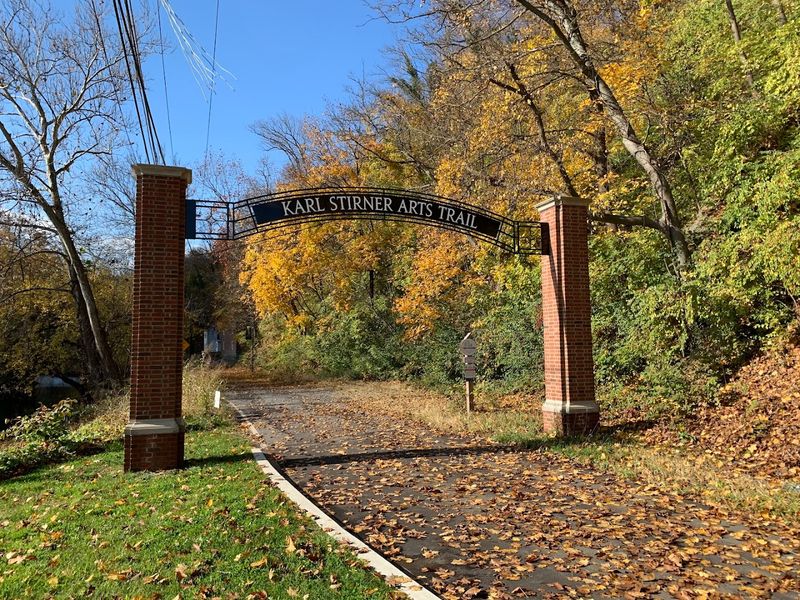
A little preparation goes a long way on the Karl Stirner Arts Trail. The trail address puts you in Easton, PA 18042, and the main access points are well-signed from the surrounding streets.
Arriving in the morning on a weekday gives you the quietest, most contemplative experience.
Comfortable walking shoes are recommended since parts of the trail involve uneven terrain, especially near the creek banks.
Bringing a water bottle is always a good idea, particularly during summer months when the shaded sections of the trail still warm up considerably by midday.
A phone with a good camera is your best companion here since the visual opportunities are constant and often unexpected.
Slow down more than you think you need to, because rushing through this trail means missing the smaller, subtler works that reward patient attention.
The trail connects naturally to Easton’s wider downtown area, so pairing the walk with a visit to nearby shops or cafes makes for a very satisfying full-day outing.