
This Pennsylvania Garden Is Home To One Of America’s Largest Rhododendron Collections
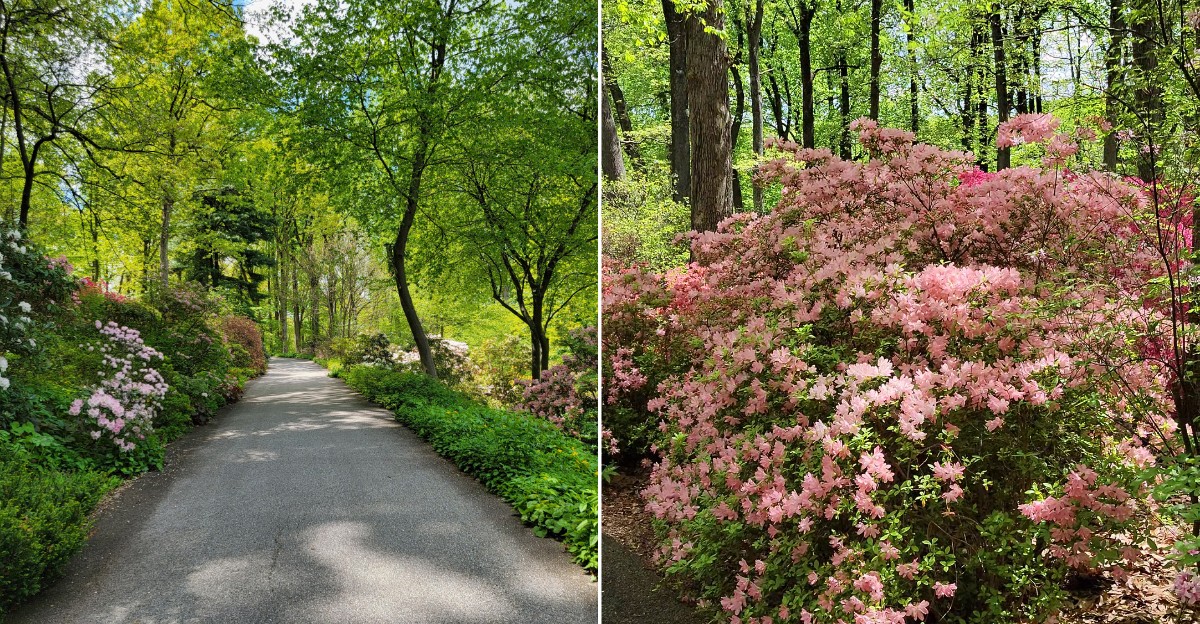
Some gardens impress with color. Others make you wonder how many shades of pink, purple, and white can possibly fit into one afternoon.
This Pennsylvania garden belongs in the second category, thanks to a rhododendron collection that ranks among the largest in the country.
When the blooms are at their best, the paths turn into an easy excuse to slow down, look closer, and forget whatever else was on the schedule.
The scale is impressive, but the real pleasure comes from the small differences between one cluster and the next.
You start noticing shapes, textures, and colors you probably would have walked past anywhere else.
I had that happen at a botanical garden years ago when I stopped beside one flowering shrub and ended up comparing it with three more nearby.
A friend finally asked if I planned to inspect every petal individually. I laughed, but I was already leaning toward another bloom.
Apparently, give me enough flowers and I become very easy to distract.
A Rhododendron Collection That Ranks Among the Best
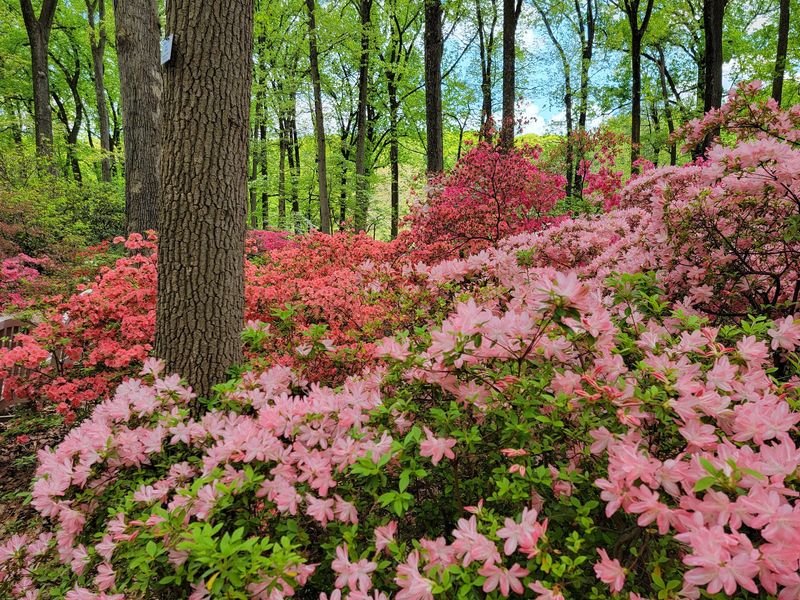
Few places in Pennsylvania pack this much color into one hillside of flowering shrubs.
Jenkins Arboretum & Gardens holds a world-class collection of rhododendrons and azaleas, with thousands of plants spread across the grounds.
Many are native species, while others are hybrids chosen for their bold colors. I remember rounding a bend and seeing a wall of pink so bright it looked almost unreal.
Next to it stood a creamy white shrub, then a deep purple one, then a soft peach. Each plant seemed to be trying to outshine its neighbor.
Rhododendrons love the acidic soil and dappled shade found under tall oaks and tulip poplars. That makes this wooded Devon site a natural home for them.
My tip is to read the small plant labels as you go. They list the names of each variety, and you may find a favorite you want to grow at home.
Bring a notebook or snap photos of the tags. Future you, standing in a garden center, will be very grateful.
Free Admission Every Single Day
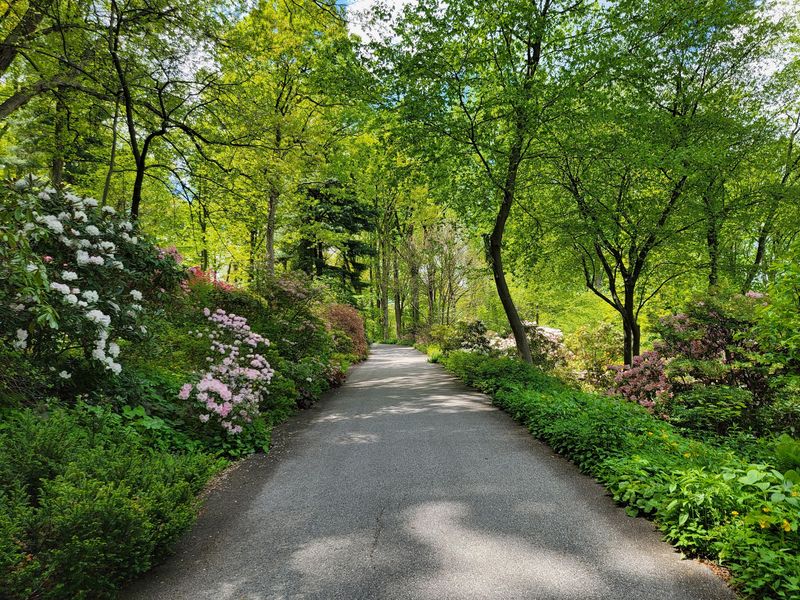
Here is a fun surprise for anyone watching their budget: walking these grounds costs nothing.
Jenkins Arboretum & Gardens offers free admission, which feels a bit like finding money in an old jacket pocket. You can visit once a year or once a week without spending a dime to get in.
That freedom changed how I explored the place. Instead of rushing to see everything in one go, I came back in different seasons.
Each return trip showed me something new. One visit was all about blossoms, while another was about shady paths and cool green leaves.
Donations are welcome, and they help care for the plants and trails. If you enjoyed your walk, dropping a few dollars in the box is a kind way to say thanks.
The gift shop is another way to support the garden. Buying a small souvenir or a native plant helps keep the gates open for everyone.
Free really can be fabulous. This garden proves it with every step along its winding paths.
Open Daily With Hours Changing Seasonally
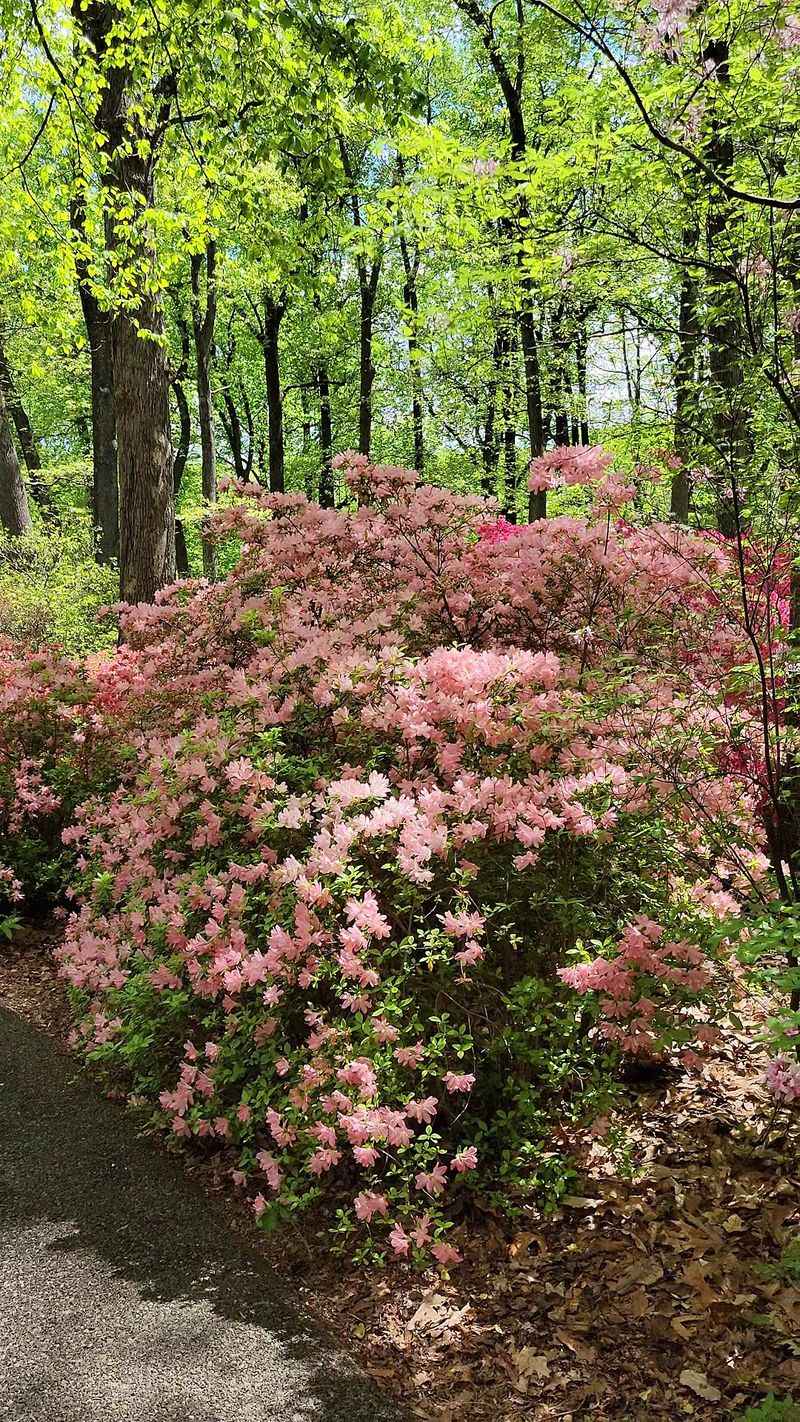
Early birds and after-work walkers both get a fair shot at this garden, thanks to generous hours.
The grounds open at 9 am daily; seasonal closing times range from 5 to 8 pm. That schedule makes it easy to fit a visit into almost any day.
I like the morning best. The air is cool, the birds are loud, and the paths feel almost private.
Evening visits have their own charm, though. Late light slips through the trees and gives the blossoms a warm glow that photographers love.
Summer evenings are a smart pick for hot days. The tree cover already keeps things shady, and the lower sun makes the climb back up the hill far more pleasant.
Plan to arrive with at least an hour to spare. Rushing a garden is like speed-reading a comic book, and you will miss the best parts.
Check the calendar before you go for any special closures or events. Otherwise, the gates are ready whenever you are.
A Pond Full of Sunbathing Turtles
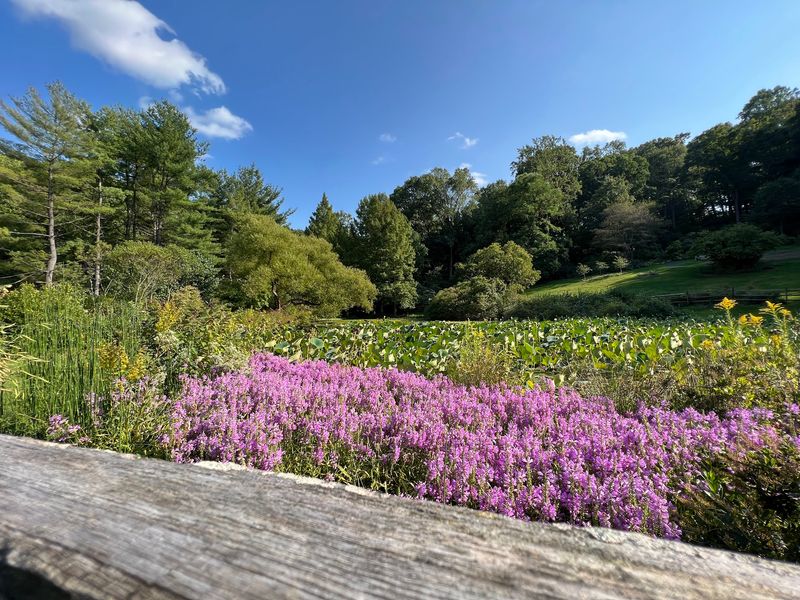
Down at the bottom of the hill waits a peaceful pond that quickly became my favorite resting spot.
Turtles often line up on logs to soak in the sun. Watching them is oddly relaxing, since they seem to have nowhere to be and all day to get there.
Frogs, dragonflies, and birds also visit the water. Kids love counting critters, and grown-ups secretly enjoy it just as much.
Benches sit near the edge, so you can pause and take in the reflections of trees on the surface. In spring, blooming shrubs frame the water in soft color.
My advice is to move slowly and speak quietly. Turtles slide into the water fast if they feel crowded.
Bring a zoom lens if you enjoy wildlife photos. A phone works too, but patience is your real secret tool.
After some time here, you will understand why so many people call this pond the heart of the garden. It sure felt that way to me.
Hills That Give Your Legs a Workout
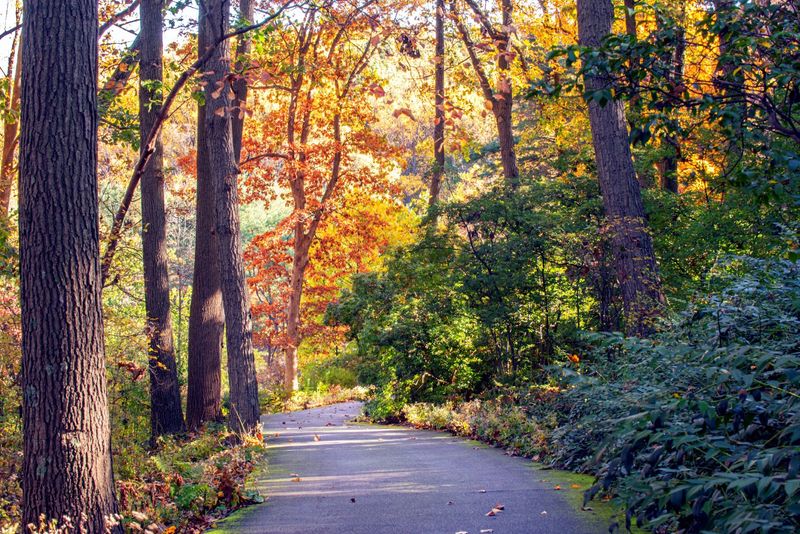
Nobody warned me that a flower garden could double as a leg day at the gym, but here we are.
The arboretum sits on a sloping piece of land, and the paths drop steeply toward the pond. Going down is easy, while coming back up takes some effort.
Luckily, the trails are mostly paved and loop around in gentle curves. One side of the loop is windier and less steep, which makes the climb friendlier.
Benches pop up often along the way. I used nearly every one of them on my first uphill trip, and I have no regrets.
Wear comfortable flat shoes with good grip. Sandals or heels will make the slopes much harder than they need to be.
Strollers can manage many paths, though some surfaces are uneven. Visitors using wheelchairs may find parts of the route tricky.
Take it slow and enjoy the views as you climb. The hills are part of the adventure, and the scenery makes every step worth it.
Native Plants With a Purpose
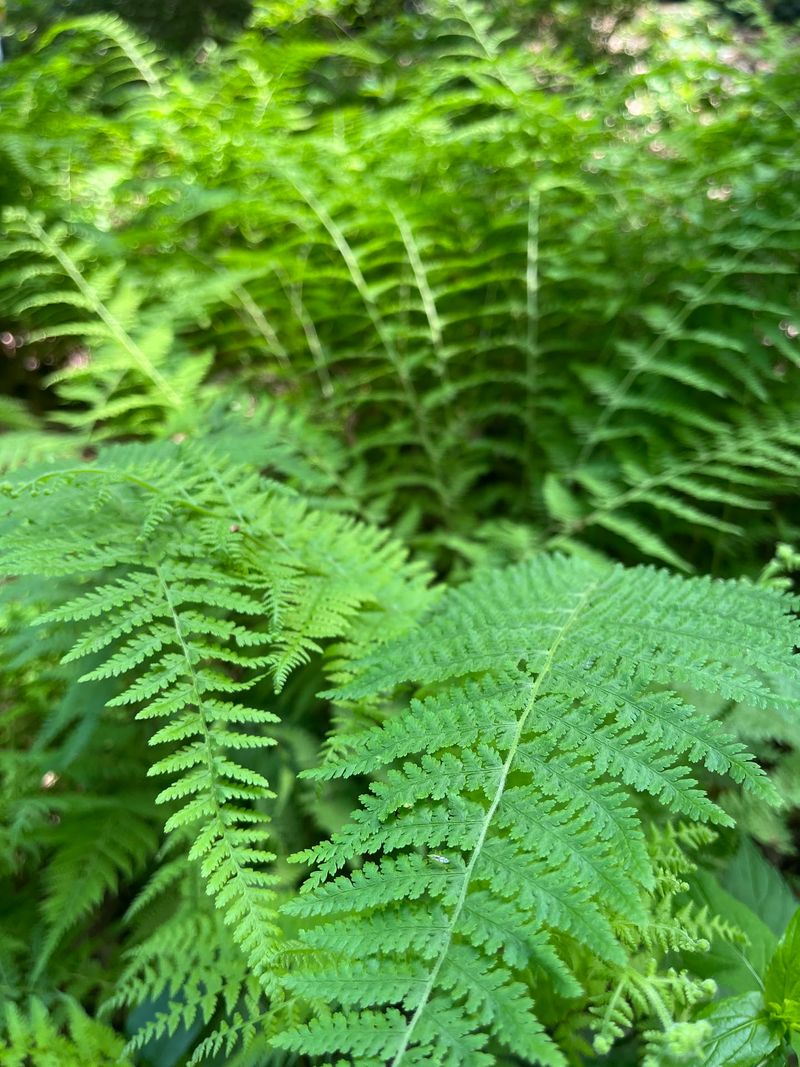
Beyond the famous blooms, the garden quietly celebrates plants that have called this region home for ages.
Native plants of eastern North America fill the woodland beds. Ferns, wildflowers, and shrubs grow beneath towering trees.
These plants matter because local insects and birds depend on them. A native flower feeds bees and butterflies that may ignore fancy imported plants.
I found myself reading labels like a kid in a candy store. Each tag told me the name of the plant, which made learning surprisingly fun.
If you have a backyard, this is a great place to gather ideas. You can see how native plants look when they grow up, not just as tiny pots at a store.
Notice how different plants handle shade, slopes, and damp soil. Those clues can help you choose the right plant for the right spot.
Walking here made me look at my own yard differently. I went home with a list and a new respect for plants that belong in Pennsylvania soil.
A Garden Shop Stocked With Native Treasures
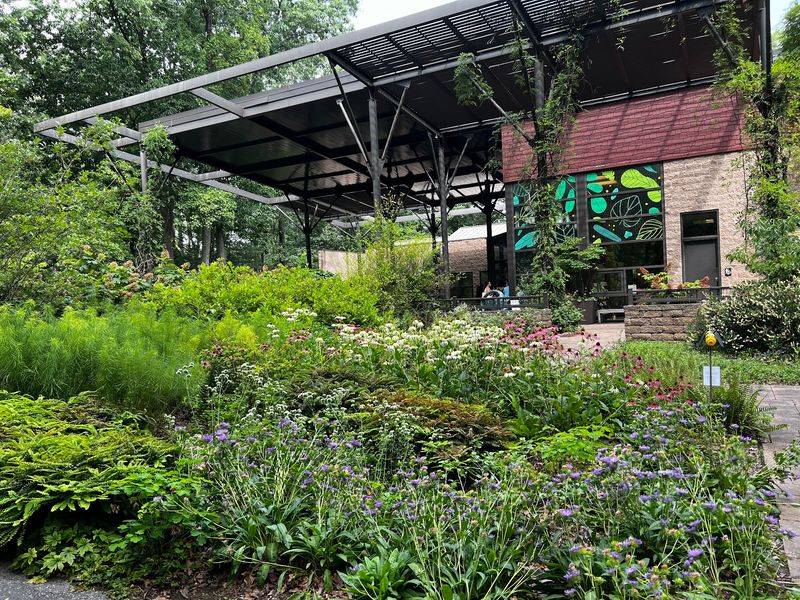
Walking out empty-handed proved nearly impossible once I spotted the plants for sale near the shop.
The garden store carries a strong selection of native plants. Many come with short write-ups that explain how each one helps local wildlife.
That information is a big help for beginners. Instead of guessing, you can pick a plant knowing it will feed pollinators or birds.
Inside the education center, the gift shop offers books, cards, and nature-themed goodies. It is a handy stop for a small present.
I bought a little native shrub on my second visit. It is thriving in my yard, and I think of the garden every time it blooms.
Staff members are friendly and happy to answer questions. Ask them about sun, shade, or soil, and you will leave feeling smarter.
Bring a bag or box in your car if you plan to shop. Plants are much happier riding home upright than tipping over on the back seat.
Spring Is the Star of the Show
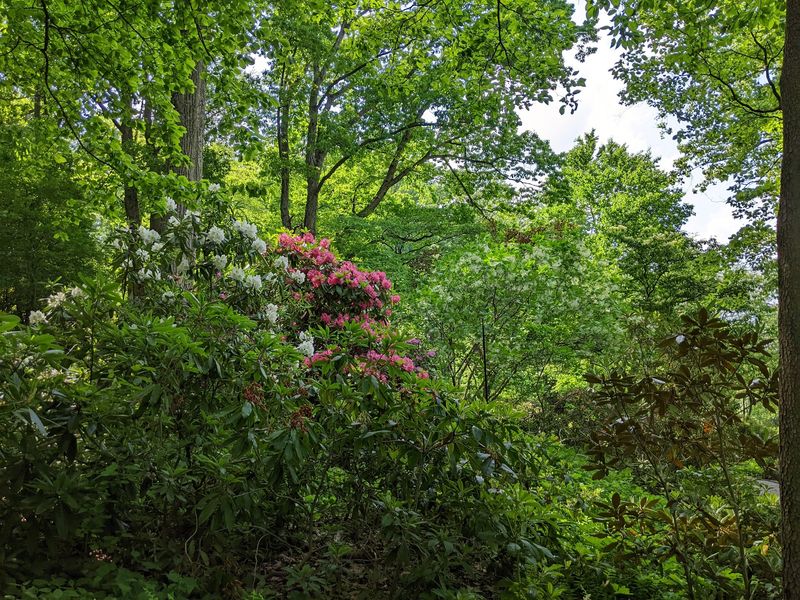
Timing a visit for early May feels a bit like getting front-row seats to nature’s biggest concert.
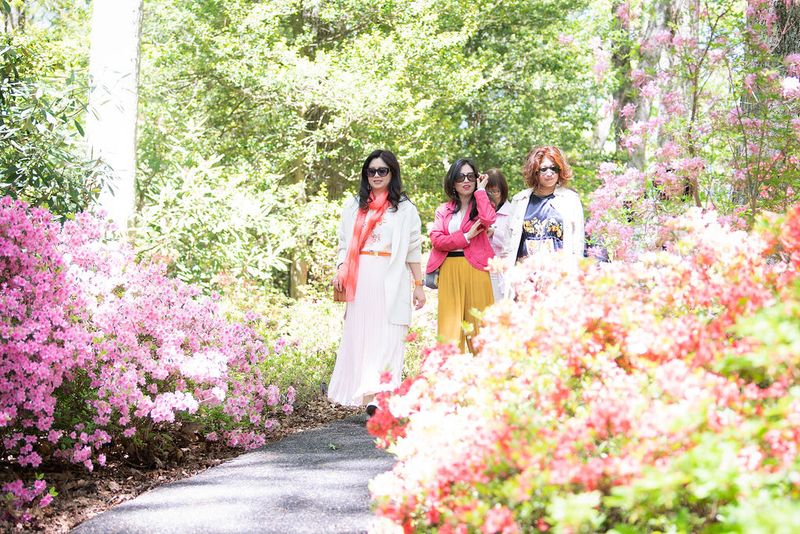
That is usually when azaleas and rhododendrons reach peak bloom in this corner of Pennsylvania. The hillside turns into waves of pink, red, purple, orange, and white.
The scent is lovely too. Some azaleas smell sweet and spicy, and the air near them feels almost like perfume.
Bloom times shift a little each year based on weather. A warm spring may bring flowers early, while a chilly one can slow them down.
My tip is to go on a weekday morning if you can. Peak season draws crowds, and the parking lot is fairly small.
Do not skip other seasons, though. Summer brings cool shade, autumn adds warm leaf colors, and winter shows off the shape of the land.
Still, if you only visit once, make it spring. Your camera roll will fill up faster than you expect, and you will not mind one bit.
Art, Education, and Family Fun
Plants may steal the spotlight, yet the education center adds plenty of extra reasons to linger.
Inside, a gallery often features works by local artists. Many pieces take inspiration from nature, so they fit right in with the setting.
I wandered in after my walk and ended up staying longer than planned. Seeing flowers painted after seeing them live was a neat double treat.
Families will appreciate the kid-friendly touches. There is a children’s area, and young visitors can borrow explorer vests for their adventure.
Staff members happily give trail overviews to newcomers. Their tips helped me find the best loop on my first trip.
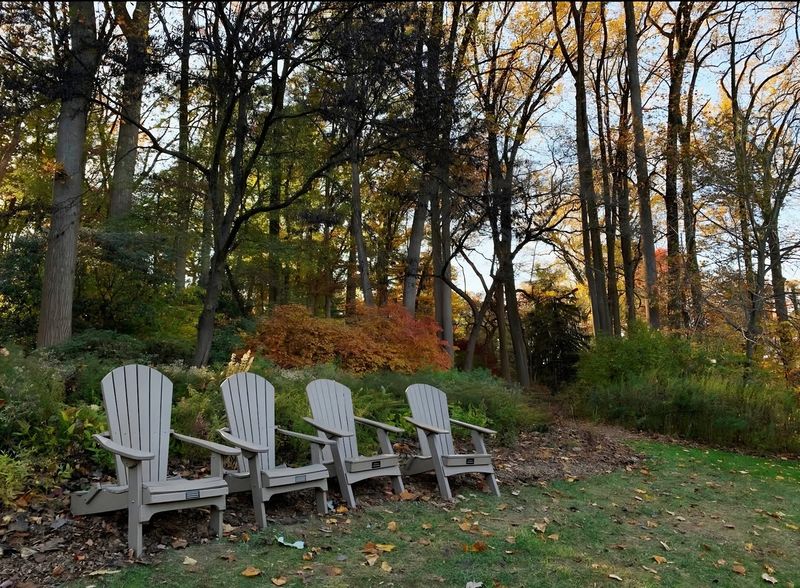
The outdoor deck and sculptures make a nice spot to rest before heading out. Seating areas are comfortable and calm.
Golf cart tours have also been offered for guests who find the hills hard to handle. Ask ahead about availability, since it can make the garden reachable for more people.
Smart Tips for a Smooth Visit
A little planning goes a long way at this garden, and a few simple tricks made my trips easier.
You will find the arboretum at 631 Berwyn Baptist Rd in Devon, Pennsylvania, in the United States. It sits in a quiet wooded area not far from Valley Forge.
Parking is limited, so arrive early on busy spring weekends. Weekdays are calmer and give you more room to breathe.
The full trail network covers around a mile and a quarter. Signs mark the paths clearly, so getting lost is unlikely.
Pack water, bug spray, and comfy shoes. Summer can be humid, and the uphill walk back can make you thirsty.
Dogs and other pets are not allowed in the garden, though service animals are welcome to join you. Picnic plans are worth confirming too.
Pair your visit with nearby Valley Forge for a full day out. Garden time plus a history stop makes a trip across Pennsylvania feel well spent, and it certainly did for me.