
This Pennsylvania Homestead Preserves The Charm Of A Bygone Era
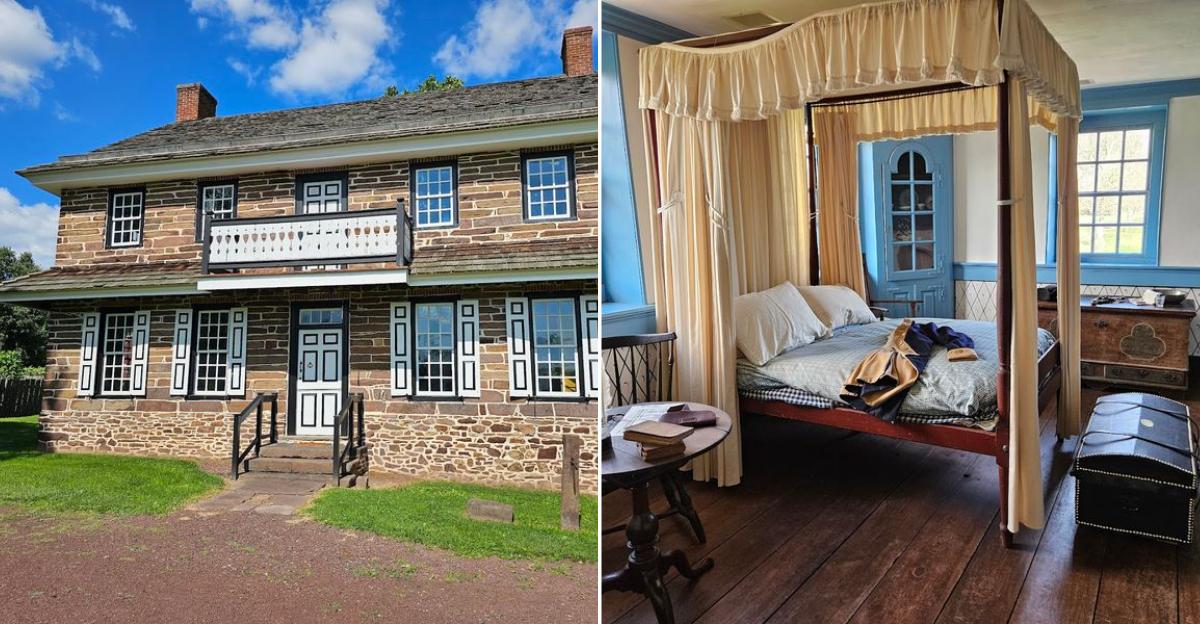
Pennsylvania has a quiet talent for preserving pieces of the past, and few places capture that feeling like a historic homestead.
Step onto the grounds and you are greeted by weathered stone walls, wide plank floors, and the faint scent of wood smoke drifting through the air.
Call it a living history moment, a step back in time, a window into everyday life from centuries ago.
Barn doors creak gently, heirloom gardens bloom in neat rows, and the rhythm of farm life feels beautifully unhurried.
Sunlight spills across antique furnishings, casting warm shadows that seem to whisper stories from another era.
Pennsylvania’s countryside carries its heritage proudly, and here you can see it up close rather than reading about it in a book. I once wandered through on a quiet afternoon, expecting a brief visit.
Instead, I found myself lingering in the doorway of the old kitchen, imagining meals prepared over an open hearth and wishing I could stay just a little longer in that simpler world.
A Georgian Masterpiece Built to Last Centuries
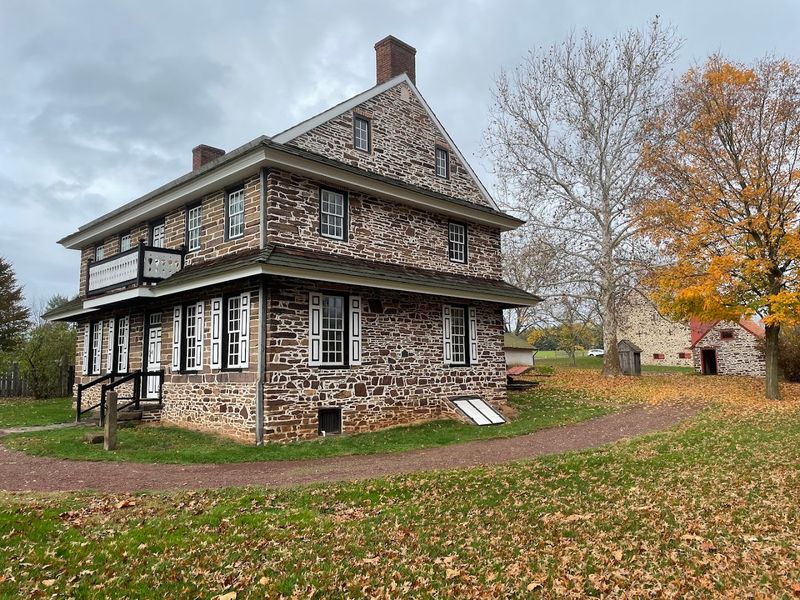
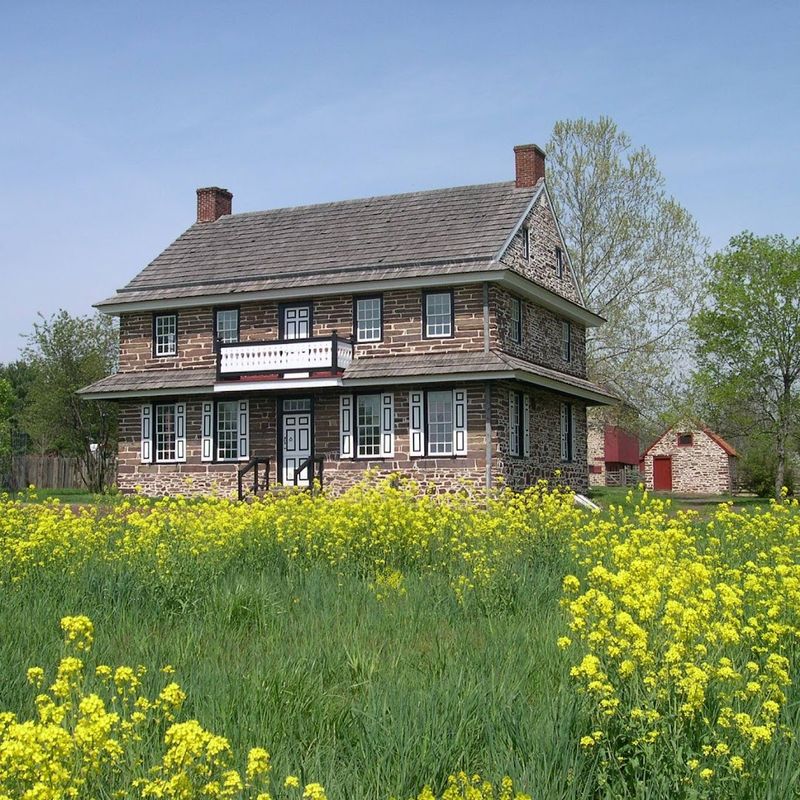
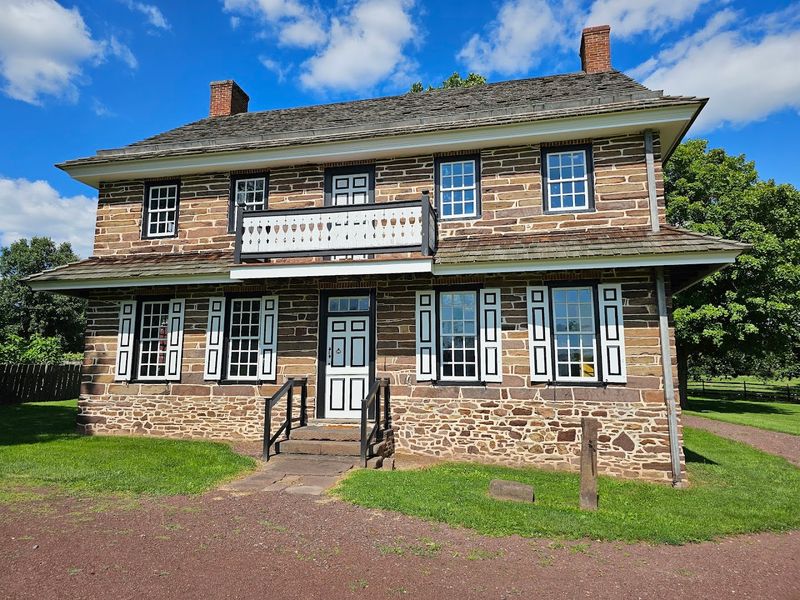
The main house at Peter Wentz Farmstead was constructed in 1758, and honestly, the craftsmanship still takes my breath away every time I see it.
Peter and Rosanna Wentz built this Georgian-style dwelling with materials sourced right from their land, using dressed local red shale and sandstone for the impressive front facade.
The structure rises two and a half stories, featuring four rooms on each of the main floors connected by a central passageway that creates wonderful cross-ventilation.
I have walked through that passageway countless times, and it never fails to impress me how practical yet elegant the design remains.
The cellar includes a corner water spring trough that provided fresh water year-round, while the full attic offered additional storage and sleeping space.
An attached summer kitchen and bake oven allowed cooking to happen outside the main living areas during hot months, keeping the house cooler.
Montgomery County purchased the property in 1969 and invested tremendous resources into restoration, ensuring future generations could experience this architectural treasure exactly as the Wentz family knew it.
Where Washington Plotted Revolutionary Strategy
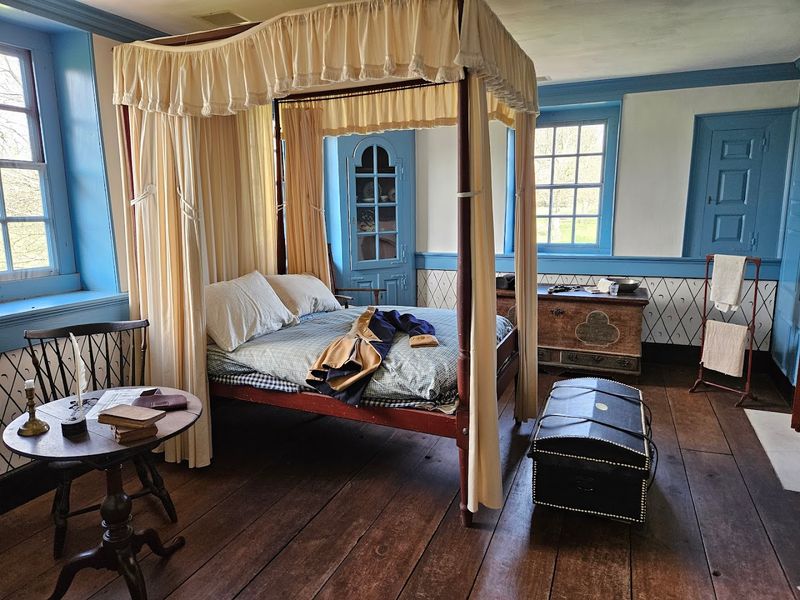
Standing in the room where George Washington slept during October 1777 gave me goosebumps I can still recall vividly.
The Commander-in-Chief used this farmstead as his headquarters twice that autumn, before and after the Battle of Germantown.
Washington arrived with his entire military family, which included secretaries, aides-de-camp, a dozen servants, and his personal guard unit of sixty infantry soldiers plus three officers.
I learned during my tour that he positioned his 9,000-strong army just two miles south on Methacton Hill, strategically placing them within striking distance of 8,000 British forces in Germantown.
The farmstead served as the nerve center for Revolutionary operations during those critical weeks.
Walking through the same doorways Washington used and seeing the rooms where military decisions were made brings history alive in ways textbooks never could.
Tour guides share fascinating details about daily life during the general’s stay, and their passion for this history is genuinely infectious and makes every visit educational.
Pennsylvania German Heritage Preserved in Every Detail
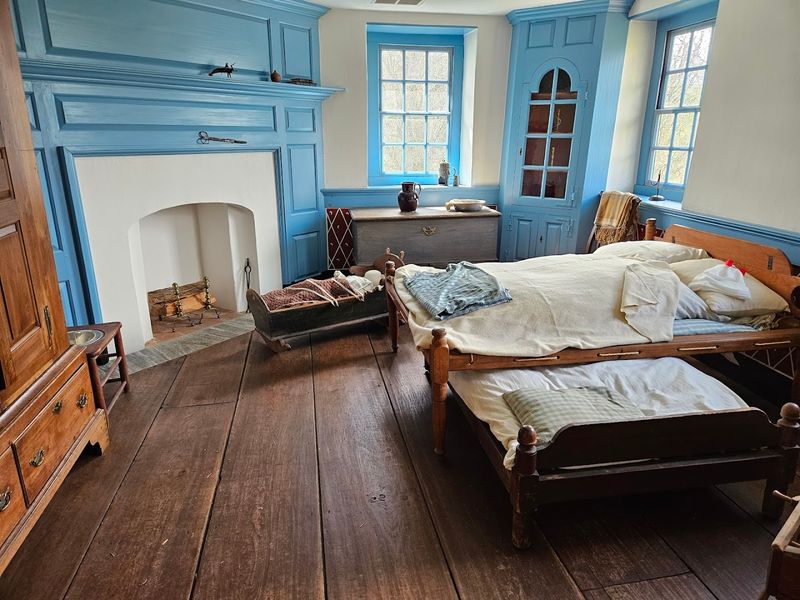
The Wentz family brought their Pennsylvania German traditions across the Atlantic, and those cultural touchstones shine throughout the farmstead in remarkable ways.
Peter Wentz inherited this land from his father, who may have purchased it as early as 1710, making this property a multigenerational family enterprise.
Both Peter and Rosanna were first-generation Americans who maintained strong connections to their German roots while building new lives in Pennsylvania.
The interior decorating reflects the aesthetic preferences of wealthier Pennsylvania German farmsteads, with vibrant colors and patterns that surprised me on my first tour.
I have visited historical sites across Pennsylvania, and few preserve the Pennsylvania German experience as authentically as this farmstead does.
The furniture, tools, and household items all represent what prosperous German farming families would have owned and used daily.
Seven children grew up in this house, and imagining their lives here helps me appreciate how different childhood was in colonial America compared to modern experiences we take for granted today.
Reconstructed Outbuildings Tell Agricultural Stories
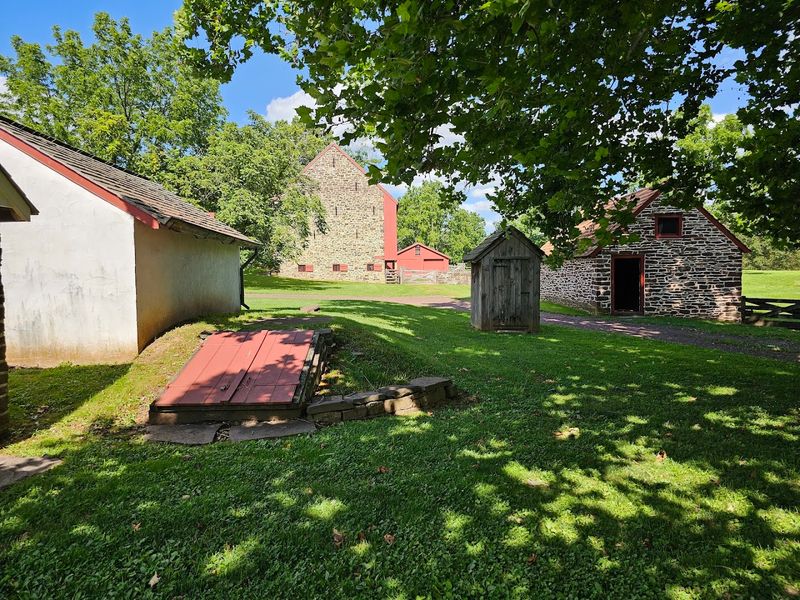
Beyond the main house, the property features numerous reconstructed outbuildings that demonstrate how self-sufficient colonial farms operated.
I have explored each structure during different visits, and each one reveals another aspect of 18th-century agricultural life that fascinates me.
The smokehouse was essential for preserving meats before refrigeration existed, while the ice house stored winter ice packed in sawdust for summer use.
A woodshed kept fuel dry and ready, and the privy provided necessary facilities away from living quarters.
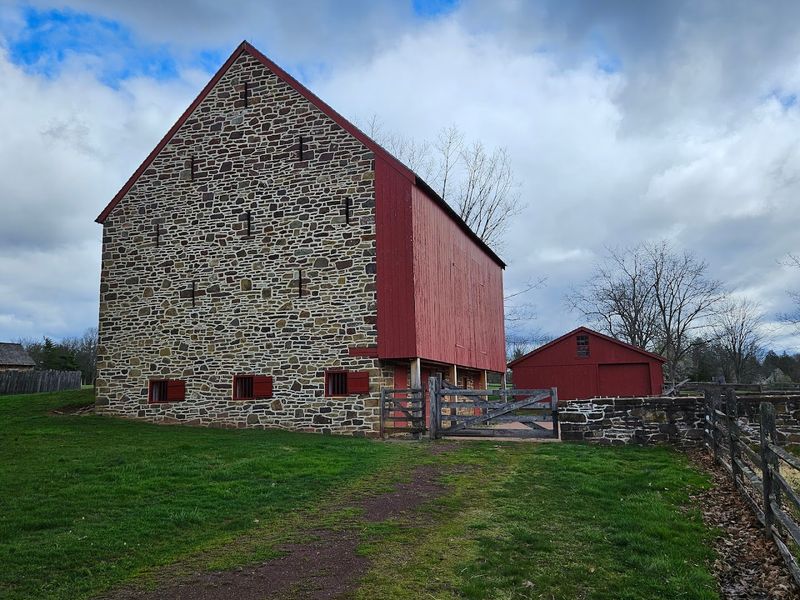
The barn is particularly impressive, large enough to shelter livestock and store harvested crops through harsh Pennsylvania winters.
A separate chicken house and sheepfold kept different animals organized, and today the farm maintains sheep, cows, and chickens that bring these spaces back to life.
Walking among these buildings helps visitors understand the incredible amount of work required to maintain a colonial farm, and I always leave with renewed appreciation for modern conveniences we rarely think about anymore.
Living History Events Throughout the Year
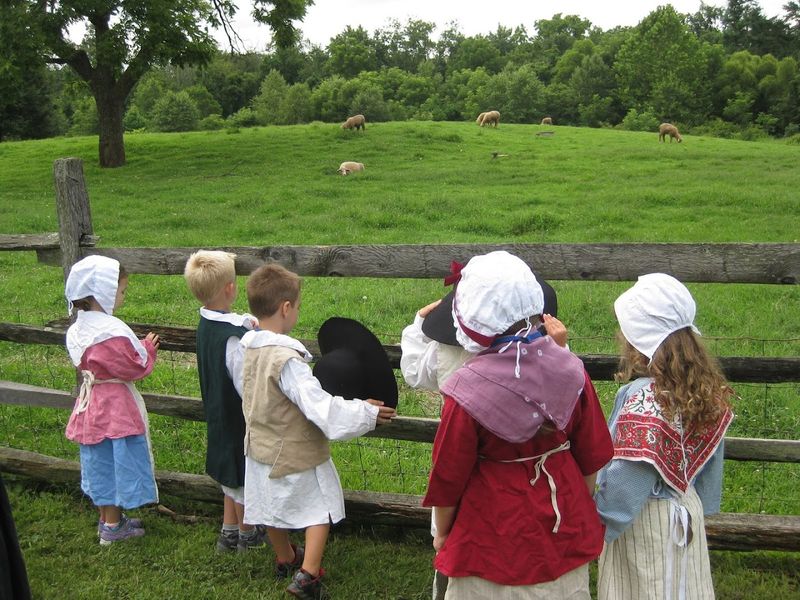
The farmstead calendar bursts with special events that transform the property into a living history experience throughout the year.
I have attended several of these gatherings, and they consistently exceed my expectations for educational entertainment.
November brings apple cider pressing demonstrations where volunteers use period-appropriate equipment to extract juice from fresh apples, filling the air with sweet autumn scents.
The sauerkraut making demonstration that same month shows how families preserved cabbage for winter consumption, and yes, I have tasted the results.
December features candlelight tours that create an absolutely magical atmosphere as the historic buildings glow with period lighting.
Spring sheep shearing events let visitors watch skilled craftspeople remove wool fleeces while explaining the entire process from sheep to clothing.
Colonial reenactors frequently appear during special events, demonstrating crafts like spoon carving and explaining daily life in authentic period dress.
These passionate volunteers make history tangible and engaging, especially for younger visitors discovering the past for the first time.
Guided Tours Led by Passionate Historians
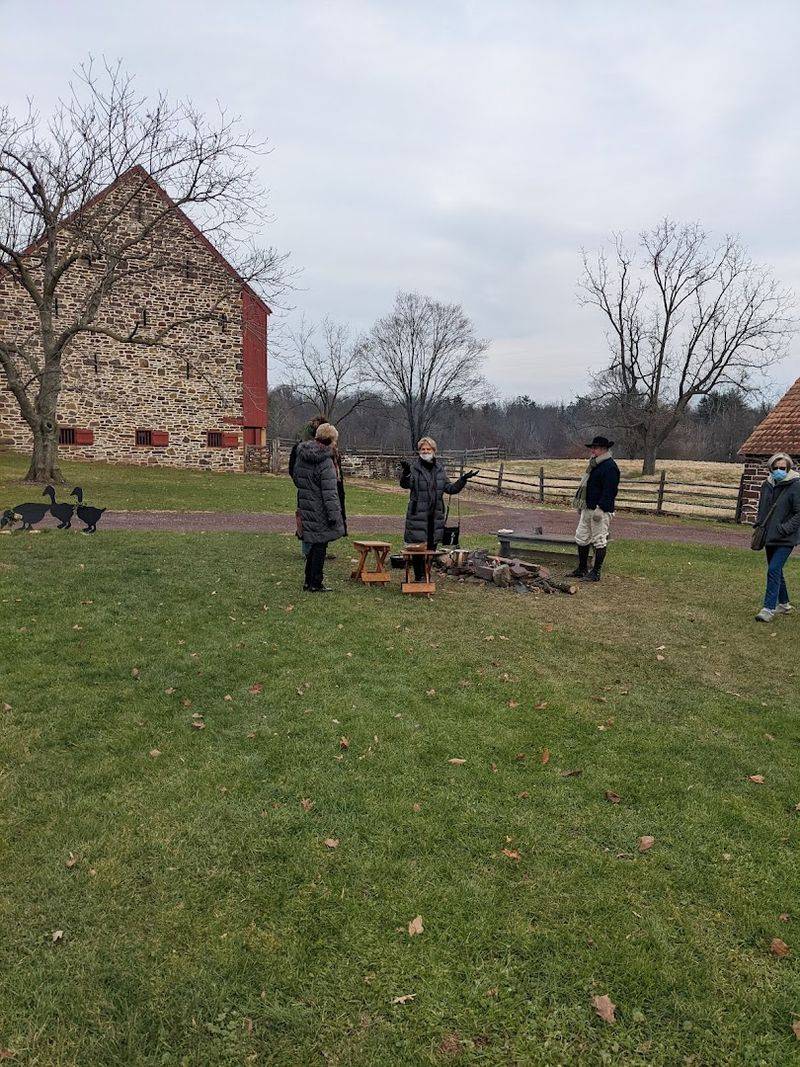
Every tour I have taken at Peter Wentz Farmstead has been enhanced by guides who genuinely love sharing this history with visitors.
These volunteers and staff members bring encyclopedic knowledge and infectious enthusiasm that transforms a simple walk through old buildings into captivating storytelling.
Tours require no appointment during regular hours. Just ring the bell at the visitors center, and a guide will come down to take you through the historic house and explain its significance.
I have learned something new during each visit because guides tailor their presentations to audience interests and questions.
They do not simply recite memorized scripts but engage in real conversations about colonial life, architecture, and the families who lived here.
Audio tours are available for those who prefer self-guided experiences, and I found that option surprisingly comprehensive and well-produced.
However, nothing replaces the interactive experience of asking questions and hearing stories from guides who have spent years studying this property and its place in American history.
Idyllic Grounds Perfect for Peaceful Walks
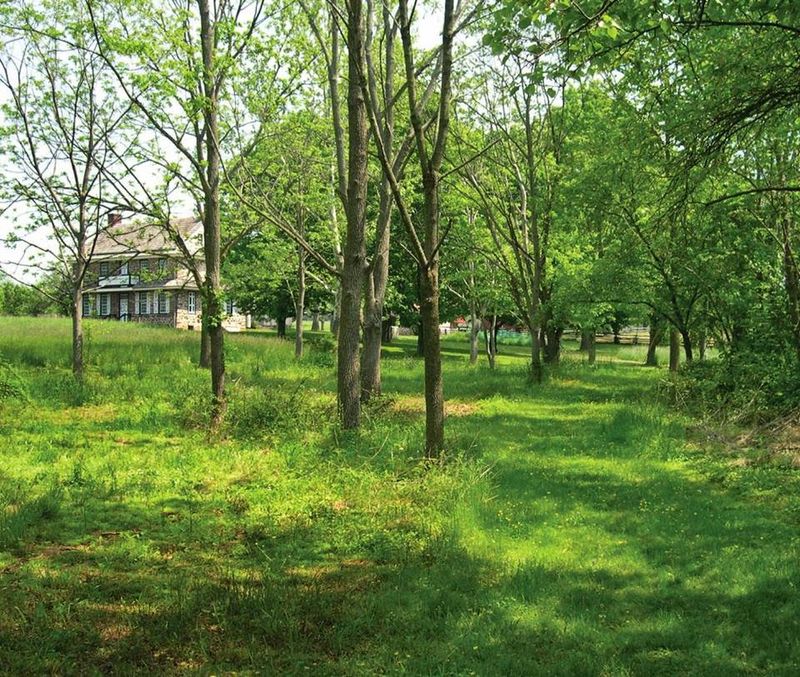
The farmstead sits on beautiful acreage that invites exploration beyond the historic structures themselves.
I have spent hours wandering the grounds, and the peaceful atmosphere provides a welcome escape from modern life that feels increasingly rare and valuable.
Walking trails wind through the property, offering views of the surrounding farmland that has been continuously cultivated since 1744.
Wildflowers bloom in season, and I have used plant identification apps to discover dozens of species during spring and summer visits.
The property welcomes leashed dogs, and I regularly encounter other visitors enjoying the trails with their canine companions.
Watching dogs react with excitement to the farm animals creates entertaining moments that add unexpected joy to every visit.
A pavilion provides shaded areas perfect for picnicking, and families often spread blankets for outdoor meals surrounded by history.
The grounds remain free to explore even when the buildings are closed, making this a wonderful destination for casual visits whenever you need some fresh air and historical perspective.
Family Ownership Spanning Generations
The property changed hands only a few times over its long history, with families maintaining the farm through multiple generations.
Peter Wentz inherited the land from his father, establishing a pattern of family stewardship that continued for centuries.
In 1784, the farm was sold to Dewalt Bieber, and then in 1794 to Melchior Schultz, a minister of the Schwenkfelder faith.
The Schultz family descendants owned the homestead until 1969, representing an incredible span of 175 years under one family line.
I find this continuity remarkable because it means the farm was never abandoned or significantly altered by speculative development.
Each generation made necessary updates while respecting the property’s historical integrity, creating the authentic experience visitors enjoy today.
Montgomery County’s purchase in 1969 ensured the farmstead would be preserved as a public resource rather than lost to suburban expansion.
That decision, made over fifty years ago, now allows thousands of annual visitors to connect with Pennsylvania’s colonial past in meaningful ways that honor these families’ legacies.
Convenient Location Near Lansdale
Finding the farmstead at 2030 Shearer Road in Lansdale proved easier than I initially expected, despite its rural character.
The property sits in Worcester Township, Montgomery County, making it accessible from Philadelphia and surrounding areas within a reasonable drive.
The location offers an interesting contrast between preserved history and modern development, with suburban neighborhoods visible in the distance while the farmstead itself maintains its agricultural character.
This juxtaposition reminds visitors how much the region has changed since the Wentz family first tilled this soil.
Regular hours run Tuesday through Saturday from 10 AM to 4 PM, plus Sunday afternoons from 1 to 4 PM, with Mondays reserved for closures.
I recommend calling ahead at 610-584-5104 or checking their website at montgomerycountypa.gov before planning your visit to confirm current schedules.
The farmstead operates on a suggested donation basis rather than mandatory admission fees, making it financially accessible to everyone.
I always contribute because supporting historical preservation ensures future generations can experience this remarkable place exactly as we enjoy it today.
Educational Destination for All Ages
Schools throughout the region regularly bring students to Peter Wentz Farmstead for field trips that make history tangible and memorable.
I have witnessed several of these educational visits, and watching children engage with the past through hands-on experiences reminds me why places like this matter so profoundly.
The farmstead’s connection to George Washington and the Revolutionary War aligns perfectly with Pennsylvania history curricula, while the agricultural aspects teach students about food production and self-sufficiency.
Kids who might find textbooks boring become genuinely curious when standing in rooms where history actually happened.
Adults find just as much value in visiting, whether they grew up in Pennsylvania or traveled from states like Ohio to explore mid-Atlantic history.
I have met visitors from across the country who specifically sought out this farmstead because of its Washington connection or Pennsylvania German heritage.
The staff’s ability to adjust presentations for different age groups ensures everyone leaves having learned something valuable, and the 4.6-star rating from 160 Google reviews reflects consistent visitor satisfaction across diverse audiences seeking quality historical education.