
This Pennsylvania Museum Explores One Obscure But Fascinating Subject In Full
Some museums grab attention with giant dinosaurs or famous paintings.
Others win you over by diving deeply into one wonderfully specific subject and proving that even the most overlooked corners of history can be surprisingly captivating.
That is exactly the charm of a place like this in Pennsylvania, where everyday beauty, handmade detail, and old-fashioned craftsmanship come together in a way that feels both unusual and oddly mesmerizing.
There is something irresistible about a museum that turns curiosity into fascination.
Pattern, color, texture, and tradition all share the spotlight here, creating the kind of experience that makes you lean in, slow down, and appreciate the artistry in objects many people might otherwise pass by.
It is part time capsule, part design inspiration, and part hidden-history treasure, with enough character to make a very specific topic feel unexpectedly rich and memorable.
I always end up loving places like this because the moment I realize I am completely absorbed by something I never expected to care about, I feel like I have stumbled into the best kind of surprise.
The Museum Holds The Largest Coverlet Collection In The United States
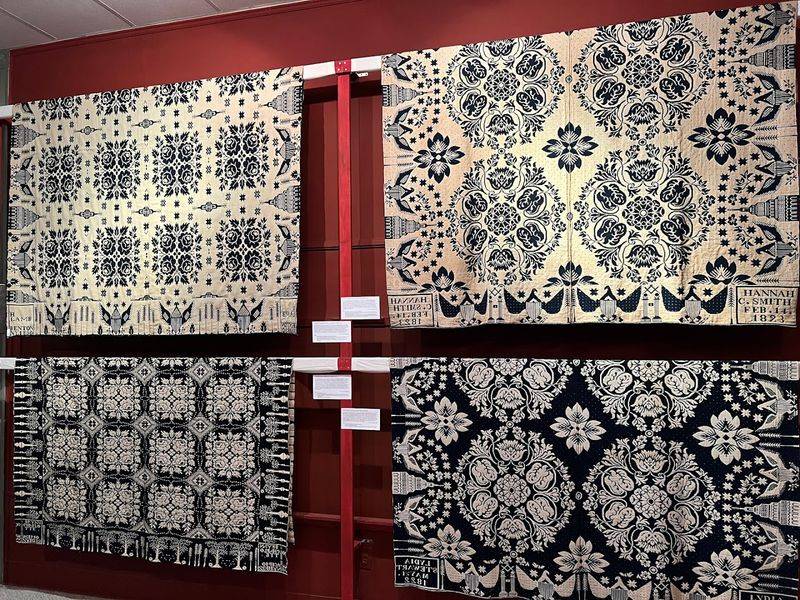
Most people walk past textile history without a second thought, but the National Museum of the American Coverlet makes that impossible.
It is the first independent, year-round institution devoted to historic American woven coverlets, and that kind of specialization gives the whole place a personality unlike almost any other museum in Pennsylvania.
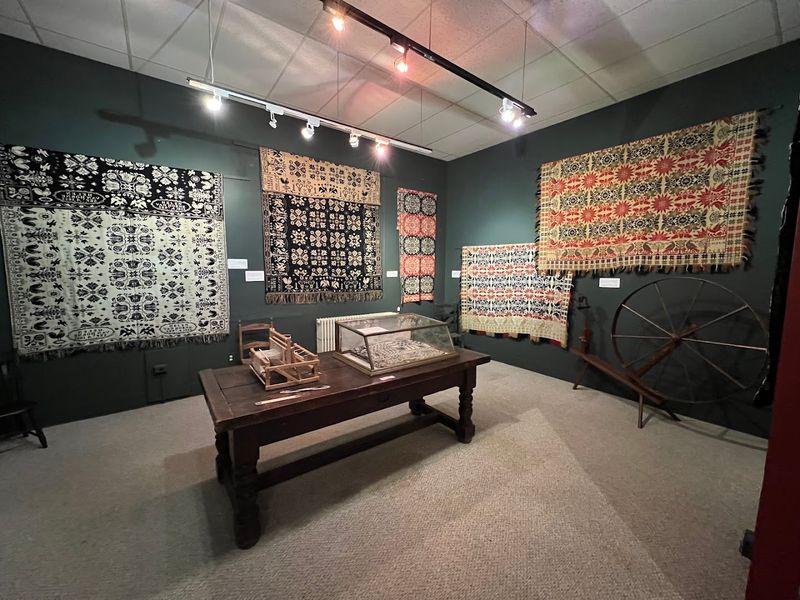
The sheer variety on display is what catches you. The museum says its changing exhibitions show roughly 80 to 100 coverlets at a time, and the dated pieces in its collection range from 1771 to 1889.
That means visitors are not looking at a tiny niche display tucked into one corner. They are stepping into a full-scale visual history of an American craft form most people barely know exists.
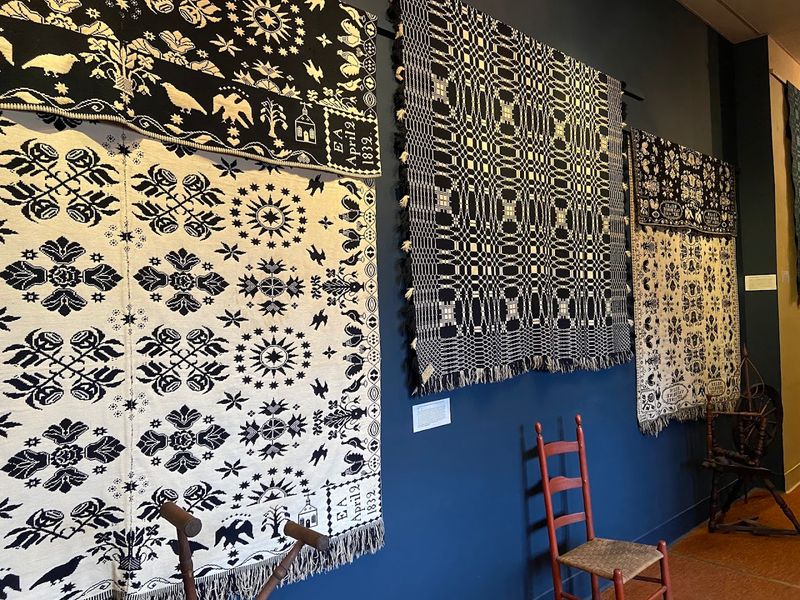
Each piece carries something different into the room. Some feel mathematically precise, some feel lush and decorative, and many reveal just how much regional identity and personal artistry could be woven into an object meant for everyday use.
This is not a storage room. It is a carefully curated showcase that rewards close attention and a little patience.
It Is Housed Inside An 1859 Historic School Building
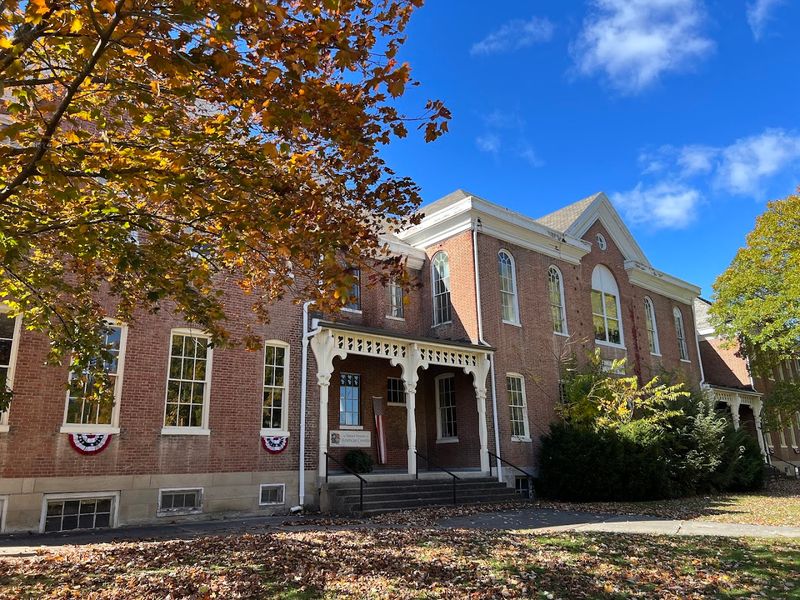
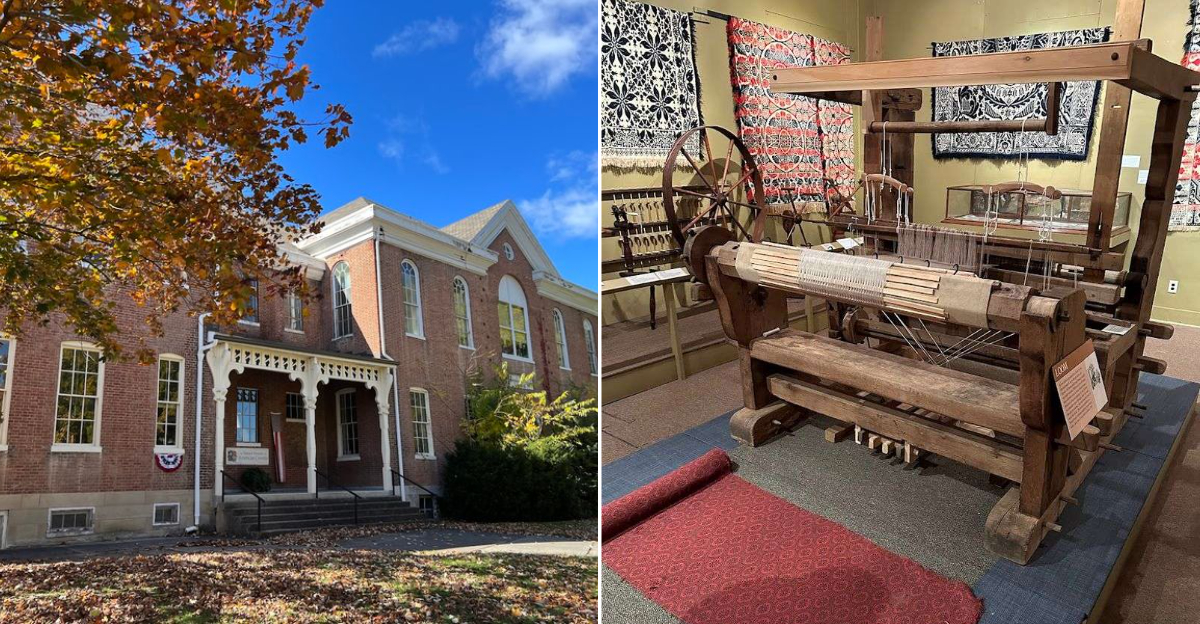
Before it became a museum, the building at 322 South Juliana Street served Bedford as a Common School building.
Built in 1859, the structure carries its own historical weight entirely separate from the coverlets displayed inside it, and the museum officially notes that it opened there in May 2006.
Walking through the front door, you immediately sense the age of the place. The museum says the two-story brick building and attached annex total about 30,000 square feet, retain many original features, and sit on two acres in Bedford’s historic district.
That kind of setting gives the whole visit more gravity before you even look closely at a single textile.
The choice to house the collection here feels inspired. The museum itself notes that the building is from the same general period as the coverlets it displays, which helps every room feel naturally suited to the subject instead of artificially staged around it.
The building becomes part of the exhibit, framing every woven piece with a sense of period authenticity that a modern white-box gallery could never quite match.
American Woven Coverlets Date Back To The Early 19th Century
Long before factory-made blankets took over, woven coverlets were widely used as bedcovers in American homes.
The museum explains that coverlets were especially popular in many states during the early-to-mid nineteenth century, even though the dated examples in its collection stretch earlier and later, from 1771 to 1889.
These were not simple projects. A coverlet was woven on a loom from scratch, one row at a time, with the pattern built directly into the textile as it was made.
That is one reason the museum places so much emphasis on weaving skill and structure. Unlike a quilt, which is assembled from existing cloth, a coverlet is literally constructed as a complete woven object.
The museum traces that tradition through the nineteenth century in a way that makes the craft feel far less ordinary than the word bedding suggests.
Visitors often leave with a completely new appreciation for how much skill, planning, and material knowledge went into creating something many families simply used every day.
These were functional objects, yes, but they were also quietly ambitious works of design.
Two Distinct Types Of Coverlets Are Featured In The Exhibits
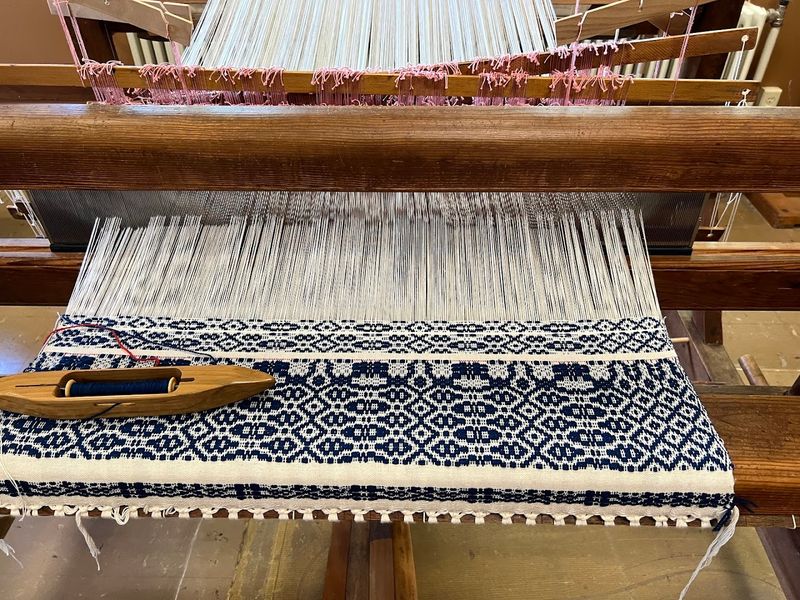
Not all coverlets are created equal, and one of the first useful things the museum teaches is the difference between the two main types it highlights: geometric and figured-and-fancy.
Understanding that distinction changes the way the whole collection starts to make sense. Geometric coverlets build their patterns from circles, squares, and repeating structure.
Figured-and-fancy coverlets move in a different direction, using curving, more realistic motifs that can include flowers, animals, buildings, and inscriptions.
Once you know that, you stop seeing the textiles as variations on the same object and start reading them almost like two related visual languages.
The museum also explains that figured-and-fancy coverlets were generally made by professional weavers, usually men, while geometric examples were produced by both women and men.
That human story matters. It reminds you that each woven piece carries not just pattern, but also evidence of labor, training, tools, and community need.
The Jacquard Loom Connection To Early Computing Is A Hidden Highlight
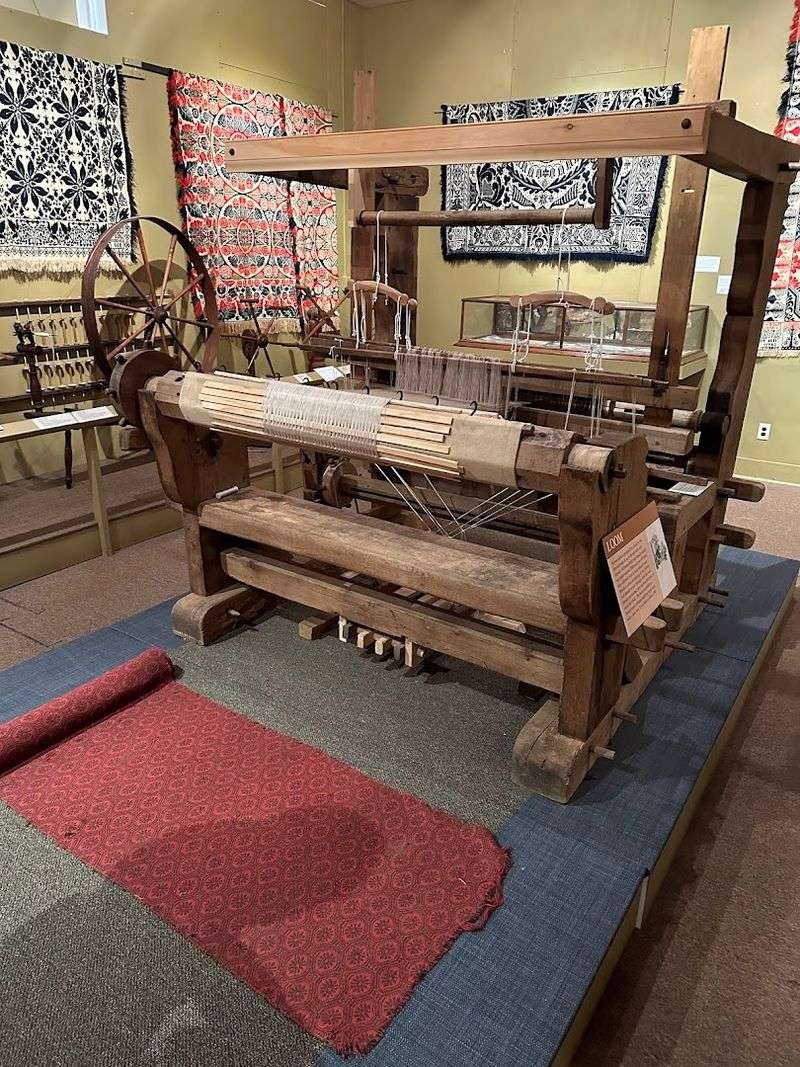
Here is the fact that tends to stop people in their tracks: the technology behind figured coverlets connects directly to the history of computing.
Jacquard looms used punched cards to control patterns, and those punched-card ideas later influenced Charles Babbage’s thinking about machine-controlled calculation.
The Smithsonian notes that Babbage greatly admired Jacquard’s invention, and Britannica says Jacquard cards were adopted by Babbage for his proposed Analytical Engine.
That means a subject that looks, at first glance, like purely decorative textile history turns out to sit surprisingly close to the origin story of programmable machines.
The logic is not metaphorical. It is mechanical.
Pattern instructions were encoded, read, and repeated through punched cards long before modern digital systems took over.
Seen in that light, a museum devoted to woven coverlets suddenly feels less obscure and much more expansive.
It becomes a place where design history, industrial history, and technological history overlap in a way that most people never expect. That hidden connection is one of the museum’s best surprises.
Exhibits Change Annually, Giving Repeat Visitors Fresh Reasons To Return
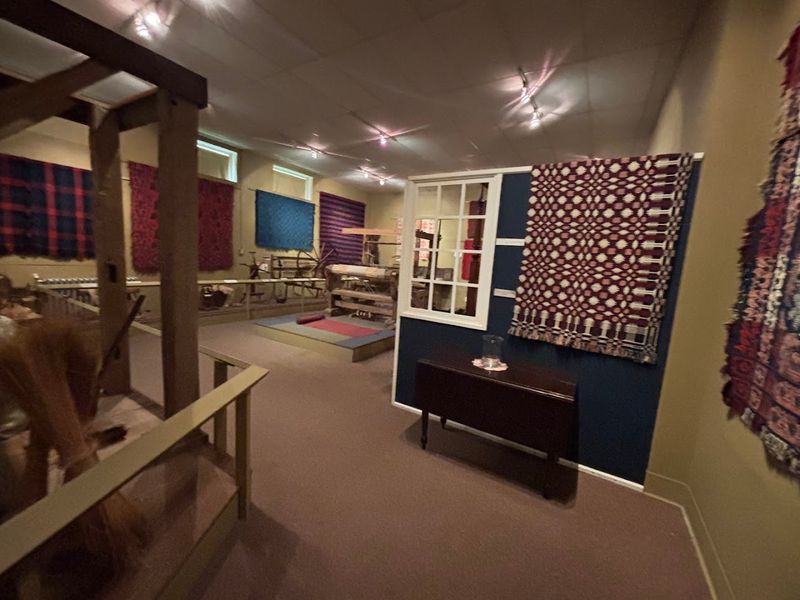
One of the smartest things about this museum is that it never stands completely still.
The exhibits rotate on a regular basis, with new themes introduced each year to highlight different aspects of the collection and keep the experience fresh.
Past themes have included seasonal groupings that organized coverlets by the time of year they were traditionally used or made.
This approach transforms what could be a static archive into a living, evolving presentation that rewards return trips.
Ohio visitors who make an annual trip to Bedford often report that each visit feels meaningfully different from the last.
The core collection remains, but the framing, the featured pieces, and the interpretive focus shift just enough to offer new discoveries every time.
For anyone who thinks one visit is enough, the rotating exhibits make a persuasive case that the second trip is just as worthwhile as the first.
Staff Knowledge Turns A Museum Visit Into A Full Education
The staff and volunteers at the National Museum of the American Coverlet clearly take the educational side of the mission seriously.
The museum says it is happy to answer questions, offer background information, and explain what visitors are looking at, and Discover Bedford County specifically describes the visit as including an informal guided tour.
That matters because this is the sort of subject most people do not arrive already understanding.
A label can tell you a date and a place, but a knowledgeable person can explain how fibers differ, how patterns were made, why inscriptions matter, and what separates one weaving tradition from another.
That extra human layer turns browsing into actual learning. For curious visitors who ask questions, this museum seems built to reward that instinct.
The collection is fascinating on its own, but the explanations around it help the whole subject come alive in a much fuller way.
That kind of engagement is one of the reasons a focused museum like this works so well.
Antique Looms On Display Show How Coverlets Were Actually Made
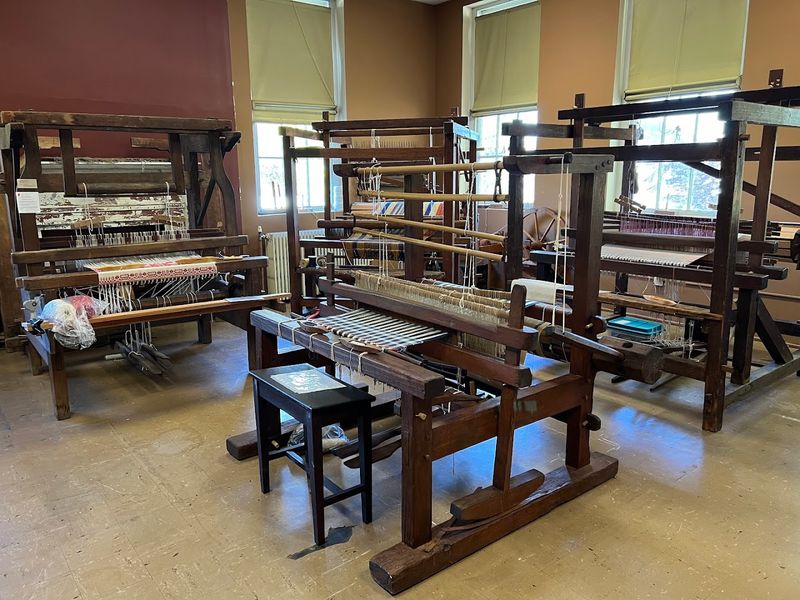
Seeing a finished coverlet is one thing. Standing near the tools and machines that made such work possible is something else entirely.
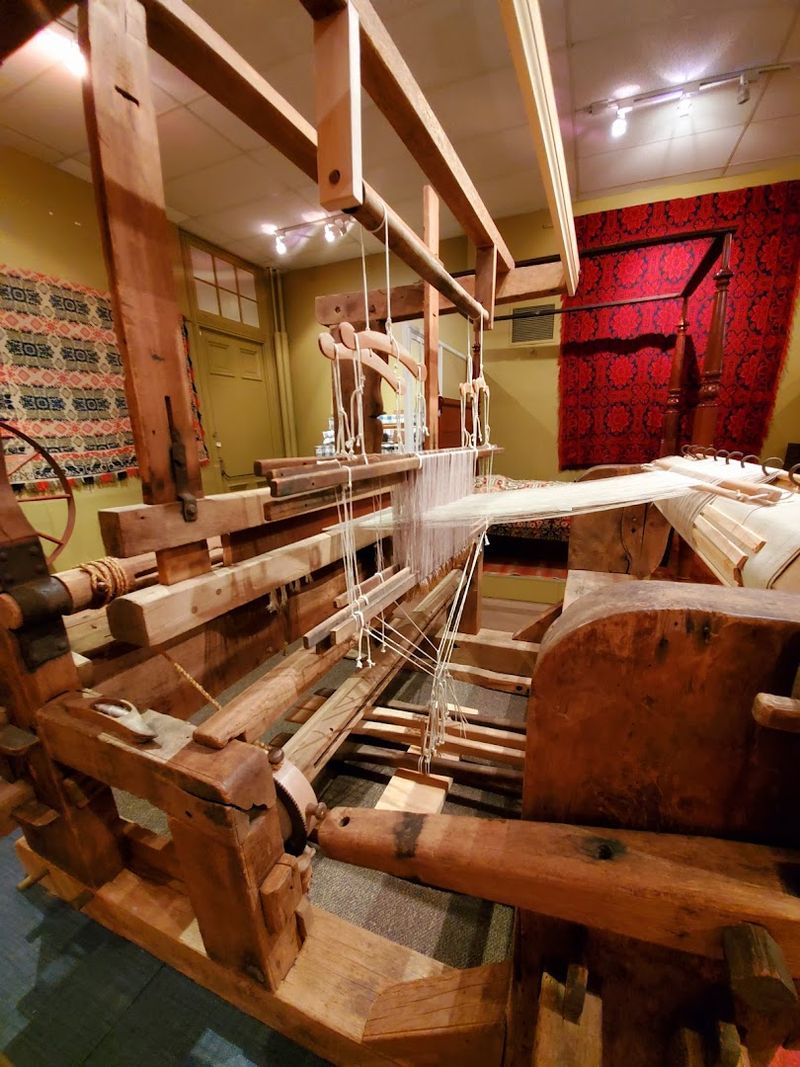
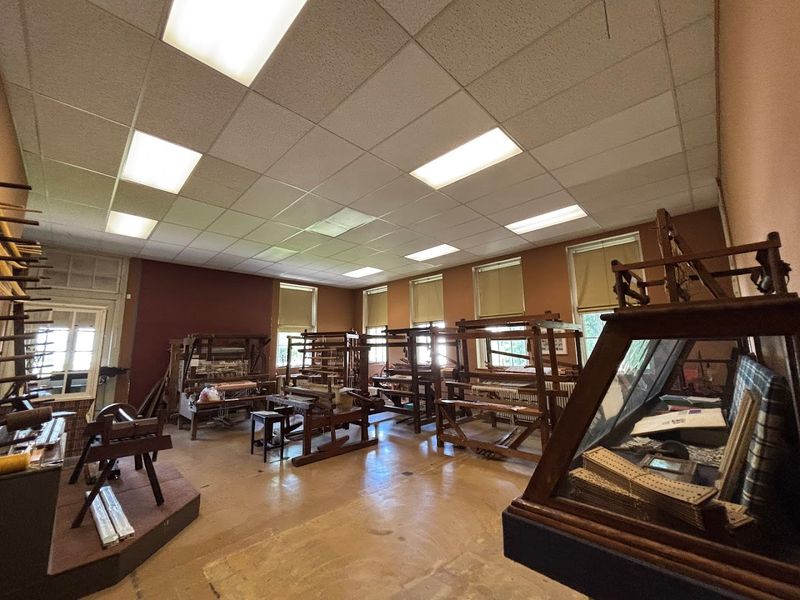
The museum says its exhibitions include early spinning wheels, barn-frame looms, and more, which gives visitors a physical sense of the scale and complexity behind the textiles on the walls.
These are not decorative props placed there to fill space. They help explain why certain patterns were possible, how wide a cloth could be woven, and what kind of labor was involved in turning raw fiber into a finished bedcover.
The museum also welcomes donations of weaving equipment, which shows that the technology of production is treated as part of the story rather than an afterthought.
For anyone who has ever wondered how a pattern becomes fabric, that material context is invaluable. The looms and tools make the process legible.
They let you see that these objects were not simply pretty things from the past, but the result of complicated, physical, highly skilled work.
The Museum Shop Lets You Bring The Subject Home
Most museums end with a quick browse past postcards and magnets, but this one offers a museum shop tied directly to the subject.
Admission to the Museum Shop is free, even for people not touring the galleries, and the museum’s books page shows that current and past exhibition catalogs are available for purchase.
That makes the shop feel less like a generic afterthought and more like an extension of the visit. If a particular exhibition catches your attention, there is a real chance to take home a catalog and keep looking at the patterns and examples after the trip is over.
The museum also maintains separate books and gifts sections, reinforcing that the shop is part of how it shares the subject with visitors.
Taking home a publication or coverlet-related gift may not be the same as carrying off an antique textile, but it is still a meaningful way to extend the experience.
For a museum devoted to such a specific craft tradition, that kind of follow-through feels exactly right.
The Museum Is A Nonprofit Open Throughout The Year
Running a museum dedicated to one highly specific subject takes real commitment, and the National Museum of the American Coverlet makes that visible.
The museum describes itself as a nonprofit institution, and its mission emphasizes exhibition, study, education, research, and growth of the collection through donation and acquisition.
It is also open throughout the year on a set weekly schedule.
The museum’s current visit information lists hours as Monday, Thursday, Friday, and Saturday from 10 AM to 5 PM, Sunday from noon to 4 PM, and closed Tuesdays and Wednesdays. The address is 322 South Juliana Street, Bedford, PA 15522.
That schedule, along with the free-admission Museum Shop and modest admission price, makes the institution feel accessible rather than exclusive.
Supporting the museum means supporting a piece of American craft history that might otherwise remain invisible to most people, and places like this are exactly how those quieter stories stay alive.