
This Pennsylvania Museum Returns This July And Is Worth Adding Back To Your Weekend List
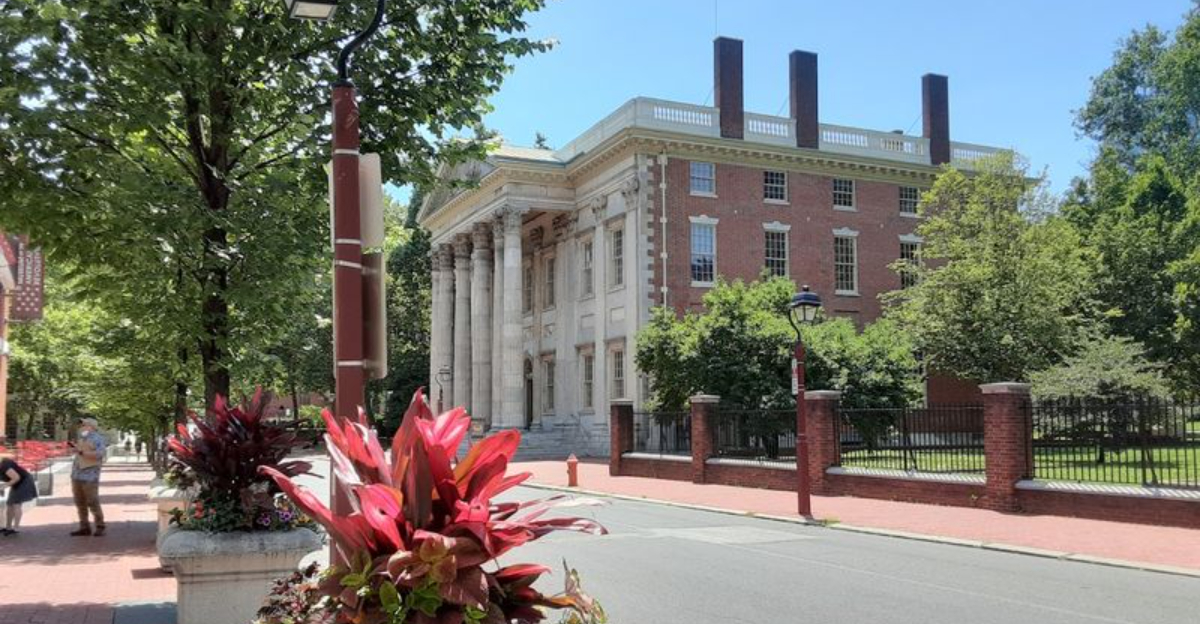
A museum returning in July feels like a good excuse to refresh the weekend list.
This Pennsylvania spot brings history back into the conversation in a way that sounds timely, thoughtful, and far more interesting than another ordinary afternoon plan.
The appeal is not just that it is reopening. It is the chance to step into a place where money, power, ambition, and early American ideas all collide in one story.
That kind of museum visit can make the past feel surprisingly current without turning the day into homework.
It is a smart stop for anyone who likes history with a little edge and a reason to linger.
My favorite museum trips are the ones that leave me thinking about the exhibits after I have already walked out, and this sounds like exactly that kind of return.
Alexander Hamilton’s Bold Financial Vision
Few ideas in American history stirred as much debate as Alexander Hamilton’s proposal to create a national bank.
As the first Secretary of the Treasury, Hamilton believed the young United States needed a strong financial backbone to survive and grow on the world stage.
His plan was controversial from day one. Many politicians, including Thomas Jefferson, argued that the Constitution gave no clear authority to create such an institution.
Hamilton pushed back, arguing that the government had implied powers to do what was necessary. Congress passed the bill in 1791, and President George Washington signed it into law.
The bank received a 20-year charter, giving it just enough time to prove its worth.
Hamilton’s vision helped establish credit for the new nation both at home and abroad, laying the financial groundwork that still influences how the United States operates today.
The Building Itself Is A Showstopper
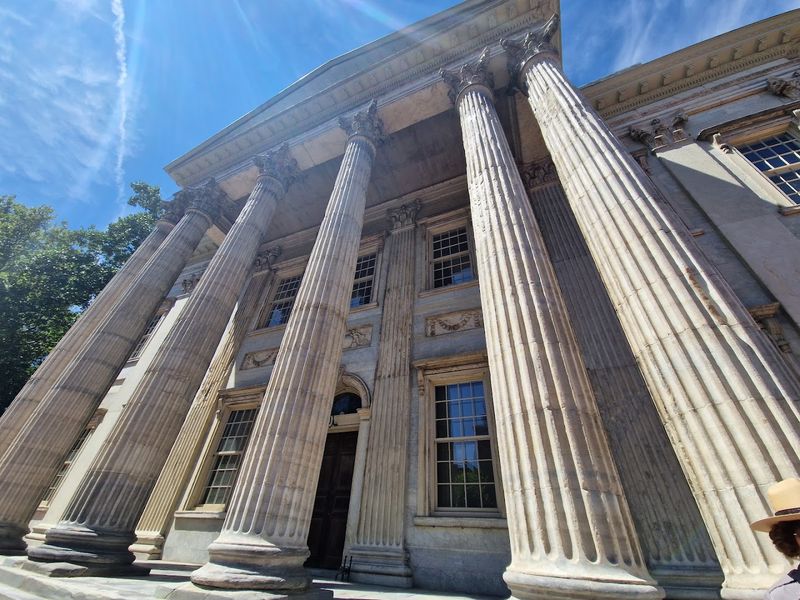
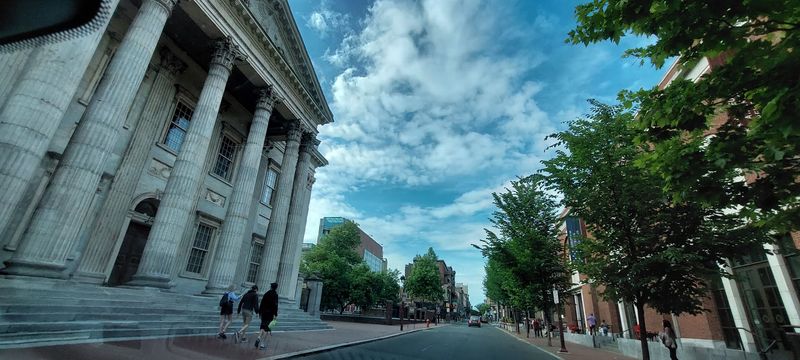
Before you even step through the doors, the First Bank of the United States greets you with one of the most impressive facades in all of Philadelphia.
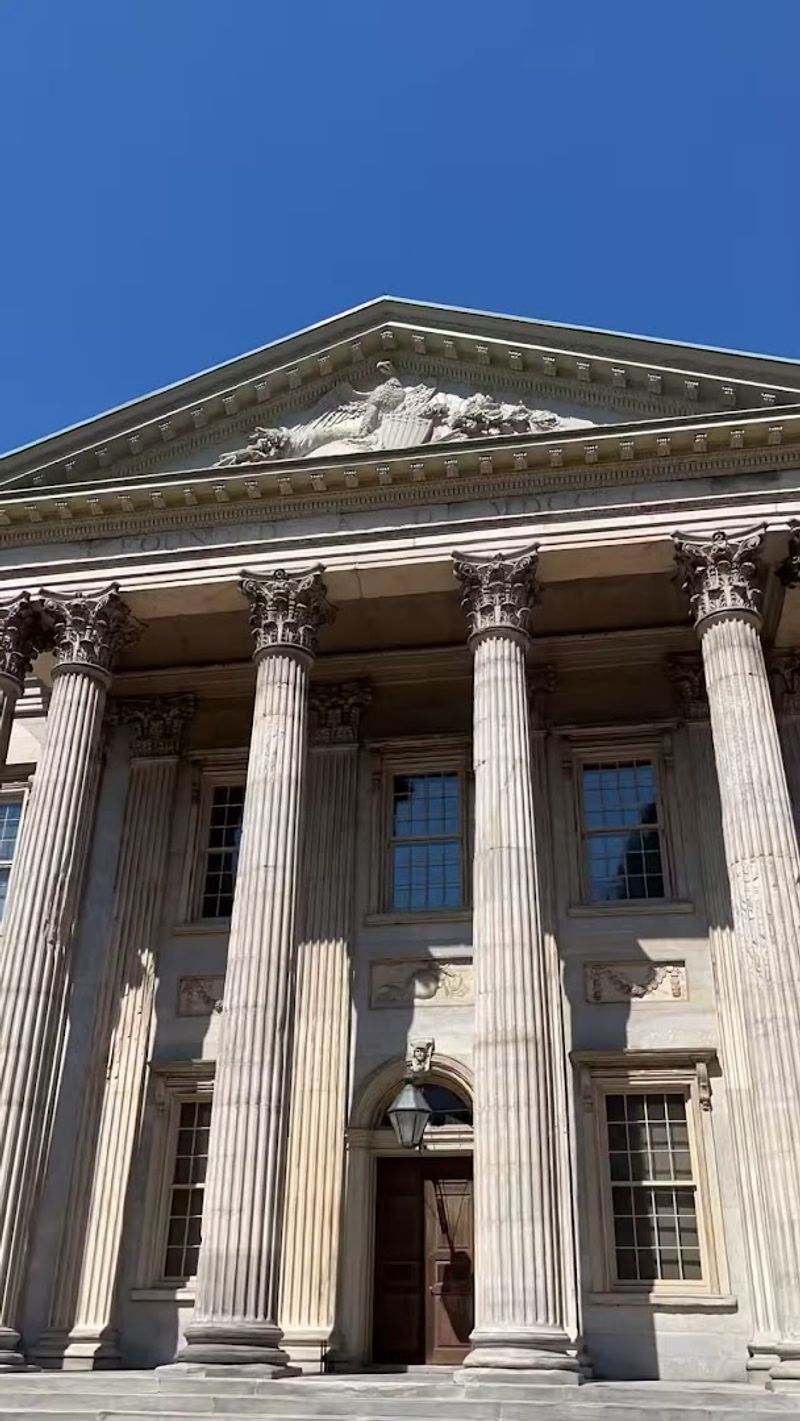
The building blends Neoclassical and Federal-era architectural language, featuring a grand Corinthian-columned portico that commands attention from the street.
Constructed between 1795 and 1797, it is considered one of the oldest surviving bank buildings in the entire country.
The mahogany eagle and symbolic allegory above the entrance are details that reward anyone who takes a moment to look up.
Visitors often stop mid-stride on 3rd Street just to photograph the structure, and honestly, that reaction makes complete sense.
The craftsmanship reflects a period when public buildings were designed to project confidence and permanence.
Standing in front of it, you can almost feel the weight of history pressing gently against your shoulders.
Why It Closed And What Changed During Renovation
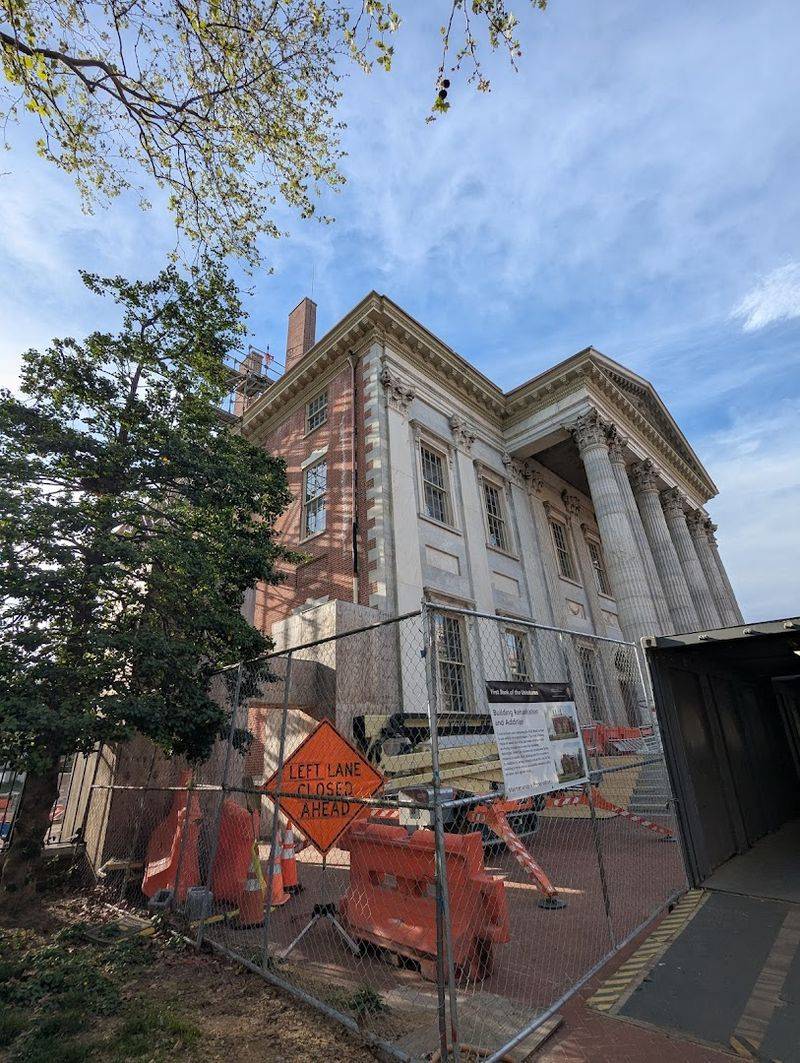
The renovation story behind the First Bank of the United States is one of careful preservation rather than dramatic overhaul.
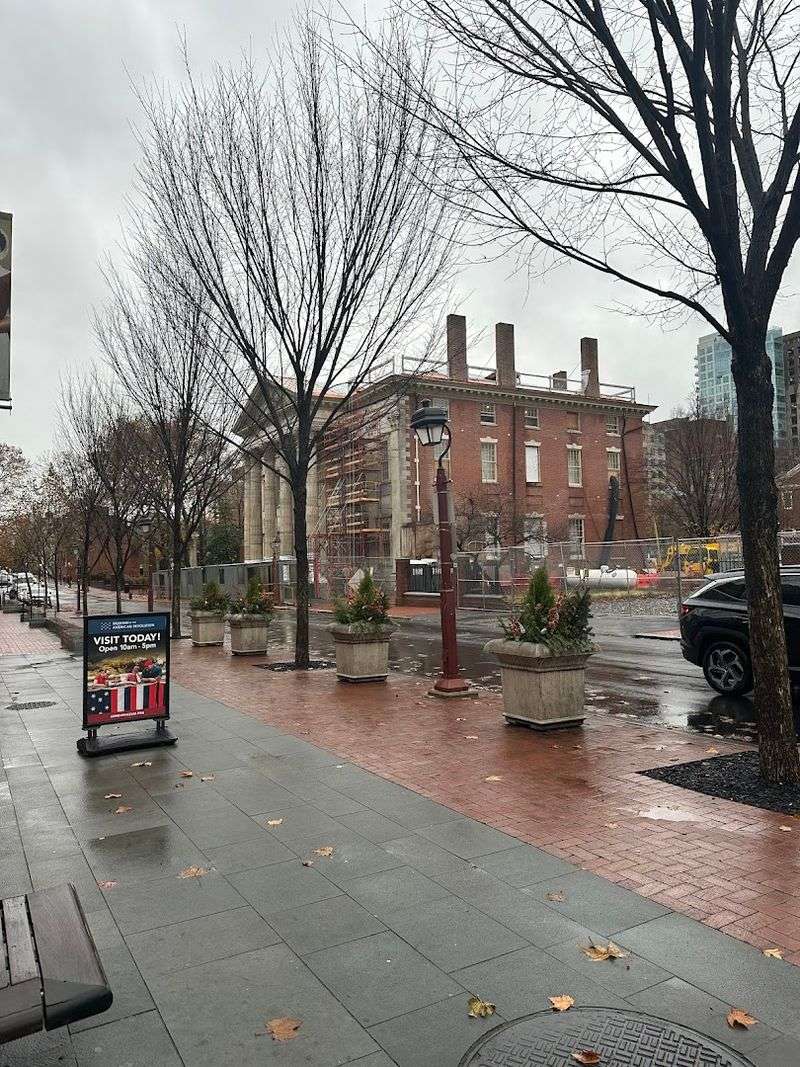
The building underwent significant work including roof replacement, exterior wall repairs, interior refreshing, and the construction of a new accessible entrance at the back.
That last detail matters more than it might seem. For the first time, visitors of all physical abilities will be able to enter and explore the space comfortably.
Accessibility upgrades like this are a meaningful step toward making history available to everyone.
The work was timed to align with America250, the national celebration of the United States’ 250th anniversary.
Reopening a landmark of this significance just in time for that milestone feels intentional and poetic.
Much like states outside Pennsylvania, including Ohio, have been preparing their own anniversary programming, Philadelphia made sure its most iconic financial building would be ready to welcome the world.
The Current First Bank Museum Name Explained
The current public-facing name is the First Bank of the United States, not a separate People, Power, and Profit Museum. That matters for setting accurate visitor expectations.
Rather than presenting the site solely as a finance museum, the reopened building is currently described as featuring exhibits about art, artifacts, American history, and diplomacy.
Those displays were developed with the U.S. Department of State and Drexel University, using items from embassies and Philadelphia’s Atwater Kent Collection.
The updated approach still connects public life, power, and national identity, a conversation that feels just as relevant today as it did in 1791.
Museums across the country, from Ohio to Oregon, have been rethinking how they present historical narratives.
This Philadelphia institution is joining that movement by asking bigger, bolder questions about what objects and places reveal about the country and the many people who shaped it.
The 20-Year Charter And What Happened Next
One of the most fascinating chapters in this building’s history is the story of its charter expiration.
The First Bank of the United States was granted a 20-year operating license in 1791, and when that period ended in 1811, Congress chose not to renew it.
The building was then purchased by Philadelphia merchant Stephen Girard in 1812, and he used it for his own private bank. The site continued its financial life, but under private ownership for many more years.
That kind of bold financial independence was very much in the spirit of the era.
The Second Bank of the United States was eventually chartered in 1816, but the original building remained in private hands for decades.
This back-and-forth between government ambition and private enterprise is a theme that echoes across American history, from Philadelphia all the way to financial debates happening in states like Ohio today.
Its Role In The Broader Independence National Historical Park
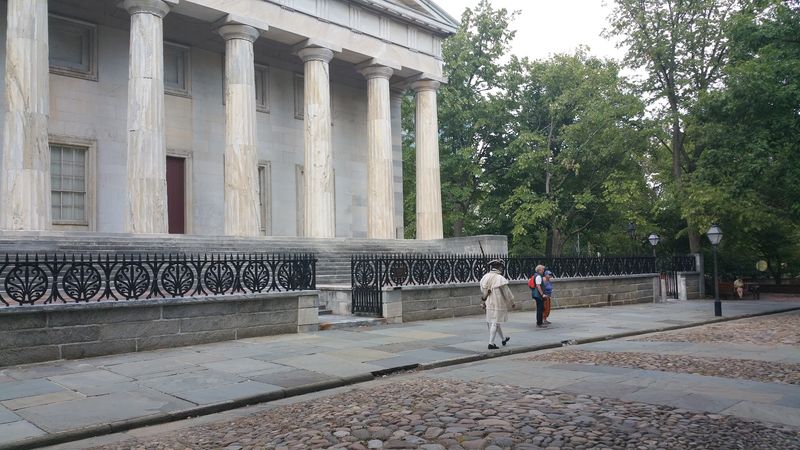
The First Bank of the United States sits within Independence National Historical Park, managed by the National Park Service.
That placement puts it in remarkable company, sharing a neighborhood with Independence Hall, the Liberty Bell, and Carpenters Hall.
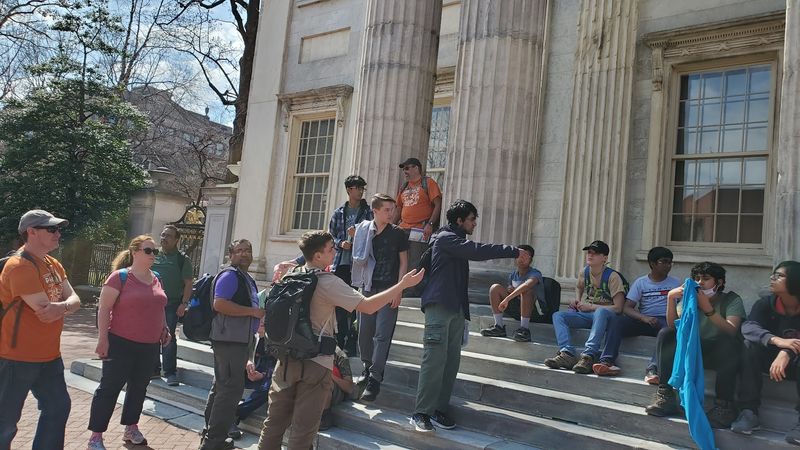
For visitors planning a full day in Old City Philadelphia, this museum fits naturally into a walking itinerary that covers centuries of American history within just a few blocks.
The NPS website at nps.gov/inde provides updated information about hours and access as the July reopening approaches.
The park itself draws millions of visitors each year from across the country and internationally.
Travelers who have already explored historical sites in Ohio or other states often find that Philadelphia offers a density of significant landmarks that is hard to match anywhere else in the nation.
The First Bank of the United States adds financial history to a neighborhood already rich with political and revolutionary stories.
Hamilton’s Four Financial Reforms At Once
Most people know that Hamilton championed the national bank, but fewer realize he backed several major financial reforms at the same time.
Alongside the bank, he pushed for the federal government to assume state war debts from the Revolutionary War, and he advocated for the creation of a national mint and a federal excise tax.
Together, these four measures were designed to establish financial order, build credit for the new nation, and resolve the chaotic currency situation left over from the war.
The Continental dollar had become nearly worthless, and Hamilton knew a unified financial system was the only real solution.
Understanding these reforms together makes the First Bank of the United States feel less like a single building and more like the physical headquarters of an entire financial revolution.
The debt assumption plan benefited existing states carrying Revolutionary War obligations, not later states created afterward within the young new federal system.
The Architecture Speaks A Political Language
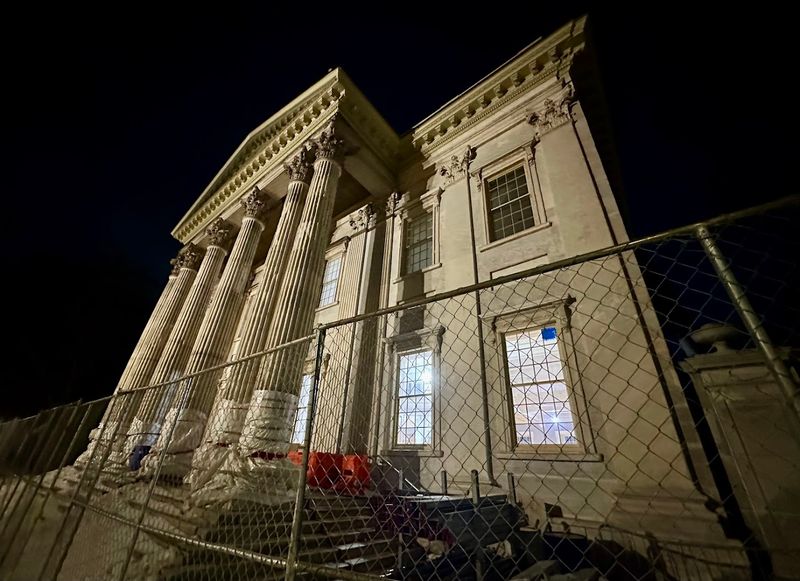
Every design choice in this building was intentional.
The Corinthian columns, the mahogany eagle perched on the pediment, and the symmetrical layout all communicated something specific to citizens and foreign observers in the 1790s.
At a time when the United States was still proving itself as a legitimate nation, architecture served as a form of diplomacy.
A grand, permanent-looking bank building told the world that America was serious about its financial future and not going anywhere.
That message landed. European creditors who had been skeptical about lending to the new nation began to take it more seriously after institutions like the First Bank of the United States were established.
It is a reminder that buildings are never just buildings.
Much like courthouses and capitol buildings in Ohio and across the country, this structure was designed to inspire confidence before a single transaction ever took place inside its walls.
What Visitors Can Expect This July
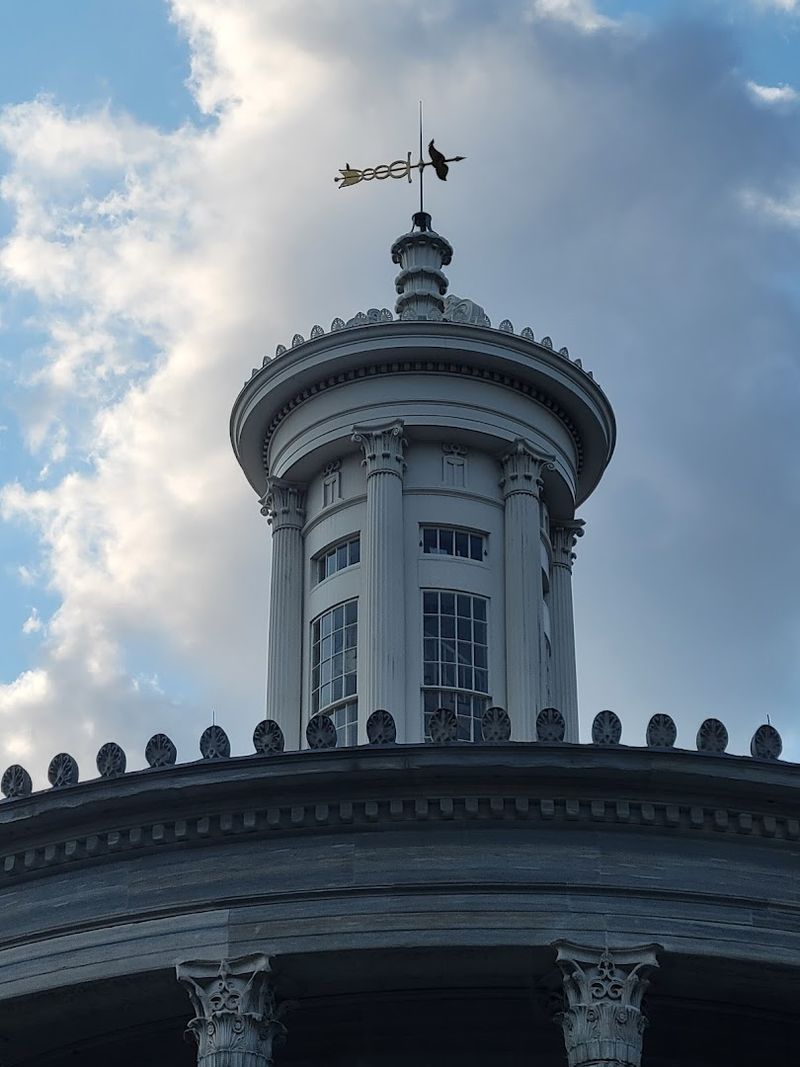
The July reopening of the First Bank of the United States promises an updated visitor experience compared to what the building offered in previous years.
The refreshed interior is currently described as featuring exhibits about art, artifacts, American history, and diplomacy, developed with the U.S. Department of State and Drexel University.
The accessible entrance and related upgrades to the building mean that more people than ever will be able to engage with the space directly and comfortably.
That is a meaningful upgrade for a site that previously had limitations in that area. Families, school groups, and solo history enthusiasts will all find something worth their time here.
The First Bank is scheduled to open Thursday through Sunday from 11 a.m. to 4 p.m., so visitors should plan around those hours.
Planning a Saturday morning visit before the Old City crowds build up is a smart move for anyone in the Philadelphia area.
Why This Museum Deserves A Spot On Your Weekend List
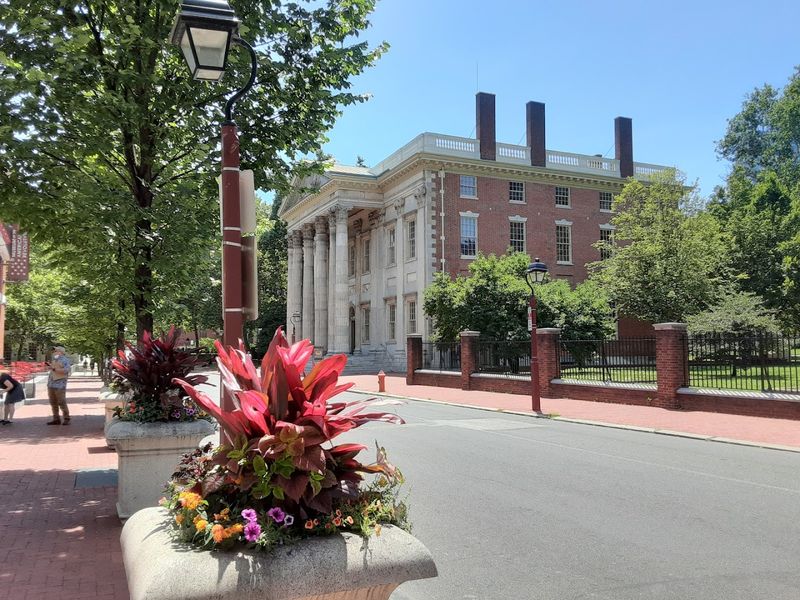
There are plenty of reasons to spend a weekend afternoon in Old City Philadelphia, but the reopened First Bank of the United States offers something genuinely rare.
It connects national history, diplomacy, art, and early American finance inside a physical space that has stood for over two centuries in the heart of historic Old City Philadelphia today.
The building’s location on 3rd Street between Walnut and Chestnut puts it within easy walking distance of a dozen other landmarks, making it a natural anchor for a broader historical itinerary.
Public access through the National Park Service makes it an approachable outing for nearly anyone.
States like Ohio have rich histories of their own, but the financial story connected to this site is one that belongs to the entire country.
Returning July 1 after its renovation, the First Bank of the United States is ready to remind visitors why Philadelphia remains one of America’s most important historical destinations.