
This Pennsylvania Nature Reserve Feels Like A Quiet Sanctuary Hidden In Plain Sight
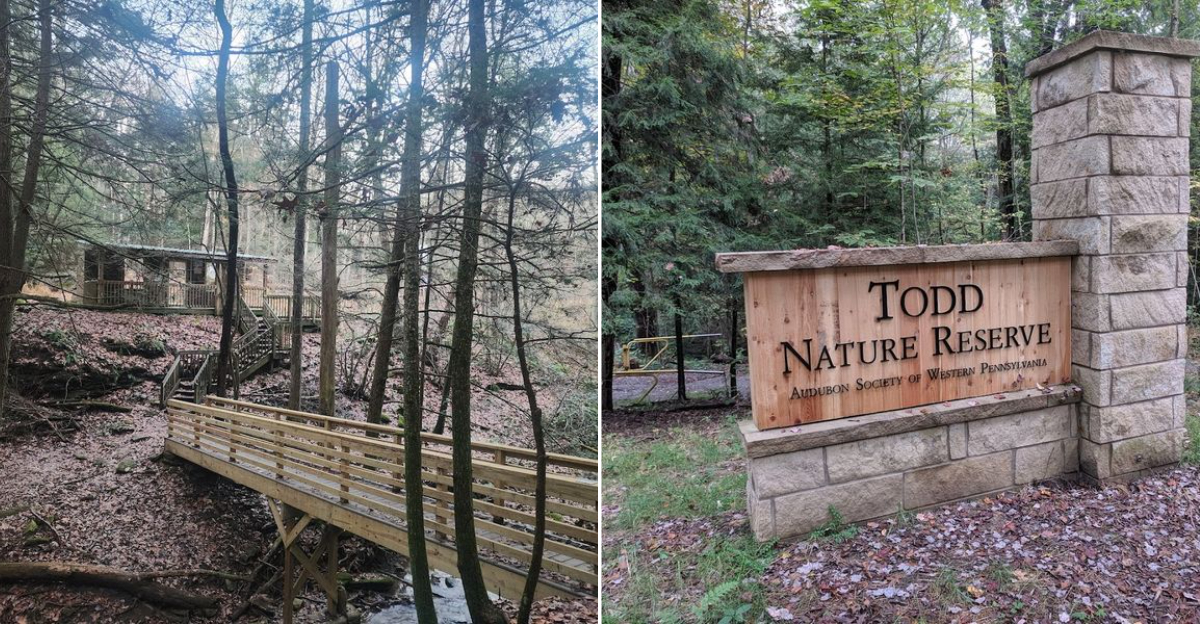
Some places quiet the mind before you even realize you needed it.
A Pennsylvania nature reserve with peaceful trails, bird calls, shaded woods, and that soft hush only wild places seem to know can feel like a sanctuary hiding in plain sight. The beauty is not loud or showy.
It is in the crunch of leaves underfoot, the sudden flash of wings, the filtered light through trees, and the feeling that the world has finally turned down its volume.
This is the kind of place made for slow walks, deep breaths, and small discoveries that make an ordinary afternoon feel restored.
I have always loved nature spots that ask for nothing but attention, and a Pennsylvania reserve this calm would be exactly where I would go when I need to feel grounded again.
The Trail System Is Surprisingly Well Thought Out
For a reserve that feels this off the beaten path, the trail system at Todd Nature Reserve is impressively organized.
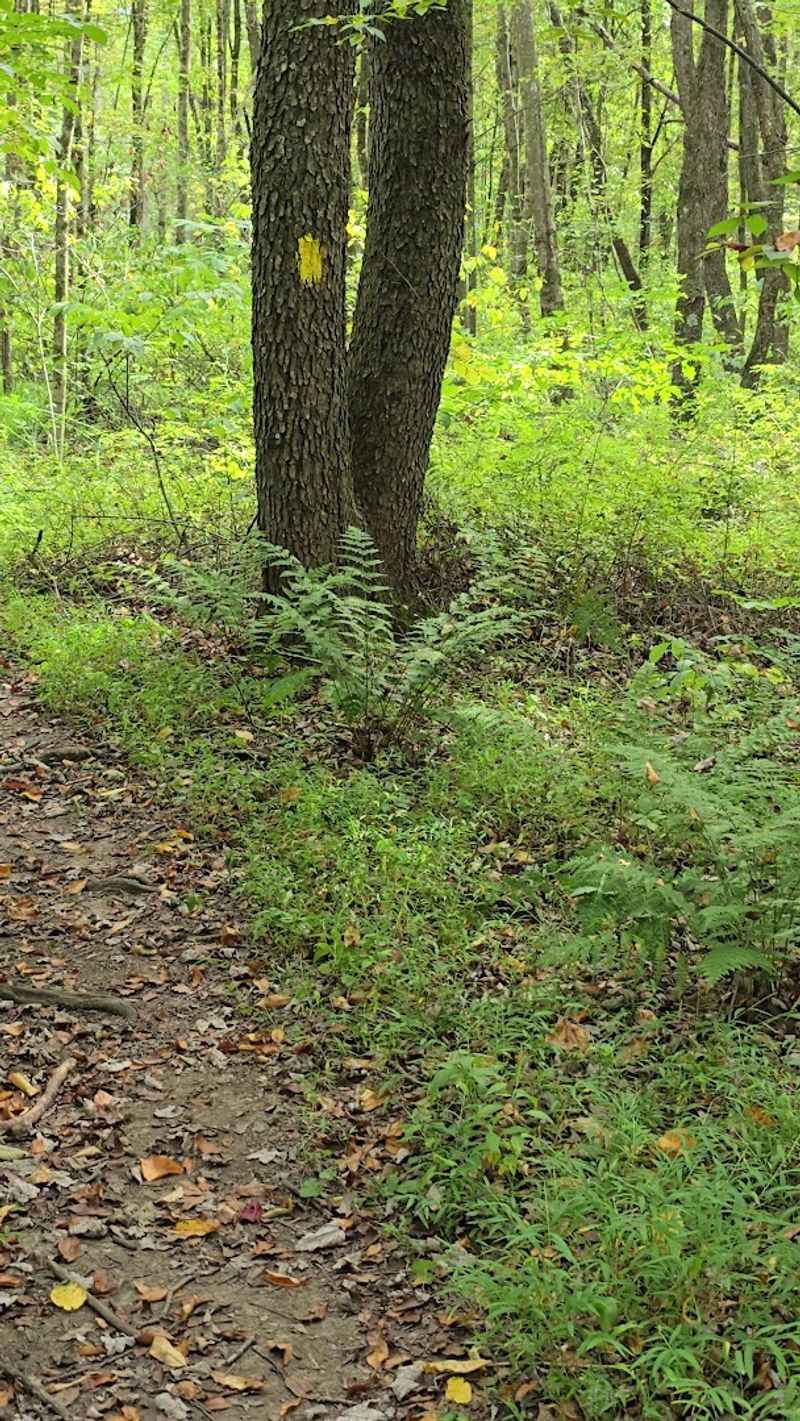
Color-coded blazes painted directly onto tree trunks guide hikers through different routes, and wooden trail posts appear at key intersections to keep you oriented.
There are several interconnected paths to choose from, including the Red Loop Trail, the Ravine Trail, the Ghost Pipe Trail, and the Polypody Trail.
The full outer loop covers roughly two miles, but mixing and matching the inner paths can extend your time on the trails considerably.
Rocky terrain is part of the experience, so proper footwear is genuinely important here, not just a casual suggestion.
Creek crossings appear on certain routes, which adds a small adventure element that kids especially seem to enjoy.
Picking up a photo of the trailhead map before heading in is a smart move since paper maps are not always available on site.
A Reserve That Locals Somehow Keep Missing
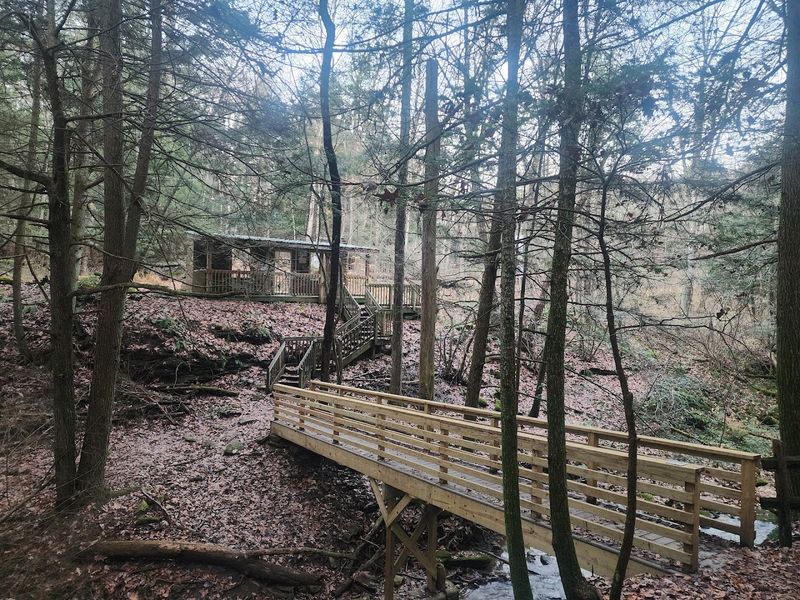
One of the most charming things about Todd Nature Reserve is that plenty of people who grew up just minutes away had absolutely no idea it was there.
Reviews from visitors repeatedly mention the same surprise: years of living nearby, and never once stumbling across it.
That kind of hidden quality is rare these days, especially in a state as well-traveled as Pennsylvania.
Unlike the crowded state parks closer to Pittsburgh, this reserve draws a quieter crowd, mostly locals who discovered it through a hiking app or a tip from a friend.
The Audubon Society of Western Pennsylvania manages the land, keeping it in excellent shape without turning it into a tourist attraction. There are no food vendors, no loud speakers, and no entry fees.
Just trails, trees, and the kind of silence that reminds you why green spaces matter so much in the first place.
Eastern Hemlocks That Have Stood For Generations
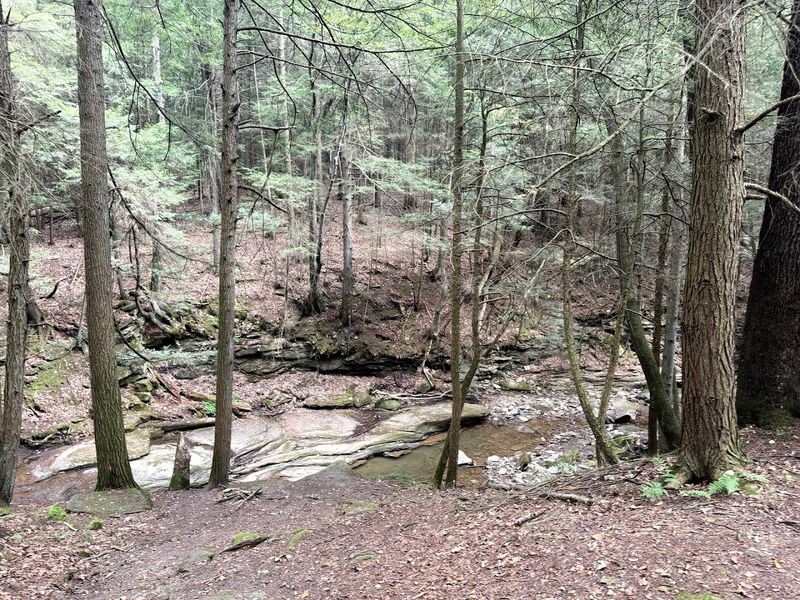
Eastern Hemlock trees are one of the defining features of this reserve, and seeing them in person adds a sense of age and permanence to the whole experience.
These trees grow slowly, which means the ones standing here have been doing so for a very long time.
Hemlocks across the northeastern United States have faced serious threats from an invasive pest called the woolly adelgid, making healthy stands like this one genuinely worth celebrating.
Visitors who pay attention to these trees often leave with a deeper appreciation for conservation efforts that go largely unnoticed by the general public.
The dense canopy created by the hemlocks keeps the trails cool and shaded even on warm summer days, which is a practical bonus for hikers who prefer to avoid the full intensity of the afternoon sun.
Walking beneath them has a calming, almost cathedral-like quality that is hard to put into words but easy to feel.
A Pond That Practically Hums With Wildlife
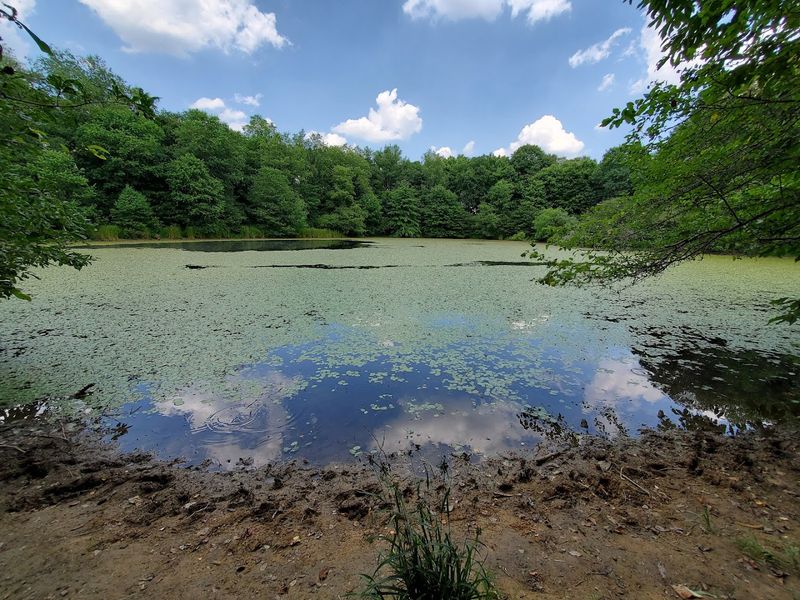
The pond at Todd Nature Reserve is one of those spots that rewards patience.
Stand quietly at the edge for even a minute and the activity around you picks up fast, frogs launching into the water with a satisfying splash, geese gliding across the surface, and deer tracks pressed into the muddy bank.
Spring peepers fill the air with sound during the warmer months, creating a chorus that feels almost theatrical in its intensity.
In summer, bullfrogs take over, their deep calls echoing across the water in a way that makes the whole area feel wilder than it actually is.
The pond is not the largest body of water you will ever see, but its scale is part of what makes it so accessible and intimate.
Children particularly love walking along the edge and listening for that signature frog-jump splash, which reviewers have described as genuinely cute and endlessly entertaining for young visitors.
Creek Crossings Add A Little Adventure To Every Walk
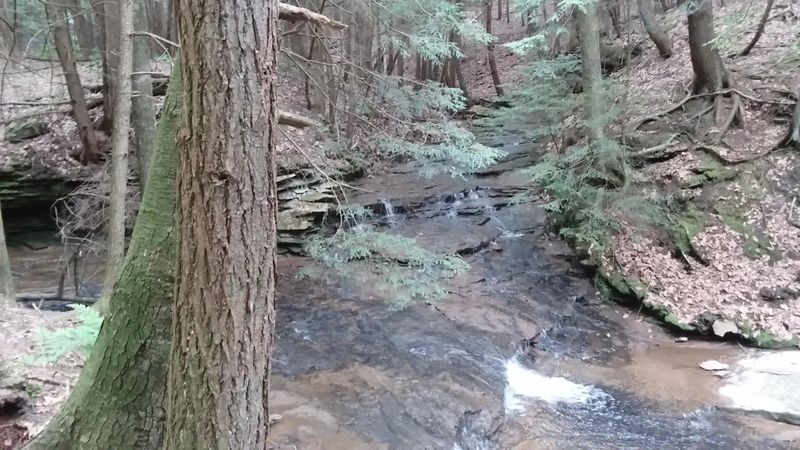
Not every trail at Todd Nature Reserve requires a creek crossing, but the ones that do tend to be the most memorable.
Stepping from stone to stone across a moving creek is the kind of small physical challenge that makes a hike feel like a real outing rather than just a walk in the woods.
The creek itself is genuinely beautiful, running clear over rocky beds and occasionally dropping into small waterfalls along the Ravine Trail.
Visitors who take the time to stop and sit beside it for a few minutes often report that it becomes the highlight of their entire visit.
It is worth noting that trails near the creek can get wet and muddy, particularly after rain, so waterproof boots are a smart choice if there has been any recent precipitation.
The terrain is navigable for most hikers, but those with limited mobility should check conditions ahead of time and choose their route accordingly.
Rock Formations That Catch Everyone Off Guard
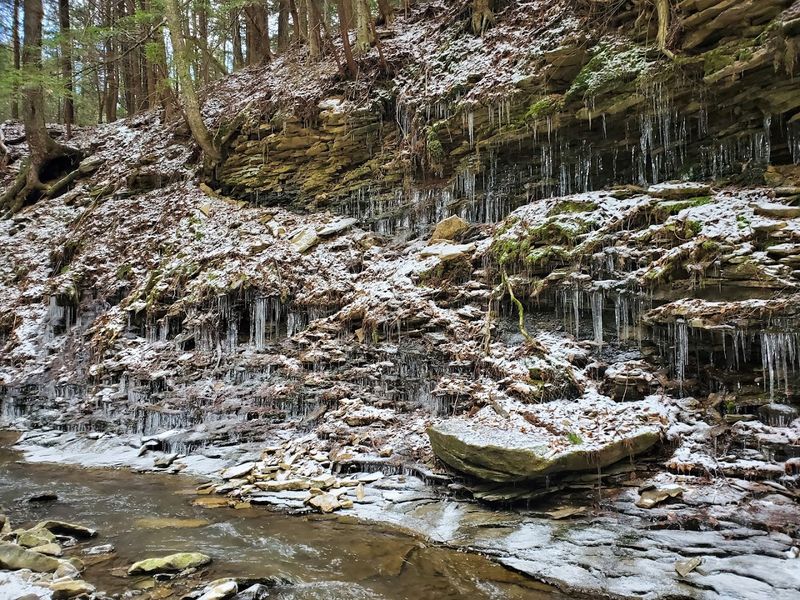
Ask hikers what surprised them most at Todd Nature Reserve and a good number will mention the rock formations.
They appear without much fanfare along the trails, large outcroppings and textured stone faces that give the landscape a rugged character you might not expect from a relatively small reserve in Butler County.
These formations are particularly popular with children, who tend to scramble over them with enthusiasm while adults appreciate the interesting geological shapes from a safer distance.
The combination of mossy stone surfaces and surrounding forest creates a visual contrast that makes for genuinely striking scenery.
Photographers who enjoy natural landscape subjects will find plenty to work with here, especially in the early morning when soft light filters through the tree canopy and lands on the rock faces at flattering angles.
The reserve rewards slow walkers who take time to notice details rather than rushing through to complete the loop as quickly as possible.
Mushrooms, Ghost Pipes, And Fungi Worth Noticing
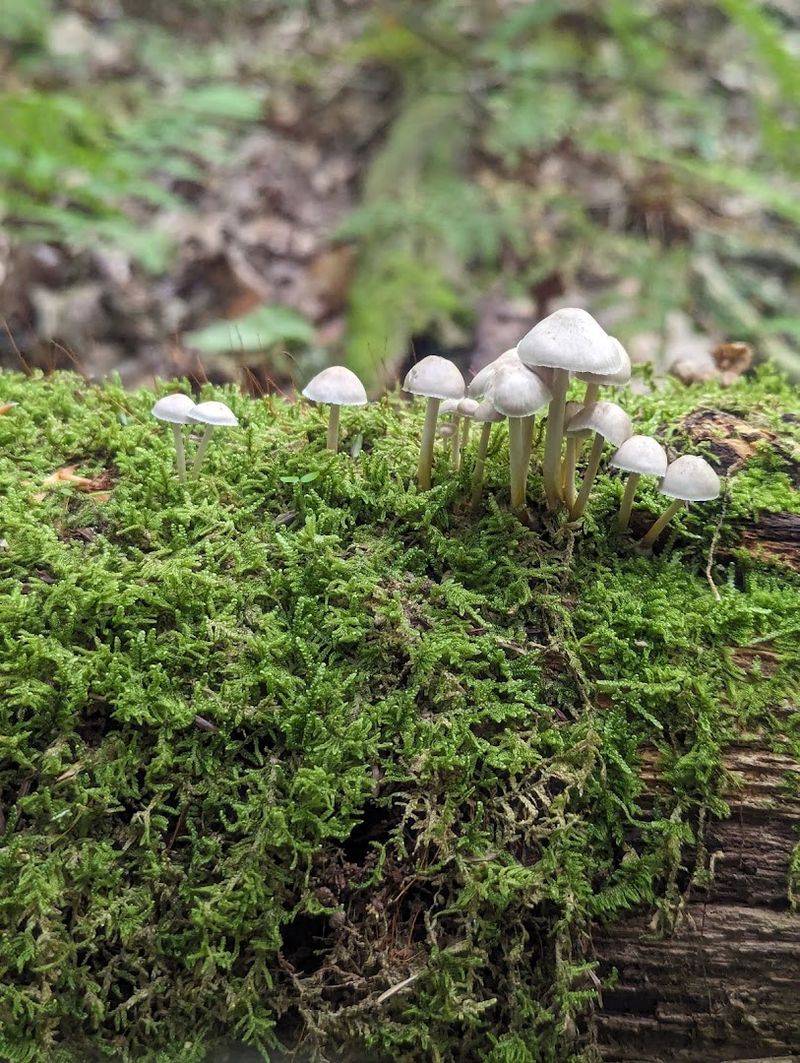
For anyone interested in fungi, Todd Nature Reserve offers a surprisingly rich foraging experience, at least in the visual sense.
The forest floor and fallen logs support an impressive variety of mushroom species, including chicken of the woods varieties that stand out with their bright orange and yellow coloring.
Ghost pipes, those eerie white plants that look like something from a fantasy story, also appear along the trails and tend to stop hikers in their tracks the first time they spot one.
These plants contain no chlorophyll and get their nutrients from fungi in the soil, making them a fascinating find for anyone curious about forest ecology.
The reserve is protected land, so collecting plants or fungi is not permitted, but observing and photographing them is entirely encouraged.
The diversity of species found here reflects the health of the ecosystem overall, which is one of the clearest signs that the Audubon Society of Western Pennsylvania is doing its job well.
The Ruins Of An Old Homestead Add A Layer Of History
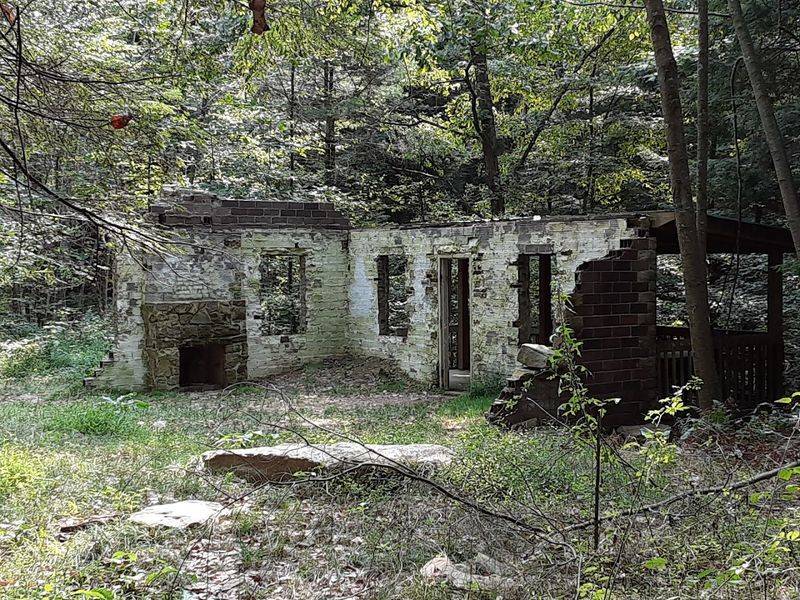
History shows up in unexpected ways at Todd Nature Reserve. Along the Shoop Loop sits the site of the former Shoop Homestead, adding a quiet historical dimension to what might otherwise feel like a purely natural experience.
The site is not dramatic in the way that major historical landmarks are, but that understated quality is actually part of its appeal.
Seeing a former homestead area slowly being reclaimed by meadow, moss, and forest vegetation has a way of putting time into perspective without requiring much explanation.
Visitors who come across it for the first time often pause longer than they planned, imagining who lived there and what the land looked like before the trees grew back around it.
It is the kind of detail that transforms a pleasant hike into something that lingers in the memory long after the drive home, which is exactly what good trail design should do.
A Reserve That Welcomes All Four Seasons
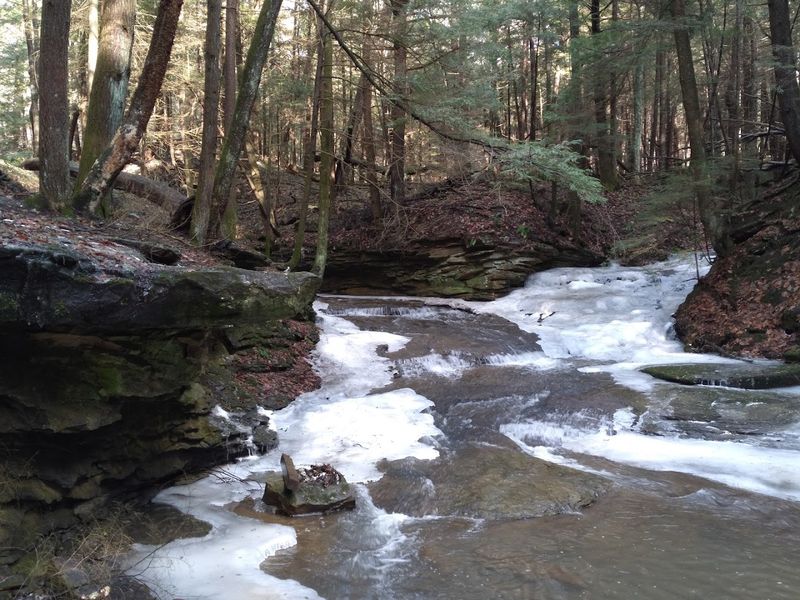
Most outdoor destinations have a peak season and then a long off-season where they quietly wait for visitors to return. Todd Nature Reserve does not really work that way.
Each season brings a noticeably different experience to the same trails, making return visits feel genuinely fresh rather than repetitive.
Fall is widely considered the most visually striking time to visit, with the hardwood canopy turning brilliant shades of orange and red while the hemlock trees stay deep green.
Winter hikers have reported finding the reserve nearly empty, walking through lightly snow-covered trails with only a handful of other people in sight, which is a rare and peaceful experience.
Spring brings the return of the spring peepers and the greening of the forest floor, while summer offers dense shade and active wildlife around the pond.
Planning a visit during a weekday rather than a weekend significantly increases the chance of having large sections of the trail almost entirely to yourself.
Practical Tips Before You Make The Drive
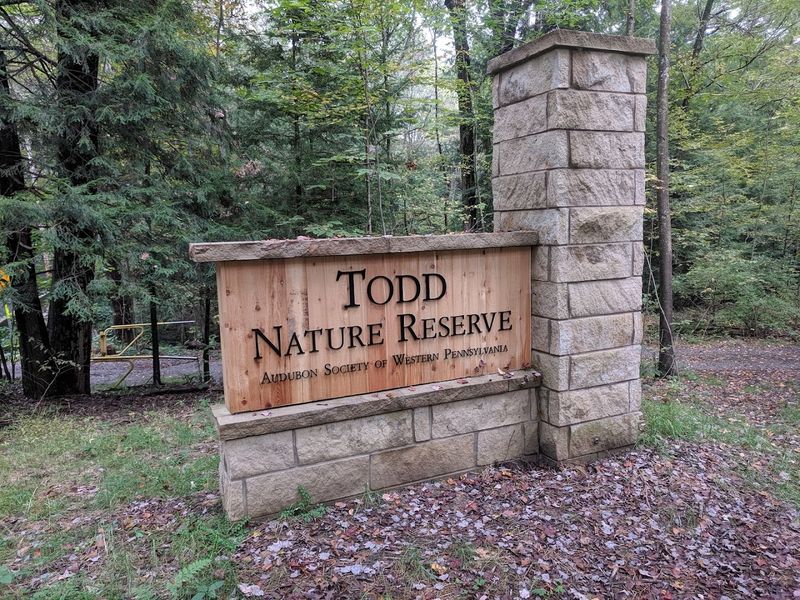
A few practical details can make the difference between a smooth visit and a frustrating one at Todd Nature Reserve.
The parking lot is small, and arriving early on busy weekends is genuinely the best strategy for securing a spot without circling the entrance area.
The access road leading to the reserve is a tight gravel lane with turns and crests that require slow, careful driving, so leaving the speed for the highway is strongly advised.
There are no restrooms on site, which is worth planning around before setting out, especially on longer hikes with children in tow.
Dogs are not permitted in the reserve, since this is protected natural land rather than a public park, and that distinction matters for the wildlife living there.
Bringing a copy of the trail map, either printed or saved on a phone, is a smart move since paper copies are not always available at the trailhead information board.