
This Pennsylvania Sculpture Garden Combines Art And Nature In Unexpected Ways
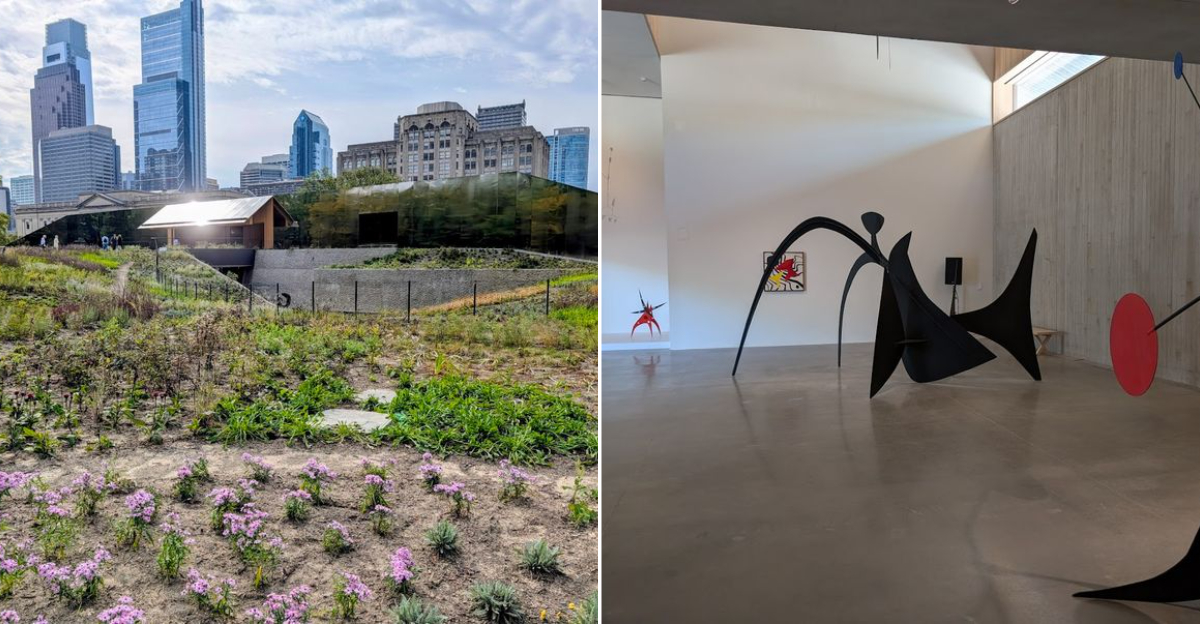
Art feels different when the sky, trees, and open air become part of the gallery.
In Pennsylvania, a sculpture garden that blends creative forms with natural surroundings can turn a simple walk into something thoughtful, surprising, and quietly beautiful.
The experience is less about rushing from one piece to the next and more about noticing how shapes, shadows, plants, pathways, and changing light work together.
A curve might look different from across the garden, a sculpture might feel playful from one angle and mysterious from another, and the whole visit becomes a conversation between imagination and landscape.
I would probably arrive expecting a peaceful stroll, then find myself slowing down at every turn, trying to decide which piece felt most alive in the garden around it.
A Building That Is Itself A Work Of Art
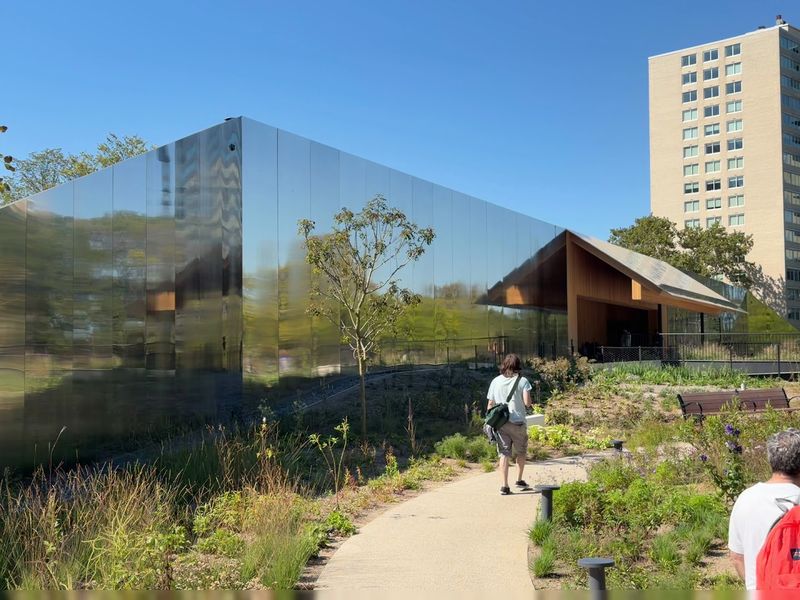
Before you even look at a single sculpture, the building itself stops you in your tracks.
Calder Gardens was designed with reflective metal cladding and a discreet, landscape-set form that feels both bold and organic at the same time.
The structure plays with light in a way that changes how the interior feels throughout the day. Sunlight pours through openings at different angles, casting shifting shadows across the surfaces.
Architects designed the space to complement Calder’s art rather than compete with it, which is harder to pull off than it sounds.
The building’s restrained geometry lets the playful lines found in Calder’s sculptures themselves take the lead.
Visitors who take a guided walk often say the explanation of the architectural concept completely changes how they experience the space.
Architecture enthusiasts who have compared it to other American art venues consistently rank it among the most thoughtfully designed.
The Man Behind The Mobiles: Alexander Calder
Alexander Calder was born in 1898 in Philadelphia, Pennsylvania, which makes this Parkway tribute feel especially fitting.
He grew up in a family of artists and eventually studied mechanical engineering before turning fully to sculpture.
His most famous invention, the mobile, changed the art world forever. Before Calder, sculptures just sat there.
He made them move, spin, and respond to the air around them.
Calder worked with simple shapes like circles, triangles, and arcs, often painted in bold primary colors. That deceptive simplicity is part of what makes his work so accessible to people of all ages.
Fans who have visited major art cities from Ohio to New York often say Calder’s work feels more joyful and approachable than most modern sculpture.
Calder Gardens gives those fans a dedicated space to experience his vision in a setting built specifically around it.
Subterranean Galleries That Surprise At Every Turn
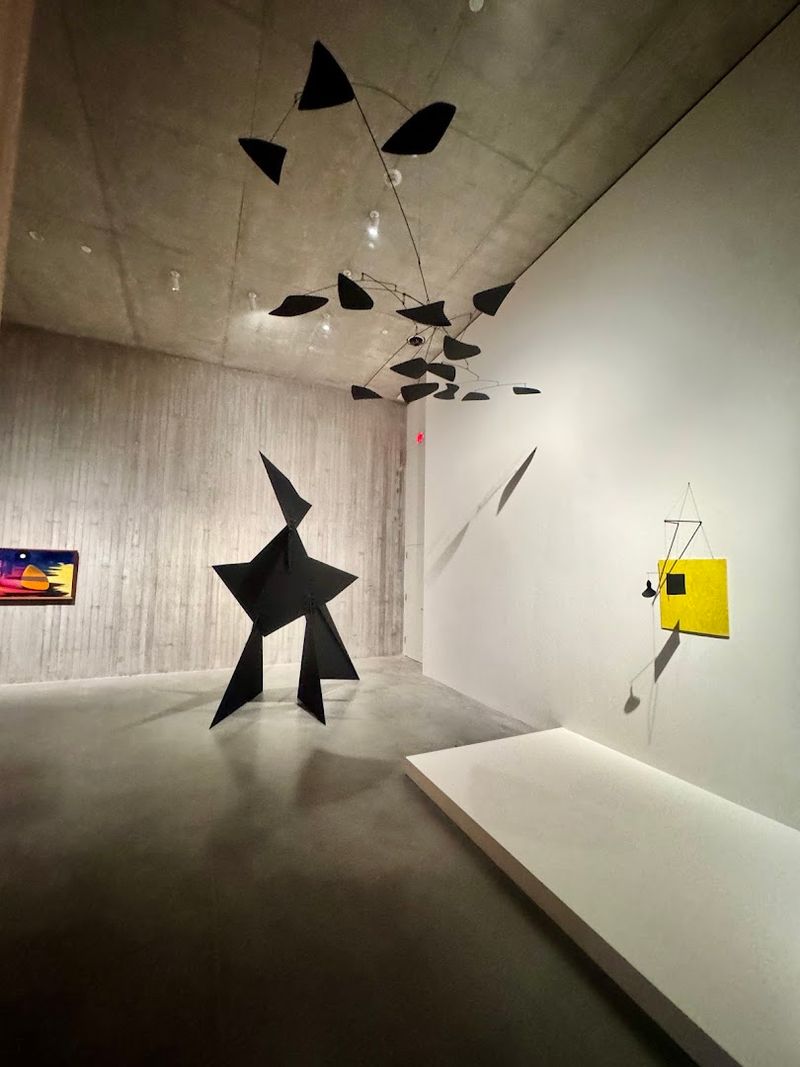
Most people do not expect to walk downstairs into a world-class sculpture gallery, but that is exactly what happens at Calder Gardens.
The main exhibition spaces are housed in a subterranean level beneath the garden, and the effect is genuinely dramatic.
As you descend, the noise of the city fades and a kind of focused quiet takes over. Rooms reveal themselves around corners like small discoveries, each one containing a carefully chosen piece.
Large outdoor-scale sculptures that Calder originally intended for open spaces are displayed here in ways that feel surprisingly intimate.
The lighting is warm and deliberate, drawing your eye directly to the forms and colors of each piece. Several visitors from Ohio and beyond have described the underground layout as unexpectedly meditative.
The design encourages you to slow down, linger, and actually look rather than rushing through the way you might in a larger, busier museum.
Plant-Filled Gardens Designed For Public Contemplation
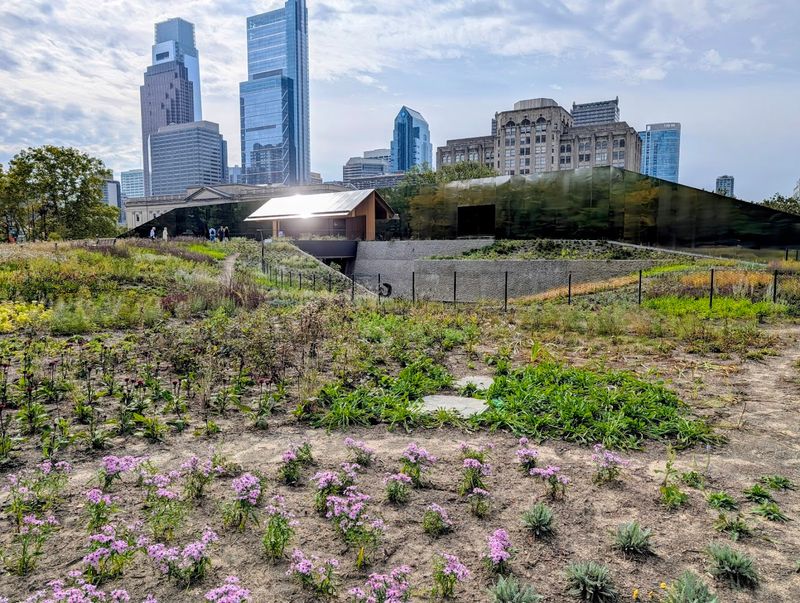
One of the most generous things about Calder Gardens is that the outdoor garden area adds another layer to the experience before you even enter the galleries.
The landscape is designed for slowing down, noticing, and sitting with the relationship between plants, art, and city life.
The garden includes more than 250 plant varieties and thousands of perennials, with a mix that supports seasonal change and local ecology rather than a purely formal display.
In the spring and summer, the plantings are expected to become more spectacular as everything matures and fills in.
Even in early autumn, visitors have noted a quiet charm to the dry grasses and late-blooming flowers.
Compared to manicured formal gardens you might find elsewhere, this garden has a wilder, more honest feel that suits the experimental spirit of Calder’s art beautifully.
It is a public-facing amenity that the whole neighborhood benefits from.
Mobiles That Move (And Sometimes Do Not)
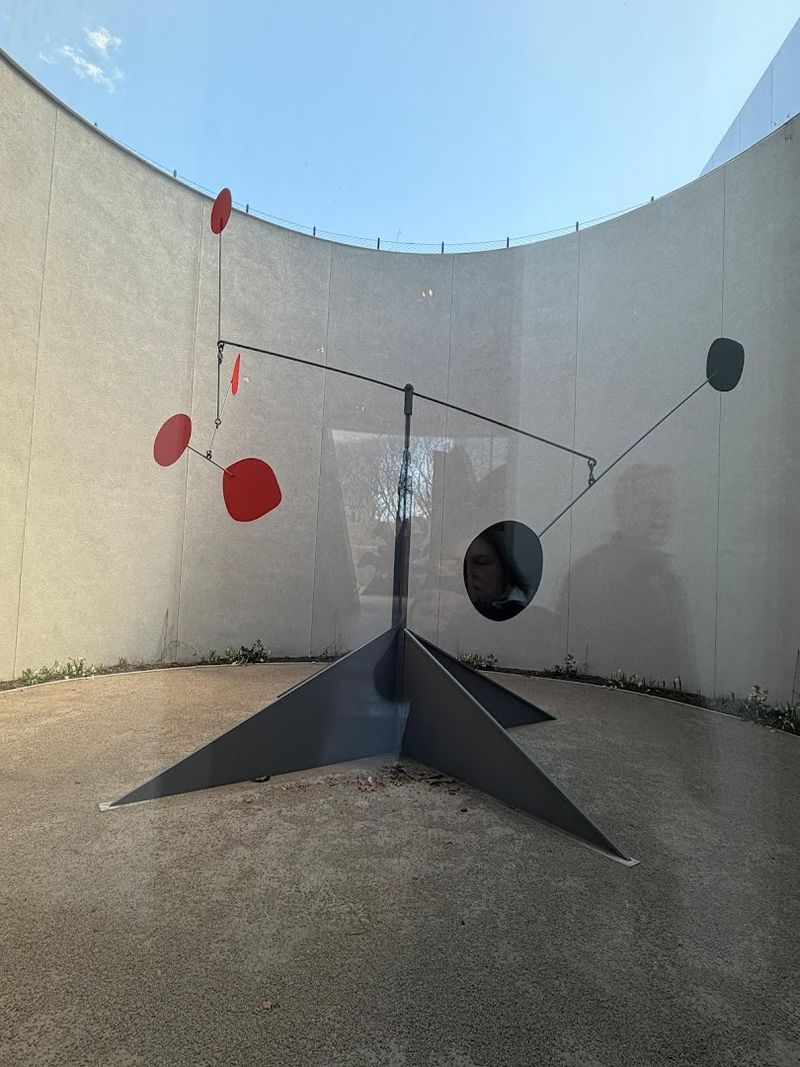
The mobile is Calder’s most iconic contribution to art, and Calder Gardens takes the display of these kinetic works seriously.
Several mobiles hang from the ceilings of the indoor galleries, suspended in carefully controlled air environments.
Here is the quirky part: some of the mobiles barely move at all, which has sparked genuine conversations among visitors about what a mobile is supposed to do.
Calder himself used to physically dance with his mobiles to set them in motion.
The docents at the museum are happy to explain the philosophy behind letting the works move only when the air naturally allows it.
It is a purist approach that not everyone agrees with, but it does make you pay closer attention to the subtle shifts when they happen.
Art lovers who travel from Ohio and other states specifically to see kinetic sculpture often find this quiet, slow movement more hypnotic than any theatrical display could be.
The Address And Location On Parkway Museum District
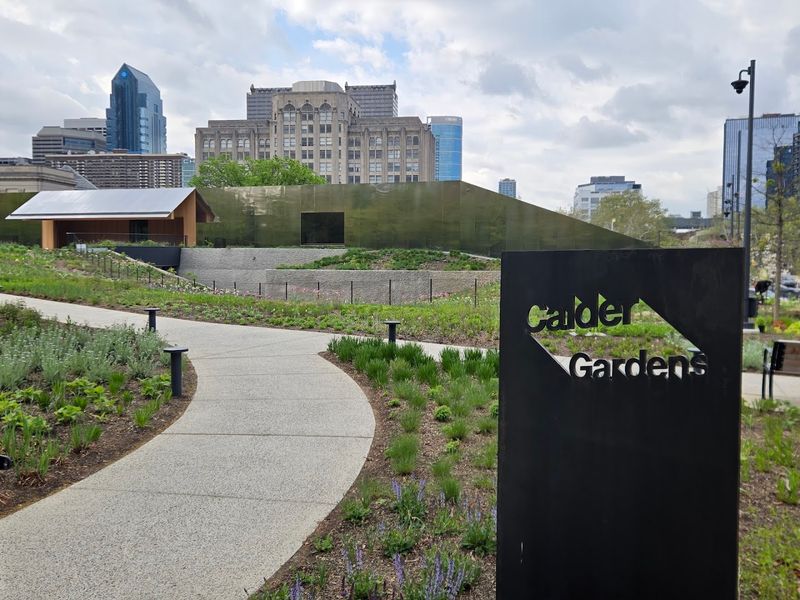
Calder Gardens sits at 2100 Benjamin Franklin Pkwy, Philadelphia, PA 19103, right in the heart of the city’s famous Parkway Museum District.
This stretch of road is sometimes called the cultural spine of Philadelphia, lined with world-class institutions within walking distance of each other.
The Barnes Foundation is nearby, and the Philadelphia Museum of Art is a short walk up the boulevard.
Combining a visit to Calder Gardens with a stop at the Barnes is a popular choice, especially for visitors who want a full day of art along the Parkway.
The location makes it easy to build a full day of culture without needing a car. Public transit stops nearby, and the surrounding area is pleasant for walking between venues.
Travelers arriving from Ohio and other neighboring states often find that parking near the Parkway can be tricky on weekends, so planning ahead or using public transportation saves a lot of frustration.
Hours, Tickets, And What It Actually Costs
Calder Gardens is open Thursday through Monday from 11 AM to 5 PM, with a members-only hour from 10 AM to 11 AM, and closed on Tuesdays and Wednesdays.
Planning around those days is important, especially for visitors making a long trip from places like Ohio or New York.
Admission is currently $18 for adults, $16 for seniors, $5 for college students with valid ID, $5 for youth ages 13 to 18, and free for children 12 and under.
The experience typically lasts between 30 minutes and an hour, depending on how slowly you move through the galleries.
The outdoor landscape adds real value for people who want to enjoy the plantings and the surrounding parkway atmosphere as part of the visit.
The gift shop offers books, prints, and gifts connected to Calder and the institution. For the best experience, visiting on a quiet weekday morning rather than a busy Sunday afternoon makes a noticeable difference.
Rotating Collections Keep The Space Fresh
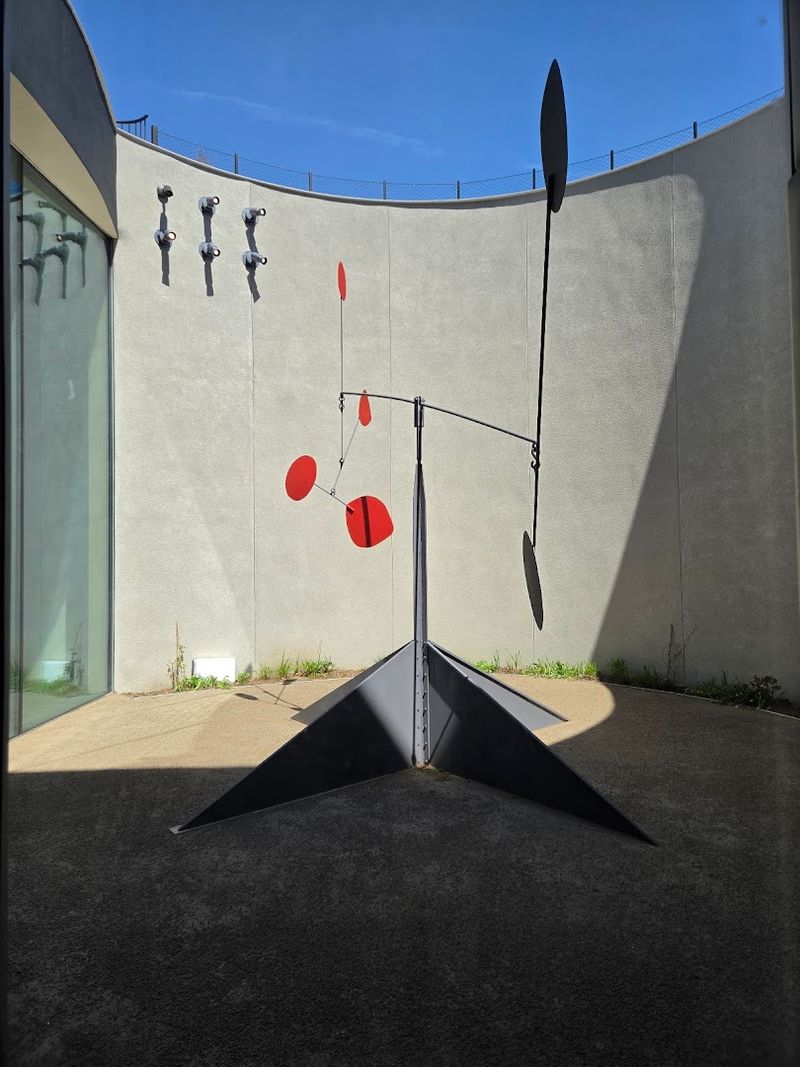
One thing that makes repeat visits worthwhile is the fact that Calder Gardens plans to rotate its collection regularly.
The works on display are not permanent fixtures, and the museum has committed to bringing in different pieces from the broader Calder estate over time.
This means that a visit in the spring might feel quite different from one in the autumn, both because of the changing garden outside and the new sculptures inside.
It is a smart approach that keeps the space feeling alive rather than static.
Calder created thousands of works across his career, ranging from tiny tabletop mobiles to monumental outdoor sculptures, so there is no shortage of material to draw from.
The selection process itself is curated to create specific moods and conversations between pieces.
Art travelers who visit Ohio institutions like the Cleveland Museum of Art and then make their way to Philadelphia often appreciate this commitment to keeping the experience evolving and worth returning to.
A Contemplative Space Rather Than A Traditional Museum
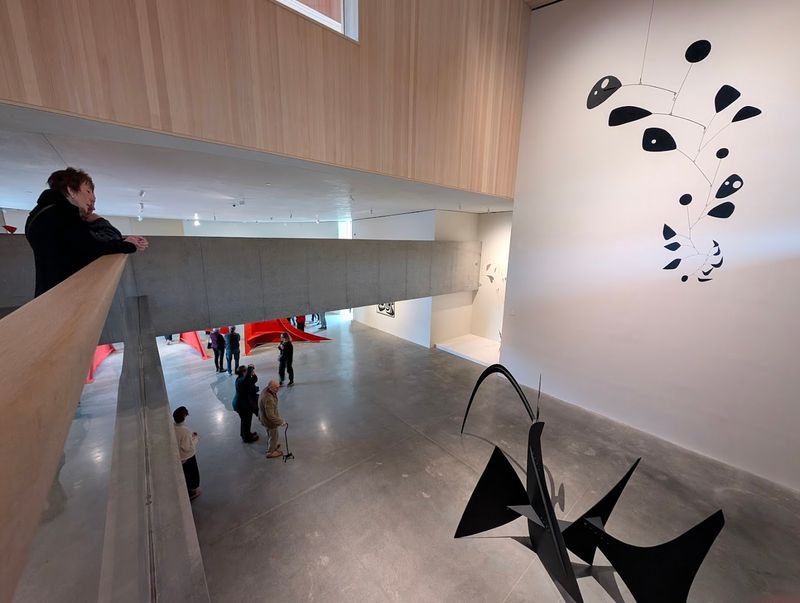
From the moment it opened, Calder Gardens positioned itself as something different from a conventional museum.
The intention is not to walk through and read labels but to sit, observe, and let the art do its work on you at whatever pace feels right.
There are no traditional wall labels next to the artworks. Calder Gardens says this choice invites visitors to experience Calder’s work on their own terms instead of being told what to think or how to interpret it.
Some visitors find this liberating, while others wish for a little more context.
The paid guided walks help bridge that gap for people who want background information before they settle into their own contemplation.
Spending fifteen or twenty minutes with a single mobile, watching it breathe and shift, is a genuinely unusual experience in a world where most museums encourage you to keep moving.
It is the kind of stillness that Ohio’s busiest art museums rarely offer.
Paintings, Sculptures, And Unexpected Humor In The Collection
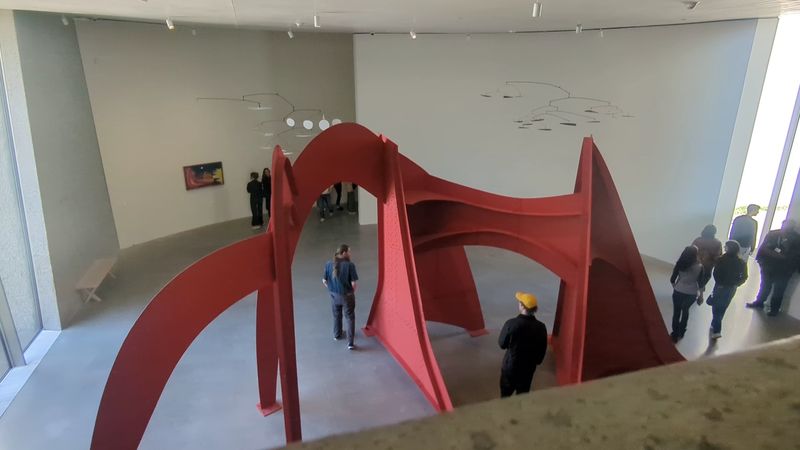
Many people are surprised to learn that Alexander Calder was also a painter, and Calder Gardens can include works on canvas alongside the sculptures and mobiles.
His paintings share the same bold palette and playful geometry as his three-dimensional work.
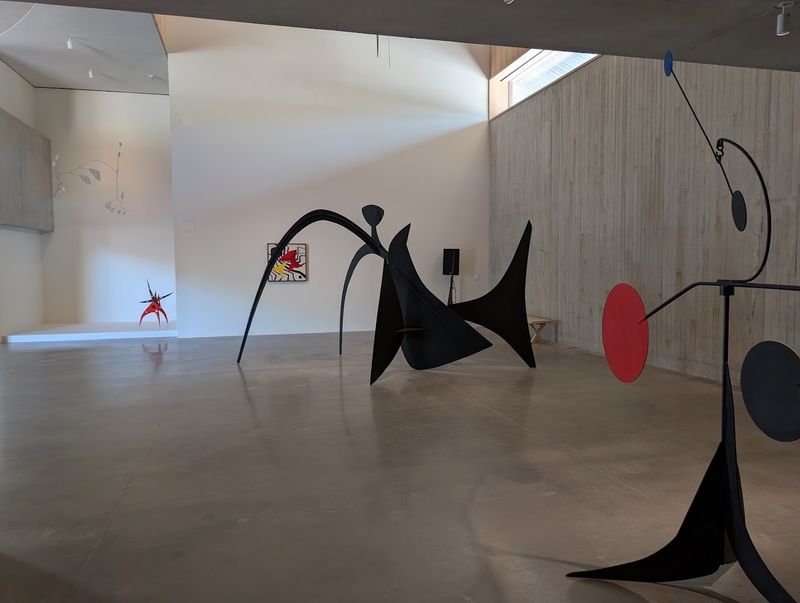
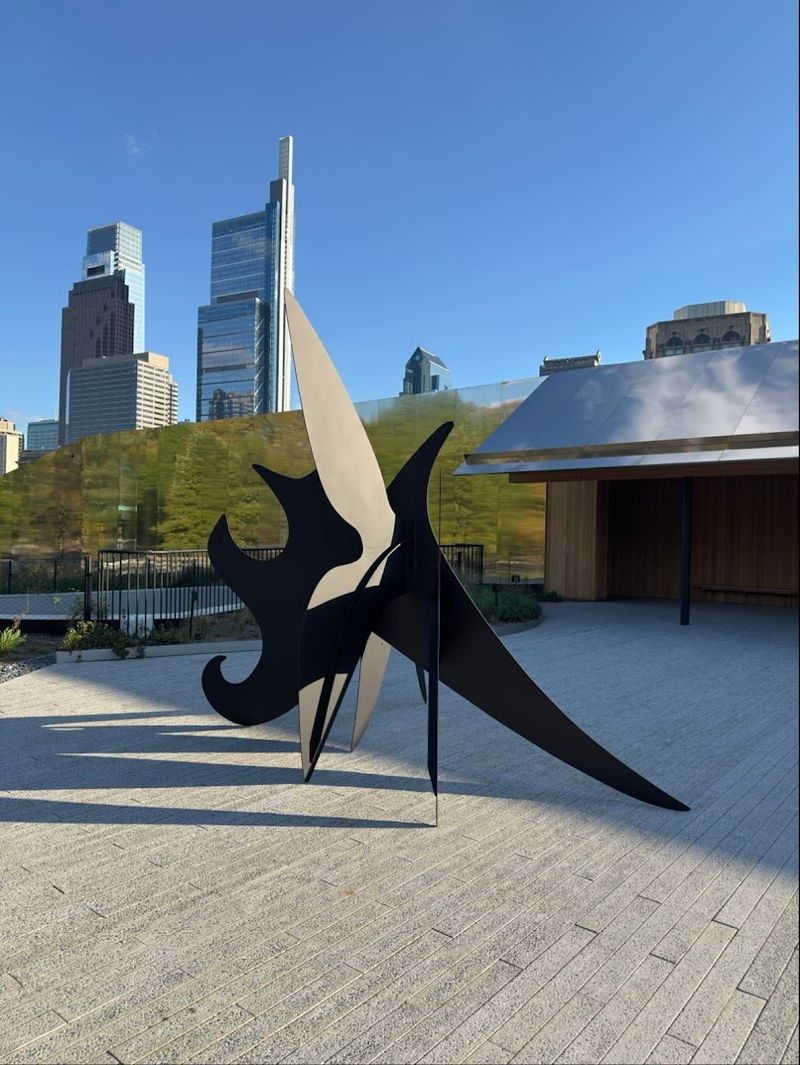
The collection also features large stabiles, which are stationary abstract sculptures that Calder made in addition to his famous moving pieces.
These chunky, colorful forms have a confident, almost funny energy that makes them instantly likable.
The humor comes less from pop-culture references and more from Calder’s sense of balance, surprise, motion, and play.
Even a still sculpture can feel like it is about to shift, wink, or do something unexpected when you approach it from the right angle.
Visitors who have toured art collections from Ohio to California often remark that Calder’s humor sets him apart from more austere modern sculptors.
His work invites joy, and Calder Gardens gives that joy the room it deserves.