
This Pennsylvania State Park Has Streams And Wooded Trails That Feel Like A Secret Only Locals Know
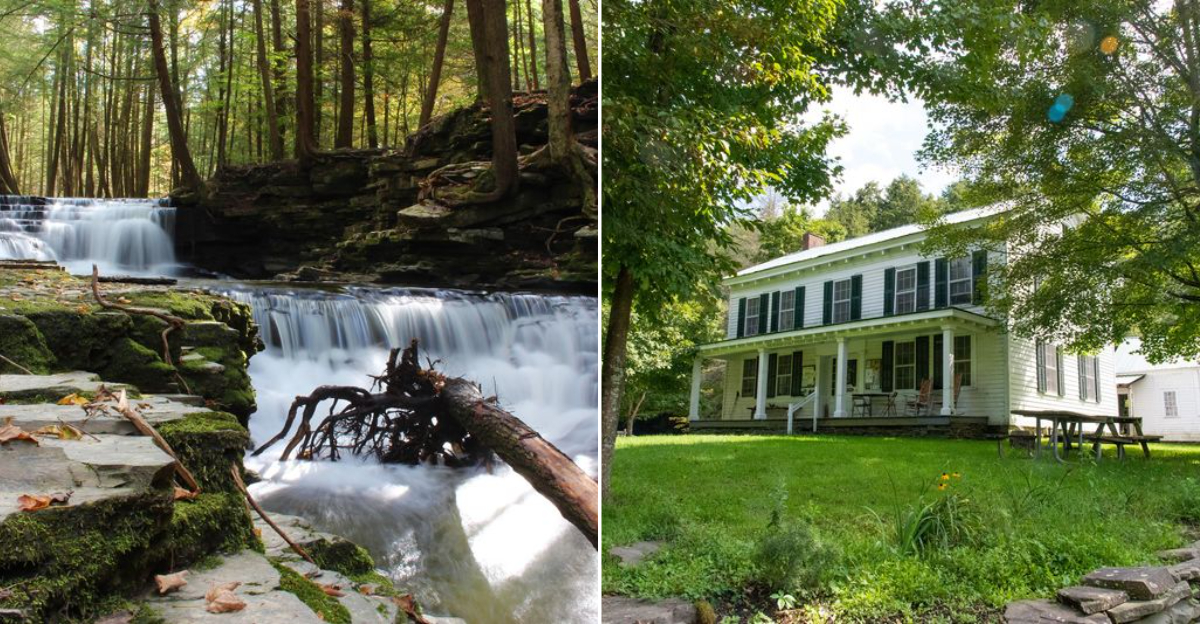
Some state parks announce themselves with packed parking lots and big roadside signs. This one seems happier keeping a lower profile.
In Pennsylvania, a quieter patch of woods gives visitors streams, shaded trails, and enough breathing room to make the day feel pleasantly unhurried.
The appeal comes from how little effort it takes to settle into the place. You can follow the water, wander beneath the trees, and enjoy the rare luxury of not feeling rushed from one highlight to the next.
That low-key character is exactly what gives the park its secret-handshake quality.
It feels like the sort of place people mention carefully because they would rather not see it overwhelmed.
I once found a park like this almost by accident and ended up ignoring the route I had planned.
I followed a stream instead, sat longer than expected, and left with mud on my shoes and no complaint about the detour.
Ever since, I have had a soft spot for Pennsylvania escapes that seem content to let the woods do the talking.
Where To Find It And What The Numbers Say
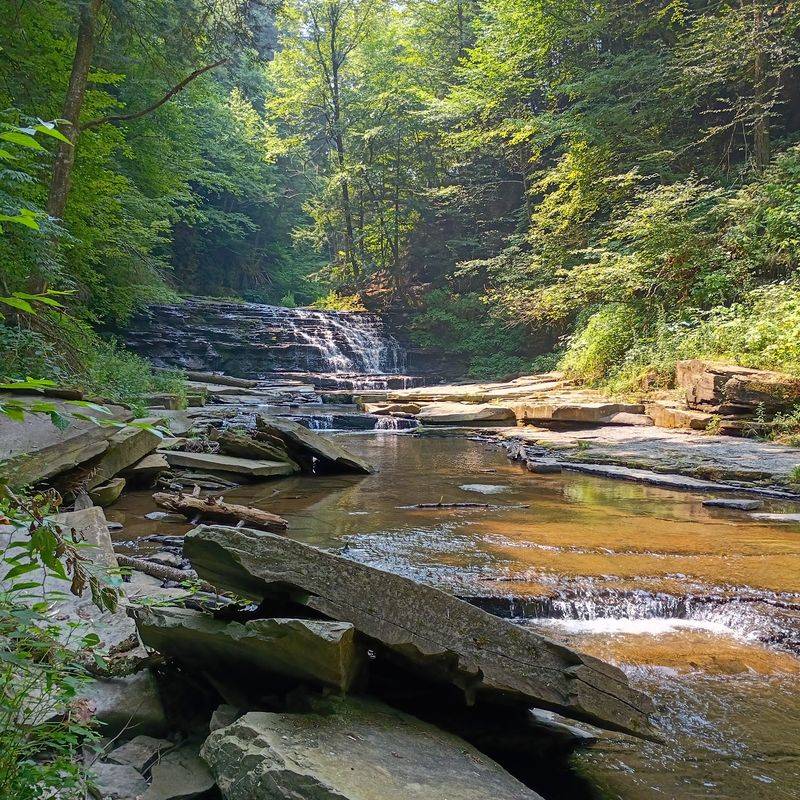
The address is 2305 Salt Springs Rd, Montrose, PA 18801, in Susquehanna County, up in the quiet northeastern corner of Pennsylvania.
The state park covers 405 acres, while the Friends of Salt Springs Park own another 437 adjoining acres open to visitors.
Together, 842 acres hold the gorge, streams, and nearly fifteen miles of trails. The park opens at sunrise and closes at sunset daily.
Getting there means country roads and a few turns that feel like mistakes until the sign appears.
I nearly drove past the entrance because the main road in had a closure the day I visited, which is worth checking before you go.
Parking is generous once you arrive, and the lot sits close enough to the picnic tables that carrying a cooler is no hardship. Salt Springs State Park does not charge you to walk in, which still surprises people.
Bring your own drinking water. Available campground water is nonpotable, and planning ahead saves a thirsty afternoon.
The Salty Spring That Named The Whole Place
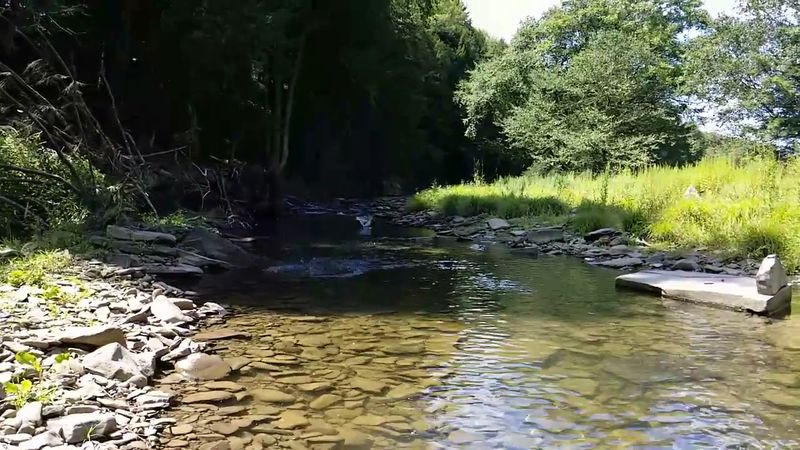
A bubbling spring beside Fall Brook does not sound like a headline attraction, and honestly, it is not one.
Still, the mineral spring near the southeast end of the picnic area is the reason this park has its name. Water rises from underground carrying high levels of chloride, sodium, and dissolved solids.
Methane also bubbles through it, created by organic matter in ancient sedimentary rock.
Long before anyone built trails here, Indigenous people knew about the salt, and later entrepreneurs tried to extract it commercially. Those efforts continued into the nineteenth century without becoming profitable.
Finding it is easy. The spring sits three hundred feet from the mouth of Fall Brook Gorge on the south side of the stream.
Treat the water as a natural feature, not a drinking source.
Stop at the Wheaton House when it is open on summer weekends. Staff can point you toward the spring and explain its history.
Three Waterfalls Just Minutes From Your Car
Most waterfall hikes make you earn the view. Not this one.
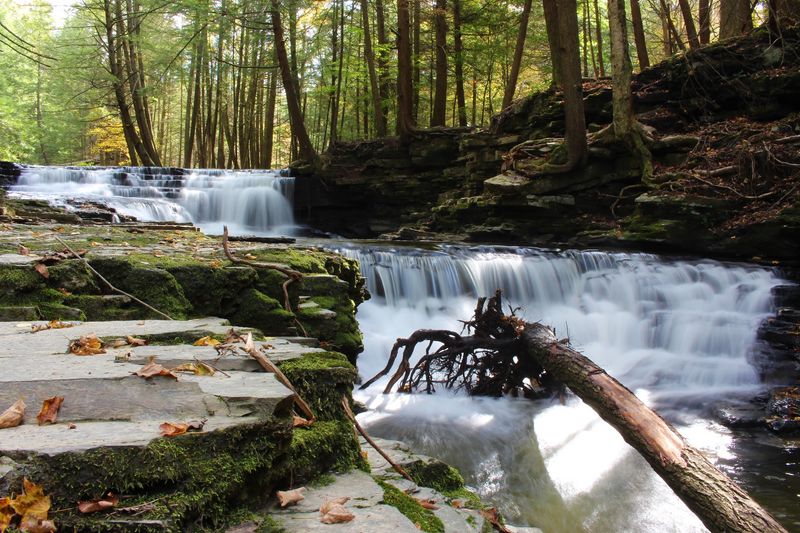
The falls on Fall Brook sit roughly ten to fifteen minutes from the parking area on a well trodden path.
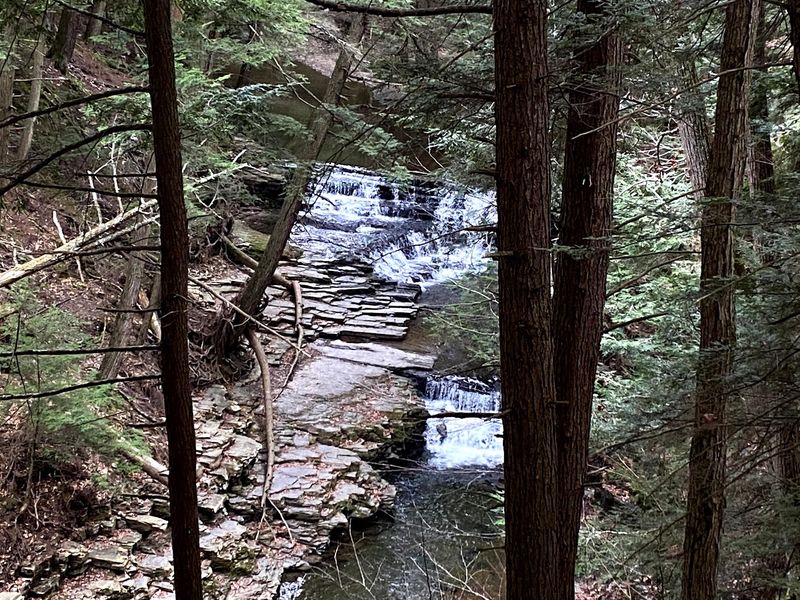
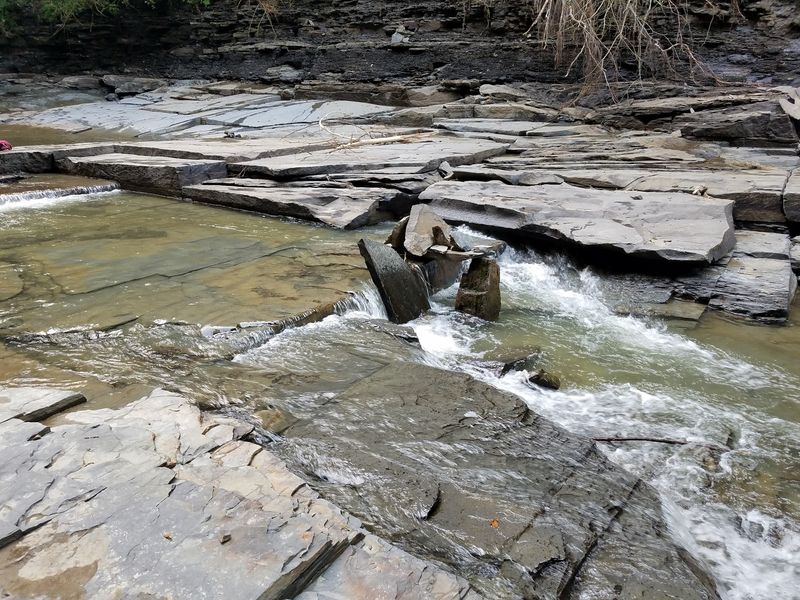
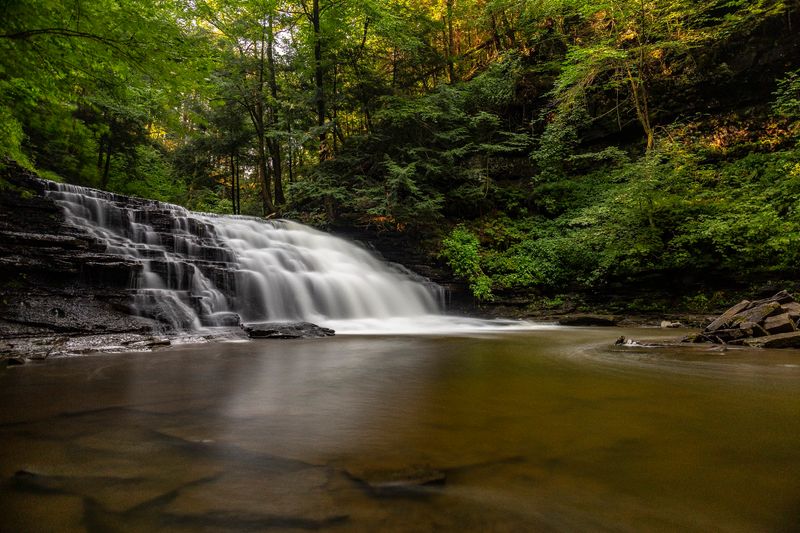
Water slides over stacked shale ledges in a stepped series, dropping into clear pools that ring with sound all day.
I have visited waterfalls that require two hours of switchbacks and delivered less. These deliver almost immediately, which makes them ideal for anyone traveling with small children or shorter patience.
Spring runoff turns the cascades loud and full. By late summer the flow softens, and the pools become swimming holes that locals clearly treasure.
Rock near the water stays slick even on sunny days, so watch your footing on the edges. People do climb alongside the falls, and while it is popular, it deserves respect and dry-ish soles.
Photographers should aim for overcast mornings. Flat light keeps the water from blowing out and the greens look richer.
An Old Growth Hemlock Forest Standing Its Ground
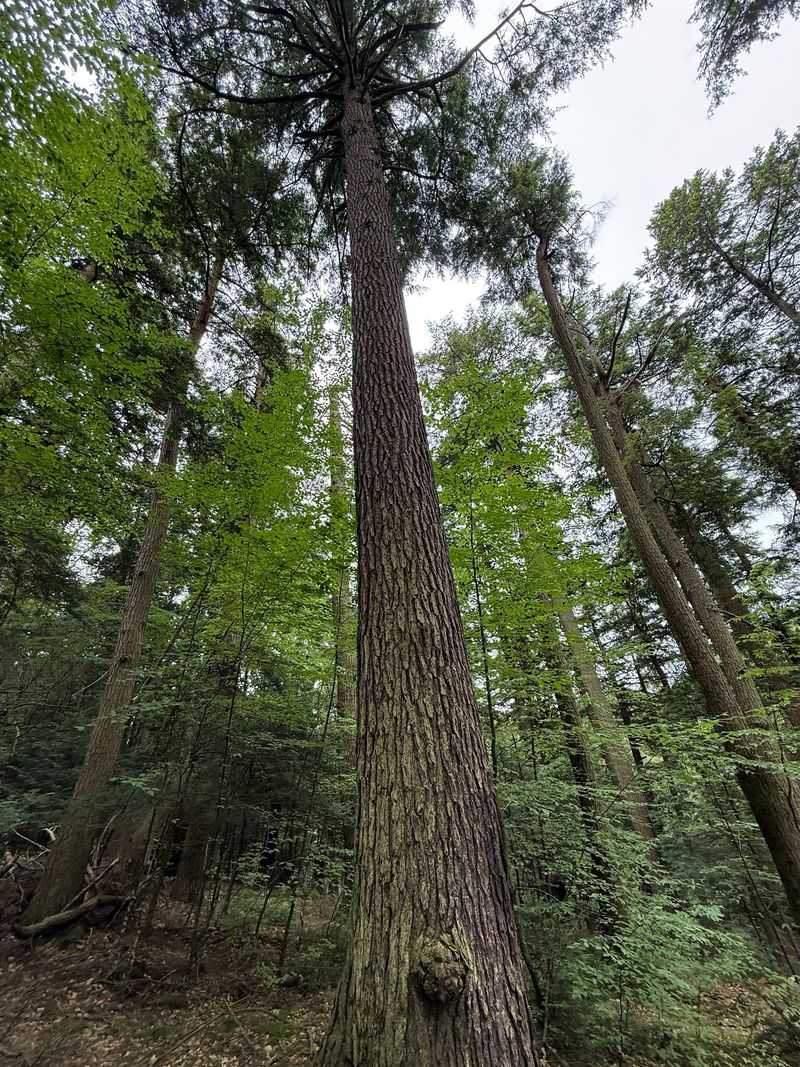
Standing under these hemlocks, I understood why people speak softly here.
Some of the eastern hemlocks in this gorge have been growing for centuries, escaping the logging that cleared most of the surrounding countryside.
They rise straight and dark, and the canopy blocks so much light that the forest floor stays cool even in July.
Old growth stands are genuinely rare in Pennsylvania. Nearly everything was cut at some point, which makes this pocket of survivors something close to a living museum.
The Hemlock Trail runs through the best of it. Walking that stretch is a temperature change you can feel on your arms.
Moss covers the rocks, roots braid across the path, and the air carries that clean evergreen smell that no candle has ever gotten right.
Take the slow version of this walk. Rushing through ancient trees feels like skimming a book you waited years to read.
Gorge Trail And The Climb That Earns The View
Steep is the honest word for the Gorge Trail, and it does not apologize for that.
The 0.4-mile path starts south of the Wheaton House with a short, steep ascent before leveling out and paralleling the gorge.
It passes remnants of an old flagstone quarry, follows a meadow edge, and eventually ends at Buckley Road.
What you get in exchange is an elevated look into the wooded landscape and a real sense of how Fall Brook shaped this part of the park.
The Hemlock Trail is a separate 0.4-mile route on the east rim of the gorge. It climbs through the old-growth hemlocks, becomes a raised boardwalk, and leads past an observation platform overlooking the falls.
Both trails are rated more difficult, and steep drop-offs around the gorge deserve real caution.
Grab the official park trail map at a kiosk. The current map shows exactly how Gorge, Hemlock, Overlook, Fall Brook, and the other connecting trails fit together safely.
Trail Markers That Actually Make Sense
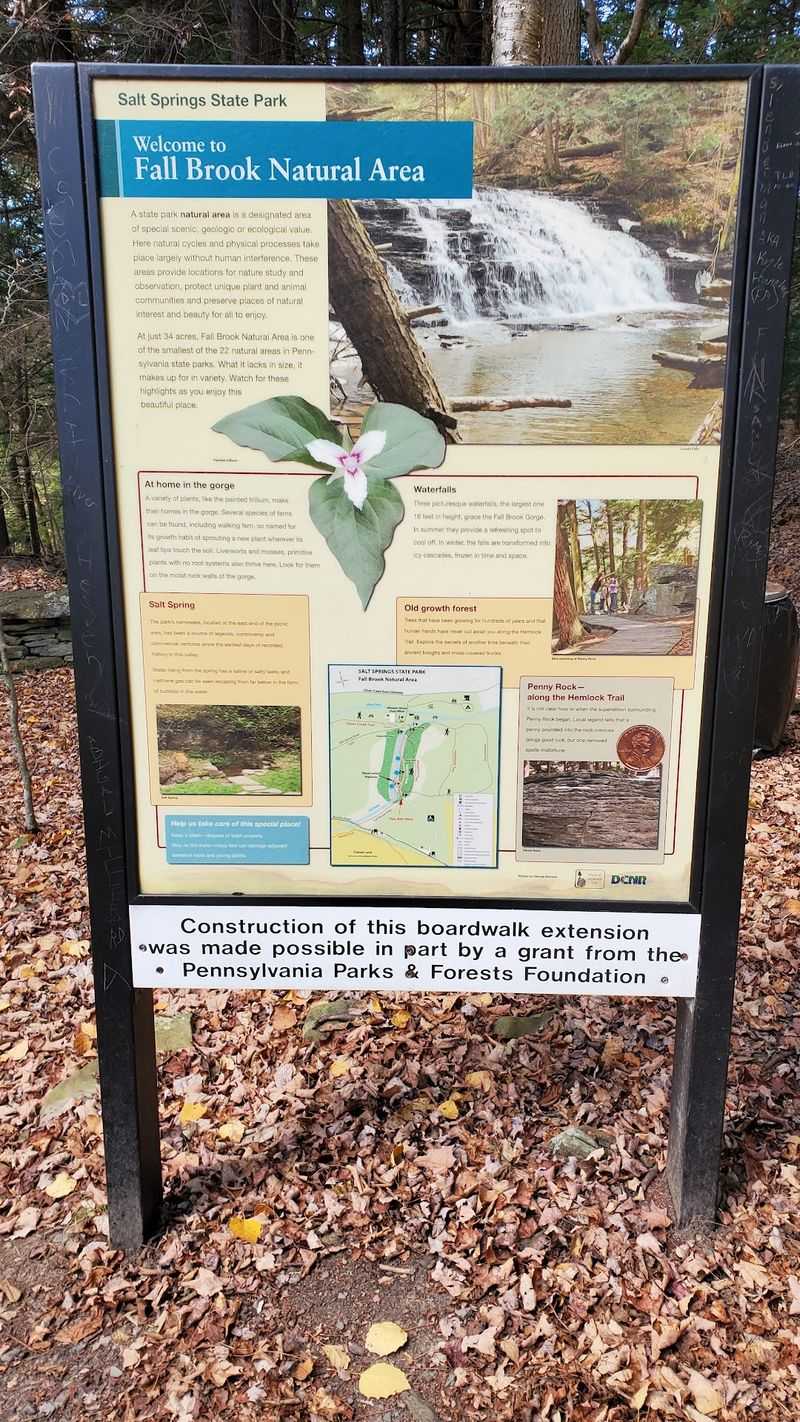
Getting lost is a hobby of mine, so I noticed immediately how clearly marked these paths are.
Colored blazes appear at reliable intervals, and a posted sign at the start explains exactly what the markings mean when trails merge, turn, or hand off to another route.
That small piece of teaching saves a lot of confusion later. Kiosks hold printed maps, and grabbing one costs nothing but a moment.
I folded mine into a pocket and checked it maybe four times, which was four times I did not second guess a junction.
Trails range from flat and easy near the picnic area to genuinely demanding up in the gorge. Choosing honestly based on your group makes the whole day better.
Roots and loose rock show up often, so hiking boots beat sneakers here.
Muddy stretches linger after rain. If the forecast has been wet, expect boots to come home a shade browner.
Camping, Cabins, And Nights Without A Shower
Sleeping here is refreshingly old fashioned, and I mean that as praise.
The campground offers fourteen rustic sites plus three camping cottages. The cottages have electricity, wooden interiors, porches, and bunks, but no heat or running water.
Facilities lean simple. Non-flush restrooms are nearby, there are no showers, and the outdoor faucets provide nonpotable water.
Do not count on Wi-Fi or strong phone reception. DCNR warns that cell service can be unpredictable in and around Pennsylvania state parks, so download maps before arriving.
Some campsites are walk-in, while others accommodate cars or campers without hookups. My advice is to book ahead for summer weekends, especially if you want one of only three cottages.
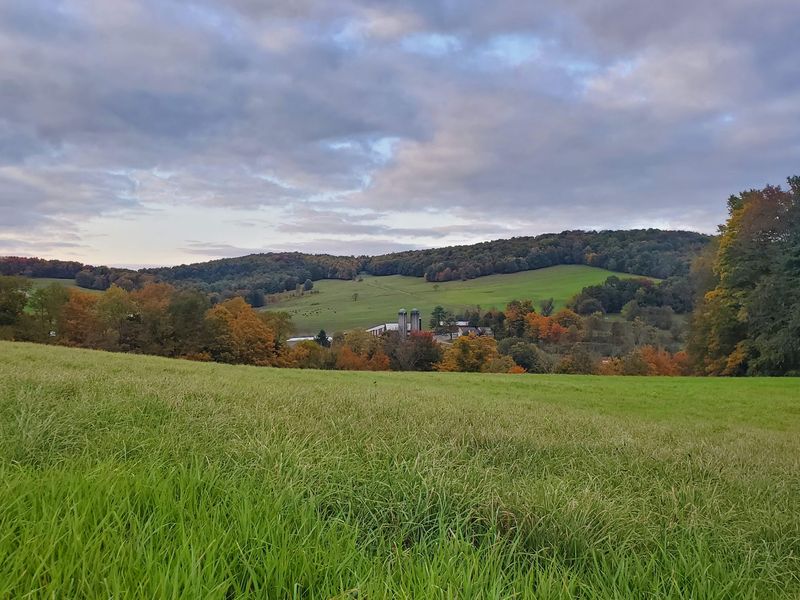
Autumn camping might be the sweet spot. Fewer bugs, cooler nights, and changing foliage make the wooded setting especially inviting.
Pack a headlamp. Once the sun drops behind the ridge, dark arrives quickly, and a little preparation makes this rustic campground much easier to enjoy.
Wildlife Sightings That Surprise You Mid-Step
My favorite moment here involved a salamander no longer than my thumb.
Bright orange red efts turn up along damp sections of trail, especially after rain. They move slowly and seem unbothered, which makes them easy to admire and easy to accidentally step on.
Deer wander the quieter edges of the property. Red squirrels chatter overhead like they are running a complaint department, and frogs claim the creek margins.
Birding is genuinely rewarding, particularly in spring when migrants pass through the hemlocks. Bring binoculars if you own a pair.
Insects are part of the deal in this Pennsylvania woodland. Bug spray is not optional between May and August unless you enjoy being someone’s meal.
Dogs are welcome on the trails, which makes this a rare park where the family member with four legs does not get left home.
Move slowly and look down sometimes. The small stuff here outnumbers the big stuff by a wide margin.
Picnic Tables, Pavilions, And Creekside Lunches
Lunch beside moving water raises the quality of an ordinary sandwich by an unreasonable amount.
Tables sit scattered through a shaded area near the creek, and you can park close enough that hauling a cooler takes one trip. I claimed a table under a maple and watched the water for longer than I planned.
Grills are available, and a pavilion with multiple tables handles bigger groups. Family gatherings and small celebrations happen here regularly.
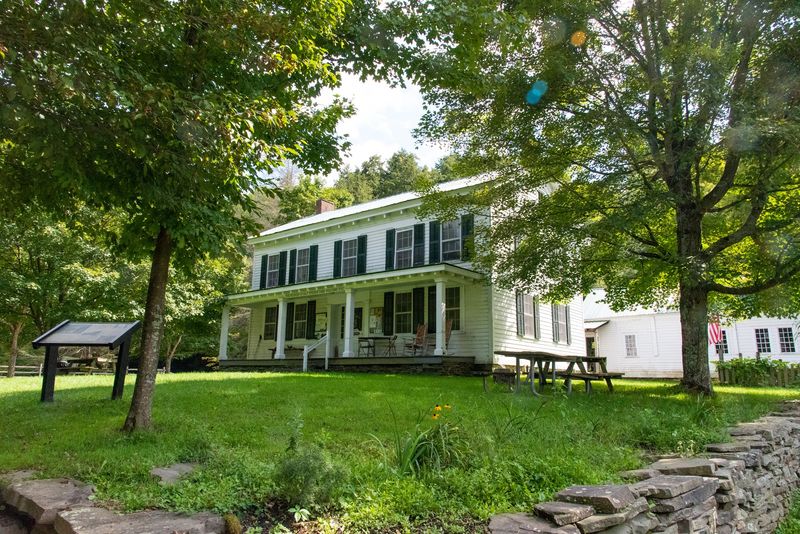
A fenced garden and a historic farmstead area sit nearby, giving the grounds a homestead character alongside the wilder forest. The mix is part of what makes this place feel personal rather than institutional.
Water shoes are the smartest thing you can pack. Kids will end up in the shallows within four minutes of arrival, and honestly, so will most adults.
Carry your trash out. Volunteers already collect enough of other people’s litter near the swimming holes.
Best Seasons And The Little Things To Know First
Timing changes this park more than most, so pick your season on purpose.
Late September through mid October can bring foliage, while spring gives Fall Brook stronger flow after snowmelt and rain. Summer brings creek weather, bugs, and busier weekends.
Winter turns the gorge quiet and icy, beautiful but demanding proper traction. Trails stay open, but slick boardwalks, roots, and steep terrain deserve care.
High water after heavy rain can affect creek crossings and trail conditions. Past flooding has damaged parts of the park, so checking conditions before a visit is sensible.
The nonprofit Friends of Salt Springs Park operates the state park under a cooperative agreement with DCNR and manages adjoining land.
Arrive early if you want a look at the falls, but remember that park hours follow daylight rather than a fixed clock.
The grounds open at sunrise and close at sunset. Salt Springs State Park rewards visitors who plan a little and rush not at all.