
This Pennsylvania Town Is Quickly Turning Into One Of The State’s Hottest Destinations
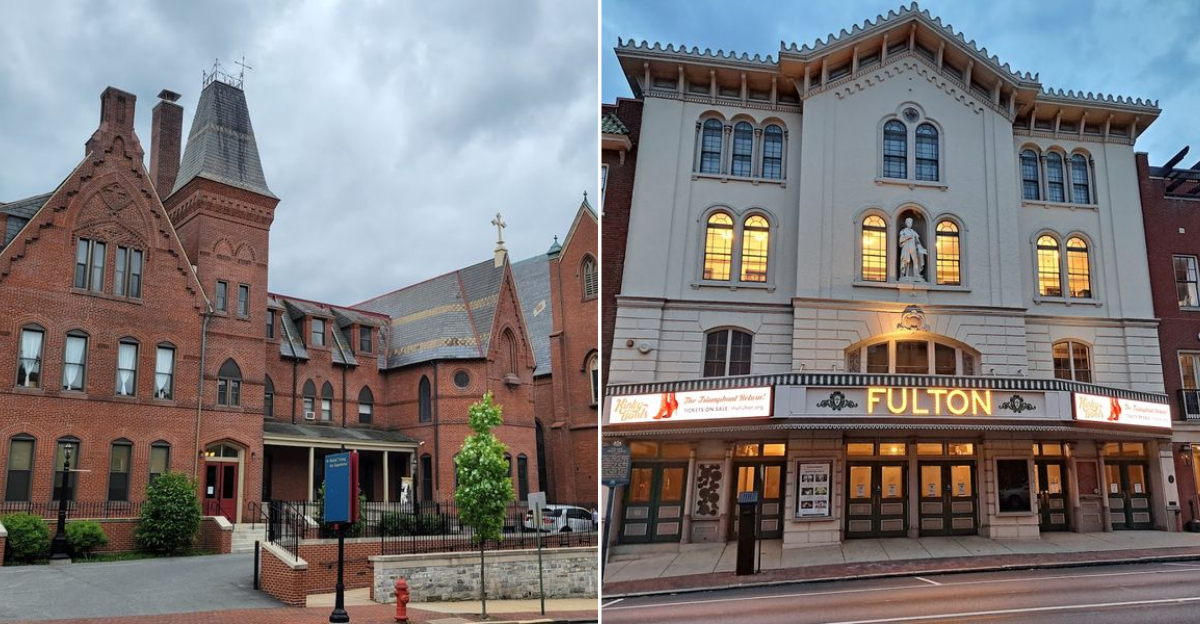
Some towns do not announce their glow-up. They just start giving people more reasons to stay the weekend.
This Pennsylvania destination has been gaining serious momentum, and it is easy to see why travelers are paying attention.
It has the kind of mix that makes a place feel current without losing its roots, where a casual visit can turn into a full itinerary before you realize it.
The buzz feels earned, not manufactured. Good food, local character, walkable energy, and that “why haven’t I been here sooner?” feeling all help explain why more people are adding it to their plans.
A place like this is fun to catch while it still feels a little like a discovery.
The best trips I take are often to towns I thought I already understood, only to find out they had more personality than I gave them credit for.
Lancaster, PA Has A Thriving Central Market That Dates Back To 1730
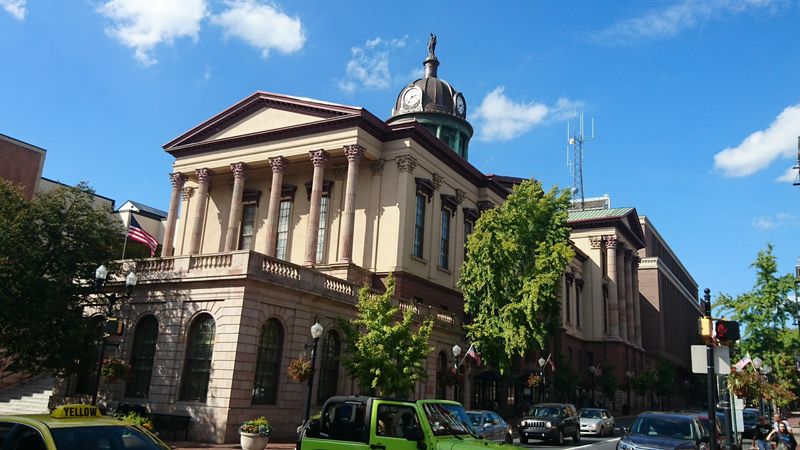
Few places in America can claim a farmers market older than the country itself.
Lancaster Central Market has been operating continuously since 1730, making it one of the oldest publicly owned markets in the United States.
Located in the heart of Penn Square in downtown Lancaster, PA, this stunning Romanesque Revival building is packed with local vendors selling everything from hand-crafted cheeses and freshly baked pretzels to kettle corn and locally grown vegetables.
On market days, the energy inside is electric. Regulars chat with vendors they have known for decades while first-time visitors stand wide-eyed, trying to figure out where to start.
The market operates on Tuesdays, Fridays, and Saturdays, so planning around those days is a smart move.
It is not just a shopping trip; it is a full-on sensory experience that connects you directly to the region’s agricultural roots.
The City’s Arts And Culture Scene Has Exploded In Recent Years
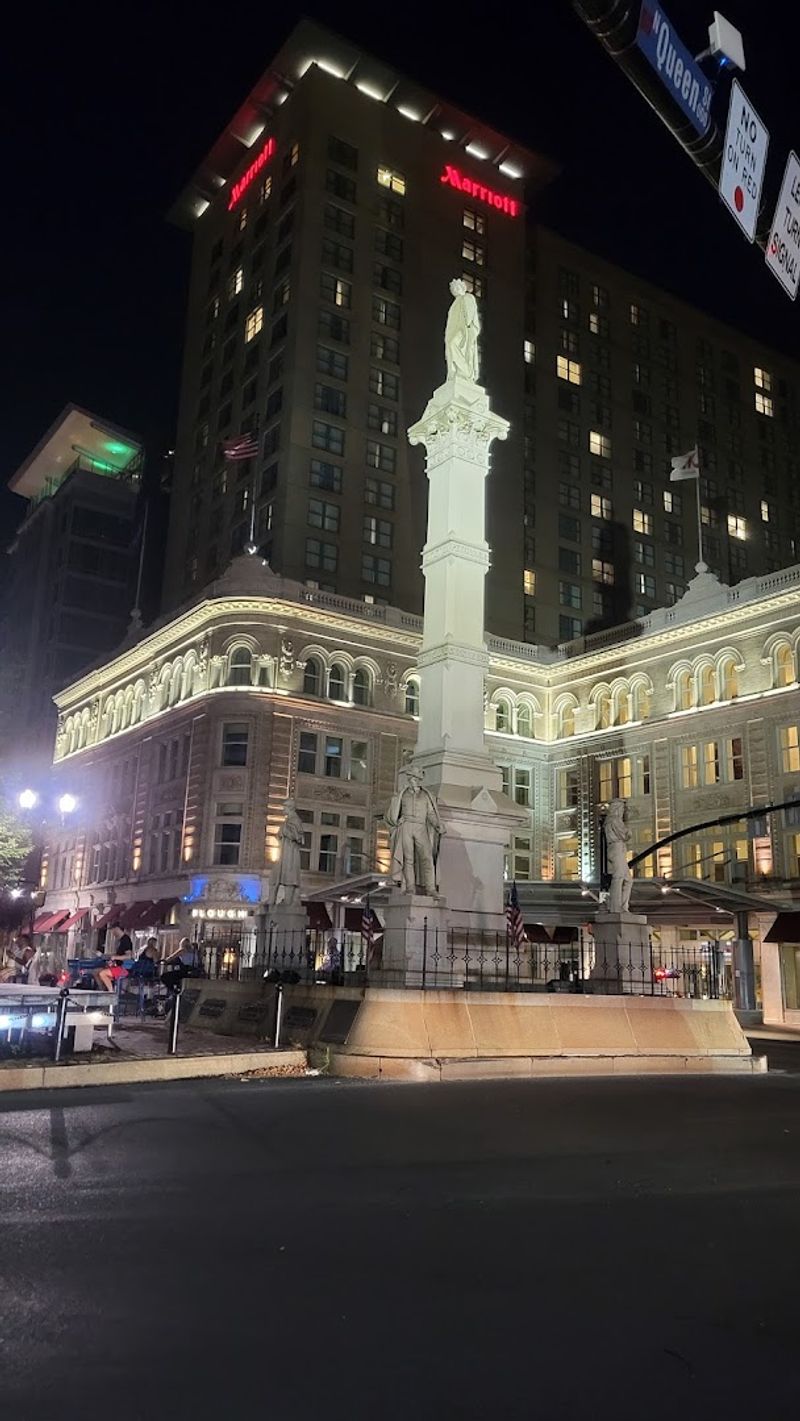
Walk through downtown Lancaster, PA on any given weekend and you will quickly realize this is not the sleepy historical town some people expect.
The city has quietly grown into one of Pennsylvania’s most exciting creative hubs.
The Lancaster Museum of Art, the Fulton Theatre, and a growing number of independent galleries have transformed the urban core into a destination for artists and art lovers alike.
Street murals pop up on brick walls throughout the city, turning an ordinary walk into something worth photographing.
First Fridays, a monthly gallery walk held on the first Friday of each month, brings residents and visitors downtown to stroll from venue to venue, enjoying exhibitions, performances, shops, restaurants, and seasonal arts programming nearby.
Compared to larger cities like Philadelphia or even Columbus, Ohio, Lancaster punches well above its weight when it comes to cultural programming and creative energy that feels genuinely grassroots.
Pennsylvania Dutch Country Surrounds The City And Offers A Truly Unique Cultural Experience
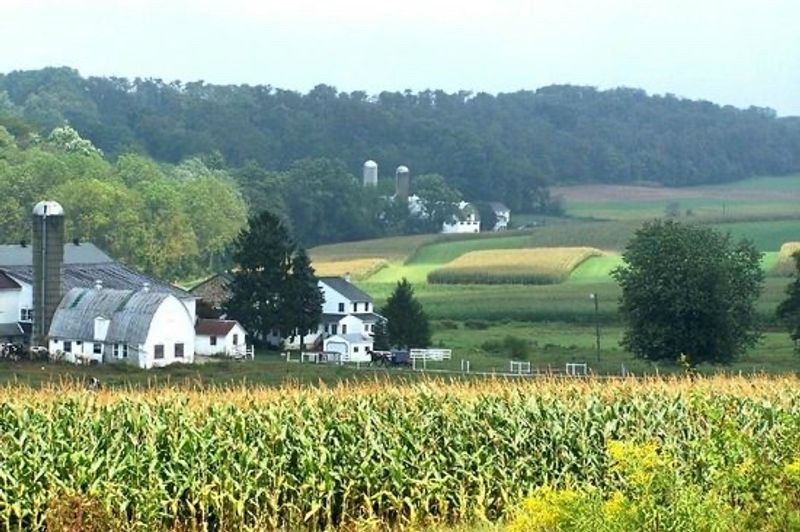
Step just a few miles outside the city limits and the landscape shifts dramatically.
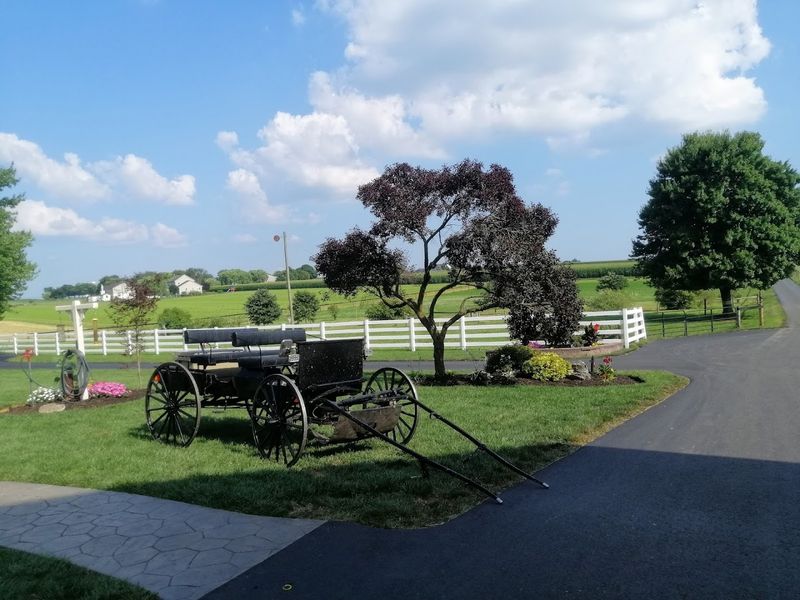
Lancaster County is home to one of the largest Amish communities in the world, and the contrast between the modern city and the surrounding farmland is genuinely striking.
Horse-drawn buggies share the road with cars. Handmade quilts hang outside roadside shops.
The smell of freshly baked shoofly pie drifts from bakeries tucked along country lanes.
Many visitors from states like Ohio, New York, and beyond make Lancaster, PA their base for exploring the broader Pennsylvania Dutch region.
Day trips to Bird-in-Hand, Intercourse, and Strasburg offer deeper looks at Amish and Mennonite traditions. Respectful curiosity is the right approach here.
The Amish community values privacy, but many local businesses are Amish-owned and warmly welcome tourists. It is a cultural experience that simply does not exist anywhere else in quite the same way.
Lancaster, PA’s Food Scene Is Drawing National Attention
Food publications and travel writers have been paying close attention to Lancaster, PA for good reason.
The city’s culinary scene has matured rapidly, blending its deep agricultural heritage with contemporary cooking that rivals what you would find in much larger cities.
Chefs here have direct access to some of the best farmland in the eastern United States, and that shows up clearly on the plate.
Seasonal menus change constantly, driven by whatever local farms are producing that week.
From upscale farm-to-table restaurants along Prince Street to casual lunch counters serving classic Pennsylvania Dutch comfort food, the range of options is impressive for a city of roughly 58,000 people.
Visitors coming from Ohio and other neighboring states often express genuine surprise at how sophisticated the food culture has become.
Lancaster is no longer just a stop on the way somewhere else; for many, it has become the destination itself.
The Historic Downtown District Is A Walker’s Paradise
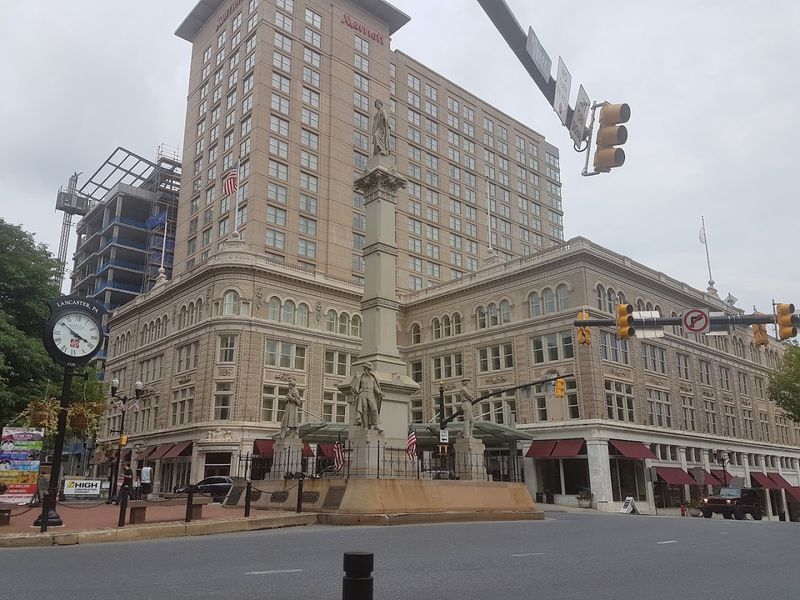
There is something deeply satisfying about a downtown that was built before the automobile took over. Lancaster, PA’s historic core is compact, walkable, and loaded with character at every corner.
The city’s street grid dates back to its founding in 1730, and many of the original colonial-era buildings still stand, now housing independent boutiques, coffee shops, bookstores, and restaurants.
Walking along Queen Street or Prince Street feels like moving through a living history lesson without the dusty museum atmosphere.
Penn Square anchors the downtown, with its distinctive Soldiers and Sailors Monument rising at the center. From there, everything worth seeing is within comfortable walking distance.
Unlike sprawling suburban destinations in states like Ohio or elsewhere, Lancaster’s downtown rewards slow exploration.
The more you wander, the more you find: a hidden courtyard here, a pop-up art installation there, or an unexpectedly excellent espresso tucked into a 200-year-old storefront.
Lancaster’s Brewing And Coffee Culture Has Become A Major Draw
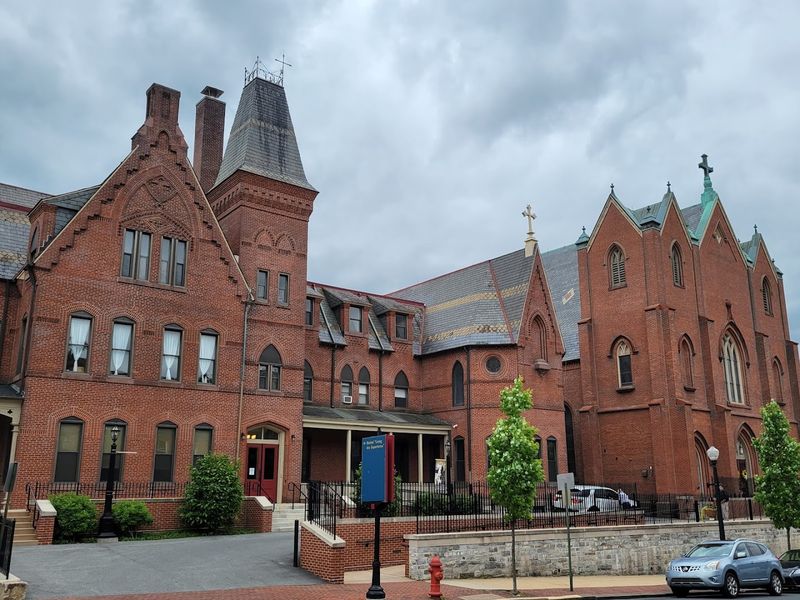
Lancaster, PA has quietly developed a reputation as a city that takes its beverages seriously, and that enthusiasm extends well beyond the expected.
The local coffee scene alone is worth the trip for caffeine enthusiasts who appreciate quality sourcing and careful preparation.
Independent roasters and specialty coffee shops have spread throughout the downtown and surrounding neighborhoods, each with its own distinct personality.
Some lean minimalist and modern; others feel like your favorite living room, just with better espresso.
On the craft side, Lancaster Brewing Company has been a local institution for decades, but newer taprooms and craft producers have expanded the options considerably in recent years.
Travelers making their way east from Ohio often cite the city’s relaxed, community-focused social scene as one of its most appealing qualities.
It is the kind of place where you sit down for a coffee and end up staying two hours, just because the atmosphere invites it.
Affordable Living And A Growing Economy Are Attracting New Residents Fast
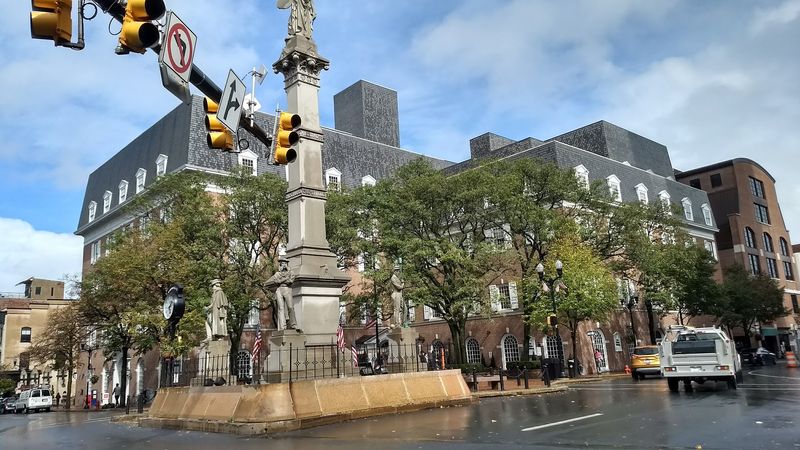
One of the most talked-about facts about Lancaster, PA right now is how many people are looking at the city very differently.
The city has become a genuine relocation option, drawing young professionals, remote workers, and families looking for an alternative to the high cost of living in cities like Philadelphia or New York.
The median home price in Lancaster remains significantly lower than in many comparable mid-sized cities, while the quality of life continues to climb.
New businesses are opening regularly, and the local job market has diversified well beyond its historical manufacturing base.
Compared to cities in Ohio and other Rust Belt neighbors that have struggled with economic reinvention, Lancaster’s trajectory feels notably optimistic.
The city has managed to preserve its historical character while making room for new energy and investment.
That combination of affordability, culture, and opportunity is a rare thing to find, though recent population estimates show modest growth rather than explosive, fast-paced change.
The Fulton Theatre Is One Of The Oldest Continuously Operating Theatres In The Country
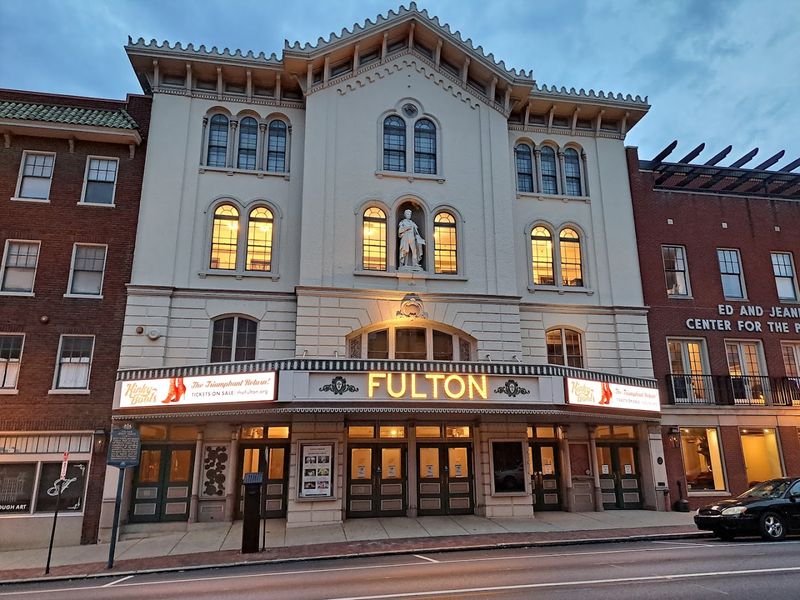
Built in 1852 on the site of an old jail, the Fulton Theatre at 12 North Prince Street in Lancaster, PA carries more history per square foot than almost any other performing arts venue in the country.
It is named after Robert Fulton, the steamboat pioneer who was born in Lancaster County.
The theatre has hosted performances for over 170 years, with restoration completed in the 1990s, and it is a National Historic Landmark.
Today it operates as a fully professional regional theatre producing Broadway-caliber musicals and plays throughout the year.
The interior is breathtaking, with ornate Victorian-era detailing that makes even arriving early feel worthwhile just to sit and absorb the atmosphere.
For visitors who enjoy live performance, an evening at the Fulton is one of those experiences that stays with you.
It is the kind of cultural anchor that makes Lancaster, PA feel like a city far larger than its population would suggest.
Lancaster County’s Outdoor Recreation Options Are Seriously Underrated
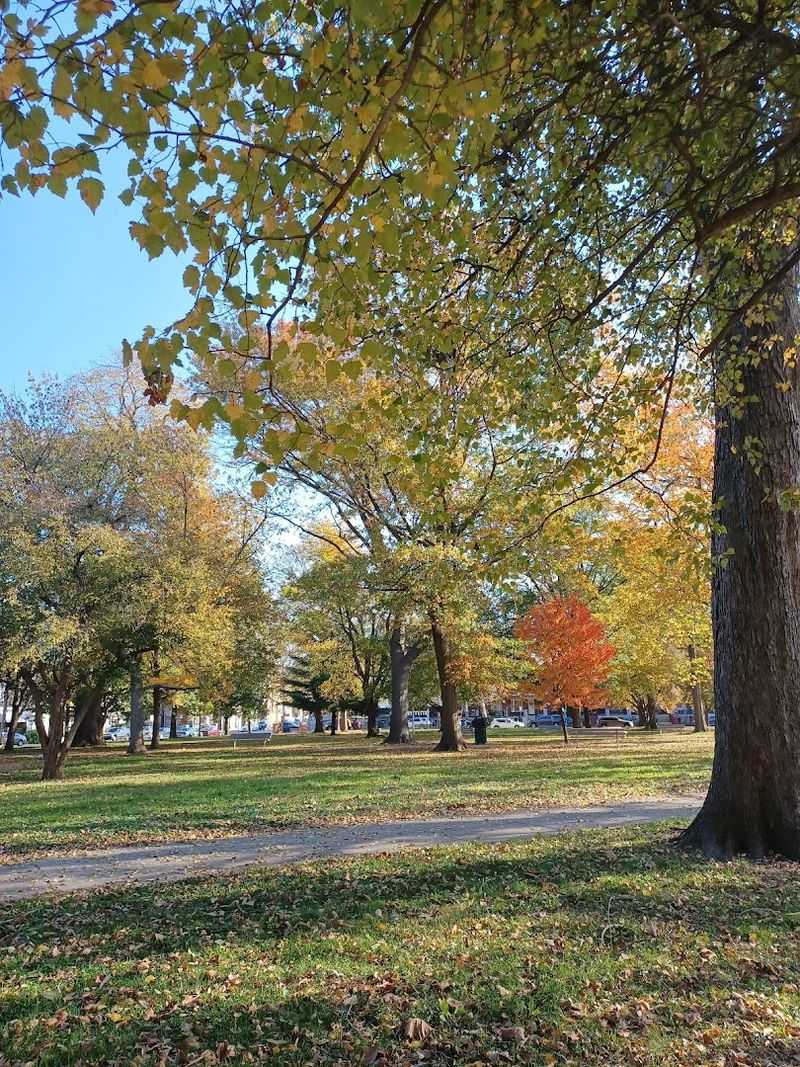
People do not always think of outdoor adventure when they think of Lancaster, PA, but the surrounding county has an impressive amount of green space, trails, and waterways that deserve far more attention than they get.
The Conestoga Trail winds through forested hills and along the Conestoga River, offering hikers and trail runners a genuinely peaceful escape just minutes from the city.
The county’s network of rail trails is excellent for cycling, with well-maintained paths cutting through farmland and small historic villages.
Long’s Park, right within the city, hosts summer concerts, community events, and a beloved annual art festival that draws visitors from across the region, including day-trippers from Ohio and neighboring states.
Kayaking the Susquehanna River, which forms the county’s western border, is another option that surprises first-time visitors with its scenic beauty.
Lancaster’s outdoor life is active, accessible, and genuinely rewarding for anyone willing to look beyond the city’s well-known historical attractions.
Lancaster, PA Is Increasingly Recognized As One Of Pennsylvania’s Top Travel Destinations
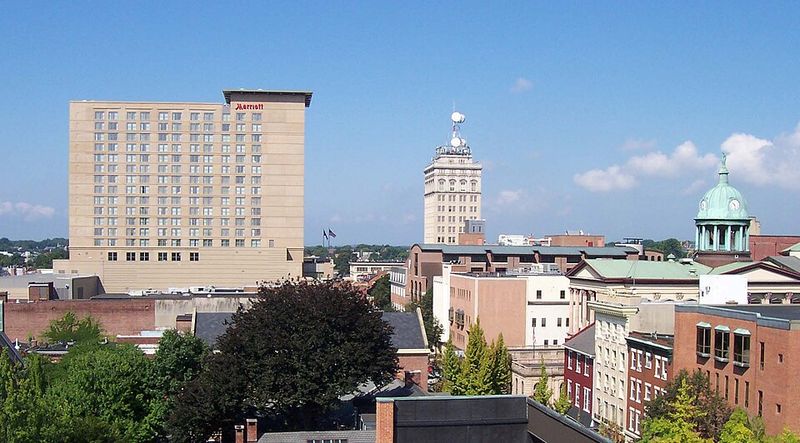
Travel rankings and tourism publications have been paying Lancaster, PA some well-deserved attention lately.
The city has appeared on multiple “best places to visit” lists in recent years, cited for its combination of history, culture, food, and accessibility.
Its location makes it easy to reach from major East Coast cities, sitting roughly 70 miles west of Philadelphia and within a comfortable drive from New York, New Jersey, Maryland, and yes, even Ohio for travelers willing to make a day or weekend of it.
Tourism remains strong, with Discover Lancaster reporting about 10 million visitors in 2025 and spending of $2.74 billion, though visitation dipped from 2024.
Hotels, bed and breakfasts, and farm stays throughout the county continue to serve substantial demand.
What makes Lancaster special is that it has not sacrificed its authentic character in the pursuit of tourism dollars.
It still feels like a real, living city, which is exactly why people keep coming back once they discover it.