
This Pennsylvania Trail Spans 10 Miles With Front-Row Views Of Marshes And Wildlife
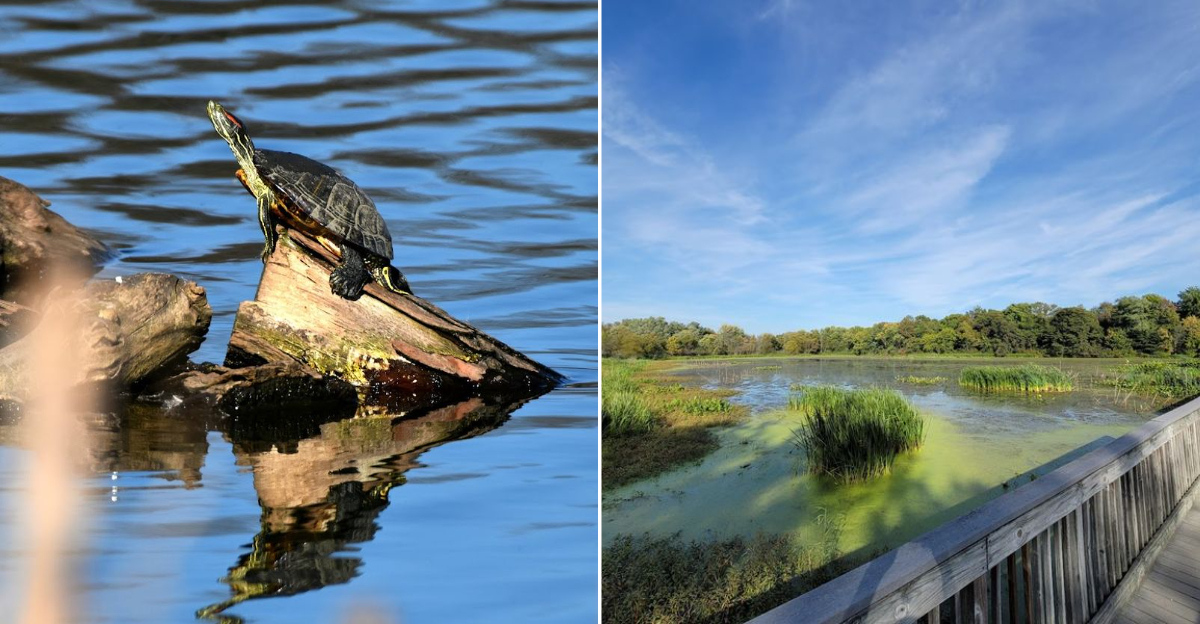
The best trails do more than get you from one point to another. They pull you into a different rhythm, where every step feels a little lighter and every glance off to the side might reveal something wonderful.
A path lined with marsh views and wildlife has that exact kind of pull. It turns a simple walk into a front-row seat to rustling reeds, wide-open skies, and the quiet drama of nature doing its thing.
That is the kind of outdoor experience that stays with you long after the hike is over. What makes a trail like this so memorable is the feeling that something could catch your eye at any moment.
A bird lifting off the water, sunlight flickering across the marsh, a breeze moving through the grasses just enough to make everything feel alive.
Pennsylvania has a real gift for places like this, where scenic beauty and peaceful wandering come together in the best way.
It is fresh-air therapy with a wild side. I know I would end up slowing my pace on purpose, stopping far more than I planned, and leaving with a full camera roll and that happy feeling of having seen something special.
America’s First Urban Wildlife Refuge
Long before Ohio built its own urban greenways, Philadelphia quietly made history by establishing the country’s very first urban wildlife refuge.
John Heinz National Wildlife Refuge at Tinicum earned that landmark title, and it still holds it proudly today.
The refuge was created to protect the Tinicum Marsh, which is the largest remaining freshwater tidal marsh in Pennsylvania.
That is a big deal for a state that has lost most of its original wetland habitat over the centuries.
The federal government formally designated the site under the U.S. Fish and Wildlife Service, giving it the same protections as far more remote wilderness areas.
What makes this especially remarkable is that planes from Philadelphia International Airport pass overhead regularly, yet the wildlife below barely flinches.
History and habitat exist side by side here in a way that few places in Ohio or anywhere else can match.
The 10-Mile Trail Network
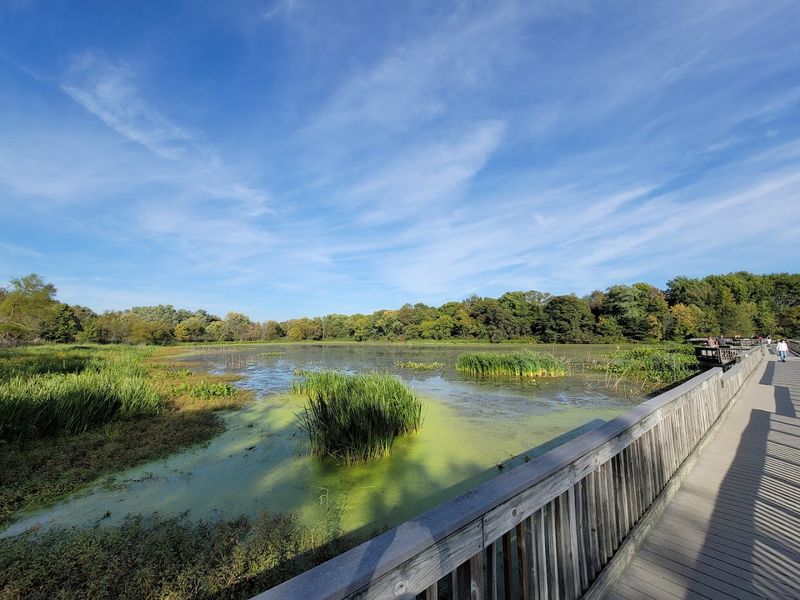
Ten miles of trail sounds like a serious commitment, but at John Heinz National Wildlife Refuge at Tinicum that figure refers to the broader trail system, not one uninterrupted route.
Shorter named options are available for casual walkers, including the Big Boardwalk Loop at less than one mile and the Wetland Loop at about 3.5 miles.
The paths wind through a variety of habitats, including open marsh, wooded corridors, and grassy fields, so the scenery keeps shifting as you go.
Official trail information also confirms wildlife observation, walking, and biking opportunities, with boardwalk and observation areas remaining key highlights for visitors.
Cyclists and joggers do use parts of the refuge, but the better-supported takeaway is that the varied trail network lets visitors tailor time outdoors.
You will find a similar trail culture in Ohio parks, but the tidal marsh setting here is unique to this corner of Pennsylvania.
The Tinicum Marsh Up Close
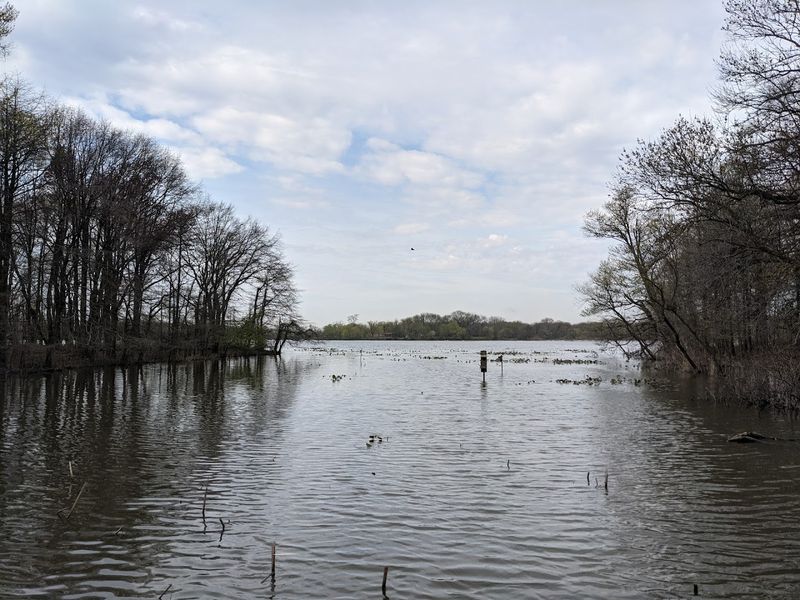
Standing at the edge of the Tinicum Marsh for the first time feels a little like stumbling onto a film set.
The water is mirror-calm in the early morning, the reeds tower overhead, and every few seconds something splashes, calls, or lifts off into the air.
This is Pennsylvania’s largest remaining freshwater tidal marsh, covering roughly 200 acres within the refuge boundaries.
The tidal influence from the Delaware River keeps the water levels in constant, subtle motion, which creates ideal feeding conditions for wading birds and aquatic life year-round.
Turtles sun themselves on logs just a few feet from the trail, and fish move through the shallows in slow, deliberate patterns.
The marsh does not ask for your attention politely. It simply surrounds you, fills your ears with frog song and birdsong, and makes the airport noise fade into the background like a distant memory from Ohio.
Bird Watching Opportunities
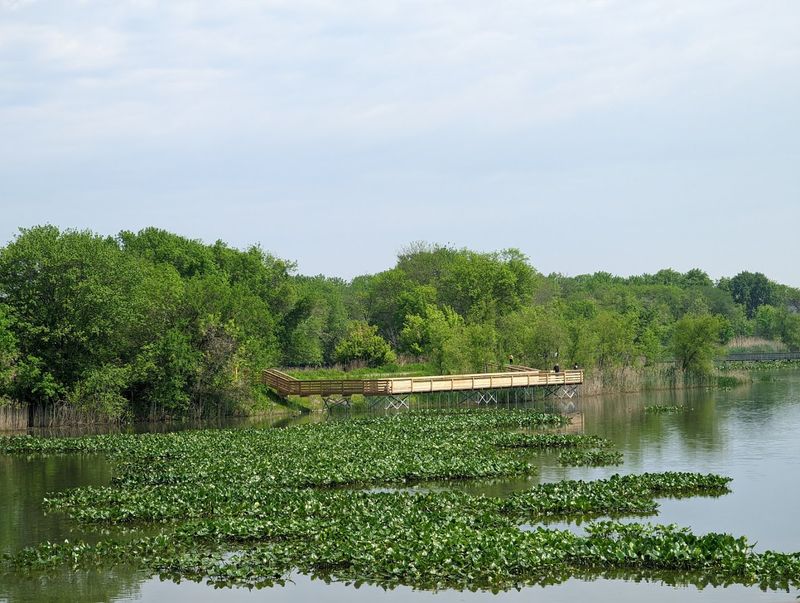
Birders from across the region, including regular day-trippers from Ohio, make the drive specifically for what John Heinz National Wildlife Refuge at Tinicum delivers on the bird-watching front.
The habitat variety across the refuge attracts an extraordinary range of species throughout the year.
Great egrets, great blue herons, red-winged blackbirds, yellow warblers, sandpipers, swallows, and grey catbirds are among the regulars.
During migration season, rare species occasionally show up, sending the local birding community into a mild frenzy of excitement.
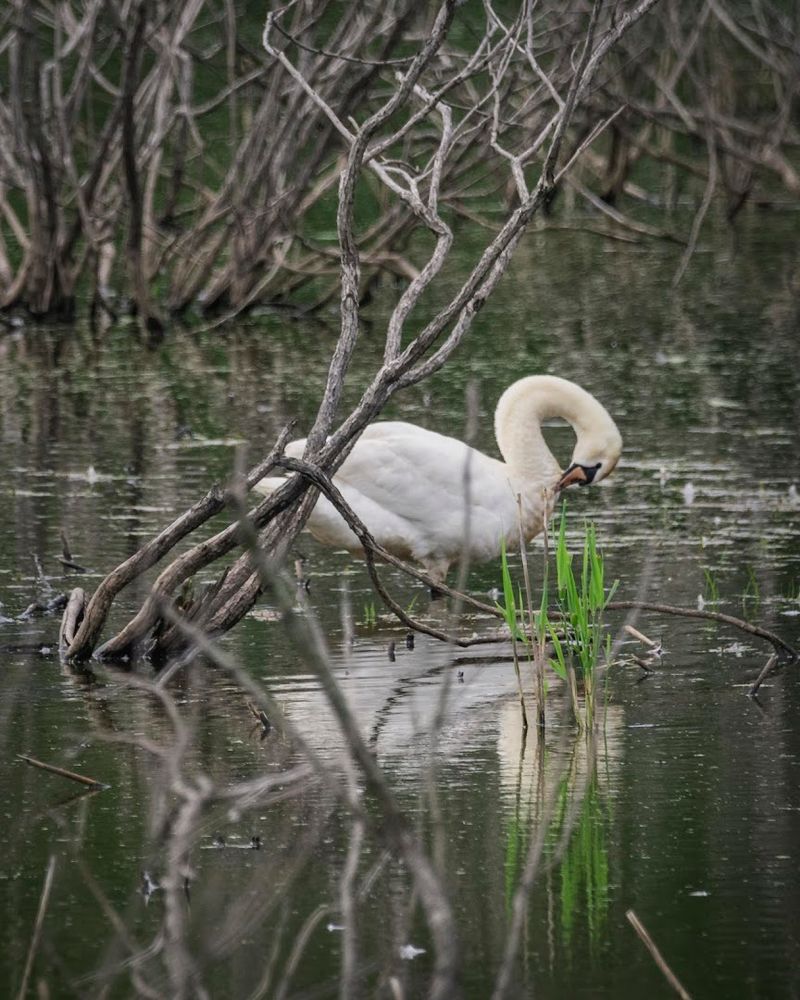
The observation tower near the boardwalk is the single best vantage point for scanning the open water pools, where swans, geese, and diving ducks congregate.
Bringing binoculars is strongly encouraged, because many of the most rewarding sightings happen at a distance across the marsh. A good zoom lens camera will earn its keep here every single visit.
The Boardwalk and Observation Tower
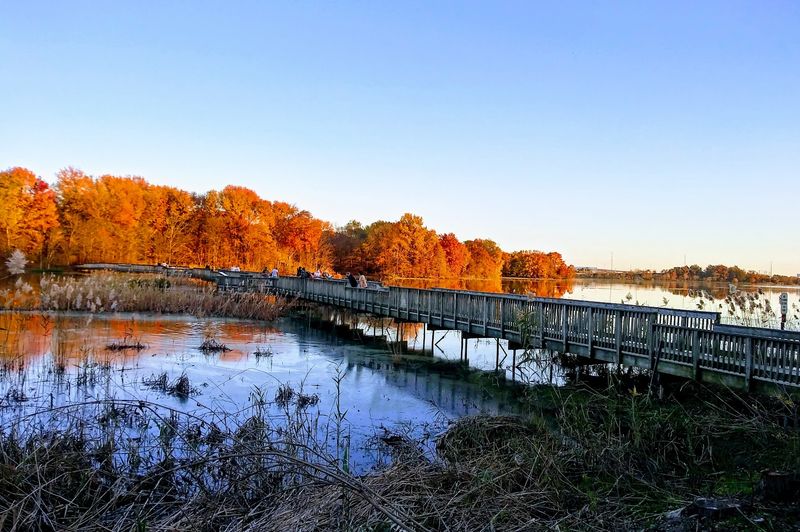
Just a short walk from the visitor center, the boardwalk section of the trail is where most first-time visitors stop and genuinely gasp.
The wooden planks stretch out over open water, putting you directly above the marsh surface with unobstructed views in every direction.
At the far end of the boardwalk, a steel staircase climbs to a wide observation deck that overlooks the entire northern pool.
From up there, the scale of the refuge becomes clear, and the contrast between the wild wetland below and the airport infrastructure in the distance is almost surreal.
This tower is the spot most often mentioned in visitor accounts, and it earns every compliment.
Early morning visits, when mist hangs over the water and the light turns everything golden, produce the kind of photographs that make people back in Ohio ask where on earth you found such a place. Bring a jacket for the breeze up top.
Wildlife Beyond the Birds
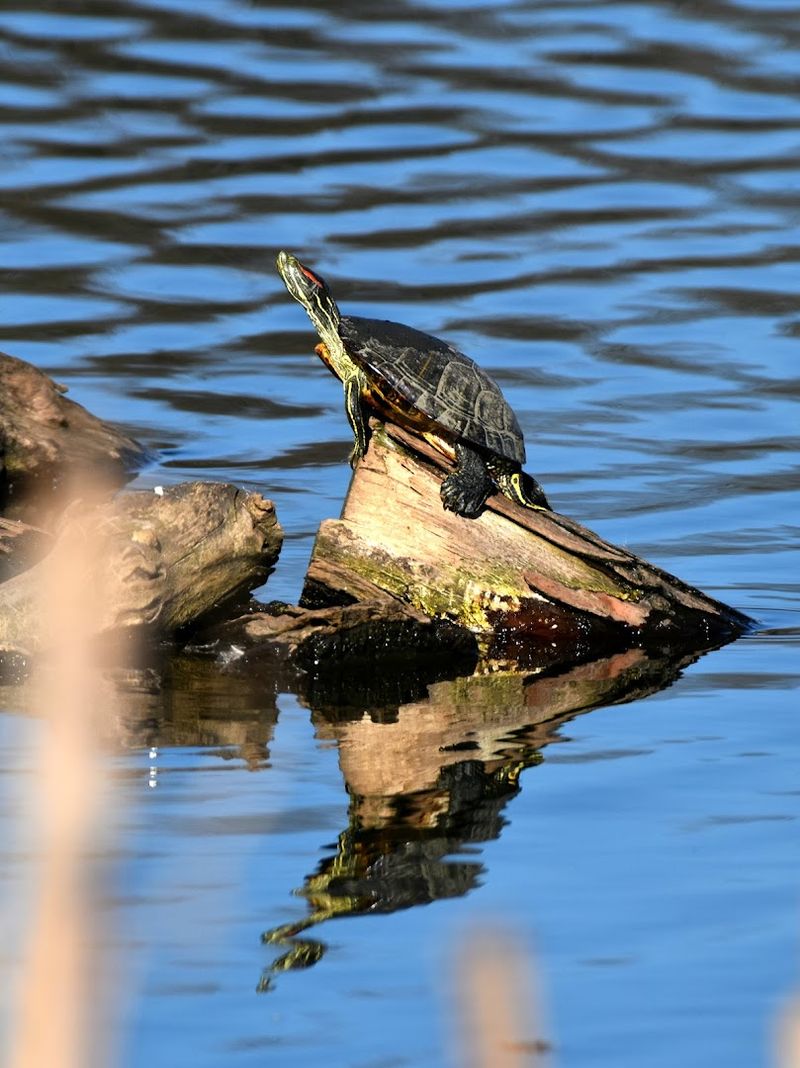
The birds get most of the attention, but the wildlife at John Heinz National Wildlife Refuge at Tinicum goes well beyond the feathered crowd.
Turtles are practically everywhere along the trail, from tiny painted turtles stacked on logs to large snapping turtles moving through the shallows with prehistoric calm.
Beavers have left their marks on trees near the water’s edge, and their dams quietly reshape sections of the marsh over time.
Frogs call loudly from the reeds, especially at dusk, though spotting them requires patience and a slow, quiet approach.
Monarch butterflies pass through in impressive numbers during their fall migration, turning certain meadow sections of the refuge into a fluttering, orange-and-black spectacle.
Small mammals move through the wooded sections of the trail as well.
Compared to the managed wildlife parks of Ohio, the encounters here feel spontaneous and genuinely wild, which is part of what makes every visit feel different.
The Visitor Center Experience
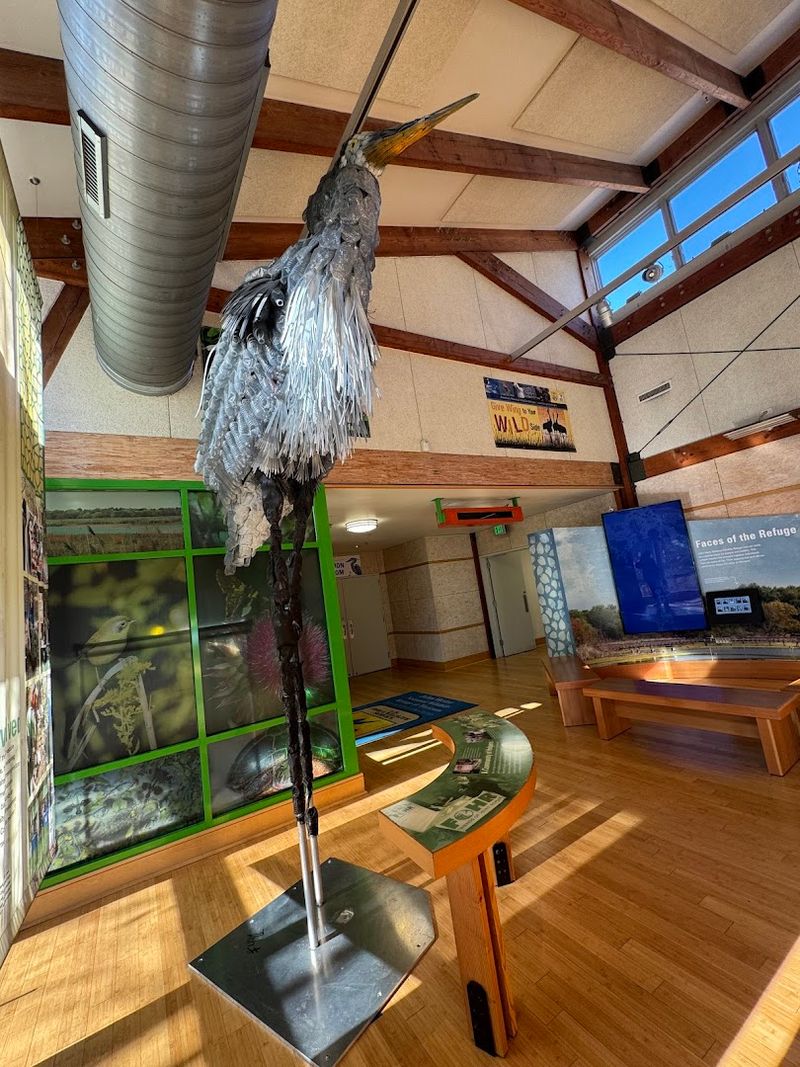
Before hitting the trails, stepping into the visitor center at John Heinz National Wildlife Refuge at Tinicum is time well spent, especially if kids are part of the group.
The building houses educational displays about the local ecosystem, the history of the Tinicum Marsh, and the Philadelphia region’s environmental development over the decades.
Staff members are consistently described as friendly and knowledgeable, ready to point out what species have been spotted recently and which sections of the trail are most active.
The center is open Wednesday through Sunday, so planning around those days ensures access to the full experience.
Several visitors have compared the atmosphere inside to a mini natural history museum, complete with enough interactive elements to hold a child’s attention for a solid stretch.
Families driving in from New Jersey, Delaware, and even Ohio have noted that the visitor center alone justifies the trip before a single step on the trail is taken.
Seasonal Highlights and Best Times to Visit
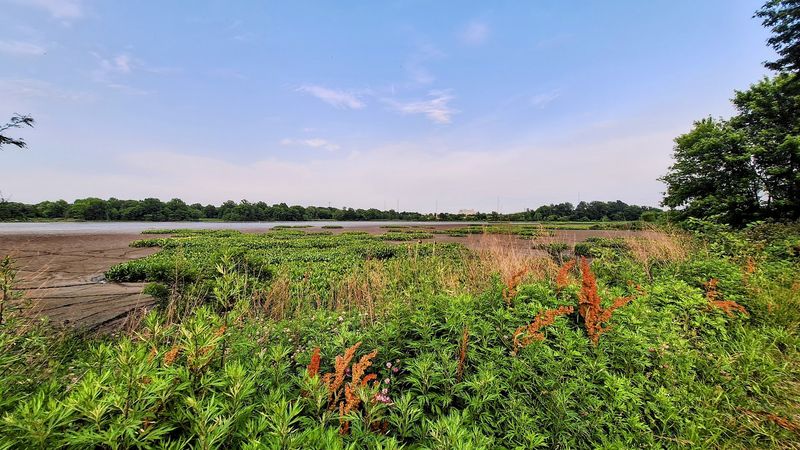
Every season at John Heinz National Wildlife Refuge at Tinicum brings something worth showing up for, and that is not a phrase used lightly.
Spring migration turns the refuge into a non-stop arrival hall for warblers, shorebirds, and waterfowl moving north after wintering in warmer regions.
Summer fills the marsh with full green growth, active turtles, nesting birds, and monarch butterflies beginning their journey south.
Fall migration rivals spring for sheer variety, with rare species occasionally stopping over on their way to wintering grounds, drawing birders from as far as Ohio for a single weekend trip.
Winter strips the vegetation back and reveals the open water pools more clearly, making certain waterfowl species easier to spot than at any other time of year.
Sunrise and sunset visits are especially atmospheric in every season, with the light bouncing off the marsh surface in ways that make even a casual photographer look talented.
Practical Tips for Your Visit
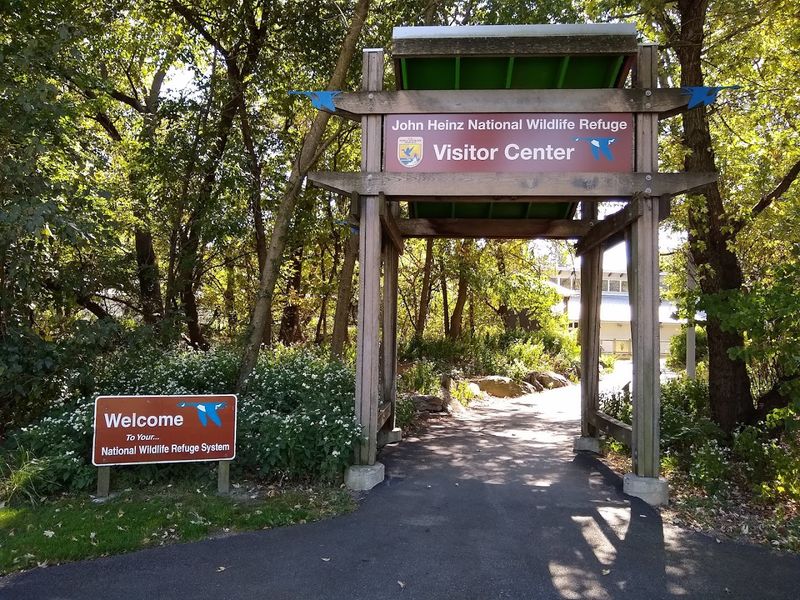
Getting the logistics right before arriving at John Heinz National Wildlife Refuge at Tinicum makes the experience more enjoyable.
The refuge is located at 8601 Lindbergh Blvd., Philadelphia, PA 19153, and it offers free parking at both the Lindbergh Boulevard entrance and the Route 420 entrance.
Admission is completely free, which surprises many visitors who expect at least a small entrance fee for a federally managed facility of this quality.
The trails are open daily from sunrise to sundown, not on a fixed 6 AM to 8 PM schedule, so timing will shift with the season.
Wearing long pants and closed-toe shoes is strongly recommended, as ticks are present in the vegetated areas, particularly during warmer months. Bringing water, sunscreen, and insect repellent covers the basics.
Visitors coming from Ohio or other distant locations should plan at least three to four hours to do the refuge proper justice.
Why This Refuge Stands Apart
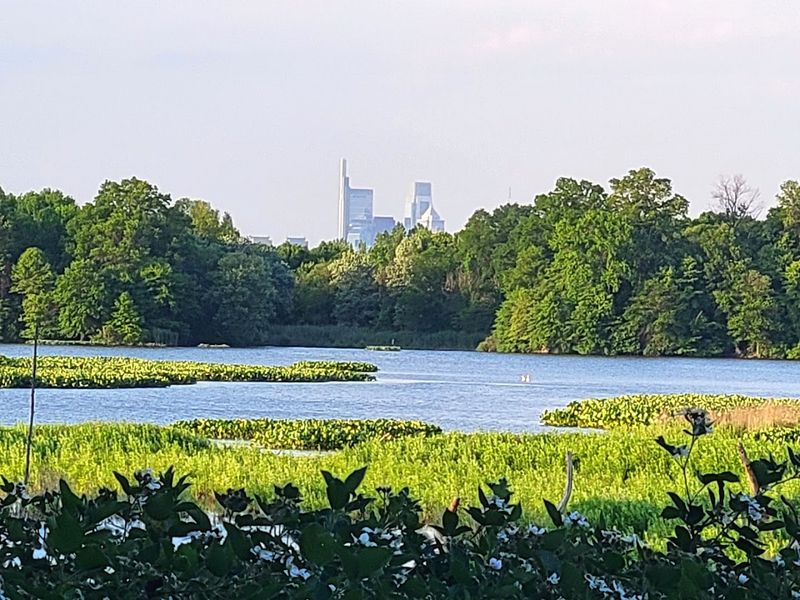
A wildlife refuge sitting directly between a major interstate highway and one of the busiest airports on the East Coast should not work as well as this one does, yet here we are.
John Heinz National Wildlife Refuge at Tinicum pulls off something rare: it makes the urban world disappear within minutes of stepping onto the trail.
The combination of free access, extensive trails, diverse wildlife, educational facilities, and year-round appeal puts it in a category that few comparable sites in Ohio or anywhere else in the country can match.
What is harder to verify cleanly is the exact rating-and-review total, because those figures vary across third-party platforms.
The refuge protects something irreplaceable, a living, breathing wetland ecosystem in the middle of one of America’s most densely developed corridors. That mission, carried out daily by the U.S.
Fish and Wildlife Service, is what keeps this place feeling extraordinary every single time the refuge opens from sunrise to sunset.