
This Perfectly Preserved Ohio Village Feels Lifted From The 19th Century
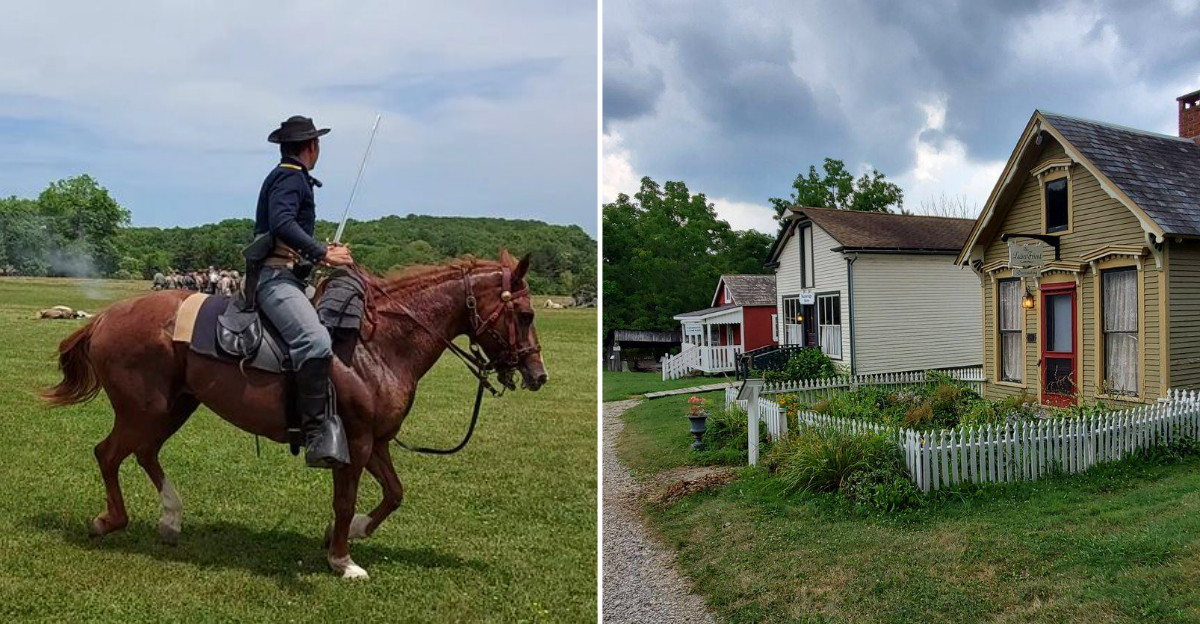
I never expected to find myself stepping back in time when I drove down East Park Street in Burton, Ohio. But that’s exactly what happened when I arrived at Century Village Museum.
This remarkable collection of authentic 19th-century buildings sits quietly in the heart of Geauga County, offering visitors a genuine glimpse into pioneer life without the Hollywood theatrics.
Walking through the village grounds feels strangely peaceful, almost as if the modern world decided to take a day off. The historic structures aren’t replicas or reconstructions.
They’re real buildings that were carefully moved here from across the region, each one telling its own story about the people who built Ohio from scratch.
What makes this place truly special is how accessible it is. You can wander the grounds any day of the week, and during special events, the buildings come alive with demonstrations that show how people actually lived, worked, and survived in the 1800s.
A Living Timeline of Pioneer Architecture
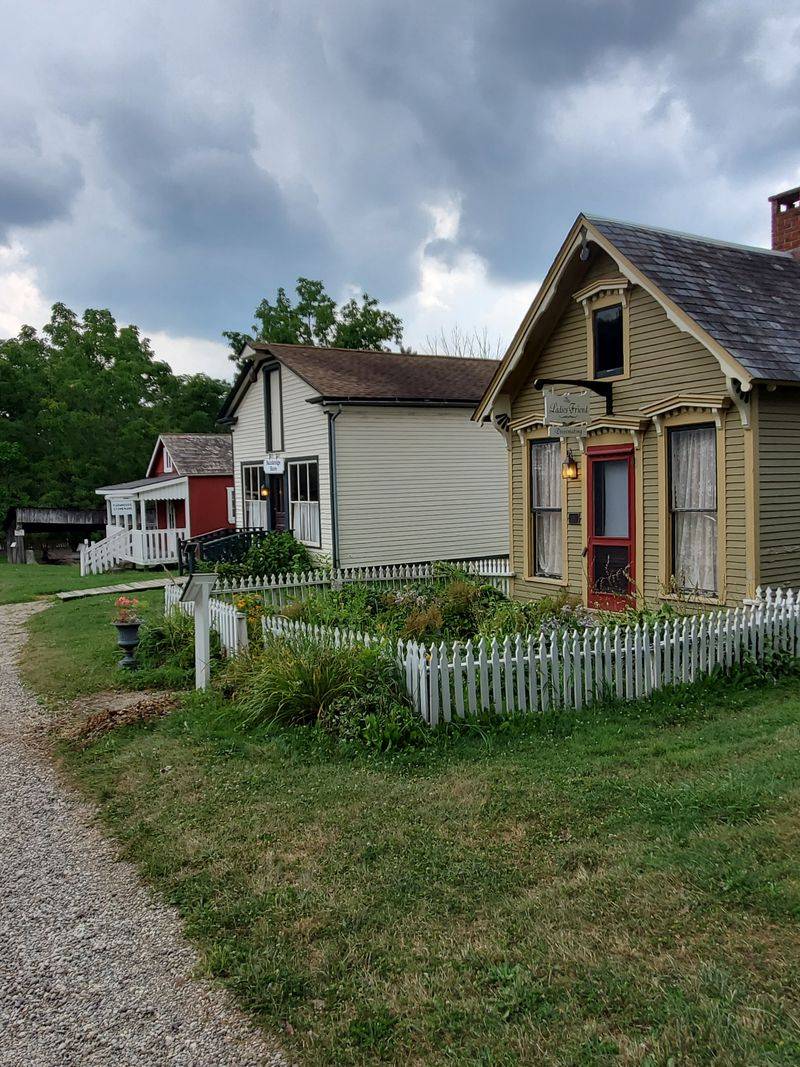
Walking among the buildings at Century Village Museum feels different from visiting a typical history museum. Each structure was originally built somewhere else in northeastern Ohio during the 1800s, then carefully dismantled, transported, and reassembled here to create this living timeline.
The variety surprised me during my first visit. You’ll find everything from simple log cabins to more elaborate frame houses, each representing a different era and economic class from pioneer times.
Some buildings still bear the marks of their original construction, including hand-hewn beams and wooden pegs instead of nails.
What struck me most was how these structures weren’t chosen randomly. Each building was selected because it represented an important aspect of 19th-century community life.
Together, they create a complete picture of how settlements grew and prospered across rural Ohio.
The preservation work is impressive. You can examine construction techniques that have been lost to time, seeing firsthand how settlers adapted European building methods to American materials and climate.
Auburn Church’s Natural Light
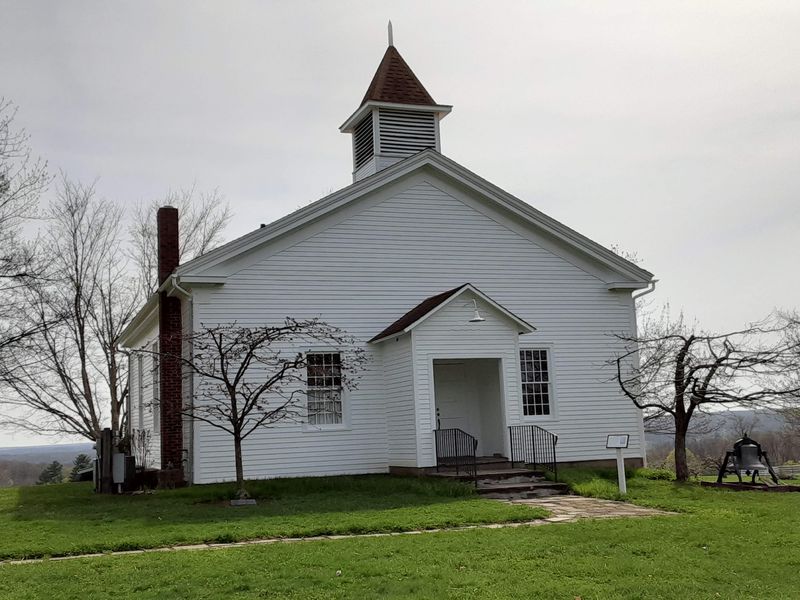
Stepping inside Auburn Church feels like entering a photograph from another century. The white clapboard building looks modest from the outside, but once you’re inside, the natural light streaming through tall windows creates something almost magical.
This building has become a popular venue for weddings, and I understand why. The simplicity works in its favor.
There’s no elaborate decoration to distract from the architecture itself, just clean lines and beautiful natural illumination that photographers absolutely love.
The church represents the spiritual center that every 19th-century community needed. It’s not just a pretty building but a reminder of how important gathering places were for isolated farming families who might only see their neighbors during Sunday services.
During my visit, I sat in one of the wooden pews and tried to imagine what services might have sounded like here. The acoustics are surprisingly good, designed to carry a preacher’s voice without modern amplification.
The Historic Train Station
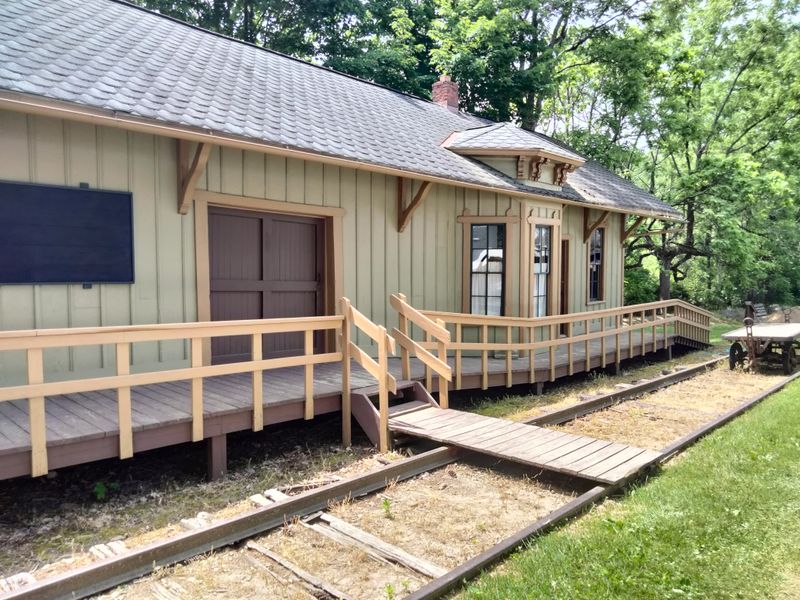
Railroad connections meant everything to 19th-century towns, determining which communities would thrive and which would wither away. The train station at Century Village was originally located elsewhere but was carefully dismantled and rebuilt here to preserve this crucial piece of transportation history.
I found the station fascinating because it’s smaller than modern travelers might expect. Back then, stations served as more than just places to catch trains.
They were communication hubs where telegrams arrived, newspapers were distributed, and travelers got their first impression of a community.
The building’s architecture reflects its dual purpose as both a functional workspace and a public face for the railroad company. Details like the ticket window and waiting area help visitors understand how travel worked before highways and airports dominated.
During special events, volunteers sometimes staff the station, explaining how schedules worked and what it cost to travel by rail in the 1800s. The stories bring the building to life.
The Old Sawmill Operation
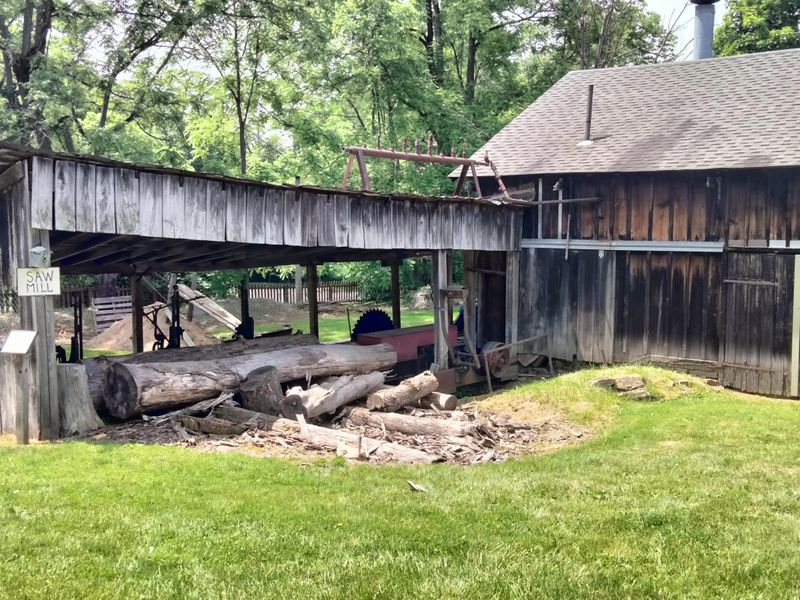
Lumber powered the growth of Ohio settlements, and the sawmill at Century Village demonstrates exactly how trees became building materials. This isn’t just a shed with some old equipment inside.
The machinery actually shows the complete process of turning logs into usable boards.
What impressed me was the ingenuity of the equipment. Before electric motors, sawmills used water power or steam engines to drive the massive blades that could cut through hardwood logs.
The mechanical systems on display reveal how 19th-century engineers solved complex problems with relatively simple technology.
Visitors frequently mention the sawmill in their reviews, particularly those interested in woodworking or industrial history. The building contains displays explaining different types of saws and cutting techniques, along with examples of the finished lumber they produced.
I spent more time here than I expected, examining the various tools and trying to understand how dangerous this work must have been. Safety equipment barely existed, yet sawmills operated in nearly every growing community.
Pioneer Homestead Experience
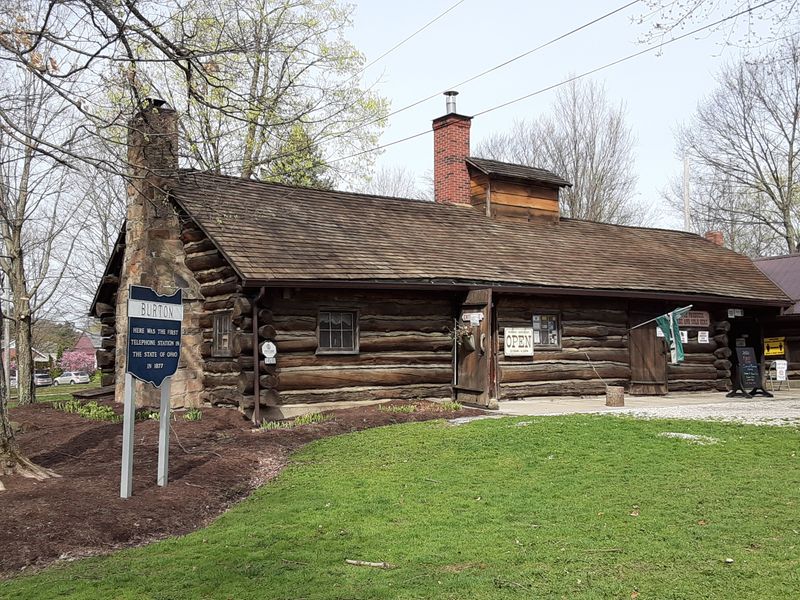
The homestead building offers the most intimate glimpse into daily life for ordinary families during Ohio’s settlement era. Unlike grander structures in the village, this house shows how most people actually lived, with small rooms and minimal decoration.
I was struck by how compact everything was. The kitchen, living space, and sleeping areas all fit into what modern Americans would consider a tiny house.
Yet families with multiple children somehow made these spaces work, often adding lean-to additions as resources allowed.
The furnishings help tell the story. You’ll see rope beds, simple wooden furniture, and cooking equipment that required constant attention.
Nothing was automatic or convenient. Every meal required building and maintaining a fire, every piece of clothing needed hand-washing, every comfort demanded labor.
This building works especially well for school groups because it makes history tangible. Kids can see how their ancestors lived and usually leave with new appreciation for modern conveniences like refrigerators and central heating.
The Famous Apple Butter Festival
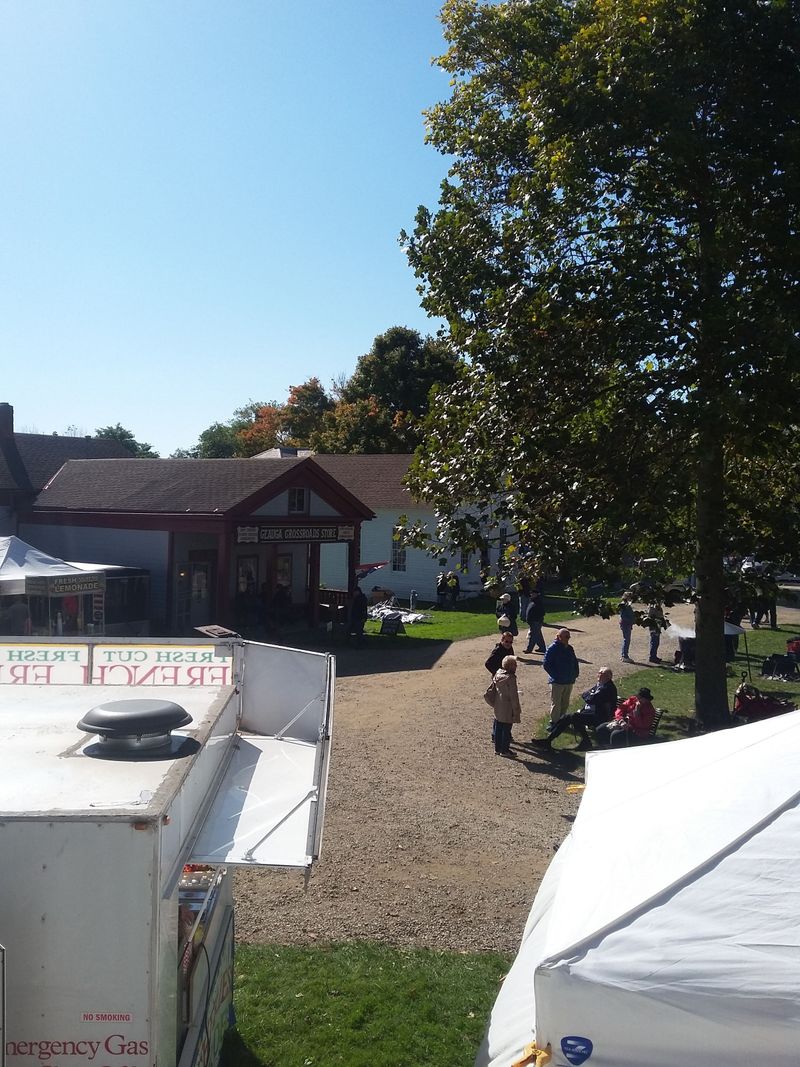
Every second weekend in October, Century Village transforms into something special. The Apple Butter Festival draws thousands of visitors who come to watch apple butter being made using traditional methods over open fires, just as it was done throughout the 19th century.
I attended this event and found myself captivated by the process. Large copper kettles bubble away for hours while volunteers stir constantly to prevent burning.
The smell of cooking apples and cinnamon fills the entire village, creating an atmosphere that’s both festive and genuinely educational.
What makes the festival authentic is the recipe itself. Traditional apple butter contains no added sugar, just apples and cinnamon cooked down until the natural sugars concentrate and caramelize.
Visitors can purchase jars to take home, and many reviews mention this as their favorite part of the experience.
The festival also features craft vendors, demonstrations in various buildings, and activities that bring the entire village to life simultaneously. It’s when Century Village feels most like an actual functioning community.
Lennah Bond Activity Center
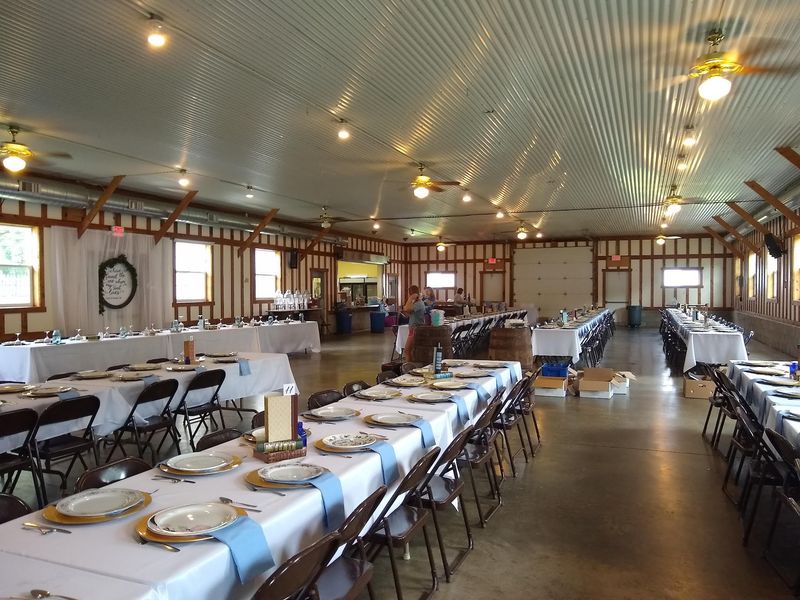
Not everything at this place dates to the 1800s, and the Lennah Bond Activity Center proves that historical sites can adapt to modern needs. This spacious building serves as an event venue that hosts everything from weddings to community gatherings.
The design cleverly balances modern functionality with aesthetics that complement the historic surroundings. Large garage-style doors can open to create indoor-outdoor flow, and the building includes proper bathroom facilities that the original 19th-century structures obviously lack.
I’ve read numerous reviews from people who held events here, and they consistently praise the flexibility of the space. You can decorate for any theme while still maintaining the connection to the village’s historical character.
The combination of old and new creates unique atmosphere that standard event venues can’t match.
The Activity Center also serves practical purposes during festivals and special events, providing shelter if weather turns bad and offering space for indoor demonstrations and exhibits that complement the outdoor historical buildings.
Self-Guided Exploration Anytime
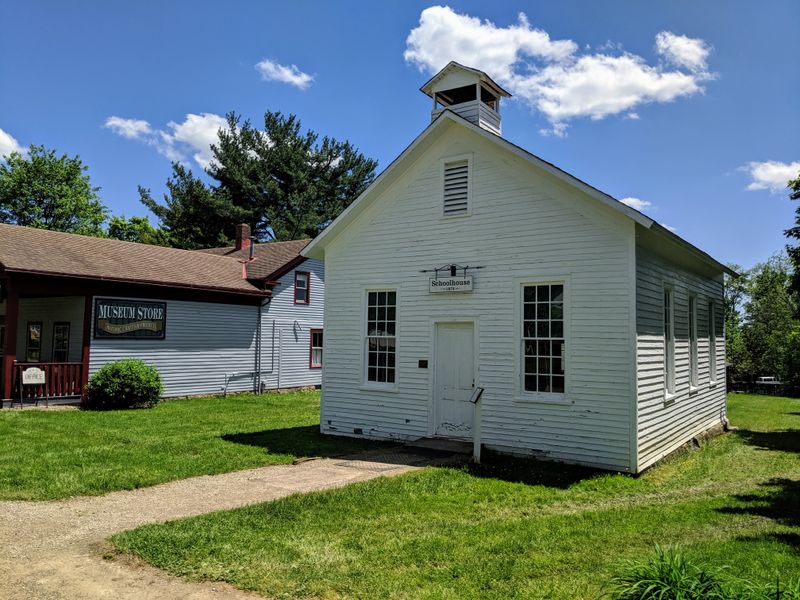
One aspect of Century Village that visitors particularly appreciate is its accessibility. The grounds function as a public park, meaning you can walk through and explore the exterior of buildings even when the museum isn’t officially open for interior tours.
I’ve visited at various times and always found the experience peaceful. There’s something meditative about walking among these old structures when few other people are around.
You can take your time, photograph buildings from different angles, and simply absorb the atmosphere without feeling rushed.
This open-access policy makes Century Village unusually welcoming compared to many historical sites that keep everything locked behind admission gates. You can stop by for fifteen minutes or spend an entire afternoon, depending on your schedule and interest level.
Of course, to see building interiors and access the full experience, you’ll need to visit during official hours or special events. But the ability to explore grounds freely means the village serves both serious history enthusiasts and casual visitors equally well.
Special Events Throughout the Year
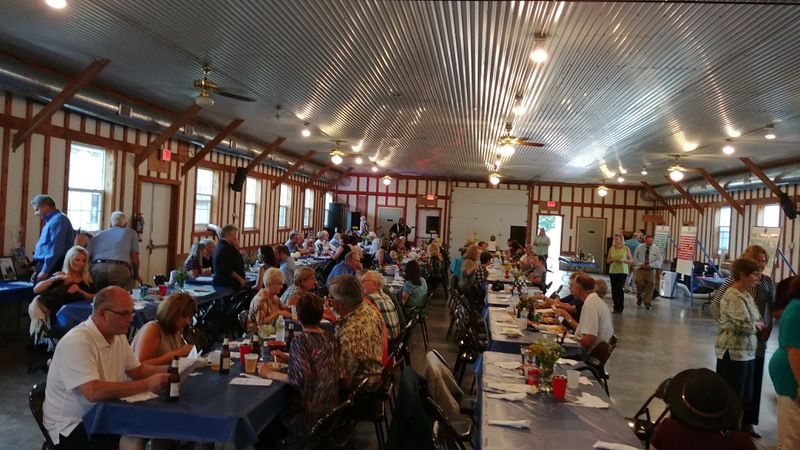
This place doesn’t rely solely on the Apple Butter Festival to draw crowds. The museum hosts numerous special events throughout the year, each designed to highlight different aspects of 19th-century life or bring the community together.
I’ve heard about everything from antique power shows featuring old tractors and engines to steampunk festivals that blend historical setting with creative anachronism. The variety means there’s likely an event that matches whatever specific interests you might have.
These events serve an important purpose beyond entertainment. They provide the volunteer staff opportunities to open buildings, run demonstrations, and share knowledge that might otherwise sit unused.
A blacksmith shop is interesting when empty, but it becomes truly memorable when someone is actually forging iron inside it.
Checking the museum’s calendar before visiting is worthwhile because the experience differs dramatically depending on whether you visit during a major event or a quiet weekday. Both have value, but they offer completely different perspectives on the village.
Walking Distance to Burton Town Center
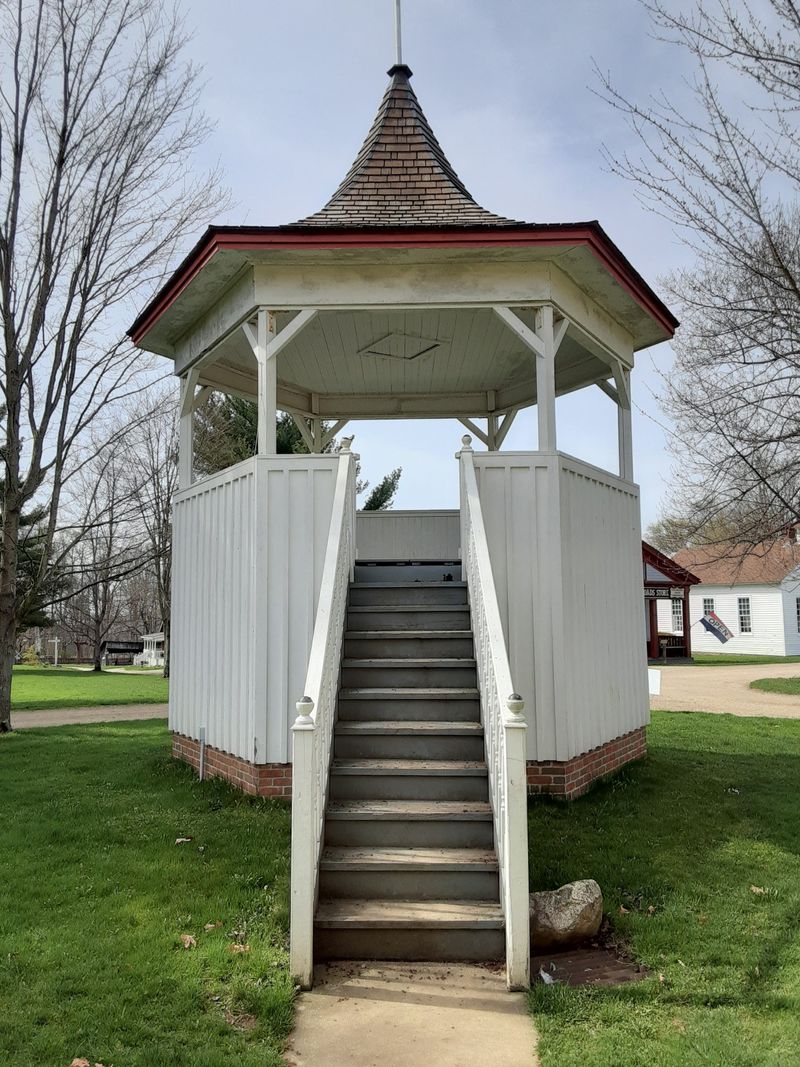
Century Village’s location in Burton offers a bonus that many historical sites lack: you can easily walk to a charming town center that still maintains much of its 19th-century character. The village sits close enough that extending your visit to explore Burton’s shops and restaurants requires minimal effort.
Burton itself deserves exploration. The town square features a historic gazebo and buildings that complement what you’ve just experienced at the museum.
Several small shops offer local products, including that maple nut fudge that multiple visitors rave about in their reviews.
This proximity means you can plan a full day in the area rather than just a quick museum stop. Have breakfast in town, spend mid-morning through early afternoon at Century Village, then return to Burton for shopping and perhaps an early dinner before heading home.
The connection between museum and town also reinforces the historical narrative. You’re not visiting an isolated attraction but rather experiencing how a 19th-century settlement and its surrounding community fit together geographically and economically.
Guided Tours with Knowledgeable Docents
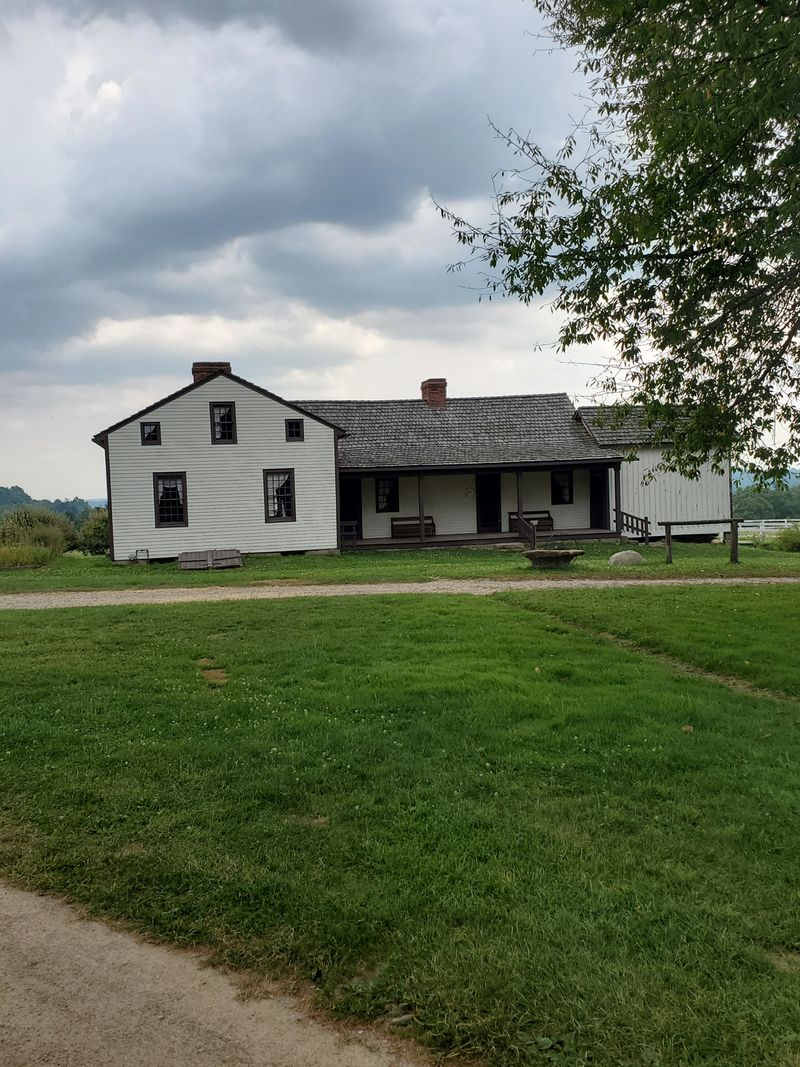
While self-guided exploration has its merits, taking a guided tour with one of Century Village’s docents elevates the experience considerably. These volunteers bring deep knowledge about local history and genuine enthusiasm for sharing it.
Several reviews specifically mention guides by name, praising their ability to make history engaging rather than just reciting facts. A good docent can explain not just what you’re seeing but why it mattered, connecting individual buildings and objects to larger stories about how pioneer communities developed.
During my guided tour, I learned details I never would have discovered on my own. The guide pointed out construction techniques, explained the social significance of different room arrangements, and shared stories about the original locations of various buildings before they were moved here.
Tours typically happen during regular museum hours and special events. If you’re serious about understanding Century Village beyond surface-level appreciation, investing time in a guided tour pays dividends.
The buildings remain the same, but context transforms them from interesting old structures into windows onto vanished ways of life.
Photography Opportunities in Every Season
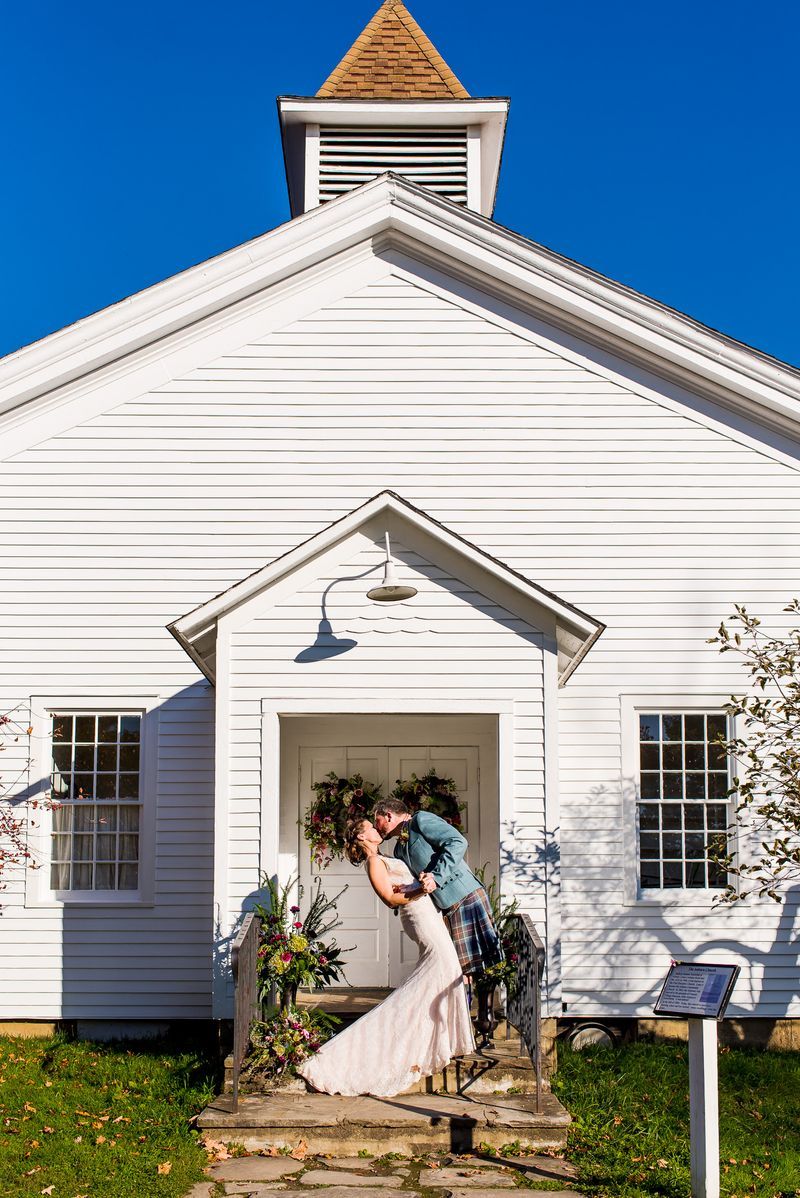
Photographers love Century Village, and it’s easy to understand why. The authentic buildings provide ready-made compositions that look stunning in any season, from snow-covered winter scenes to autumn leaves creating natural color palettes.
I’ve taken countless photos here, and the challenge is always choosing what to shoot rather than finding good subjects. The white clapboard buildings photograph beautifully against blue skies.
The weathered wood structures gain character in overcast conditions. Even small details like door hinges and window frames reward close attention.
Fall seems to be the favorite season for photographers, with multiple reviews mentioning how gorgeous the autumn foliage looks surrounding the historic buildings. The combination of natural beauty and architectural interest creates images that feel both timeless and distinctly placed in this specific Ohio location.
Professional photographers have used the village for wedding photography and other portrait work, taking advantage of the authentic backgrounds that require no artificial staging. The variety of buildings and settings means you can create diverse images without leaving the property.
Harvest Host Overnight Stays
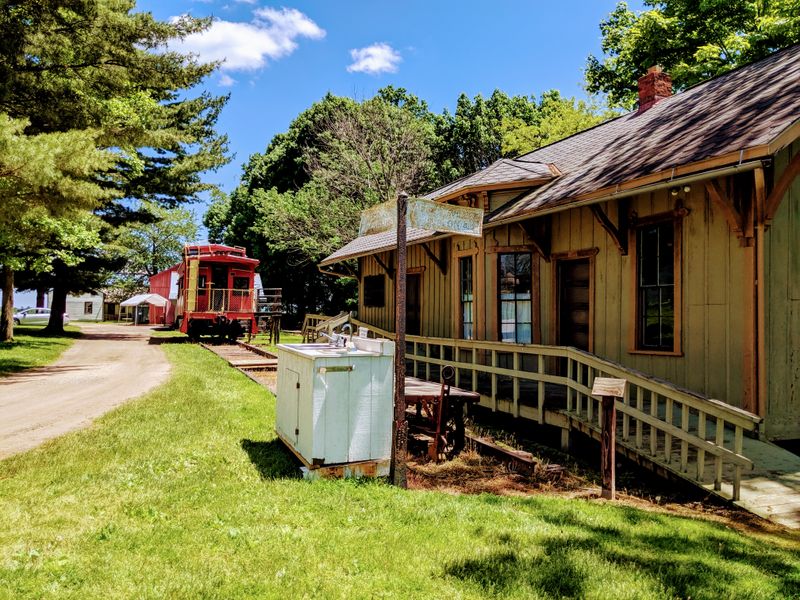
Here’s something unexpected: Century Village participates in the Harvest Host program, which allows RV travelers to stay overnight on the museum grounds. This creates a unique opportunity to experience the village in a completely different way than typical daytime visitors.
Imagine settling in for the evening while surrounded by these historic buildings, watching sunset light play across 19th-century architecture with no crowds around. Several reviews from Harvest Host members praise the quiet, peaceful atmosphere and the chance to explore the grounds at their own pace.
This program benefits both travelers looking for interesting overnight spots and the museum itself, which gains exposure to visitors who might not otherwise discover it.
The arrangement works because the village grounds can accommodate RVs without disrupting the historical setting or creating conflicts with regular museum operations.
If you’re planning an RV trip through Ohio, adding Century Village to your Harvest Host itinerary provides both a practical overnight stop and a genuinely interesting destination worth exploring beyond just parking for the night.
Planning Your Visit Wisely
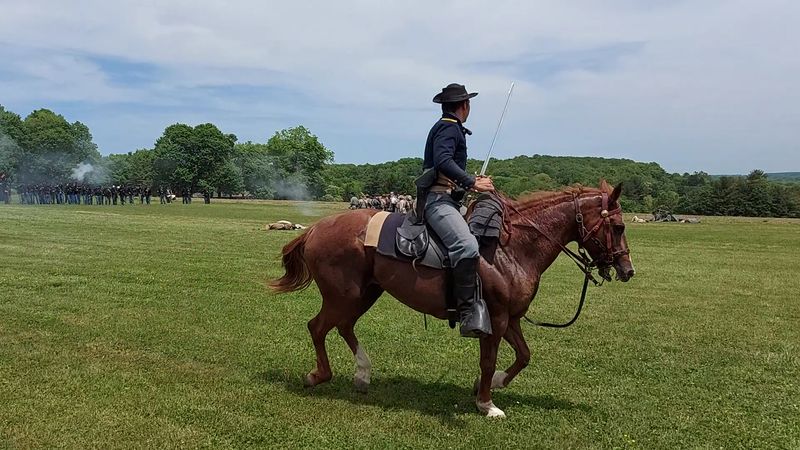
Century Village rewards visitors who plan ahead. The experience varies dramatically depending on when you visit, and understanding the schedule helps you match your expectations with reality.
The museum operates as both an always-accessible park and a staffed historical site with specific hours. During the regular season, buildings are typically open during posted museum hours, usually from 9 AM to 3 PM, and operating days can vary by season and special events, so it is best to check the current schedule before you go.
But remember, you can walk the grounds anytime even when buildings are closed.
For the fullest experience, target your visit during a special event when volunteers staff the buildings and demonstrations bring history to life. The Apple Butter Festival in October draws the biggest crowds but offers the most activities.
Smaller events throughout the year provide similar engagement with fewer people.
Consider weather when planning. Most of the village is outdoors, so comfortable walking shoes and weather-appropriate clothing matter.
The museum’s accessibility limitations mean visitors with mobility challenges should contact staff beforehand to discuss options and understand what will be difficult to navigate.