
This Phoenix, Arizona Mountain Preserve Gives Your Family Miles Of Desert Trails And Sunset Views For Free
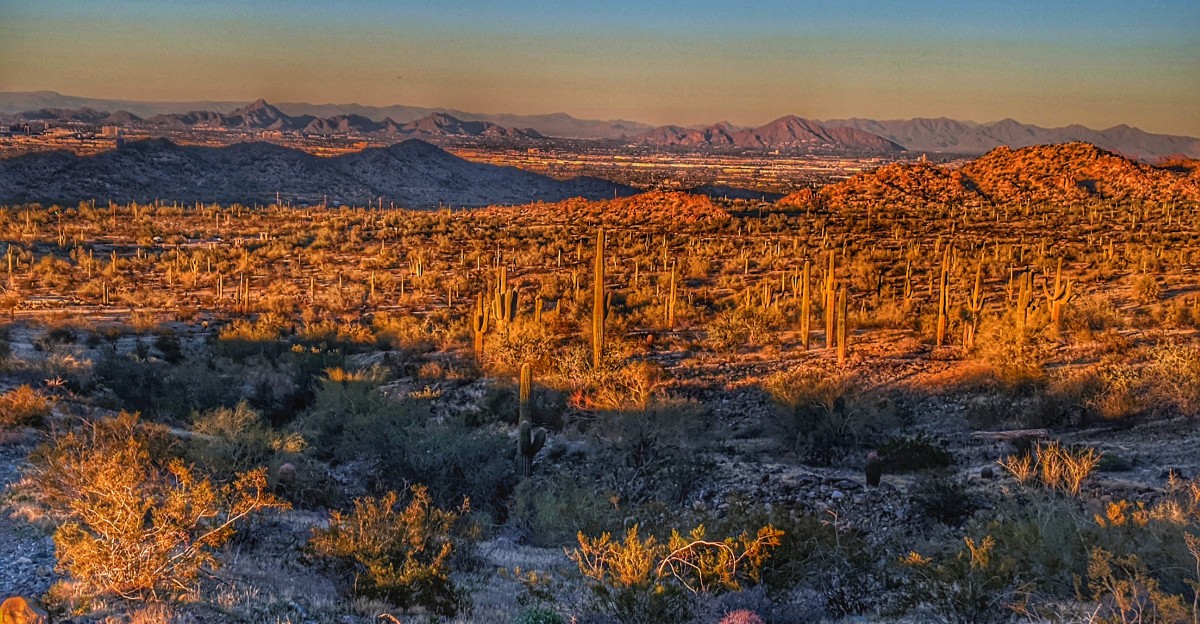
Back in 1924, a city in Arizona bought 13,000 acres of rugged mountains for about the price of a used pickup today. That bargain grew into more than 16,000 acres of wild Sonoran Desert.
And families still walk in without paying a cent.
The trails stretch past 100 miles. Some of them were built by hand in the 1930s.
Others pass rock carvings left behind centuries before that.
I like how a city skyline sits right at the edge of all this wildness. You can lace up your boots after breakfast and feel far from traffic by mid-morning.
Then you can watch the whole valley start to glow at sunset.
I can’t imagine a better free family outing in Arizona. So why does this giant desert playground still surprise so many people?
A Desert Playground Big Enough To Get Pleasantly Lost In
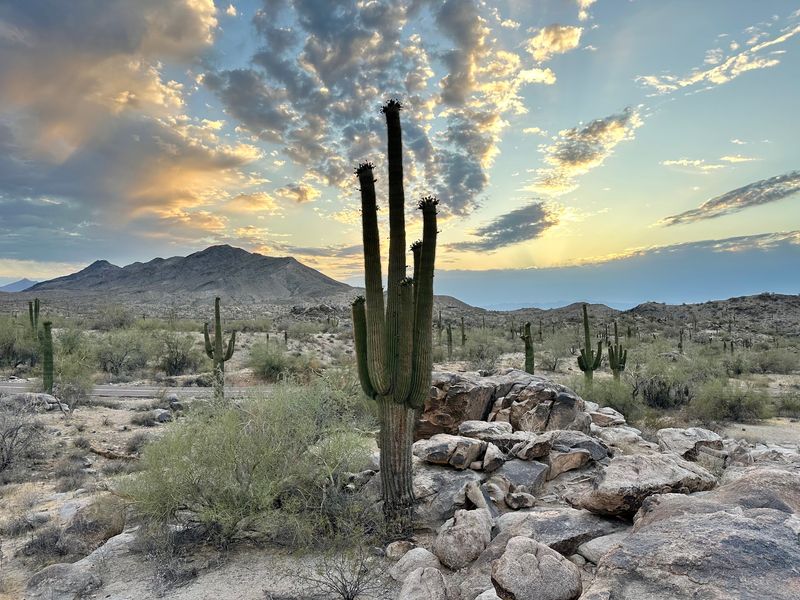
Few cities can claim a mountain range inside their limits, and Phoenix has three. South Mountain Park and Preserve covers more than 16,000 acres on the city’s south side.
That size puts it among the largest municipally managed parks in the United States. It’s the kind of number that sounds made up until you see the ridges rolling on and on.
The preserve takes in the Ma Ha Tauk, Gila, and Guadalupe ranges. Each brings its own rocky slopes, washes, and lookout points.
For families, the scale is the whole charm. Little legs can handle a short stroll, while teens can chase bigger climbs.
The park also feels genuinely wild, not manicured. Rugged trails, desert plants, and wide-open views give it the feel of a true Sonoran Desert escape.
Wildlife adds to the fun. Coyotes call this terrain home, so keep your eyes open on quiet stretches.
Best of all, it sits close enough to downtown Phoenix for a quick weekday visit. You don’t need a long road trip or a big budget to swap pavement for mountains.
Honestly, that’s a pretty great deal for Arizona families. The only real cost is sunscreen and water.
How A 1924 Land Deal Turned Into A Century Of Free Adventure
Talk about a smart purchase. In 1924, the City of Phoenix bought about 13,000 acres of this mountain land for roughly 17,000 dollars.
Back then, Phoenix was a much smaller desert town. Someone clearly saw the value in keeping these peaks open for the public.
That foresight paid off for every generation since. The park kept growing to more than 16,000 acres.
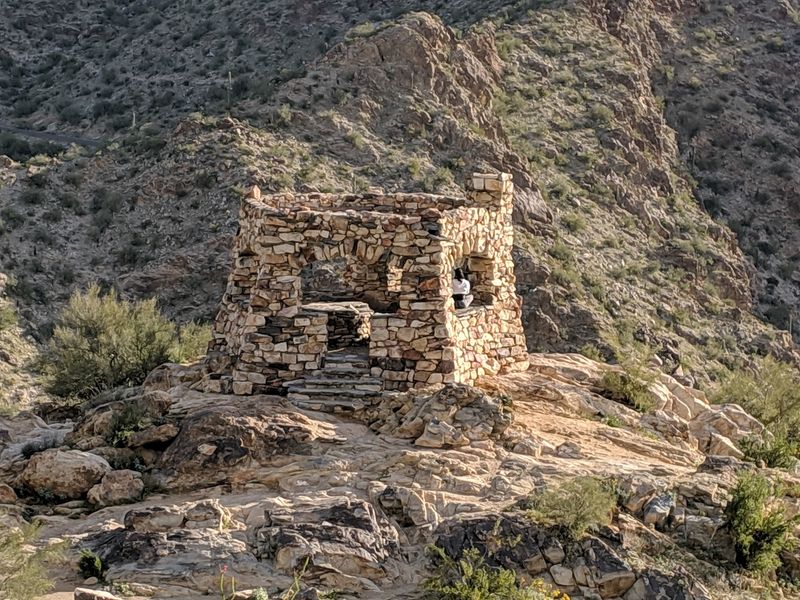
In the 1930s, the Civilian Conservation Corps arrived and got to work. Crews built trails, structures, and stonework that still shape the park today.
Routes like the Holbert Trail and Mormon Trail trace back to that era. Hiking them means following paths built by hand nearly a century ago.
Phoenix marked 100 years of caring for the park on November 8, 2024. The centennial celebrated a full century of public access to this rugged terrain.
Kids may not care much about land deals. Still, telling them a whole mountain was saved just for them tends to land well.
It also makes each visit feel a little special. You’re enjoying a gift Phoenix gave itself long before anyone knew how big the city would grow.
More Than 100 Miles Of Trails Waiting For Your Boots
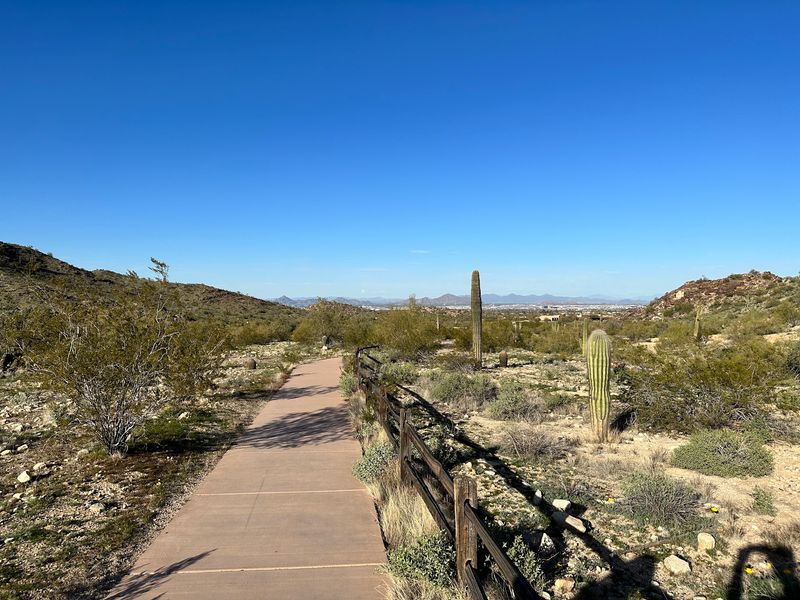
Over 100 miles of trails. Read that again, then try picking just one.
South Mountain Park and Preserve welcomes hikers, mountain bikers, and horseback riders across its sprawling network. The terrain shifts from gentle paths to steep, rocky climbs.
Families with younger kids often start on the Kiwanis Trail. It offers an easier introduction to the park’s beauty without demanding expert skills.
Want more of a story? The Mormon Trail leads toward Hidden Valley, where things get playful fast.
The Holbert Trail starts near the main entrance area. It climbs toward big views and passes some of the park’s history along the way.
Telegraph Pass and the Desert Classic Trail add even more options. Each brings different scenery and different levels of effort.
Mountain bikers find plenty to love here too. Miles of singletrack wind through the desert for riders seeking a workout.
Whatever you choose, carry plenty of water. Arizona sun can turn a short hike into a sweaty one quickly.
Starting early in the morning helps a lot. Weekend parking at popular trailheads like Kiwanis can fill early, so arriving ahead of the crowd pays off.
Squeezing Through Fat Man’s Pass Is Half The Fun
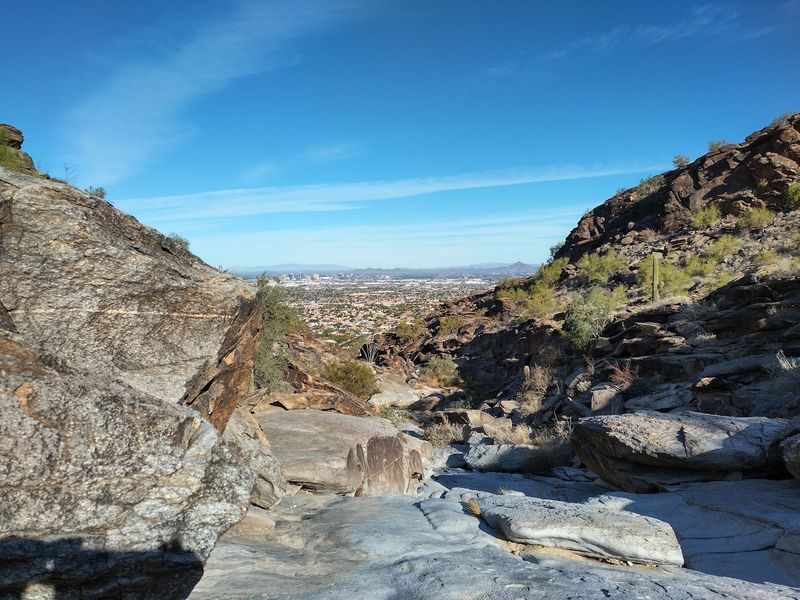
Yes, there’s a spot called Fat Man’s Pass. And yes, kids will absolutely want to try it.
The Mormon Trail leads hikers into Hidden Valley, a rocky pocket of South Mountain. Here, the landscape starts to feel like a natural obstacle course.
Fat Man’s Pass is a narrow squeeze between big boulders. Getting through takes a little wiggling and a lot of giggling.
Hidden Valley also features a natural rock tunnel. Walking through it feels like finding a secret doorway in the desert.
The route takes some effort to reach. Expect a bit of a workout before the fun formations appear.
That effort is part of what makes it memorable. Kids earn the adventure, and they’ll talk about it all the way home.
Plan for the climb with sturdy shoes and steady footing. Rocky ground can be tricky, especially on the way down.
Bring snacks and plenty of water for everyone. A rest stop in the shade of the boulders makes a nice break.
It’s easily one of the most playful corners of Phoenix. Not many city parks offer a real rock squeeze.
Ancient Rock Art Hiding Along The Trails
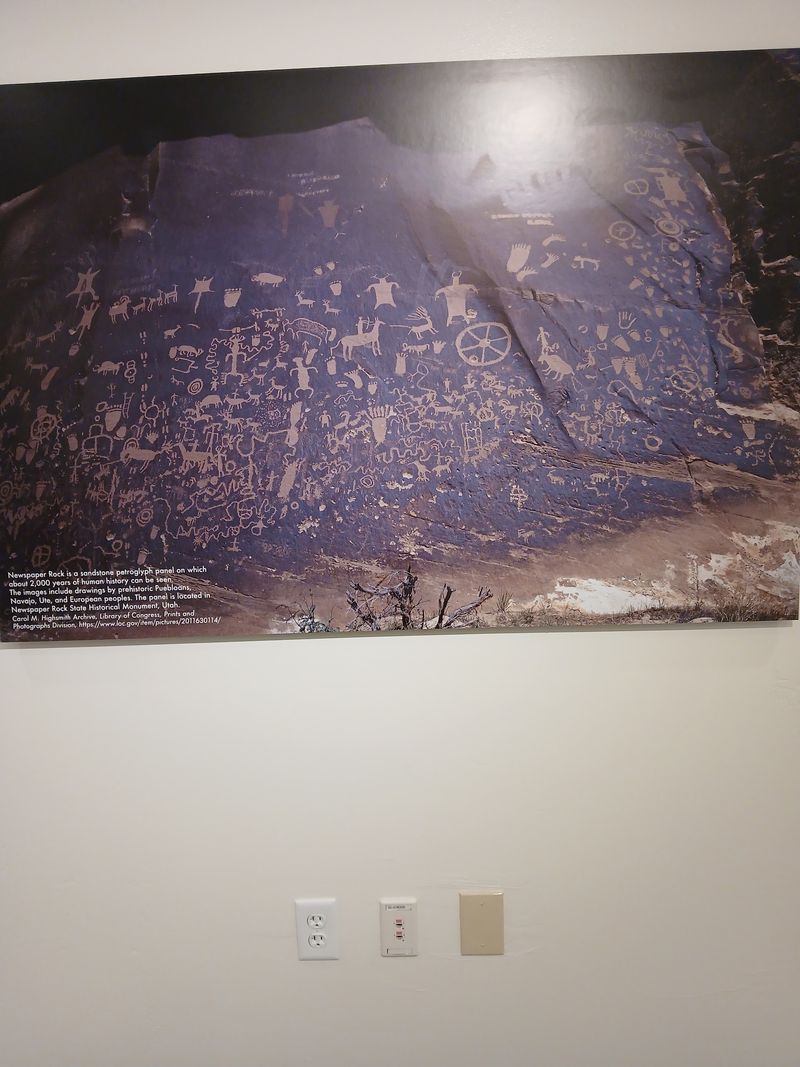
Long before the skyline appeared, people carved images into these rocks. South Mountain holds thousands of petroglyphs, many left by the Hohokam.
The Hohokam lived in central and southern Arizona from about A.D. 450 to 1450. Their carvings remain on boulders throughout the preserve.
You can spot rock art along popular routes. The Mormon Trail, Telegraph Pass, Desert Classic, and Holbert trails all offer chances.
Turn it into a family scavenger hunt. Kids with sharp eyes often love searching boulders for shapes and symbols.
Remember to look but never touch. Oils from fingers can damage these irreplaceable carvings over time.
Staying on the trail helps protect them too. Respect keeps this history around for the next 1,000 years.
The petroglyphs add real depth to a simple hike. Suddenly a morning walk becomes a lesson in Arizona’s Indigenous heritage.
That connection gives the park a meaningful feel. It reminds everyone that this land carried stories long before Phoenix existed.
Bring a camera with a good zoom if you can. Some carvings sit a bit away from the path.
Sunset At Dobbins Lookout Steals The Whole Show
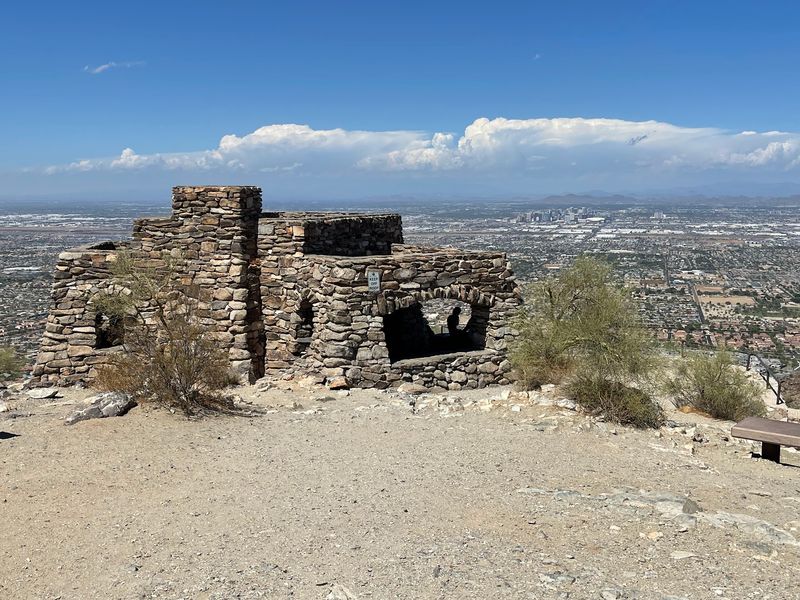
Here’s the payoff. Dobbins Lookout sits at 2,330 feet, the highest publicly accessible point in the park.
From up there, Phoenix spreads out in every direction. The panoramic view takes in the cityscape and surrounding communities.
A stone ramada offers shade and a spot to rest. It makes a lovely perch while the sky changes colors.
Getting there doesn’t require a tough hike. Summit Road winds up the mountain, letting families drive to the top.
The drive itself is scenic. Several spots along the way invite you to pull over and enjoy the surroundings.
Sunset is the magic hour here. As the light fades, the Phoenix skyline begins to glow against the desert backdrop.
Sunrise works beautifully too for early birds. Either way, the views make every photo look frame-worthy.
Keep an eye on the clock, though. Vehicle access ends at 7 p.m., so plan your descent accordingly.
Grandparents, toddlers, and teens can all enjoy this one together. It might be the easiest jaw-dropping view in Arizona.
Car-Free Sundays Turn The Road Into A Giant Path
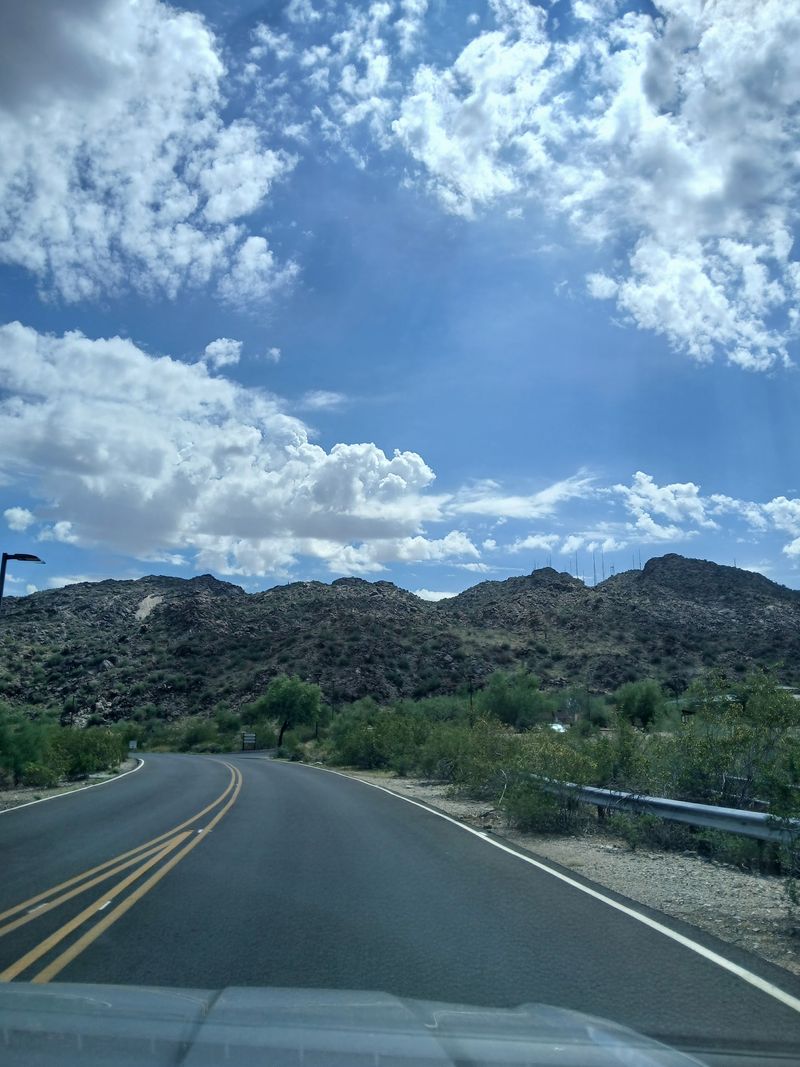
What if the main road had no cars at all? That’s the idea behind Silent Sunday.
On the fourth Sunday of every month, Summit Road closes to motor vehicles all day. The closure runs from 5 a.m. to 7 p.m.
Walkers, joggers, cyclists, and hikers get the pavement to themselves. The quiet changes the whole mood of the mountain.
Other Sundays offer a shorter version. On the first, second, third, and fifth Sundays, the road closes to vehicles from 5 a.m. to 10 a.m. at the one-mile mark.
Families with young kids benefit most. Strollers and small bikes feel much more relaxed without passing traffic.
Cyclists also love the climb. The paved route makes a satisfying challenge for anyone wanting a long ride.
Plan your arrival around these windows. Showing up early lets you enjoy the cool air before the sun takes over.
It’s a simple idea that works wonderfully. Phoenix basically hands families a mountain road for free.
Mark the fourth Sunday on your calendar. It may become a favorite monthly tradition for your crew.
Start Smart At The Freshly Remodeled Visitor Center
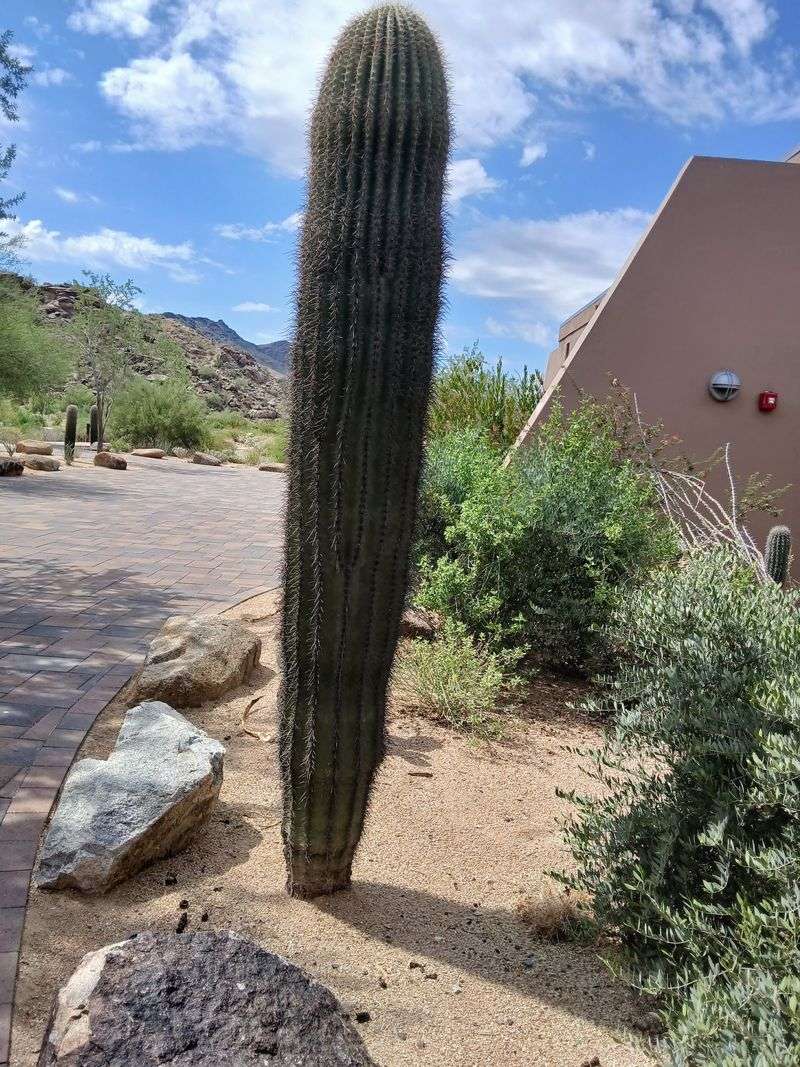
Curious kids ask a lot of questions. The South Mountain Visitor Center has many of the answers.
It sits at the main entrance and recently got a remodel. The center reopened during the park’s centennial celebration in November 2024.
Inside, interpretive exhibits explore the natural history of the Sonoran Desert. Indigenous history also gets meaningful attention.
It’s a smart first stop before hitting the trails. Learning about plants and animals makes the hike more interesting afterward.
The Visitor Center keeps limited hours. It’s open Thursday through Sunday from 9 a.m. to 3 p.m.
Plan around that schedule if exhibits matter to your family. Weekday visits earlier in the week may miss it.
Rangers and staff in the park are known for being helpful. They make a great resource for trail questions.
The building also offers a welcome break from the sun. Air conditioning can feel like a gift after a dusty walk.
Think of it as the park’s front porch. A quick visit sets the stage for everything waiting outside.
Easy Loops And Shady Ramadas Make Room For Everyone
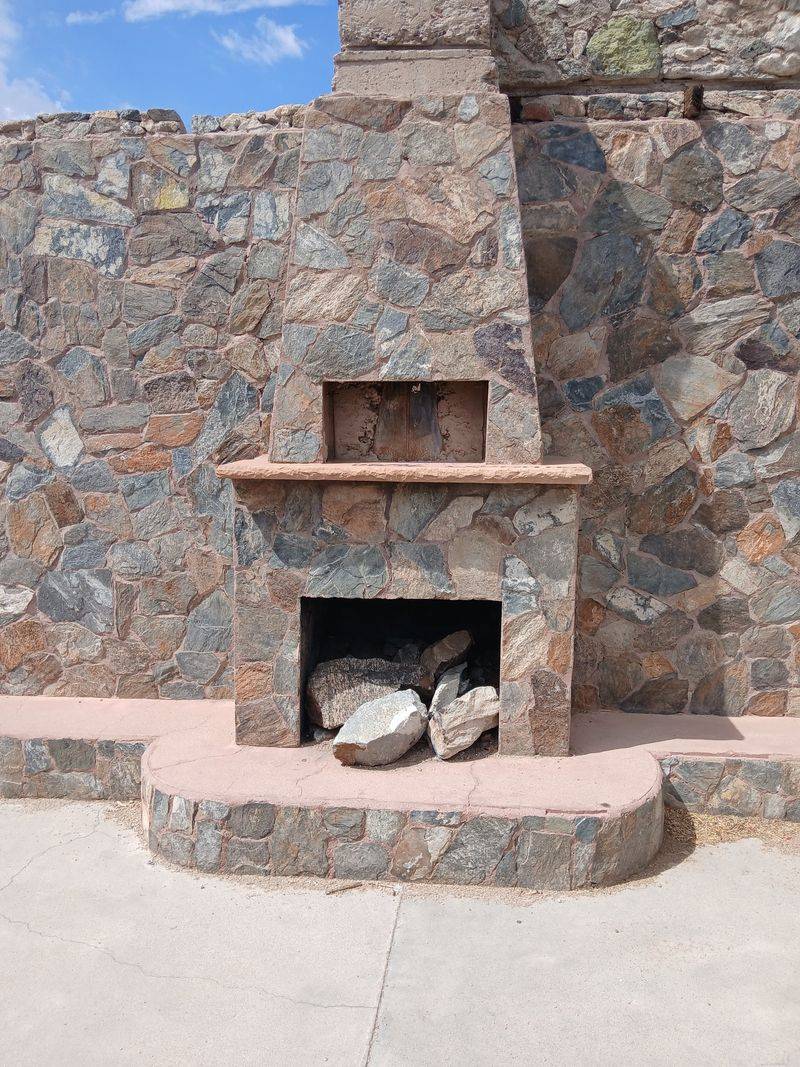
Not every outing needs a summit. The Judith Tunnell Accessible Trail proves that nicely.
Just outside the Visitor Center, it features two barrier-free, half-mile loops. Wheelchairs and strollers can roll along comfortably.
One loop includes interpretive signs about native plants and animals. Kids can learn while they wander.
Grandparents appreciate the gentle grade. Toddlers appreciate not being carried, and parents appreciate that most of all.
Picnics fit in easily here too. The park offers ramadas for public use, and some can be reserved for events.
Pack lunch and enjoy a shady break. A simple sandwich tastes better with mountains in view.
Plenty of picnic spots dot the park beyond the main area. That flexibility helps when your group has mixed energy levels.
Please pack out everything you bring. Clean spaces keep the park lovely for the next family.
These easy features make South Mountain truly welcoming. Everyone gets a slice of desert beauty, no matter their pace.
Hours, Parking, And Heat Tips Before You Go
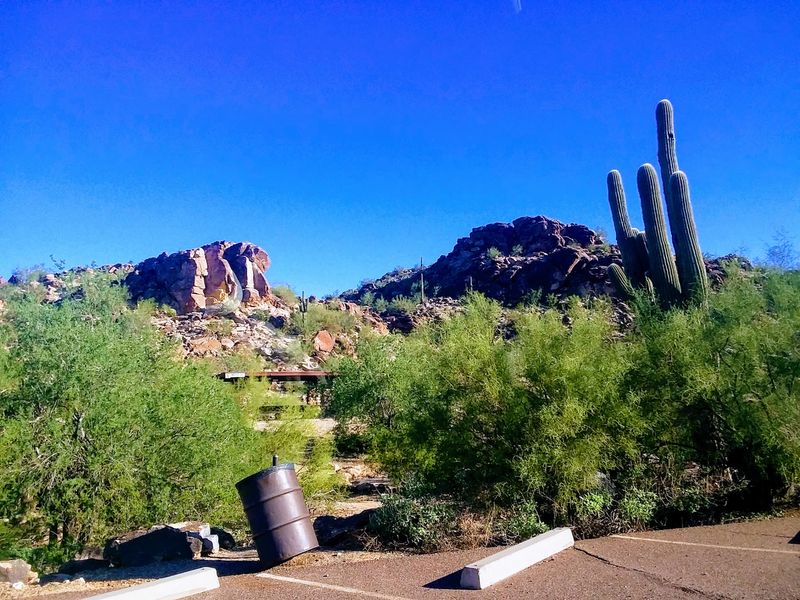
Good news first. There’s no admission fee and no parking fee at South Mountain Park and Preserve.
The main entrance sits at 10919 S Central Ave, Phoenix, AZ 85042. It’s an easy drive from much of the Valley.
Park hours run daily from 5 a.m. to 7 p.m. Vehicle access ends at 7 p.m.
Trails stay open later, until 11 p.m. That leaves room for evening hikes when the air cools.
Summer brings special rules in Arizona. During extreme heat warnings, certain trails may limit hours, often 8 a.m. to 5 p.m.
Check the park’s status before heading out. Conditions can change quickly during hot stretches.
Popular trailheads can fill up on weekends. Arriving early often helps you grab a spot.
Bring more water than you think you’ll need. Hats, sunscreen, and sturdy shoes are smart additions.
Dogs on leashes join many hikers here. Just plan extra water for furry companions too.
Cooler months from October through April feel especially pleasant. Spring and winter mornings are prime time.
A Free Family Tradition Worth Starting This Season
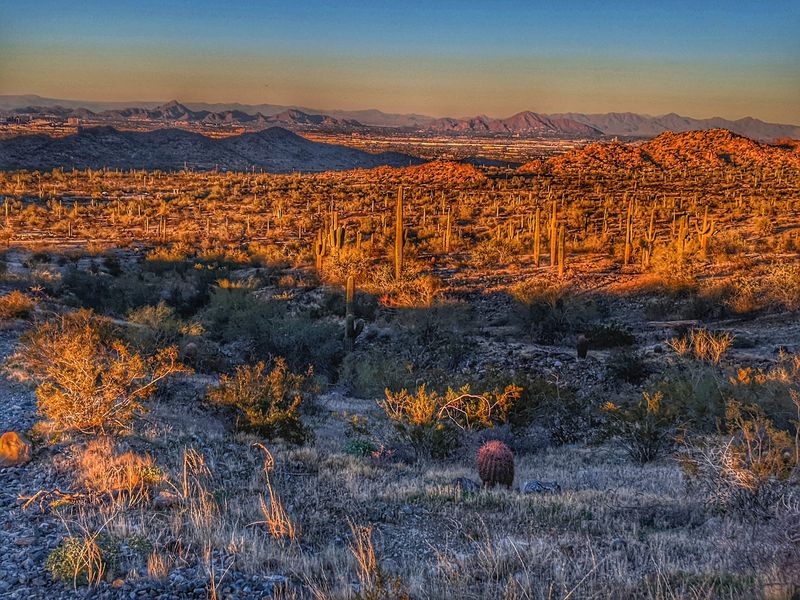
Free things rarely feel this big. South Mountain Park and Preserve somehow delivers mountains, history, and sunsets without a ticket booth.
Families can tailor every visit. One day might mean an easy loop, while another brings a rock squeeze adventure.
The variety keeps it fresh. Hiking, biking, scenic driving, and picnics all happen within the same preserve.
History adds another layer. Hohokam petroglyphs and 1930s trail work turn walks into living lessons.
Then come the views. Watching Phoenix light up from Dobbins Lookout feels like the perfect ending to any day.
Value-minded Arizona families should love this place. A full outing may cost only gas, snacks, and water.
It also works for nearly every age. Toddlers, teens, and grandparents can all find something that fits.
Visiting during cooler months makes things even sweeter. Mild desert days invite longer adventures and lingering sunsets.
After a century of public care, the park still feels like a gift. Phoenix made a good call back in 1924.
So pack the cooler and grab the hats. Your next family favorite might be waiting at the end of Central Avenue.