
This Picture-Perfect Maine Lake Is As Clear As It Gets
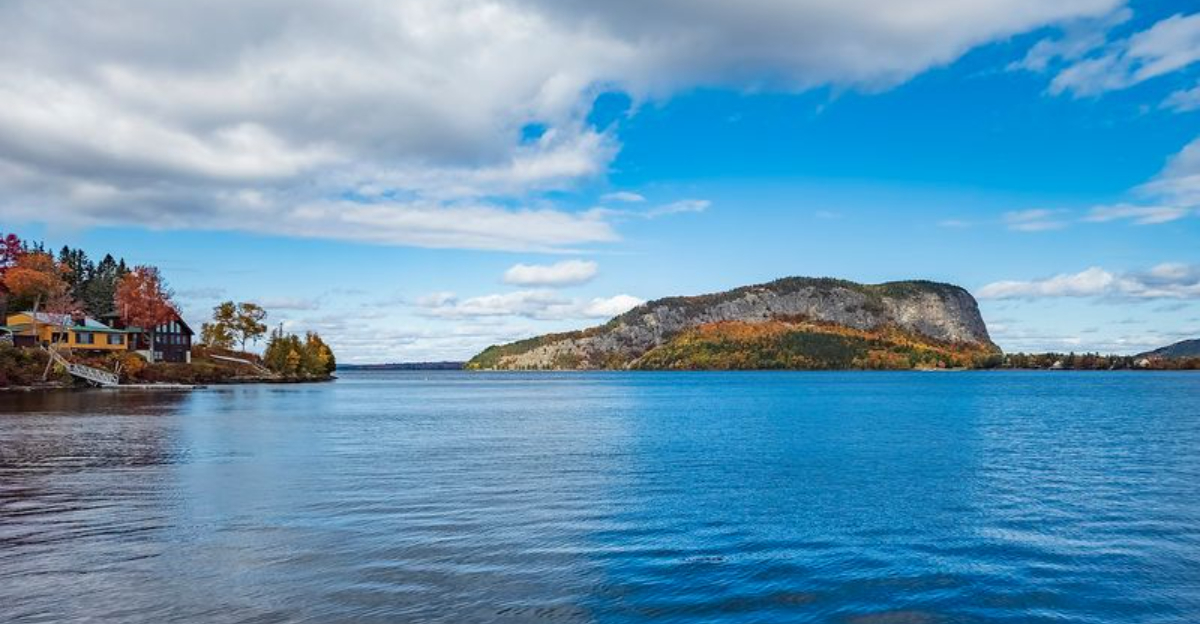
There’s a place in Maine where the water is so clear it almost doesn’t look real. You walk up to the edge and can see straight down, like you’re looking through glass.
It’s tucked into the wilder northern part of the state near the Longfellow Mountains, and the quiet hits you right away. The lake stretches out for miles, with mountains rising up along the shoreline and forests wrapping around the whole scene.
Some spots feel calm and still, others open up into wide water that moves with the wind. It never really looks the same twice.
It’s the kind of place where your mind finally slows down without you trying.
Maine’s Largest Lake
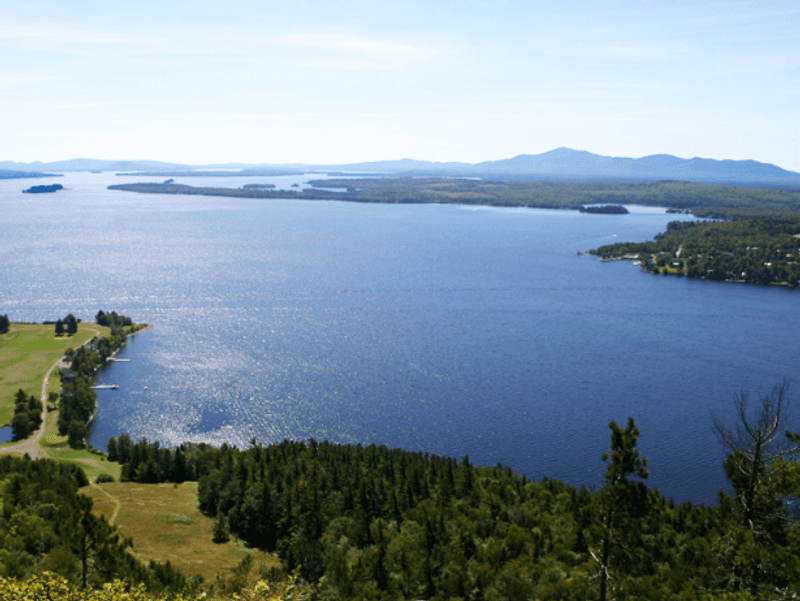
At roughly 75,000 acres, Moosehead Lake holds the title of Maine’s largest lake and is the largest mountain lake in the eastern United States.
That is not a small deal. To put it in perspective, the lake stretches about 40 miles from its southern tip near Greenville all the way north, making it easy to spend an entire week exploring and still feel like you have barely scratched the surface.
The sheer size of this lake means the scenery changes constantly. One moment you are looking at a calm, glassy cove, and the next you are watching wide-open water roll under a fresh breeze.
The Longfellow Mountains frame the whole picture beautifully.
Moosehead Lake sits in Northwest Piscataquis and reaching it feels like crossing into a different world entirely. The farther north you drive, the quieter and wilder everything becomes, and that sense of arriving somewhere genuinely remote makes the first glimpse of the water feel completely earned.
Crystal Clear Water Quality

The water clarity at Moosehead Lake is something that genuinely stops people in their tracks. On a calm, sunny day, you can peer over the side of a kayak or canoe and see the rocky lakebed far below the surface.
The lake sits in a largely undeveloped watershed, which means very little agricultural runoff or urban pollution reaches the water.
Maine’s cold climate also plays a big role here. Cold water holds more oxygen and supports a healthier aquatic ecosystem, which contributes to that remarkable transparency visitors notice right away.
The clarity is not just pretty to look at either. It signals a genuinely healthy lake environment that supports a range of coldwater fish species and wildlife.
Swimming in water this clear feels like a completely different experience compared to murky ponds or developed lakeside resorts. You can actually see your feet touching the bottom even in chest-deep water, and that simple detail never gets old no matter how many times you visit.
Island-Dotted Landscape
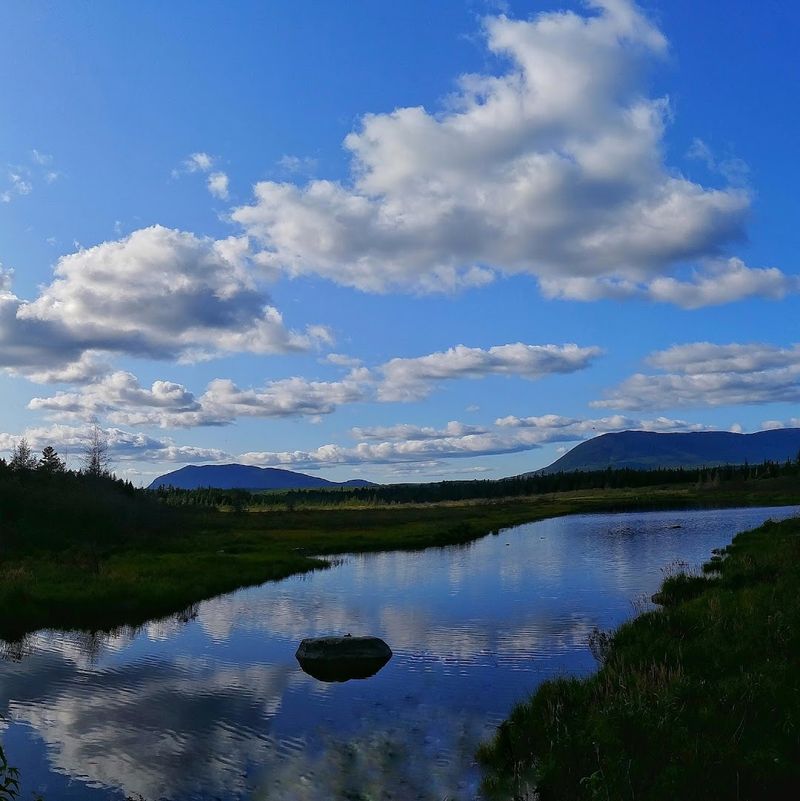
One of the most distinctive visual features of Moosehead Lake is the way islands are scattered across the water like pieces of a puzzle.
There are dozens of them, ranging from tiny rocky outcroppings barely large enough to stand on to larger forested islands with their own coves and beaches. Sugar Island is one of the most well-known and is commonly seen on guided boat tours from Greenville.
Each island adds a new layer to the landscape, breaking up the horizon and creating sheltered channels that are perfect for kayaking or canoeing at a relaxed pace. Paddling between islands on a quiet morning, with mist still sitting low on the water, is the kind of experience you describe to people for years afterward.
The islands also provide nesting habitat for loons, osprey, and other birds that thrive in this undisturbed environment. Watching a loon surface just a few feet from your boat near one of these wooded islands is a moment that feels genuinely wild and unscripted.
World-Class Fishing Opportunities
Fishing at Moosehead Lake has drawn serious anglers from across New England and beyond for generations. The lake is home to landlocked Atlantic salmon, lake trout, brook trout, and smallmouth bass, making it one of the most diverse freshwater fishing destinations in the entire northeastern United States.
The cold, deep, clear water provides exactly the right conditions for these species to thrive year-round.
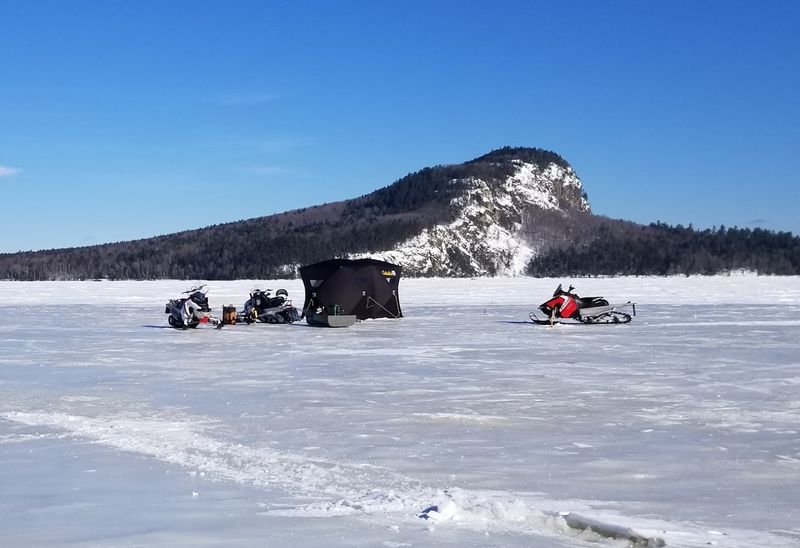
Ice fishing in winter is just as popular as open-water fishing in summer.
When the lake freezes over, anglers set up tip-ups and small shelters across the ice, targeting lake trout and salmon in the frigid water below. It is a tradition that has been part of this region’s culture for well over a century.
Spring and fall tend to offer the most productive fishing windows, especially for landlocked salmon that move into shallower water during cooler months. Local outfitters in Greenville can set you up with guided trips, gear rentals, and solid advice on where the fish are biting on any given day.
Moose Sightings In The Wild
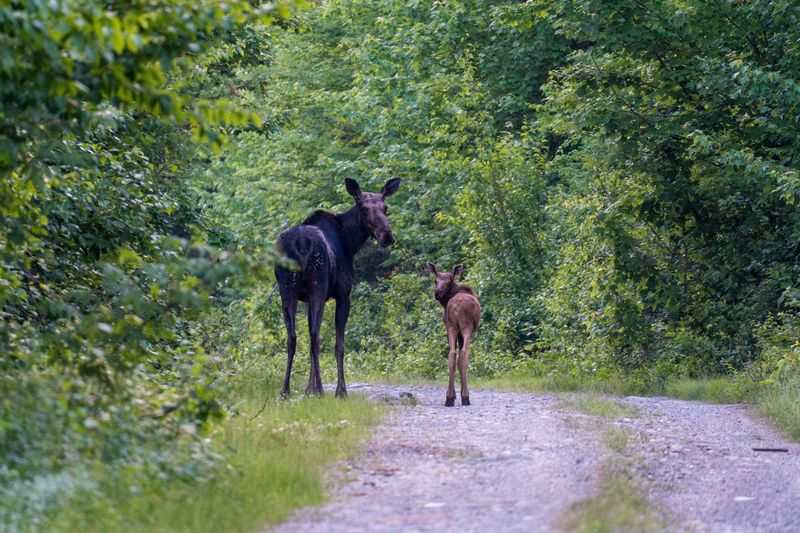
The lake did not get its name by accident. Moose are a genuine part of the Moosehead Lake experience, and spotting one in the wild here is surprisingly achievable compared to many other destinations.
The surrounding boreal forest, wetlands, and boggy shorelines create ideal habitat for moose, which are most active during early morning and evening hours.
Shirley Bog, located near the lake region, is one of the most reliable spots for moose watching in all of Maine. Driving the back roads around the lake at dusk, especially in spring and early summer, gives you a solid chance of seeing one wading in shallow water or standing at the forest edge.
Moose are enormous up close, and the first time you see one in person, the size alone is genuinely surprising.
Black bears also live in this region, so hiking with awareness is always a good idea. The wildlife density around Moosehead Lake is part of what makes the area feel so authentically wild rather than like a polished tourist attraction.
The Historic Katahdin Steamship
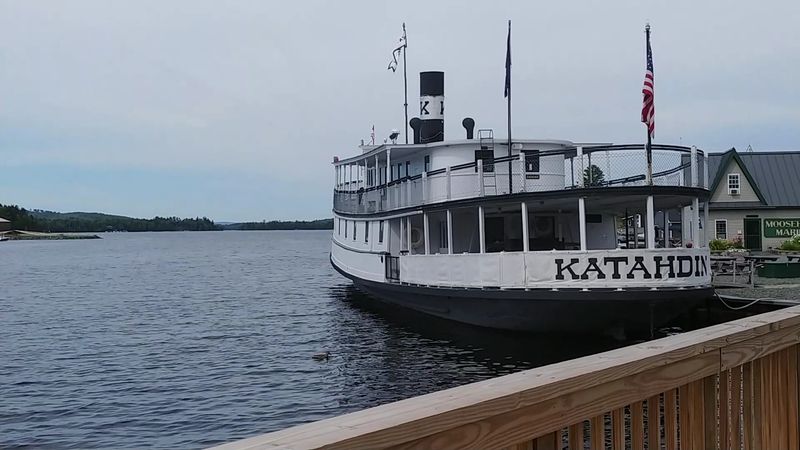
Few things capture the history and romance of Moosehead Lake quite like the Katahdin, a beautifully restored historic vessel built in 1914 that now carries passengers across these waters.
Originally built to transport passengers and freight during the region’s logging boom, the Katahdin is now operated as a floating museum and tour boat by the Moosehead Marine Museum in Greenville, Maine.
Boarding the Katahdin feels like stepping into a different era. The wooden decks, the rumble of the engine, and the slow pace of the cruise all create a mood that modern speedboats simply cannot match.
Guided tours run to Sugar Island and back, typically lasting around three hours, and the views from the water are spectacular in every direction.
The Katahdin is a living piece of Maine’s logging and transportation history, and the stories shared on board during tours add real depth to the experience. Bringing sunscreen and a light jacket is a smart move, since the breeze on open water can be cooler than it looks from shore.
Seaplanes Above The Water
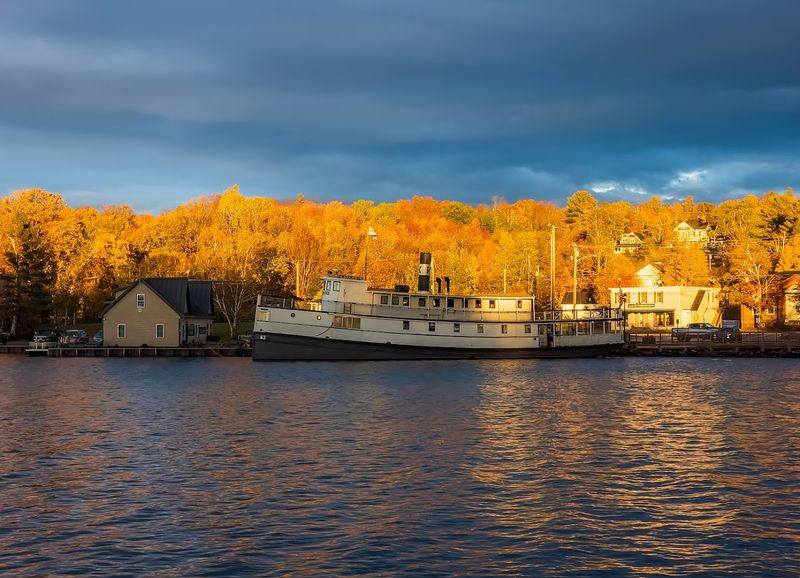
Watching a seaplane taxi across the water and lift off from Moosehead Lake is one of those unexpected moments that somehow makes the whole trip feel more adventurous.
Greenville is home to a long-running commercial seaplane operation, and the sight of small aircraft landing and departing from the lake is a regular part of daily life here during the warmer months.
Currier’s Flying Service has operated on Moosehead Lake for decades, offering scenic flights and charter services that take passengers over the lake and surrounding wilderness from a perspective that ground-level visitors simply cannot access.
Seeing the full scale of the lake from the air, with all its islands and inlets spread out below, puts the size of this place into immediate perspective.
Even if flying is not on your agenda, sitting near the waterfront in Greenville and watching the seaplanes come and go is genuinely entertaining. It adds a quirky, old-fashioned charm to the town that feels completely unique to this corner of Maine.
Stargazing In True Darkness
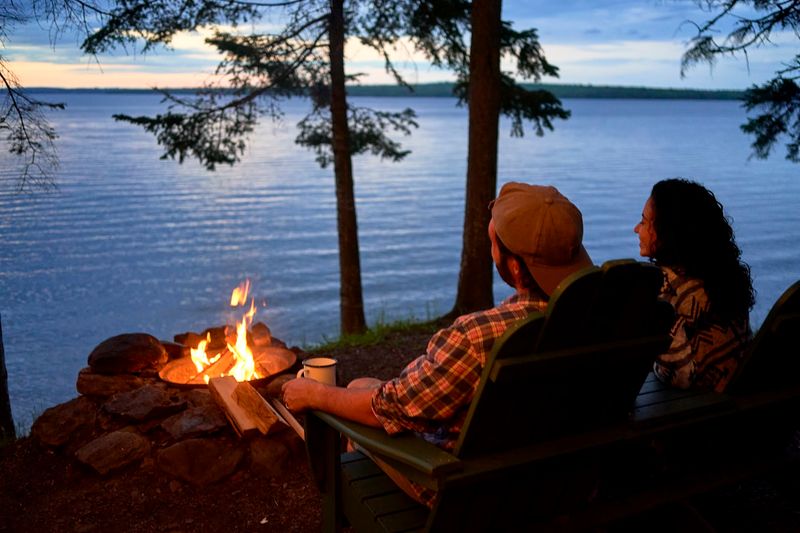
Northern Maine is one of the darkest places in the entire eastern United States when it comes to light pollution, and Moosehead Lake sits right in the middle of that darkness. On a clear night away from town, the sky above the lake is absolutely packed with stars.
The Milky Way stretches across the entire sky in a wide, visible band that most people raised near cities have genuinely never seen with their own eyes.
Camping on the lakeshore and waking up to that sky in the middle of the night is a quiet, almost overwhelming experience.
The reflection of stars on still water doubles the effect in a way that photographs struggle to fully capture. Late summer nights offer some of the clearest views, especially after the humidity of July begins to ease.
Bringing a simple star map app on your phone can help identify constellations and planets, but honestly, sometimes just lying back and staring upward without any agenda is the best possible use of a night at Moosehead Lake.
Mt. Kineo And The Ferry Crossing
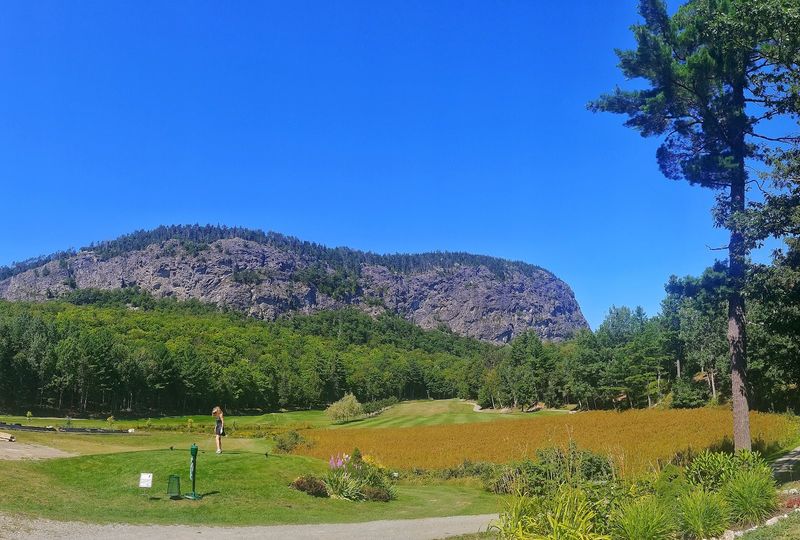
Rising dramatically from a peninsula extending into Moosehead Lake, Mount Kineo is one of the most striking natural landmarks in all of Maine.
The mountain sits on a peninsula that juts into the lake near Rockwood, and reaching it requires a short ferry ride that runs from the Rockwood town landing during the summer season. That ferry crossing alone feels like a small adventure.
Once on the Kineo peninsula, hikers can follow trails to the summit, where a fire tower offers sweeping views over the lake and surrounding mountains.
The cliffs on the eastern face of Kineo drop more than 700 feet toward the water and are made from a type of rhyolite that Native American tribes used for tool-making thousands of years ago. The geological history here is as impressive as the scenery.
The hike to the top is moderately challenging and takes about two hours round trip, making it accessible for most visitors in reasonable shape. The view from that fire tower, looking out over Moosehead Lake in every direction, is worth every step of the climb.
Fall Foliage Around The Shoreline
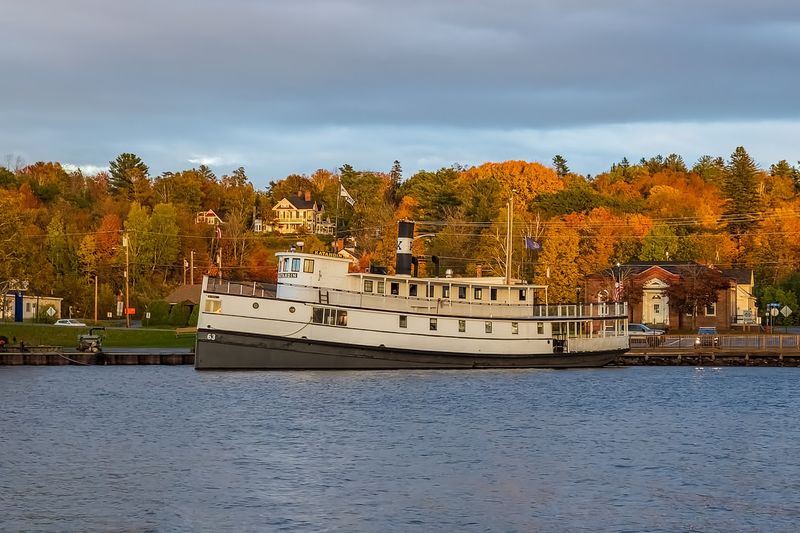
If you think Moosehead Lake looks beautiful in summer, wait until fall arrives. The forests surrounding the lake are a mix of maples, birches, aspens, and conifers, and when the temperatures drop in late September and early October, the whole landscape ignites in shades of red, orange, gold, and yellow.
The reflections of those colors in the clear water of the lake create a scene that feels almost surreal. Fall is also one of the quieter times to visit, since the summer crowds have thinned out considerably by late September.
Kayaking along the shoreline during peak foliage season means having those mirror-like reflections practically to yourself on many mornings. The crisp air carries the smell of fallen leaves and pine, and the light has that low golden quality that makes every photograph look like it was taken by a professional.
Renting a cabin on the shore during foliage season and spending mornings paddling and afternoons hiking is a rhythm that is very hard to improve upon. It is the kind of trip that resets something in you that you did not realize needed resetting.