
This Picture-Perfect Seaside Town In Florida Is Where Life Still Moves At A Slower Pace
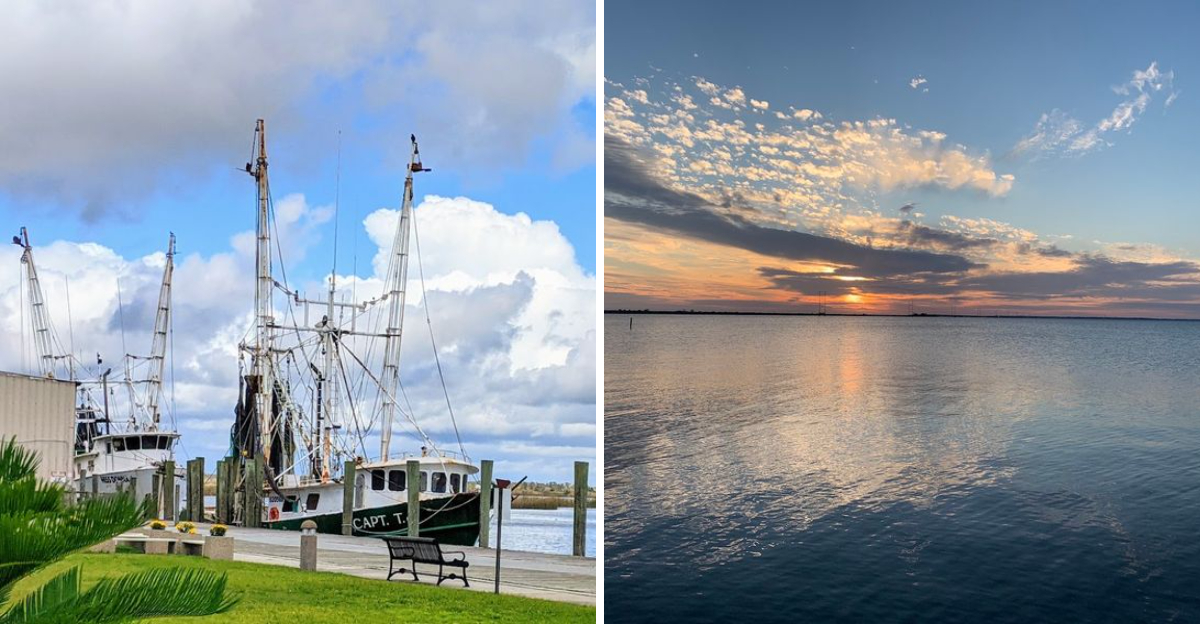
Some Florida towns make you want to fill your itinerary.
This one makes you forget you ever had one.
That is the magic of Florida’s Forgotten Coast.
Instead of crowded boardwalks, towering resorts, and packed beaches, you find quiet streets where life still moves at its own pace. The waterfront feels unhurried.
The seafood comes straight from the bay. Even an ordinary afternoon somehow lasts a little longer than you expected.
That is what makes this place so different.
Florida is filled with destinations that promise excitement from sunrise to sunset. This one offers something far rarer.
It reminds you how enjoyable it can be to slow down, wander without a plan, and let the day unfold on its own.
The best moments are often the simplest.
Watching fishing boats drift across the water. Browsing small local shops.
Sitting down for oysters harvested just a short distance away while the breeze rolls in from the bay.
Some Florida towns ask you to see as much as possible.
This one quietly convinces you to do less, stay longer, and enjoy every minute of it.
Apalachicola Is One Of Florida’s Oldest And Most Historic Port Towns
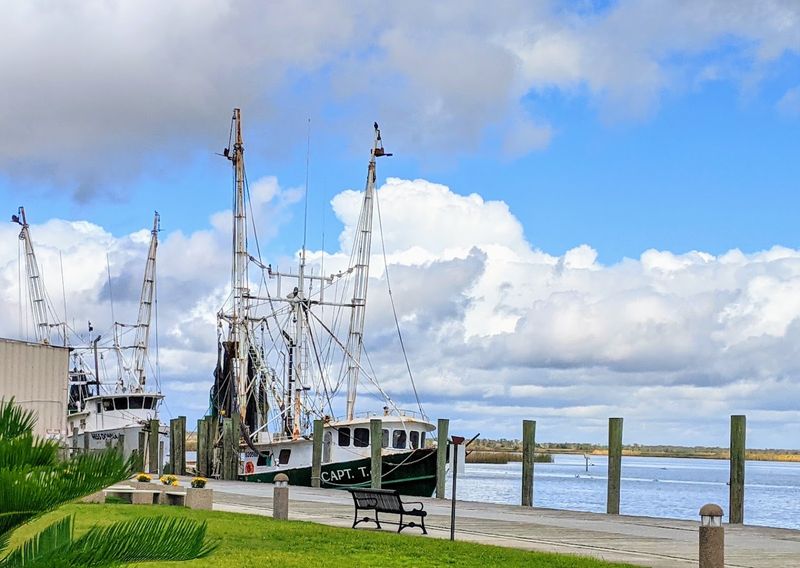
Long before Florida became famous for theme parks and beachside resorts, Apalachicola was already making its mark on the map.
Founded in the early 1800s, this small port city quickly grew into one of the most important cotton-shipping hubs in the entire American South, ranking third in the nation at its peak.
Merchants, sailors, and traders moved through its docks with impressive regularity, and the wealth they generated helped build many of the beautiful historic structures that still stand today.
Walking through downtown Apalachicola feels like flipping through a living history book, with buildings dating back to the 1830s lining the streets in remarkable condition.
The Raney House, the Trinity Episcopal Church, and dozens of other preserved landmarks tell the story of a city that punched far above its weight for most of the 19th century.
History lovers will find every corner of this town rewarding, and the local pride in preserving that past is genuinely contagious.
The Town Sits On The Edge Of Apalachicola Bay, A World-Class Estuary
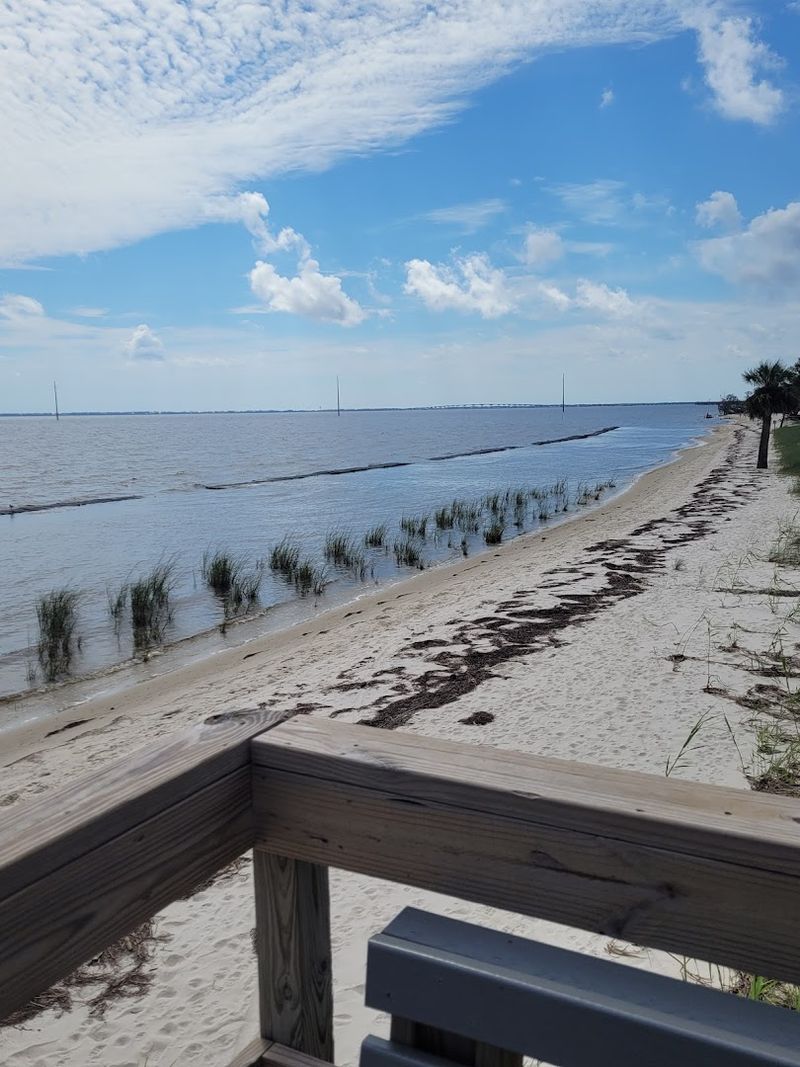
Sitting right at the edge of Apalachicola Bay, the town enjoys one of the most ecologically rich backdrops in the entire southeastern United States.
The bay itself is an inlet of the Gulf of Mexico, fed by the Apalachicola River, and the combination creates an estuary system so productive that scientists and seafood lovers alike treat it with near-reverent respect.
I remember standing at the waterfront early one morning and watching the mist rise off the bay while pelicans cruised low overhead, completely unbothered by anything happening on shore.
The nutrient-rich waters support an extraordinary range of marine life, from blue crabs and shrimp to spotted seatrout and redfish, making the bay a paradise for both commercial fishermen and recreational anglers.
The surrounding marshlands also act as a critical nursery for juvenile fish species, which keeps the entire ecosystem balanced and thriving year after year.
Few places in Florida offer this kind of intimate connection between a town and the natural world right outside its door.
Apalachicola Oysters Are Legendary And Have Fed The Nation For Generations
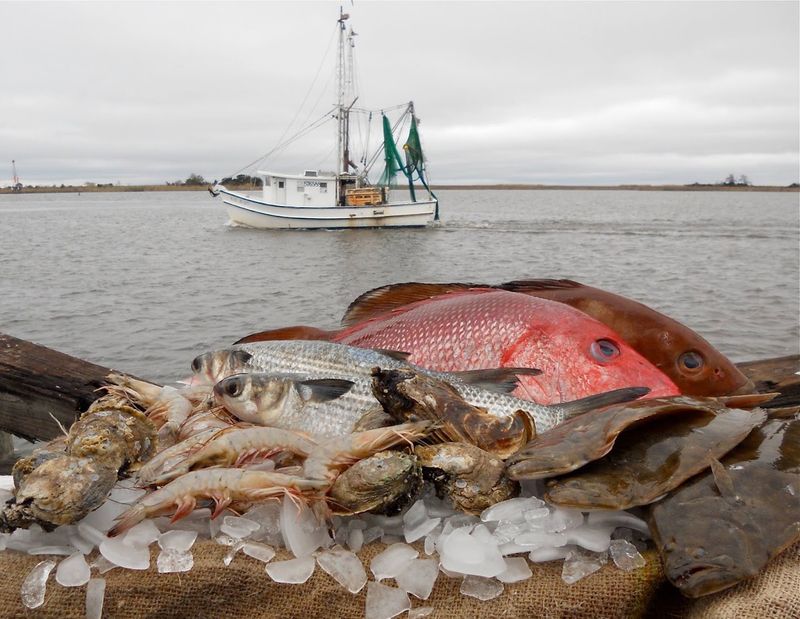
Ask any serious seafood person about Apalachicola and the first word out of their mouth will almost certainly be oysters.
For well over a century, this small town supplied nearly 90 percent of Florida’s oyster harvest and a significant portion of the entire eastern United States market, a staggering output for a community of just a few thousand people.
The secret lies in the bay’s unique water chemistry, where the freshwater flowing down the Apalachicola River meets Gulf saltwater in a ratio that produces oysters with a distinctly clean, briny, and slightly sweet flavor.
I tried my first Apalachicola oyster at a no-frills waterfront spot and immediately understood why people drive hours just to eat them here.
The local oyster industry has faced challenges in recent years due to environmental pressures and upstream water management issues, but dedicated oystermen and conservation groups are working hard to restore the harvest.
Supporting local seafood restaurants here feels less like dining out and more like participating in a living cultural tradition.
The Pace Of Life Here Is Genuinely, Refreshingly Slow
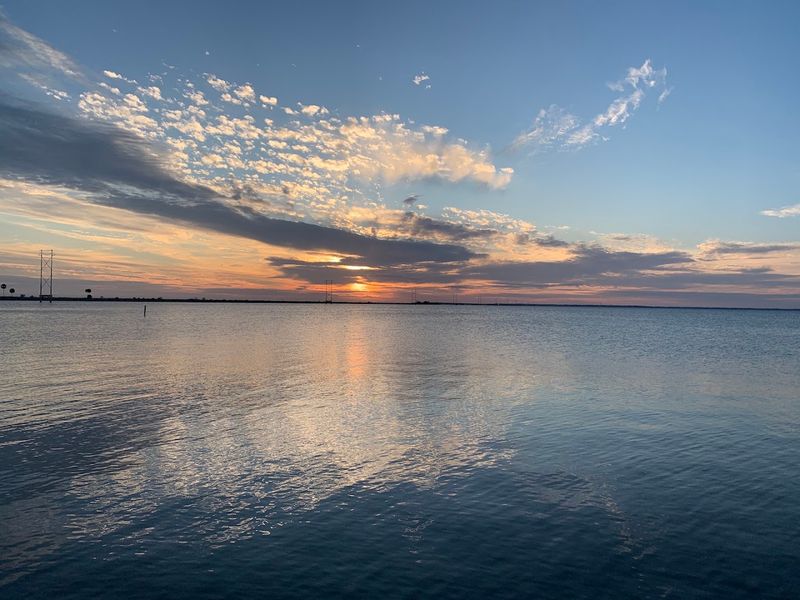
There is a moment that happens to almost every visitor in Apalachicola, usually sometime on the first afternoon, when they realize they have nowhere to rush and somehow feel completely fine about it.
The town operates on its own gentle rhythm, one that does not bend to urgency or hustle, and the locals seem to have fully embraced this as a feature rather than a flaw.
Shops open a little later than you might expect, conversations with strangers last longer than planned, and nobody seems particularly concerned about the time.
I spent an entire afternoon sitting on a bench near the waterfront, watching boats drift past and listening to the sound of wind moving through the live oaks, and I did not feel the slightest urge to check my phone.
For anyone who has spent too long in fast-paced city life, Apalachicola offers something that is genuinely hard to find: a place where slowing down feels completely natural.
The town does not try to entertain you every minute, and that restraint is exactly what makes it so restorative.
Downtown Is Filled With Independent Shops, Galleries, And Cozy Cafes

Forget chain stores and cookie-cutter shopping centers because downtown Apalachicola runs entirely on local character.
The main streets are lined with independently owned boutiques, antique shops, art galleries, and small cafes, each one reflecting the personality of the person behind the counter rather than a corporate brand manual.
I wandered into a gallery on Commerce Street that showcased work by local artists inspired by the bay, the marshes, and the fishing life, and I ended up staying far longer than I planned simply because the pieces were so quietly beautiful.
The cafe culture here leans toward the relaxed side, with mismatched furniture, strong coffee, and the kind of staff who actually seem happy to see you walk in.
Shopping in Apalachicola feels more like discovery than retail, since you never quite know what you will find tucked inside a weathered storefront that looked ordinary from the outside.
Bringing home something handmade or locally created feels like carrying a small piece of the town’s spirit back with you.
The Architecture Tells A Story That Spans Nearly Two Centuries
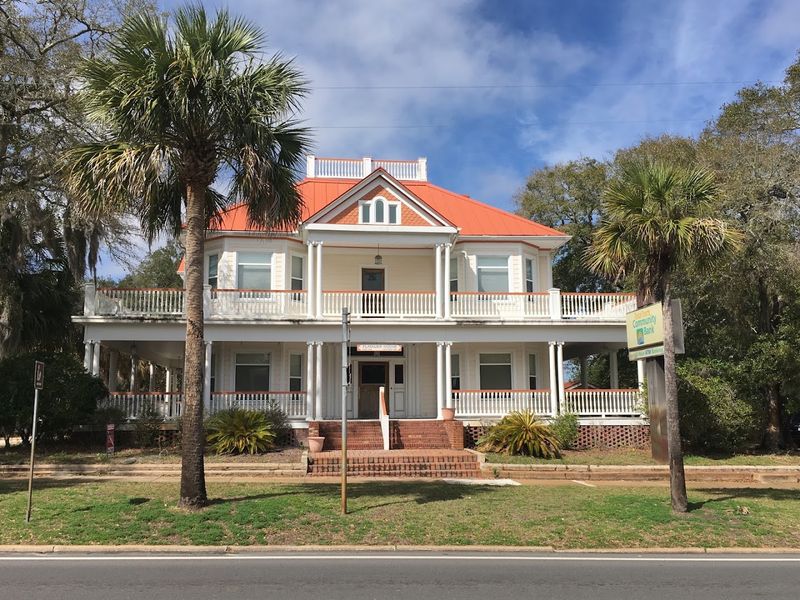
One of the most quietly impressive things about Apalachicola is how much of its original architecture has survived, almost as if the town decided to simply hold onto its past rather than tear it down for something newer.
The historic district contains more than 200 buildings listed on the National Register of Historic Places, ranging from Greek Revival mansions and Victorian cottages to simple vernacular structures that reflect the working-class roots of a port community.
Walking along Avenue E or Sixth Street feels like stepping through different chapters of the same long story, with each building offering a visual clue about who lived there and what they valued.
I found myself stopping constantly to look at porch details, window moldings, and the way old gardens had grown around iron fences with a kind of beautiful stubbornness.
The preservation effort here is not just about keeping old buildings standing but about maintaining the human scale and texture of a town that has never lost its sense of place.
Few Florida cities can claim this kind of architectural continuity, and Apalachicola wears it with understated pride.
Nature And Wildlife Surround The Town On Every Side
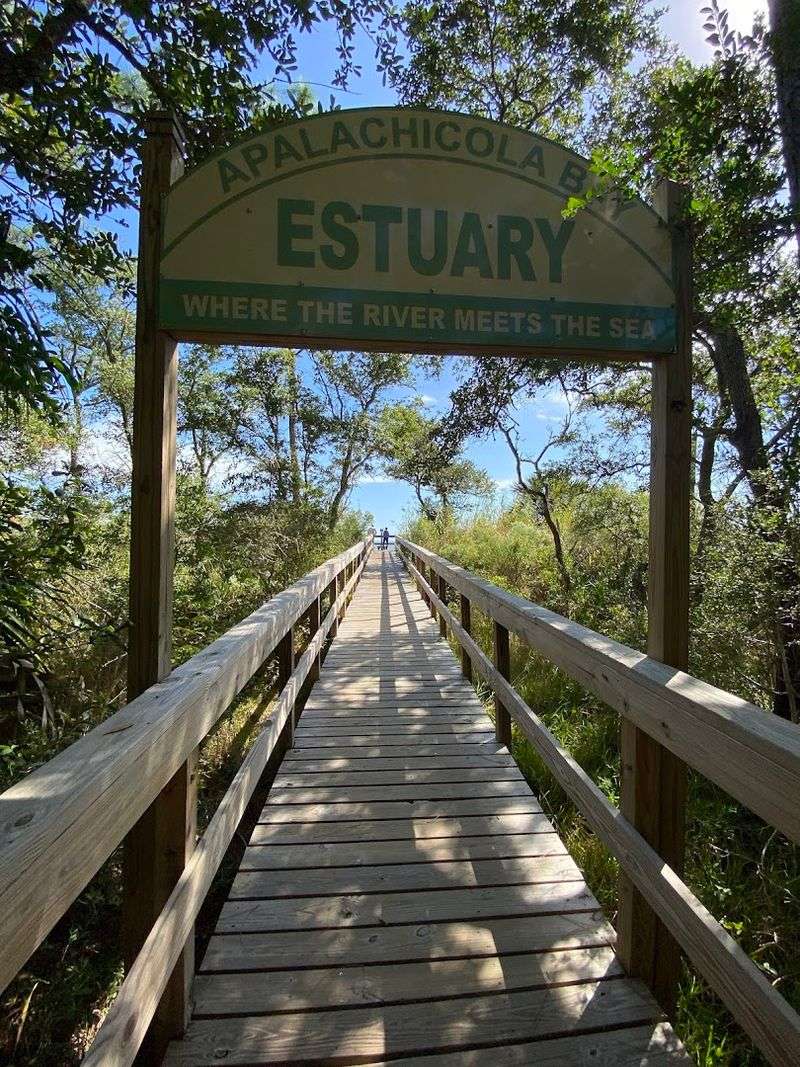
Sitting at the edge of one of the most biodiverse coastal ecosystems in North America, Apalachicola is essentially surrounded by wild, breathing nature in every direction.
The Apalachicola National Estuarine Research Reserve protects more than 246,000 acres of estuary habitat, making it one of the largest protected estuaries in the country and a critical refuge for countless plant and animal species.
During my visit, I spotted great blue herons, roseate spoonbills, osprey, and a family of river otters all within a single morning kayak trip along the bay’s edge.
The nearby St. George Island State Park, just a short drive across the bridge, adds miles of undeveloped barrier island beach and dune habitat to the natural experience.
Birders, kayakers, paddleboarders, and nature photographers all find Apalachicola genuinely rewarding because the wildlife here is abundant, close, and largely undisturbed by heavy tourist traffic.
Spending time in this landscape has a way of recalibrating your sense of what a truly healthy natural environment looks and sounds like.
The Local Seafood Scene Goes Far Beyond Oysters
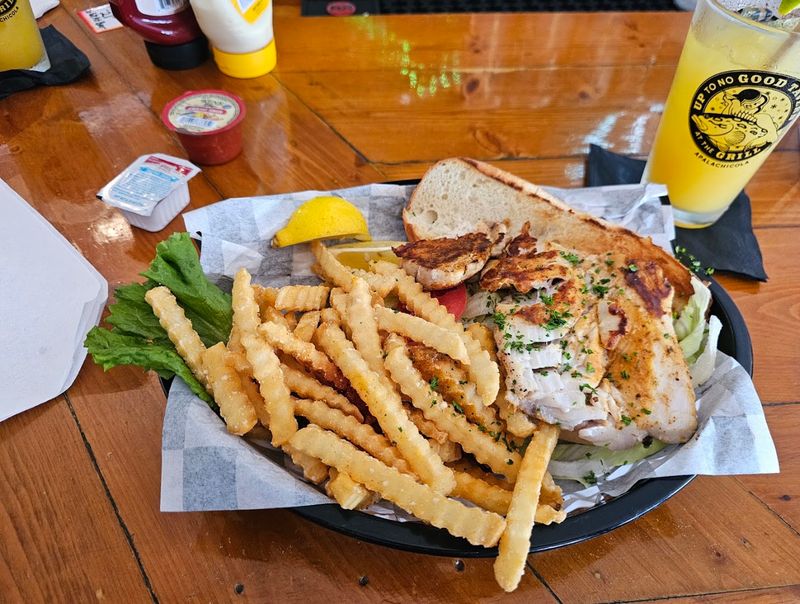
Oysters rightfully get most of the attention, but Apalachicola’s seafood scene is rich enough to keep any food lover busy for days without ever repeating a meal.
Gulf shrimp pulled fresh from local waters are sweet and tender in a way that grocery store shrimp simply cannot replicate, and the local crab, grouper, and flounder are treated with the same straightforward, honest preparation that lets the quality of the catch speak for itself.
I had a bowl of shrimp and grits at a small restaurant near the water that made me genuinely reconsider my feelings about grits, which previously had been neutral at best.
Several restaurants in town source almost exclusively from local fishermen, so the menu changes based on what came in that morning rather than what a distributor decided to ship.
This connection between the dock and the dining table gives every meal in Apalachicola a freshness and authenticity that is increasingly rare in modern food culture.
Even a simple fish sandwich here tastes like someone actually cared about every step between the bay and your plate.
Apalachicola Has A Rich Connection To Medical History
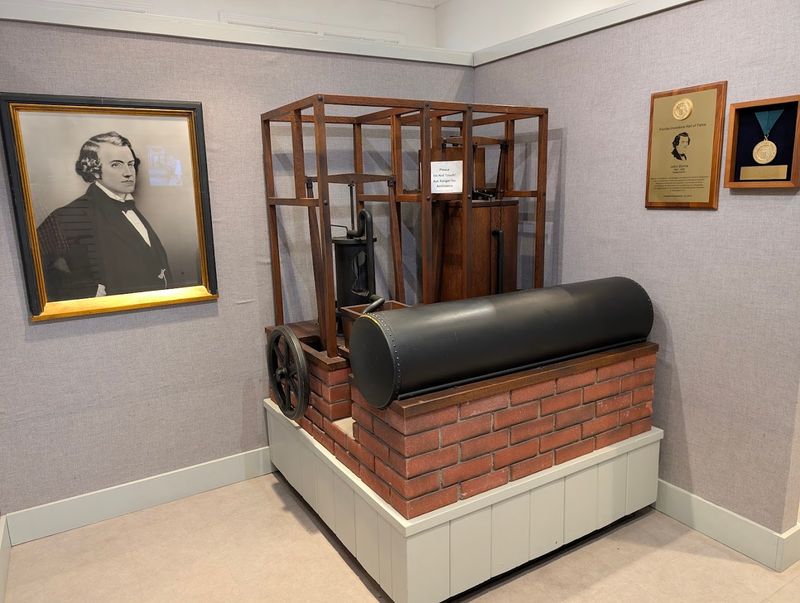
Not many small towns can claim to have changed the course of modern medicine, but Apalachicola has a legitimate case to make thanks to one remarkable local doctor.
Dr. John Gorrie, who practiced medicine here in the 1840s, became obsessed with finding a way to cool the air in hospital rooms to help patients suffering from fever-related illnesses, which were devastatingly common in the hot and humid Florida climate.
His experiments led him to develop a mechanical ice-making machine that is widely recognized as a foundational invention in the history of refrigeration and air conditioning technology.
The John Gorrie Museum State Park on Sixth Street in Apalachicola preserves a replica of his original machine along with exhibits detailing his life, work, and the long road to recognition his ideas eventually received.
I found the museum surprisingly absorbing for a small-town historical site, partly because the story is genuinely dramatic and partly because it is hard not to appreciate how much that one invention changed daily life worldwide.
Gorrie deserves far more fame than he typically receives, and Apalachicola is exactly the right place to finally give him his due.
Sunsets Over The Bay Are The Kind You Will Talk About For Years
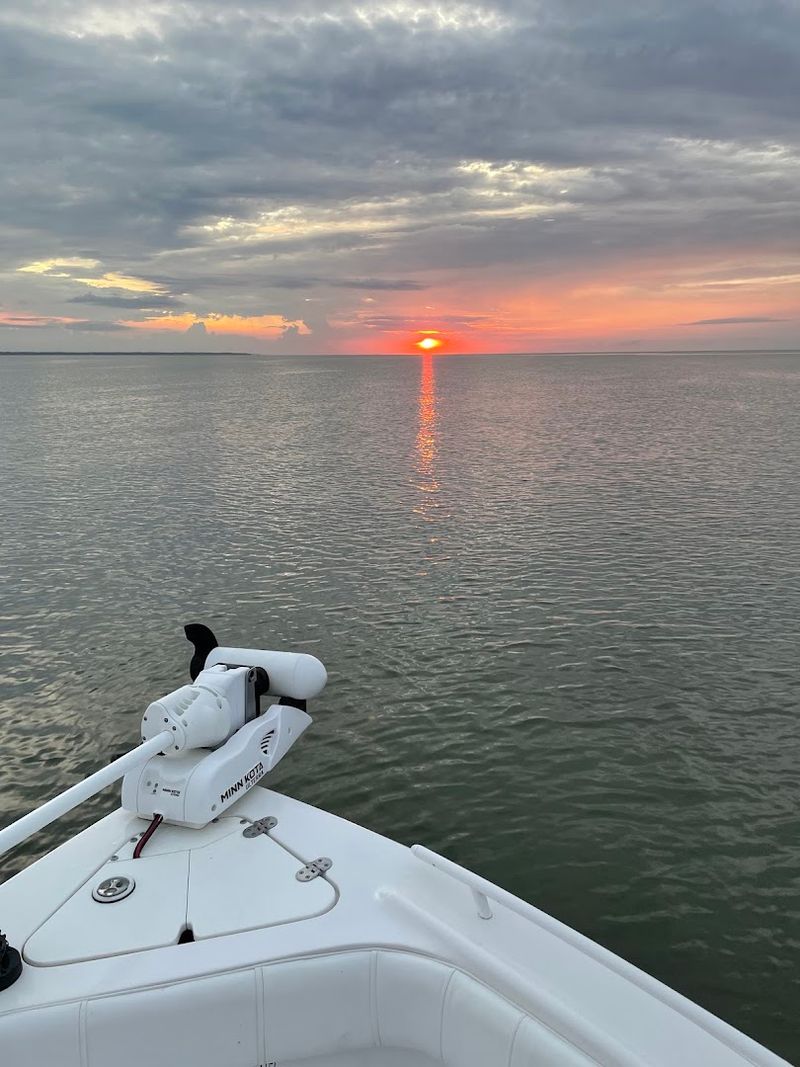
There is a specific quality to the light over Apalachicola Bay in the final hour before dark that I have genuinely struggled to describe to people who have not seen it for themselves.
The sky shifts through layers of orange, coral, rose, and deep purple in a sequence that feels almost choreographed, while the still water of the bay reflects every color back up in a way that doubles the visual impact.
I made it a personal rule during my stay to stop whatever I was doing each evening and find a spot along the waterfront to watch the sunset, and I kept that rule every single night.
Battery Park along the Apalachicola waterfront is one of the best viewing spots, offering an unobstructed western view across the bay with a gentle breeze that makes the whole experience feel almost effortlessly cinematic.
Locals and visitors tend to gather there quietly in the last light, which creates a shared, wordless appreciation for something beautiful that nobody had to organize or advertise.
Apalachicola sunsets are not just scenic backdrops but genuine reasons to visit, and they deliver every single evening without fail.