
This Postcard-Perfect Ohio Town Feels Almost Too Charming To Be Real
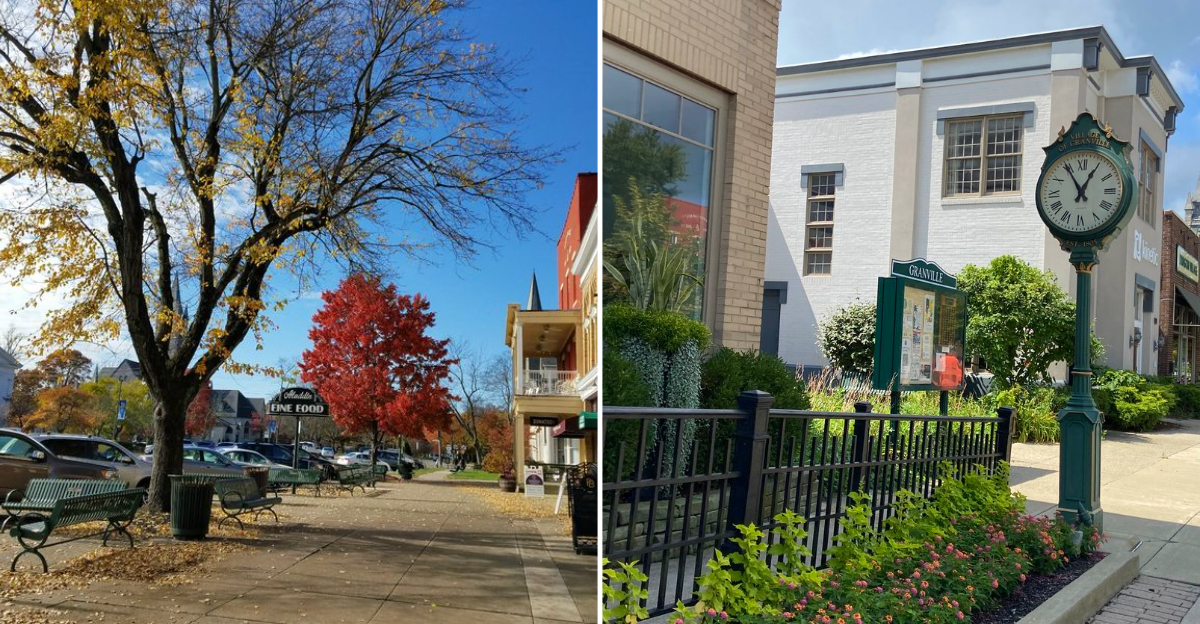
I stumbled upon Granville, completely by accident, while driving through central Ohio, and I had to pull over just to make sure I wasn’t imagining things.
This village, tucked into the rolling Welsh Hills about 35 miles east of Columbus, looks like someone plucked a New England town from the 1800s and dropped it right in the middle of the Midwest. The tree-lined streets, white-steepled churches, and brick sidewalks feel almost theatrical in their perfection.
With a population hovering around 6,000 residents, Granville maintains that small-town magic where shopkeepers know your name and neighbors still wave from their porches. I spent a long weekend exploring every corner of this place, and I’m convinced it might just be Ohio’s best-kept secret.
What makes this Ohio beauty so special isn’t just its picture-perfect appearance but the genuine warmth of the community and the fascinating layers of history hiding behind every perfectly preserved facade.
A New England Village Transplanted to the Midwest
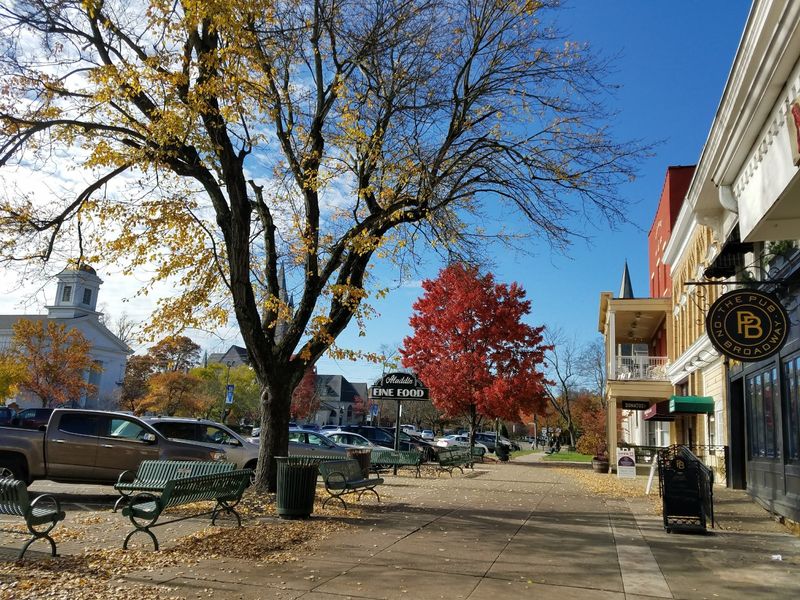
Walking down Broadway, the main street cutting through the heart of town, I kept doing double-takes at the architecture surrounding me. Colonial-style homes with black shutters stand shoulder-to-shoulder with Federal-period buildings that wouldn’t look out of place in Massachusetts or Connecticut.
The village was actually founded in 1805 by settlers from Granville, Massachusetts, who brought their architectural sensibilities with them across the Appalachians. They recreated their hometown so faithfully that even today, visitors often mistake the place for a New England village.
The commitment to historical preservation here borders on obsessive, and I mean that as the highest compliment. Property owners maintain strict architectural guidelines that keep modern intrusions to a minimum.
During my morning walks, I noticed how even the newer buildings respect the colonial aesthetic, blending seamlessly with structures that have stood for over two centuries.
The village green, complete with a classic white gazebo, serves as the town’s gathering place just as it did when the first settlers arrived.
The Welsh Hills Provide a Stunning Natural Backdrop
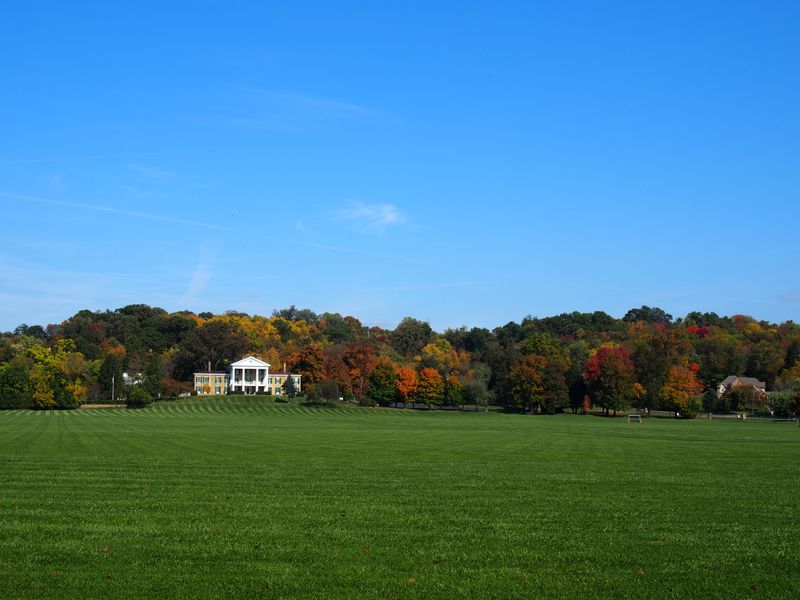
Most people don’t associate Ohio with dramatic topography, but the Welsh Hills surrounding this village proved me wonderfully wrong. These ancient, rounded hills create a landscape that feels both intimate and expansive at the same time.
I spent an afternoon hiking the trails that wind through the forests just outside town, where the elevation changes offered surprising vistas of farmland, woodlands, and the village nestled in the valley below. The hills earned their name from Welsh settlers who found the terrain reminiscent of their homeland.
During autumn, which is when I recommend visiting if you can manage it, the hillsides explode in colors that rival anything New England has to offer. Maples, oaks, and hickories create a patchwork of reds, oranges, and golds that photographers dream about.
Even in other seasons, the rolling terrain gives the area a distinctive character that sets it apart from the flatter farmland dominating much of central Ohio.
Denison University Adds Intellectual Energy
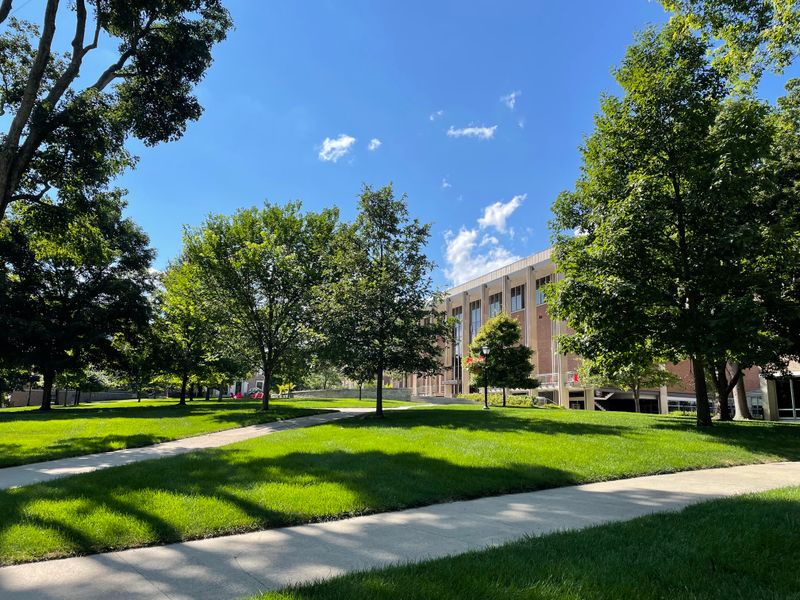
Perched on a hill overlooking the village sits Denison University, a prestigious liberal arts college that has called this place home since 1831. The relationship between town and gown here feels remarkably harmonious, without the tension you sometimes find in college communities.
I wandered through the beautiful campus, where red-brick academic buildings mix with modern facilities, all connected by pathways that offer spectacular views of the surrounding countryside. The university brings a youthful energy and cultural programming that a village this size wouldn’t otherwise support.
Throughout the year, Denison hosts concerts, lectures, theater productions, and art exhibitions that are open to the public. The students I chatted with seemed genuinely integrated into village life, working in local shops and volunteering with community organizations.
The college also maintains several nature preserves in the area, including the Biological Reserve, which provides hundreds of acres of protected woodland for research, education, and quiet contemplation.
Downtown Shopping That Feels Refreshingly Authentic
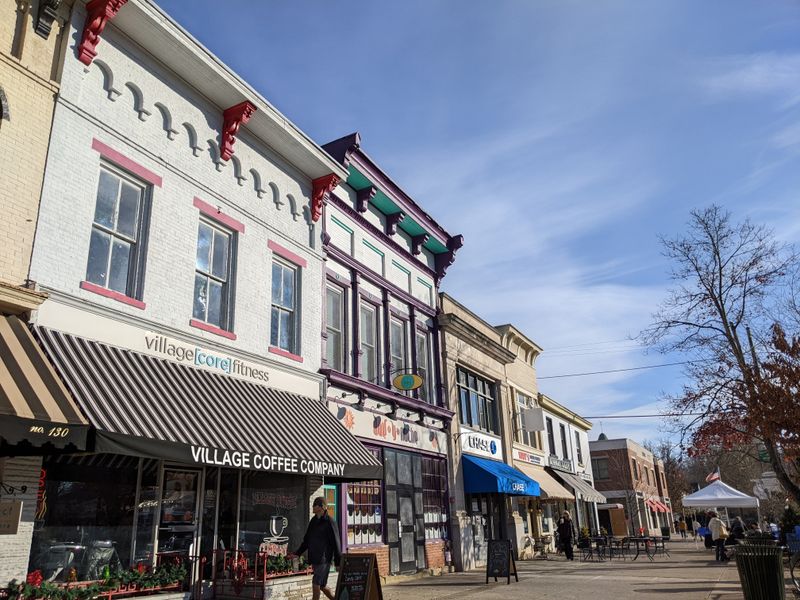
Forget the chain stores and corporate monotony you find in most American towns. Broadway and the surrounding streets offer independent shops that actually reflect the personality of their owners and the character of the community.
I spent hours browsing through bookstores, gift shops, and boutiques housed in historic buildings with creaky wooden floors and original tin ceilings. The shopkeepers weren’t just employees clocking hours but passionate owners who could tell you the story behind nearly every item they sold.
One store specializes in handmade crafts by Ohio artisans, another focuses on vintage home goods, and several offer specialty foods and gourmet treats.
The near-absence of national retailers in the historic core initially struck me as unusual, but I quickly realized it’s what gives the shopping district its distinctive charm.
Window shopping here feels like an actual leisure activity rather than a chore, with each storefront displaying carefully curated merchandise that invites you to slow down and really look.
Restaurants That Punch Above Their Weight

For a village of fewer than 6,000 people, the dining scene here impressed me far more than I expected. The restaurants range from casual cafes perfect for breakfast to upscale establishments serving thoughtfully prepared dinners.
I tried several spots during my visit, and what struck me most was the consistent quality and the emphasis on fresh, locally sourced ingredients. Several restaurant owners told me they work directly with farmers in the surrounding countryside to get seasonal produce and meats.
The casual eateries offer exactly what you want in a small town: generous portions, friendly service, and comfort food done right. Meanwhile, the fancier restaurants wouldn’t feel out of place in Columbus, with creative menus and carefully selected ingredients.
Many establishments occupy historic buildings with original architectural details, so you’re dining surrounded by exposed brick walls, wooden beams, and vintage fixtures. The outdoor patios, especially in warm weather, provide perfect spots for people-watching while you enjoy your meal.
The Granville Inn Anchors the Village
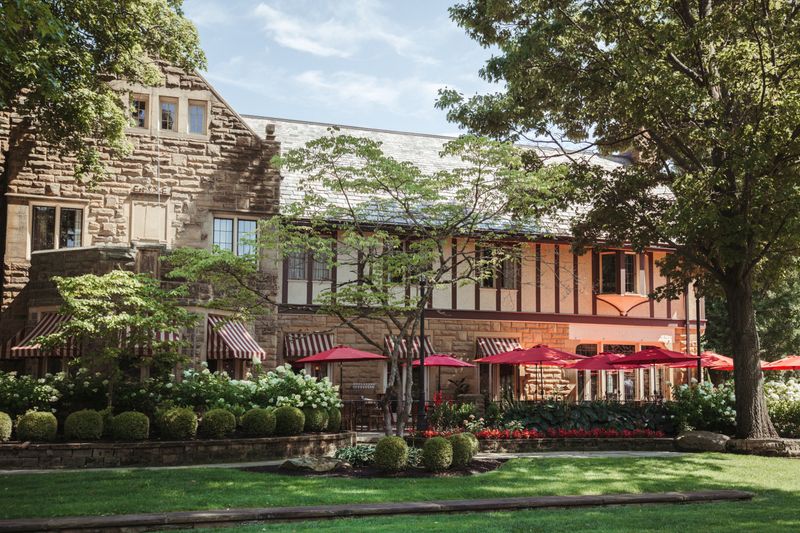
Standing at the corner of Broadway and Prospect, the Granville Inn commands attention with its stately Jacobethan Revival architecture and manicured grounds. Built in 1924, this landmark hotel has hosted countless visitors who came to experience small-town Ohio hospitality at its finest.
I didn’t stay overnight, but I did tour the property and enjoyed lunch in the dining room, where white tablecloths and period furnishings create an atmosphere of refined elegance.
The building itself is a masterpiece, with columns, symmetrical windows, and architectural details that speak to an earlier era of American craftsmanship.
The inn serves as a gathering place for both visitors and locals, hosting weddings, community events, and holiday celebrations throughout the year. Its presence reinforces the village’s commitment to preserving its historic character while providing modern comforts.
Walking the grounds, I appreciated how the landscaping complements the architecture, with formal gardens and mature trees that must have taken decades to reach their current grandeur.
Community Events That Bring Everyone Together
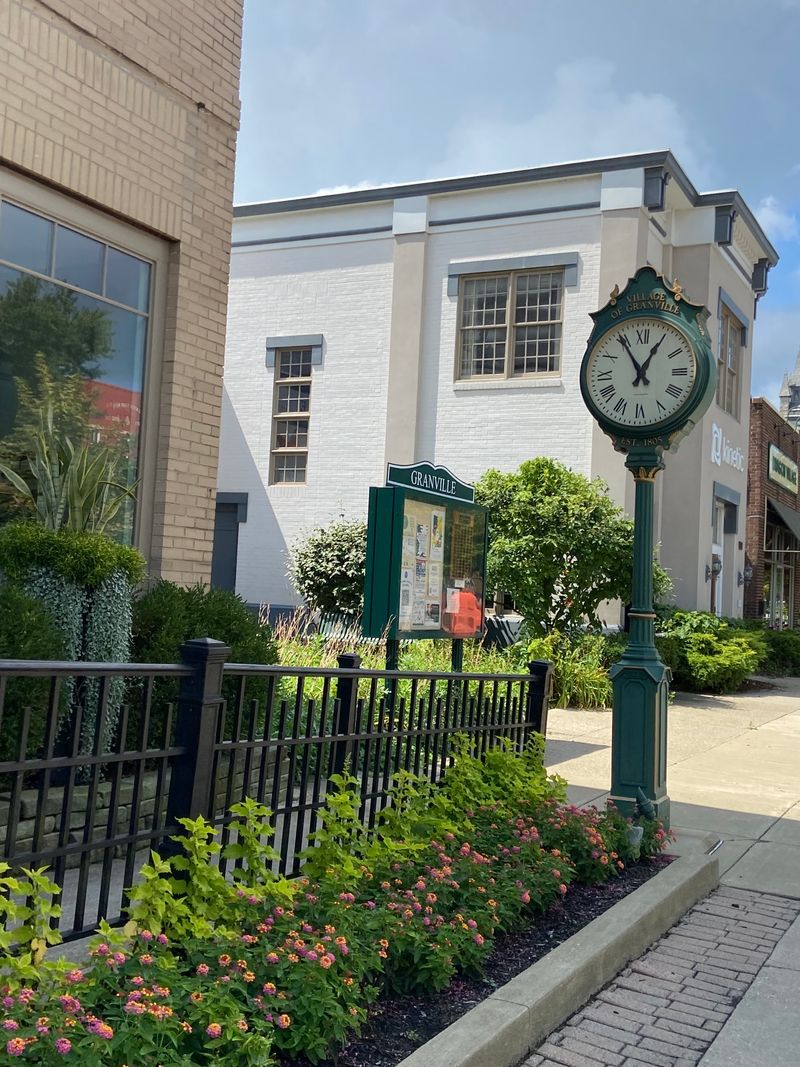
Small towns live by their community events, and this village clearly understands that principle. Throughout the year, the calendar fills with festivals, concerts, farmers markets, and celebrations that draw residents out of their homes and onto the streets.
The farmers market, held weekly during growing season, transforms a parking lot into a vibrant gathering place where locals catch up on news while purchasing fresh produce, baked goods, and handmade crafts.
I visited on a Saturday morning and found the atmosphere delightfully social, with more chatting than shopping happening.
The Fourth of July celebration apparently draws crowds from across Licking County, with a parade down Broadway followed by festivities on the village green. December brings holiday lights, caroling, and seasonal events that locals told me feel magical when snow blankets the historic buildings.
These gatherings aren’t just tourist attractions but genuine expressions of community spirit that happen whether visitors show up or not.
Living History in the Robbins Hunter Museum
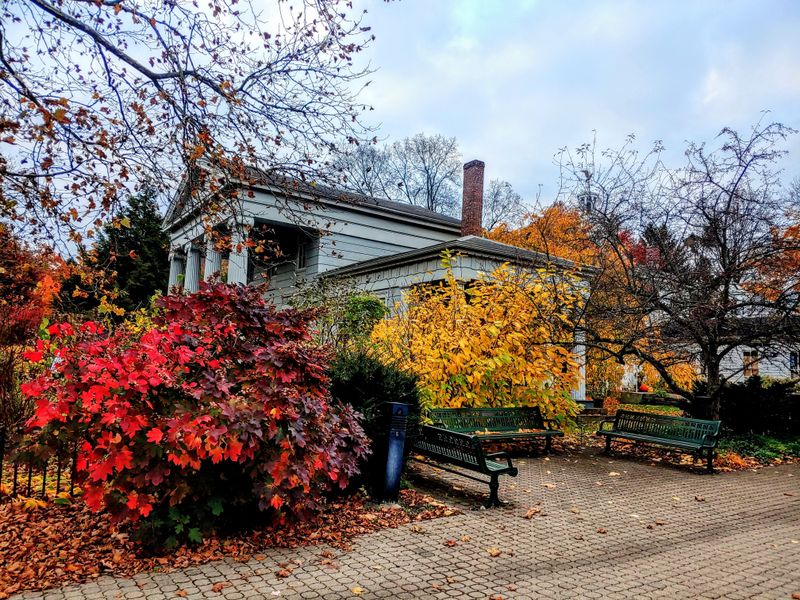
History buffs shouldn’t miss the Robbins Hunter Museum, housed in the Avery-Downer House, a gorgeous Greek Revival structure built in 1842. This local history museum offers a surprisingly comprehensive look at how the village evolved over two centuries.
I spent over an hour exploring the period rooms furnished with authentic pieces that illustrate how families lived in different eras. The docents, all volunteers with deep knowledge of local history, shared stories that brought the exhibits to life in ways that simple text panels never could.
The museum also maintains archives of photographs, documents, and artifacts that tell the story of the New England settlers who founded the community and the generations that followed.
Temporary exhibitions focus on specific aspects of village history, rotating throughout the year to keep regular visitors engaged.
Admission is free, though donations are encouraged, making it accessible to everyone interested in understanding what makes this place so special and how it has maintained its character through decades of change.