
This Preserved Arkansas Frontier Town Feels Like Time Just Stopped Over A Century Ago
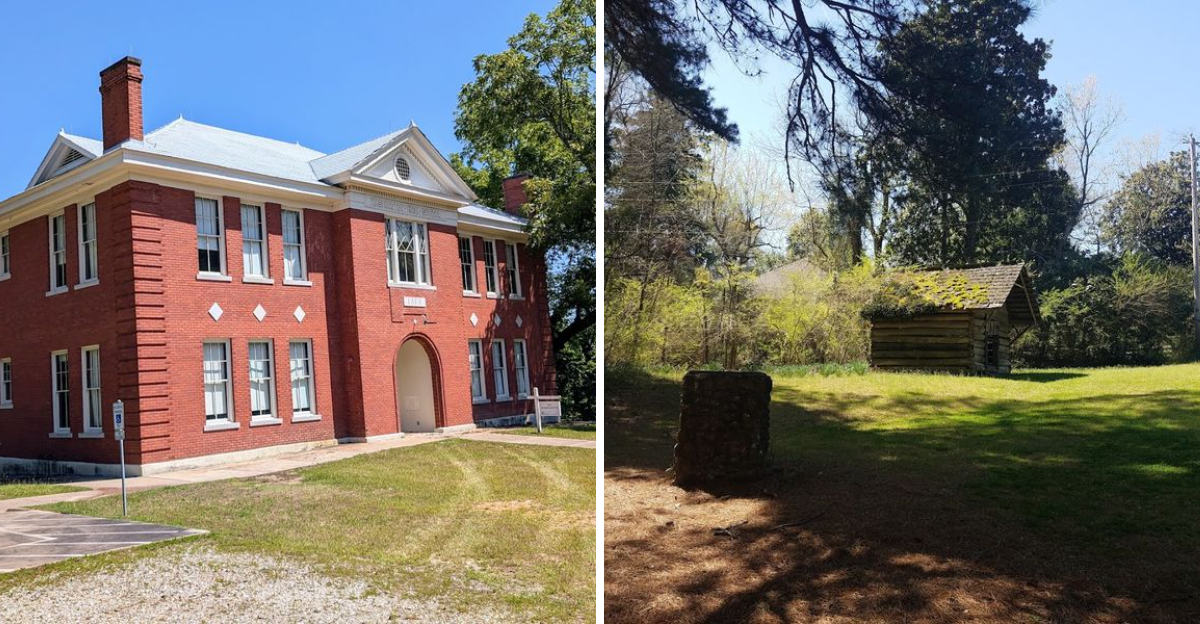
I have walked plenty of old streets, but this one in Arkansas stopped me mid-step. It feels immediate.
No buildup needed. The wooden storefronts look ready for business, like someone just stepped out for a minute.
You start noticing the quiet. Not empty quiet, but the kind that holds stories.
Traders once passed through here chasing deals, and fortune seekers kept moving west with hope and grit. A blacksmith shop on this street produced a blade that became part of American legend.
Just down the way, a courthouse carried the weight of a wartime government. That is not small history.
What makes it hit harder is how close it feels. The town feels unusually immediate, placing visitors close to the material world of the 19th century.
You walk through it, piece by piece, noticing textures, sounds, and details others might miss. If you have ever wondered what frontier life in the American South actually felt like, keep going.
This place answers that in full.
Early Trading Post Origins Along A Remote Western Corridor
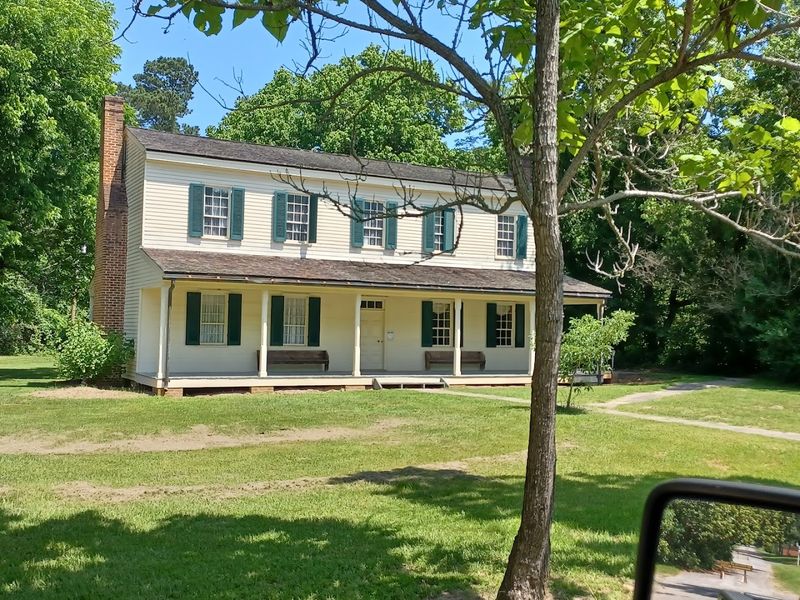
Long before anyone called it a state park, this place was just a crossroads where survival depended on who showed up with supplies and who needed them most.
Back in 1824, the town was platted along the Southwest Trail, which served as the main overland artery connecting St. Louis to the Red River port of Fulton and, eventually, to Texas.
Travelers loaded down with everything they owned would stop here to rest, resupply, and gather information about what lay ahead on the trail.
The trading post culture that grew up around this corridor was practical and gritty, driven by necessity rather than comfort, and the town’s layout still reflects that original purpose.
Merchants set up close to the trail so no passing wagon could miss them, and the resulting cluster of commerce became the economic heartbeat of the region.
Goods changed hands, news traveled, and deals were struck in buildings that still stand today.
I found myself standing at the center of what was once a genuinely vital frontier hub, and the weight of that history is palpable in every worn plank and hand-forged nail in Washington, Arkansas.
Wooden Boardwalks And Storefronts Frozen In A Nineteenth Century Moment
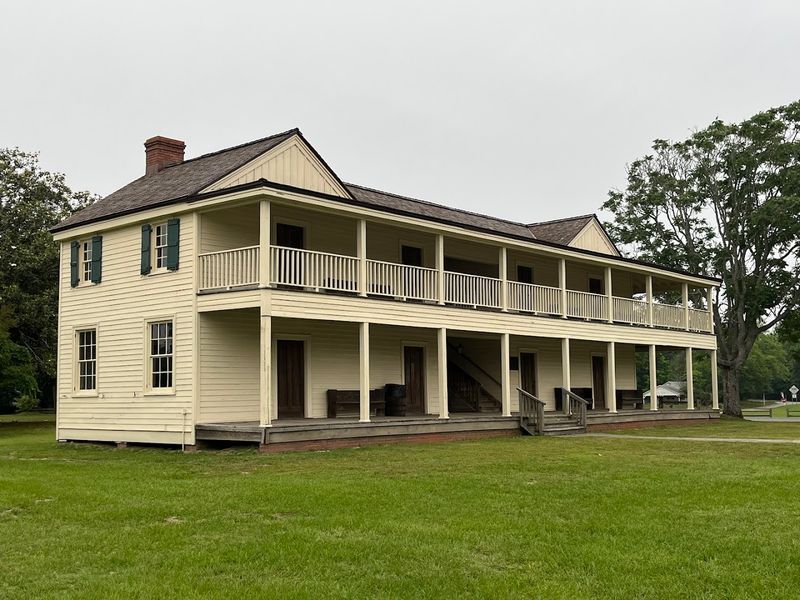
Stepping onto the wooden boardwalk here feels less like sightseeing and more like accidentally wandering onto a film set that nobody forgot to dismantle.
The storefronts lining the main area of Historic Washington State Park have been carefully restored to reflect their original nineteenth century appearance, and the effect is quietly stunning.
Hand-lettered signage, wide covered porches, and unpainted timber walls create a visual rhythm that pulls you forward, block by block, with genuine curiosity about what is around the next corner.
More than thirty historic structures have been preserved or restored within the park, representing architectural styles that range from Southern Greek Revival to Federal design, each one telling a slightly different story about who built it and why.
I noticed how the proportions of the buildings felt human-scaled in a way that modern construction rarely achieves, as if every doorway and window was sized for a specific person rather than a generic occupant.
The boardwalk itself creaks underfoot, which honestly adds to the experience rather than detracting from it.
Walking this stretch, I kept expecting to hear a horse-drawn cart rattle past and was almost surprised each time it did not.
Frontier Craftsmanship That Shaped Daily Life And Lasting Architecture
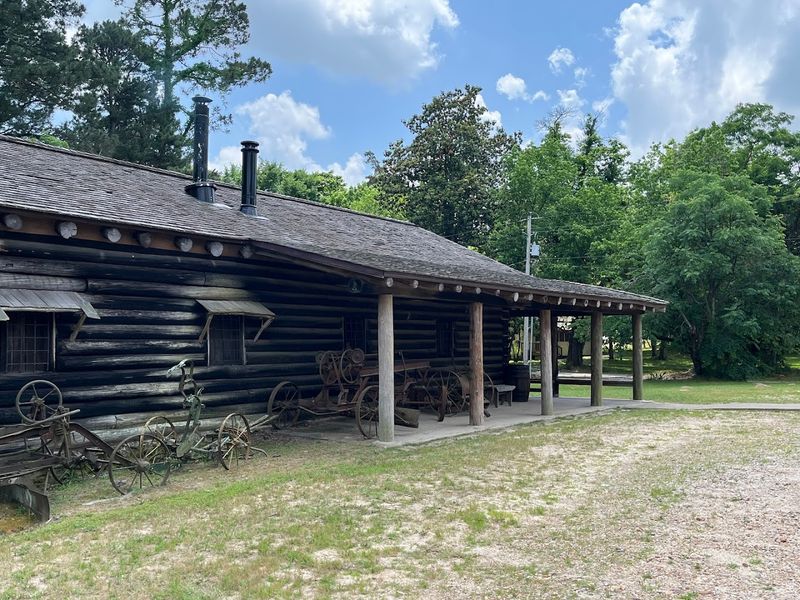
Not every frontier story is about glittering wealth, and Washington’s version of that era speaks more through steel than through coin.
Local blacksmith James Black is widely credited with forging the original Bowie knife here in the early 1830s, and that single creation became one of the most iconic symbols of the American frontier period.
The knife was not just a weapon but a multipurpose tool that pioneers, hunters, and settlers carried as part of daily survival, and its design reflected the practical demands of life in a rough and unpredictable landscape.
The demand for goods like this knife, along with saddles, wagon parts, and iron hardware, drove a boom in skilled trades that left a permanent mark on the town’s built environment.
Blacksmith shops, general stores, and craftsmen’s workshops were constructed with enough permanence to suggest that the people who built them intended to stay.
That intention is visible today in the sturdy bones of buildings that have outlasted the era that created them.
During a tour of the restored blacksmith shop, I felt moved by how much ambition and craft had been poured into such a small and remote place.
Stagecoach Routes And Dusty Trails That Once Carried Fortune Seekers
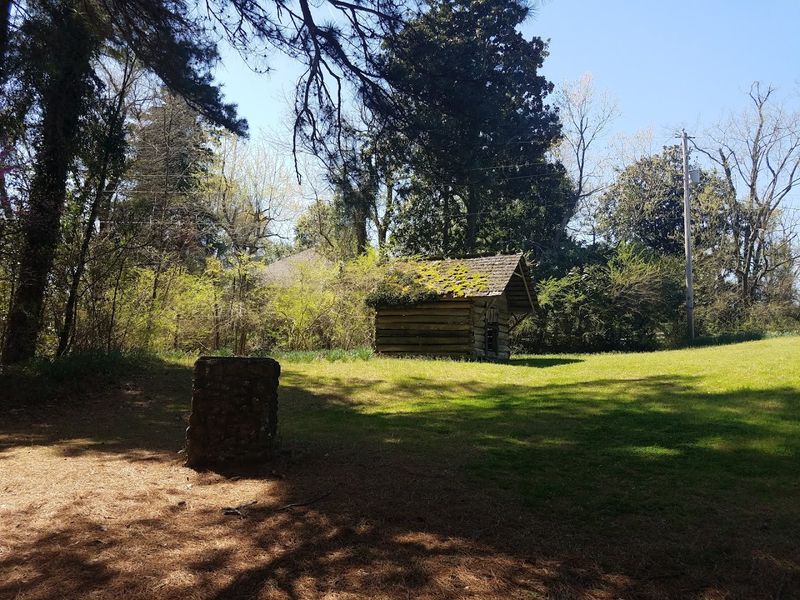
Standing on ground that once felt the weight of passing travelers creates a sense of connection that is hard to ignore.
Washington’s position on the Southwest Trail made it an important stop for travelers, trade, and communication moving through southwest Arkansas.
Fortune seekers heading to Texas, merchants moving goods between settlements, and government mail carriers all passed through here, each adding a thread to the town’s complicated social fabric.
The routes were not smooth or comfortable by any measure, with red clay roads turning to mud in the rain and dust clouds rising in dry weather to coat everything within reach.
Travelers arriving in Washington after days on the trail would have been hungry, tired, and eager for a decent meal and a roof overhead, which is exactly what the town’s taverns and inns provided.
Williams’ Tavern, a circa 1832 establishment, still operates today as a restaurant serving Southern country fare, making it one of the most tangible connections to that stagecoach era.
While eating there, I thought about all the road-worn travelers who had sat in almost exactly the same spot, grateful for something warm and real.
Faithful Preservation Of Weathered Saloons And Handbuilt Residences
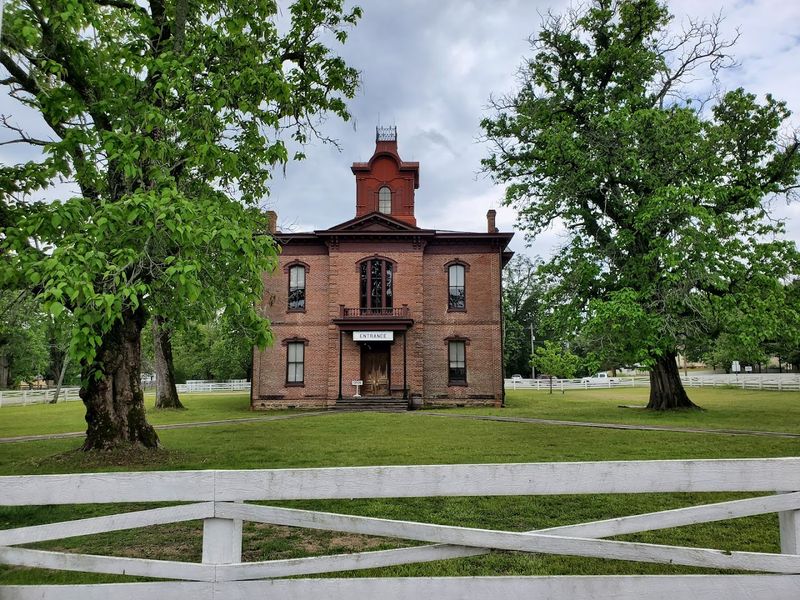
Preservation at this level does not happen by accident, and the care that has gone into maintaining Washington’s historic structures borders on devotion.
The park encompasses more than thirty restored buildings, including residences, commercial establishments, and public structures that together form one of the most complete surviving examples of an antebellum Arkansas town.
Many of the buildings were handbuilt by craftsmen using locally sourced materials and techniques passed down through apprenticeship rather than formal training.
The result is a collection of structures that feel genuinely organic, with slight variations in proportion and finish that no modern reproduction could convincingly replicate.
Inside the restored interiors, I noticed period-accurate furnishings, tools, and household items arranged in ways that suggest the original occupants had simply stepped out for a moment.
The attention to detail extended to things I did not expect to notice, like the texture of whitewashed walls and the particular heaviness of hand-forged door hardware.
Preservation here is not about freezing a single perfect moment but about honoring the full, messy, human reality of a town that was built by ordinary people doing extraordinary things under difficult conditions.
Seasonal Festivals That Recreate Frontier Customs And Community Spirit
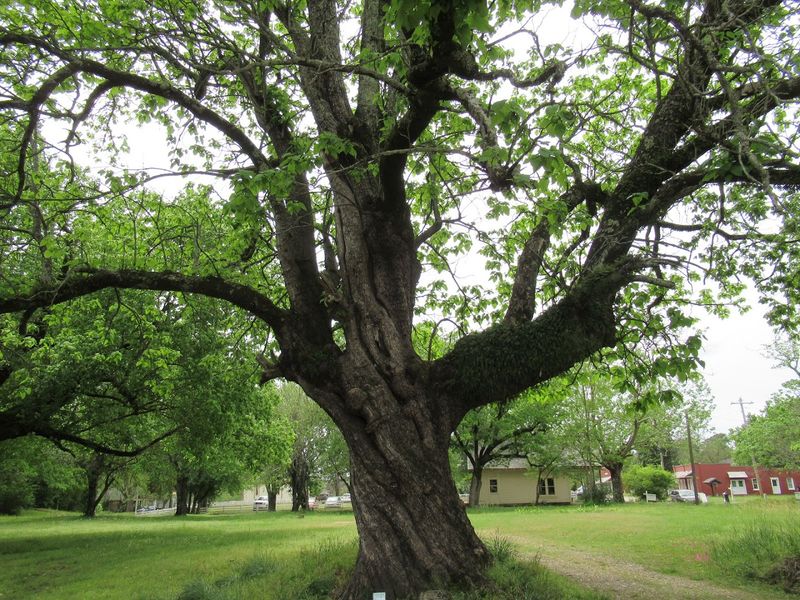
Each year brings a noticeable shift in energy around Historic Washington State Park, as the town transforms from a quiet historic site into a lively frontier setting for a few days.
The annual Frontier Days event immerses visitors in the early settlement period of the 1820s and 1830s, with guided tours, craft demonstrations, and reenactors who take their roles seriously enough to make the whole experience feel genuinely transporting.
Frontier Days is an annual event, and the current official listing shows it scheduled for September 18 and 19, 2026.
During one visit on a warm Saturday, the smell of woodsmoke drifted across the grounds and the sound of period music floated out from under a canvas tent near the tavern.
Children in period clothing chased each other between the buildings while adults watched blacksmithing demonstrations and asked questions that the costumed interpreters answered with obvious enthusiasm and deep knowledge.
The festival is not just entertainment but a form of community memory, a way of keeping alive the customs and daily rhythms of people who lived here two centuries ago.
Festivals like this remind me why living history matters more than any textbook ever could.
Rolling Hills And Quiet Landscapes That Shield The Past From Modern Change
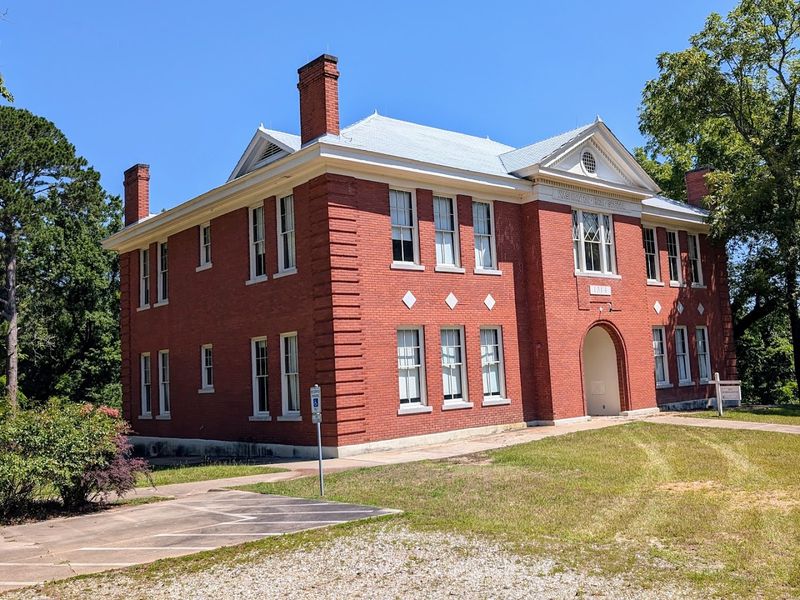
Geography has done Washington a quiet favor by surrounding it with the kind of soft, rolling hills and dense tree cover that discourage the sprawl and development that have swallowed so many other historic towns.
Hempstead County’s landscape is gentle rather than dramatic, with long views across green pastureland and wooded ridges that feel genuinely removed from the noise and pace of modern Arkansas.
Washington sits at coordinates 33.7748 N and 93.6830 W, tucked into the southwestern corner of the state in a way that keeps it off the main travel routes and largely invisible to casual passers-through.
That geographic isolation, which once made the town dependent on the Southwest Trail for its survival, now serves as a kind of accidental protection against the forces that tend to flatten and homogenize small American communities.
I drove in on a clear morning when the light was coming low through the trees, and the town appeared almost gradually, as if the landscape was revealing it on its own schedule.
The quiet here is not the emptiness of abandonment but the stillness of a place that has made peace with its own pace.
Few towns wear their setting as naturally and as gracefully as this one does.
A Living Snapshot Of Rugged Isolation And Enduring Pioneer Heritage
Some places exist primarily as records of the past, and Washington, Arkansas, is one of the most honest and complete records I have ever had the privilege of walking through.
With a current population of just 94 residents as recorded in the 2020 census, the town has remained remarkably small, which means the historic core has never been crowded out by growth or redevelopment.
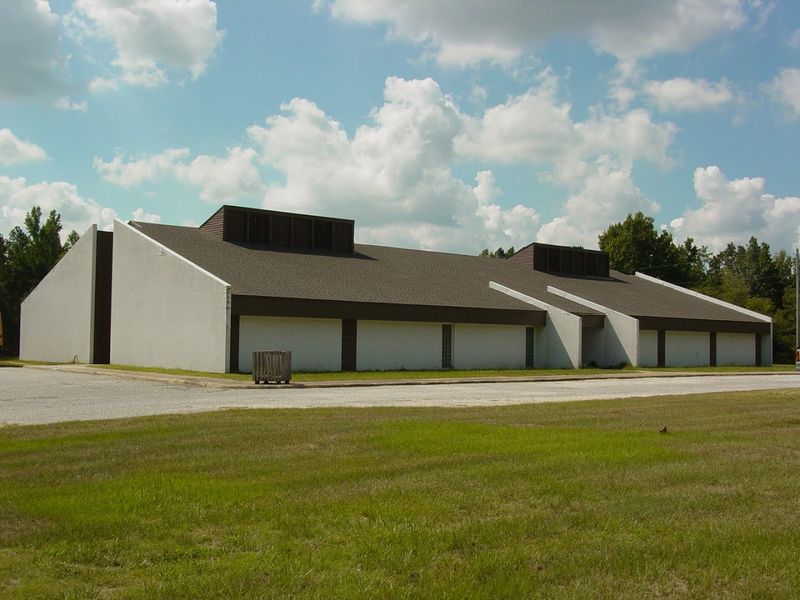
The Southwest Arkansas Regional Archives, located in Washington, Arkansas, houses a vast collection of historical documents, photographs, and artifacts that researchers and genealogists travel significant distances to access.
That archive alone tells you something important about how seriously this community takes its own history and how committed it is to making that history available to anyone who wants to engage with it.
The 1836 Hempstead County Courthouse still stands and served as the Confederate State Capitol of Arkansas from 1863 to 1865 after Union forces captured Little Rock, adding a Civil War chapter to an already layered story.
Every structure, archive, and artifact in this town points toward the same essential truth about what it took to build a life in the American frontier.
Washington, Arkansas is not just preserved history but a place where that history still has a pulse.