
This Quaint Illinois Town Feels Like A Norman Rockwell Masterpiece Come Alive
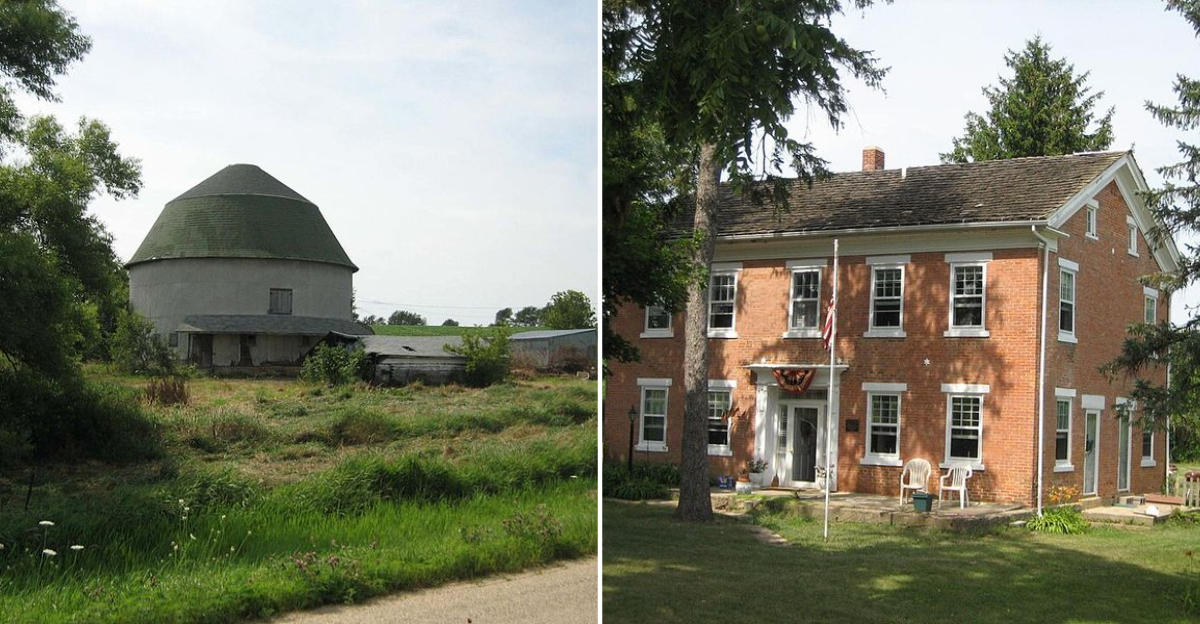
Some towns just stop you in your tracks. You roll through on a quiet afternoon, and something about the unhurried pace, the tidy streets, and the friendly faces makes you want to park the car and stay a while.
That is exactly what happened to me when I found myself in a small village in Stephenson County, Illinois, sitting right at the heart of a landscape that feels almost too picturesque to be real.
This small village with a population of around 800 people is the kind of place that reminds you what small-town America actually looks and feels like.
No crowds, no rush, just genuine community spirit and a setting so charming it practically paints itself.
A Village Rooted In Stephenson County History
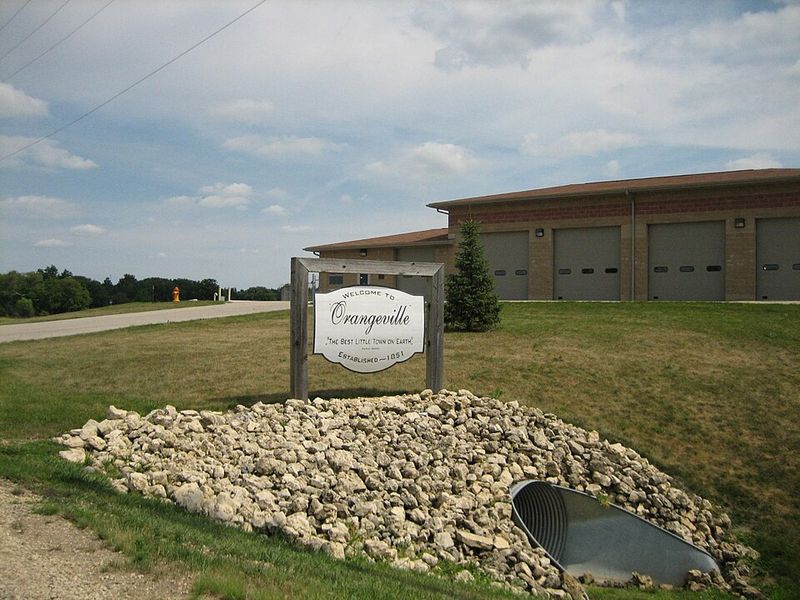
History has a funny way of showing up when you least expect it. Walking through Orangeville feels like flipping through an old photo album where every page holds something worth pausing over.
The village sits in Oneco Township, Stephenson County, Illinois, and its roots stretch back to the early settlement era of the American Midwest.
Stephenson County itself was organized in 1837, and the communities that grew within it carried a strong sense of pioneer determination. Orangeville developed as a tight-knit agricultural community, shaped by the rhythms of farming life and the bonds that form when neighbors genuinely depend on one another.
That history is not just written in old documents. You feel it in the layout of the streets, the architecture of older buildings, and the way residents carry a quiet pride in where they come from.
For a history enthusiast, this village offers a rewarding window into authentic rural Illinois heritage that few tourists ever discover.
The Population That Tells A Story
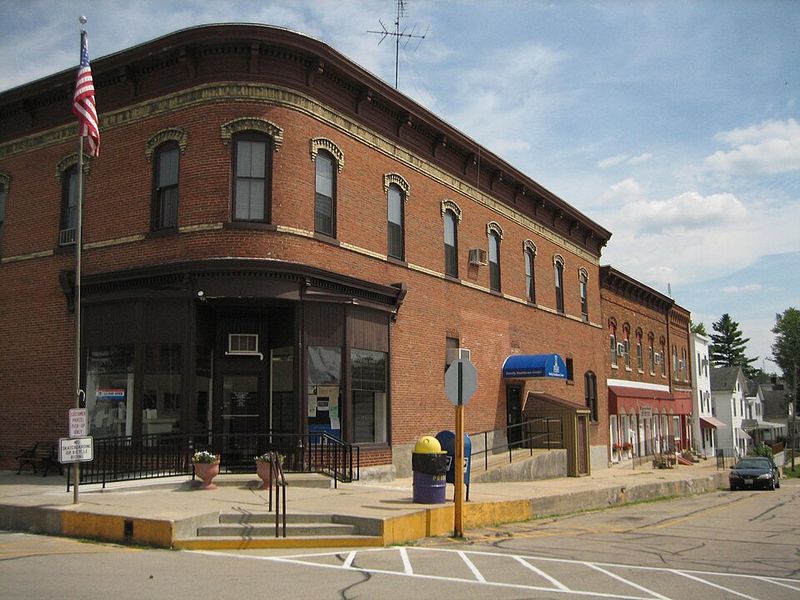
Numbers rarely tell the whole story, but sometimes they tell just enough. Orangeville’s town sign proudly lists a population of 800 as of January 2021, a figure that reflects a community holding steady through decades of change in rural America.
The 2020 census recorded 766 residents, while the 2010 census counted 793, up from 751 in the year 2000. That gentle fluctuation speaks to a village that is not booming or shrinking dramatically, but simply persisting with quiet resilience.
In an era when many small Midwestern towns have seen dramatic population drops, Orangeville’s ability to maintain its numbers is genuinely impressive. It suggests that people who grow up here tend to stay, and those who visit sometimes find reasons to return.
A community this size knows its neighbors by name, and that kind of familiarity creates a warmth that larger cities simply cannot manufacture no matter how hard they try.
Oneco Township And The Land That Shapes Daily Life
Geography shapes character, and Orangeville’s character is unmistakably Midwestern. The village is situated within Oneco Township, a rural stretch of Stephenson County where open farmland surrounds the community on nearly every side.
The landscape here is the kind that slows your breathing without you even realizing it. Wide fields, open skies, and the occasional tree line breaking up the horizon create a visual rhythm that feels deeply calming.
Driving into Orangeville from any direction, you pass through agricultural land that has been farmed for generations.
That rural setting is not just a backdrop. It actively shapes how residents live, work, and connect with one another.
Farming remains a core part of the local identity, and the cycles of planting and harvest still organize life in ways that urban communities have long since forgotten.
For a visitor arriving from a busy city, stepping into this landscape feels like someone gently turned down the volume on everything stressful in your life.
Small-Town Architecture That Feels Genuinely Preserved
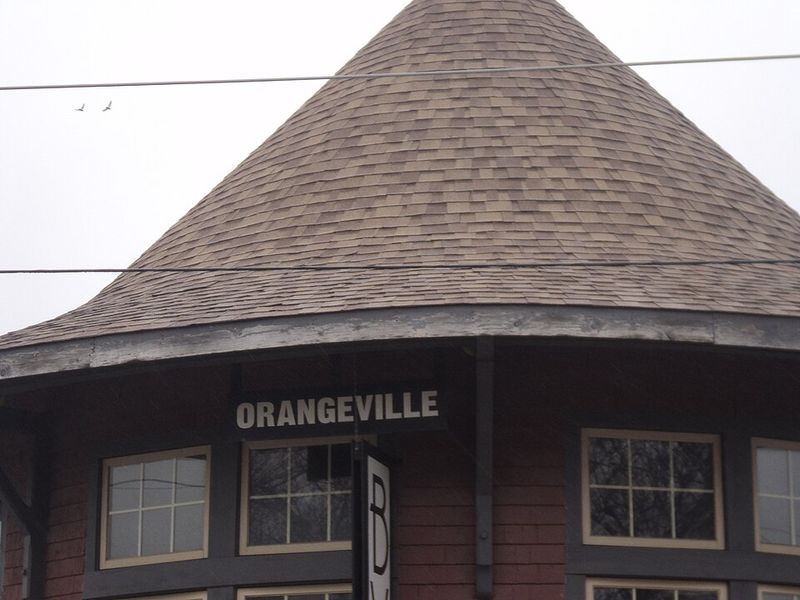
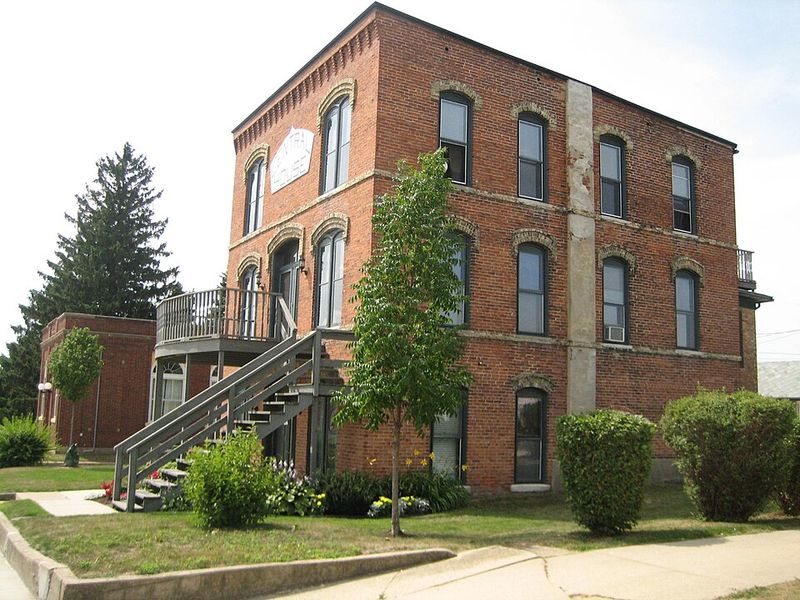
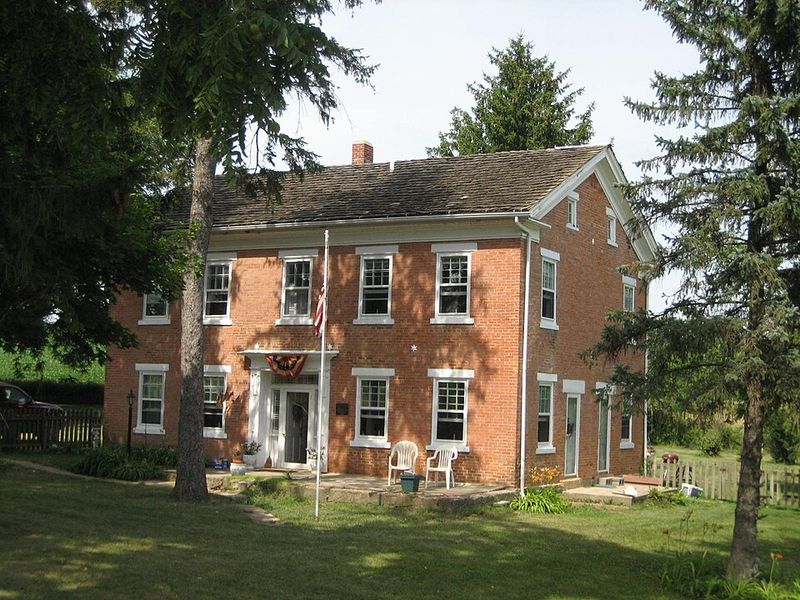
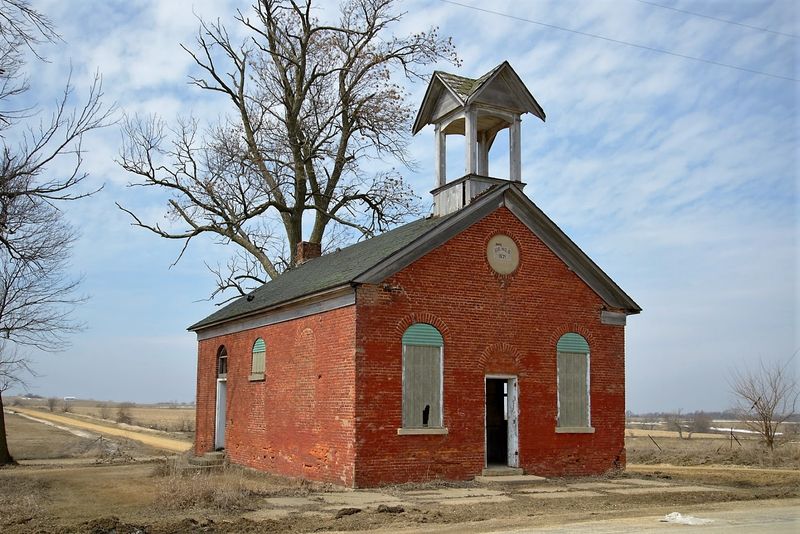
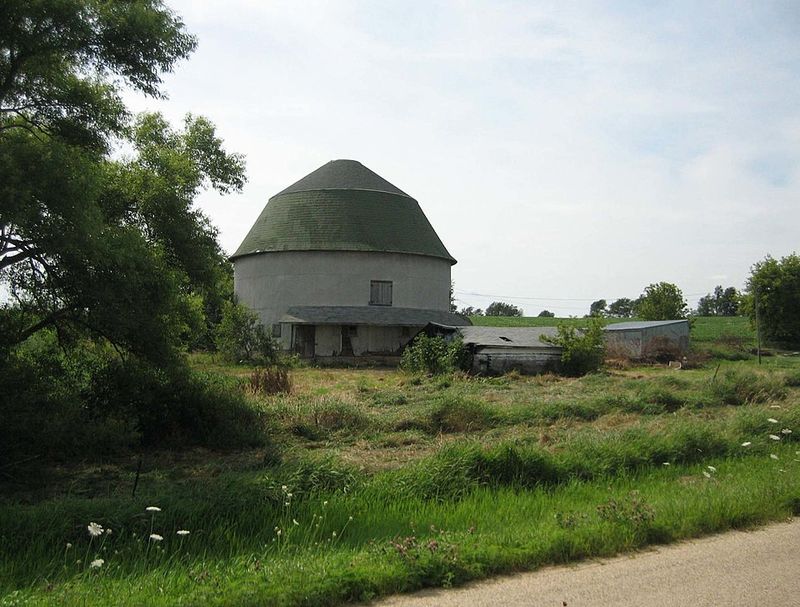
There is something deeply satisfying about a town that has not tried to renovate itself into something unrecognizable. Orangeville carries an architectural character that feels honest and unforced, with older structures that speak to the practical tastes of generations past.
The buildings here were built to last, not to impress. Simple facades, sturdy construction, and layouts designed around community function rather than aesthetic trend give the village a coherent visual identity.
It is the kind of streetscape that photographers and illustrators instinctively reach for their cameras to capture.
Unlike towns that have replaced historic structures with generic modern buildings, Orangeville retains a sense of architectural continuity that is increasingly rare. Walking its streets, you get the impression that the town respects what came before it.
That respect is visible in maintained older homes, well-kept storefronts, and a general tidiness that suggests community pride runs deep here. Every corner feels like it belongs on a classic American postcard.
Community Spirit That Shows Up In Everyday Moments
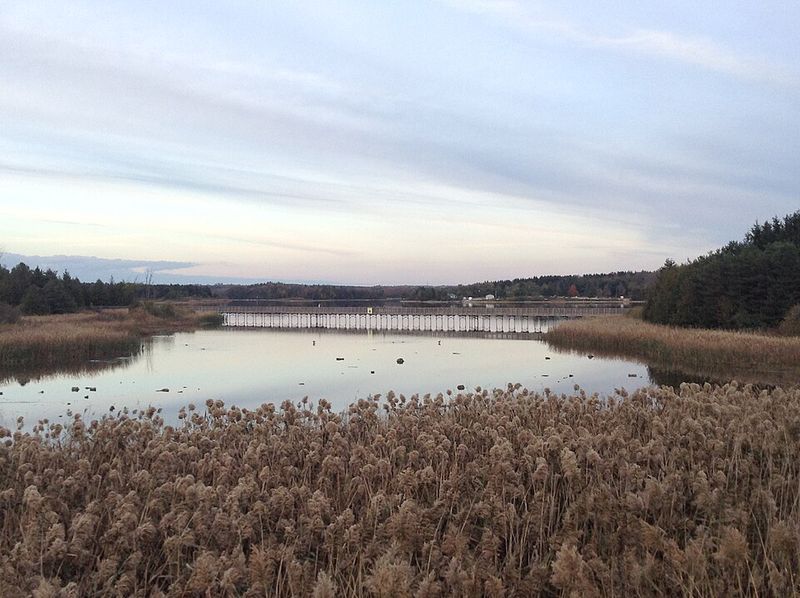
You can read about community spirit all you want, but you only truly understand it when you experience it firsthand. From the moment I arrived in Orangeville, there was a palpable sense that people here actually look out for one another.
Neighbors wave from porches. Strangers nod and say hello on the sidewalk.
Local events, school activities, and community gatherings draw participation in ways that reflect genuine investment rather than polite obligation. This is a town where showing up for each other is simply part of the culture.
That spirit is not performative or manufactured for visitors. It is the natural result of generations of people living close together, sharing challenges, and celebrating milestones as a collective.
For someone accustomed to the anonymity of urban life, experiencing this kind of neighborly warmth feels almost startlingly refreshing.
Orangeville reminds you that community is not just a word. It is a daily practice that this village has quietly mastered over many decades.
The Quiet Charm Of Rural Illinois Seasons
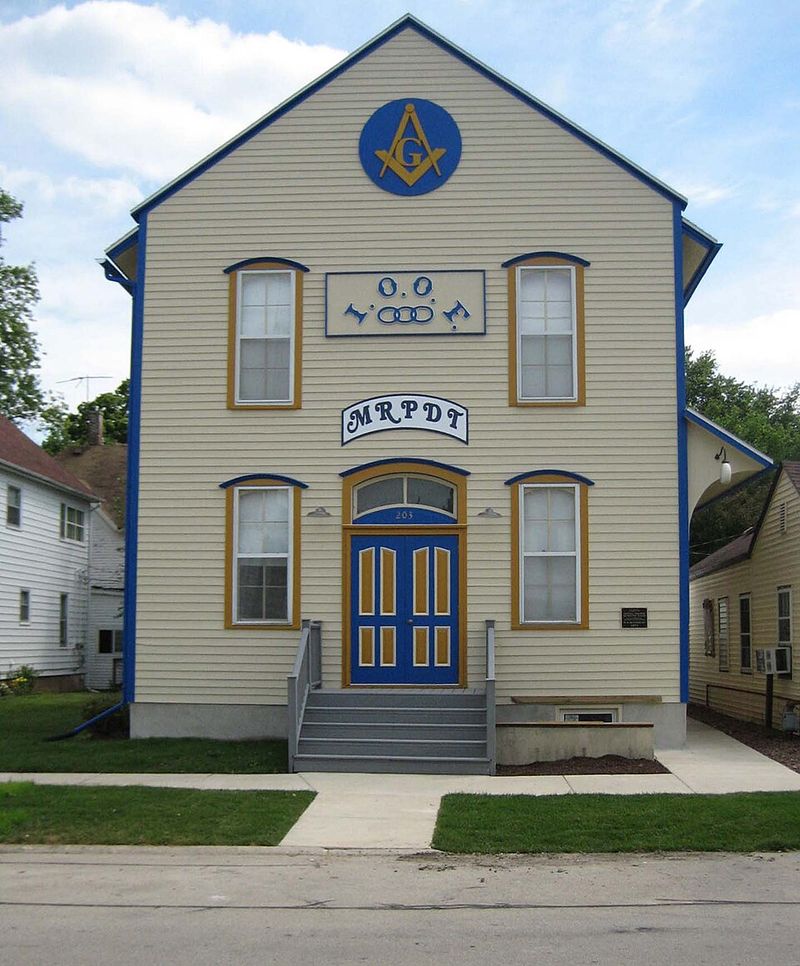
Seasonal change hits differently in a small rural town. In Orangeville, each season arrives with its own distinct personality, transforming the landscape in ways that keep the village feeling fresh and new no matter how many times you visit.
Spring brings a softness to the surrounding farmland as crops begin to emerge and flowering trees dot the residential streets with color. Summer turns the fields a deep, saturated green under wide open skies that seem to stretch forever.
Autumn is arguably the most dramatic season here, with the surrounding trees producing a fiery display of reds, oranges, and golds that frames the village like a painting.
Winter settles over Orangeville with a quiet that is almost meditative. Snow softens the edges of everything, and the town takes on a stillness that feels genuinely restful.
Visiting during any season offers a completely different experience, which means this little village rewards return visits in ways that many far more famous destinations simply do not.
Local Education And The Role Of Schools In Village Life
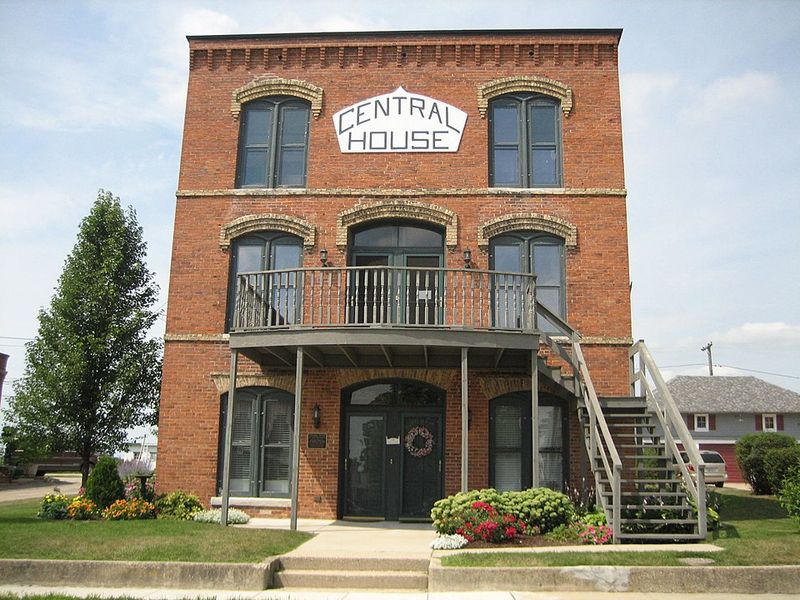
In a town of 800 people, the local school is not just an institution. It is the social and cultural heartbeat of the entire community.
Orangeville’s school system plays an outsized role in shaping daily life, bringing families together around sports events, performances, and academic milestones.
Small-town schools carry a certain intimacy that larger districts simply cannot replicate. Teachers know their students by name and family, and class sizes allow for individualized attention that benefits learning in measurable ways.
The school building itself often becomes a gathering point for the broader community, hosting events that draw residents together throughout the year.
For families considering a move to a rural community, the quality and character of local schools is always a top concern.
Orangeville’s educational environment reflects the values of the surrounding community, emphasizing personal responsibility, mutual respect, and a genuine connection between students and their teachers.
That kind of educational culture leaves impressions that stay with students long after graduation day has come and gone.
The Peacefulness That Makes Orangeville A Perfect Retreat
Peace is something you do not fully appreciate until you have been without it for too long. Orangeville delivers a quality of quiet that feels almost therapeutic, the kind that clears your head after weeks of noise and obligation.
There are no traffic jams here. No honking horns or crowded sidewalks.
The pace of life in this village is deliberately unhurried, and that unhurriedness is infectious in the best possible way.
After just a few hours in Orangeville, I found my shoulders dropping and my breathing slowing in a way that no urban park had ever quite managed.
The surrounding rural landscape amplifies that sense of retreat. Open fields, quiet roads, and the absence of commercial clutter create a visual and sensory environment that feels genuinely restorative.
Whether you spend an afternoon walking the residential streets or simply sitting on a bench watching the world move at its own gentle pace, Orangeville offers a reset that busy modern life rarely allows.
Northwestern Illinois And Its Understated Regional Identity
Orangeville occupies a corner of Illinois that does not always make it onto the tourist brochures, and that is precisely what makes it so rewarding to discover. Northwestern Illinois carries its own distinct regional identity, shaped by its proximity to Wisconsin and the broader Great Lakes region.
The landscape here differs subtly from the flat plains of central Illinois. There is a gentle rolling quality to the terrain in parts of Stephenson County, and the proximity to the Pecatonica River and other waterways adds a natural richness to the environment.
The region has a slower, more deliberate energy that reflects its agricultural roots and its distance from major urban centers.
That regional identity gives Orangeville a character that feels specific and rooted rather than generic. This is not a suburb trying to grow into a city.
It is a community that knows exactly what it is and seems entirely comfortable with that knowledge.
Exploring this corner of Illinois feels like discovering a chapter of American rural life that most travel guides overlook entirely.
Why Orangeville Stays In Your Memory Long After You Leave
Some places earn a permanent spot in your memory not through grand gestures but through an accumulation of small, honest impressions. Orangeville is exactly that kind of place.
It does not try to dazzle you, and that restraint is ultimately what makes it so unforgettable.
The combination of authentic community, preserved character, seasonal beauty, and genuine quiet creates an experience that stands apart from the curated tourism of more famous destinations.
When you leave Orangeville, you carry with you a feeling that is difficult to name precisely but easy to recognize. It is the feeling of having seen something real.
I left with a mental snapshot of golden afternoon light on a quiet street, the sound of birds over open farmland, and the memory of a friendly nod from a stranger who had no particular reason to acknowledge me but did anyway.
That is the essence of Orangeville, Illinois, a village that quietly outperforms every expectation you arrive with.