
This Quaint Small Town In South Carolina Is Ideal For A Slow Weekend Drive
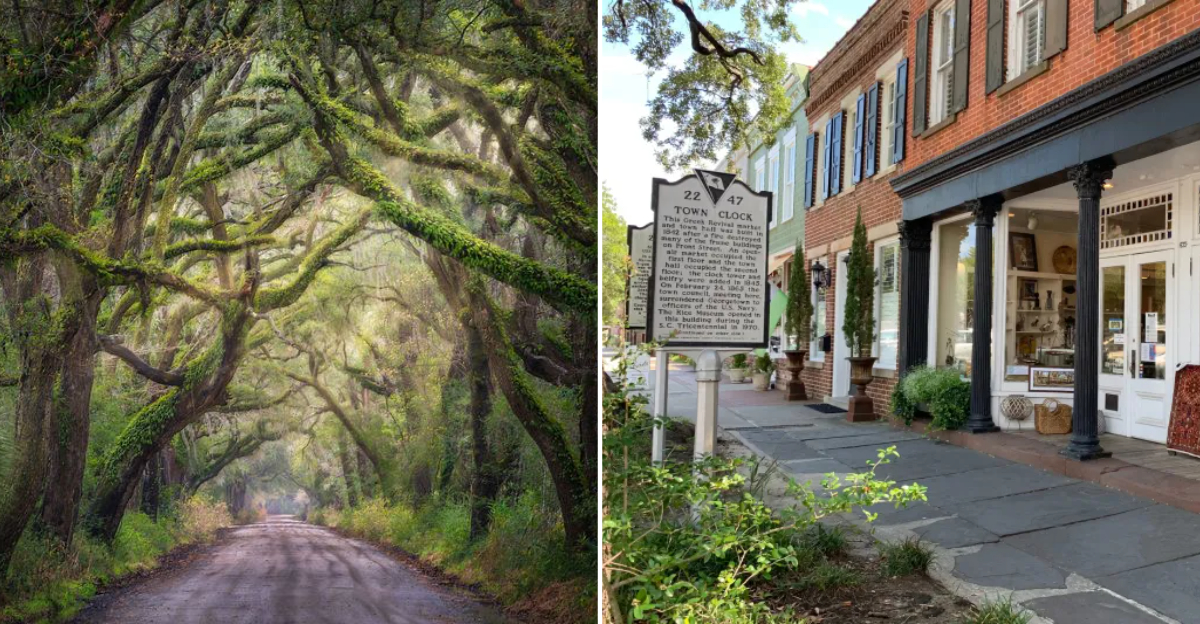
I used to think the best road trips were about hitting every landmark in record time, checking boxes like a frantic tourist. Then I stumbled into Georgetown on a whim, and the whole place seemed to whisper, “Slow down, friend.”
This riverfront beauty isn’t trying to compete with flashy beach resorts or theme parks. Instead, it offers something rarer: a place where shrimp boats drift lazily past historic storefronts, where Spanish moss hangs like nature’s curtains, and where a weekend can stretch out like taffy on a warm day.
South Carolina’s Georgetown proves that sometimes the best adventures happen at porch-swing speed.
Meet Georgetown, The Riverfront Town That Still Moves At Porch-Swing Speed
Georgetown wraps itself around Winyah Bay like a cat claiming the sunniest spot on the porch. Spanish-moss canopies drape over streets that have watched centuries unfold, while working shrimp boats ease past a waterfront that refuses to hurry.
I spent my first morning here just watching boats unload their catch, and nobody seemed bothered that I was loitering. The historic core invites wandering, not rushing, with scores of preserved buildings that tell stories if you’re patient enough to listen.
This town regularly lands on lists celebrating beloved coastal communities, and once you’ve spent an afternoon on a bench watching the bay, you’ll understand why.
Georgetown isn’t performing quaintness for tourists; it simply is quaint, down to its bones.
Getting There: A Slow Weekend Drive Between Live Oaks And Water
US-17 becomes your friend on this journey, offering an easy, scenic meander that starts the relaxation before you even arrive.
Plan roughly fifty minutes south from Myrtle Beach or about an hour and fifteen from Charleston, but add buffer time for gawking.
The approach alone works its magic: marsh grasses sway beside the road, rivers glint between tree trunks, and roadside oaks form tunnels of green shade. I’ve driven this route half a dozen times, and I still crane my neck at every water view.
Roll down the windows, skip the interstate if you can, and let the landscape do its job. The unwinding begins the moment those first Spanish moss tendrils appear overhead.
First Stop, The Harborwalk
Slip onto this four-block, ten-foot-wide boardwalk, and suddenly you’re threading between the Sampit River and Front Street’s boutiques and cafés. Benches face the water at intervals, practically begging you to sit and watch boats glide past.
Side alleys pop you into galleries and bakeries you didn’t realize you needed until the smell of fresh pastries grabbed you by the nose. I once followed my stomach down one of these alleys and emerged with a cinnamon roll the size of my face.
The Harborwalk doesn’t demand anything from you except presence. Walk it once for orientation, then walk it again because you missed half the details the first time around.
Front Street, Where Window-Shopping Still Feels Local
National chains haven’t colonized Front Street, which instead leans hard into owner-run shops and Lowcountry bites. You’ll wave to the same folks twice here: once by the pastry case, again by the marina, and they’ll actually wave back.
I love main drags that feel like neighborhoods, where shopkeepers remember your face and recommend their actual favorites instead of whatever corporate sent them to push.
One afternoon I chatted with a gallery owner for twenty minutes about local artists, and she never once tried to sell me anything.
Front Street keeps its soul intact by keeping things local. Pop into a few shops, grab a snack, and enjoy a thoroughfare that hasn’t forgotten what community feels like.
A Five-Museum Stroll In A Few Blocks
Make a mellow museum crawl without breaking a sweat: the Rice Museum sits inside the landmark Town Clock, the Kaminski House Museum perches at the river’s edge, and the South Carolina Maritime Museum, Georgetown County Museum, and Gullah Museum round out the collection.
I’m not usually a museum person, but Georgetown’s versions feel more like visiting a neighbor’s well-curated attic. The Rice Museum tells the story of the crop that built this region, while the Maritime Museum celebrates the boats and people who still work these waters.
You don’t need a full day; a few hours will cover the highlights and leave you with a much deeper appreciation for Georgetown’s layered history.
Sacred Brick And Quiet Courtyards
Step into the story at Prince George Winyah Episcopal Church, a parish founded in 1721 whose sanctuary and churchyard hold three centuries of Lowcountry memory. The hush under the oaks feels older than the traffic rumbling down Front Street just blocks away.
I’m not particularly religious, but something about walking through a space that’s sheltered prayers for three hundred years makes you quiet. The brick glows warm in afternoon light, and the churchyard invites contemplation without demanding it.
Swing by even if you’re just curious about architecture or history. This place offers a pocket of peace that costs nothing but a few respectful minutes of your time.
Wild Edges: Hobcaw Barony, Huntington Beach, And Atalaya
Book a guided tour into Hobcaw Barony’s sprawling 16,000-acre research reserve, where maritime forest, former rice fields, and blackwater creeks create a landscape that feels untouched. Tours fill up, so plan ahead.
A short drive north delivers you to Huntington Beach State Park and the moody, Moorish Atalaya castle, with Brookgreen Gardens just beyond.
I spent an entire afternoon at Atalaya imagining what life was like when it served as a winter retreat, and I still have questions.
These wild edges balance Georgetown’s historic core beautifully. After soaking up stories in town, trade cobblestones for sand and salt air, and let the coast remind you why people settled here in the first place.
When Georgetown Really Glows
Any weekend works for a Georgetown visit, but fall adds the Wooden Boat Show’s lively docks, while holiday season lights up nearby Brookgreen’s spectacular Nights of a Thousand Candles. Even without events, though, the town’s easy cadence invites lingering.
I’ve visited during peak tourist season and on random Tuesdays in February, and Georgetown maintains its charm regardless. Grab coffee, claim a bench facing the bay, and take one more lap along the water just because you can.
The town glows brightest when you’re not rushing to see everything. Give yourself permission to slow down, skip something on your list, and simply exist in a place that remembers how good that feels.