
This Quiet Arizona Canyon Hides Hundreds Of Ancient Rock Carvings Just A Short Walk From The Parking Lot
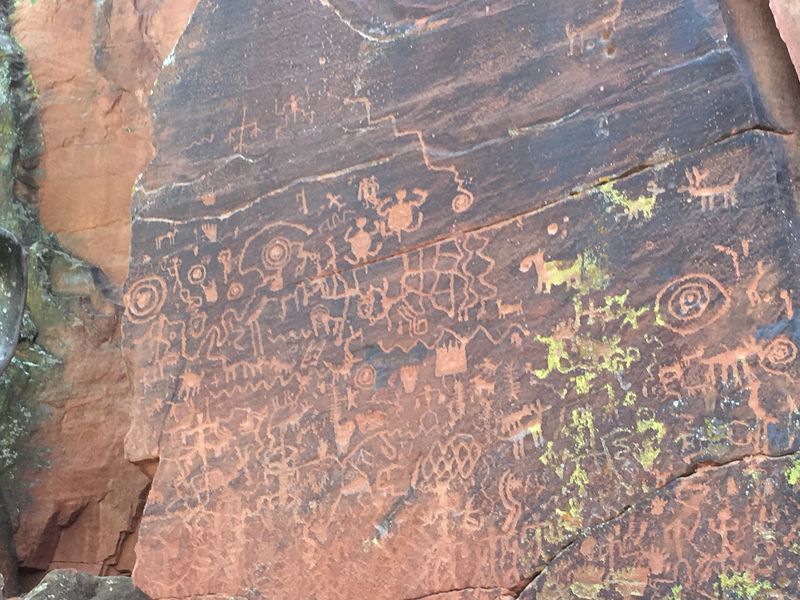
A stone wall in Arizona still tracks the seasons, nearly 900 years after someone carved it. Sunlight and shadow slide across certain symbols, and the effect works like a calendar.
The carvings sit at the end of a short, flat dirt path. Volunteers wait right there to explain what the figures may mean.
You don’t have to guess or squint at a faded sign.
I love that the walk is easy enough for most folks. The wall itself sits in full shade, which feels like a small gift in the desert.
I believe the best part is how few people seem to know it exists. It doesn’t even show up much on social media.
So what exactly is waiting at the end of that quiet trail?
A Verde Valley Wall That Holds More Carvings Than Anywhere Nearby
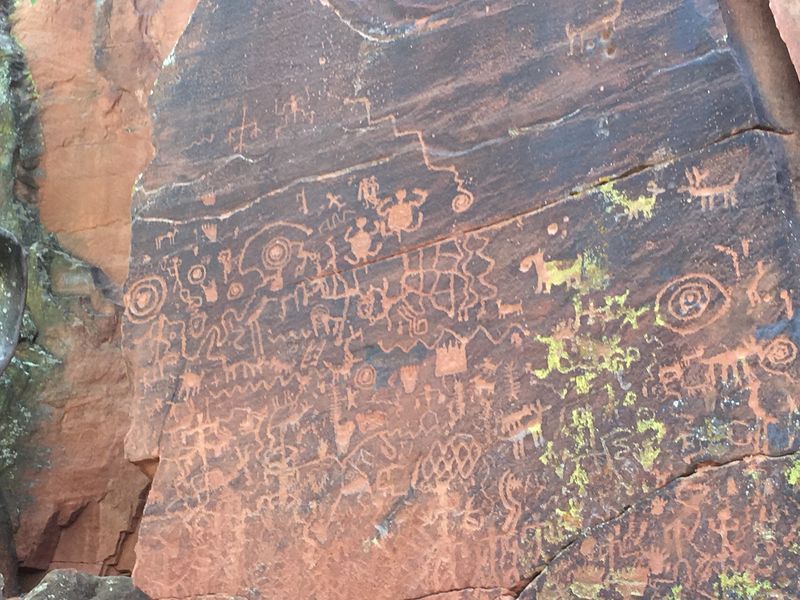
Just off a dirt road near Rimrock sits the Crane Petroglyph Heritage Site, a protected spot in Arizona’s Verde Valley. It holds the largest known petroglyph collection in the valley, carved into a long sandstone wall.
The site is managed by the Coconino National Forest. It includes conserved rock art, a small visitor center, and a bookstore.
Guided interpretation happens right at the wall, which makes a big difference.
The rock art dates back to around 1150. That means these images were already old when much of the modern world was taking shape.
Pretty humbling for a Monday morning stop.
You may have heard of it under an older name. For years it was called the V Bar V Heritage Site, after the ranch that once used the land.
The new name arrived more recently, so older maps and guides may still use the old one.
Location helps too. The site sits a short drive from Interstate 17, between Phoenix and Flagstaff.
Sedona is nearby, which puts it within easy reach of plenty of travel plans.
It feels like a detour that quietly becomes the highlight. And honestly, that’s my favorite kind of detour in Arizona.
The Southern Sinagua Artists Behind Every Spiral
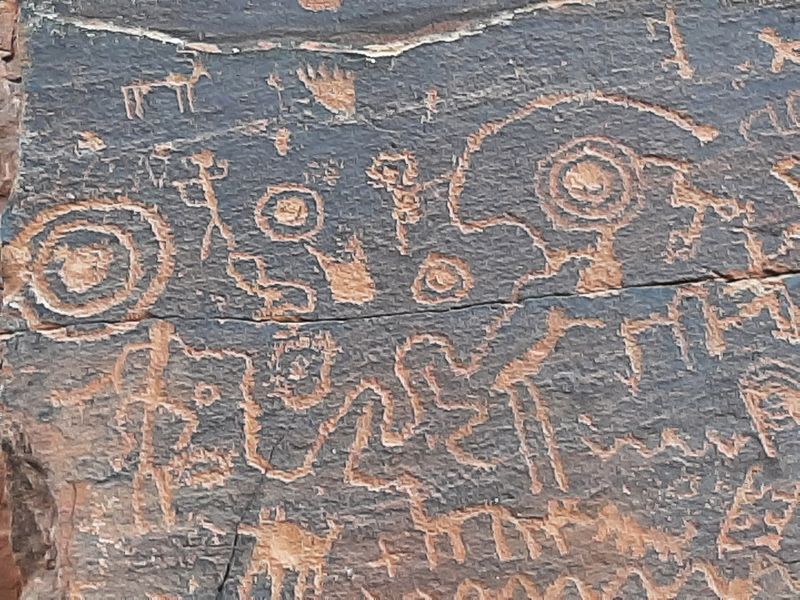
Long before anyone drove a car up I-17, the Southern Sinagua people lived in this valley. They pecked hundreds of figures into the stone wall, leaving a record that still speaks today.
These carvers were far from primitive. They understood migration, planting seasons, and careful record keeping.
The wall reflects that knowledge in ways that keep surprising modern visitors.
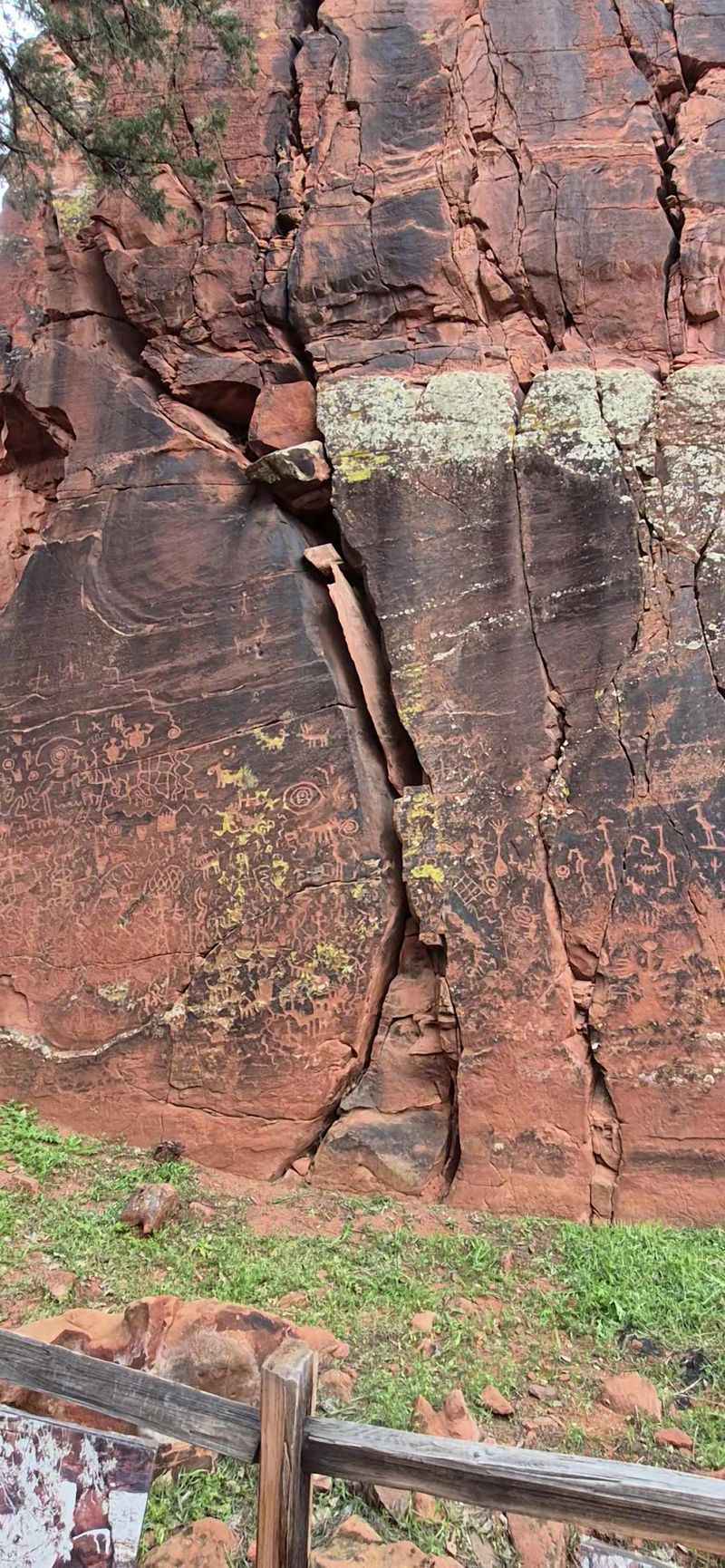
Animals, human shapes, and abstract symbols crowd the surface. Some designs may connect to stories, clans, or important moments.
Others remain open questions, and that mystery is part of the appeal.
The connection did not end long ago, either. Hopi people still come to the site for ceremony a few times a year.
That living link changes how the wall feels, turning it from relic into something still cherished.
Yavapai culture is part of the story here as well. Guides often share how different tribes trace their origins to these panels.
Rangers and volunteers present that history with respect and care.
You’ll probably leave with more questions than answers. Strangely, that feels exactly right.
A place this old should keep a few secrets.
Sunlight That Tells Time On Ancient Stone
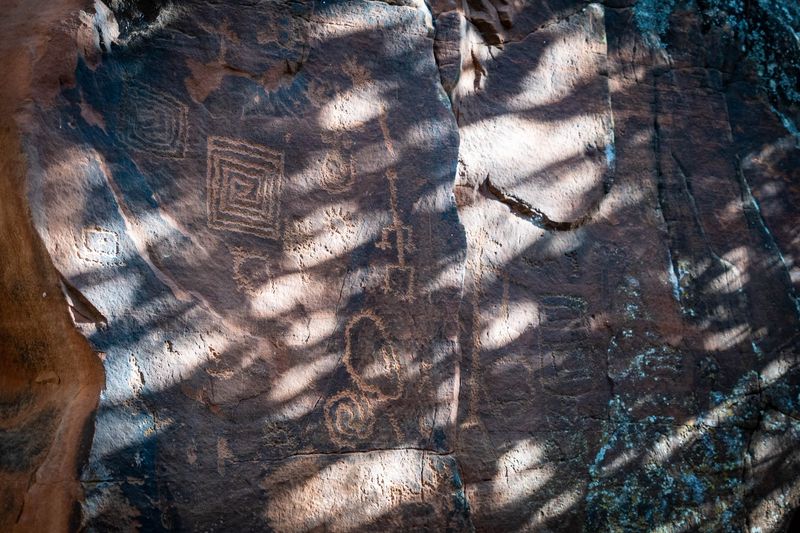
Here’s a fun twist. Part of the wall works as a solar calendar, marking key points in the year with light and shadow.
As the sun shifts through the seasons, shadows line up with specific carvings. Ancient farmers likely used it to track planting times and other important dates.
That’s astronomy, carved in stone, without a single telescope.
The effect is especially tied to the equinoxes and solstices. Some curious travelers time their trips close to the September equinox just to see it work.
According to accounts, the calendar holds up beautifully.
Even on a regular day, guides often demonstrate how the system functions. They point out which symbols matter and explain the timing.
Suddenly a jumble of figures turns into a working tool.
Scientists call this kind of study archaeoastronomy. It sounds technical, but the idea is simple.
People watched the sky closely, then left notes for their community on the rock.
I can’t imagine the patience that took. Generations of watching sunrises, then carving the results into the wall.
It makes my phone calendar feel a little lazy by comparison.
Docents Who Turn Symbols Into Stories
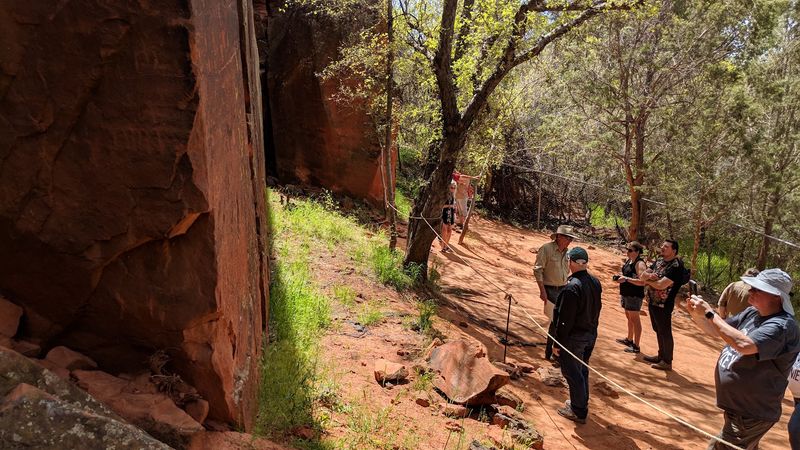
Most rock art sites hand you a sign and wish you luck. This one hands you a person who loves the topic.
Rangers and volunteer docents wait at the wall to share what’s known about the carvings. They explain possible meanings, area history, and the cultures connected to the panels.
Many visits stretch into lively conversations.
Arrive early and you might even get a nearly one-on-one talk. Larger groups get a full presentation too.
Either way, the explanations make the figures come alive.
Knowledge is the obvious strength, but warmth matters just as much. The staff here come across as cheerful and genuinely passionate.
They often suggest other nearby places worth exploring, which is a nice bonus for road trippers.
Talks can run long when questions keep coming. Some presentations last an hour or more, and nobody seems to mind.
Good storytelling makes time disappear.
Kids get something special as well. The visitor center offers simple junior ranger activities for young explorers.
Combine that with a guide who answers every “why,” and you’ve got an educational outing that doesn’t feel like homework.
An Easy Stroll With A Shady Reward
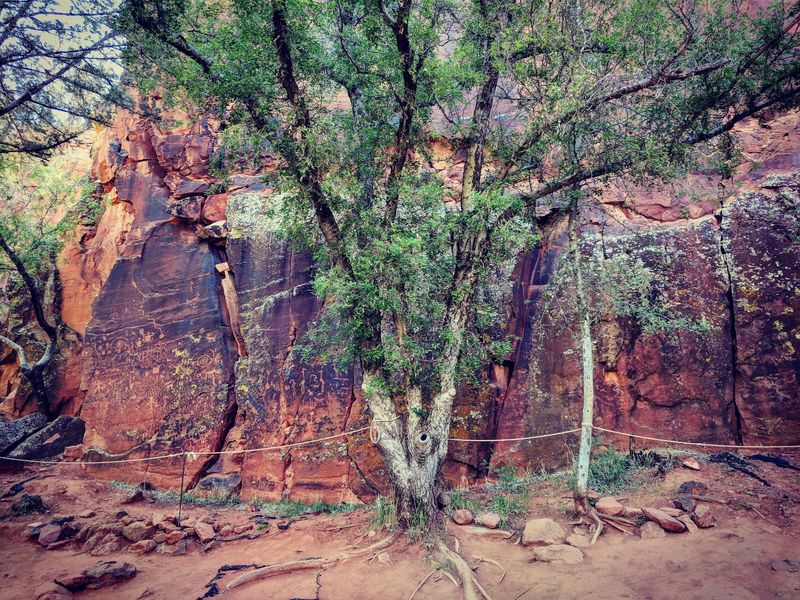
Good news for anyone who dislikes steep climbs. The trail to the wall is short, wide, and mostly flat.
Visitors park in a large unpaved lot, then walk down to the small rustic visitor center. After checking in, a dirt path leads roughly a third to half a mile to the petroglyphs.
It’s an easy stretch of the legs after a long drive.
Benches sit along the way for quick breaks. The path is wheelchair accessible, though a little help may be needed in spots.
That makes the site friendly for a wide range of travelers.
Most of the walk is unshaded, so a hat helps. The payoff is sweet, though.
The petroglyph wall itself rests in complete shade.
Restrooms are available at the visitor center. A vault-style restroom also sits near the site.
Small details, but they make a relaxed visit even easier.
Plan on about an hour total, more if the docent chat gets good. And it often does.
The walk back gives you time to think about everything you just learned.
Calm Desert Air And A Crowd That Stays Small
Quiet is the mood here. Without big crowds or flashy attractions, the setting feels calm yet strangely energizing.
Many people describe a special feel at the wall. Standing where countless travelers paused over centuries can stir your imagination.
You become one more passerby in a very long line.
History lovers will be thrilled, obviously. But this stop also suits families, curious kids, and anyone driving between Phoenix and Flagstaff.
It’s a natural break that beats another fast-food parking lot.
Photographers will find plenty to frame too. The carvings show impressive clarity and sit close enough to study details.
Guides sometimes challenge visitors to spot the San Francisco Peaks within certain designs.
Little lizards often dart around the area. Kids tend to find them as exciting as the carvings.
Fair enough, honestly.
The site remains surprisingly under the radar in Arizona. It barely registers on social media, which keeps the experience refreshingly low-key.
Enjoy it before your friends catch on, then tag them anyway. Sharing is caring, right?
Hours, Passes, And The Dirt Road In
Timing matters here, so mark your calendar. The Crane Petroglyph Heritage Site opens Friday through Monday, from 9:30 a.m. to 3 p.m.
It stays closed Tuesday, Wednesday, and Thursday. The site may also close when temperatures hit 100 degrees.
Check conditions before you head out, especially in summer.
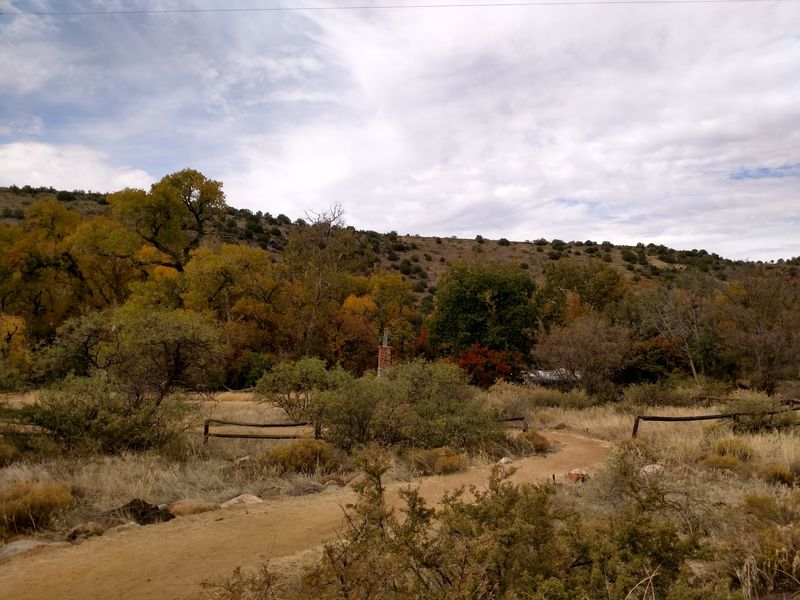
You’ll find it at 6750 Forest Service Rd 618, Rimrock, AZ 86335. A short dirt road leads to the parking area.
Watch for signs carefully, because GPS alone may send you past the entrance.
This is a fee area, and you’ll check in at the visitor center. A Red Rock Pass works, and so does an America the Beautiful pass.
A pass station near the parking lot helps if you need one.
Cooler months make the walk most comfortable in Arizona. Spring and fall bring pleasant weather for strolling.
Summer mornings warm up fast, so early arrival helps.
Bring water and sun protection for the open trail. Comfortable shoes are smart on the dirt path.
A curious mind is the only other requirement.
Why This Wall Deserves A Spot On Your Weekend
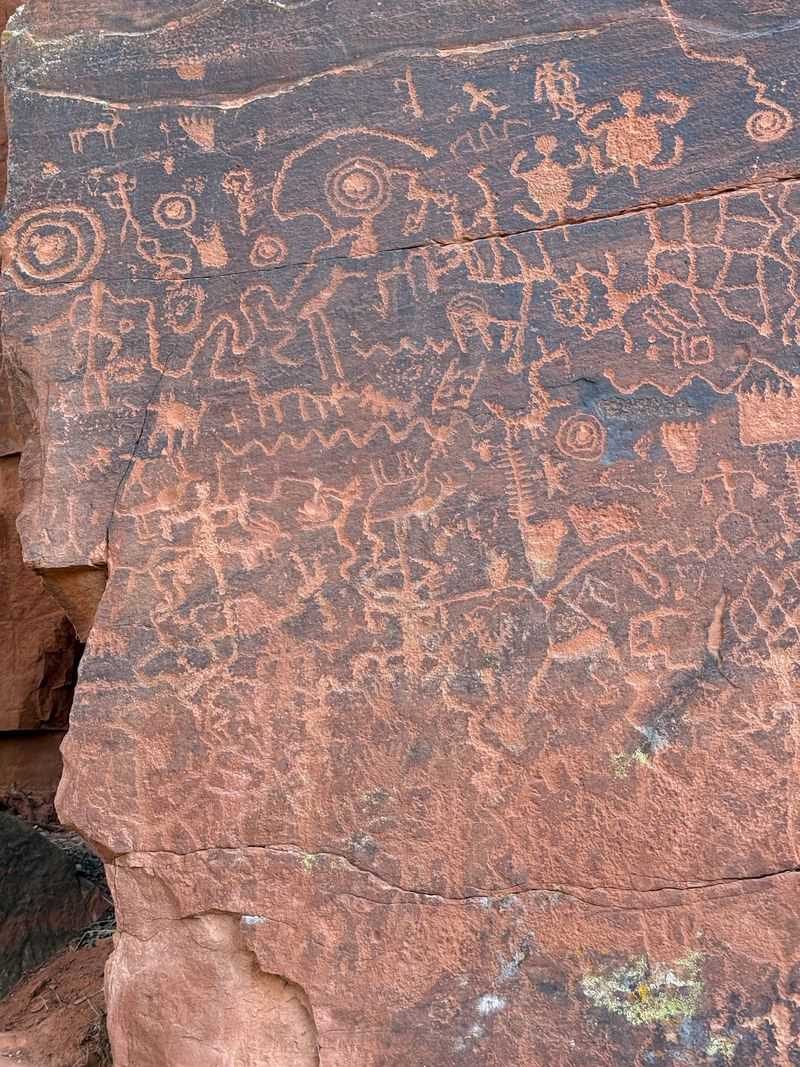
Some outings cost a fortune and deliver a shrug. Crane Petroglyph Heritage Site flips that script with a modest fee, a short walk, and a wall full of wonder.
You get ancient art from around 1150, a working solar calendar, and guides who genuinely care. That’s a lot packed into an hour.
Few Arizona stops pack this much meaning into such an easy visit.
Families can explore at a gentle pace. Retirees can enjoy a flat path and shaded payoff.
Road trippers can stretch their legs and gain a great story.
It also pairs nicely with a Sedona day. The drive is short, and the change of pace feels welcome after busy trailheads.
Think of it as a calm counterpoint to the red rock crowds.
I like that the site asks for curiosity instead of stamina. You show up, listen, and look closely.
The carvings handle the rest.
So pick a Friday through Monday, grab some water, and go early. That patient stone wall has been waiting about 900 years.
It can probably wait until this weekend.