
This Quiet Arizona Mission Is A Sun-Drenched Window Into A Nearly Forgotten Past
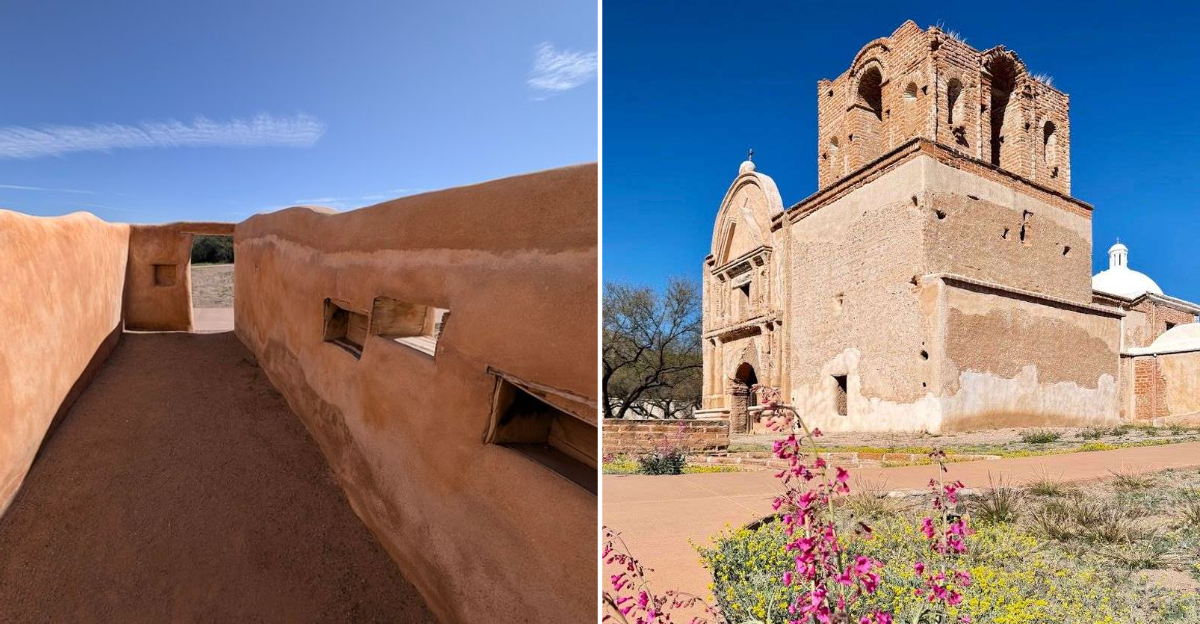
Standing beneath the wide Arizona sky, the crumbling adobe walls of this place tell a story that most textbooks barely touch. This is a place where Jesuit priests, Tohono O’odham people, and Spanish colonial ambitions all collided and coexisted along the Santa Cruz River more than three centuries ago.
The moment I set foot on the weather‑worn courtyard, the world seemed to tilt: the blazing sun turned the stone walls into molten amber, and a hush fell over the rustling mesquite. I felt like an accidental pilgrim stumbling upon a secret chapel, its silent arches echoing with the ghosts of a bygone era.
Every crack in the plaster, every faded fresco, tells a tale of conquest, faith, and survival-a dramatic tableau that makes you realize how thin the veil between past and present truly is.
The Origins Of A Mission That Started It All
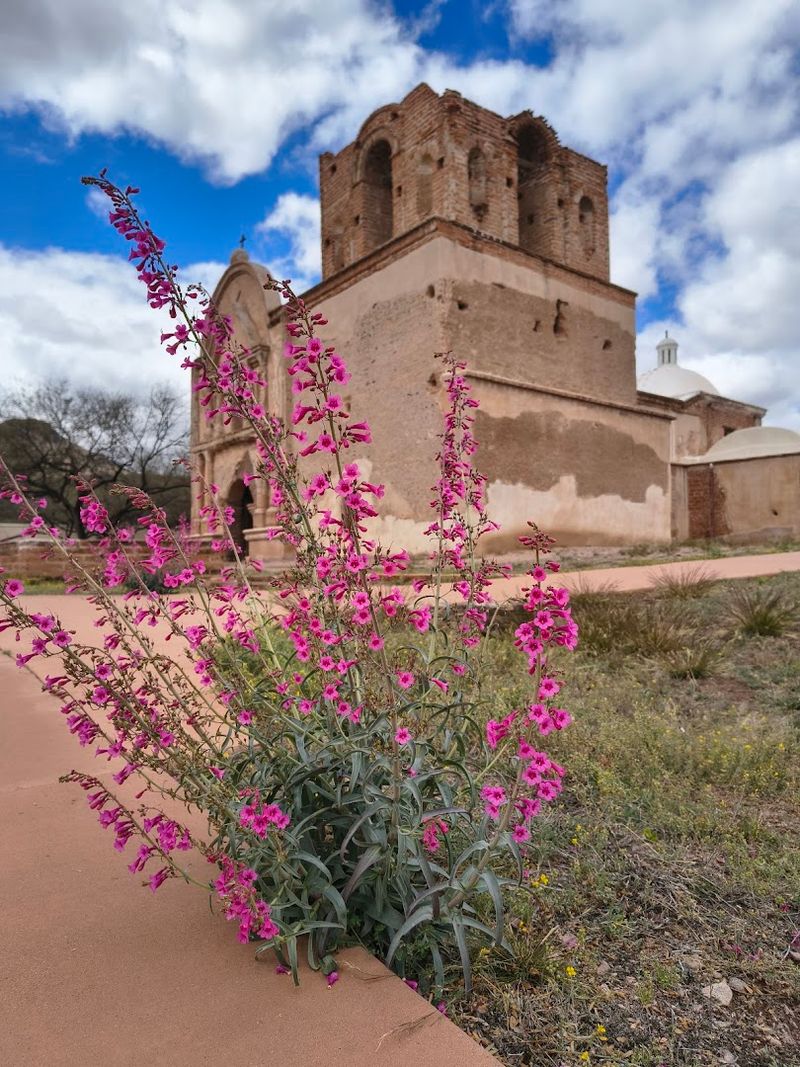
Father Eusebio Francisco Kino arrived in the Santa Cruz River Valley in 1691, and what he established here became the very first mission in what is now the state of Arizona. That is a remarkable footnote in American history that often gets overlooked, yet it shaped the entire region for generations to come.
Kino was a Jesuit priest with an explorer’s restlessness and a missionary’s determination. He founded the original settlement among the Sobaipuri people, a branch of the Tohono O’odham nation, building relationships that were sometimes cooperative and sometimes deeply complicated by colonial pressures.
The mission moved from its original east-bank location to the west side of the Santa Cruz River in 1753, and a small adobe church followed in 1757.
That relocation planted the roots for everything visitors see today. Standing at the site now, knowing it all began with one priest and a community of Indigenous people more than 330 years ago, feels genuinely humbling.
Adobe Walls That Have Outlasted Empires
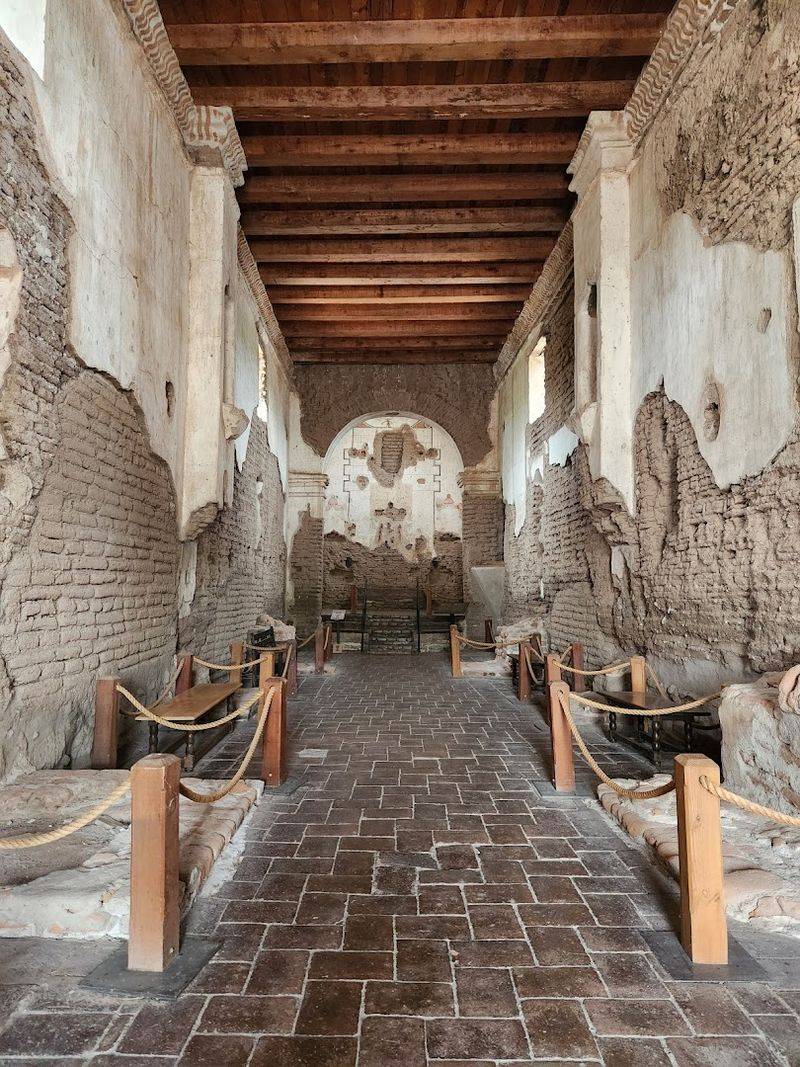
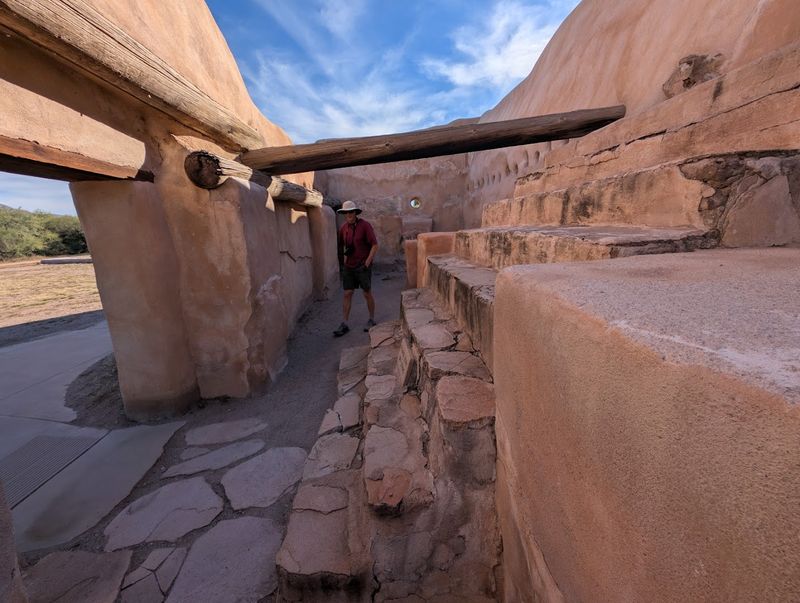
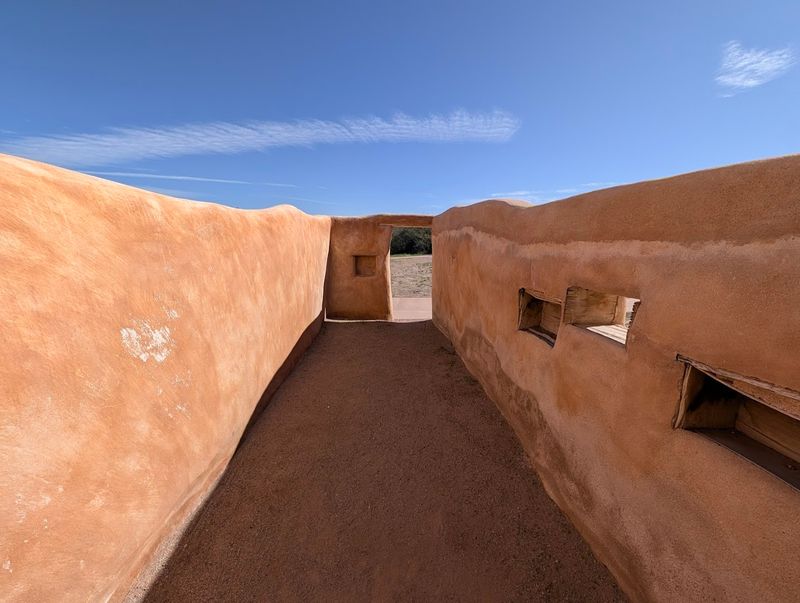
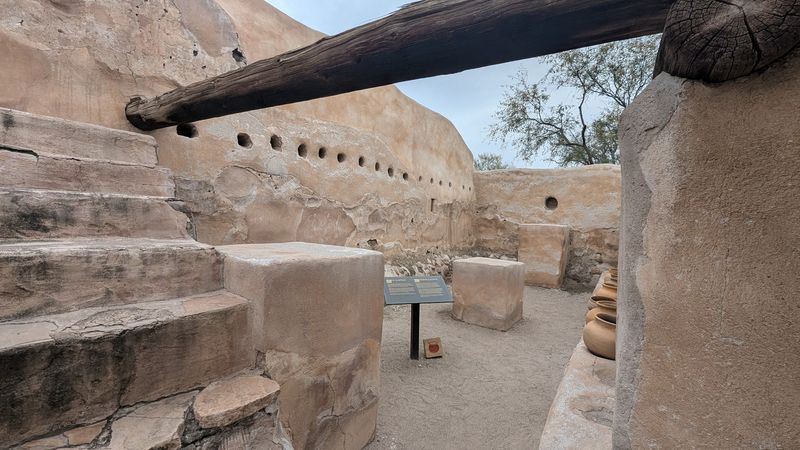
Nine feet thick and still standing after more than two centuries, the adobe walls of the unfinished Franciscan church at Tumacácori are an architectural statement that no one planned to leave unfinished.
Around 1800, the Franciscan friars who had taken over after the Jesuits were expelled in 1768 began constructing a grand new church inspired by the celebrated Mission San Xavier del Bac near Tucson.
They never completed it. Political upheaval, dwindling resources, and Apache raids all conspired against the project, and the church was abandoned in 1848 before its dome could ever be finished. What remains is somehow more striking than a polished, completed building would be.
Crushed brick embedded into the facade catches the afternoon sun in a warm reddish glow, and the open roofless nave frames a rectangle of pure blue Arizona sky overhead.
Walking through those thick walls feels less like entering a ruin and more like stepping inside a living sculpture that time and weather have been quietly perfecting ever since.
The Franciscan Chapter And A Grander Vision
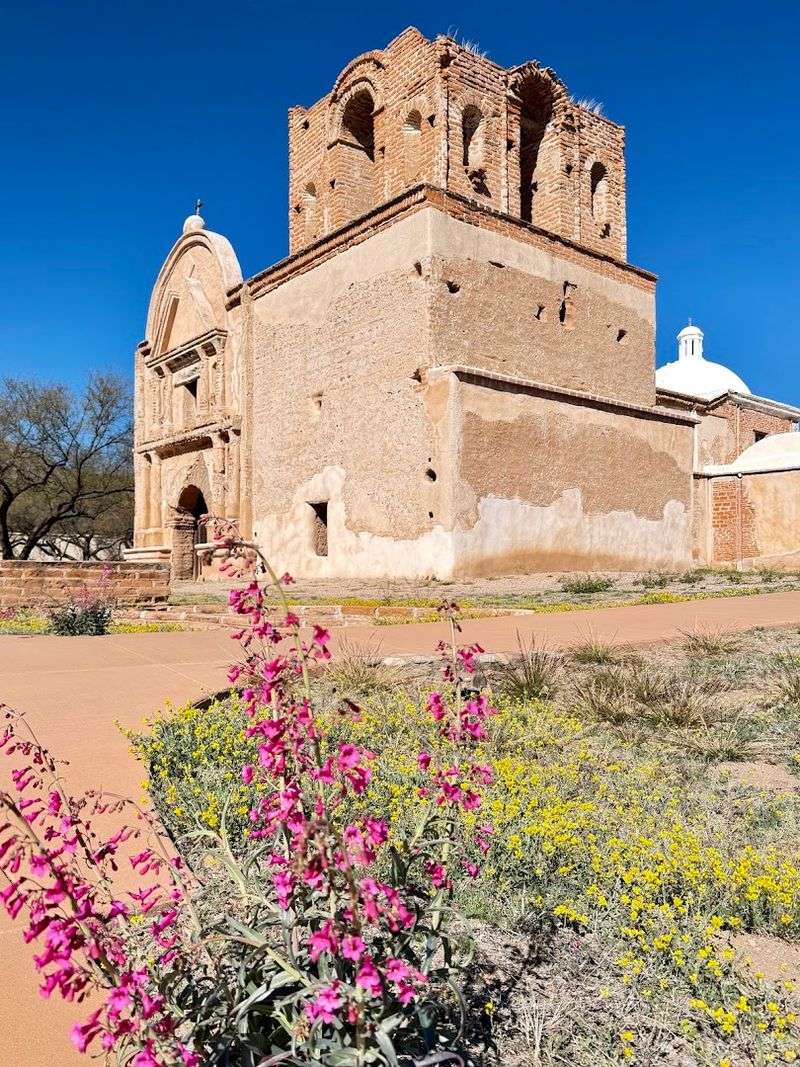
When the Franciscan order inherited the mission network from the expelled Jesuits in 1768, they brought fresh energy and bigger architectural dreams.
The plan for the new church at Tumacácori was ambitious by frontier standards, drawing clear inspiration from the more ornate Mission San Xavier del Bac, which still stands in near-complete glory about 45 miles north.
The Franciscans envisioned a proper domed church with a decorated facade, a mortuary chapel, and a convento, which is essentially a residence and working complex for the priests. Construction stretched across decades and involved both Indigenous laborers and imported Spanish building techniques.
You can still trace the outline of those ambitions today. The convento ruins stretch out beside the church, and the mortuary chapel stands separately near the cemetery.
Each structure tells a slightly different piece of the same story: a religious community trying to build permanence in a landscape that had other ideas. The incompleteness of it all, oddly enough, makes the vision feel even more vivid.
A Cemetery That Speaks Without Words
There is a particular kind of quiet that settles over the cemetery at Tumacácori, a stillness that feels earned rather than imposed. Rows of simple crosses mark graves belonging to Tohono O’odham community members, Franciscan friars, and others who lived and worked at the mission during its active years.
The cemetery sits just outside the main church structure, enclosed by a low adobe wall that has softened and rounded with age.
Some markers are plain wooden crosses, others are modest adobe mounds, and all of them carry that dignified simplicity that makes the space feel genuinely sacred rather than performatively solemn.
Visiting here is a reminder that Tumacácori was not just a building project or a colonial outpost. It was a living community where people were born, worked, prayed, and were laid to rest. S
pending even a few quiet minutes among those markers gives the rest of the site a human weight that no exhibit panel can fully replicate.
Becoming A National Monument And Then A Park
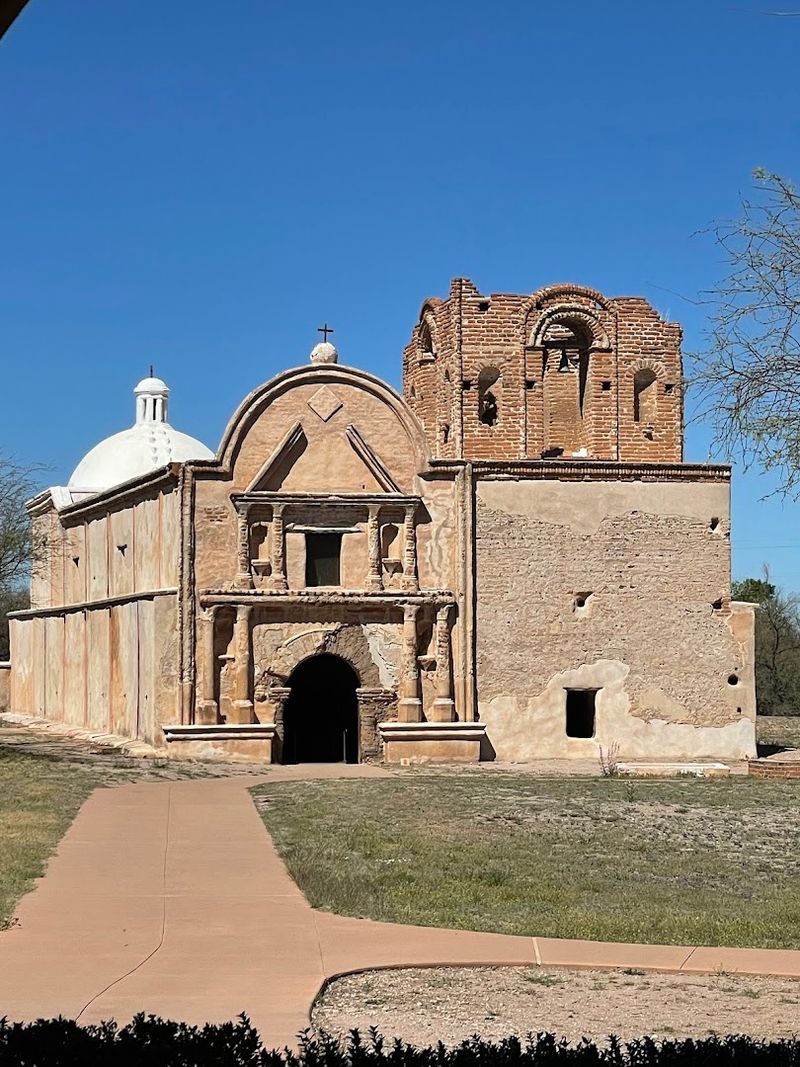
President Theodore Roosevelt had a well-documented habit of protecting places that deserved protecting, and in 1908 he turned his attention to the crumbling walls of the Tumacácori church.
His proclamation designated it as a National Monument, formally recognizing that what stood along the Santa Cruz River was worth preserving for future generations.
For most of the twentieth century, the site operated as a modest but beloved monument managed by the National Park Service.
Then in 1990, the designation was upgraded and expanded into Tumacácori National Historical Park, which now encompasses three separate mission sites in the region: Tumacácori itself, Calabazas, and Guevavi.
That expansion matters because it places Tumacácori within a broader network of colonial-era missions that shaped the entire borderlands region. The park’s address is 1891 E Frontage Road, Tumacacori, Arizona 85640, and it sits just off Interstate 19 about 45 miles south of Tucson.
Getting there is easy; deciding when to leave is the harder part.
The Fiesta De Tumacácori And Living Culture
Every December, the grounds of Tumacácori come alive in a way that the crumbling walls alone cannot quite achieve. The Fiesta de Tumacácori is an annual cultural celebration that has drawn visitors, artisans, musicians, and Indigenous community members for decades, turning the park into a vibrant gathering space rather than a silent relic.
The fiesta features traditional music, native crafts, food, and dance performances from Tohono O’odham, Yaqui, and other Indigenous groups with deep historical ties to the mission region.
Local artisans set up alongside the historic walls, selling handwoven baskets, pottery, and other crafts that carry forward centuries-old traditions. Attending the fiesta is one of the best ways to understand that Tumacácori is not just about the past.
The cultures that intersected here in the 1600s and 1700s did not vanish when the mission was abandoned. They adapted, persisted, and continue to shape the living communities of the Arizona-Sonora borderlands today, and the fiesta makes that continuity visible and joyful.
Tips For Making The Most Of Your Visit
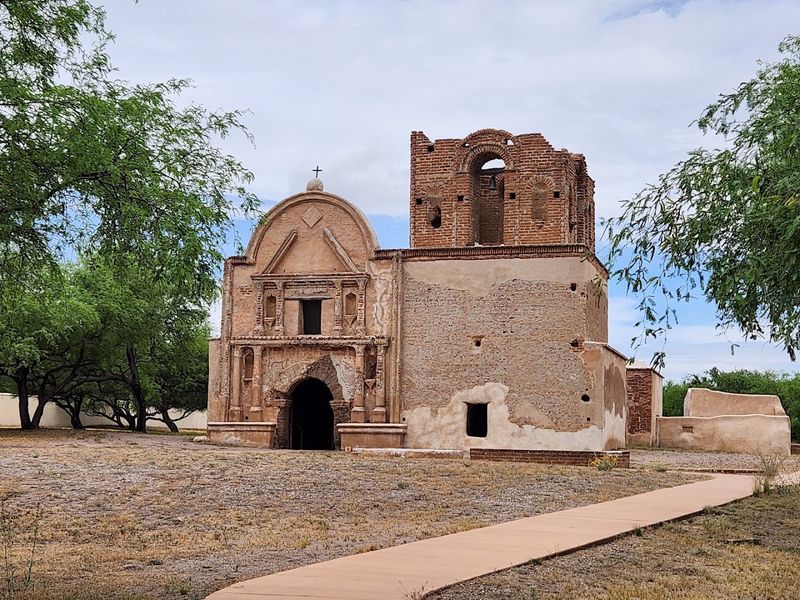
Arriving early on a weekday morning is genuinely the smartest move at Tumacácori. The light hits the adobe walls at a low, warm angle that photographers dream about, and the crowds have not yet arrived.
By midmorning the tour buses occasionally roll in, so that first quiet hour belongs entirely to you. The visitor center is worth your time before you head into the ruins. It holds well-curated exhibits about the mission’s history, the O’odham people, and the broader Spanish colonial system in the region.
Rangers are knowledgeable and approachable, and a quick conversation with one can add real depth to what you see outside.
Wear comfortable shoes because the grounds involve some uneven terrain, and bring water because southern Arizona is reliably warm even in winter.
The park is open year-round, and admission is modest. Before leaving, take one last look back at the open roofline of the church framing that enormous Arizona sky. That view, simple as it sounds, tends to stay with you longer than you expect.
The Santa Cruz River Valley And The Landscape That Made It Possible
Long before any mission walls were built, the Santa Cruz River Valley was already doing something remarkable: it was keeping people alive. The river, though modest by most standards, provided enough water and fertile soil to support both native communities and, later, Spanish settlers pushing northward from New Spain.
Without this valley, Tumacácori simply would not exist. The geography here was not just a backdrop but the very reason missionaries chose this spot. Cottonwood trees still line the riverbanks today, offering shade and a living reminder of why this corridor became such a vital artery of early American history.
That steady access to water turned the valley into far more than a scenic stretch of land.
It created the conditions for farming, movement, trade, and long-term settlement in a region where those advantages could never be taken for granted. Even now, standing near the mission, it is easy to sense how completely the landscape shaped everything that followed.