
This Quiet Arkansas Museum Tells The Epic, Millennia-Spanning Story Of America’s First Peoples
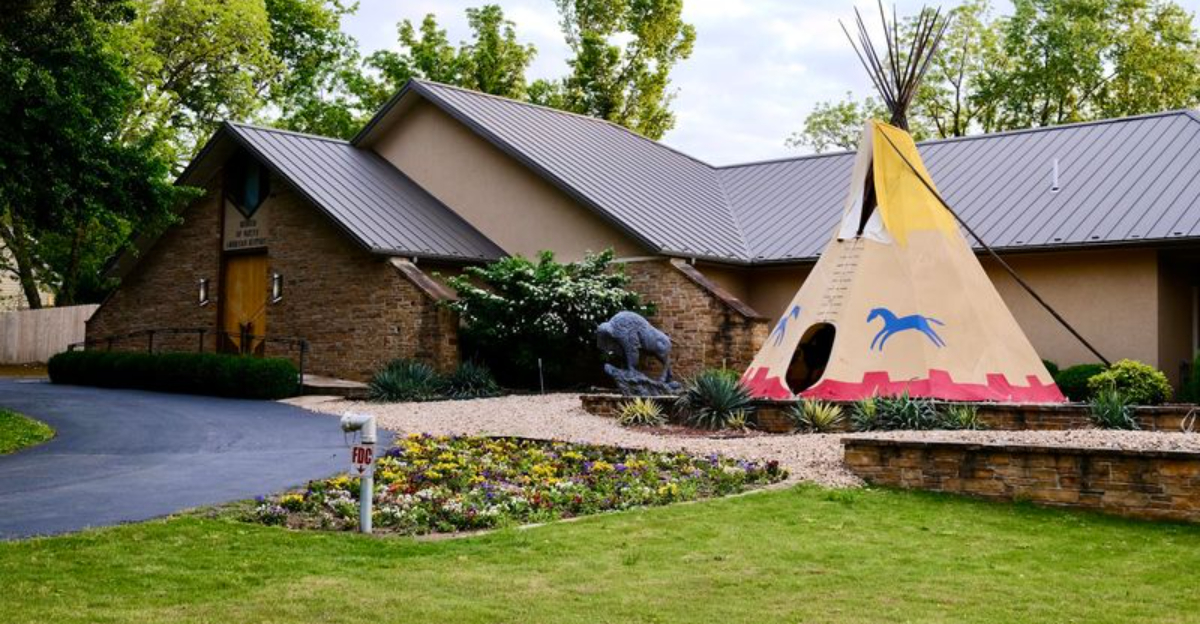
Most people come here thinking about big-name companies and polished galleries, but this corner of Arkansas tells a very different story. I came curious and left completely absorbed.
I walked in without a plan and quickly lost track of time. Cases of stone points, pottery, and tools began to feel personal.
Each one carried a story that reached far beyond anything I learned in school. The timeline stretches back roughly 24,000 years.
It moves through thriving cultures, long-distance trade, and belief systems tied closely to the land. I found myself slowing down, reading every detail, trying to connect the pieces.
This place doesn’t rush you or simplify the past. It asks you to sit with it and really look.
By the end, I wasn’t just informed. I felt a deeper respect for the people who shaped this continent long before modern America took form.
Before Borders, A Continent Alive With Nations
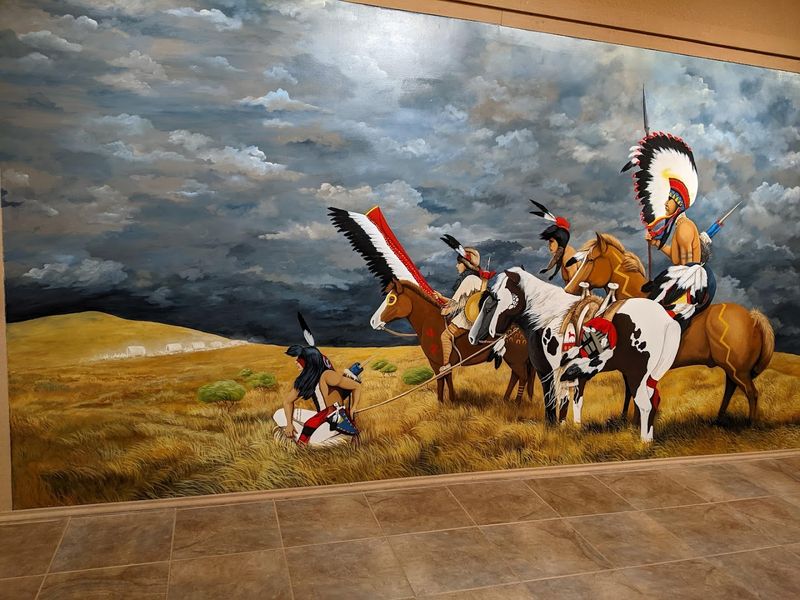
Long before any map carved this land into states and countries, hundreds of distinct nations thrived across every corner of the continent, each with its own government, traditions, and identity.
Walking into the first gallery at this museum, I felt the weight of that reality settle over me in the best possible way.
The exhibits make clear that the Americas were not an empty wilderness waiting to be discovered but a fully populated world of sophisticated, interconnected societies.
Some nations built permanent cities, others moved seasonally with the land, and many maintained complex political alliances that would impress any modern diplomat.
The diversity on display here is staggering, covering Arctic hunters, desert farmers, forest peoples, and coastal traders, all represented through artifacts and clear, readable explanations.
I found myself lingering at each panel, realizing how little of this history had made it into my school textbooks.
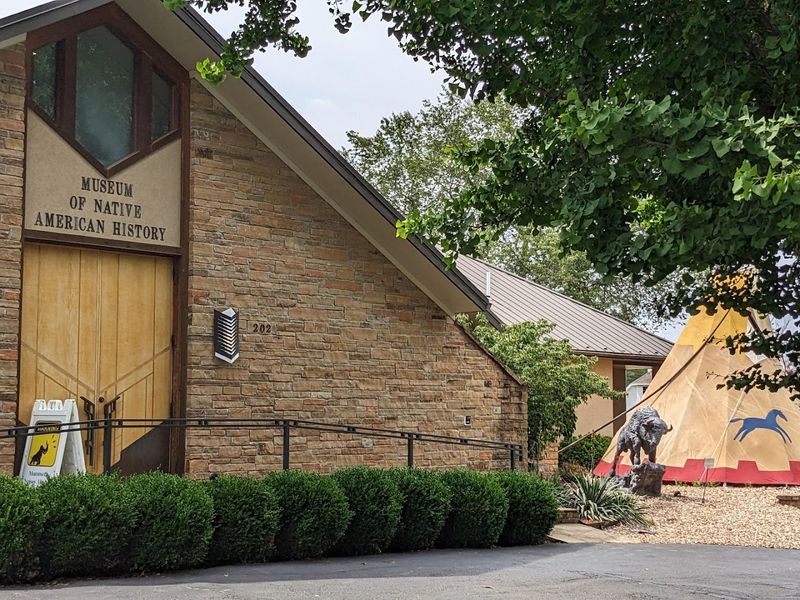
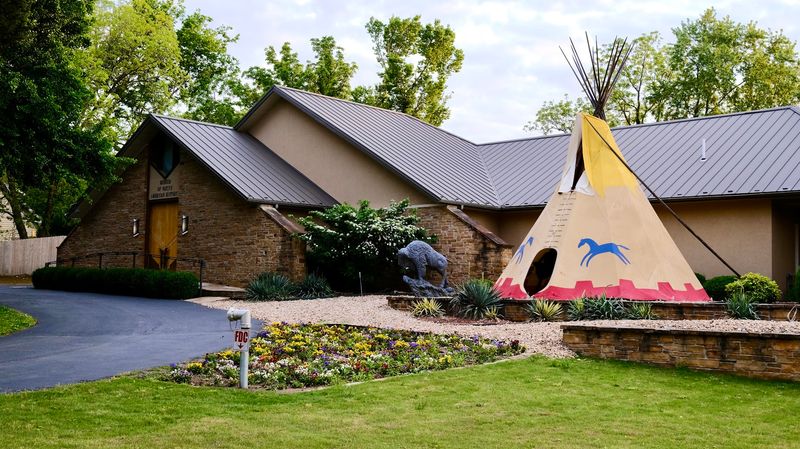
The Museum of Native American History (MONAH) at 202 SW O St, Bentonville, AR 72712 sets this continental story straight from the very first step inside.
Stone Tools, Vast Trade Routes, And Early Brilliance
There is something quietly astonishing about holding your gaze on a piece of flint that was carefully shaped by human hands thousands of years ago.
MONAH houses over 10,000 artifacts, and the stone tool collection alone tells a story of engineering intelligence that most people never credit to early Indigenous peoples.
One of the most jaw-dropping pieces is the Sweetwater Biface, widely regarded as one of the thinnest flint artifacts ever found in the United States, and it sits right here in Bentonville.
Beyond individual tools, the exhibits trace sprawling trade networks that connected communities across vast regions, including areas from the Gulf Coast to the Great Lakes, moving obsidian, copper, shells, and pottery across enormous distances.
These were not isolated groups stumbling through survival but organized societies with economic systems, skilled craftspeople, and long-distance relationships built on trust and exchange.
I kept thinking about how much coordination and knowledge it took to move goods hundreds of miles without wheels or written contracts.
These displays completely changed how I think about early human achievement on this continent.
Monumental Earthworks And Ceremonial Worlds Rising From The Land
Imagine communities of people moving millions of pounds of earth by hand to build structures that aligned with the stars and served as centers of ceremony, governance, and community life.
The Mississippian period section of MONAH brings this world into sharp focus, covering the era when great mound-building cultures rose across the American Southeast and Midwest.
Scale models and artifacts help visitors grasp just how massive these earthworks were, some covering huge footprints that point to a similar level of labor and coordination seen in other ancient monumental projects.
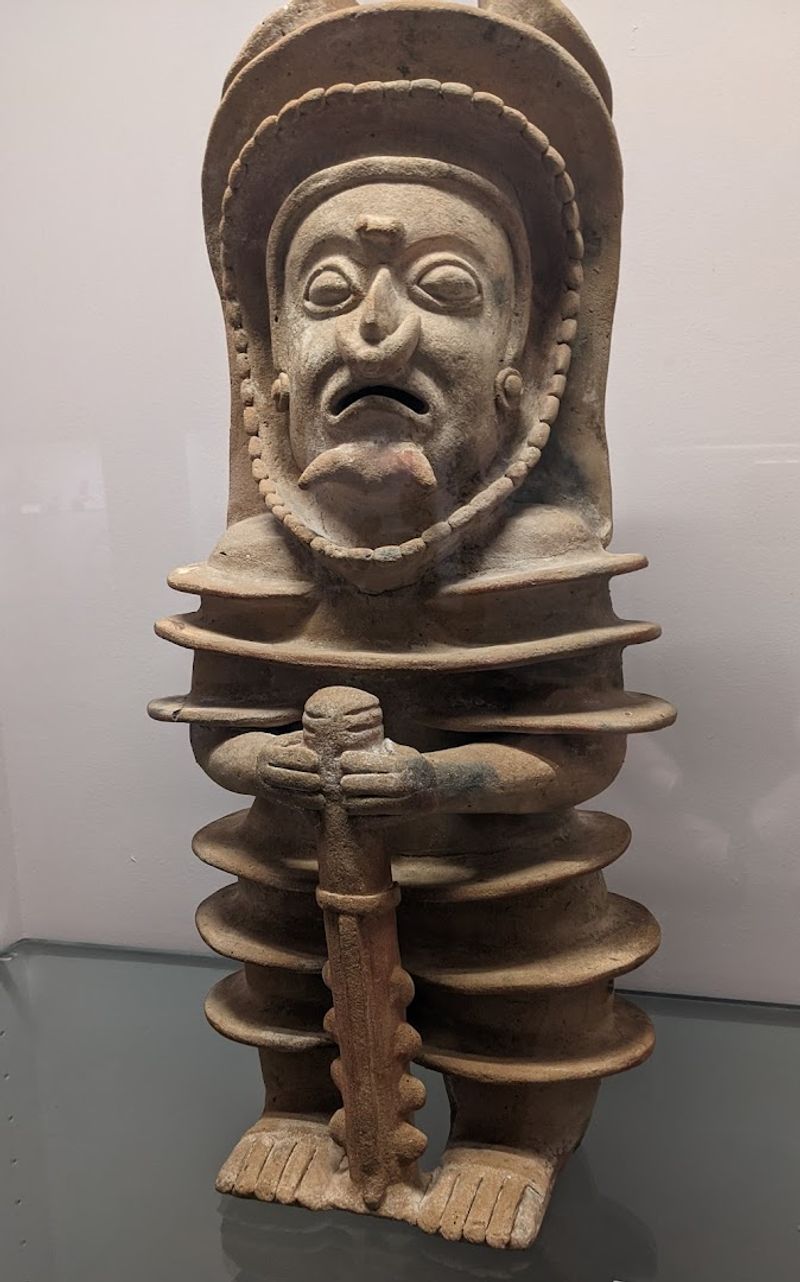
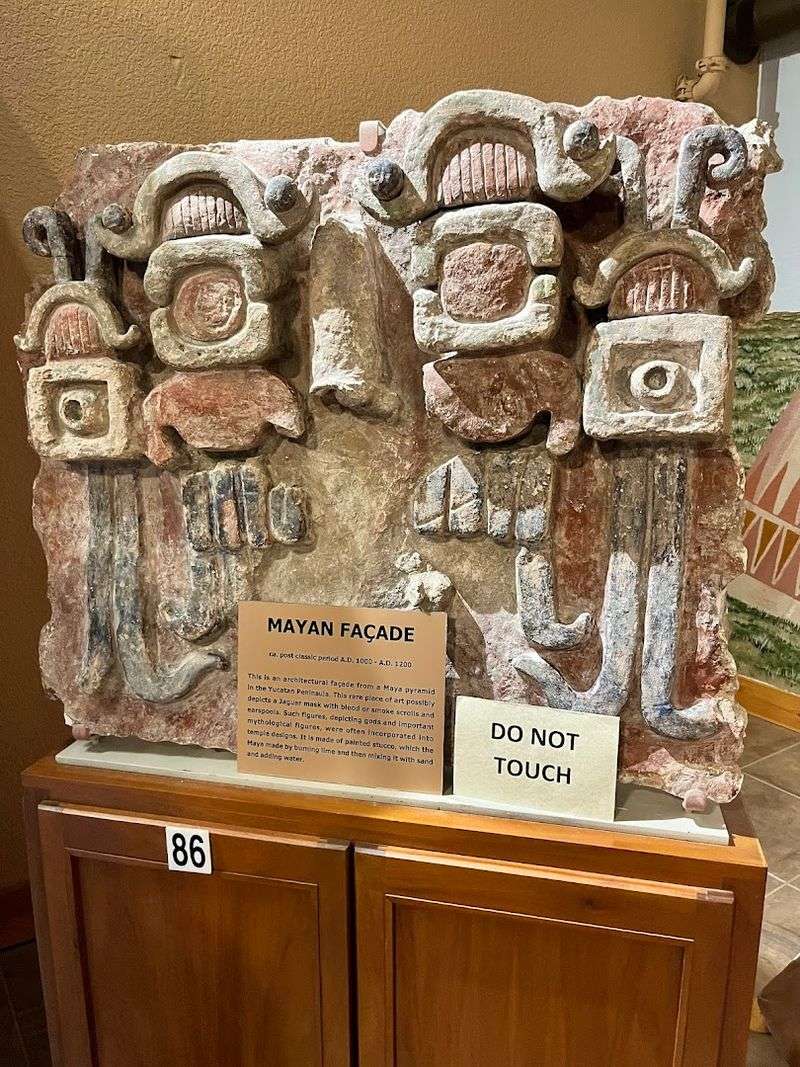
The ceremonial objects displayed here, including intricately carved figurines, engraved shells, and painted pottery, reflect belief systems of remarkable depth and artistic sophistication.
What struck me most was the social organization required to pull off projects of this scale, pointing to leadership structures, labor coordination, and shared spiritual purpose across large populations.
These were not random piles of dirt but deliberately engineered sacred landscapes that communities returned to for generations.
Standing in front of these exhibits, I felt a deep respect for the ambition and vision embedded in every layer of those ancient mounds.
Languages, Identities, And Cultures Woven Across Regions
At one point during my visit, I stopped in front of a display showing the sheer number of distinct language families that existed across North America before European contact, and the number was staggering.
Hundreds of languages, each complex and expressive in its own way, developed independently across different regions, reflecting the unique experiences, environments, and worldviews of their speakers.
MONAH does a thoughtful job of connecting language to identity, showing how the words a community uses shape everything from their relationship with nature to their understanding of family and time.
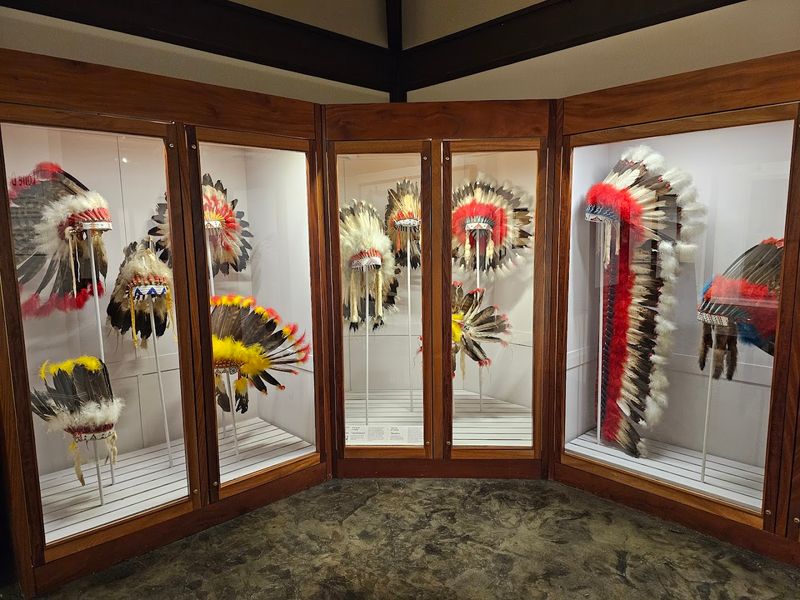
Regional cultural displays highlight the incredible variety of artistic traditions, social structures, clothing styles, and spiritual practices that emerged across the continent.
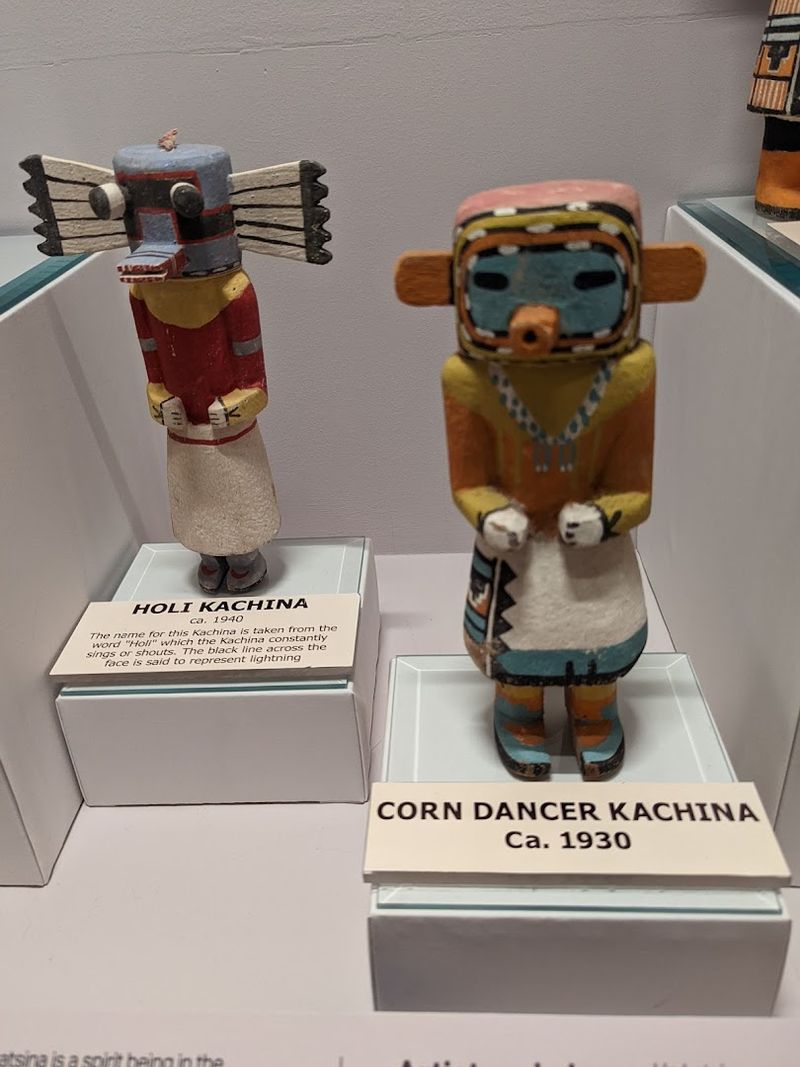
From the intricate beadwork of Plains nations to the woven textiles of Southwestern peoples, the craftsmanship on display carries centuries of cultural knowledge in every stitch and pattern.
I appreciated that the museum presents these cultures as living, evolving identities rather than frozen relics of a distant past.
Culture, the exhibits remind us, is never a single thing but always a layered, breathing conversation between people and their world.
Life Shaped By Seasons, Landscapes, And Deep Belief
One of the things I found most compelling about MONAH is how it shows the intimate relationship between Native peoples and the specific landscapes they called home.
Life was not lived in spite of the seasons but in deep partnership with them, with communities organizing their entire calendars around planting, harvesting, hunting migrations, and ceremonial cycles tied to the natural world.
The museum walks visitors through how different environments, from the arid Southwest to the rainy Pacific Northwest to the frozen Arctic, shaped entirely different ways of living, eating, building, and believing.
Spiritual life was woven into every daily activity, not separated into a single day of the week but present in the gathering of plants, the preparation of food, and the care of the land.
Artifacts like medicine bundles, ceremonial masks, and offering bowls carry that spiritual intentionality in their very construction, and seeing them up close is genuinely moving.
I left this section of the museum with a new appreciation for how much knowledge it takes to live in true balance with a landscape.
Every tool, every ritual, every story was a thread in a larger tapestry of survival and meaning.
Encounters That Changed The Course Of Everything
History has a way of hinging on single moments, and the arrival of Europeans on this continent was one of those moments that sent every thread of Native American life spinning in a new and often devastating direction.
MONAH handles this chapter with care and honesty, not glossing over the hardships and disruption while also showing how Indigenous peoples responded with intelligence, negotiation, and resilience.
The Historic period exhibits trace the dramatic changes that swept through Native communities as trade goods, diseases, missionaries, and colonial governments reshaped the political and cultural landscape.
Artifacts from this era include European trade items that Native peoples incorporated into their own material culture, adapting new materials to their own traditions in creative ways.
Maps and written records displayed here show how quickly land changed hands through treaties, many of which were later broken or not honored.
What the museum captures so well is that Native peoples were never passive in these encounters but active, strategic participants fighting to protect their communities and ways of life.
Understanding this period honestly is the only way to make sense of everything that came after it.
Survival, Resistance, And Enduring Cultural Strength
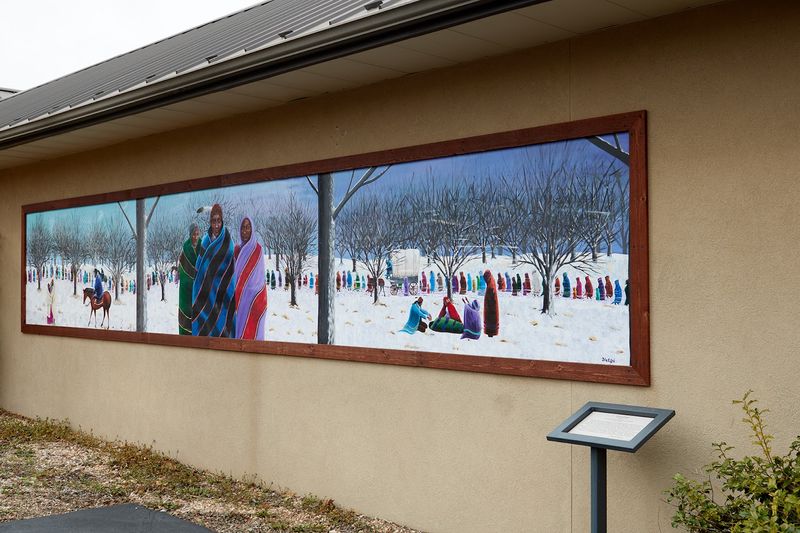
Some of the most powerful moments in my entire visit came in the sections covering the centuries of pressure, forced removal, and government-led assimilation policies that Native communities faced and somehow endured.
MONAH presents this history with a clarity that feels both necessary and respectful, honoring the courage it took to hold onto language, ceremony, and identity when powerful forces worked to erase them.
The stories of resistance here are not just military battles but everyday acts of cultural preservation, families secretly speaking their languages, communities hiding ceremonial objects, elders passing knowledge to children against all odds.
Photographs and personal objects from the 19th and 20th centuries make the human cost of these policies viscerally real in a way that textbook summaries simply cannot achieve.
I stood for a long time in front of a display about the Indian boarding school era, reading accounts that were heartbreaking and infuriating in equal measure.
But the overall message of this section is one of extraordinary strength, not defeat, because the cultures being discussed are still here, still alive, and still growing.
Resilience, as this museum shows, is not a quiet word but a roar that echoes across generations.
Living Traditions Thriving Into The Present
By the time I reached the final galleries, I had traveled through more than 24,000 years of human history, and I was not prepared for how uplifting the ending would feel.
MONAH closes its story not with a period but with an exclamation of ongoing life, showcasing the ways Native American traditions, languages, and artistic practices are thriving in the present day.
Contemporary Indigenous artists, activists, and community leaders are represented here alongside traditional objects, making the point clearly that Native culture is not a museum piece but a living force.
Annual events like the Native American Cultural Celebration bring this energy out of the exhibits and into the real world, with concerts, workshops, and film screenings that welcome the broader public into the conversation.
The museum offers free admission, which I think is one of its most important features, removing any financial barrier between curious visitors and this essential history.
Self-guided audio tours add another layer of depth for those who want to move at their own pace and absorb more than the wall panels can hold.
Walking out into the Arkansas sunshine, I felt the kind of quiet satisfaction that only comes from learning something that genuinely matters.