
This Quiet Arkansas Town Has A Charming Historic District, A Scenic Lake, And A Bakery Worth The Drive
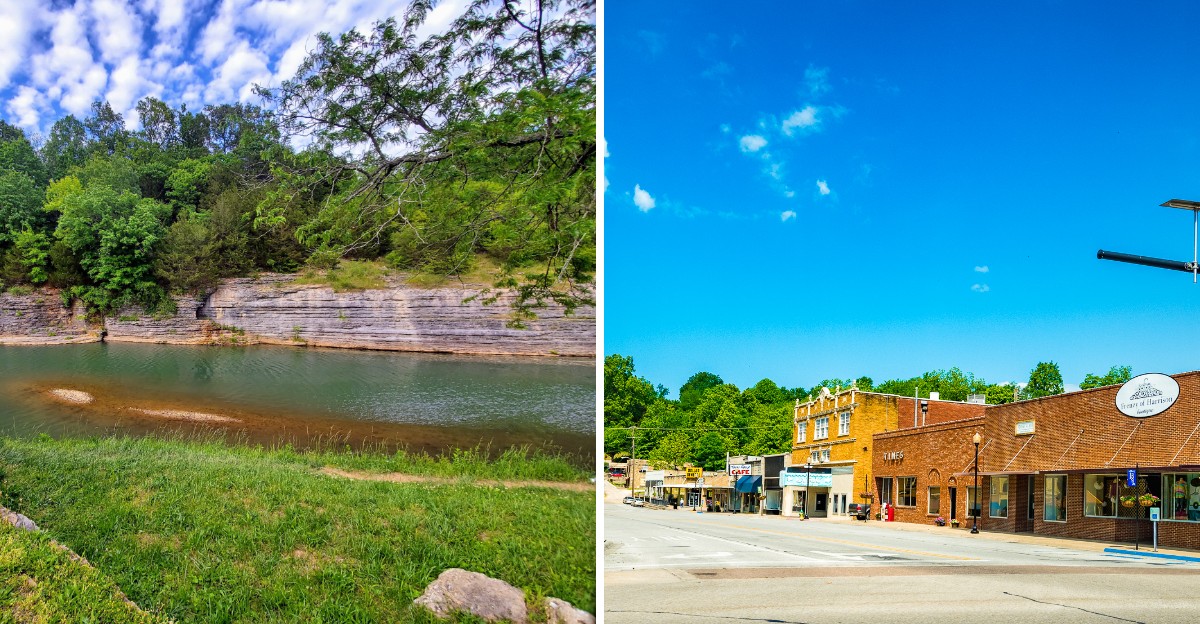
A small town can be worth the drive without relying on one headline attraction. This Arkansas city makes its case through a historic downtown and an easy lakeside break close by.
Early twentieth-century buildings still shape the courthouse square, while a working theater adds another reason to linger after sunset. The bakery sits along the main highway, making it simple to add something fresh before heading home.
A prairie preserve within city limits gives the outing even more range without requiring another long drive. What works here is the balance between built history and open space.
The day can shift naturally between downtown streets and the water without feeling overplanned. Travelers who have a little extra time can also walk the prairie trails before calling it a day.
For an autumn road trip, this is the kind of place that can fill an afternoon while keeping the route pleasantly straightforward.
A Quiet Downtown With Historic Charm
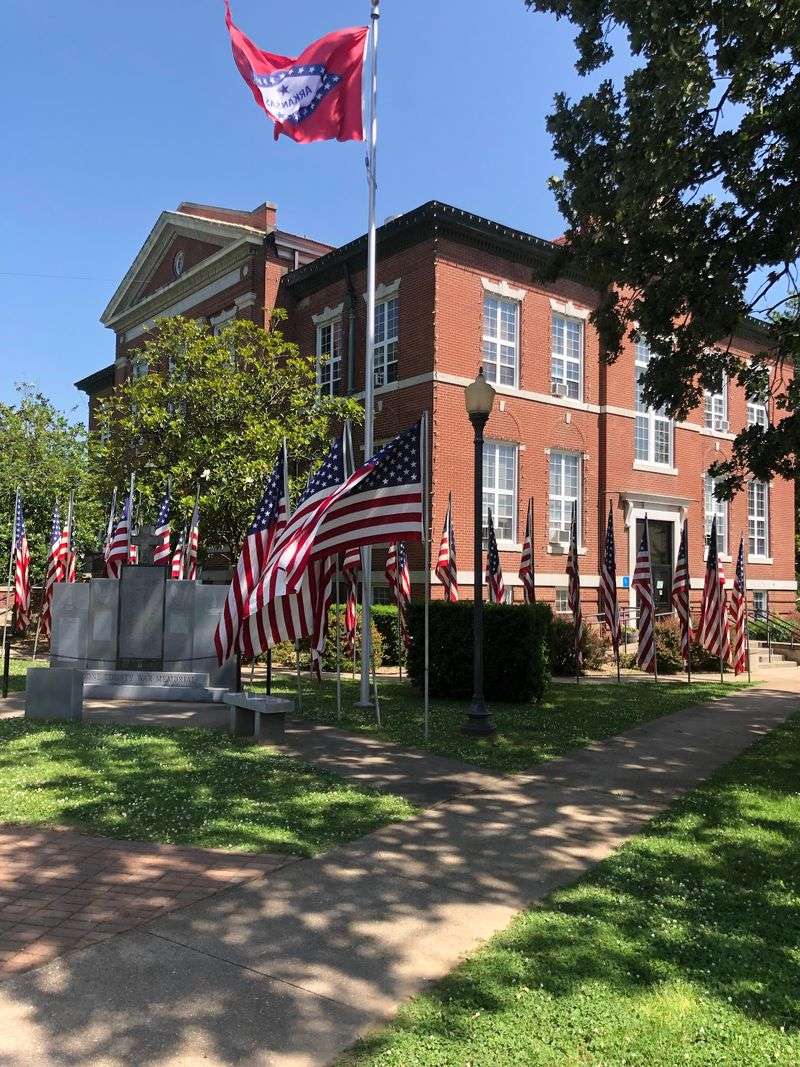
Picture a county seat where the tallest thing around is a historic courthouse and the loudest sound is a passing pickup. The square here has held its shape for well over a century, with two-story brick buildings facing inward toward a shaded lawn.
Shops, offices, and small eateries occupy storefronts that were built when the railroad first brought business into these hills. Benches, planters, and wide sidewalks make the whole area feel built for walking rather than hurrying.
The city grew up along Crooked Creek at Stifler Springs and was formally laid out with wide side streets and a courthouse square during the Reconstruction era. That early town planning is still visible today in the neat blocks radiating out from the central square.
What strikes me most is how usable the square still feels, with real businesses instead of empty windows. Seasonal events, farmers market days, and holiday lighting keep the area active through most of the year.
Parking is free and plentiful along the perimeter, which makes an unplanned afternoon stop remarkably easy. Most of the square can be circled on foot in fifteen minutes, though lingering is the whole point.
Elevation sits around 1,359 feet, so summer evenings cool off faster than in the flatlands to the south. All of that quiet charm belongs to the courthouse square in Harrison, Arkansas 72601.
Historic Storefronts Line The Old District.
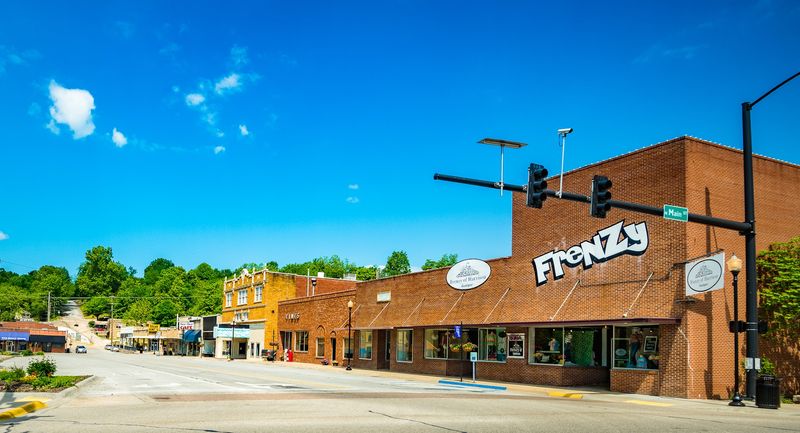
Street level is where a lot of the story lives. Sections of the old commercial district still show early storefront details, reminders of an era when wagons outnumbered automobiles.
Walking these blocks makes it easy to notice details that signal you have entered somewhere older than the highway you just left. Pedestrians get the better deal, since the district naturally encourages a slower pace.
The downtown historic district is recognized on the National Register of Historic Places, which formally recognizes the historic character and scale of the buildings around it. Many surviving downtown buildings still retain original brickwork, storefront openings, and cornice details rather than having those features completely covered up.
I appreciate that the preservation here feels honest, with patched repairs left visible instead of polished into fakery. Storefront facades vary in color from deep red to soft tan, giving each block its own rhythm.
Photographers tend to show up in the hour before sunset, when low light rakes across the brick and deepens every seam. Mornings are quieter still, with shopkeepers unlocking doors and the square nearly empty.
Comfortable shoes matter more than you might expect, because exploring downtown blocks can take time. Anyone curious about how a small Ozark town developed in the twentieth century will find much of the answer in the buildings here.
Landmark Buildings Give Downtown Its Character
Old buildings do the heavy lifting when it comes to atmosphere. The Boone County Courthouse anchors the square with its red brick construction and steady civic presence, still serving the county that built it.
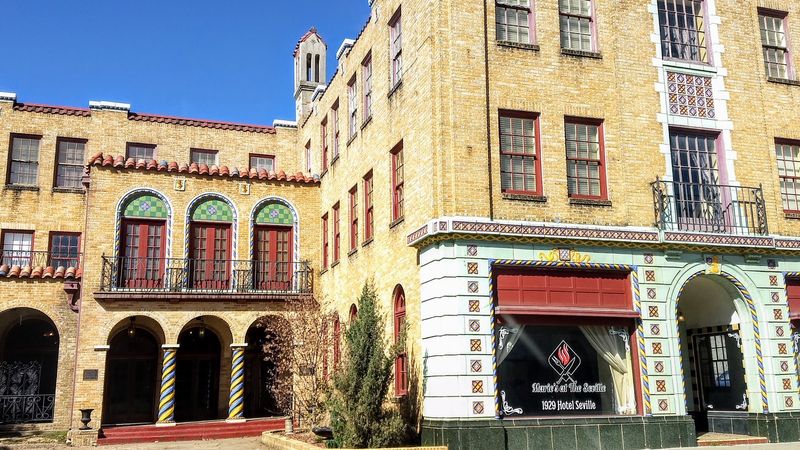
Across the way, the Hotel Seville rises three stories in Spanish Colonial Revival style, an unexpected flourish for a hill-country town. Built in the late 1920s, it remains one of the most photographed structures in the district.
Surrounding commercial blocks date largely from the early twentieth century, when the railroad turned a creekside settlement into a regional trading hub. Decorative brick patterns, arched windows, and pressed metal details reward anyone who looks up instead of straight ahead.
The Boone County Heritage Museum fills in the rest of the story with local exhibits covering pioneer life, the railroad era, and regional history. Small museums like this often surprise visitors with how much material they manage to pack in.
Walking the perimeter takes very little time, yet almost every building has a plaque, a date stone, or a repurposed interior worth noticing. Several now house shops and offices, which keeps the district from feeling like a museum piece.
What I enjoy about this mix is that grand architecture and everyday errands share the same block. Century-old walls still doing daily work make a stronger impression than any restored replica ever could.
A Vintage Theater Adds To The Historic Feel
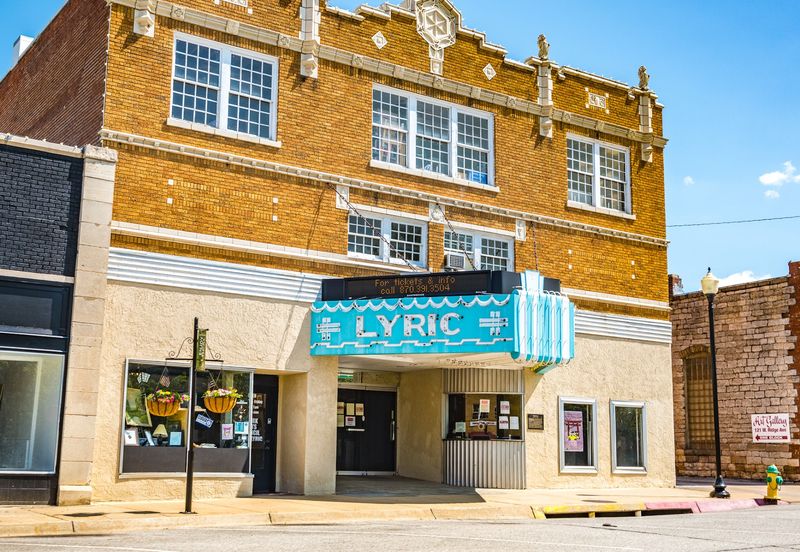
Nothing dates a downtown quite like a neon marquee. The Lyric Theater has stood near the square since the 1920s and still operates as a community performance venue today.
Its sign glows against the brick after sunset, which does more for the district’s mood than any streetlight ever could. Live theater, concerts, and local productions fill the calendar throughout the year.
Single-screen theaters of this vintage disappeared from most American towns decades ago, replaced by multiplexes out by the highway. Keeping one alive takes volunteers, fundraising, and a stubborn belief that the building matters.
That kind of persistence is worth admiring, and the payoff shows on any evening when the doors open. Interior seating is intimate by modern standards, meaning there is genuinely no bad seat in the house.
Show schedules vary by season, so checking ahead saves a wasted trip for anyone hoping to catch a performance. Ticket prices tend to run far below big-city equivalents, which makes an evening out unusually affordable.
Even with the lights off, the building contributes to the streetscape with its period signage and tiled entry. Visitors often photograph the marquee first and ask questions later.
A downtown with a working theater has a pulse that shops alone cannot supply. Long after the final curtain, that glowing sign keeps the old district company.
The Lake Brings A Scenic Pause Near Town
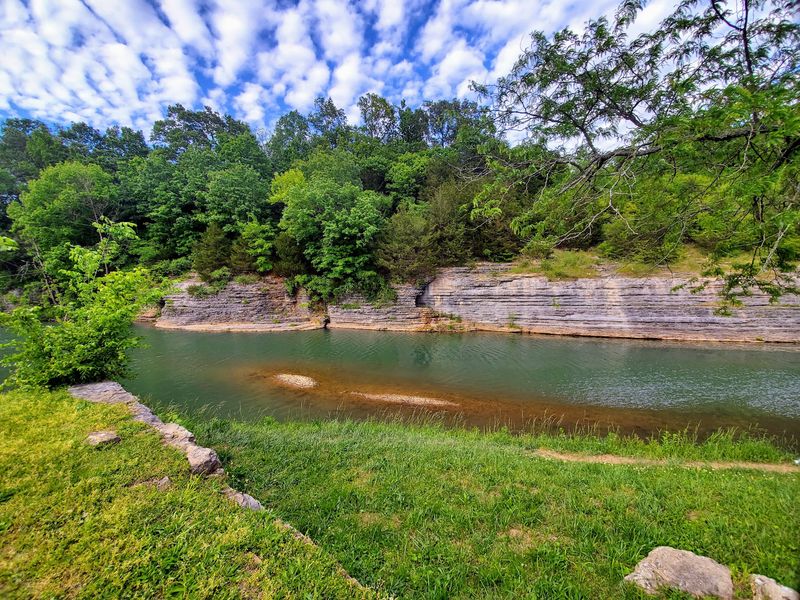
Water changes the tempo of any trip. A longer drive east of town leads toward Bull Shoals Lake, a large reservoir on the White River known for clear water and long, winding shorelines.
Forested hills and limestone bluffs frame the coves, and the surface often looks glassy in early morning. Boating, fishing, and swimming draw visitors through the warm months.
Closer to town, Lake Harrison offers a smaller and more relaxed setting for a picnic or an easy afternoon of fishing. Its modest size keeps crowds thin and the mood calm.
Lake Harrison gives travelers a break from pavement without requiring a long detour. Bull Shoals Lake sits farther away, making it better suited to a longer day outing from town.
Spring brings wildflowers along the access roads, while autumn turns the surrounding ridges gold and rust. Fishing tends to be best in the cooler shoulder seasons when the water settles.
Pack water, sunscreen, and a hat, because shade can be scarce on open shoreline at midday. Cell service in the deeper coves can be spotty, which some people count as a feature.
Watching light shift across an Ozark reservoir has a way of resetting a busy mind. A quiet hour by the water pairs surprisingly well with an afternoon spent on historic downtown streets.
A Bakery Stop That Justifies The Drive
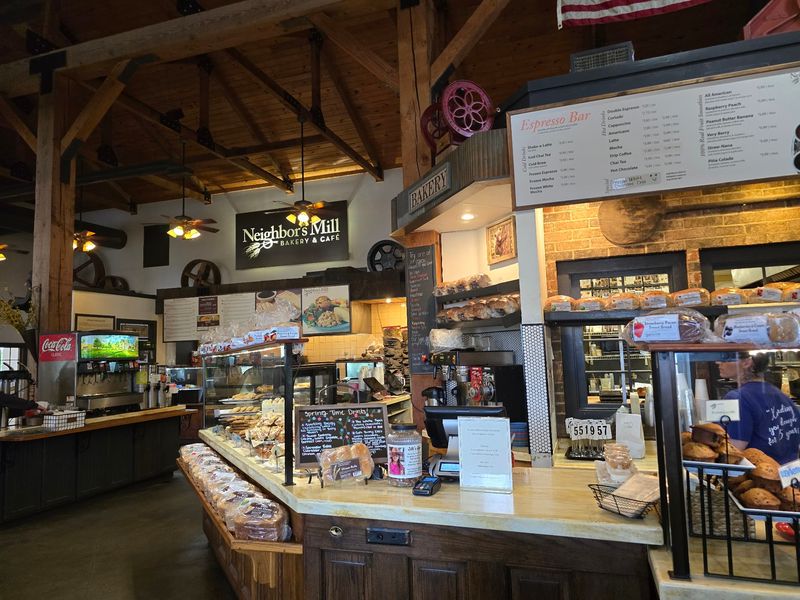
Sugar has a real gravitational pull in small towns. Neighbor’s Mill Bakery & Cafe along Highway 62-65 North bakes cinnamon rolls and cookies every day, with breads offered throughout the week.
The smell alone tends to stop people mid-sidewalk, which is arguably the most effective advertising ever invented. Early arrivals get the widest selection, a rule that holds almost everywhere baked goods are involved.
Travelers passing through on Highway 65 often make the bakery their planned excuse for stopping. Pairing a warm pastry with a walk around the brick district turns a fuel stop into an actual outing.
Honestly, a good cinnamon roll has rescued more road trips than any scenic overlook ever has. Seasonal items appear throughout the year, with specialty breads and other baked goods joining the rotation.
Counter service keeps things quick, though the atmosphere encourages sitting a while with coffee. Prices in a town this size tend to feel gentle compared to metro bakeries.
The Harrison bakery is open from 7 a.m. to 6 p.m. Monday through Saturday and closed Sunday.
The baking schedule varies by day, so checking ahead can help with specific items.
Boxes of pastries have a strange habit of not surviving the trip home. Fair warning: whatever gets bought here rarely makes it past the county line intact.
Quiet Prairie Views Round Out The Escape
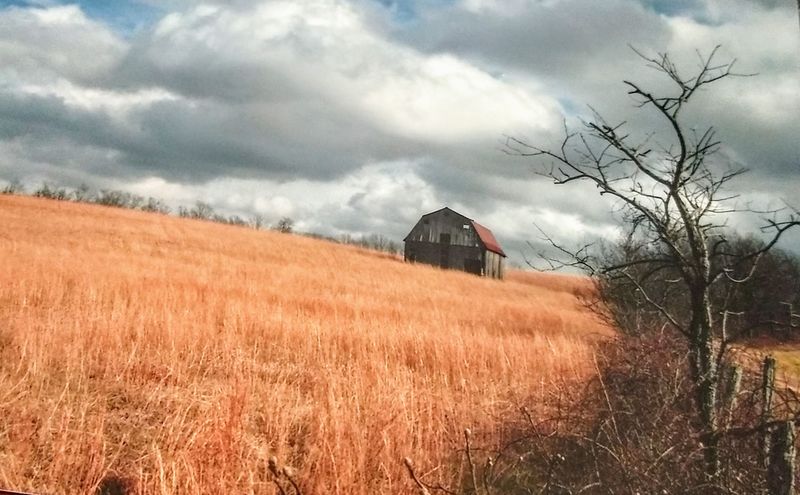
Open sky is a rare commodity in hill country. Northwest of the square, the Ozark landscape flattens into pockets of open grassland and gently rolling pasture that stretch toward the horizon.
Two-lane roads cut through these stretches, offering long views that feel worlds away from the wooded ridges nearby. Drivers often slow down without meaning to.
Baker Prairie Natural Area sits within the city itself, protecting one of the last remaining tallgrass prairie remnants in the region. Roughly seventy acres of native grasses and wildflowers survive there, supported by ongoing conservation work.
Spring and early summer bring waves of blooms, including coneflowers and prairie clover. Walking paths keep visitors on route without disturbing the fragile plant communities.
Birders show up regularly, since grassland species use the area throughout the migration seasons. Binoculars are worth bringing, as is patience.
I find it remarkable that a prairie remnant this old survived inside city limits at all. Entry is free, and the space is quiet enough that traffic noise fades within a few steps.
Morning light suits the grasses best, turning seed heads translucent against the sky. Sunset over rolling farmland closes out a day here about as well as anything could.