
This Quiet Michigan Dairy Farm With Friendly Cows Makes Ice Cream People Drive Hours To Try
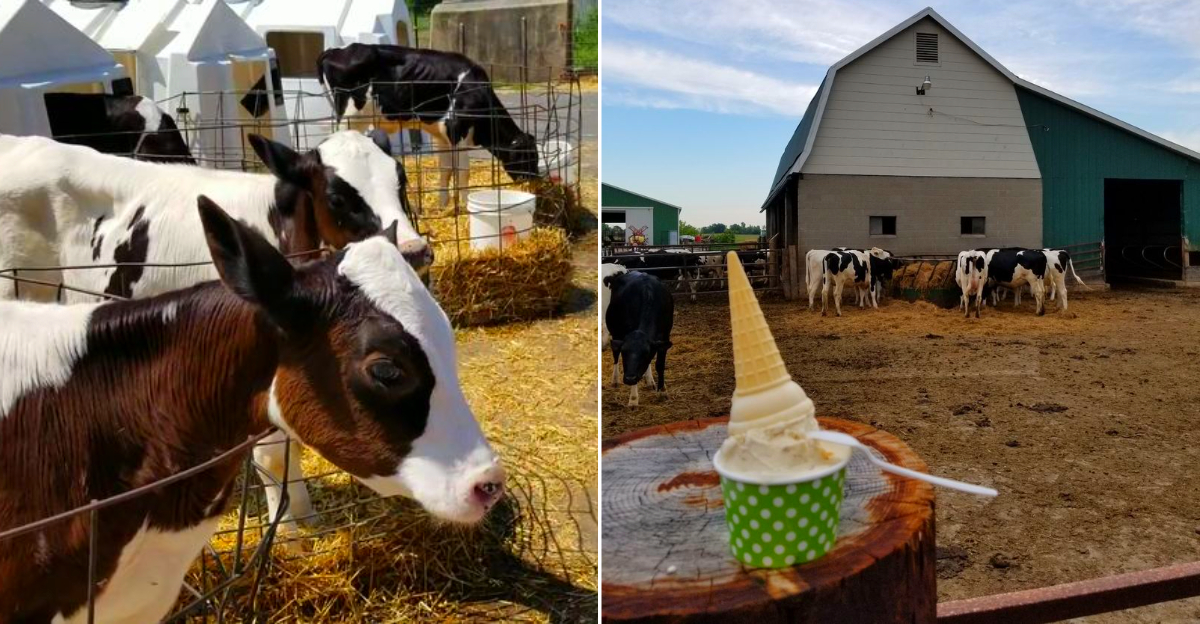
Some ice cream shops serve cones. Others introduce you to the cows first.
Along a quiet Michigan country road, this 200-acre dairy farm turns a simple dessert stop into something far more memorable, with working barns, curious calves, fresh milk, and a flavor board capable of causing serious indecision.
The same family raises the cows, grows much of the feed, processes the milk, and transforms it into rich frozen treats right on the property.
Farm-fresh ice cream, working dairy barns, friendly calves, and homemade Michigan dairy products make this Oakland County stop worth the drive.
What I love most is how little of the experience feels staged. Tractors move, cows do cow things, and visitors happen to be there enjoying ridiculously creamy scoops in the middle of it all.
Add seasonal events and a country setting, and the whole place feels refreshingly honest, deliciously simple, and just nostalgic enough to make one cone become two.
Choose Your Scoop Slowly
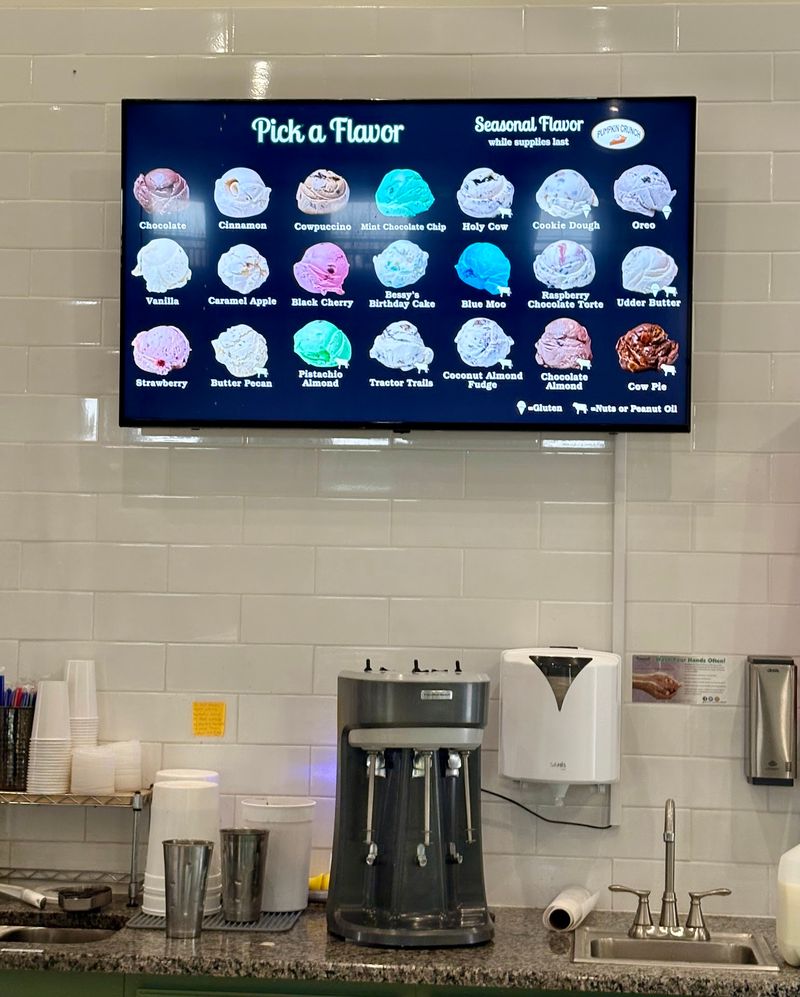
The flavor board can cause cheerful gridlock, so step aside while deciding rather than guessing under pressure. Cook’s serves more than 20 choices, including familiar standards and playful farm-themed recipes such as S’more Cowbell, Holy Cow, and Cow Pie.
Cow Pie combines double dark chocolate ice cream with caramel and cashews, while Holy Cow features fudge swirls. Seasonal selections may change, with Pumpkin Crunch associated with fall and eggnog appearing around the holidays.
Ask which flavors are available that day, since the case may not match an older online photo. A split scoop is a useful strategy when offered, especially for pairing one dependable favorite with something unusual.
Bring allergy questions directly to staff because recipes, shared equipment, and ingredients can change over time.
The Cows Are The Landmark
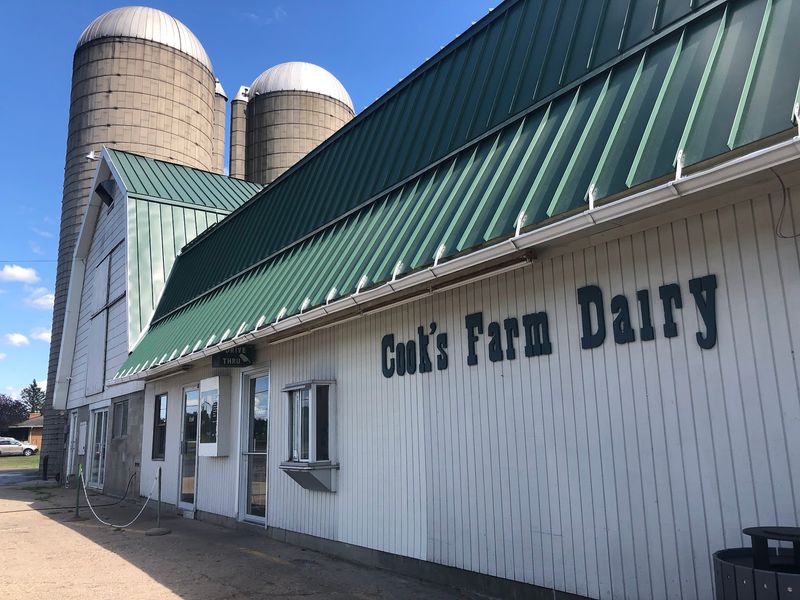
Cook’s Farm Dairy sits at 2950 E Seymour Lake Road in Ortonville, Michigan. Seymour Lake Road handles the final rural approach, bringing you directly to the working dairy farm rather than to a separate shop or visitor center.
As you near the property, look for the farm buildings and Cook’s Farm Dairy signage along Seymour Lake Road. The ice cream shop, farm store, and visitor areas are all on the same working farm, so once the barns and dairy come into view, you have reached the right place.
Pull into the farm property and use the on-site parking, then continue on foot toward the dairy and ice cream shop. From there, the areas where visitors can see the cows and other farm animals are reached within the same property.
Taste The Farm-To-Cone Difference
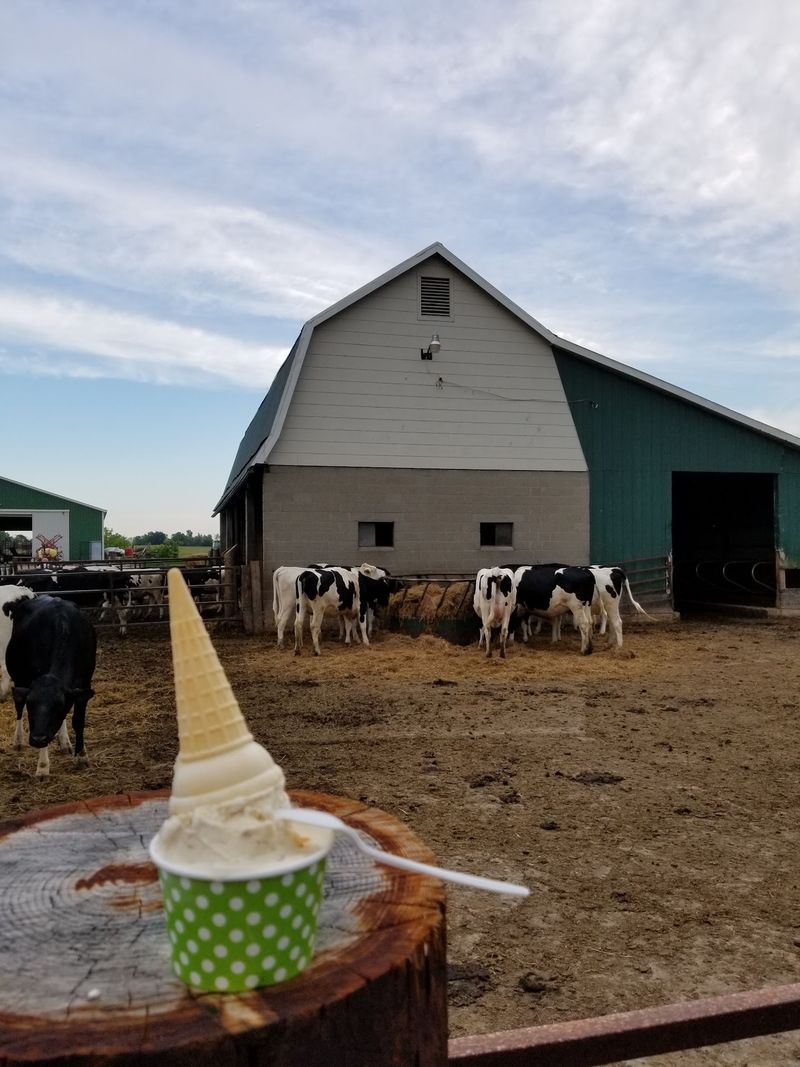
One spoonful explains why a rural ice cream counter can become a destination. Milk used at Cook’s comes from cows raised on the property, while crops grown across the farm’s roughly 200 acres help feed the herd.
Processing also happens on-site, shortening the story between barn, milk, and finished dessert. The family describes its ice cream as slowly churned with generous ingredients, which helps produce the dense, creamy texture visitors notice immediately.
Try the first bite without piling on toppings, then pay attention to its body and clean dairy taste. That tiny tasting pause makes the farm-to-cone idea less like a slogan and more like something understandable.
Few outings let guests see the animals, land, processing tradition, and final scoop within the same working property.
Meet The Cows With Care
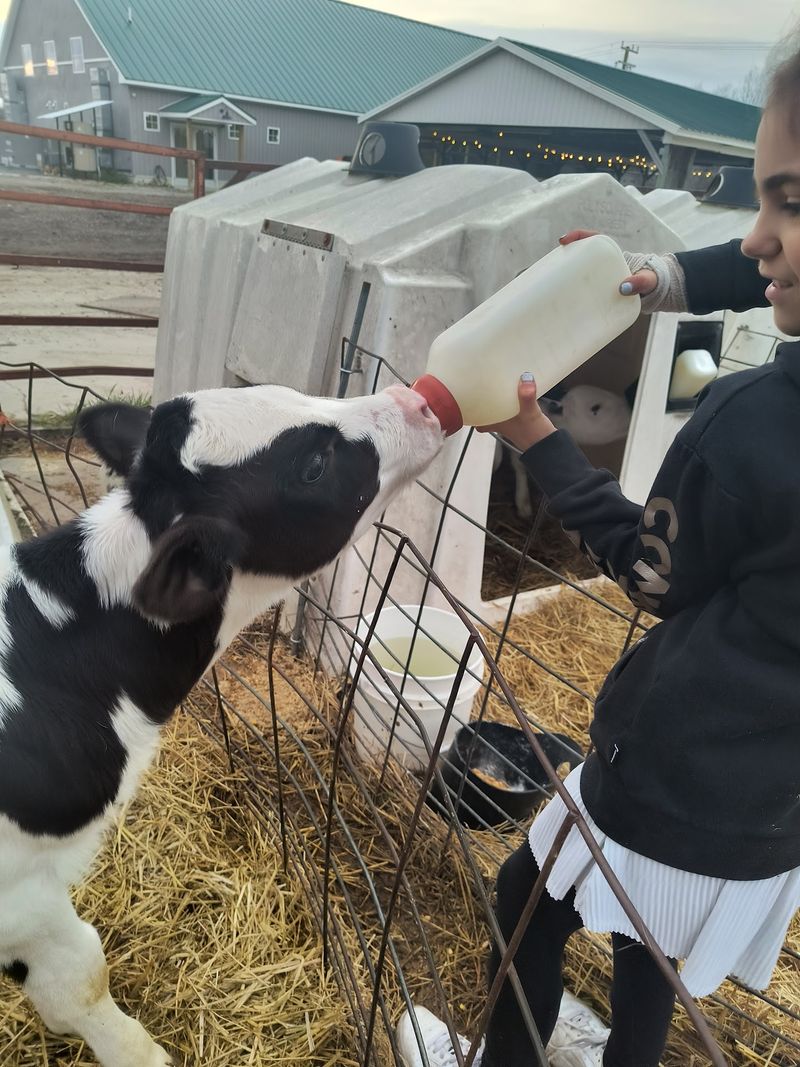
A calf’s sandpaper tongue is funny until it reaches a sleeve, so keep loose clothing and snacks tucked away. Visitors can often see young calves near the front and adult cows farther into the working farm areas.
Some animals may approach for attention, but their access and routines depend on daily farm work. Follow every posted sign, keep fingers away from machinery, and never enter a pen or restricted barn space.
Children should remain beside an adult rather than racing between animals.
The herd includes milking cows plus calves and heifers, making different stages of dairy life visible in one visit. Feeding opportunities are not guaranteed, so do not promise one to children beforehand.
Calm voices, clean hands, and respectful distance make the encounter safer for cows and people.
Watch Modern Milking In Action
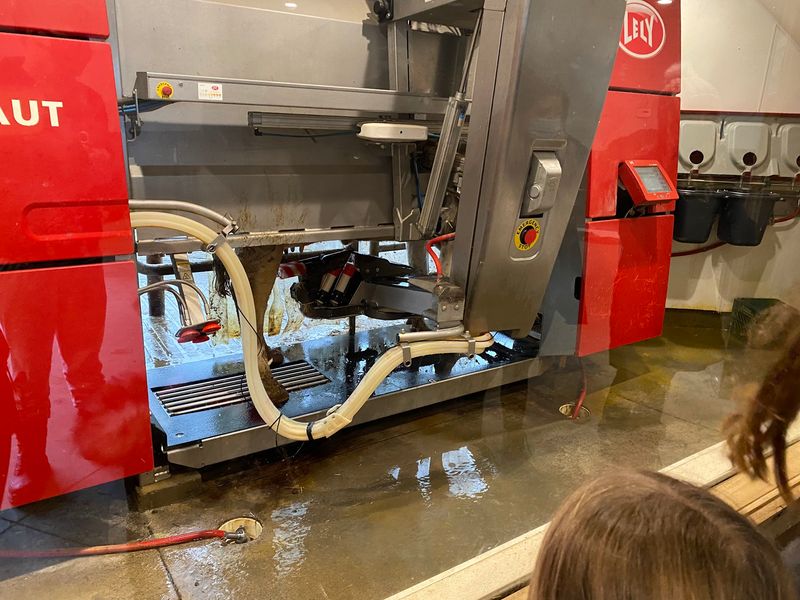
Behind the country scenery, a milking robot adds a surprising flash of modern engineering. Cook’s incorporated automated milking technology in 2020, allowing cows to move through part of their routine with less dependence on one fixed milking schedule.
If the equipment is visible during your visit, watch from the approved area and let the process unfold. Machines, gates, sensors, and animals all move according to farm needs, not a visitor timetable.
The freestall barn also includes cow-comfort features such as waterbeds.
Use the moment to show children that agriculture mixes animal care, computers, mechanics, and constant observation. Guided explanations may not be available during a casual stop, so save detailed questions for staff when they are not busy.
Never interrupt workers handling livestock or equipment.
Dress For A Working Dairy
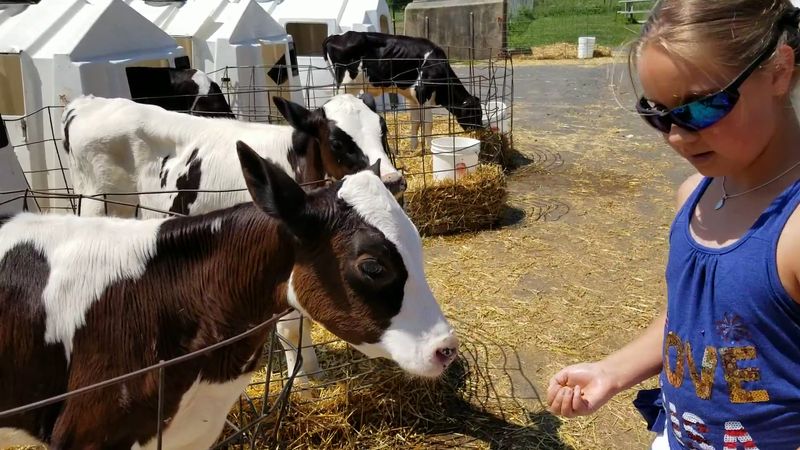
Fresh waffle-cone smells near the shop can quickly give way to hay, livestock, and honest barnyard aromas. That contrast is part of visiting an active dairy rather than a themed attraction.
Closed-toe shoes with washable soles are far wiser than sandals or spotless sneakers.
Weather matters because parts of the experience involve walking outdoors between buildings and animal areas. Bring a light layer on cool evenings, sun protection in summer, and clothing that can survive dust or a curious calf.
After touching railings or animals, wash hands before eating and help children do the same. Avoid bringing food into barn spaces, and give working vehicles plenty of room.
Sensible preparation lets everyone enjoy the rural setting without expecting the barns to look, sound, or smell like the polished ice cream parlor.
Browse The Farm Shop
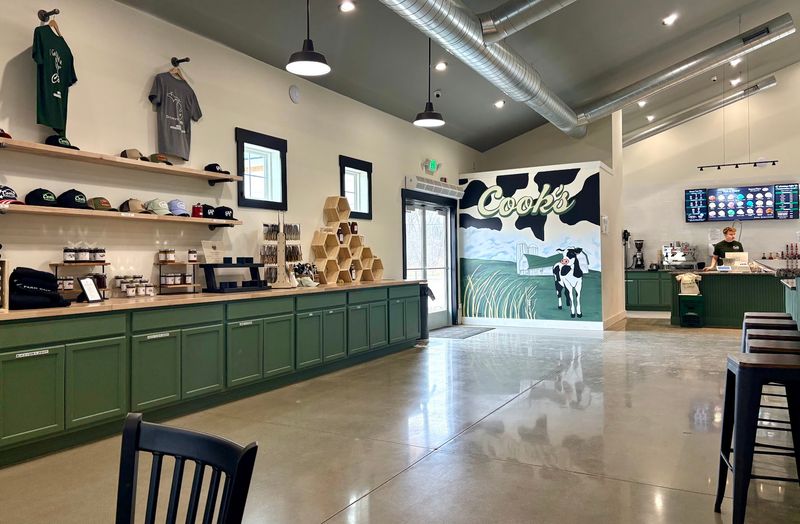
The cone gets attention, but the refrigerated cases deserve a slow lap before leaving. Cook’s sells fresh whole, two-percent, and skim milk, along with buttermilk and other dairy goods made or bottled through its on-site operation.
Grandma Cook’s Hot Fudge and Legendary Buttermilk Ranch add personality to the shelves. Shoppers may also find local honey, eggs, cheeses, and frozen meat from cattle and pigs raised by the farm, although stock can vary.
Bring a cooler with ice packs if home is more than a short drive away, especially during a Michigan summer. Check package labels and current prices rather than relying on past information.
Buying groceries after eating also prevents melting ice cream from distracting you while choosing items that need careful refrigeration during the ride home.
Plan Ahead For Group Tours
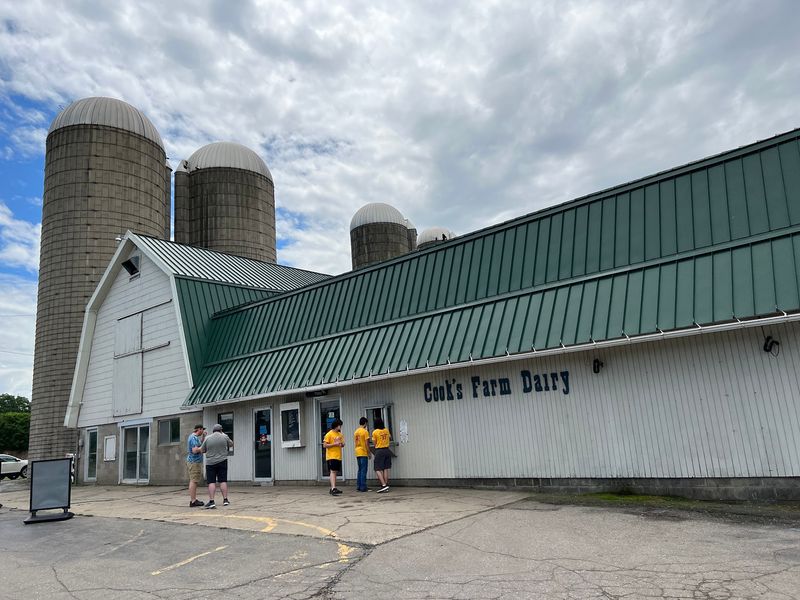
Curious groups can see more than casual visitors, but the experience requires advance planning. Cook’s offers guided farm and processing-plant tours for groups of 20 or more, creating a structured look at how milk travels from cows to finished dairy products.
Tours generally last about 40 minutes to one hour and include educational information. A small ice cream cone and chocolate milk sample are part of the listed experience, making the lesson pleasantly edible.
Contact the dairy directly for current pricing, available dates, accessibility details, and age guidance before organizing transportation. Teachers and group leaders should confirm head counts early and explain working-farm behavior beforehand.
Arriving together, wearing practical shoes, and following the guide’s pace will keep the visit useful without disrupting employees, animals, or processing work.
Save Autumn Activities Early
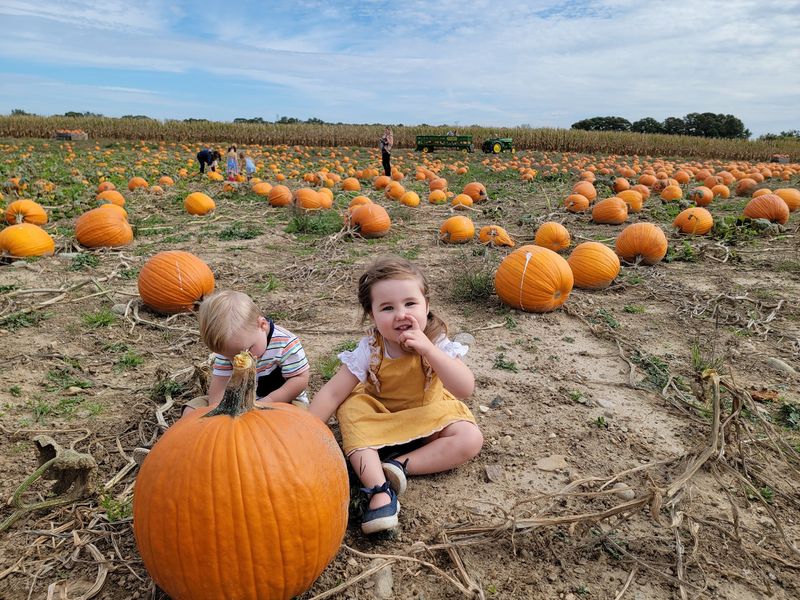
October changes the rhythm from quiet cones to pumpkins, wagon wheels, and rustling corn. Weekend hayrides traditionally travel to the pumpkin patch, while the corn maze operates during the fall season, generally across September and October.
The listed hayride experience includes a small chocolate milk and a donut from a local orchard. Dates, ticket procedures, maze access, and weather cancellations can shift each year, so check the farm’s official channels before driving.
Choose an earlier arrival when possible because autumn weekends naturally bring larger crowds. Boots handle fields better than delicate shoes, and a small flashlight may help if an approved evening activity runs near dusk.
Coolers are still useful for dairy purchases, even when the air feels crisp, since a warm car can spoil the trip home.
Consider The Hay Loft
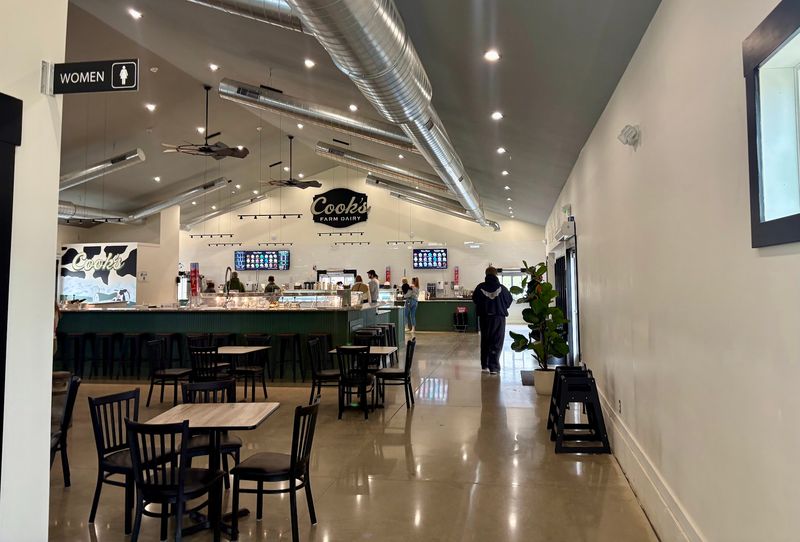
Above the everyday scoop stop sits a quieter option for small celebrations. The Hay Loft, located within the ice cream parlor, is an event space designed for intimate gatherings rather than huge receptions.
It can accommodate roughly 20 to 30 guests and has been offered for birthdays, baby showers, bridal showers, and family events. The farm setting gives a gathering character while keeping everyone close to the counter and property.
Ask about current rental blocks, costs, food rules, setup time, cleanup duties, and accessibility before sending invitations. Capacity alone does not answer whether strollers, decorations, or mobility needs will fit comfortably.
Booking early is sensible during busy seasons, and a short visit beforehand helps hosts picture the room, parking route, and timing for ice cream service.
Check Hours Before The Drive
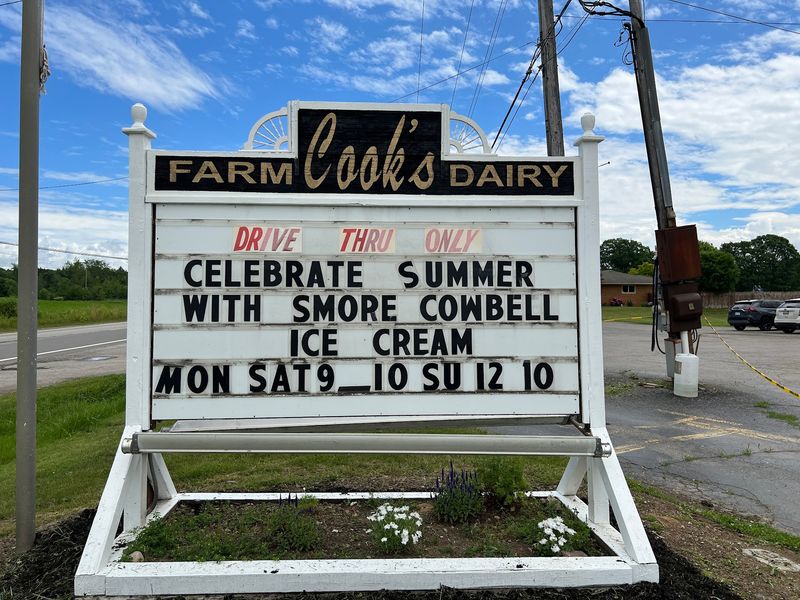
A long drive deserves one final check before the keys leave the hook. Cook’s Farm Dairy is located at 2950 E Seymour Lake Road in Ortonville, and its posted hours are 7 a.m. to 10 p.m.
Monday through Saturday and noon to 10 p.m. Sunday.
Holiday schedules, special events, weather, and farm needs may affect access, so confirm current information on the official website or call 248-627-3329. The drive-thru window is useful when time is short or weather makes a longer walk less appealing.
For the fuller experience, arrive with enough daylight to see the animals and property safely. Allow extra time for ordering on warm evenings and autumn weekends.
Late hours make dessert convenient, but barns may follow different rhythms than the retail counter.