
This Quiet Michigan Park Sits Beside A Lake That Feels Like A Freshwater Ocean
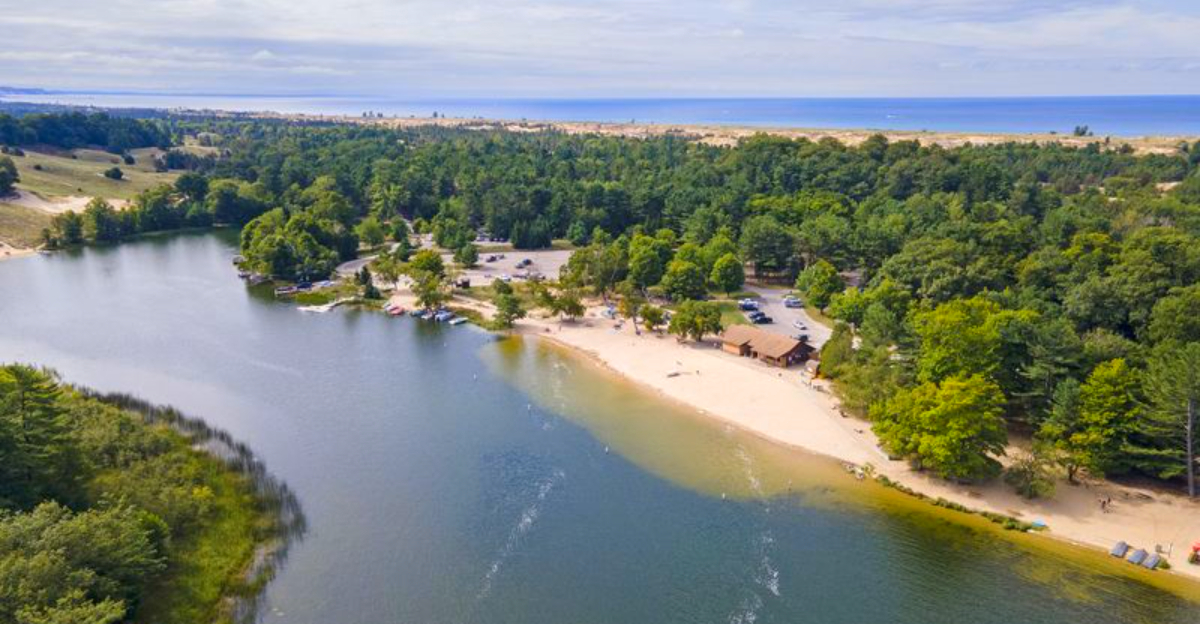
Standing at the edge of this shoreline, I could swear Lake Michigan is taking a deep, rhythmic breath like a freshwater ocean trying to play it cool.
It is one of those places that makes me feel delightfully small, framed by towering dunes, stoic pines, and boardwalks that seem to stretch into infinity.
While the iconic black-and-white striped lighthouse is the obvious headliner, I’ve found that the real magic is in the “hiss” of the dune grass and the way the fog peels off the inland lake at dawn like a theater curtain.
It’s a landscape that demands you stop rushing and start noticing the “tea tint” of the creeks winding through the forest.
This state park in Michigan offers a perfect outdoor escape with scenic hiking trails, historic lighthouses, and pristine Great Lakes beaches. I’ve put together some field-tested tips to help you navigate these trails and seasons without feeling like you’re on a schedule.
The Oceanlike Main Beach
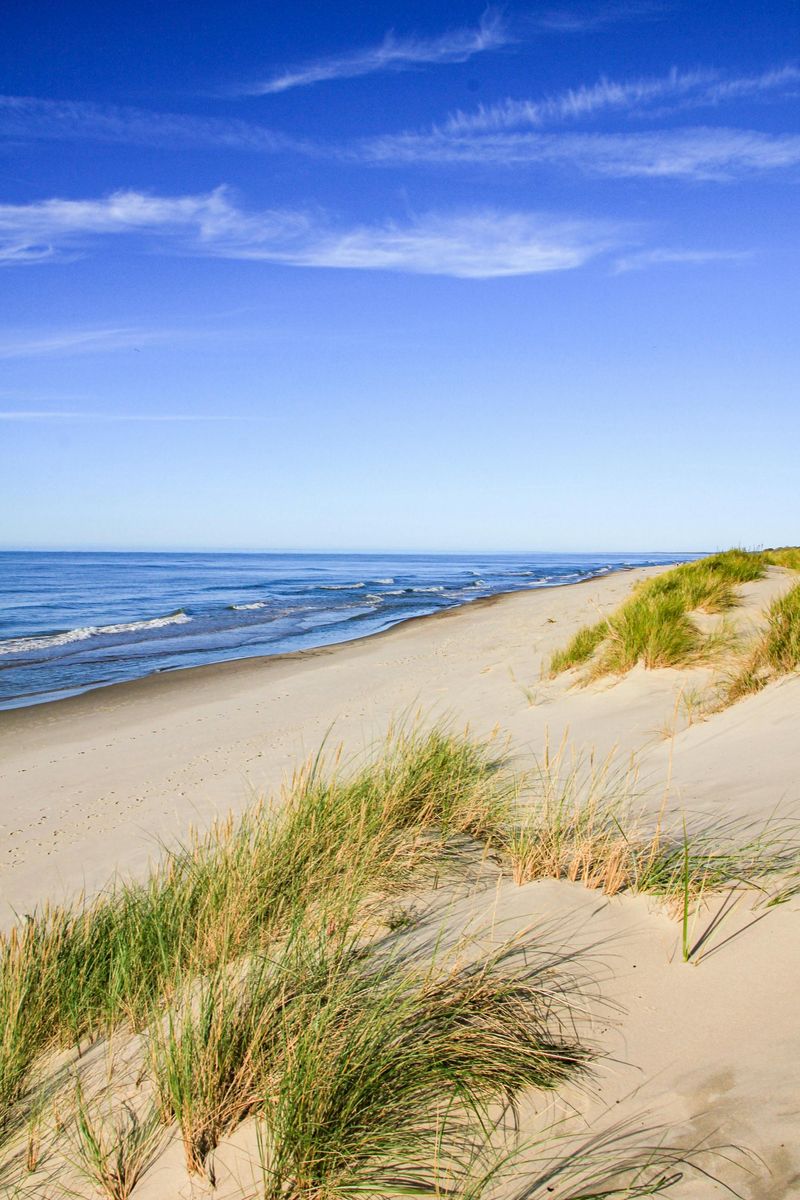
Stand on the main beach and the horizon looks borderless, like the lake breathed in and decided to be an ocean. Waves roll with a steady thrum, gulls loop overhead, and the water shifts from pale mint to deep slate.
The vibe is expansive yet calm, ideal for slow walking, shell scanning, and quietly recalibrating city rhythm. Wind can rise quickly, so stash a windbreaker and know summer water stays brisk. Parking fills on bluebird afternoons; mornings reward early birds with room to breathe and softer light.
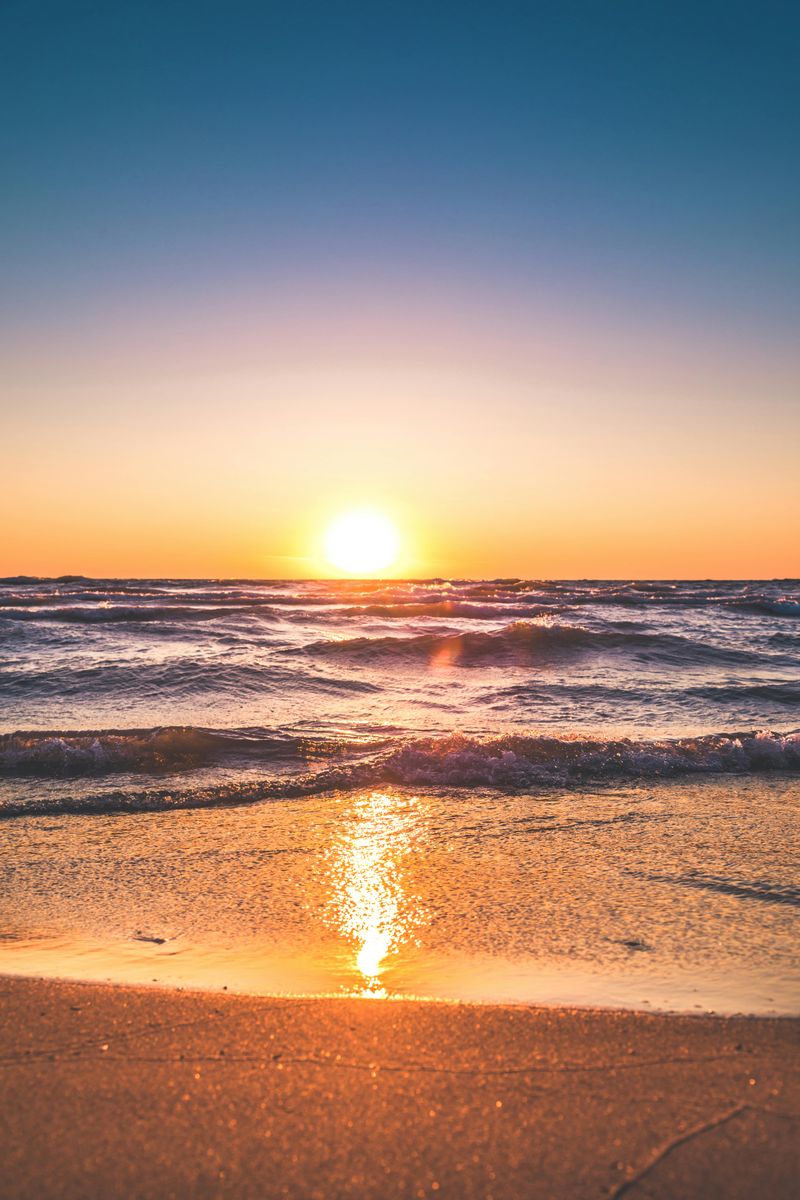
Respect flagged swim zones, watch for drop offs near sandbars, and keep gear sand smart with zipper bags. You will hear the dune grass hiss like a whispered metronome. Sunsets paint copper bands across everything.
A Coastal Paradise In Ludington
The journey along M-116 offers a unique transition from the city’s charming harbor into a dramatic landscape of shifting sand dunes and dense forests, where the road itself is bookended by water on both sides.
The main entrance leads to Ludington State Park and Campgrounds at 8800 M-116, Ludington, Micghian. Leaving the pavement for the sandy trails, the atmosphere shifts from a scenic drive to an outdoor enthusiast’s dream.
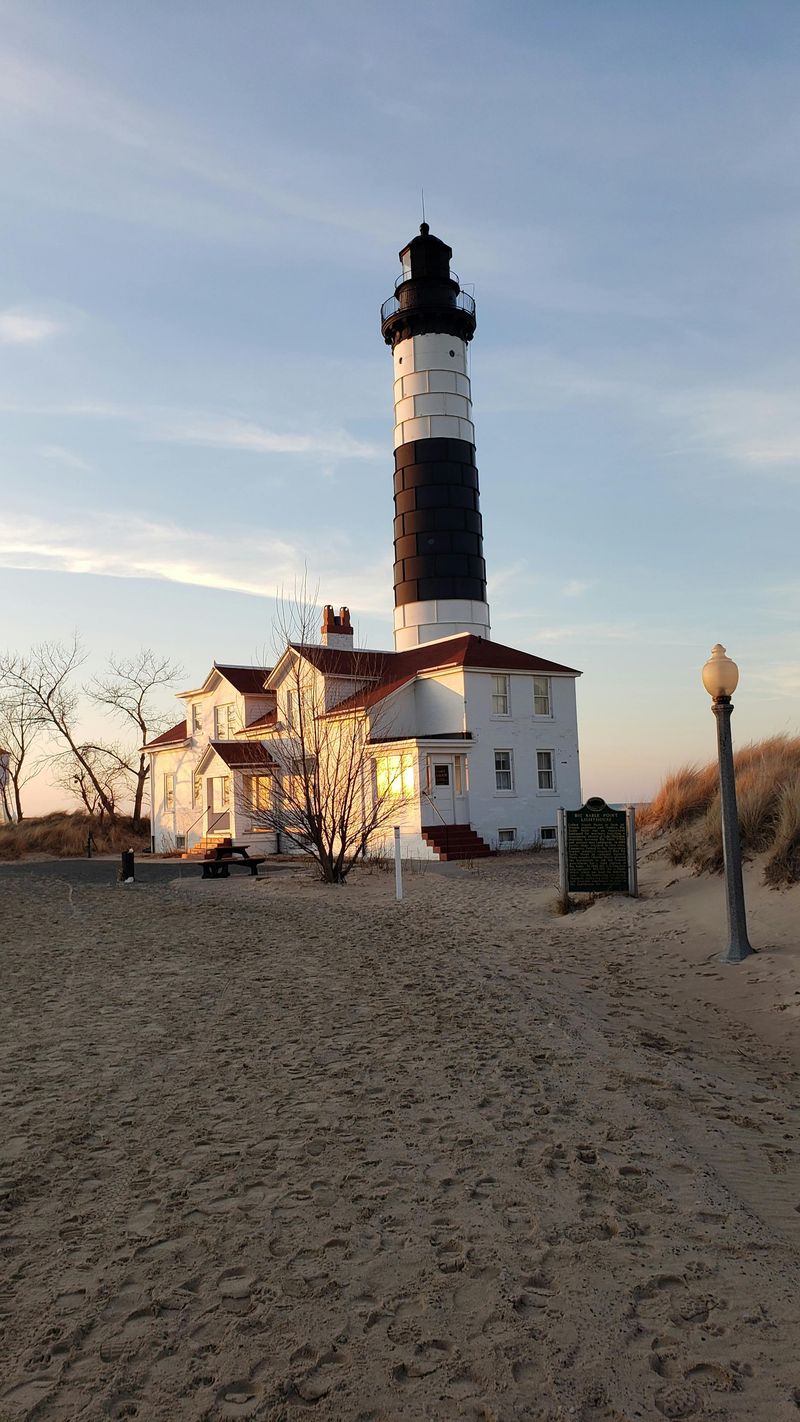
Hiking out to the iconic Big Sable Point Lighthouse from this address offers a perfect vantage point to appreciate the scale of the towering dunes.
Big Sable Point Lighthouse Approach
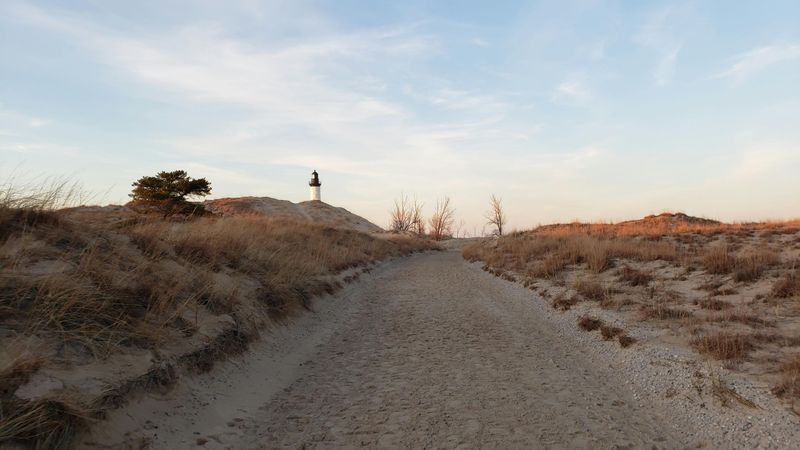
A black and white tower rises from the dunes, Big Sable Point Lighthouse steady against the wind. Built in 1867, it guarded freighters and schooners moving along the Lake Michigan coast, and its relocated keepers quarters still watch the trail.
You can hike about two miles each way, take a seasonal bus, or follow the packed sand service road. I like walking the beach in cooler mornings, then returning via dunes for contrast. Wear a hat, carry water, and expect stronger gusts near the point.
If the tower is open, the climb rewards with a sweep of shoreline that frames just how oceanlike this lake can feel. Check hours with the lighthouse stewards before committing to the hike. Sand can be hot by midday.
Hamlin Lake Beach And Rentals
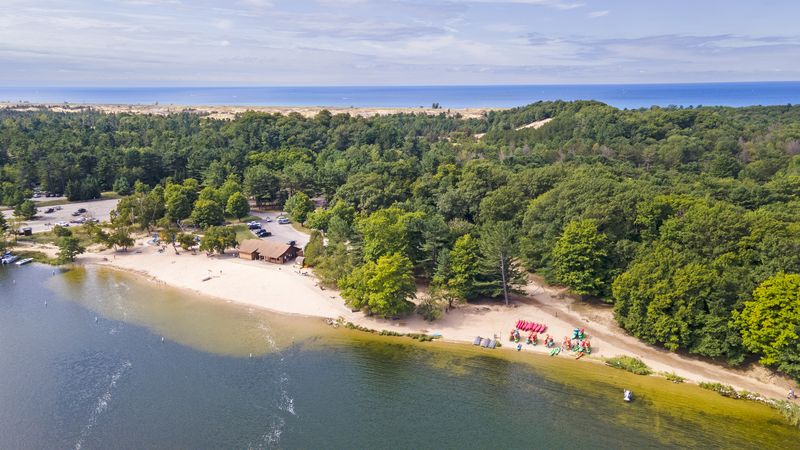
Across M 116 from the main beach, Hamlin Lake spreads like a calmer cousin with warmer, shallower water. Families gravitate here for the roped swim area, sandy bottom, and the steady parade of kayaks, canoes, and paddleboards.
A small concession typically rents gear in season and points you toward mellow routes near the Big Sable River mouth. Plan for parking turnover at busy times, and know wind can swing fast across the open fetch.
Leash life vests for kids, pack a dry bag, and glide the lily padded edges where turtles pop their noses like periscopes. If your afternoon needs shade, cottonwoods near the picnic tables cooperate. Evening light here turns the water to soft tin and invites an unhurried float.
Floating The Big Sable River
The park has a gentle lazy river energy where the Big Sable slides from Hamlin Dam toward Lake Michigan. People launch tubes and kayaks, moving through cedar shade and reflected sky while herons pretend not to notice. Sound carries softly, so conversations round corners ahead of you like polite warnings.
Float times vary with flow and crowds, so ask rangers or the concessions for current advice. Footwear matters because riverbeds hide sticks, and landings can be stony.
Shuttle a car if you prefer, or simply accept the joyous inefficiency of paddling back upstream along the bank. Dragonflies will race you in little blue flashes when the sun finally warms the channel. Reserve rentals early on peak weekends.
Reading The Living Dunes
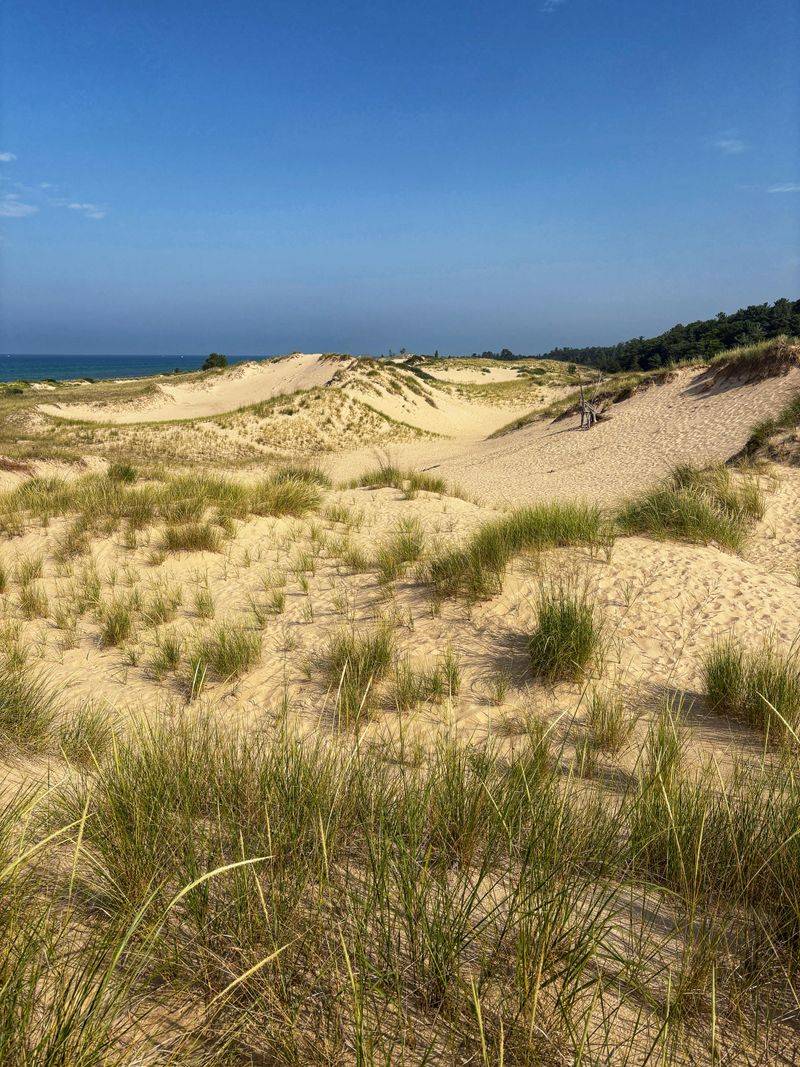
Look closely at the dunes and you will find a patient architecture: marram grass stitching sand, cottonwood saplings anchoring edges, lichens painting stones. Blowouts heal slowly here, a living record of wind patterns and careful preservation work that keeps trails from fraying.
Signs ask you to stay on routes not as scolding, but as engineering. I carry a tiny brush to flick sand from camera lenses, because grit is inevitable and the breeze generous.
Low light flatters textures, so early or late walks reveal ripple patterns like carved woodgrain. If you hear the grass hiss, you are close enough to help by stepping lightly and skipping the shortcuts. Snow reveals these same contours in elegant monochrome winters.
Lost Lake And Island Trail Wildlife
Quiet water curls through the Lost Lake and Island Trail complex, where boardwalks hover just above lilies and peat. Turtles plop off logs, beavers leave toothy signatures, and the air can carry a tea colored scent from tannins.
History echoes at the Hamlin Dam nearby, which once powered industry and now tames flows for paddlers and fish. Boardwalk edges invite dawdling, but yield to passing hikers on narrow bends. Bug spray helps in still weather, and a brimmed hat keeps stray needles from your neck under pines.
Listen for woodpeckers tapping like distant metronomes, and let the pace match the water. Benches appear just when patience asks for a pause. Photography buffs should meter for shade, not sun.
Smart Camping At Pines, Cedar, Beechwood
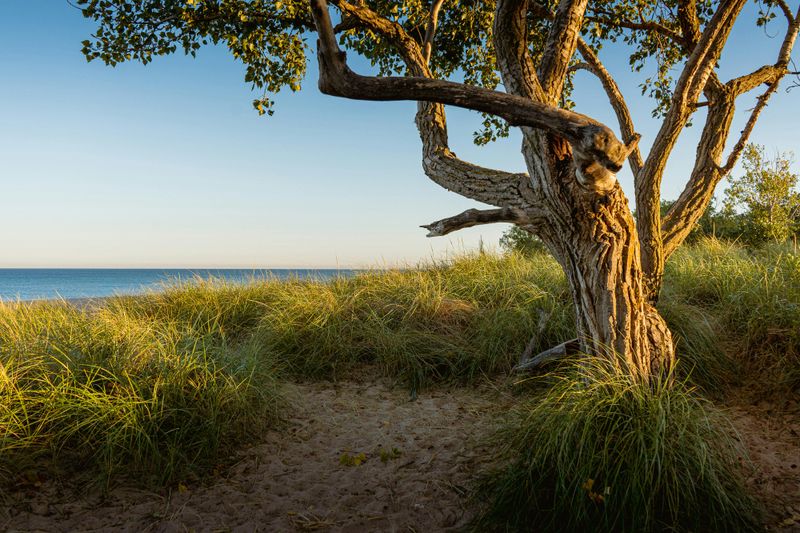
Three campgrounds anchor the park experience: Pines, Cedar, and Beechwood, each shaded, walkable, and close to water. Sites can book months ahead, particularly summer weekends, so treat reservations like concert tickets.
Amenities include bathhouses, a small camp store with ice and treats, and easy access to the beach and trails. Expect limited cell service that encourages actual conversation and starwatching. Quiet hours mean you will hear owls if you switch off the playlist.
Bring extra cord length for communal outlets, seal food at night, and keep a small light handy for late walks to the restroom. Morning coffee steams best by the river, where mist writes cursive over the surface before the sun edits it away.
Shoulder Seasons And Snow Quiet
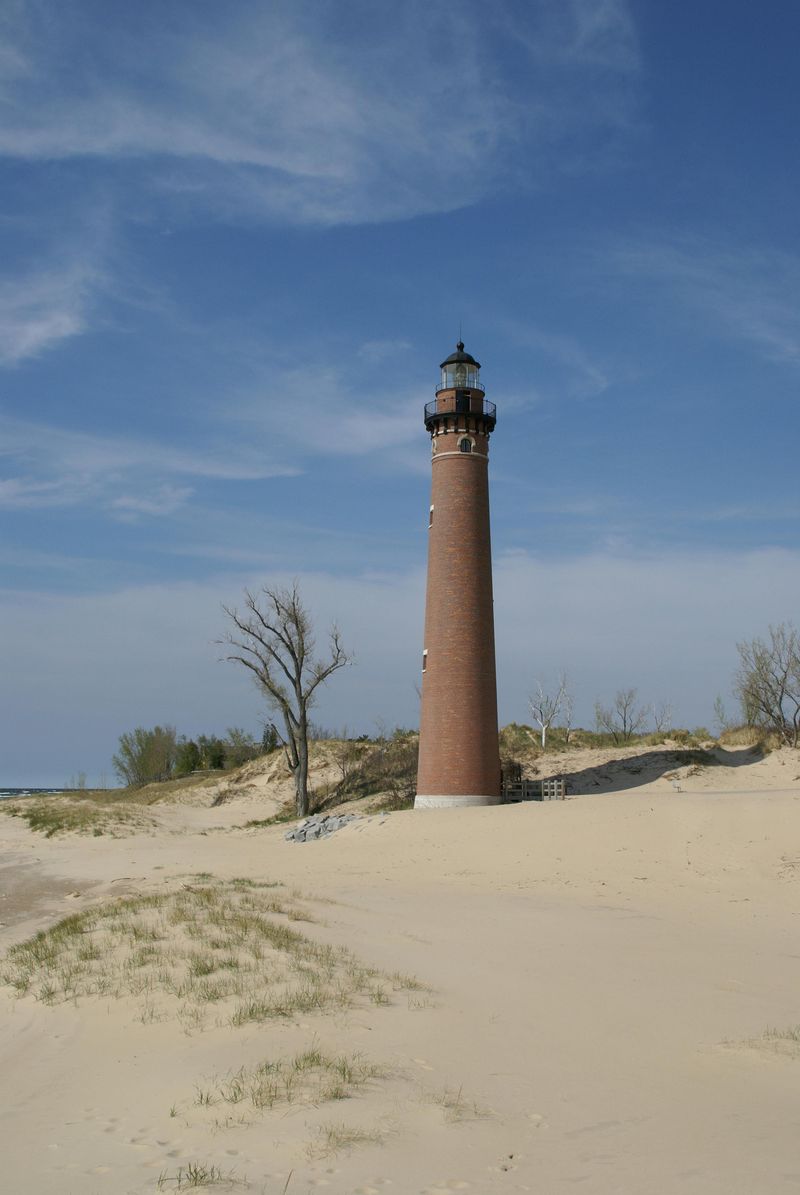
Autumn brings copper dunes and a deeper hush, plus migratory birds arrowing past the lighthouse in tidy formations. Winter pares everything to essentials as snow sculpts cornices and the lake stacks pancake ice along the shore. Spring then loosens the seams with chorus frogs and cold clear light.
I favor late October, when trails are open, mosquitoes are gone, and the lighthouse path feels cinematic. Microspikes help on icy boardwalks, and extra layers belong in your daypack year round.
Check seasonal hours for facilities, because water systems and concessions hibernate before crowds do. Storm days reward watchers at safe distances as waves muscle the breakwater and sound turns cathedral deep. Bring thermos tea and patience.
Stargazing Over The Water
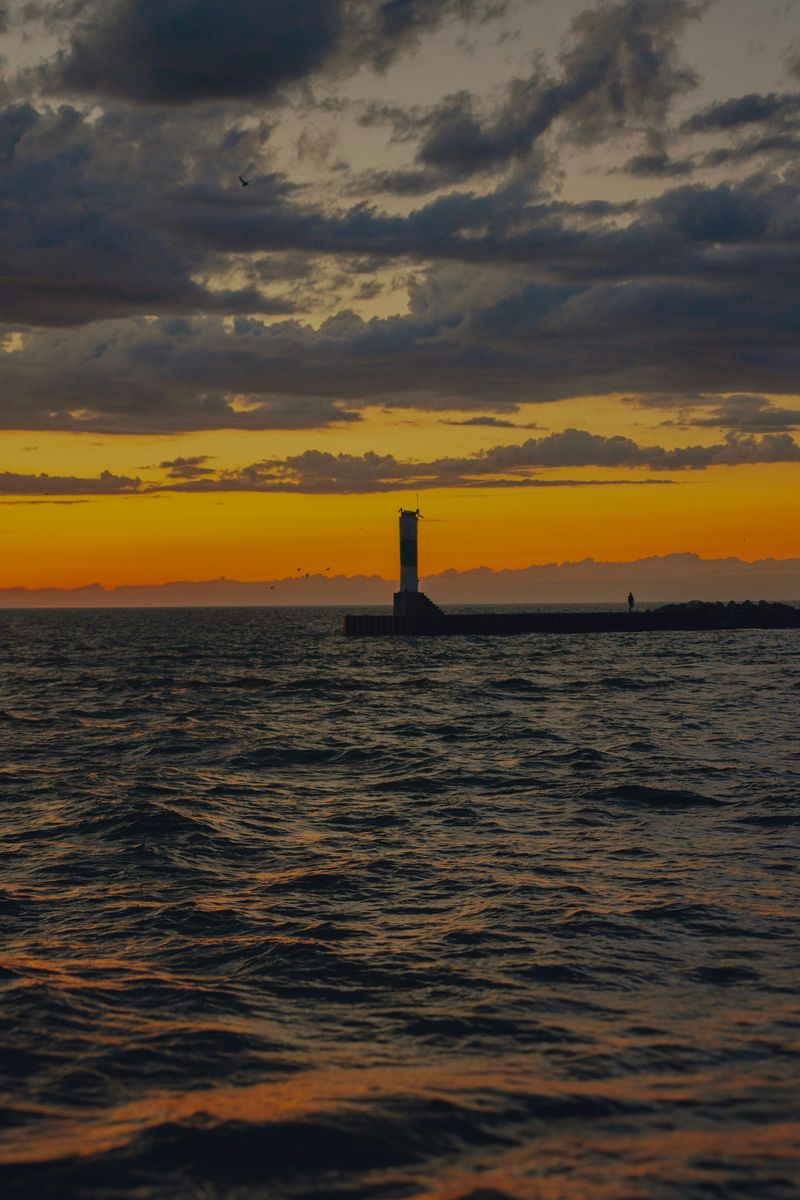
When the campground quiets, the sky takes over with a river of stars that seems to pour toward the lake. Away from town glow, Milky Way structure emerges, and satellites clip silently across constellations.
Occasionally, northern lights flirt here, especially during active solar periods, turning the horizon mint and rose. Use red light to preserve night vision, step carefully on sand stairs, and keep noise gentle for neighbors.
A blanket on the beach is perfect, but check the forecast and wind before committing to a long sit. Star apps help if your cell signal allows; otherwise, follow Orion like an old friend. In buggy months, a headnet saves the mood without dousing yourself in too much repellent.
Logistics That Keep Days Smooth
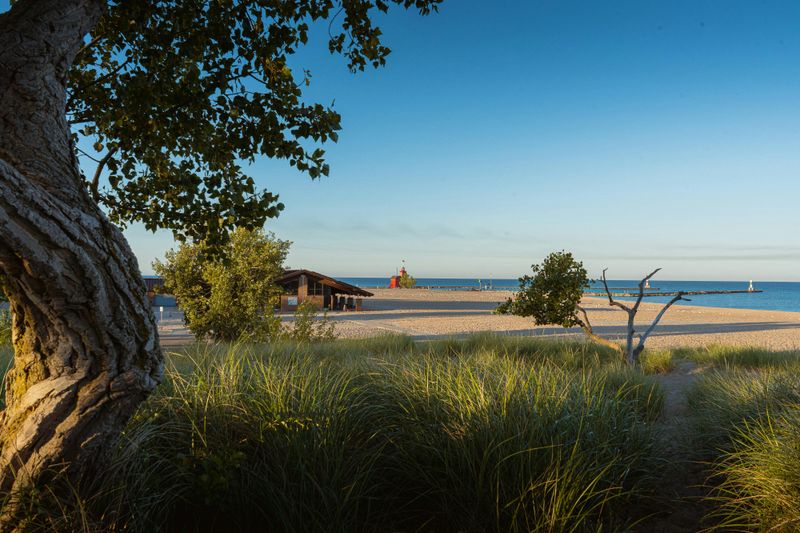
Navigation is straightforward along M 116, with the park entrance leading to beaches, campgrounds, and the Hamlin Dam area. Pick up a current map at the contact station or download the DNR version, because trail connections multiply quickly.
Parking lots can close temporarily when full, and construction occasionally affects facilities. The lighthouse bus, when running, boards near the trailhead off M 116, and schedules are posted by stewards. Rentals operate seasonally at Hamlin Lake Beach; plan backups if winds shut the window.
Weather on the big lake changes fast, so treat forecasts as hints, not guarantees, and give yourself generous margins. Rangers are glad to help, especially with route choices that match your time and energy.